
Getting older changes more than just your body — it quietly reshapes your relationships too. Many people find themselves pulling back from friends and family without fully understanding why.
Life gets complicated, priorities shift, and sometimes the connections that once felt easy start to feel like a lot of work. Understanding the real reasons behind this distance can help us show more compassion — for others and for ourselves.
1. Burnout and Chronic Stress
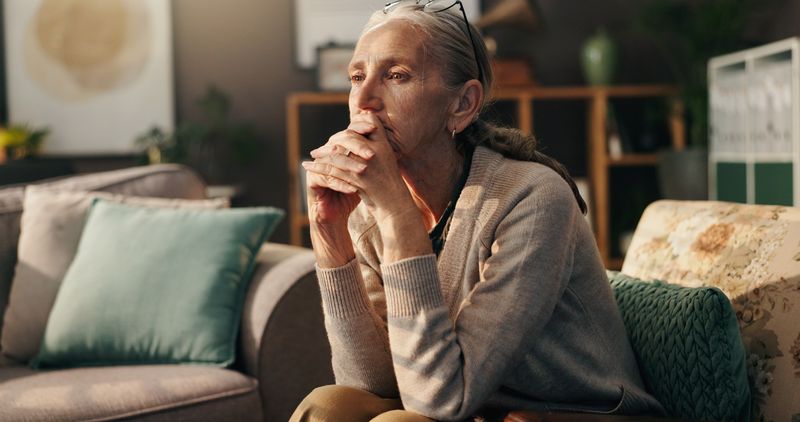
When life never seems to slow down, even a phone call from a close friend can feel like too much. Chronic stress depletes the mental energy needed to maintain relationships, making isolation feel like relief rather than loneliness.
People dealing with burnout aren’t pushing others away out of dislike — they’re simply running on empty. Recognizing this pattern early can help both the person struggling and the people who care about them respond with patience instead of hurt feelings.
2. Emotional Suppression and Fear of Being a Burden

Some people carry enormous emotional weight completely in silence, convinced that sharing their pain would only make things worse for everyone around them. Over time, this habit of bottling things up creates invisible walls between them and the people they love most.
Fear of being “too much” is surprisingly common, especially as people age and face bigger challenges. Ironically, staying quiet to protect others often ends up pushing those same people further away without either side fully understanding why.
3. Setting Boundaries With Toxic Relationships

Not every relationship deserves a permanent place in your life — and with age comes the clarity to finally act on that truth. Distancing from toxic friends or family members isn’t coldness; it’s self-preservation backed by hard-earned wisdom.
Younger people often tolerate harmful dynamics out of obligation or fear of conflict. But as priorities sharpen with age, many adults quietly choose their mental health over keeping the peace at any cost.
That decision, though sometimes painful, is often the healthiest one they’ll ever make.
4. Shifting Values and Loss of Shared Interests
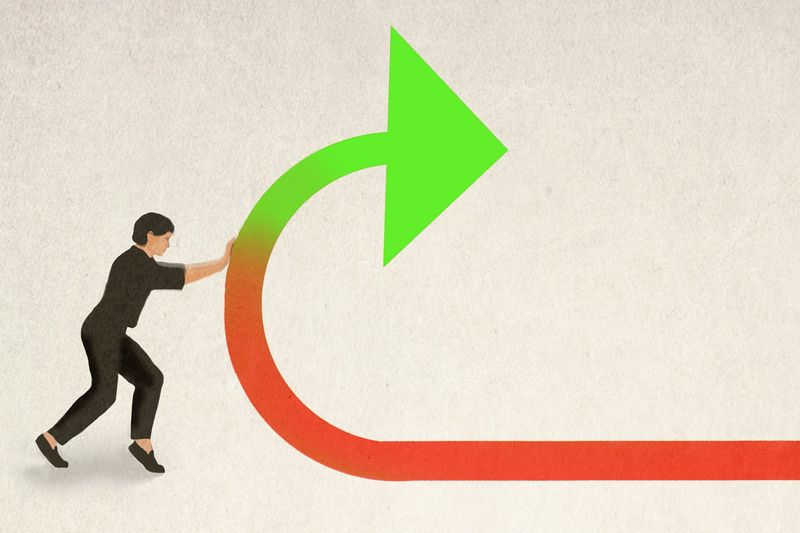
Friendships built on shared hobbies, beliefs, or lifestyles can quietly fall apart when one person evolves and the other doesn’t — or evolves in a completely different direction. It’s not always dramatic; sometimes the drift just happens gradually, like a slow tide pulling two boats apart.
This kind of distance often carries a quiet sadness because no one did anything wrong. People simply grow, and sometimes growing means outgrowing the connections that once felt like home.
That’s a natural, if bittersweet, part of getting older.
5. Caregiving Responsibilities
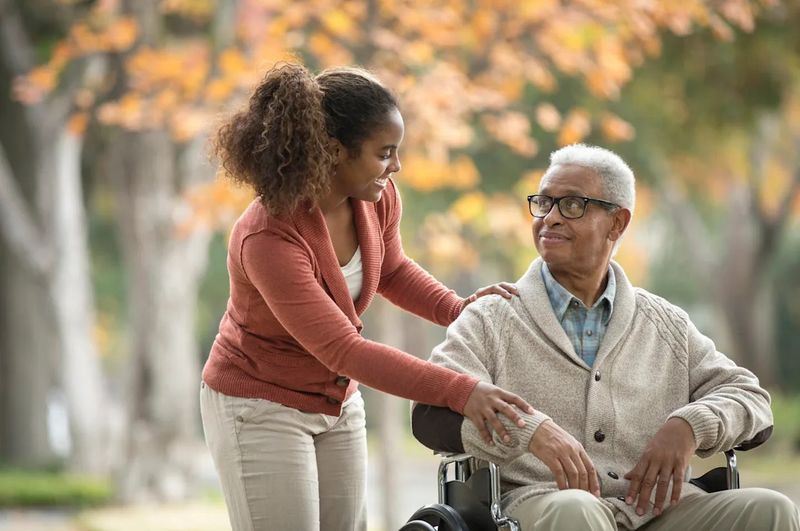
Taking care of an aging parent or a sick family member is one of the most selfless things a person can do — and one of the most socially isolating. The sheer time and emotional demand of caregiving leaves little room for maintaining friendships or attending social events.
Many caregivers quietly disappear from their social circles not because they want to, but because there simply aren’t enough hours in the day. Over time, that absence becomes a habit, and reconnecting starts to feel harder than it once was.
6. Financial Strain and Insecurity

Money troubles have a sneaky way of making people pull back from their social lives. Whether it’s shame about not being able to afford outings or anxiety about being judged, financial stress often leads to quiet withdrawal from friends and family.
Nobody wants to constantly decline invitations or explain why they can’t join in. So instead, many people just go quiet.
What looks like indifference from the outside is often embarrassment or fear — emotions that are completely understandable but rarely talked about openly.
7. Cognitive Decline and Neurological Factors
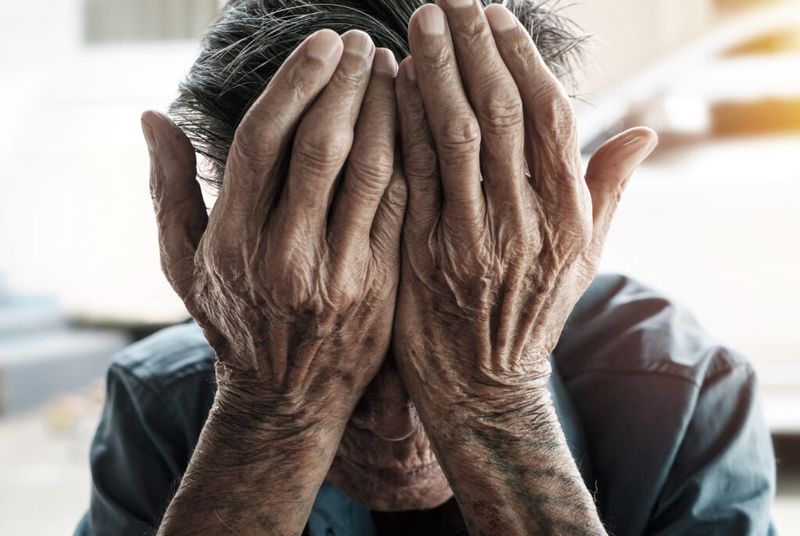
Conditions like dementia or mild cognitive impairment can make socializing feel frustrating and even humiliating. Forgetting names, losing track of conversations, or struggling to follow along can make a person feel deeply self-conscious around the people they love most.
Rather than risk embarrassment, many people with early cognitive changes begin pulling back long before others notice anything is wrong. Families who understand this dynamic can respond with gentleness instead of confusion — and that small shift in approach can make an enormous difference in keeping those relationships alive.
8. Physical Health Issues and Impairments
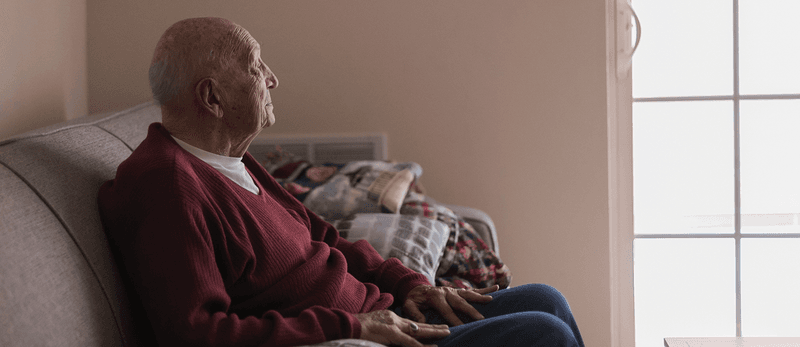
Chronic pain, limited mobility, hearing loss, or vision problems don’t just affect the body — they quietly chip away at a person’s social confidence too. When getting ready to go out feels exhausting or painful, staying home becomes the default choice more and more often.
Physical limitations can also make conversations harder, especially in noisy group settings where someone with hearing difficulties might feel constantly lost. Over time, avoiding those situations entirely can seem easier than struggling through them, even if that means seeing people less and less.
9. Loss of Loved Ones
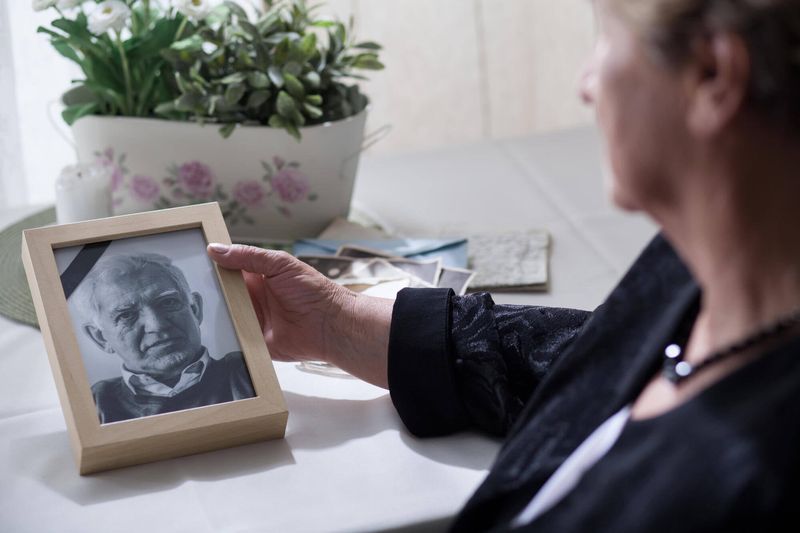
Losing a spouse, a lifelong friend, or a sibling doesn’t just create grief — it reshapes your entire social world overnight. The people who knew you best, who shared your history, are simply gone, and that absence leaves a gap that’s nearly impossible to fill.
Grief also changes how people relate to others who haven’t experienced similar losses. Conversations can feel shallow or disconnected, making it tempting to withdraw rather than pretend everything is fine.
Many older adults find themselves pulling back simply because the world no longer feels quite as familiar without the people they loved most in it.
10. Retirement and Changes in Social Environment
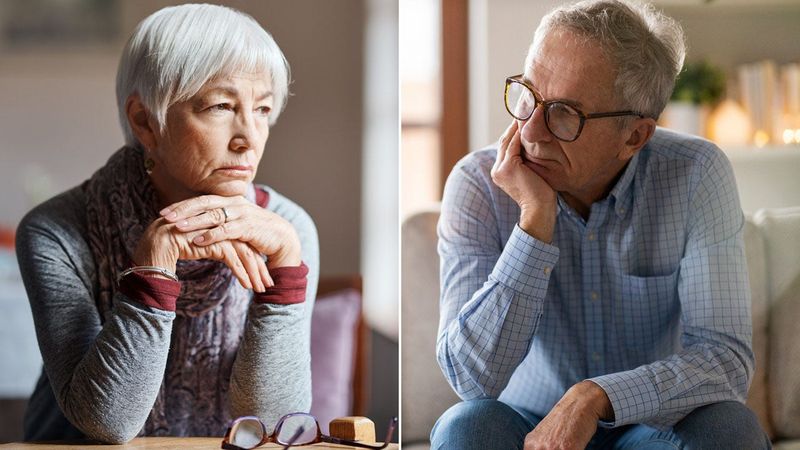
Work provides more than a paycheck — for many people, it’s the backbone of their entire social life. Colleagues, daily routines, shared goals, and casual hallway conversations all disappear the moment retirement begins, often leaving a surprisingly hollow feeling behind.
Relocating to a new city or downsizing to a smaller community can compound that isolation further. Building new friendships from scratch in your 60s isn’t impossible, but it takes real effort that not everyone feels motivated to make.
Without that push, the distance from others can grow wider than expected.
11. Poor Communication Patterns
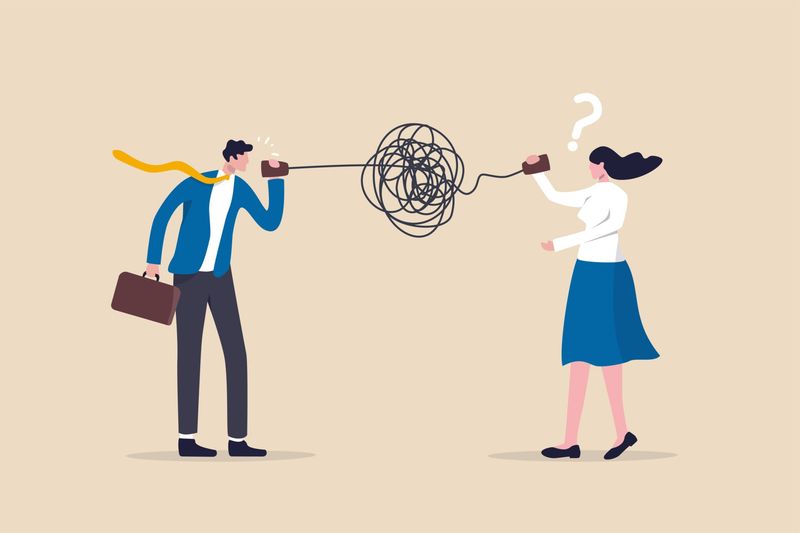
Years of small misunderstandings, unspoken frustrations, and avoided conversations can quietly build walls between even the closest people. When nobody feels truly heard, it becomes easier to stop trying than to keep hitting the same emotional dead ends.
Poor communication rarely starts with one big fight — it usually builds slowly through a thousand tiny moments where feelings went unaddressed. Learning to express needs clearly and listen without defensiveness can turn this pattern around, but it requires both people to be willing to try something different than what they’ve always done.
12. Unresolved Conflicts and Resentment
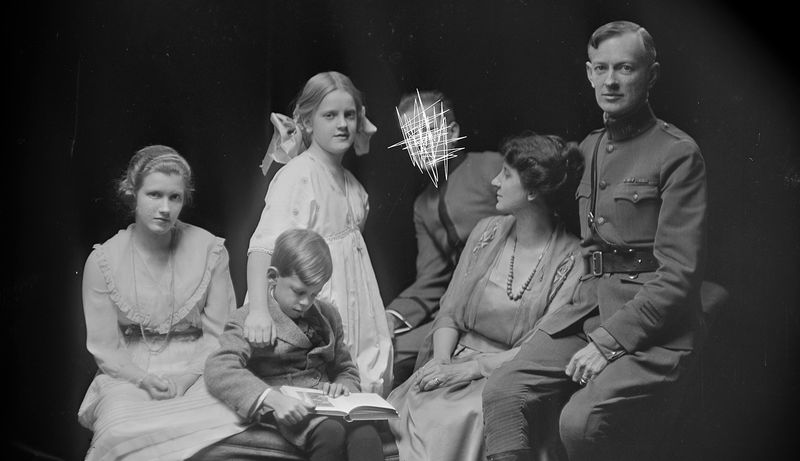
Old wounds have a long memory. A disagreement about inheritance, a harsh word said years ago, or a betrayal that was never properly addressed can simmer quietly beneath the surface of a relationship for decades — until one day the distance becomes permanent.
Resentment rarely announces itself loudly. It shows up as shorter replies, skipped holidays, and excuses not to visit.
Addressing old conflicts is uncomfortable work, but leaving them unresolved almost always costs more in the long run than the awkward conversation it would take to begin healing them.
13. Lack of Healthy Boundaries
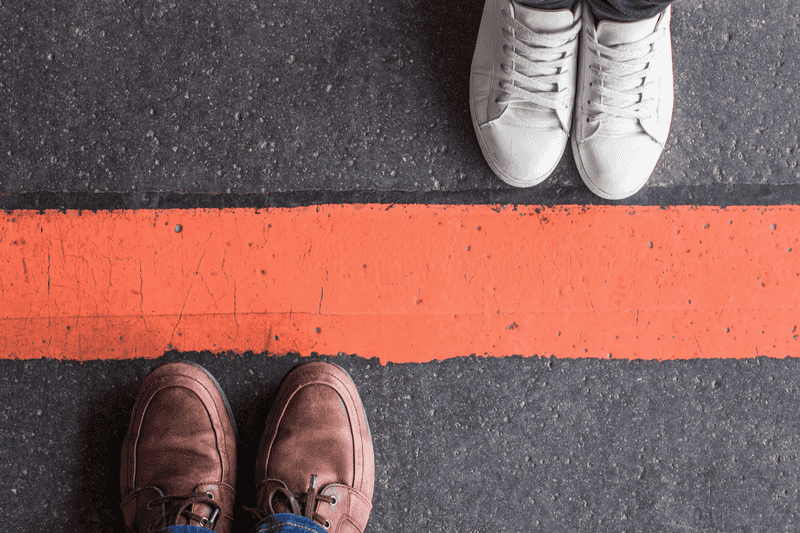
Relationships without clear boundaries can feel suffocating, and that feeling tends to grow stronger with age. When someone consistently oversteps, criticizes, or demands more than a person can comfortably give, pulling back starts to feel like the only way to breathe again.
Ironically, a lack of boundaries often comes from too much closeness rather than too little care. But when one person in a relationship consistently feels drained or disrespected, creating distance becomes a form of self-protection.
Healthy boundaries aren’t walls — they’re the foundation that keeps relationships sustainable long-term.
14. Desire for Authenticity and Selectivity
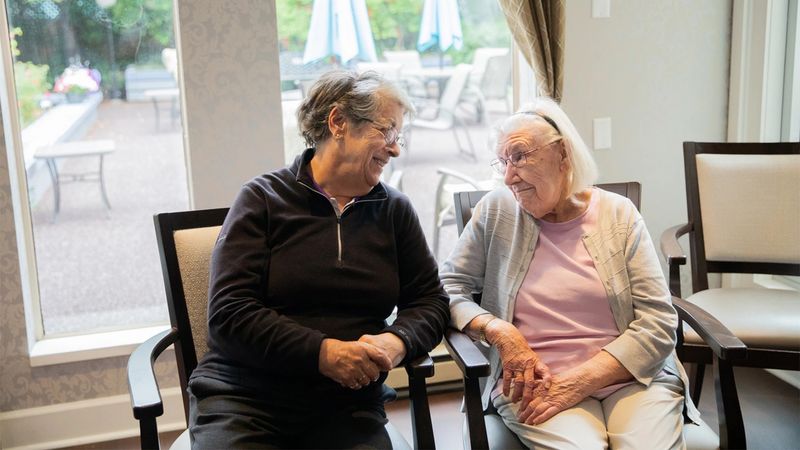
There comes a point in life when small talk starts to feel like a waste of something precious. Many older adults grow less interested in maintaining a wide social circle and far more invested in a handful of relationships that feel genuinely real and nourishing.
This selectivity isn’t antisocial — it’s actually a sign of emotional maturity. Choosing quality over quantity in friendships means saying no to surface-level connections that drain energy without offering much in return.
The result is often a smaller but far more satisfying social world built on honesty and mutual respect.
15. Outgrowing Shared Identities and Life Stages

Some friendships are built entirely around a shared chapter of life — school, a first job, a neighborhood, a sports team. When that chapter closes, the glue holding those relationships together can dissolve surprisingly fast, even when everyone involved still has warm feelings for each other.
Growing apart from someone you once felt inseparable from can bring a quiet, complicated kind of grief. There’s no fight, no betrayal — just two people whose lives moved in different directions.
Recognizing this as a natural part of growth, rather than a failure, can make the transition easier to accept.
16. Personality Changes Beyond Normal Aging

Sometimes the shift in a person’s social behavior isn’t about their relationships at all — it’s a symptom of something happening inside their brain or body. Conditions like depression, thyroid disorders, or early neurological changes can cause personality shifts that push people away without anyone understanding why.
Increased irritability, sudden apathy, or unexplained mood swings can strain even the strongest relationships. When families understand that these changes may have a medical root, it becomes easier to respond with concern rather than frustration — and that shift in perspective can genuinely save important bonds from breaking permanently.
17. Geographical Distance and Relocation

Moving to a new city for work, family, or a fresh start sounds exciting — until the reality of rebuilding a social life from scratch sets in. Distance makes even the closest friendships harder to maintain, and busy schedules mean those “we should catch up” messages often never get sent.
Over time, geographical separation creates an emotional gap that feels increasingly awkward to bridge. People drift into their new routines, and old connections quietly fade.
Staying intentional about reaching out — even imperfectly — is what separates friendships that survive relocation from those that slowly disappear.
18. Reduced Energy and Capacity for Social Effort

By the time many people reach their 60s and beyond, the social stamina that once made parties and big gatherings feel fun has quietly diminished. Physical fatigue, emotional exhaustion, and a shrinking tolerance for noise and small talk all play a role in this shift.
Choosing a quiet evening at home over a crowded event isn’t necessarily sadness — for many older adults, it’s simply an honest acknowledgment of what feels good now versus what felt good at 30. The challenge is making sure that preference for rest doesn’t gradually become complete isolation from the people who matter most.