
When someone keeps denying what happened or twisting your words, you may start doubting yourself. Gaslighting is a pattern of making you question your own reality, not just a simple disagreement.
A clear response can help you hold your ground, but no phrase can guarantee that another person will stop. Use these words when it feels safe, and put your safety ahead of winning the conversation.
1. Hold Your Ground: ‘I Know What I Experienced.’

Being told an upsetting moment never happened can leave you feeling lost. Say, ‘I know what I experienced,’ in a steady voice, without turning your memory into a courtroom case.
You can listen to another account without giving up your own. If the person keeps denying everything, repeat your response once and end the discussion.
Later, write down what you remember somewhere private, including any details you are unsure about, to help yourself stay grounded.
2. Leave Room for Differences: ‘We Remember This Differently.’
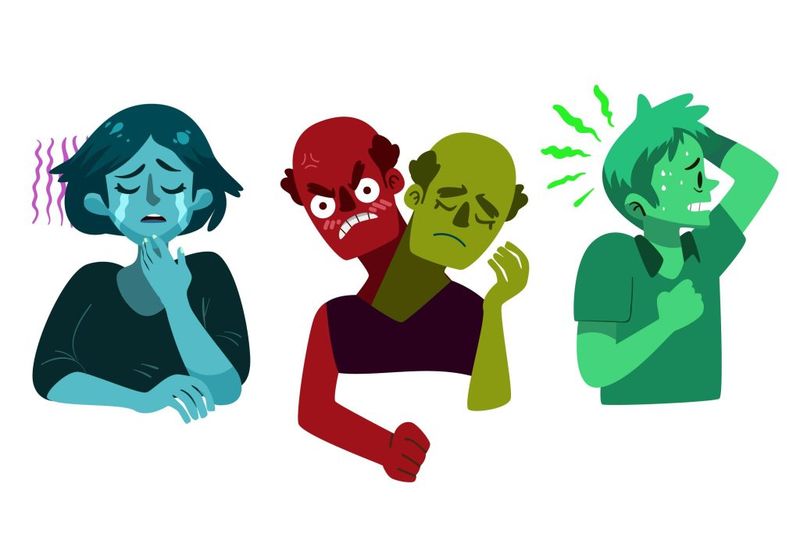
Two people can remember the same moment in different ways. Try, ‘We remember this differently,’ when you want to state that difference without getting pulled into a fight.
A single memory gap does not prove gaslighting. Look for repeated denial, pressure, or attacks on your judgment instead.
You can check messages or other reliable details later, if needed. Right now, you do not have to accept someone else’s version just because they speak more loudly.
3. Protect Your Feelings: ‘You Don’t Have to Agree With How I Feel.’

Feelings are not a vote that someone else gets to cancel. Say, ‘You don’t have to agree with how I feel, but please don’t dismiss it.’
Feeling hurt does not prove every guess about another person’s motives is correct. Still, your emotions deserve care.
Name the behavior that bothered you, such as laughing while you spoke. Then ask for a clear change, rather than spending the whole conversation defending your right to feel upset again.
4. Keep Ownership of Your Meaning: ‘Please Don’t Tell Me What I Meant.’

Having your words rewritten can make a simple talk feel impossible. Use, ‘Please don’t tell me what I meant.
I can explain that myself.’
Follow with one short correction, such as, ‘I asked for help, not an argument.’ Avoid adding a long defense that opens new paths for blame. You can hear how your words affected someone while still correcting a false claim about your intent.
Both people should have room to explain their meaning.
5. Refuse Name Calling: ‘I Won’t Discuss This While I’m Being Insulted.’

Words like ‘crazy’ or ‘stupid’ can turn attention away from the real concern. Respond, ‘I won’t discuss this while I’m being insulted.’
Make the boundary about your next step, not a demand you cannot enforce. If the insults continue, stop replying or leave when safe.
You do not need a sharper comeback to earn basic respect. If walking away could put you at risk, focus on getting support rather than announcing a boundary right then.
6. Lower the Temperature: ‘I’ll Talk When We Can Speak Calmly.’

A raised voice can make it hard to think clearly. Try, ‘I’ll talk when we can speak calmly,’ instead of matching the volume.
Take a breath, keep your reply short, and give yourself space if possible. Staying calm does not mean the mistreatment is your fault or that you must hide your feelings.
If shouting becomes threatening, skip the perfect wording. Move toward safety and contact someone you trust when you can do so safely.
7. Claim Your Turn: ‘I Need to Finish My Thought.’

Repeated interruptions can leave your concern buried under someone else’s version. Say, ‘I need to finish my thought, and then I’ll listen.’
Keep your point brief: describe what happened, how it affected you, and what you need next. If the person keeps cutting you off, pause the discussion rather than competing for airtime.
In a work meeting, you might ask the meeting leader to help each person finish. Fair conversation requires room for both voices.
8. Bring Back the Topic: ‘Let’s Return to What I Raised.’

Suddenly, a question about a broken promise becomes a lecture about your flaws. Redirect with, ‘Let’s return to what I raised: the plan changed without telling me.’
Name one issue and stay with it. Other concerns can have their own conversation, but they should not erase yours.
If every attempt leads to fresh accusations, stop chasing each side topic. Notice the pattern, make a private note, and decide whether another discussion would actually be useful.
9. Separate Blame From Responsibility: ‘I Can Own My Part, Not Yours.’

Taking responsibility should not mean carrying the entire problem. Use, ‘I can own my part, but I won’t take responsibility for your choices.’
Be specific about anything you genuinely regret, such as speaking sharply. Then separate that from the other person’s behavior.
Your tone does not make someone else’s threats, lies, or insults acceptable. Skip the debate about who is the worse person.
Focus on what each person did and what needs to change next.
10. Decline the Endless Debate: ‘I’m Not Going to Keep Arguing About This.’

Some arguments run in circles until you are too tired to trust yourself. Say, ‘I’m not going to keep arguing about this.’
You do not need the other person to agree before you stop participating. State your view once, then choose a useful next step, such as resting or speaking with a trusted friend.
Ending a repeated debate is not the same as refusing honest feedback. It means recognizing when a conversation has stopped helping.
11. Ask for Clarity: ‘Which Specific Part Do You Disagree With?’

Broad claims like ‘You always make things up’ are hard to answer fairly. Ask, ‘Which specific part do you disagree with?’
A clear detail gives you something you can check instead of defending your whole character. Listen for an actual example, not another insult.
This question cannot force honesty, and you do not have to keep asking it. If the reply stays vague or turns cruel, return to your boundary and end the exchange calmly.
12. Put Agreements in Writing: ‘Please Confirm That by Email.’

At work, a changing story can affect deadlines, duties, or credit. Say, ‘Please confirm that by email so we have the same information.’
After a meeting, send a brief recap of decisions and ask for corrections. Keep the tone factual rather than accusing anyone of gaslighting.
Save relevant messages according to workplace rules. Written records can help clarify events, but they may not stop mistreatment.
Seek guidance from an appropriate workplace contact if the pattern continues.
13. Name the Pattern: ‘My Concern Keeps Becoming a Problem With Me.’

One awkward reply is different from a pattern that happens again and again. Try, ‘When I raise a concern, the conversation keeps becoming a problem with me.’
Point to a recent example rather than guessing the person’s motives. You might add, ‘I want us to address the concern without attacking my judgment.’ Naming the pattern can help you see it clearly, even if they deny it.
Keep private notes only where they are safe from discovery.
14. Avoid the Quick Yes: ‘I Need Time Before I Answer.’

Pressure for an instant answer can drown out your own judgment. Say, ‘I need time before I answer,’ especially when you feel confused or rushed.
Step away from the message or conversation if you can. Eat, rest, or talk with someone steady before making a choice.
You may discover that your answer is different once the pressure fades. A reasonable request usually allows questions and thought.
You do not owe an immediate yes to prove trust.
15. Keep Support Available: ‘I’m Going to Talk With Someone I Trust.’

Confusion grows when you have nobody safe to talk to. If it is safe to say so, use, ‘I’m going to talk with someone I trust.’
Choose a friend, family member, counselor, or advocate who can listen without pushing you. Share specific events and ask for help sorting them out.
You do not need permission to seek support. If announcing your plan could trigger retaliation, reach out privately instead and consider using a safer device.
16. Accept a Repair, Not an Excuse: ‘What Will Change Next Time?’

An apology can sound kind while leaving the same behavior untouched. Ask, ‘What will change next time?’ when someone says sorry but keeps dismissing your concerns.
Look for a concrete answer, such as letting you finish or checking facts before making claims. Promises matter less than behavior over time.
You do not have to forgive immediately or stay close while waiting. If asking about change causes more blame, that response gives you useful information about the relationship.
17. Choose Your Distance: ‘For Now, I’ll Only Discuss Practical Matters.’

Sometimes less contact gives you more room to think. Try, ‘For now, I’ll only discuss practical matters,’ if you still need to coordinate work, bills, or parenting.
Keep replies brief, factual, and limited to what needs an answer. You can choose written messages when that is safe and useful.
Avoid sharing personal details that have been used against you. For complex family or workplace situations, seek advice about boundaries that fit your responsibilities and safety needs.
18. End the Exchange: ‘I’m Stepping Away Now.’

You are allowed to stop a conversation that keeps hurting you. Say, ‘I’m stepping away now,’ when further discussion offers only more confusion or disrespect.
Leave, end the call, or stop responding if you can safely do so. You do not need a final speech.
If you fear being followed, threatened, or harmed, focus on a safety plan with a trusted person or abuse support service. In immediate danger, contact local emergency help when safely possible.