
Polish cuisine has a way of surprising people. Many dishes have names or ingredients that might make you raise an eyebrow, but one bite is all it takes to become a fan.
Poland’s food traditions go back hundreds of years, mixing hearty flavors with simple, honest ingredients. Get ready to discover some of the most delicious comfort foods you probably never expected to love.
1. Czernina (Duck Blood Soup)
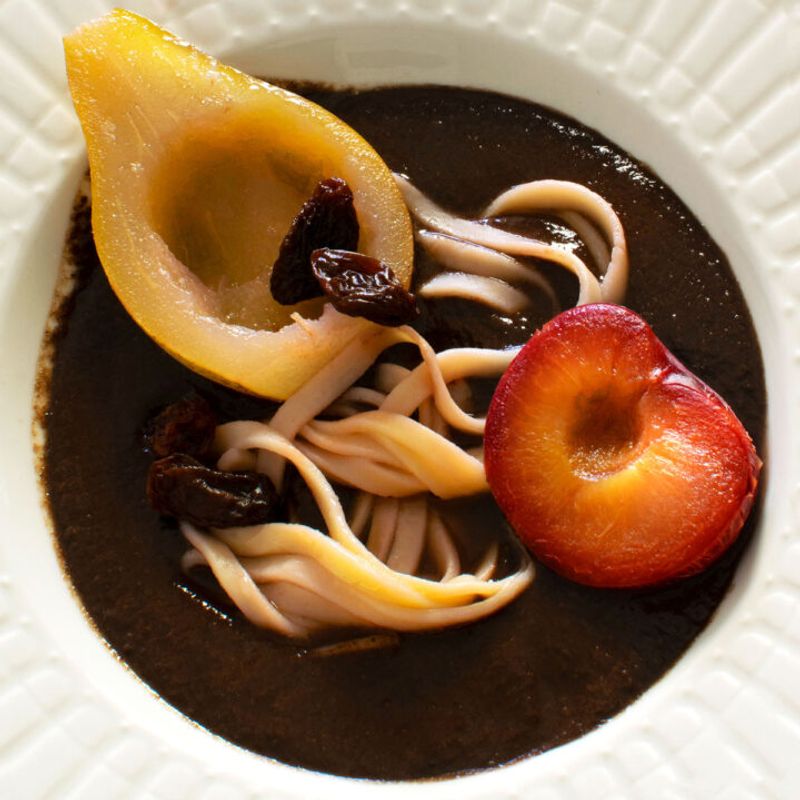
The name alone is enough to make some people back away, but czernina is a beloved Polish classic with a flavor that is hard to forget. Made from duck blood, broth, and a surprising mix of dried fruits like prunes and raisins, it has a sweet-sour taste that feels completely unique.
Historically, being served czernina by a Polish family had a special meaning – it meant a marriage proposal was rejected. Today, though, it just means dinner is special.
2. Flaki (Tripe Soup)
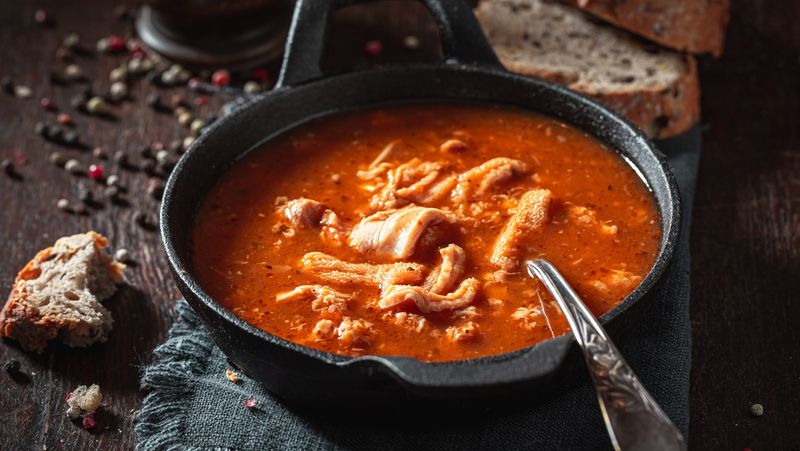
Flaki might not win any beauty contests, but it has warmed Polish bellies for centuries. Made from slow-cooked beef tripe, vegetables, and generous amounts of marjoram, this soup has a rich, deep flavor that feels like a hug from the inside.
Street vendors in Warsaw have sold flaki for generations, and it remains one of the most popular cold-weather dishes in the country. Once you get past the idea of what tripe is, the taste takes over completely.
3. Kaszanka (Blood Sausage)
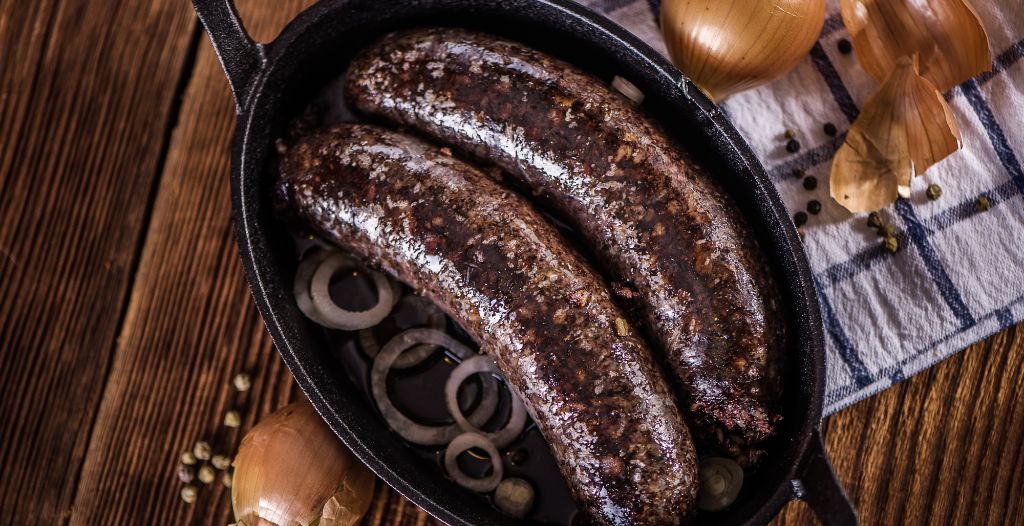
Kaszanka is a grilled sausage stuffed with buckwheat groats, pork offal, and pig’s blood – and it smells absolutely incredible when it hits a hot pan. The outside gets crispy and slightly charred, while the inside stays hearty and savory.
Polish families often grill kaszanka at backyard gatherings, pairing it with caramelized onions and mustard. It sounds intense, but the earthy buckwheat balances the richness perfectly, making every bite feel satisfying in the most old-fashioned, comforting way.
4. Zurek (Sour Rye Soup)
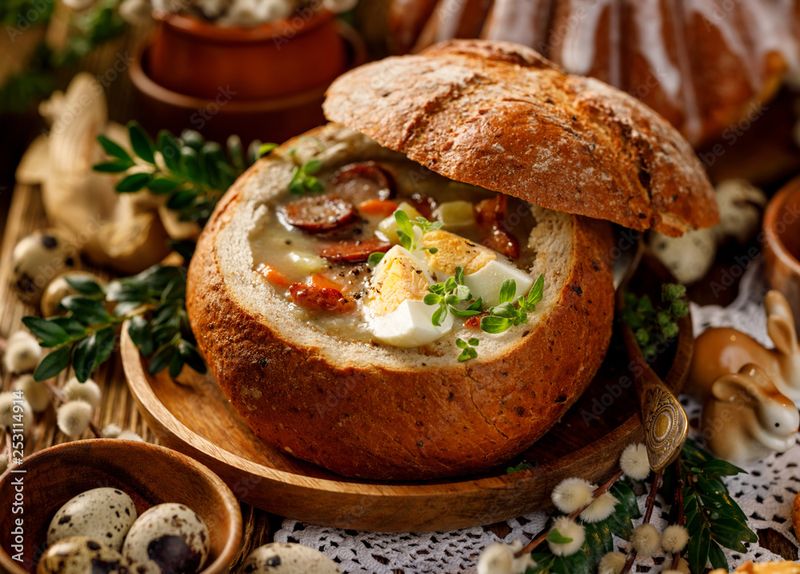
Imagine soup served inside a crusty bread bowl, with a broth so tangy it makes your mouth water before the spoon even reaches your lips. Zurek is fermented rye flour soup, and its sharp, sour flavor is unlike anything most people outside Poland have tried before.
Topped with slices of white sausage and a hard-boiled egg, it becomes a full meal in one edible bowl. During Easter, zurek appears on almost every Polish table as a beloved seasonal tradition.
5. Bigos (Hunter’s Stew)
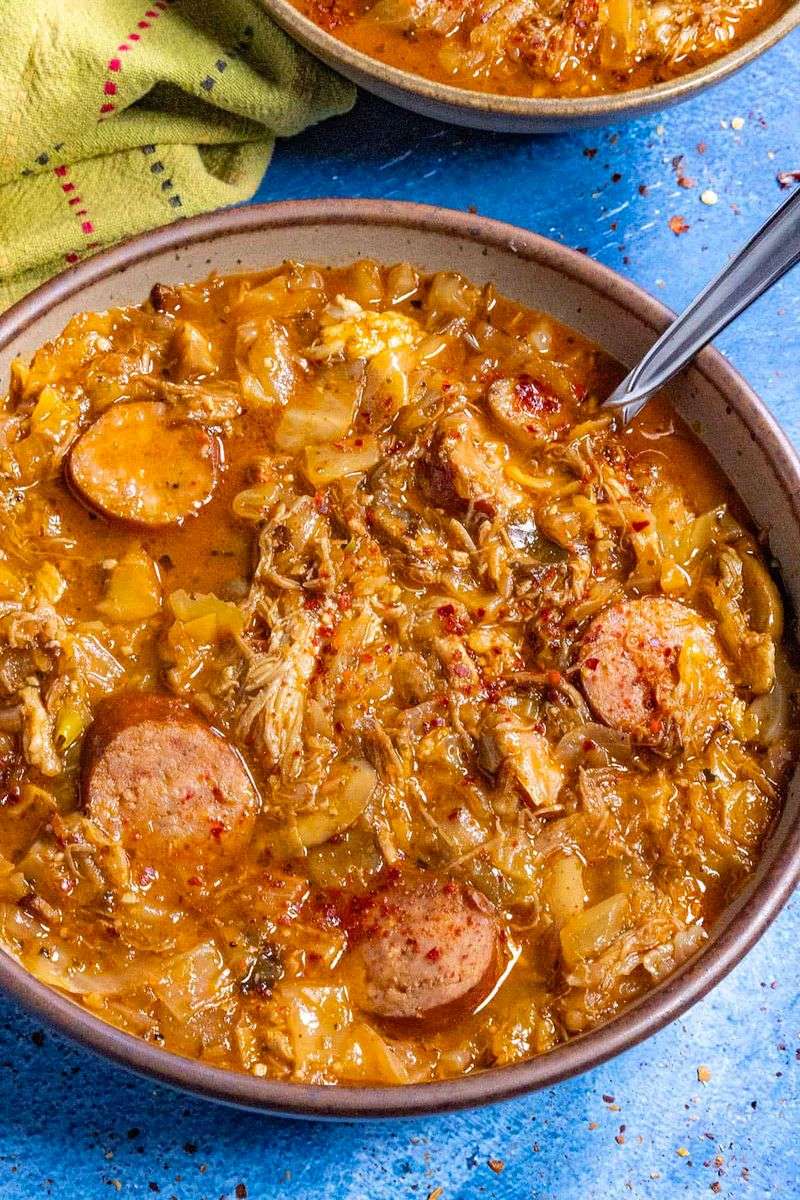
Bigos is the kind of dish that gets better every single day it sits on the stove. Made from sauerkraut, fresh cabbage, a mix of leftover meats, and dried mushrooms, it develops a deeply layered, smoky flavor that no single cooking session can rush.
Polish hunters traditionally made this stew over campfires, tossing in whatever meat they had on hand. The sour cabbage and savory meat combination sounds simple, but the result is one of the most complex comfort dishes in all of Europe.
6. Pierogi Ruskie (Potato and Cheese Dumplings)
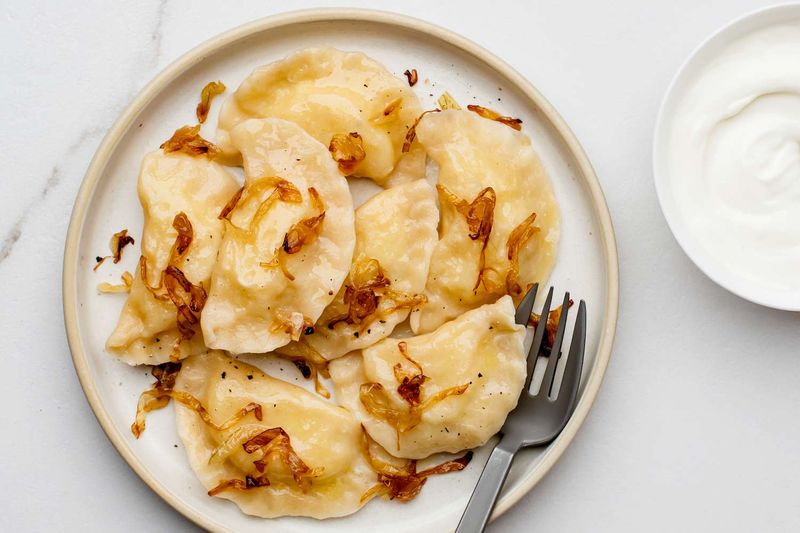
Despite the name suggesting something Russian, pierogi ruskie are as Polish as it gets. Stuffed with a creamy mixture of mashed potato and twarog farmer’s cheese, these dumplings are boiled and then pan-fried until golden and slightly crispy on the outside.
Topped with sour cream and a pile of caramelized onions, they are pure comfort in dumpling form. Almost every Polish grandmother has her own secret ratio of potato to cheese, and every version is worth trying.
7. Chlodnik (Cold Beet Soup)
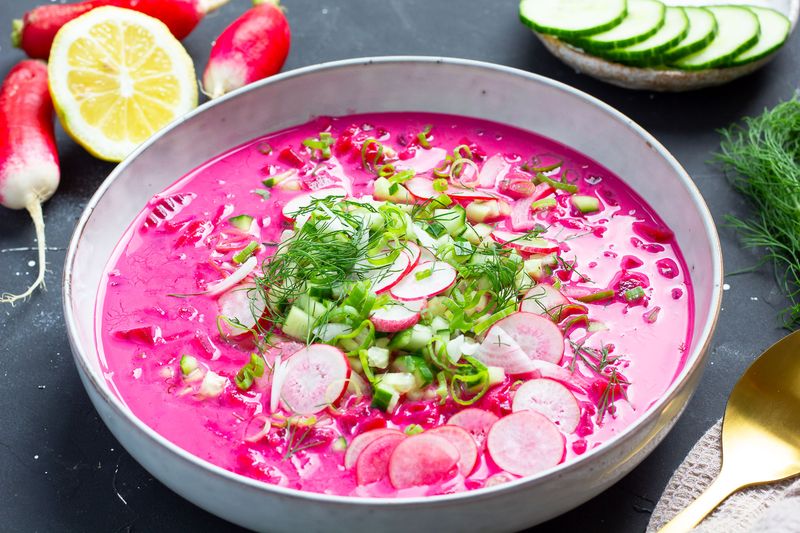
Hot pink soup sounds like something from a cartoon, but chlodnik is a refreshing summer staple that Poles genuinely crave when temperatures rise. Made from beets, buttermilk, cucumber, radish, and fresh dill, it is served ice cold and looks almost too pretty to eat.
The earthy sweetness of beets blends with the tang of buttermilk in a way that feels surprisingly light and refreshing. First-time tasters are almost always shocked by how good something so unusual-looking can be.
8. Kotlet Schabowy (Breaded Pork Cutlet)
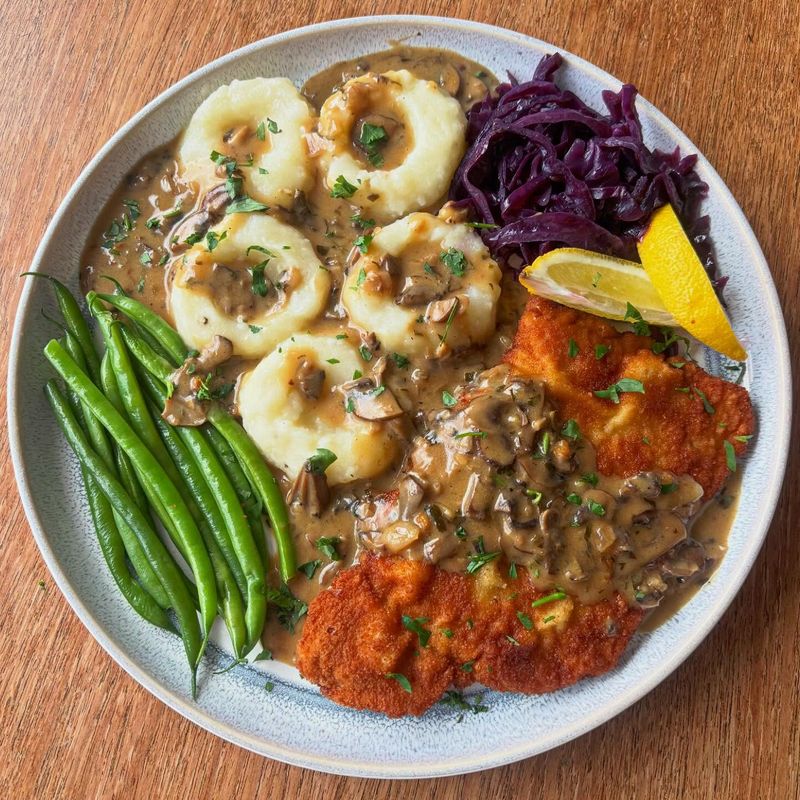
Poland’s answer to the Wiener Schnitzel, kotlet schabowy is a breaded and pan-fried pork cutlet that has been a Sunday dinner staple for generations. The pork is pounded thin, coated in breadcrumbs, and fried until shatteringly crispy on the outside.
Served alongside creamy mashed potatoes and braised red cabbage, it is the kind of meal that makes you feel full in the best way possible. Simple ingredients, a reliable technique, and total deliciousness every single time.
9. Grochowka (Pea Soup)
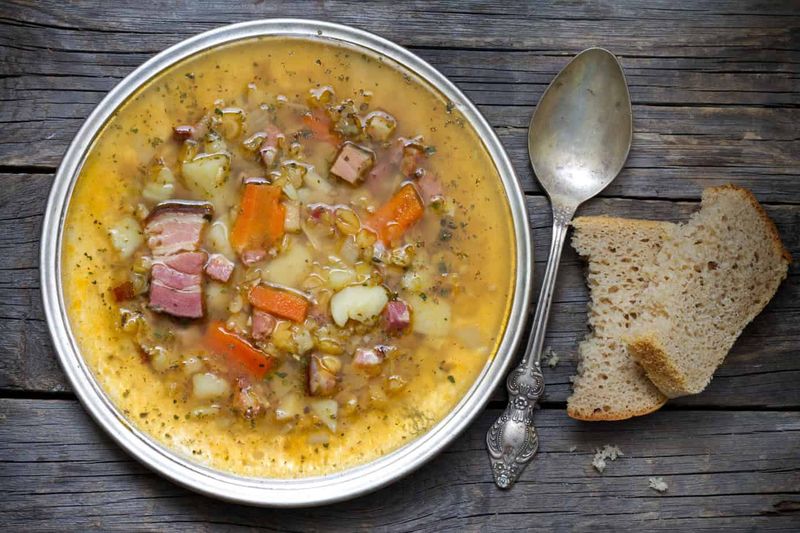
Grochowka is the kind of thick, hearty pea soup that could fuel a person through a freezing Polish winter with ease. Made from dried split peas slow-cooked with smoked kielbasa and root vegetables, it develops a smoky richness that is deeply satisfying.
This soup is so popular in Poland that it is even served from military field kitchens at public events, ladled out of giant pots into waiting bowls. Smoky, thick, and filling, it earns its reputation with every spoonful.
10. Makowiec (Poppy Seed Roll)
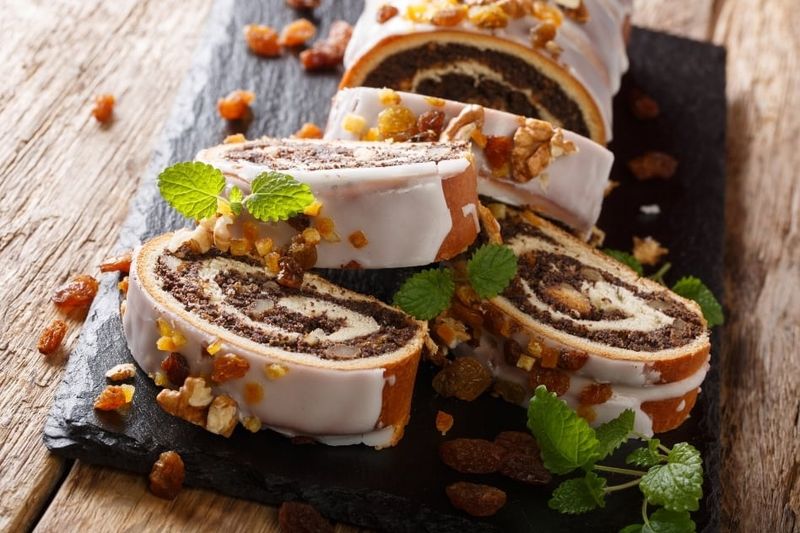
At first glance, a dense roll filled with a dark, almost black paste might not scream dessert. But one bite of makowiec changes everything.
The filling is a sweet, fragrant mixture of ground poppy seeds, honey, raisins, and sometimes orange zest, wrapped in soft yeasted dough.
Makowiec is a Christmas Eve essential in Poland, and families take pride in whose version is best. The poppy seed filling has a nutty depth that is completely addictive once you stop being suspicious of the color.
11. Kapusniak (Sauerkraut Soup)
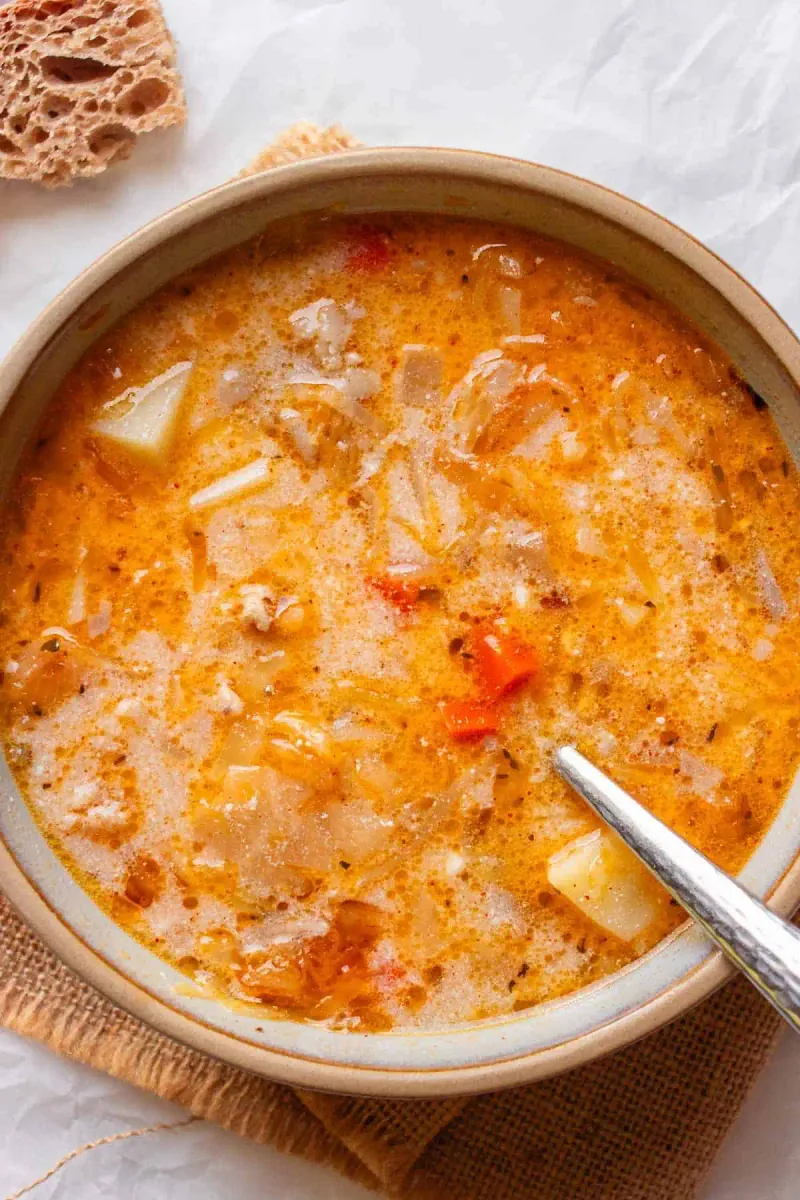
Sauerkraut soup sounds like it might be too sour to enjoy, but kapusniak is actually one of the coziest soups in the Polish repertoire. The fermented cabbage mellows beautifully as it simmers with pork ribs, potatoes, and root vegetables, creating a broth that is tangy, meaty, and deeply warming.
Many Polish cooks say kapusniak tastes even better the day after it is made, when all the flavors have had time to settle together. Leftovers are never a problem with this one.
12. Sledz w Smietanie (Herring in Cream)
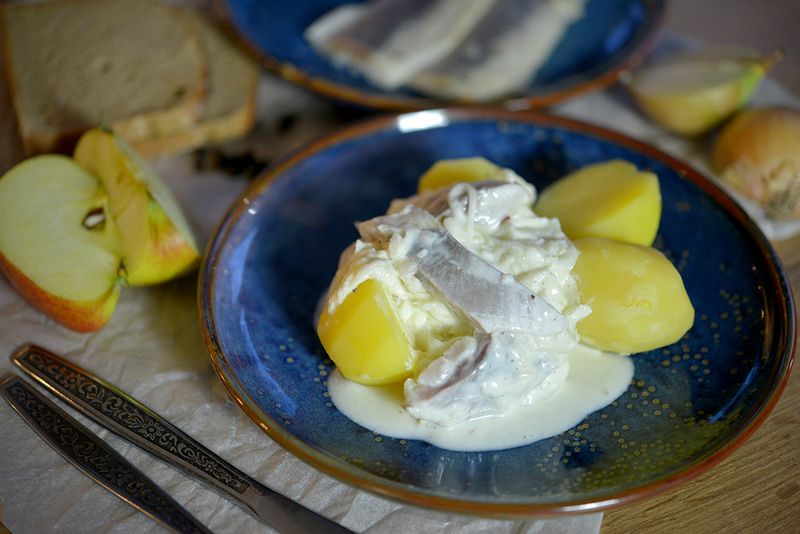
Pickled fish in cream sauce is not everyone’s first instinct for a snack, but sledz w smietanie has been a Polish party staple for as long as anyone can remember. Salted herring fillets are soaked to reduce their saltiness, then mixed with sour cream, onions, and sometimes apple for a sweet contrast.
The result is creamy, tangy, and surprisingly balanced. Served on dark rye bread, it is one of those appetizers that disappears from the table faster than anyone expects.
13. Kopytka (Potato Dumplings)
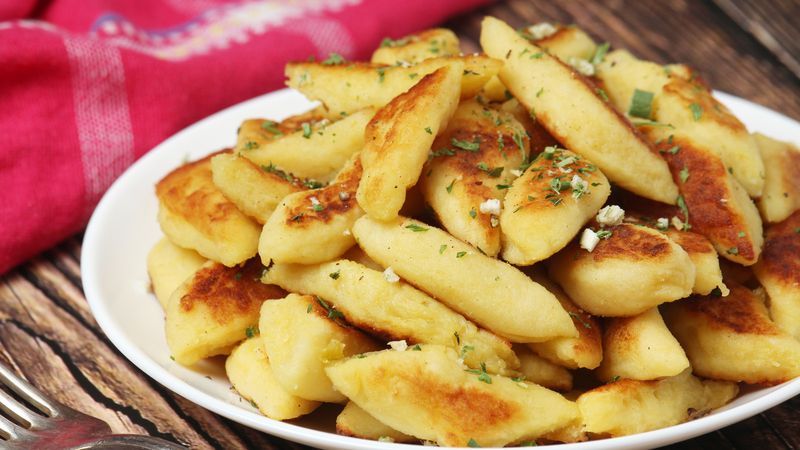
Kopytka means little hooves in Polish, named after the small hoof-like shape of these dense potato dumplings. Made from mashed potatoes and flour, they are simple in ingredients but incredibly satisfying in texture – soft on the inside with a lightly chewy bite.
Pan-frying them in butter until golden adds a crispy edge that takes them to another level entirely. Topped with breadcrumbs and chives, kopytka is the kind of humble dish that makes you wonder why it is not famous worldwide yet.
14. Golabki (Stuffed Cabbage Rolls)
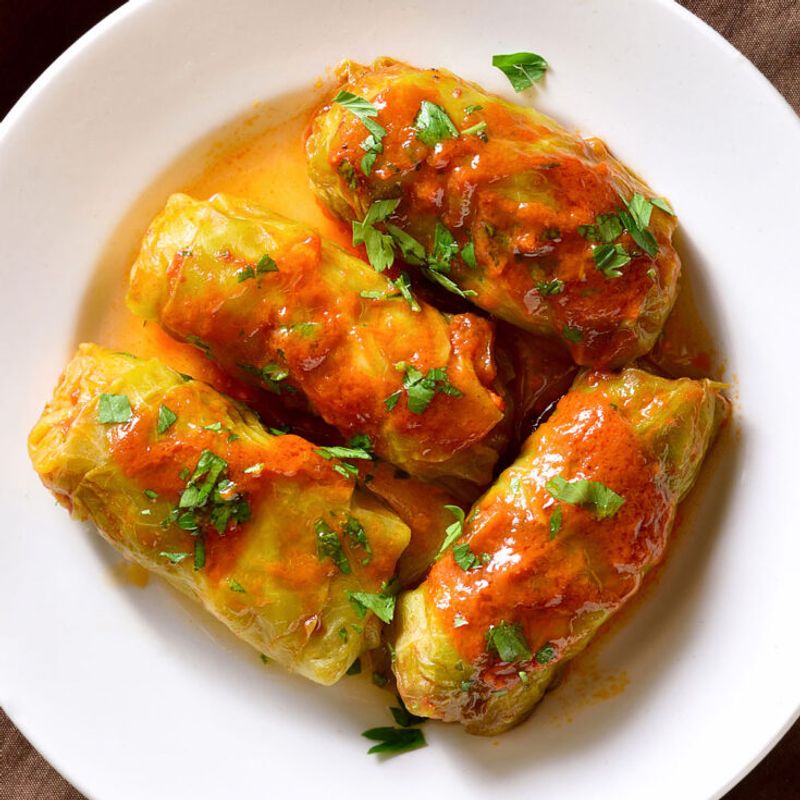
Rolling meat and rice inside cabbage leaves and baking them in tomato sauce might seem like an unusual idea, but golabki is one of Poland’s most beloved home-cooked meals. The cabbage softens completely during baking, almost melting into the savory filling of ground pork and rice.
Every Polish family seems to have a slightly different recipe, with some using mushroom sauce instead of tomato. Hearty, filling, and deeply nostalgic for anyone who grew up eating them, golabki is comfort food at its most honest.
15. Sernik (Polish Cheesecake)
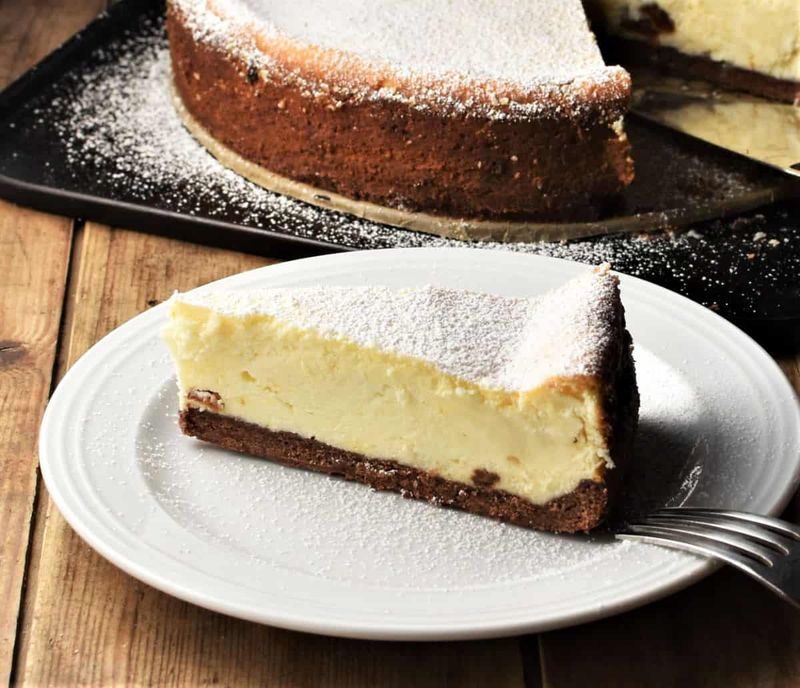
Polish cheesecake is not like the fluffy cream cheese versions found elsewhere. Sernik is made from twarog, a dry Polish farmer’s cheese, which gives it a denser, grainier texture that somehow feels even more satisfying than its lighter cousins.
Baked until just set, with a golden top and a slightly crumbly base, sernik has a mild tanginess that keeps it from being overly sweet. Many Poles consider a properly made sernik one of the greatest achievements a home baker can accomplish.
16. Kluski Slaskie (Silesian Potato Dumplings)
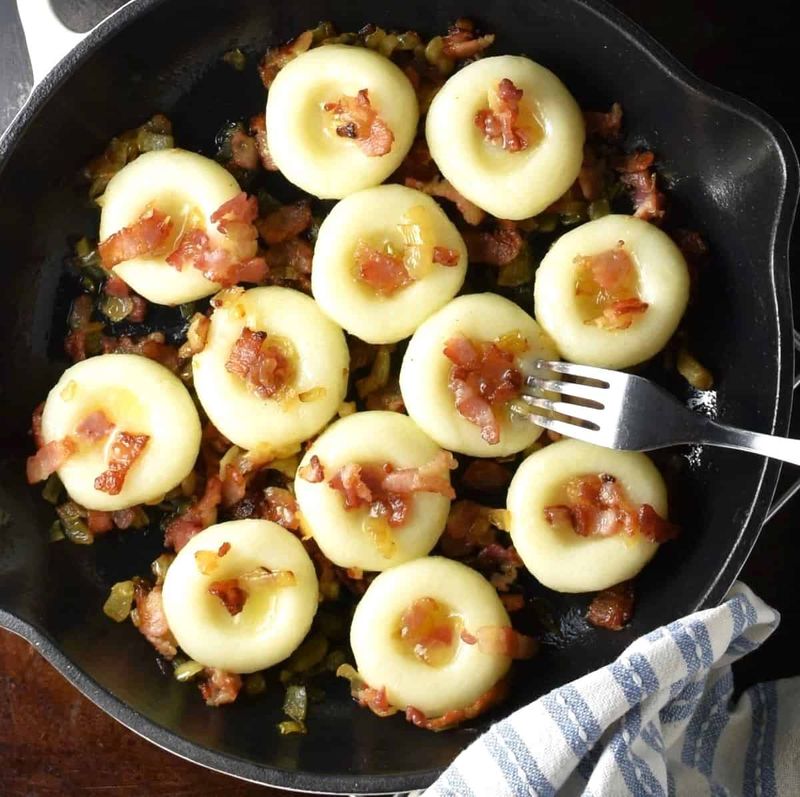
These round, smooth dumplings from the Silesia region of Poland are famous for one quirky detail – a small indentation pressed into the center of each one, which helps them cook evenly and gives them their signature look. Made from mashed potatoes and flour, they have a pillowy softness that is genuinely addictive.
Traditionally served with butter, crispy bacon, and caramelized onions, kluski slaskie are the kind of regional specialty that locals feel fiercely proud of. Simple, starchy, and completely wonderful.
17. Zupa Ogorkowa (Pickle Soup)
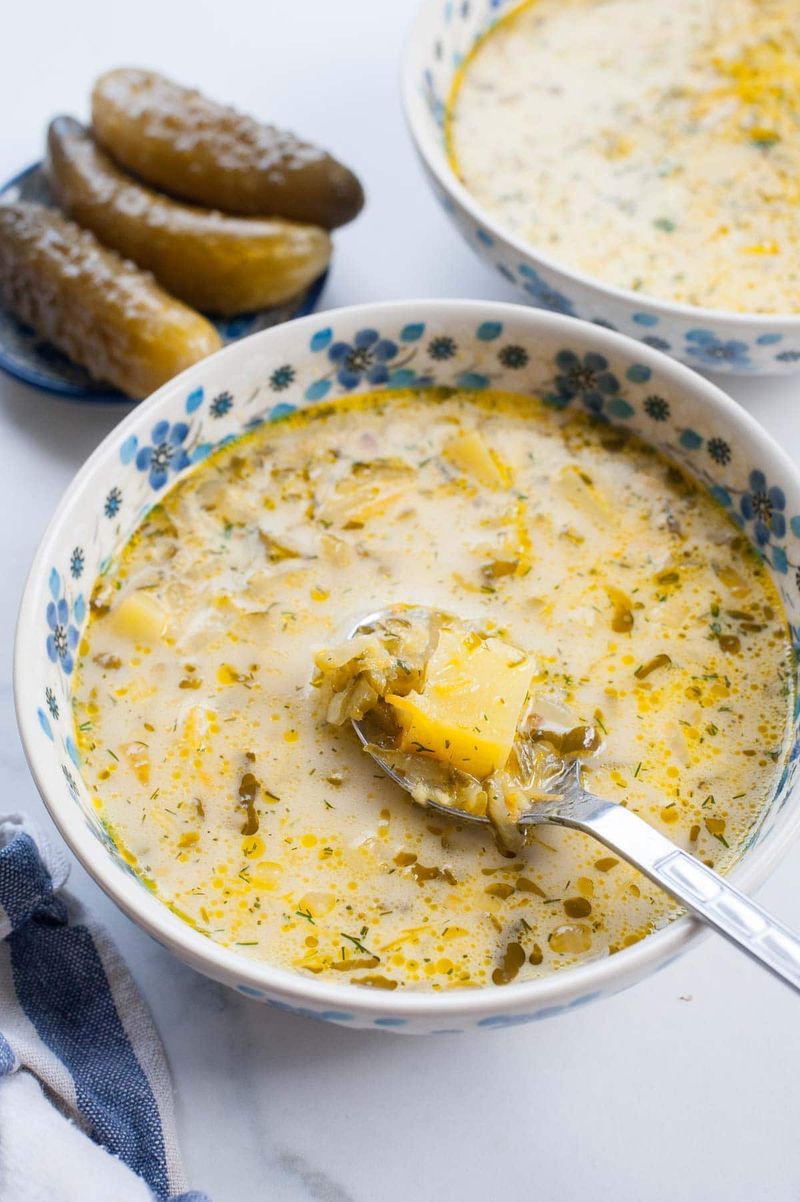
A soup made primarily from dill pickles sounds like a dare, but zupa ogorkowa is a genuine Polish comfort food that surprises nearly everyone who tries it. Grated sour pickles are simmered with potato, carrot, and a bit of cream to create a broth that is tangy, savory, and oddly soothing.
Many Poles swear by it as a hangover cure, though its appeal goes far beyond that reputation. The sharp pickle flavor softens beautifully during cooking, leaving behind a mellow, satisfying warmth.
18. Faworki (Angel Wings Pastry)
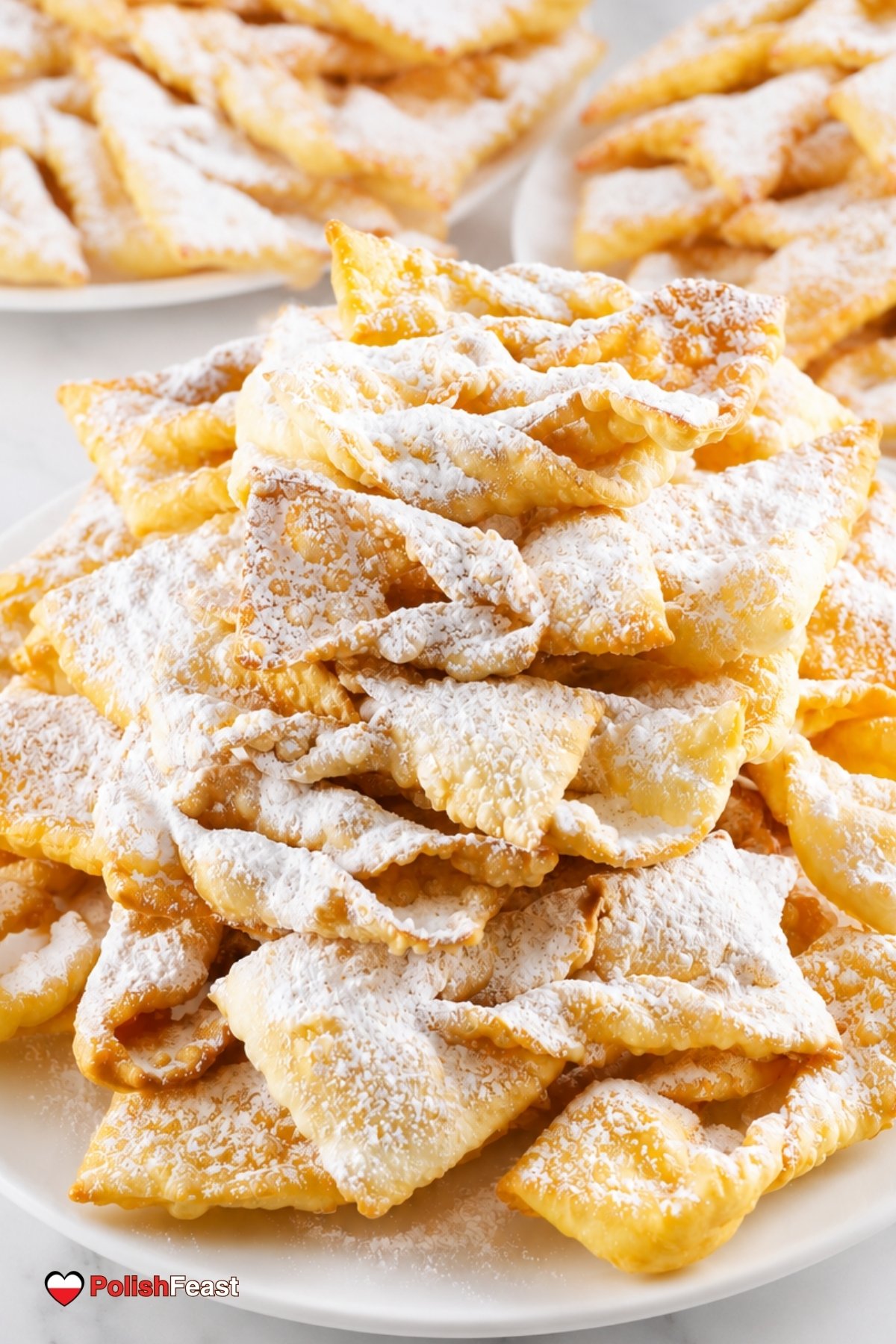
Faworki are thin, twisted strips of fried dough buried under a mountain of powdered sugar, and they are so light and crispy that eating just one is basically impossible. The name means angel wings, which feels exactly right once you see them piled up in a cloud of white sugar.
Traditionally made during the Carnival season before Lent, faworki are a festive treat that fills Polish homes with the smell of hot oil and sweetness. Crunchy, airy, and dangerously easy to eat by the handful.