
The 1970s produced some of the greatest music ever recorded, but not every brilliant album got the attention it deserved. While classic rock radio kept replaying the same handful of hits, hundreds of incredible records quietly faded into the background.
These 15 albums prove that the decade had far more to offer than most people realize. Whether you love folk, prog rock, soul, or blues, there is something on this list that will blow your mind.
1. Van Der Graaf Generator – Pawn Hearts (1971)
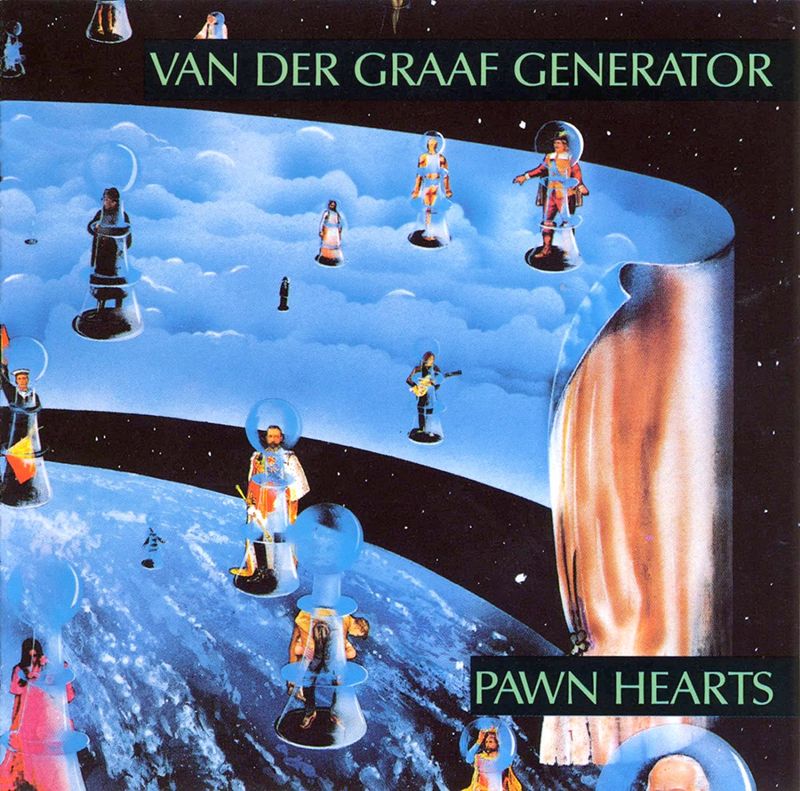
Few albums from the 1970s feel as intense and unsettling as Pawn Hearts by Van Der Graaf Generator. Released in 1971, this progressive rock masterpiece is packed with dissonance, theatrical drama, and a sense of existential dread that rivals anything King Crimson or Genesis ever produced.
Singer Peter Hammill sounds like he is performing on the edge of madness, and that energy makes every track unforgettable. If you enjoy challenging music that rewards repeated listening, this cult classic belongs in your collection.
2. Gene Clark – No Other (1974)
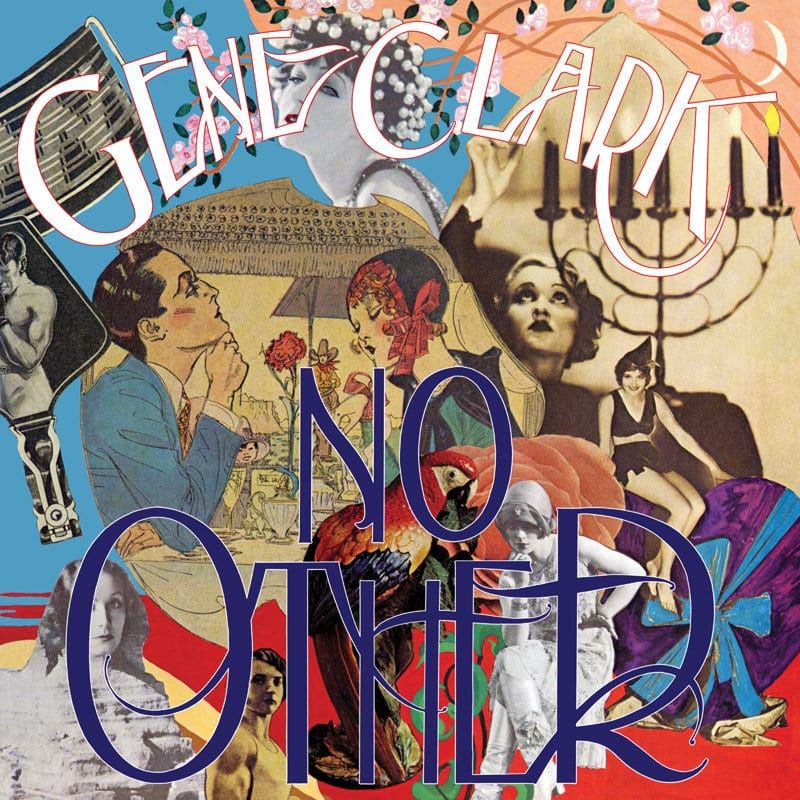
Gene Clark poured everything he had into No Other, and the result is one of the most emotionally overwhelming albums of the entire decade. Often called the ultimate cosmic country record, it blends folk, rock, and psychedelic textures in a way that feels both timeless and deeply personal.
Sadly, the album flopped when it came out, partly because it was so hard to categorize. Today, musicians and critics treat it like a sacred text.
Hearing it for the first time feels like discovering buried treasure.
3. Judee Sill – Heart Food (1973)
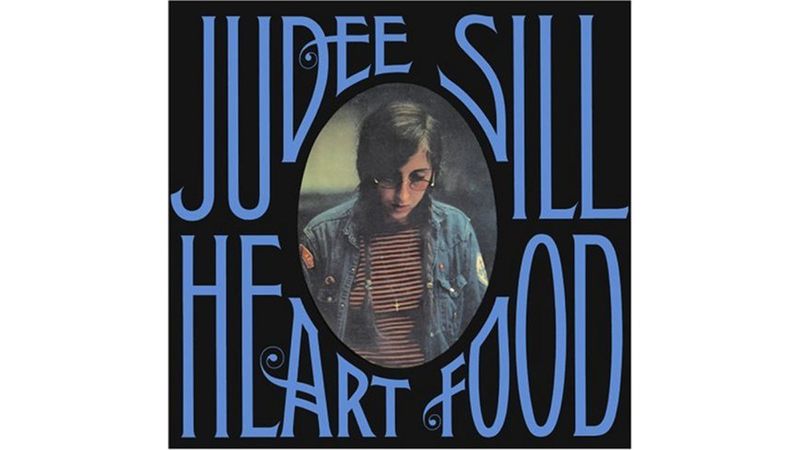
Judee Sill was one of the most gifted songwriters of her era, yet most people have never heard her name. Heart Food, her second album from 1973, is a luminous blend of baroque pop, folk, and spiritual longing that sounds unlike anything else from that time.
Her arrangements are intricate and beautiful, layering orchestral touches over deeply personal lyrics. Tragically, Sill passed away in 1979 before the world caught on.
Rediscovering her work now feels both joyful and bittersweet.
4. Terry Callier – What Color Is Love (1972)
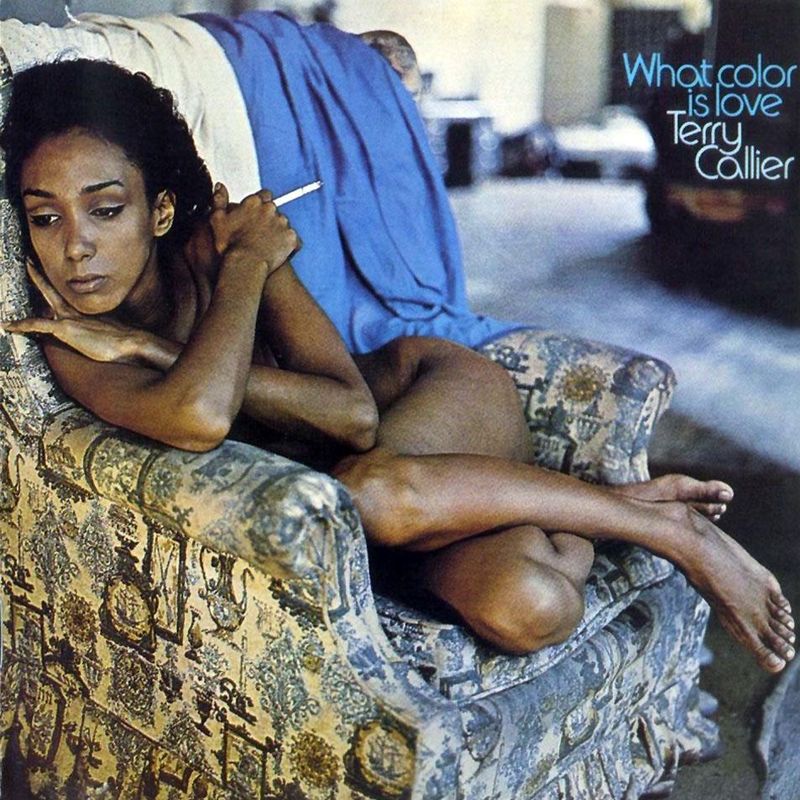
Imagine soul music, jazz improvisation, and folk poetry all wrapped into one gorgeous package. That is exactly what Terry Callier delivered with What Color Is Love in 1972.
The album pairs his warm, expressive voice with lush orchestral arrangements that feel both intimate and cinematic.
Critics largely ignored it at the time, but decades later it earned well-deserved cult status. Callier’s poetic depth and genre-crossing ambition make this one of the most emotionally rich albums the 1970s produced.
5. Shuggie Otis – Inspiration Information (1974)
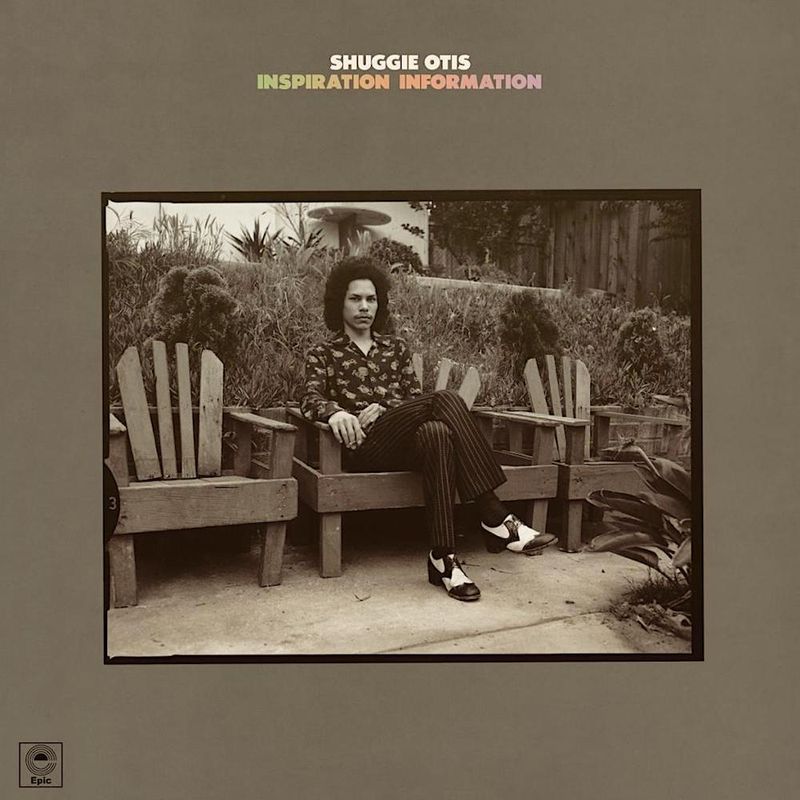
Shuggie Otis was only 21 years old when he recorded Inspiration Information almost entirely by himself, playing nearly every instrument on the album. The result is a hazy, genre-defying mix of funk, soul, and cosmic R&B that sounds decades ahead of its time.
Artists like Outkast and D’Angelo have cited this record as a major influence. When it came out in 1974, almost nobody noticed.
Now, music lovers who stumble across it tend to become instant lifelong fans.
6. J.J. Cale – Naturally (1971)
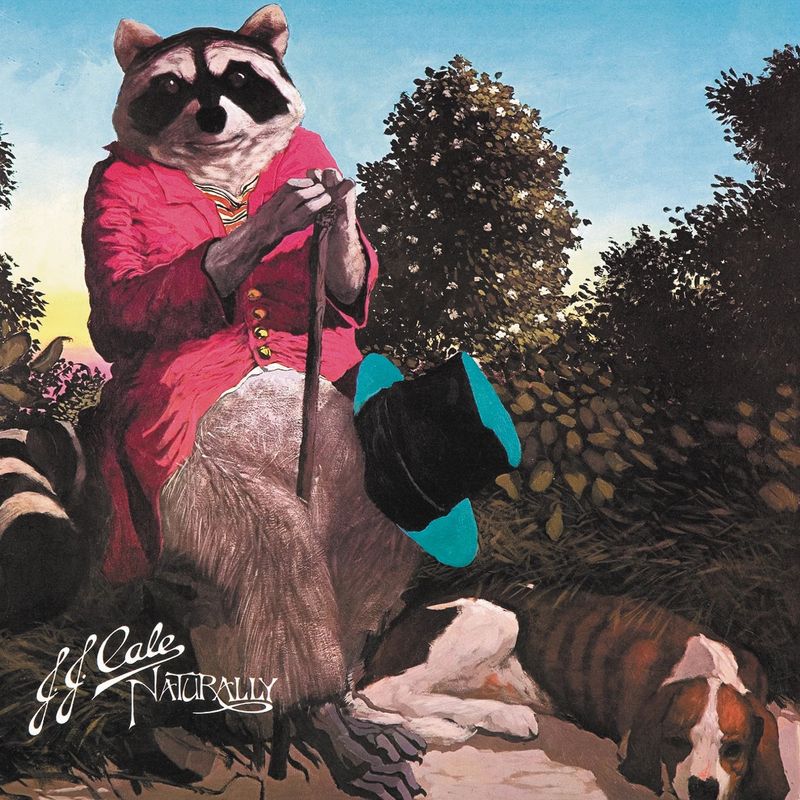
Eric Clapton and Mark Knopfler both worshipped J.J. Cale, and yet most casual music fans have no idea who he was.
Naturally, his 1971 debut, introduced his signature sound: a slow, hypnotic blend of blues, country, and jazz that felt like a warm breeze on a summer afternoon.
Cale wrote “After Midnight” and “Cocaine,” two songs Clapton made famous. But hearing the originals on this album puts them in a whole new light.
Cale’s genius was quiet, unhurried, and completely his own.
7. Cactus – Cactus (1970)
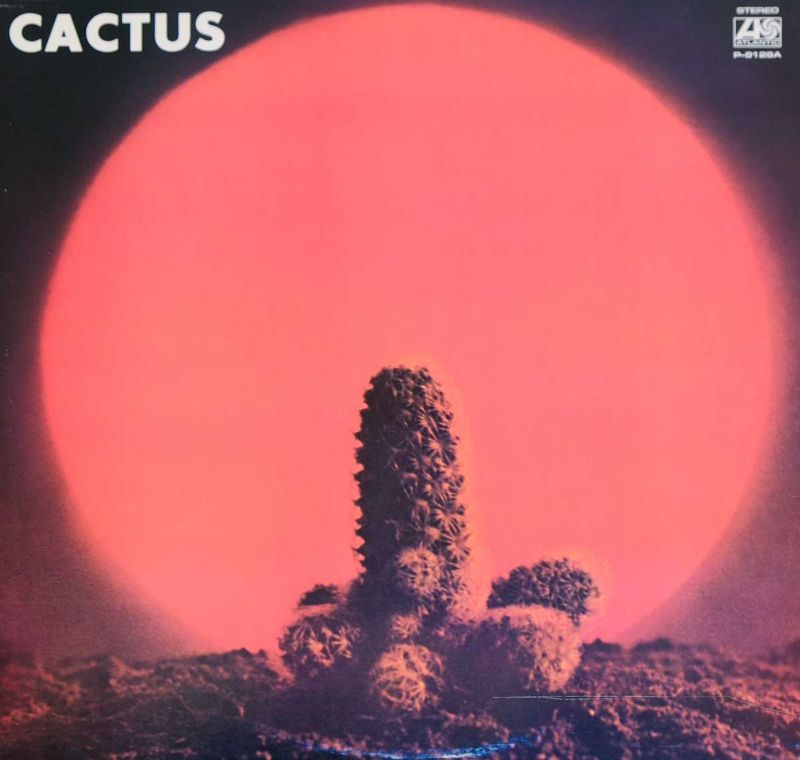
Before the term “heavy metal” was widely used, Cactus was already playing something louder, rawer, and more ferocious than almost anyone else. Their 1970 debut earned them the nickname “the American Led Zeppelin,” and it is easy to hear why.
The band featured former Vanilla Fudge members Tim Bogert and Carmine Appice, and together they delivered a relentless wall of heavy blues-rock. Short, punishing, and full of attitude, this album is a must-hear for anyone who thinks they know everything about early hard rock.
8. T2 – It’ll All Work Out in Boomland (1970)
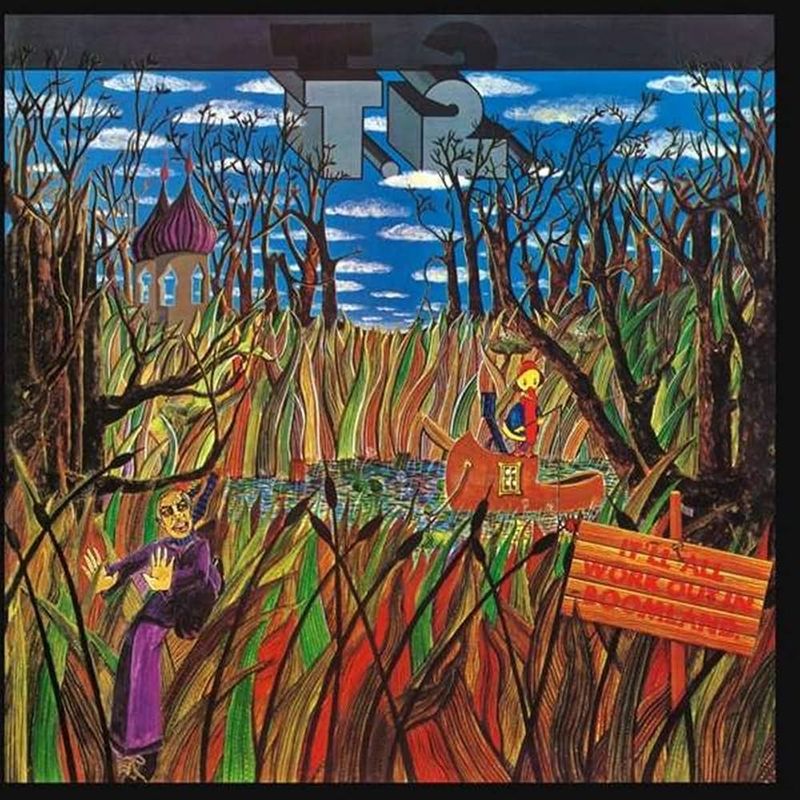
T2 only ever made one album, and that alone makes it one of rock history’s great mysteries. Released in 1970, It’ll All Work Out in Boomland showcases a power trio with the raw energy of Cream and the adventurous spirit of early progressive rock.
Long, sprawling tracks filled with emotional guitar work and thundering rhythms make this record feel massive despite its humble origins. Almost nobody heard it when it came out, but today it is considered a genuine hidden gem of the era.
9. Aphrodite’s Child – 666 (1972)
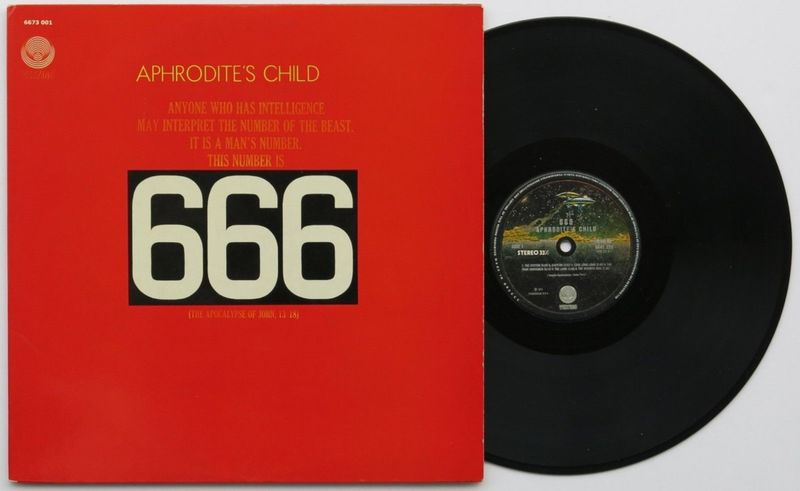
Before Vangelis became famous for film scores, he was a founding member of Aphrodite’s Child, a Greek band that created one of the most ambitious rock albums of the 1970s. Based on the Book of Revelation, 666 is a sprawling double album full of psychedelic experimentation and dramatic intensity.
Tracks like “The Four Horsemen” hit with tremendous force, yet the band never achieved the global fame they deserved. For fans of adventurous, boundary-pushing music, this record is an absolute revelation in every sense of the word.
10. Link Wray – Link Wray (1971)
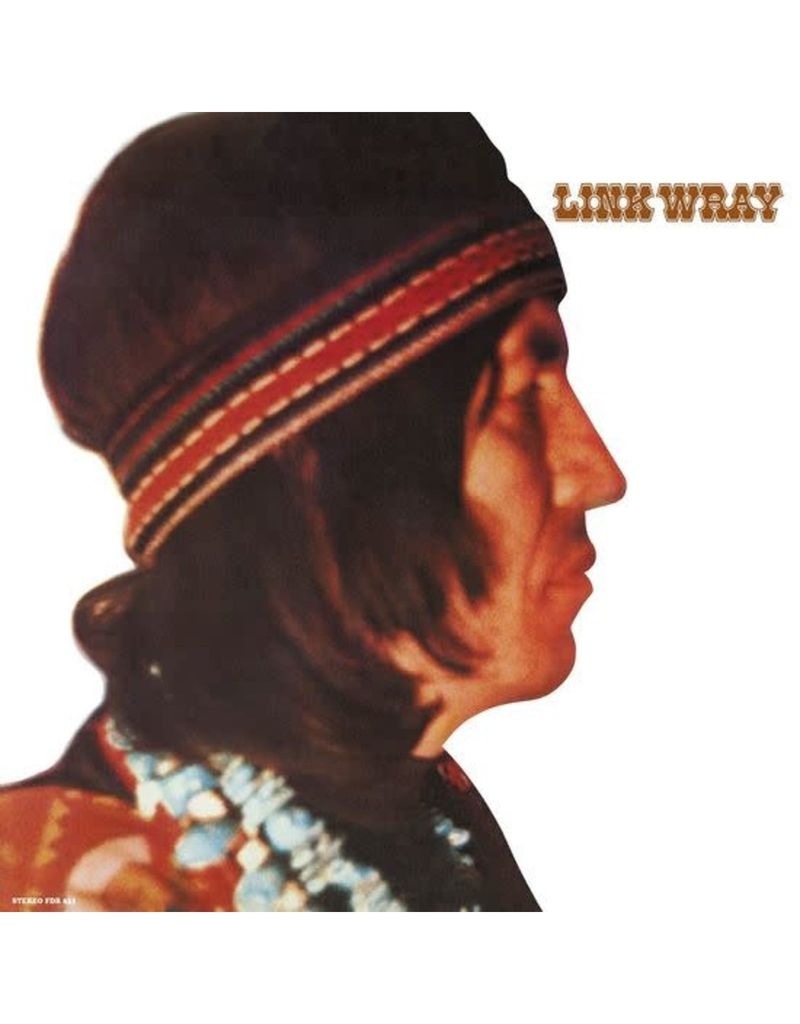
Link Wray invented the power chord. That single fact should make him one of the most celebrated figures in rock history, yet most people outside of serious music circles have never heard his name.
His 1971 self-titled album, recorded in a converted chicken shack in Maryland, is raw and rootsy in the best possible way.
Tracks like “Fallin’ Rain” feel like they were pulled straight from the American heartland. It is a record that sounds timeless, honest, and completely free of pretension.
11. Sibylle Baier – Colour Green (Recorded 1970-1973)
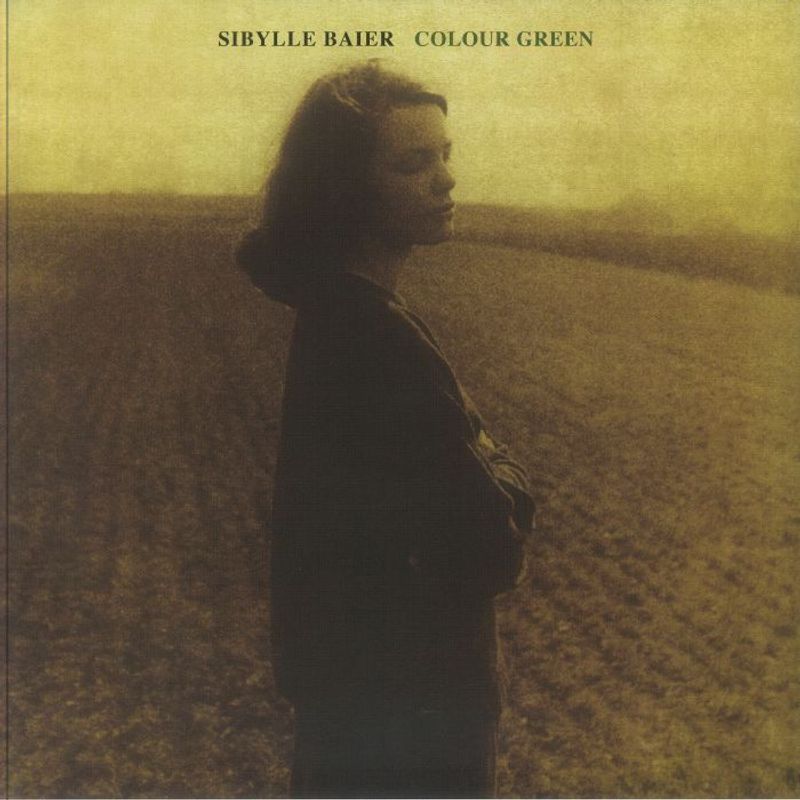
Sibylle Baier recorded these songs at home in Germany between 1970 and 1973, with no intention of ever releasing them commercially. Her son eventually put them out in 2006, and the music world was quietly stunned.
Colour Green is fragile, intimate folk music performed with stunning emotional honesty.
Her voice is soft and searching, and the sparse acoustic arrangements make every word feel weightless and important. Songs like “Forget About” linger in your memory long after the album ends.
This one is truly one of a kind.
12. Amanaz – Khala My Friend (1975)
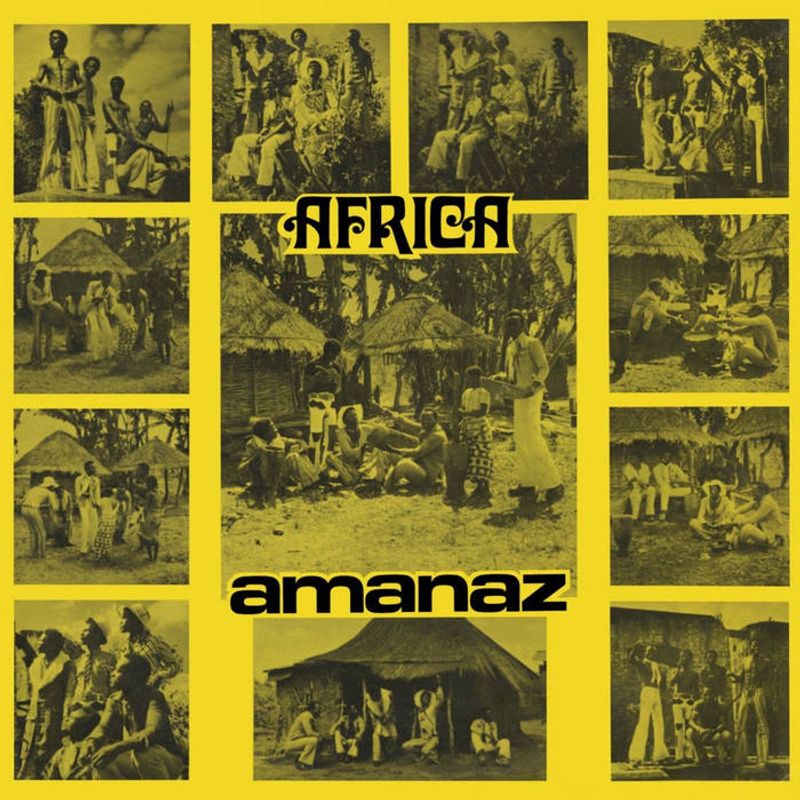
Zamrock is one of the most exciting musical movements most Western listeners have never heard of. In the 1970s, Zambian bands fused African rhythms with electric guitars and psychedelic rock, creating something completely unique.
Amanaz was one of the best, and Khala My Friend is their crowning achievement.
Released in 1975, the album crackles with funky grooves, fuzzy guitar riffs, and an irresistible energy. It was virtually unknown outside Zambia for decades, but music hunters who find it never look back.
13. Rodriguez – Coming from Reality (1971)
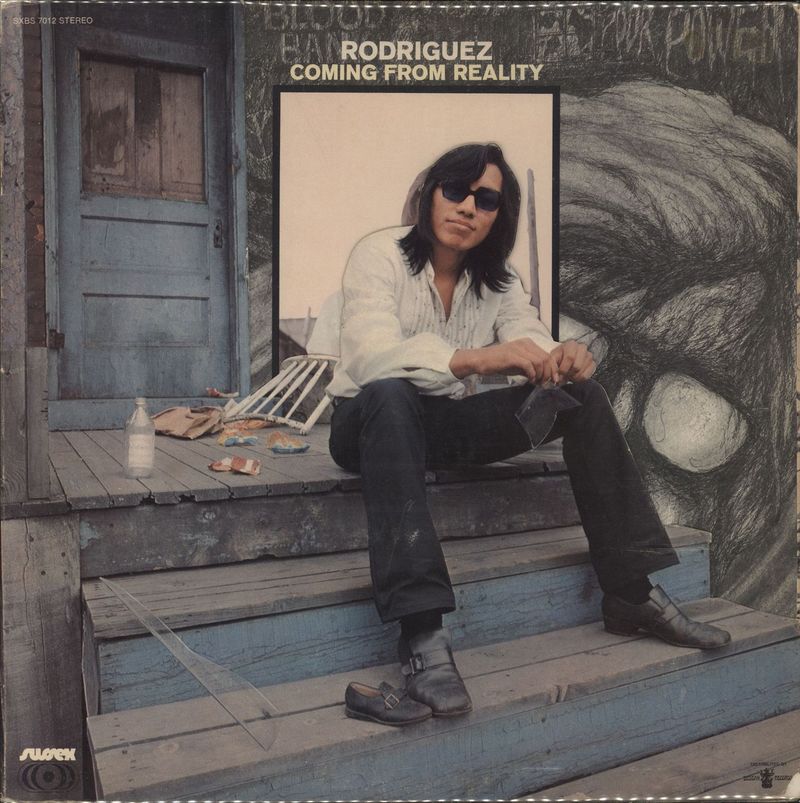
Most people only discovered Rodriguez after the 2012 documentary Searching for Sugar Man told his remarkable story. But long before the film, his second album Coming from Reality sat quietly in record bins, largely ignored in the United States.
Songs like “Crucify Your Mind” carry a poetic weight that feels genuinely rare.
Rodriguez wrote with the sharpness of Bob Dylan and the warmth of a storyteller who had lived every word. South Africa embraced him as a superstar while his homeland barely noticed.
The contrast is heartbreaking and fascinating.
14. Thin Lizzy – Fighting (1975)
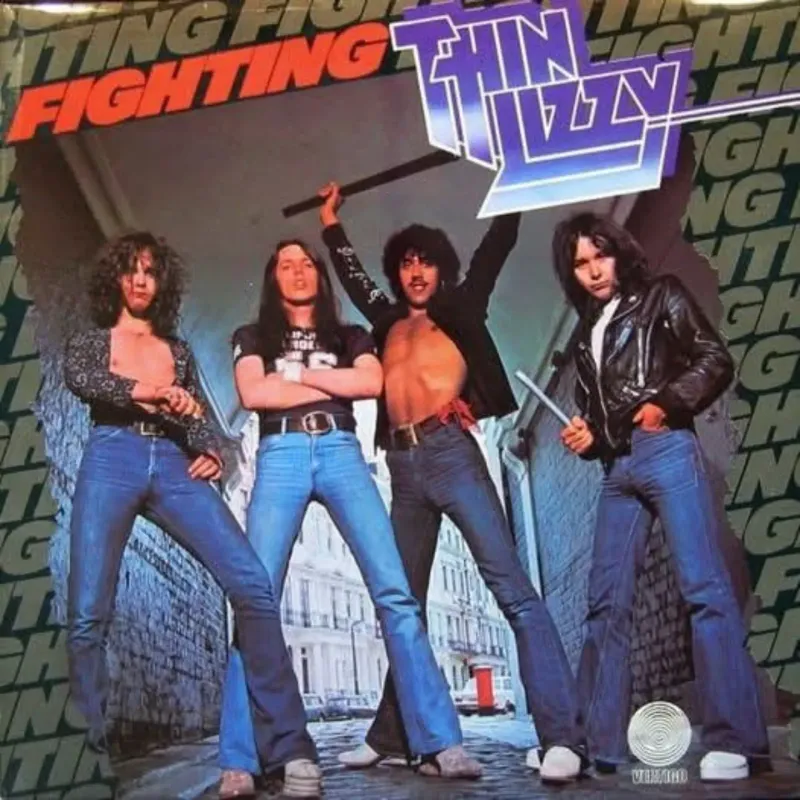
Most rock fans know Thin Lizzy from Jailbreak and its unstoppable anthem “The Boys Are Back in Town.” But Fighting, released just one year earlier in 1975, might actually be the better album. Every track hits hard, and there is not a weak moment across the entire record.
Phil Lynott’s bass lines are thunderous, and the twin guitar attack feels sharp and confident throughout. The album captures a band on the verge of breaking through, playing with hunger and purpose.
Overlooking it in favor of Jailbreak is a genuine mistake.
15. The Kinks – Muswell Hillbillies (1971)
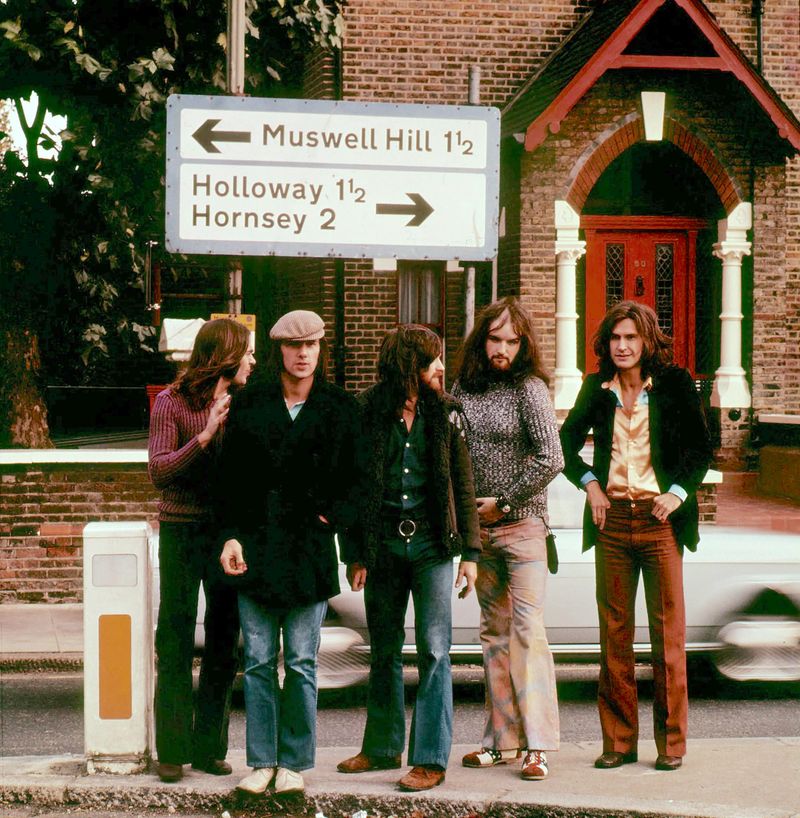
Ray Davies has always been one of rock’s sharpest observers of everyday life, and Muswell Hillbillies is his finest hour. Released in 1971, the album blends country, music hall, and roots rock with Davies’s trademark wit and social commentary, painting vivid portraits of working-class British life.
Without a big hit single, it slipped past most listeners at the time. Critics and fellow musicians, though, have long celebrated it as one of the Kinks’ absolute best.
Pete Townshend once called it a masterpiece, and it is hard to argue.