
Family estrangement is more common than most people realize, and parents are often surprised when their grown children choose to cut contact. Many adult children do not make this decision quickly or easily.
It usually comes after years of feeling hurt, dismissed, or emotionally unsafe. Understanding the behaviors that push children away can be the first step toward healing or preventing a painful family split.
1. Constant Criticism Without Encouragement

Nothing chips away at a person’s confidence quite like growing up hearing what they did wrong more than what they did right. When parents focus almost entirely on flaws and rarely offer praise, adult children can start to feel like nothing they do will ever be enough.
Over time, that feeling turns into emotional exhaustion. Many grown children eventually decide that protecting their peace matters more than staying connected to someone who constantly tears them down.
2. Refusing To Respect Personal Boundaries

Boundaries are not walls built to keep people out. They are healthy lines that help relationships stay respectful and balanced.
When parents repeatedly ignore those lines, showing up unannounced, reading private messages, or inserting themselves into decisions that are not theirs to make, it sends a clear message that the child’s autonomy does not matter.
Adult children who feel constantly invaded often reach a breaking point. Stepping back entirely can feel like the only way to finally breathe.
3. Using Guilt as a Control Tool

“After everything I’ve done for you” is one of the most familiar guilt-tripping phrases adult children report hearing. When parents use guilt regularly to get what they want, the relationship stops feeling like love and starts feeling like a transaction with an unpayable debt.
Guilt-tripping can be subtle or dramatic, but the effect is the same. Adult children begin to dread interactions and eventually start wondering whether cutting ties is the only way to stop feeling manipulated.
4. Dismissing Feelings and Emotional Needs

Telling a child to stop being so sensitive or that their feelings are an overreaction is more damaging than most parents realize. When emotions are brushed off repeatedly, children learn that their inner world is not valid or important.
Carried into adulthood, this pattern leaves grown children feeling invisible around their parents. Many eventually stop trying to connect emotionally altogether, and for some, that emotional shutdown leads straight to estrangement.
5. Refusing To Apologize or Take Responsibility

Everyone makes mistakes, but what separates healthy relationships from harmful ones is the willingness to own up to them. Parents who cannot or will not say a genuine sorry, who deflect blame or rewrite history to protect their own image, create a wall that is nearly impossible to climb.
Adult children often do not need perfection from their parents. They need accountability.
Without it, trust crumbles, and the relationship becomes too exhausting to maintain.
6. Micromanaging Adult Children’s Life Choices
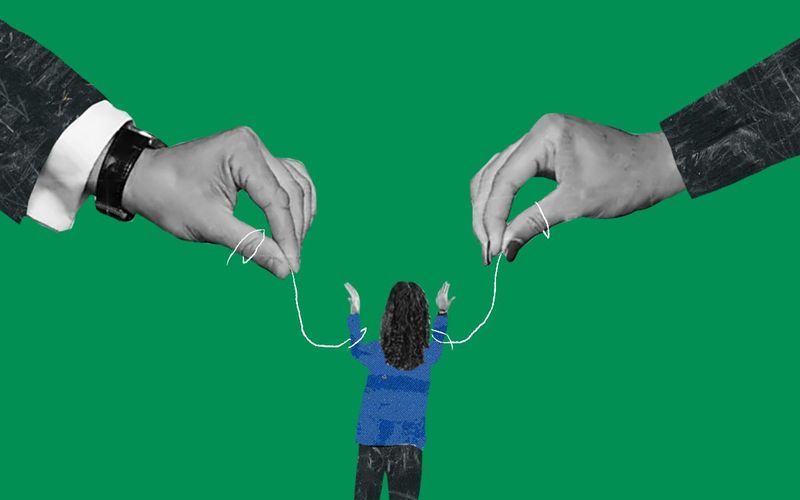
Career choices, romantic partners, parenting styles, finances. Some parents feel entitled to have a say in every major decision their adult child makes, even after those children are fully grown and living their own lives.
Micromanaging communicates a lack of trust and respect. It signals that the parent still sees their child as incapable of making good decisions alone.
After enough years of being second-guessed, many adult children choose distance over constant interference.
7. Emotional Abuse Disguised as Honesty

“I’m just being honest” has become a cover phrase for cruelty in some families. There is a real difference between honest feedback and belittling someone under the guise of truth-telling.
Constant put-downs, sarcastic jabs, and harsh comparisons leave emotional scars that linger for decades.
Adult children who grew up on the receiving end of this behavior often carry deep wounds into adulthood. Eventually, many choose to protect themselves by limiting or ending contact with the source of that pain.
8. Playing Favorites Among Siblings

Few things fracture family relationships faster than obvious favoritism. When one sibling is consistently praised, gifted more, or defended while another is overlooked or blamed, the emotional damage runs deep on both sides.
The child who feels less loved often grows into an adult who cannot bear to sit at family dinners where the inequality is on full display. Over time, avoiding those gatherings turns into avoiding the family entirely, and estrangement quietly takes hold.
9. Weaponizing Family Events and Holidays

Holidays and family gatherings are supposed to be about connection. But in some families, these events become stages for guilt, conflict, and emotional pressure.
Parents who manufacture drama, issue ultimatums, or sulk when things do not go their way turn celebrations into something adult children dread.
After enough stressful Thanksgivings or tension-filled birthdays, many grown children start making excuses to skip events. Eventually, skipping the events becomes skipping the relationship altogether.
10. Sharing Private Information Without Permission

Trust is the foundation of any close relationship. When a parent shares personal details about their adult child with other family members, friends, or neighbors without permission, it is a serious breach of that trust.
Adult children who discover their private struggles, relationship problems, or personal news has been spread around often feel humiliated and exposed. Many pull back to protect themselves, and repeated violations can make them decide the relationship is no longer safe to maintain.
11. Undermining the Adult Child’s Partner or Spouse

Marriage or a committed relationship is one of the biggest parts of most adults’ lives. When parents openly dislike, criticize, or disrespect a child’s chosen partner, they are essentially saying they do not respect their child’s judgment or happiness.
Adult children are often forced to choose between keeping the peace with parents and protecting their relationship. Many eventually choose their partner.
When parents refuse to back off, estrangement becomes the natural outcome of that impossible choice.
12. Chronic Negativity and Emotional Drain

Some parents seem to carry a cloud of negativity wherever they go, always complaining, always predicting the worst, always framing life as a series of problems. While occasional venting is normal, chronic negativity is emotionally draining for everyone around it.
Adult children who leave every interaction with a parent feeling worse than when they arrived will eventually start protecting their energy. Reducing contact, and sometimes eliminating it, becomes a form of emotional self-defense rather than a cruel choice.
13. Refusing To Accept the Adult Child’s Identity

Whether it involves sexual orientation, gender identity, religious beliefs, or cultural choices, rejection of who someone fundamentally is cuts to the core. Parents who cannot accept their child’s authentic self often think they are acting out of love, but the message received is one of deep rejection.
Adult children who feel unseen or unwelcome in their own family of origin frequently find that distance is the only way to live honestly and without shame. Estrangement often follows that realization.
14. Parental Substance Abuse Left Unaddressed

Growing up with a parent who struggled with alcohol or drug abuse leaves marks that often last well into adulthood. When that parent never seeks help or refuses to acknowledge the problem, the adult child is left carrying old wounds with no resolution in sight.
Many adult children of parents with untreated addiction feel they have no choice but to limit contact for their own stability. The unpredictability and emotional chaos of active addiction make maintaining a relationship feel impossible.
15. Making Everything About Themselves

A parent who consistently turns every conversation back to their own problems, feelings, or achievements leaves little room for the adult child to feel seen or heard. Over time, these interactions feel more like performances than genuine connection.
Adult children often describe this as feeling like they do not really have a parent, just an audience member who also happens to be related to them. That loneliness within the relationship can quietly build until stepping away feels like the healthiest option left.
16. Using Money to Maintain Control

Financial help from parents can be a genuine gift, but it can also come loaded with conditions and expectations. Some parents use money as leverage, withdrawing support or dangling it as a reward for compliance, making the adult child feel like love is something that has to be earned or purchased.
Adult children who recognize this dynamic often feel trapped. Many eventually decide that financial independence, even if it means struggling, is worth more than staying in a relationship built on economic control.
17. Badmouthing the Other Parent After Divorce

Divorce is hard enough without children being used as emotional dumping grounds for one parent’s anger toward the other. When parents badmouth their ex to their adult children, they put those children in an unfair position and force them to manage emotions that are not theirs to carry.
Adult children often grow resentful of the parent who does this, even if they once felt sympathetic. Being consistently triangulated into parental conflict is exhausting, and many eventually cut ties to escape the pressure.
18. Never Acknowledging Past Harm

Many adult children who initiate estrangement are not looking for a perfect parent. They are looking for some acknowledgment that what happened to them was real and that it mattered.
When parents insist the past was not that bad, or that the child is exaggerating, it reopens old wounds instead of healing them.
That refusal to validate a child’s lived experience can feel more hurtful than the original harm. For many, it becomes the final reason to stop trying altogether.