
Few productions carry as many hidden stories as Nemesis, whether you’re talking about the 1992 sci-fi action film or the legendary roller coaster at Alton Towers. Behind the cameras and beneath the steel tracks lie decisions, accidents, and surprises that most fans never hear about.
From a director who wrote under a fake name to a ride built around an alien creature legend, the secrets are genuinely fascinating. Get ready to discover what really went on behind the scenes of one of entertainment’s most intriguing names.
1. The Script Was Written Under a Fake Name
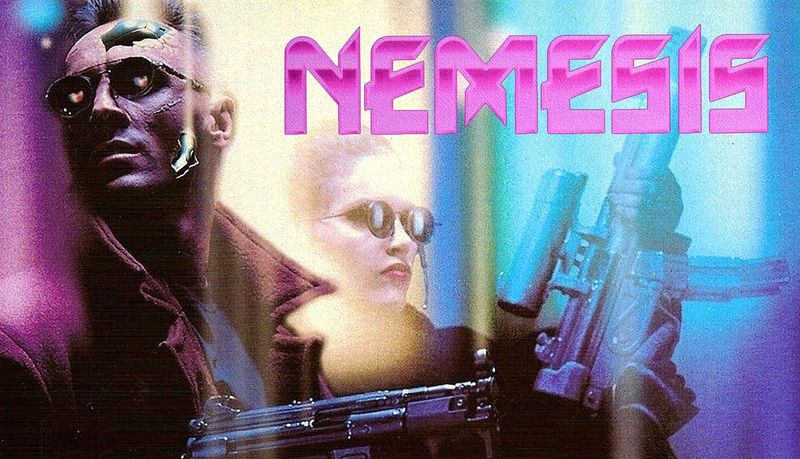
Albert Pyun, the director of the 1992 film Nemesis, didn’t put his real name on the original script. He wrote it under the pseudonym Rebecca Charles, keeping his identity hidden during the early stages of development.
This kind of move was more common in Hollywood than people realize, often used to avoid bias or creative interference. It’s a small but revealing detail about how protective filmmakers can be with their early ideas before a studio gets involved.
2. Alex Was Originally Written as a 13-Year-Old Girl
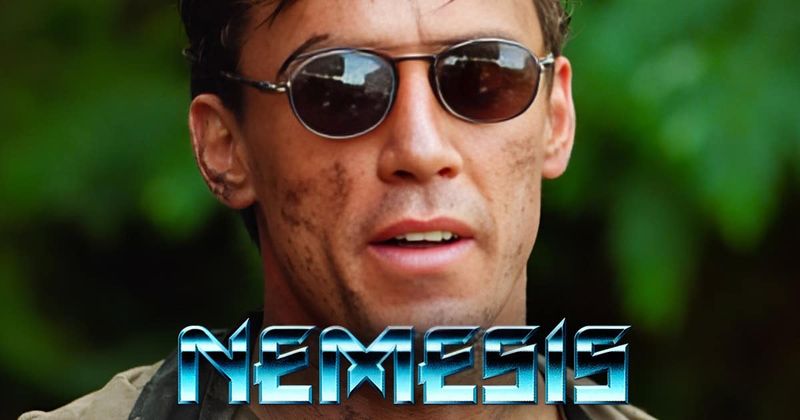
Before the studio stepped in, the main character Alex in Nemesis was not a tough adult male. Pyun originally imagined Alex as a 13-year-old girl, which would have given the film a completely different tone and emotional core.
Younger protagonists in action films were rare but not unheard of at the time. The character change shows just how much a production company’s vision can override a director’s original creative intent.
3. The Studio Forced a Major Character Overhaul
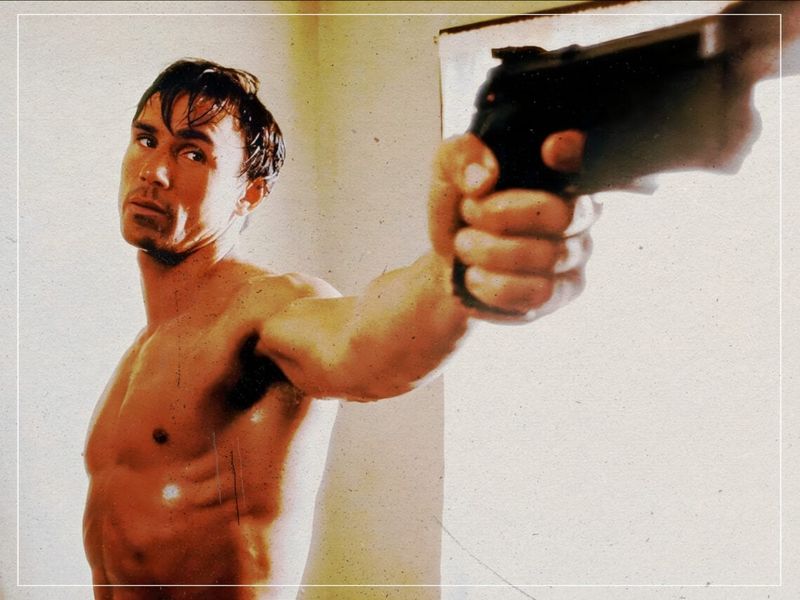
Imperial Entertainment had a clear plan when they took on Nemesis. They wanted to build Olivier Gruner into a star after his appearance in Angel Town, so they insisted the lead role be rewritten as a man in his 30s to fit him perfectly.
Gruner was cast not because the script called for him, but because the studio wanted him in more movies. The character of Alex was essentially rebuilt from scratch around a business decision rather than a creative one.
4. A $20,000 Fish Market Chase Was Scrapped

One of the most exciting planned sequences in Nemesis was a foot chase set inside a Los Angeles fish market. The problem was the price tag, which came in at around $20,000, a cost the production simply couldn’t justify.
Big action scenes in real locations always come with a hefty bill for permits, extras, and safety crews. Losing that scene likely changed the film’s opening energy quite a bit, and fans never got to see what could have been a standout moment.
5. Pyun Tried Guerrilla Filmmaking to Save the Scene
Rather than simply cutting the fish market scene from the script, Albert Pyun tried to shoot it anyway without official permission. Using guerrilla filmmaking tactics, he attempted to capture the footage on the fly without alerting anyone in charge.
The plan didn’t last long. Security personnel spotted the crew quickly and shut things down before they could get much usable footage.
It’s a scrappy, resourceful move that shows just how committed Pyun was to his original vision for the film.
6. Filming at a Real Arizona Prison Had a Four-Hour Limit
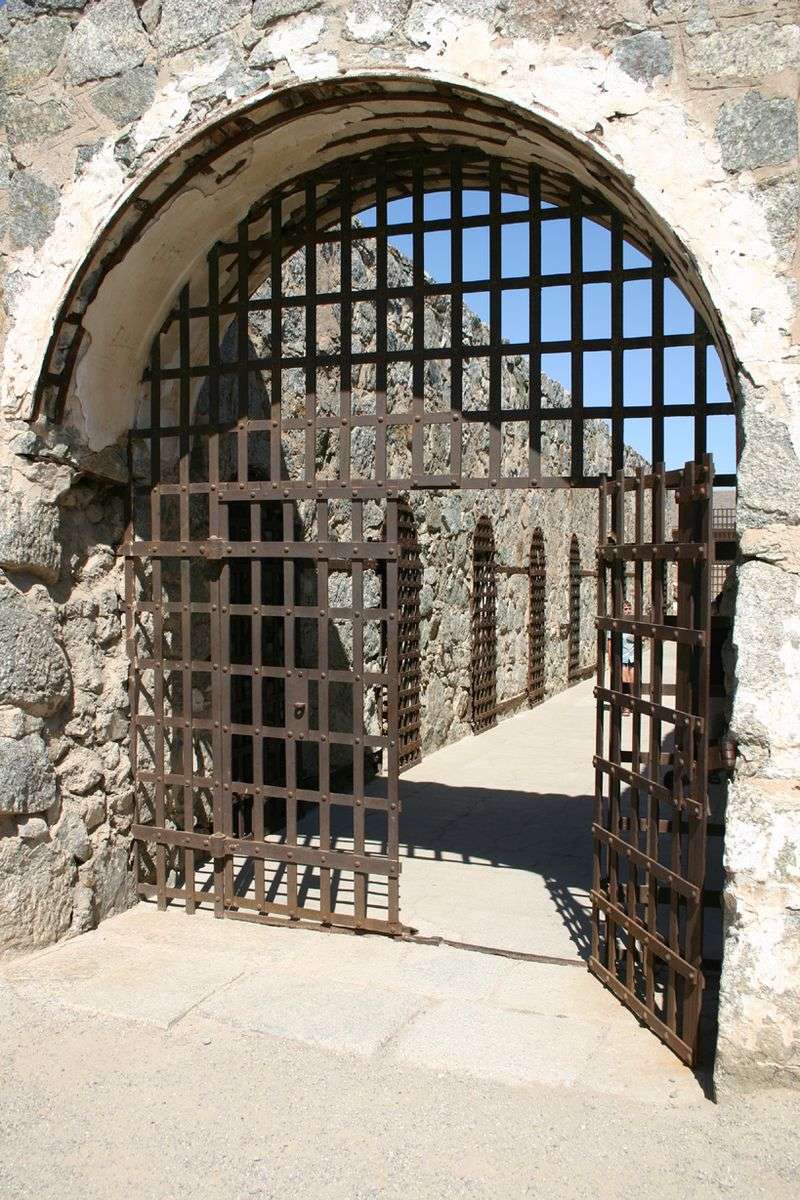
The Yuma Territorial Prison State Park in Yuma, Arizona, served as one of Nemesis’s filming locations, lending the movie a raw, authentic feel that would have been hard to fake on a studio set.
There was one major catch: Pyun and his crew were only allowed to film there for four hours. Working within that tight window required serious planning and quick execution.
Real locations like this add texture to a film, but they almost always come with rules attached.
7. Pyun Chose Warm Earth Tones Over Cool Sci-Fi Colors
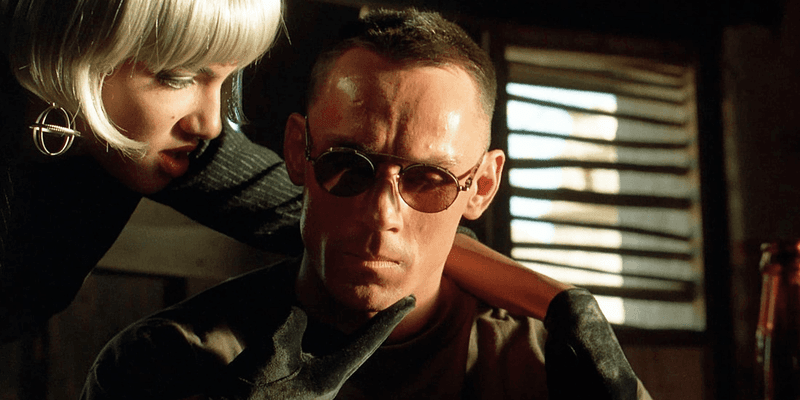
Most science fiction films lean heavily on cool blues and greens to signal a futuristic world, but Albert Pyun went the opposite direction with Nemesis. He deliberately chose warm earth tones as the film’s color palette.
That choice gave the movie a grittier, more sun-baked feel compared to other cyborg films of the era. Color is one of the most powerful storytelling tools in cinema, and Pyun used it to carve out a visual identity that felt genuinely different from the competition.
8. 500+ Insert Shots Were Filmed First, Causing Behind-the-Scenes Drama
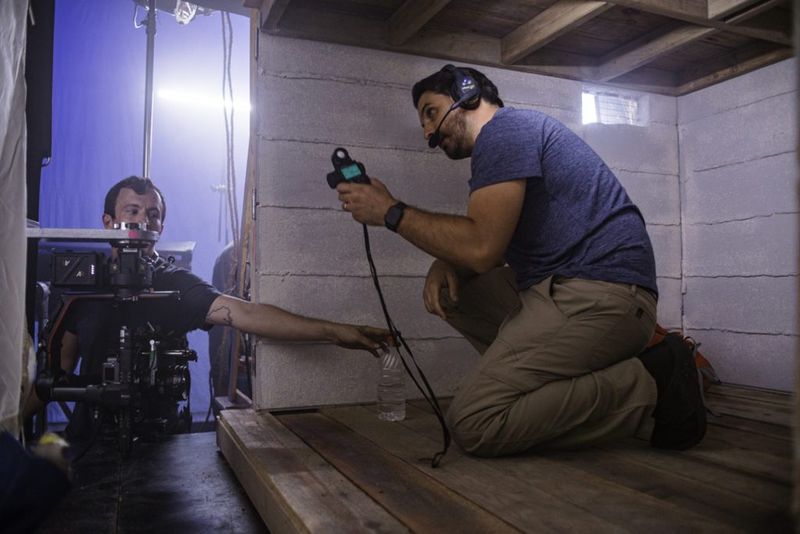
Pyun made an unconventional production decision that caused real friction on set. Instead of filming insert shots throughout the production as most directors do, he completed all 500-plus of them right at the start.
Producers didn’t love that approach, and it sparked notable conflicts during filming. Insert shots are the small close-up clips of hands, objects, or details that help tell a story.
Doing them all upfront was unusual enough to create genuine tension between Pyun and at least one producer on the project.
9. Deborah Shelton Appeared Completely Nude in the Film
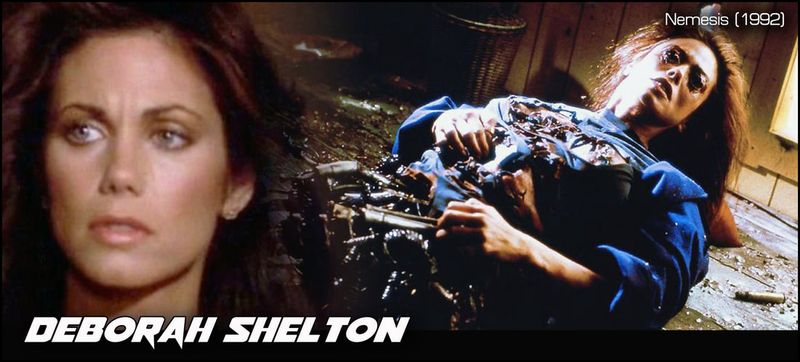
One of the more talked-about moments in Nemesis involves actress Deborah Shelton, who appeared completely nude in a notable scene. Shelton was already known to audiences from her work in Dallas and other productions.
Moments like this were often used in low-budget action films of the era to attract attention and boost ticket sales. Whether it added to the story or not is debatable, but it certainly became one of the film’s more memorable and frequently discussed details among fans.
10. Cary-Hiroyuki Tagawa’s Heavies Were Real Truck Drivers

When it came time to cast the intimidating group of heavies working alongside Cary-Hiroyuki Tagawa’s character, Albert Pyun didn’t reach for a casting directory. He hired union truck drivers from the Hawaiian production crew instead.
His reason was straightforward: he liked the way they looked. That kind of spontaneous, instinct-driven casting is rare on any production.
It also meant these men had zero acting experience, which likely made the performances feel rawer and more unpredictable on screen.
11. A Hilo Local Was Cast as the Elderly Shooter on the Spot
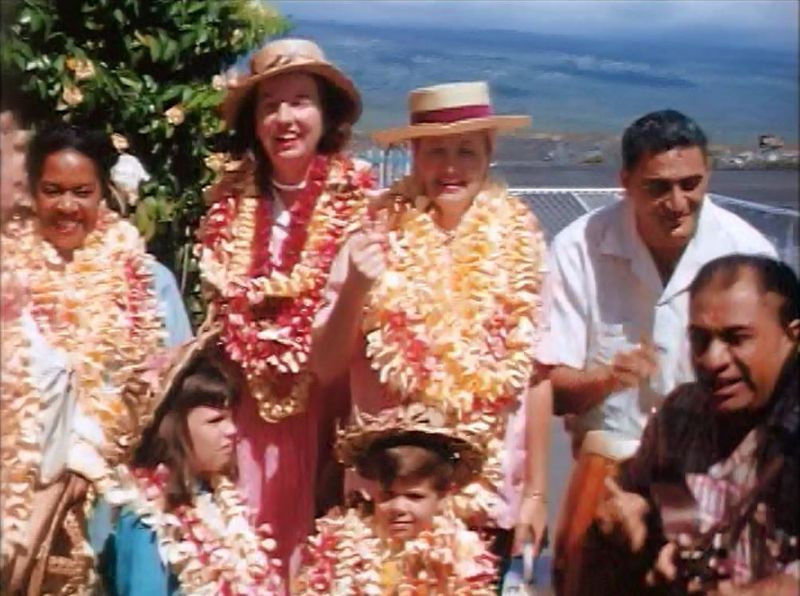
One of the most charming casting stories from Nemesis involves the elderly woman who shoots Sven-Ole Thorsen’s cyborg character. Her name was Mabel Falls, and she was not an actress at all.
She was simply a resident of Hilo, Hawaii, who was hired on the spot because she happened to be in the right place at the right time. Pyun saw something in her and went for it.
That kind of spontaneous decision-making gives low-budget films a unique energy that polished studio productions rarely capture.
12. Nemesis the Roller Coaster Was Europe’s First Inverted Ride
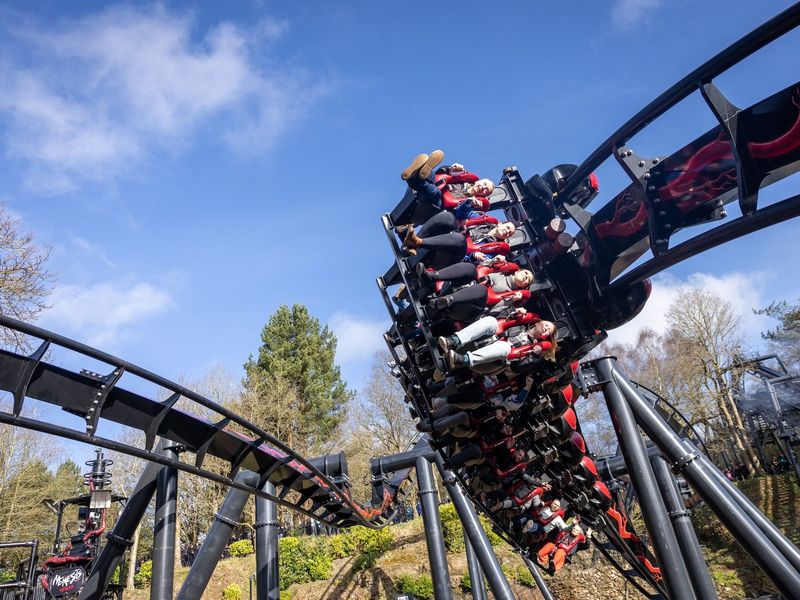
When Nemesis opened at Alton Towers on March 19, 1994, it made history. The ride became Europe’s very first inverted roller coaster, meaning riders sit with their legs dangling freely below the train as it flies through loops and twists.
Designed by Werner Stengel and manufactured by Bolliger and Mabillard, it quickly became one of the most celebrated coasters on the continent. Opening a record-breaking ride is a massive achievement, and Alton Towers has proudly worn that badge ever since.
13. The Ride’s Secret Development Name Was SW3
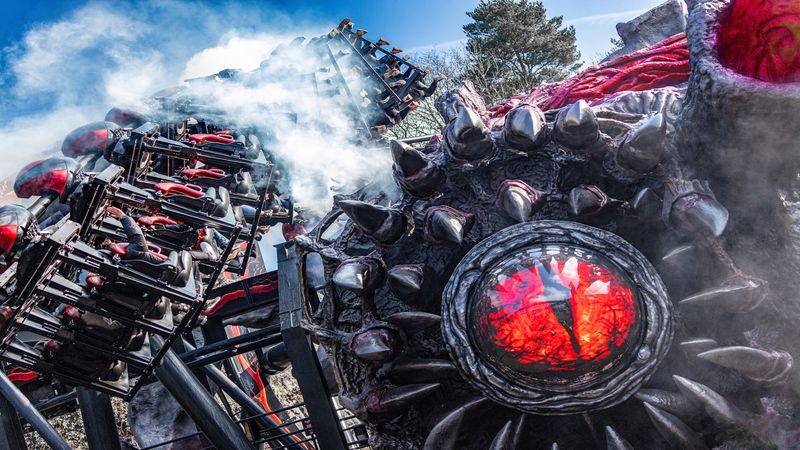
Before Nemesis had its now-iconic name, the project was kept under wraps using a code name: Secret Weapon 3, or SW3. Theme parks often use internal project names to keep competitors from learning too much about upcoming attractions.
The “Secret Weapon” naming tradition at Alton Towers became something of a fun mystery for enthusiasts tracking the park’s development. Knowing the ride was labeled as a secret weapon makes its eventual reveal feel even more dramatic, and the name suited the creature-based story perfectly.
14. The Ride Cost 10 Million Pounds to Build
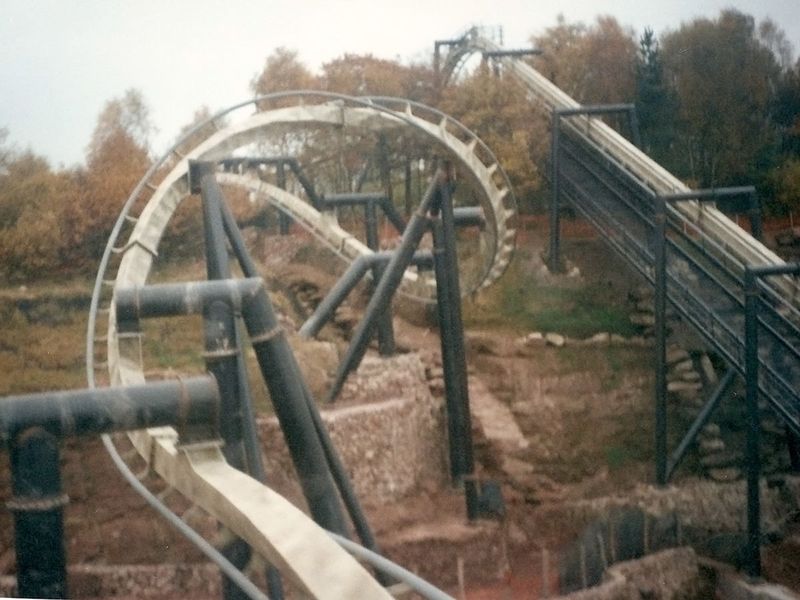
Building a record-breaking roller coaster was never going to come cheap. The original Nemesis ride at Alton Towers cost a remarkable 10 million British pounds to construct, which was an enormous investment for a theme park in the early 1990s.
That money went into engineering a ride that carved through the natural landscape rather than rising above it. Because planning rules limited how high structures could be built, the team dug deep into the earth, making the ride feel like it’s battling the ground itself.
15. An Alien Creature Backstory Explains the Entire Ride
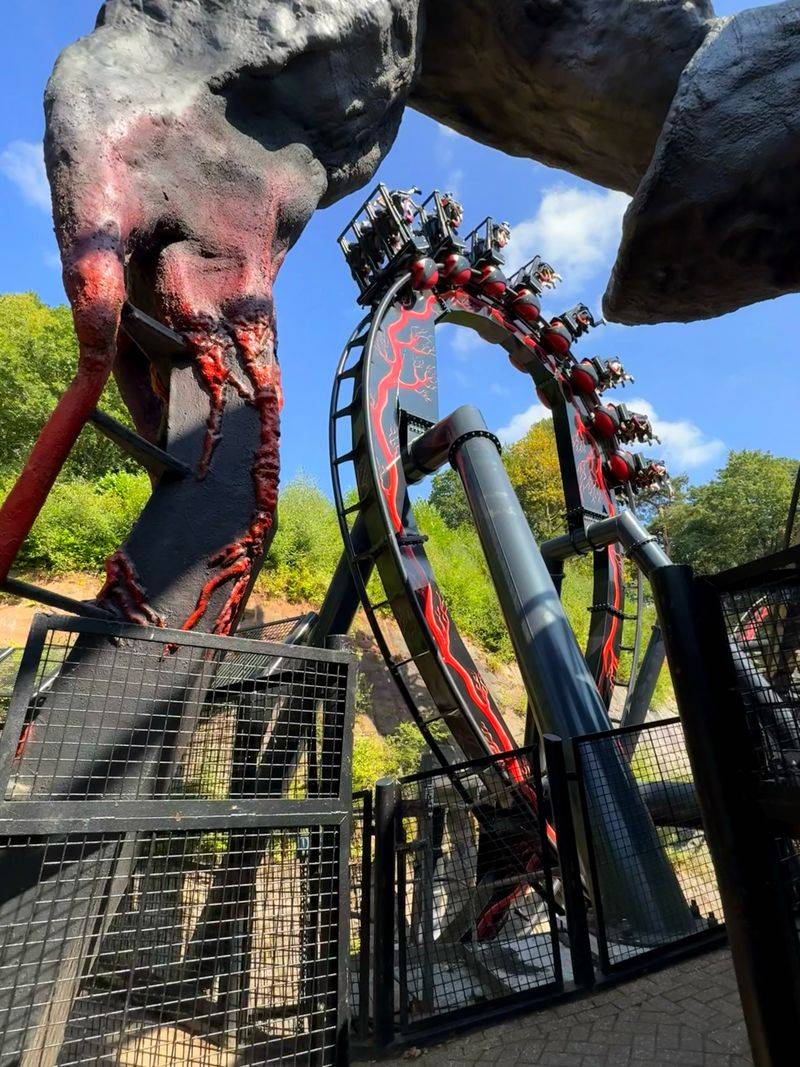
Nemesis at Alton Towers isn’t just a roller coaster. According to its official backstory, the ride’s track represents the restraints used to pin down a monstrous alien creature discovered during excavation at the park.
The creature, named Nemesis, was supposedly dragged up from another dimension and trapped in place by steel. That lore transforms the whole experience from a thrill ride into something that feels like a living monster you’re riding on top of.
Few attractions commit to their fictional world quite so completely.
16. A Limited Comic Book Was Released in 1995 to Expand the Lore
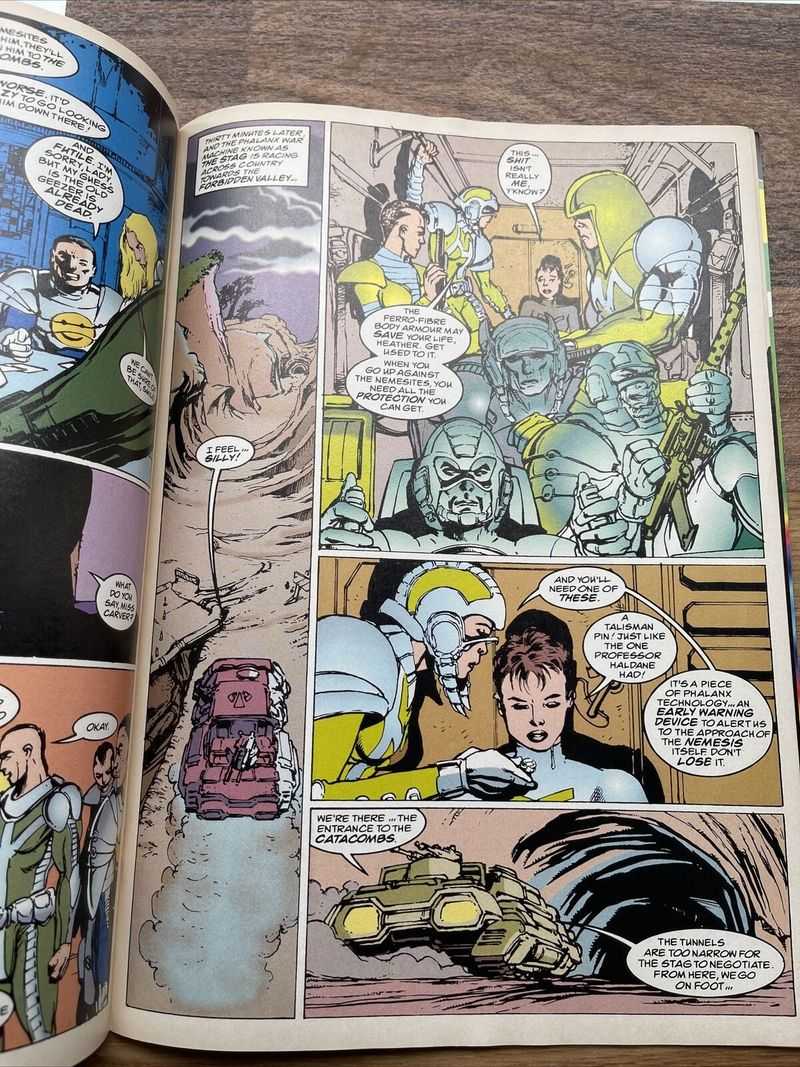
Alton Towers took the Nemesis story beyond the ride itself by releasing a limited-run comic book in 1995. The comic expanded on the creature’s origins and the world surrounding it, giving dedicated fans something extra to connect with.
Branded merchandise tied to theme park rides wasn’t common in the mid-1990s, making this comic a genuinely rare collectible today. It also planted the seeds for future storyline expansions, including the fictional organization called the Phalanx that would appear years later in Nemesis Sub-Terra.
17. The Entire 250-Tonne Track Was Replaced for Nemesis Reborn
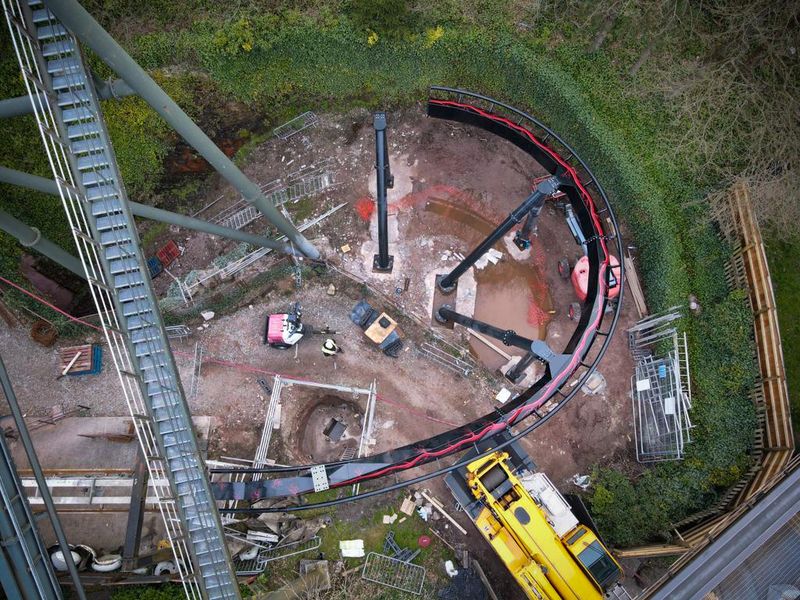
When Nemesis closed for refurbishment in November 2022, the work involved was staggering. The entire track, all 250 tonnes and 716 meters of it, was removed and replaced piece by piece with brand-new steel.
Each segment of the new track traveled roughly 4,000 miles from Ohio to Staffordshire before being installed. The project was massive in scale and required Alton Towers to build a custom viewing platform so up to 30 guests could watch the construction live.
Nemesis Reborn reopened on March 16, 2024.
18. The New Track Features Black Steel With Red Veins
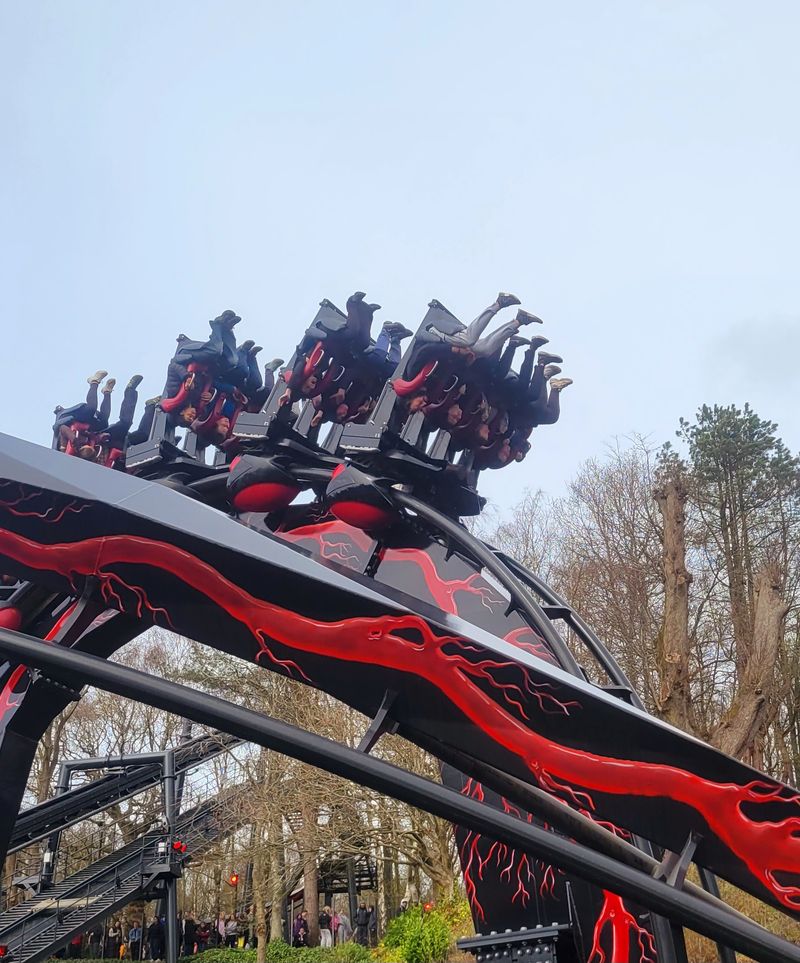
Nemesis Reborn didn’t just get a mechanical upgrade. The new track brought a bold visual change, trading in the old color scheme for sleek black steel covered in striking red veins that run along the surface.
The red vein design ties directly into the creature mythology, making the track look like the alien’s own blood vessels are pulsing beneath the steel. It’s a creative detail that rewards fans who know the lore, and it makes the ride look fiercer and more alive than ever before.