
Some movie deaths stay with us long after the credits roll. Losing a favorite character can feel unfair, but that loss can also give a story its deepest meaning.
Here, necessary means important to the story, not that anyone deserved to die. Major spoilers follow as we look at the sacrifices and tragedies that made these films unforgettable.
1. Mufasa: The Loss That Shapes Simba
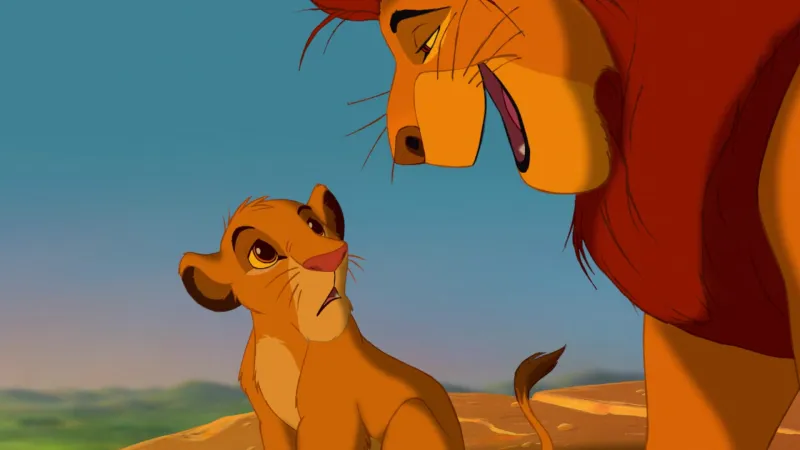
A father’s steady voice makes the world feel safe, which is why losing Mufasa hurts so much. In The Lion King, Scar kills him during the wildebeest stampede, then tricks Simba into blaming himself.
Without that loss, Simba would never face the guilt and fear that drive his journey. His return becomes more than a fight for a throne.
It is a moving reminder that growing up includes facing pain, accepting help, and choosing responsibility.
2. Tony Stark: One Final Act of Courage
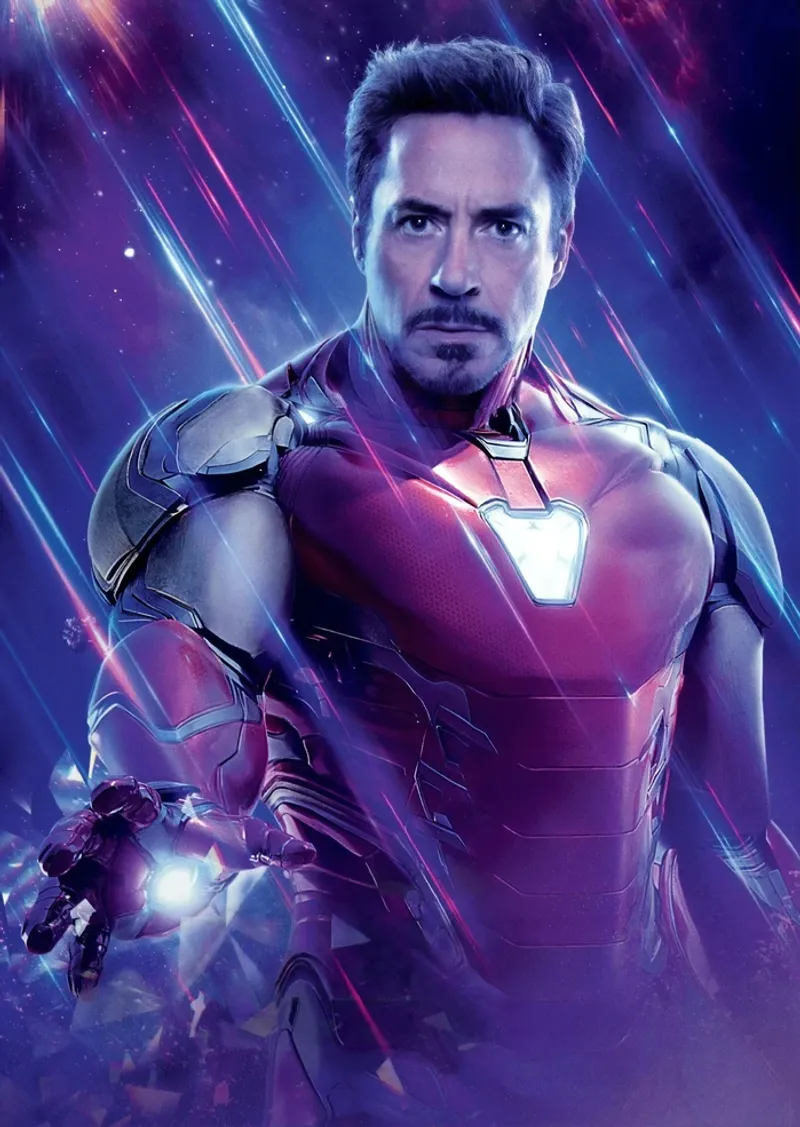
The man who once cared mostly about himself ends up giving everything for others. In Avengers: Endgame, Tony uses the Infinity Stones to stop Thanos, knowing their power may kill him.
His choice completes a journey that began with building weapons and learning what they cost. Watch how the film balances the huge battle with small family moments.
Those details make his sacrifice personal, showing that saving the world also means leaving loved ones behind.
3. Jack Dawson: Love Beyond the Lifeboats
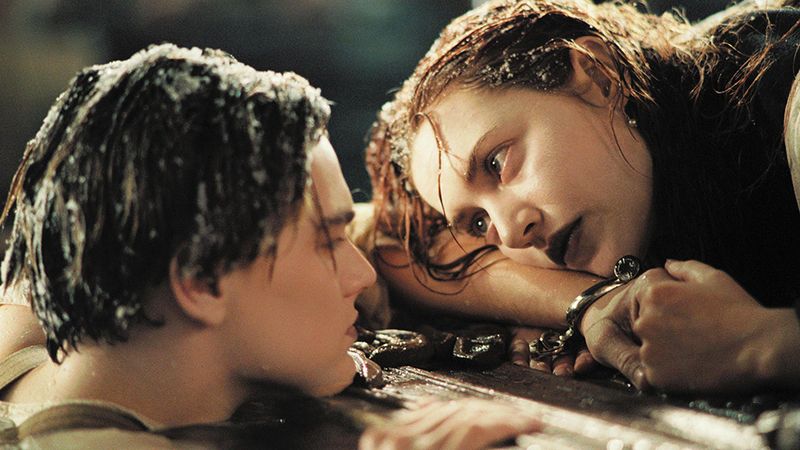
Promises feel different when someone keeps them at a terrible cost. After Titanic sinks, Jack stays in the freezing water while Rose rests on floating wooden wreckage, urging her to survive.
His death keeps their romance tied to the disaster rather than turning it into an easy escape. Rose’s later adventures show what his encouragement gave her: the courage to live freely.
The ending hurts because their love continues through her choices, not their reunion.
4. Apollo Creed: The Fight That Changes Everything
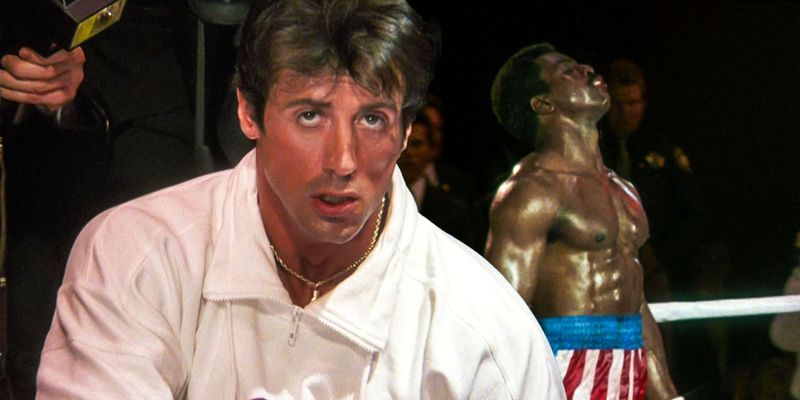
Flashy entrances and fearless confidence make Apollo seem impossible to defeat. Rocky IV breaks that feeling when his exhibition match against Ivan Drago turns deadly, leaving Rocky shaken and full of regret.
The loss gives the next fight an emotional purpose beyond winning another boxing match. Rocky must face grief, loyalty, and the price of pride.
Apollo’s fate also makes the ring feel dangerous again, reminding viewers that entertainment can hide real risks beneath its spectacle.
5. Gwen Stacy: When the Hero Cannot Save Everyone
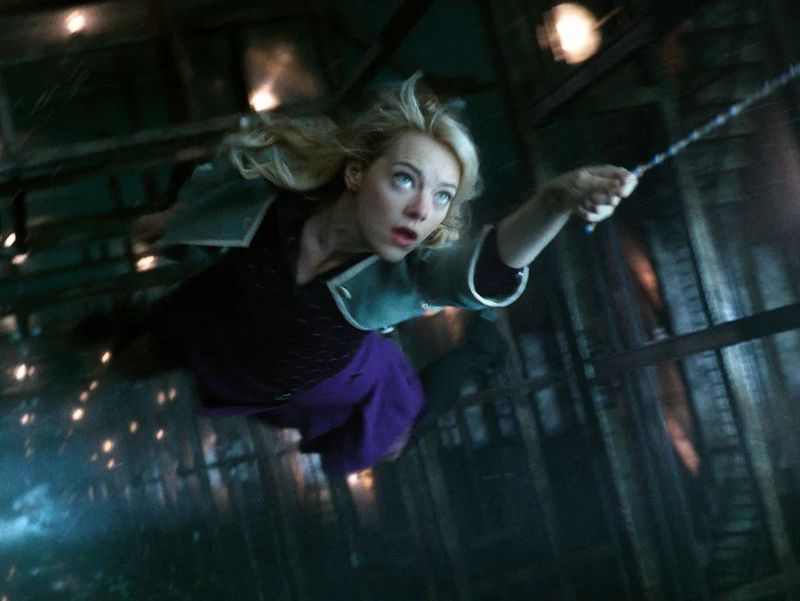
Smart, brave, and ready to help, Gwen is never simply waiting for rescue. That makes her fall in The Amazing Spider-Man 2 especially painful: Peter reaches her, but cannot save her life.
The tragedy strips away the comforting idea that enough effort always guarantees success. Peter’s grief then makes his eventual return to helping people matter more.
Her graduation speech offers a useful clue: hope means choosing to continue, even when life leaves lasting scars.
6. Bing Bong: Childhood’s Quiet Goodbye
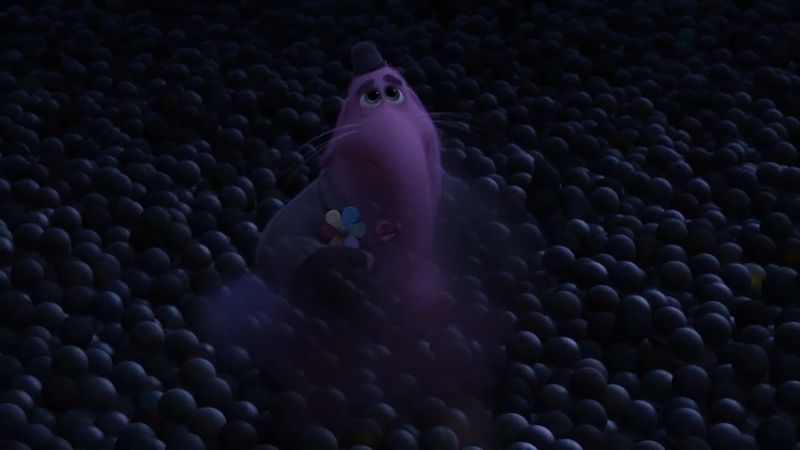
A silly imaginary friend delivers one of Pixar’s hardest goodbyes. In Inside Out, Bing Bong jumps from the wagon so Joy can escape the Memory Dump, then fades as Riley forgets him.
His sacrifice helps Joy return and understand why sadness belongs in Riley’s life. More quietly, it captures the childhood treasures we leave behind while growing.
The scene does not call those memories worthless. It honors them by showing how they helped us move forward.
7. Captain Miller: The Weight of Being Saved
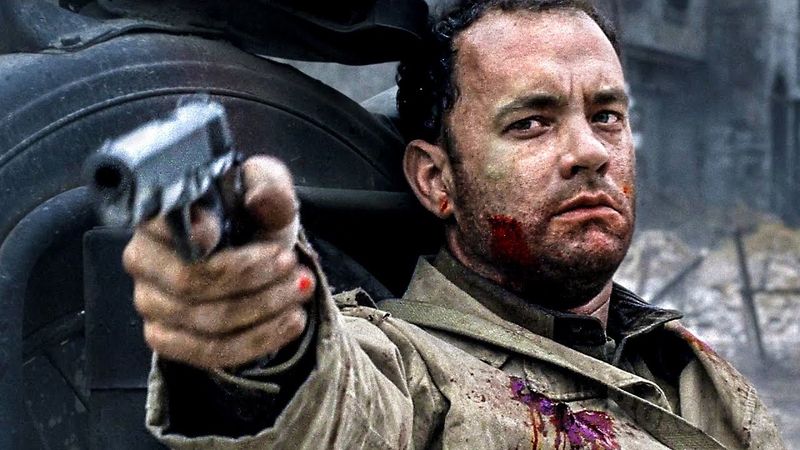
Behind the uniform stands a schoolteacher who wants to get home. Captain Miller’s ordinary background makes his death in Saving Private Ryan feel painfully close, even amid the film’s enormous battles.
His final request asks Ryan to make his rescued life count. That moment turns the mission into a lasting moral burden rather than a simple victory.
Notice the older Ryan seeking reassurance at the cemetery. Survival brings gratitude, but also questions that never completely disappear.
8. Spock: Logic With a Breaking Heart
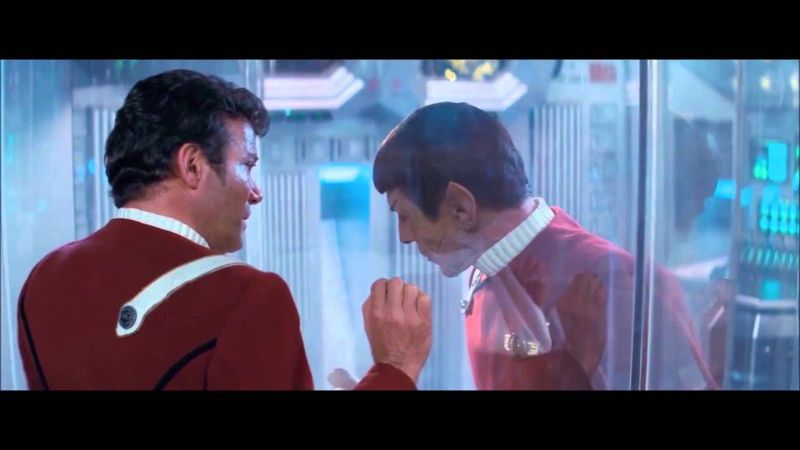
Even perfect logic cannot make goodbye painless. In Star Trek II: The Wrath of Khan, Spock enters a deadly radiation chamber to restore power and let the Enterprise escape an approaching explosion.
Saving the crew costs his life, forcing Kirk to confront a loss he cannot outsmart. Their farewell through glass makes friendship the center of the scene.
Although later films bring Spock back, this sacrifice still matters because it shows duty carried out with love.
9. Obi-Wan Kenobi: A Mentor Becomes a Guide
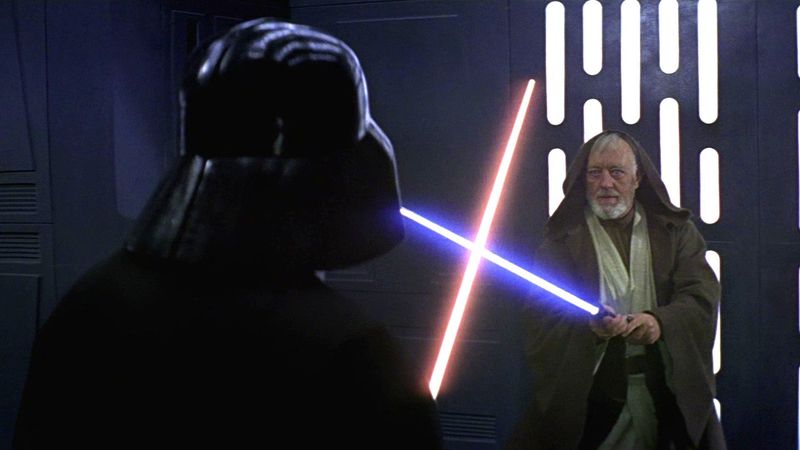
A lowered lightsaber turns a duel into something far bigger. In Star Wars: A New Hope, Obi-Wan lets Vader strike him while Luke and his friends make their escape from the Death Star.
Luke loses a teacher just as his journey begins, but not all guidance disappears. Obi-Wan’s voice later helps him trust the Force.
Removing the mentor gives the young hero room to act, while their continued connection suggests that wisdom can outlast physical presence.
10. Bambi’s Mother: Winter Ends Innocence
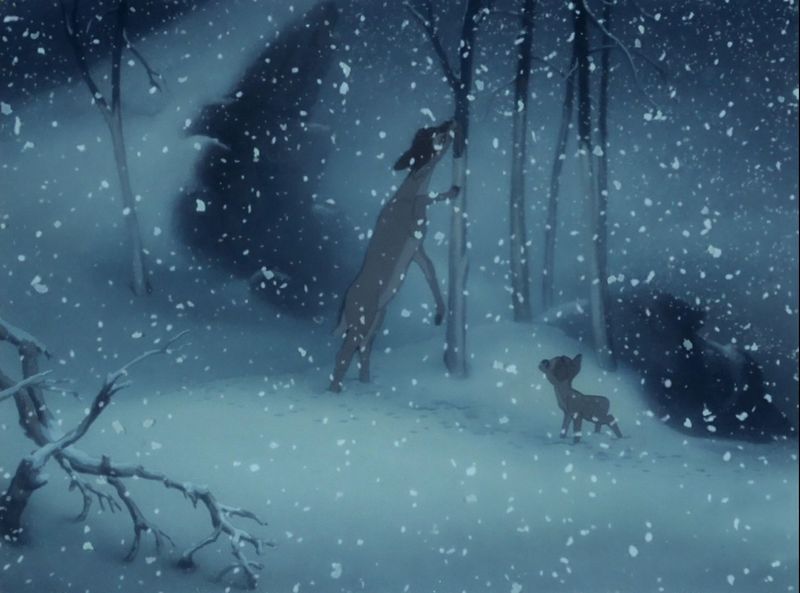
For many viewers, a snowy forest became their first lesson in movie grief. Bambi’s mother is killed by a hunter offscreen, leaving her frightened son calling into a silence that offers no comfort.
The loss changes the woodland from a playful home into a place with real danger. Bambi must grow under his father’s guidance rather than remain sheltered.
Keeping the shooting unseen makes the absence more powerful: the heartbreak comes from who never answers him.
11. Ricky Baker: A Future Cut Short
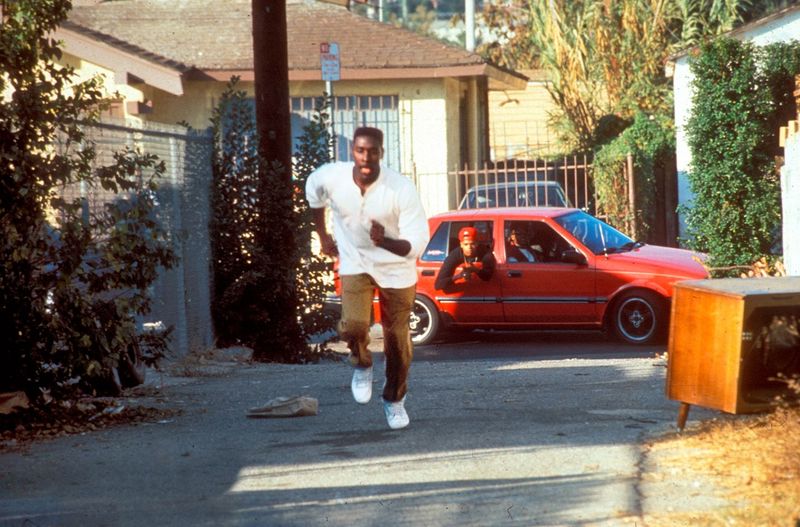
A football scholarship makes escape seem close enough to touch. Ricky’s killing in Boyz n the Hood destroys that hope, showing how violence can interrupt a promising future without warning or fairness.
His death drives Doughboy toward revenge and pushes Tre to decide whether he will follow. The contrast matters: grief can lead people down different paths.
Rather than treating Ricky as merely a plot device, remember the family and ambitions that make his loss devastating.
12. Thomas and Martha Wayne: Batman’s First Wound
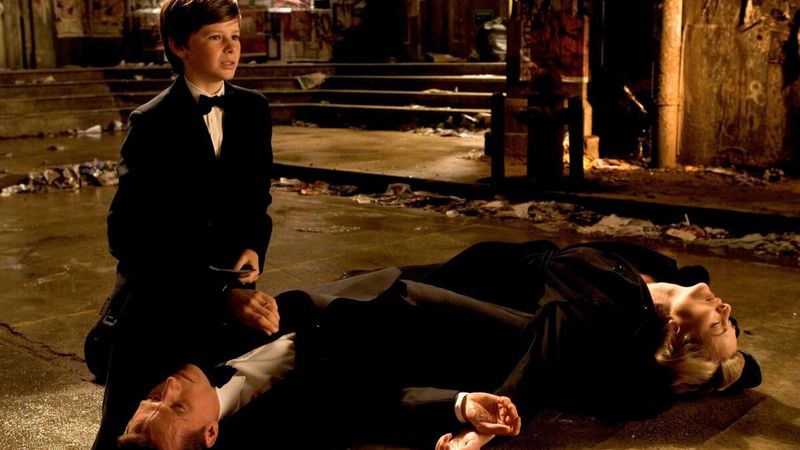
Pearls on the pavement tell an origin story without many words. In Batman Begins, the murder of Bruce Wayne’s parents leaves him with fear, anger, and a fierce need to understand Gotham’s suffering.
Their deaths explain his mission, but the film also questions what he does with that pain. Revenge alone cannot build the hero he becomes.
Watching Bruce learn restraint reveals the real turning point: he chooses to protect others instead of simply punishing someone.
13. Malcolm Crowe: The Truth Hidden in Plain Sight
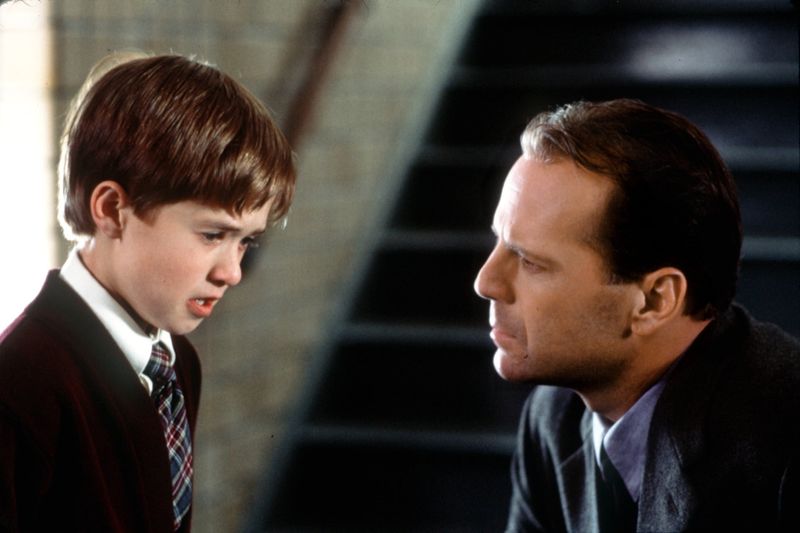
One reveal changes almost every scene that came before it. The Sixth Sense shows that Malcolm died after the opening shooting, even though he believes he is still helping Cole as a living therapist.
His death makes the boy’s strange experiences fit together and explains Malcolm’s distance from his wife. On another viewing, watch the careful limits on who interacts with him.
The twist works because it also brings closure to a man with unfinished love.
14. John Coffey: An Ending That Should Feel Wrong
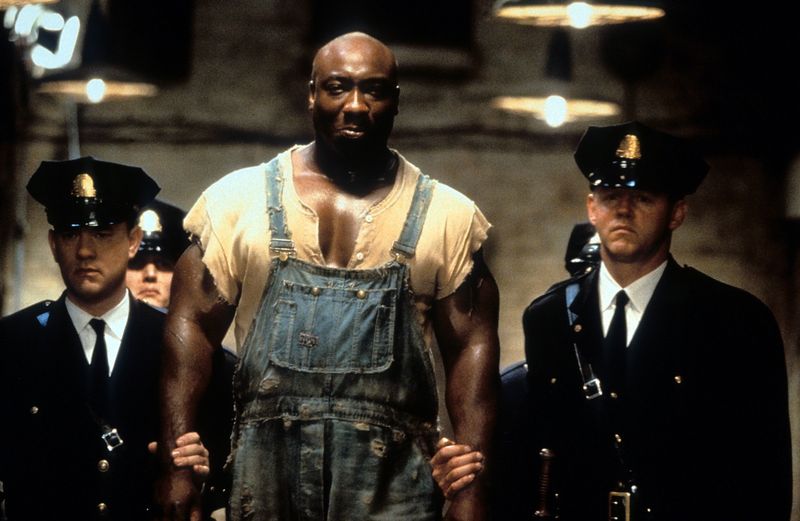
Healing others cannot protect John from a system that condemns an innocent man. His execution in The Green Mile is unbearable precisely because the guards know his kindness and understand what is being lost.
Calling this death necessary means necessary to the film’s message, not morally deserved. A rescue would soften its warning about injustice and the limits of good intentions.
Paul’s lasting grief asks viewers to remember how deeply cruelty harms witnesses as well as victims.
15. Goose: The Empty Seat Beside Maverick
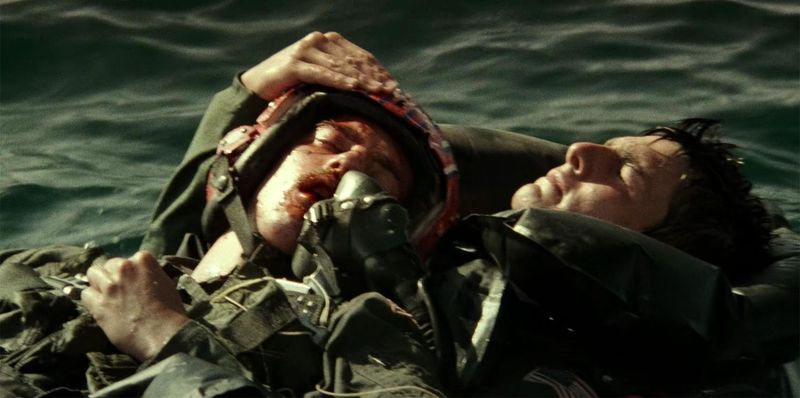
The jokes stop, and suddenly Top Gun feels like a different movie. Goose dies during an emergency ejection, leaving Maverick without his closest flying partner and with guilt he cannot easily shake off.
An inquiry clears Maverick of responsibility, which matters: the story does not prove he caused the accident. Instead, the loss forces him to rebuild his confidence while facing flying’s real dangers.
His return means accepting uncertainty, not pretending that skill makes anyone invincible.
16. Llewelyn Moss: No Hero’s Last Stand
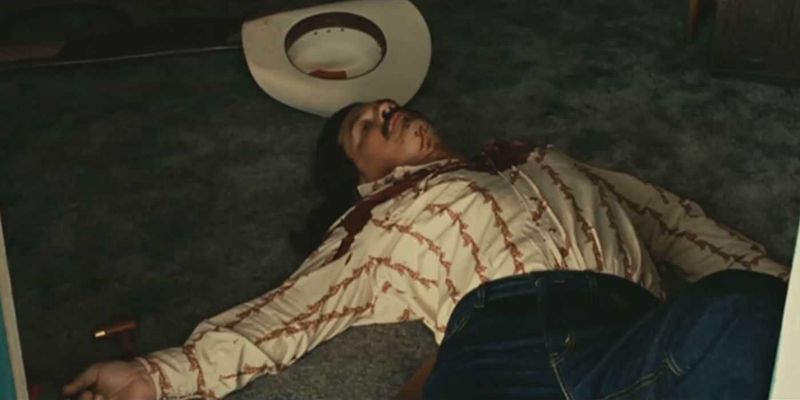
Just when a showdown seems likely, the movie refuses to deliver one. Llewelyn dies offscreen in No Country for Old Men, killed by Mexican gunmen rather than in a final duel with Chigurh.
That sudden absence breaks the usual promise that a resourceful lead character controls his ending. It also shifts attention toward Sheriff Bell’s struggle to understand the violence around him.
The missing farewell is the point: real danger does not arrange satisfying endings for us.
17. V: The Mask Outlives the Man
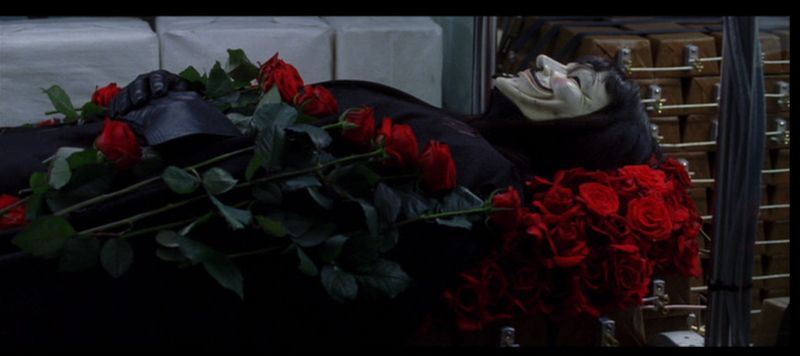
A mask can hide a face while making an idea impossible to ignore. In V for Vendetta, the wounded revolutionary dies after confronting those behind his suffering, leaving Evey to make the final choice.
His absence gives her freedom to act rather than merely follow orders. Sending the train toward Parliament becomes her decision, while the gathering crowd carries the movement beyond one person.
The ending argues that change lasts when ordinary people claim it for themselves.
18. The Rogue One Crew: Hope Bought at a Cost
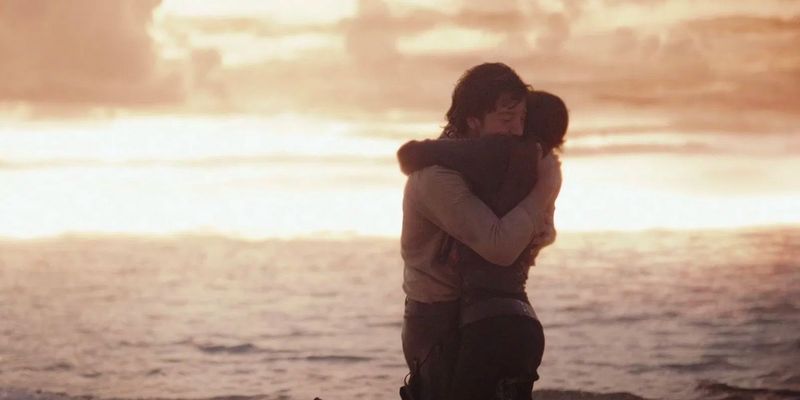
Knowing the plans will reach the Rebels does not make goodbye easier. Rogue One gives its heroes no safe exit: Jyn, Cassian, and their teammates die during the mission to expose the Death Star’s weakness.
Their sacrifice turns a familiar victory from A New Hope into something earned by people history might overlook. Each contribution matters, from finding the files to keeping communications open.
Watching the films together makes that tiny stolen data file feel heavier than ever.