
Some movie characters keep going long after everyone expects them to quit. They escape deadly traps, challenge unfair rules, or refuse to let others decide who they should be.
Their stories make us cheer, but they also show the difference between courage, stubbornness, and dangerous pride. From tough survivors to quiet rebels, these characters prove that being hard to hold down takes many forms.
1. John Wick Keeps Getting Back Up
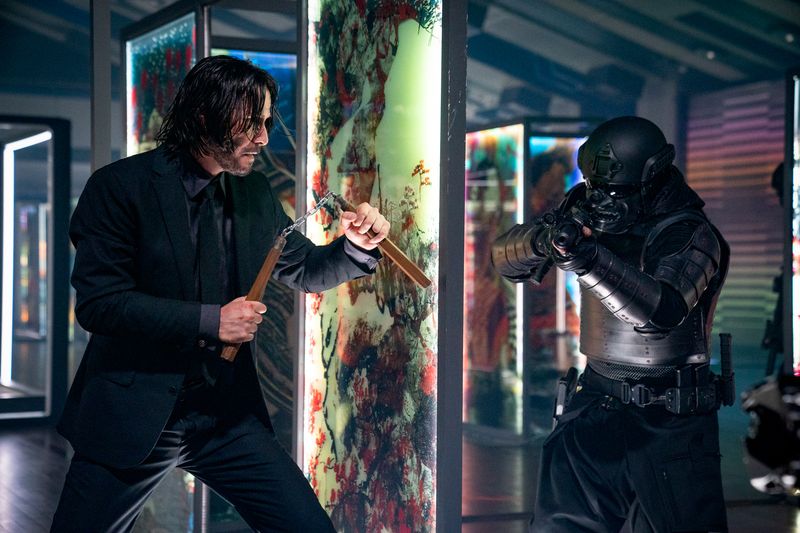
A quiet retirement never stood a chance once enemies came after everything he loved. Across the John Wick films, the former assassin survives brutal attacks by reading rooms quickly, using cover, and refusing to freeze under pressure.
His appeal comes from effort as much as skill: every fall looks painful. Watch how often he changes tactics when plans fail.
Beneath the action, his story also shows how revenge can turn survival into an endless trap.
2. The Bride Fights Her Way Back
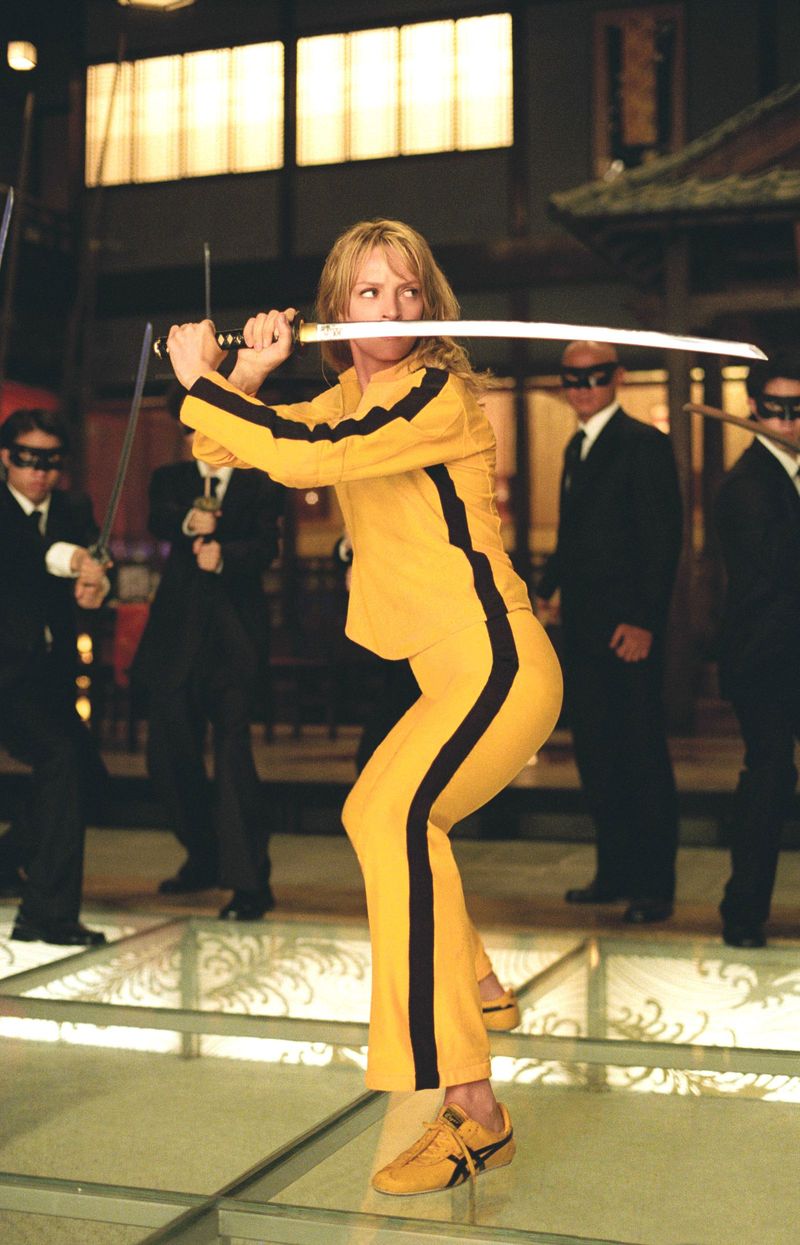
Buried alive sounds like the end of any story. For Beatrix Kiddo in Kill Bill, it becomes a terrible test of training, patience, and sheer will.
Her escape draws on lessons that once seemed almost impossible to master.
That connection makes her toughness feel earned rather than random. Behind the sword fights is a mother trying to reclaim her life.
Her journey offers a memorable reminder that preparation can matter most when panic takes over.
3. Neo Breaks the Rules of Reality
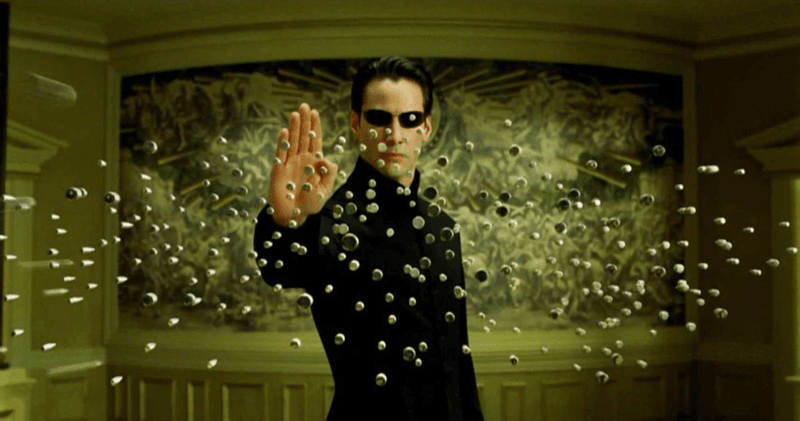
What if the limits around you were only lines of code? In The Matrix, a computer hacker discovers that his ordinary world is a prison built by machines.
Learning its secrets lets him challenge rules everyone else accepts.
His greatest breakthroughs require more than impressive fighting skills. Trust, choice, and belief all shape his growth.
The useful takeaway is not that limits never exist, but that asking better questions can reveal possibilities you previously missed.
4. Ellen Ripley Turns Fear Into Action
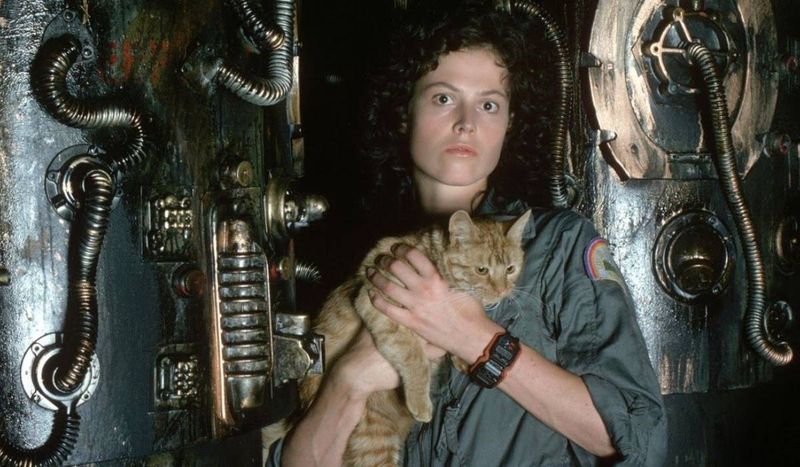
Space offers very few exits when a deadly creature gets aboard. Throughout the Alien series, Ripley faces that nightmare with sharp observation and a healthy distrust of careless orders.
She is frightened, but fear does not stop her thinking.
Her strength often shows through practical choices: check the danger, protect others, and find another route. She also challenges people who value company goals over human lives.
That makes her survival feel both brave and deeply personal.
5. James Bond Always Finds an Exit
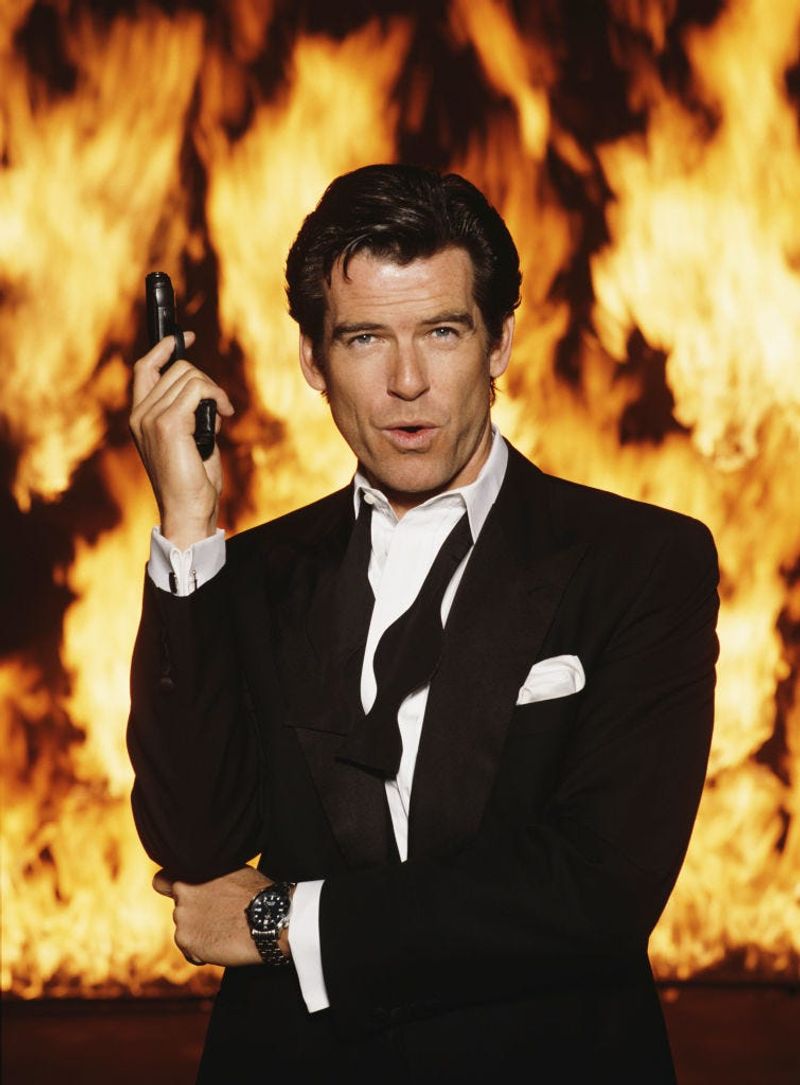
Handcuffs, hidden weapons, and ticking clocks barely interrupt this spy’s working day. Across the James Bond films, narrow escapes depend on a changing mix of training, gadgets, nerve, and luck.
His calm manner helps sell even the wildest situations.
Still, different versions reveal different costs, especially when friends and partners suffer. Enjoy the clever escapes without mistaking him for someone truly invincible.
His best moments show that keeping your head can buy time under pressure.
6. Randle McMurphy Refuses to Be Silenced
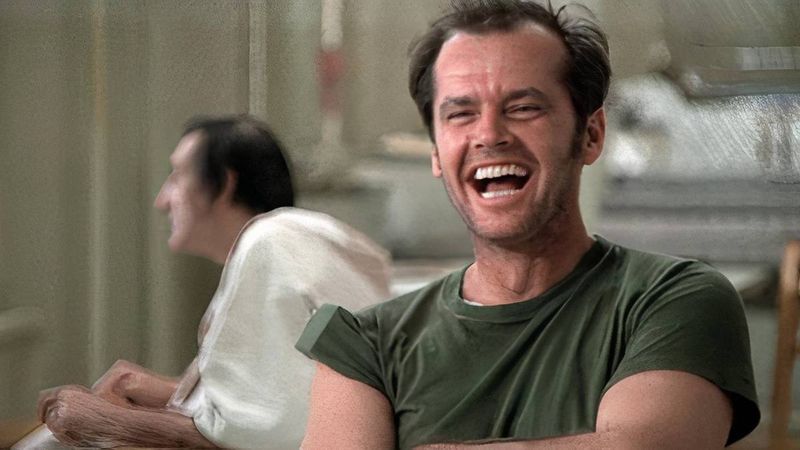
A laugh can become an act of rebellion in a place ruled by fear. In One Flew Over the Cuckoo’s Nest, McMurphy challenges Nurse Ratched’s control and encourages other patients to speak, play, and make choices.
His behavior is often reckless, and the film does not give him an easy victory. Calling him unstoppable describes his influence more than his fate.
His tragic story asks viewers to notice when strict authority starts taking away human dignity.
7. The Dude Lets Trouble Roll Past
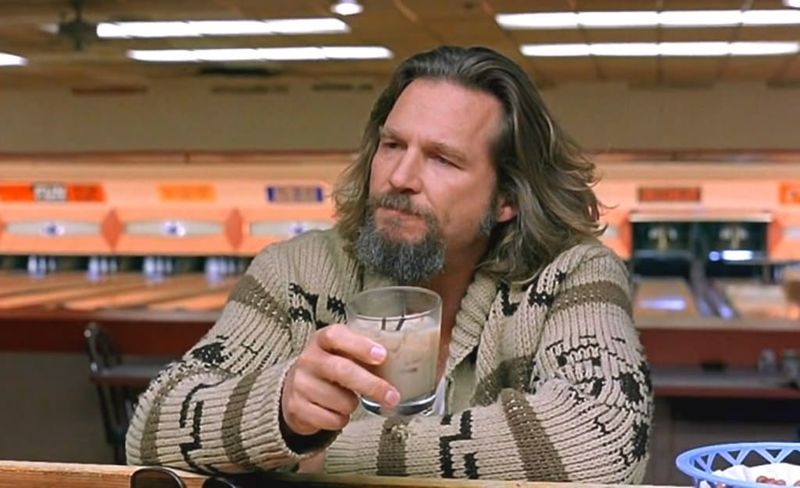
Not every tough character needs a clenched fist. The Big Lebowski gives us a bowling fan whose relaxed outlook survives threats, confusion, and a wildly tangled mystery.
People keep dragging him into trouble; he keeps wanting his normal life back.
His resistance is funny because it rarely looks heroic. He complains, gets rattled, and still remains himself.
There is a useful idea beneath the comedy: other people’s chaos does not have to define your identity.
8. Chris McCandless Chooses His Own Path
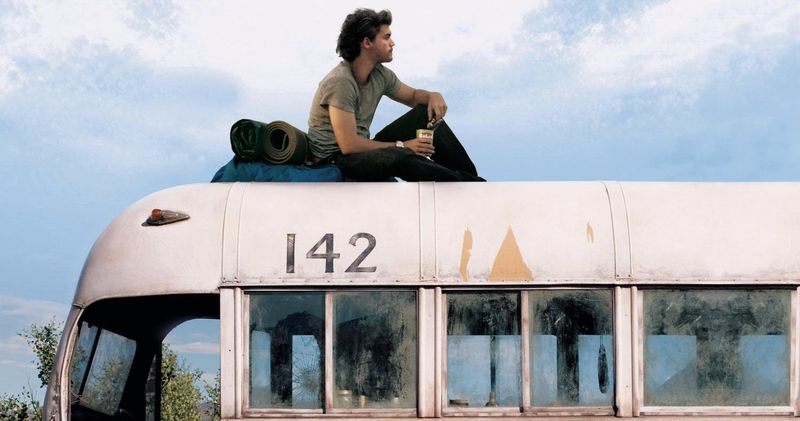
Leaving comfort behind can look thrilling until the wilderness stops being forgiving. Based on a real person, Into the Wild follows a young traveler who rejects wealth and expectations while searching for a more honest life.
His independence earns admiration, but his death prevents any simple claim that determination defeats everything. The film pairs freedom with painful consequences.
Take inspiration from his curiosity while recognizing that preparation, reliable knowledge, and accepting help are not personal failures.
9. Amy Dunne Controls the Story

Being hard to catch does not make someone a hero. Gone Girl builds its chilling mystery around a woman who understands how evidence, appearances, and public opinion can be shaped.
Her planning turns other people’s assumptions into powerful tools.
What makes her unsettling is the gap between her polished image and her actions. Rather than offering a role model, the film encourages skepticism.
A convincing story deserves careful checking, especially when emotion starts replacing clear evidence.
10. John McClane Wins the Hard Way
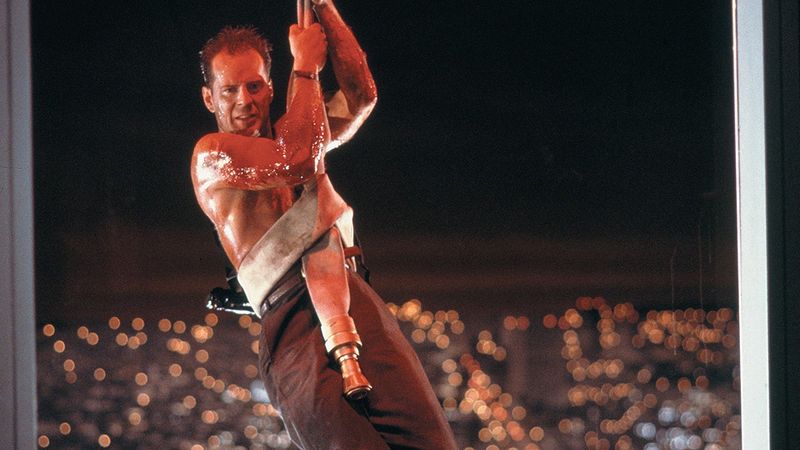
Bare feet and broken glass make an unusually convincing argument for giving up. In Die Hard, an ordinary police officer faces armed criminals inside a Los Angeles skyscraper, with little backup and no comfortable escape.
His injuries and frustration keep him human, even when the action grows huge. He listens, improvises, and uses the building around him.
The appeal lies in watching someone solve the next immediate problem instead of pretending he has every answer already.
11. Sally Hardesty Runs Toward Survival
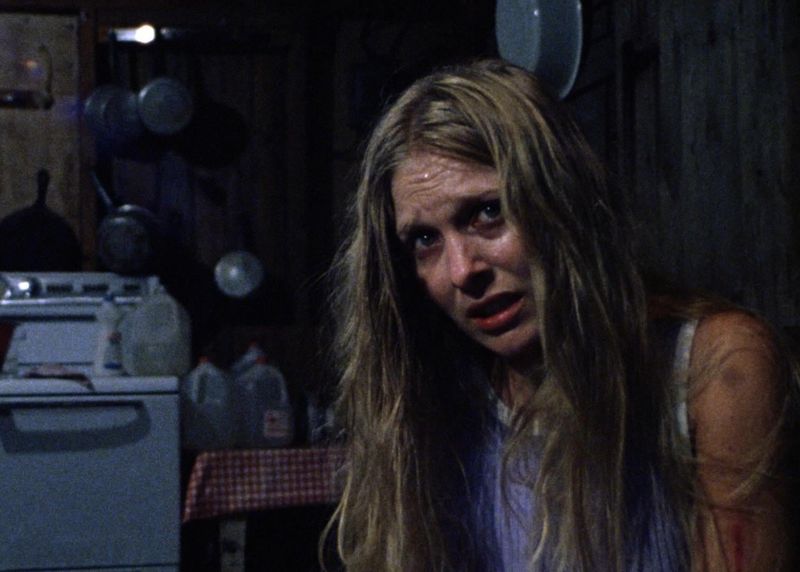
There is nothing glamorous about surviving pure terror. In the original The Texas Chain Saw Massacre, a young woman endures pursuit and captivity before making a desperate escape from Leatherface and his family.
Her strength is not built from combat training or clever speeches. It comes from continuing to search for an opening when everything feels hopeless.
The ending leaves her deeply shaken, reminding viewers that getting away from danger does not erase its emotional cost.
12. The Caller Stays Beyond Reach
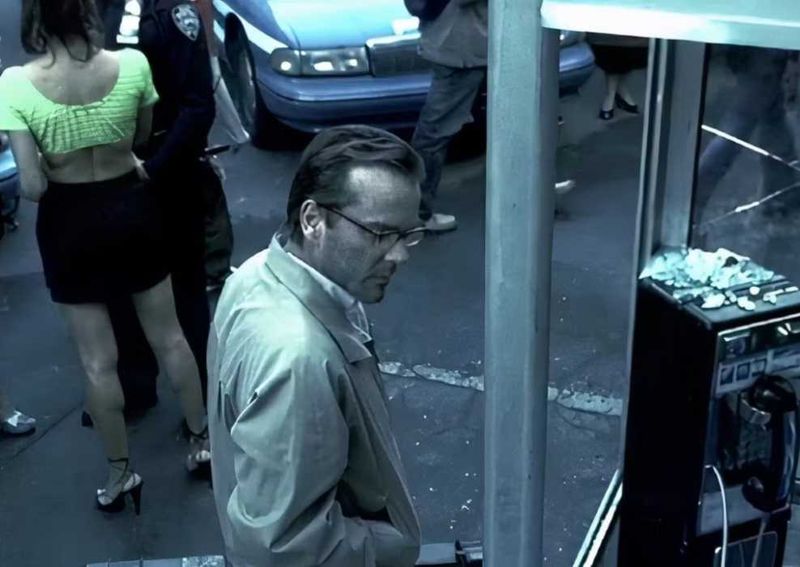
One ringing telephone turns a busy street into a trap. In Phone Booth, an unseen gunman controls events through threats, careful observation, and the frightening reach of his voice.
Staying hidden gives him a huge advantage.
Unlike the survivors here, he represents the danger rather than the person escaping it. His mystery makes ordinary surroundings feel unsafe.
The film offers a sharp storytelling lesson: sometimes a villain becomes more disturbing when the audience sees less.
13. The Driver Keeps His Distance
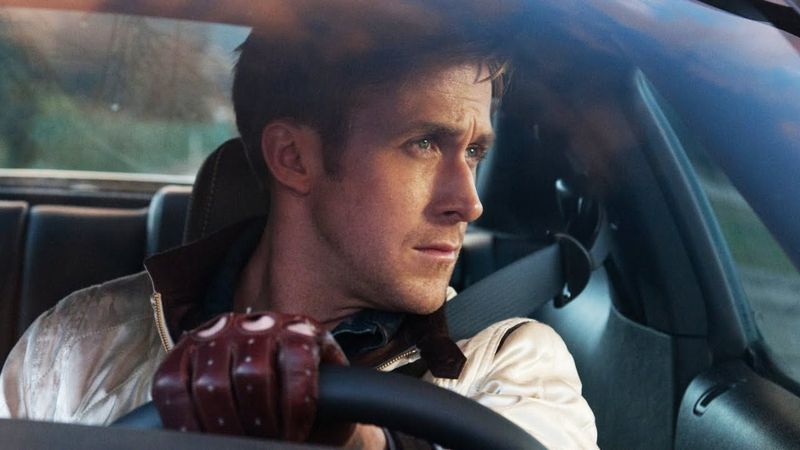
Silence can hide more than a long explanation ever reveals. Drive follows a stunt performer and getaway driver whose quiet habits conceal a capacity for sudden violence.
His sparse dialogue leaves viewers studying each glance and decision.
He becomes difficult to pin down because so much of his past stays unknown. Yet his attempts to protect others bring serious consequences.
Watch the contrast between his controlled driving and unstable circumstances: technical skill cannot make every situation manageable.
14. Amelie Poulain Makes Her Own Magic
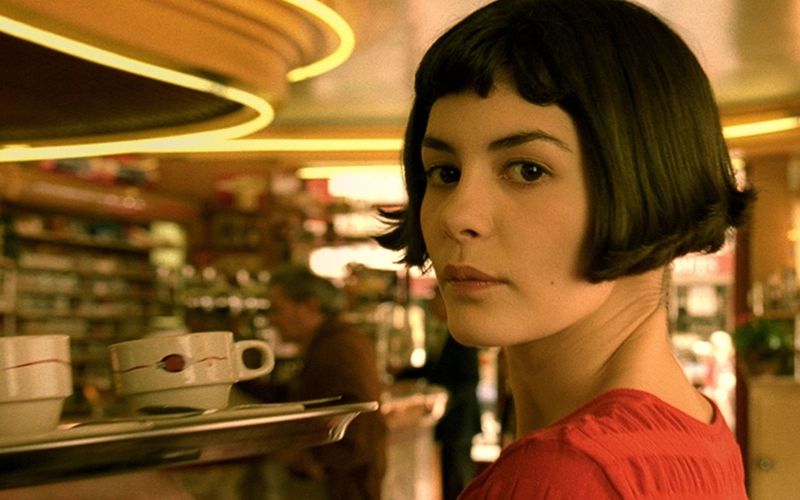
A tiny kindness can upset the dullest daily routine. In Amelie, a shy Paris waitress creates secret plans to brighten other people’s lives.
Her imagination helps her move beyond loneliness, even while she struggles to face her own feelings.
She is not fearless or free from a need for control. In fact, her careful schemes are part of the charm.
Her gentler rebellion suggests that courage can mean reaching out instead of staying safely invisible.
15. Gandalf Returns When Hope Seems Lost
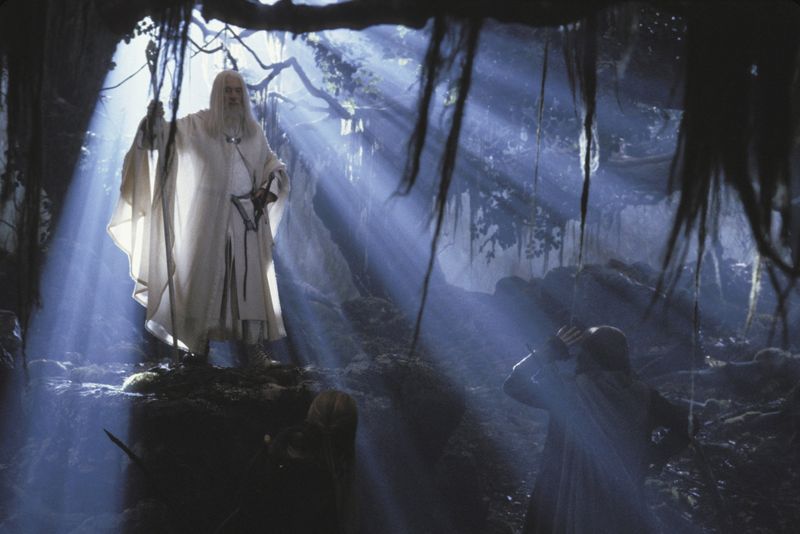
Falling into darkness should have ended his part in the quest. Instead, The Lord of the Rings brings the wizard back as Gandalf the White after his battle with the Balrog.
His return gives a struggling fellowship renewed hope.
Power alone does not explain his importance. He guides, warns, and trusts others to carry burdens he cannot take himself.
His lasting lesson is about leadership: helping people find their courage can matter more than commanding them.