
Growing up in the Midwest means hearing a whole set of phrases that feel completely normal to locals but leave everyone else scratching their heads. From quirky exclamations to food-related wisdom, Midwestern parents have a language all their own.
These sayings are passed down through generations and carry a warmth and humor that’s hard to explain. If you’ve ever heard one of these and wondered what on earth it meant, you’re definitely not alone.
1. Ope!
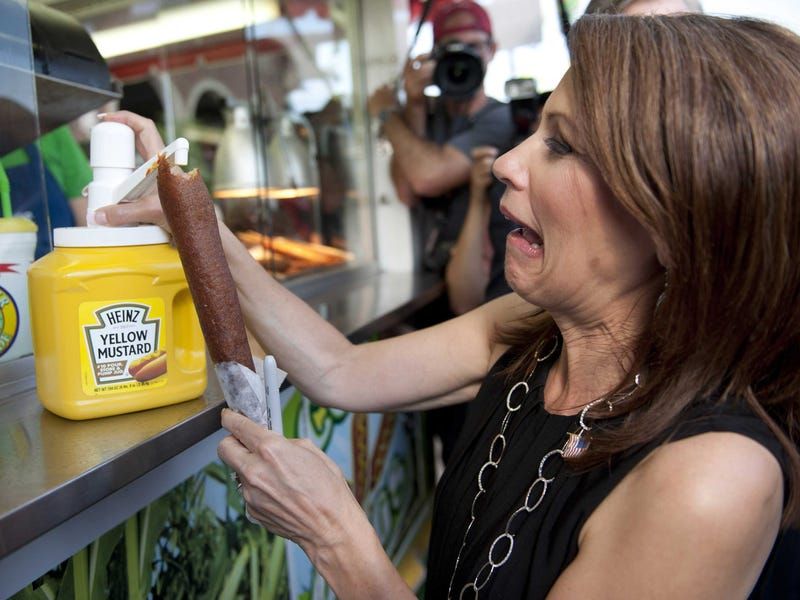
You won’t find “Ope!” in any dictionary, but every Midwesterner knows exactly what it means the second they hear it. It’s that quick, reflex sound that pops out when you accidentally bump into someone, drop something, or squeeze past a person in a tight space.
Think of it as a polite, one-syllable apology and acknowledgment rolled into one. Midwestern parents use it constantly, and kids grow up saying it without even thinking twice.
To outsiders, it just sounds like a tiny, mysterious squeak.
2. Pop
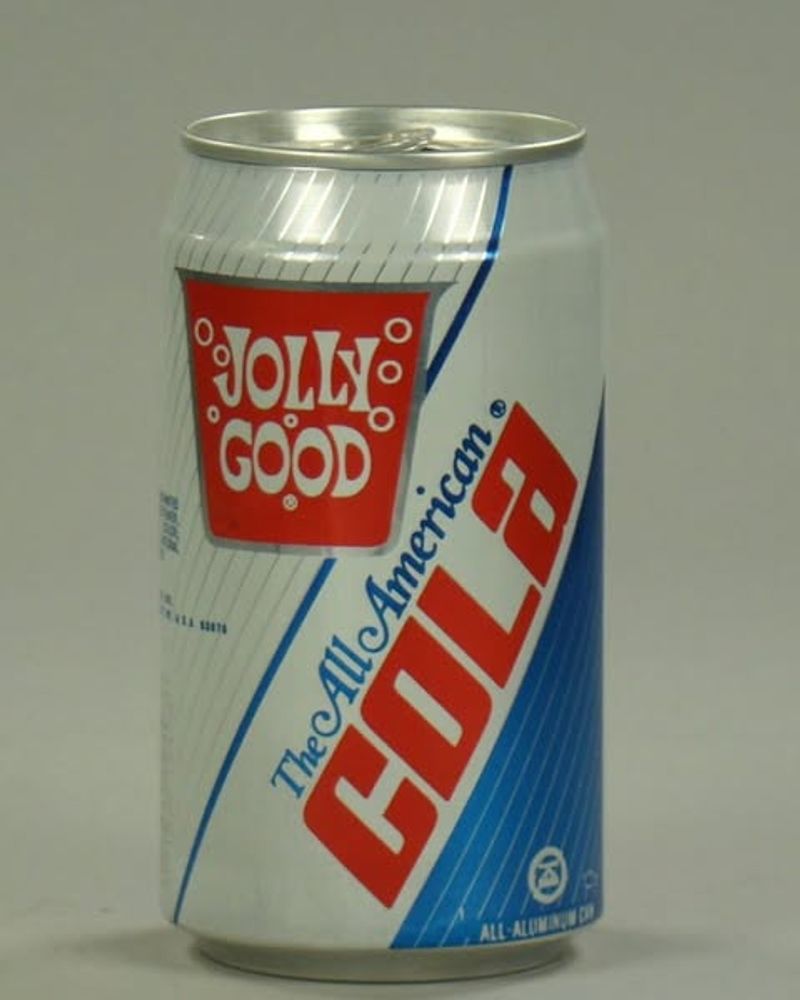
Ask for a “soda” at a Midwest family gathering and you might get a confused look in return. Around here, that fizzy, sweet drink in a can or bottle has always been called “pop,” plain and simple.
Midwestern parents have been sending their kids to the fridge to grab a pop for decades. It’s one of those regional quirks that causes genuine confusion when Midwest kids visit friends in other states.
The debate between “pop,” “soda,” and “Coke” is surprisingly heated.
3. Knee-High by the 4th of July

Corn is practically a religion in parts of the Midwest, so it makes sense that a crop phrase would work its way into everyday parenting talk. “Knee-high by the 4th of July” traditionally means the corn is growing right on schedule for a good harvest.
Parents use it to talk about any kind of timely progress, whether it’s a kid’s growth spurt or finishing a school project on time. If you didn’t grow up near farmland, this one can sound completely baffling at first.
4. If I Had My Druthers
“Druthers” sounds like it could be a made-up word from a fairy tale, but Midwestern parents use it with total confidence. It simply means “preferences” or “what I would choose if I could,” coming from the old phrase “would rather.”
You might hear a parent say, “If I had my druthers, we’d leave by six.” It’s a polite, indirect way of nudging the family toward a decision without being bossy about it. Outside the Midwest, most people have never encountered this word at all.
5. You Betcha!
Few phrases pack as much cheerful energy into three syllables as “You betcha!” Midwestern parents and grandparents throw this one out to mean yes, absolutely, you’re welcome, or just general enthusiastic agreement.
It’s the verbal equivalent of a firm handshake and a big smile. Kids from the Midwest grow up hearing it so often it becomes second nature.
Visitors from the coasts, however, often do a double-take the first time they hear it, unsure of exactly what just happened.
6. The Cold Builds Character
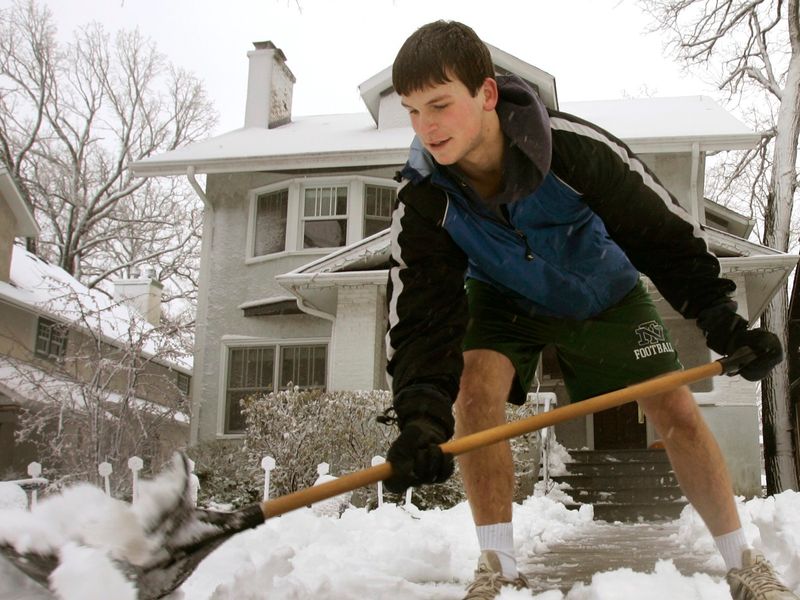
Winters in the Midwest are no joke, and Midwestern parents have a special way of turning brutal cold into a life lesson. “The cold builds character” is the go-to response when a kid complains about freezing temperatures on the walk to the bus stop.
Rather than offering sympathy, Midwestern parents offer resilience. The idea is that pushing through discomfort makes you stronger.
People from warmer states like Florida or California often find this philosophy baffling, wondering why anyone would celebrate suffering through a polar vortex.
7. Oh, For Cute! / Oh, For Fun!
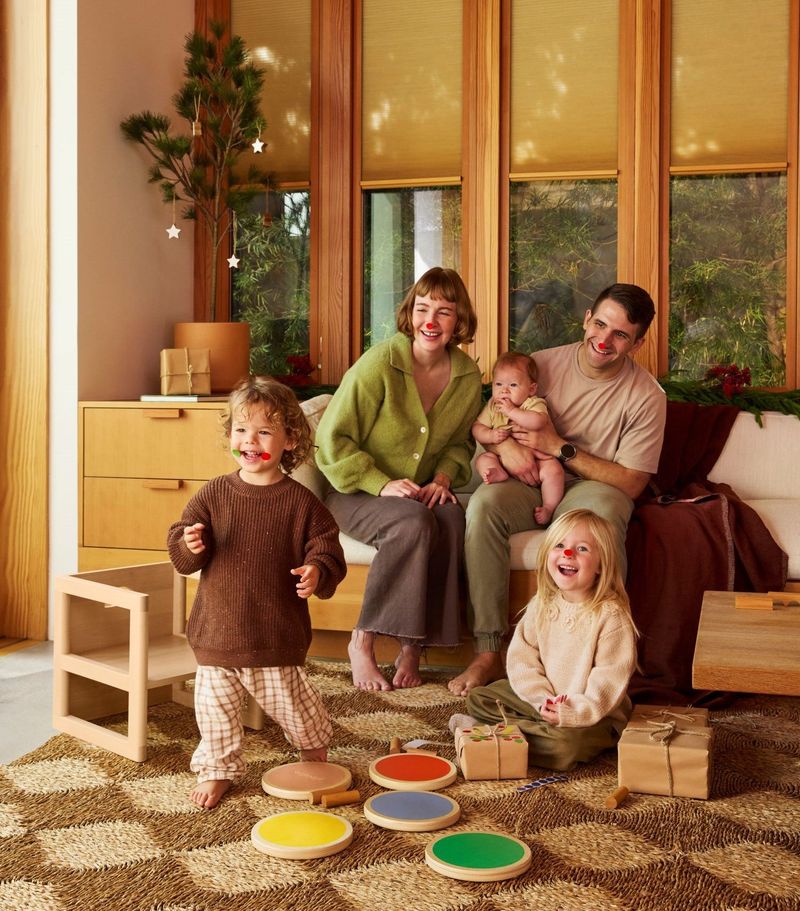
Grammar teachers outside the Midwest might wince at these expressions, but locals know exactly what they mean. “Oh, for cute!” is a burst of delight, like saying something is so adorable you can barely stand it.
The phrases feel incomplete to outsiders because words like “goodness sakes” have been dropped over generations, leaving just the emotional punch. Parents use them naturally when a toddler does something sweet or a child shows off a project.
The enthusiasm behind them is completely genuine and unmistakably Midwestern.
8. Uff Da!
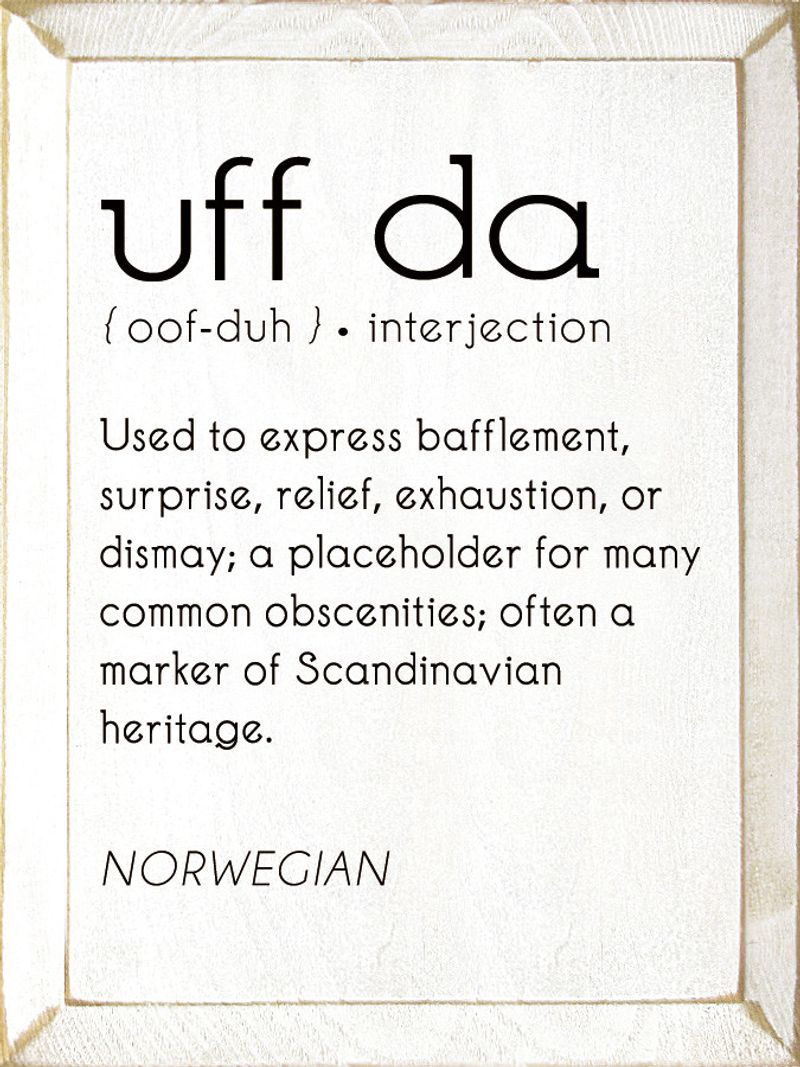
Borrowed straight from Norwegian, “Uff da!” has been fully adopted by Upper Midwesterners and used in about a dozen different situations. It can mean you’re overwhelmed, mildly grossed out, surprised, relieved, or just plain exhausted.
Midwestern parents might say it after hauling groceries up the stairs or hearing unexpected bad news. Its Scandinavian roots run deep in states like Minnesota, Wisconsin, and the Dakotas.
For anyone without that cultural background, it sounds like a sneeze that turned into a word.
9. Anymore (Used Positively)

Most people use “anymore” to talk about something that stopped happening, as in “I don’t do that anymore.” But in the Midwest, you’ll hear parents use it in a totally positive way, like “I really love jogging anymore.”
It simply means “these days” or “nowadays” in this context, and it makes perfect sense to locals. The first time someone outside the region hears it used this way, their brain does a little stutter.
It’s one of those regional grammar quirks that linguists actually find fascinating.
10. Tough Tomatoes!
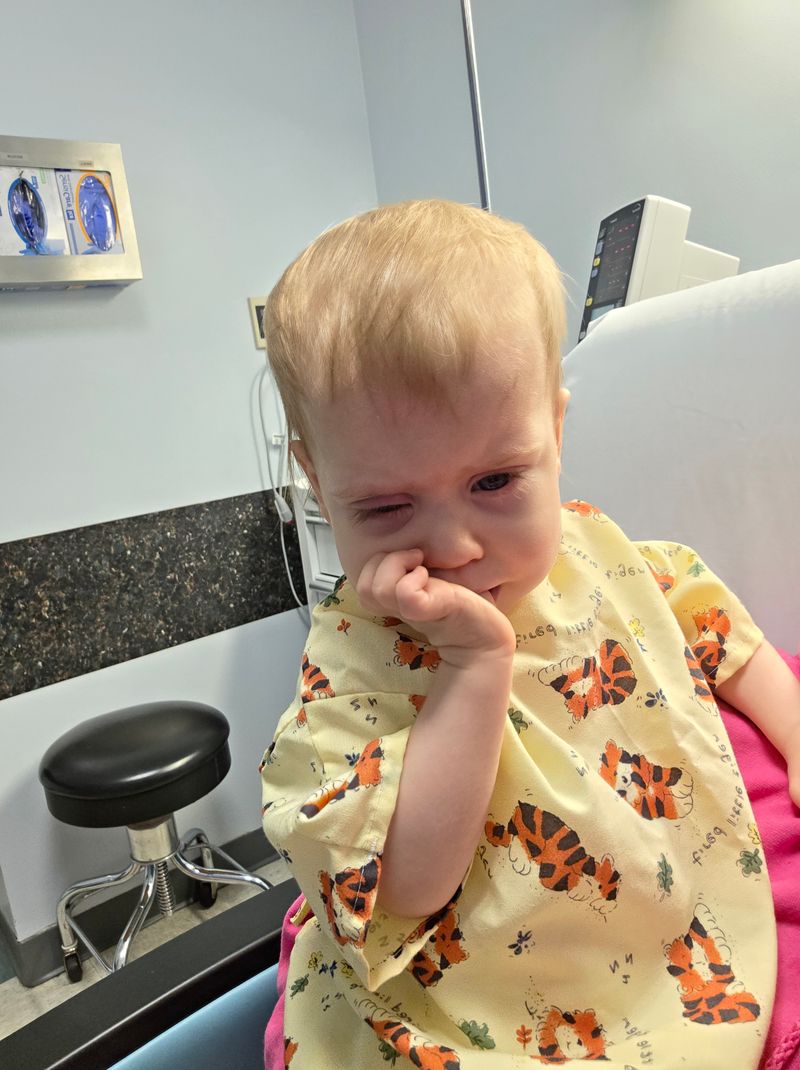
When a Midwestern kid complains that life isn’t fair, there’s a good chance they’ll hear “Tough tomatoes!” in response. It’s the family-friendly version of “tough luck,” delivered with just enough sass to get the point across.
The tomato swap makes it quirky and a little funny, which softens the message just enough to keep it from feeling too harsh. Kids usually groan when they hear it.
Anyone from outside the Midwest hearing it for the first time tends to pause and wonder if they misheard something.
11. Heavens to Betsy! / Jeez Louise!
These old-fashioned exclamations are the Midwest’s way of expressing shock or frustration without resorting to actual swear words. “Heavens to Betsy!” and “Jeez Louise!” have been keeping Midwestern households PG-rated for generations.
Grandparents are especially fond of these, and parents pass them down almost by accident. The rhyming, folksy quality gives them a charm that’s hard to replicate.
People from other regions sometimes assume they’re hearing a phrase from a 1950s sitcom, which honestly isn’t too far off from the truth.
12. Fixin’ To
“I’m fixin’ to clean my room” might sound like a sentence missing a few parts to someone from New England, but Midwesterners know it means the job is about to happen. “Fixin’ to” simply means getting ready or preparing to do something.
Parents use it as both a statement and a gentle nudge, letting kids know an action is expected soon. It carries a relaxed but firm energy that fits the Midwest perfectly.
Out-of-towners sometimes assume it has something to do with actually fixing or repairing an object.
13. Cheese and Rice! / Cheese and Mice!
These substitutions are the Midwest’s clever workaround for taking the Lord’s name in vain while still getting the emotional release of a good exclamation. “Cheese and rice!” is a phonetic stand-in that lets parents vent without anyone needing to cover their ears.
Kids pick it up early and start using it themselves, which is exactly what parents hope for. The first time someone outside the region hears it, they often look around for an actual snack.
It’s endearingly absurd and completely functional at the same time.
14. Were You Born in a Barn?
Leave a door open in a Midwestern home and you’ll almost certainly hear this one. “Were you born in a barn?” is a rhetorical question parents use to scold kids for letting in cold air or just being generally careless about closing things behind them.
The agricultural roots of the phrase make total sense in a region where barns are a real part of life. Kids learn quickly that the answer is supposed to be obvious.
People from cities sometimes take the question more literally than intended, which makes for some awkward moments.
15. That’s Just the Way the Cookie Crumbles
Life doesn’t always go your way, and Midwestern parents have a cookie-based philosophy to handle that reality. “That’s just the way the cookie crumbles” is a gentle reminder that disappointment is part of life and you’ve got to accept it and move forward.
Parents pull it out after a lost game, a canceled plan, or any situation where complaining won’t change the outcome. The phrase lands with a kind of calm, practical wisdom that feels very Midwest.
Kids may roll their eyes, but the lesson usually sticks.
16. Jeet Yet?
Spoken quickly, “Jeet yet?” sounds like a completely foreign language to anyone outside the Midwest. Slow it down and you get “Did you eat yet?” which is basically a Midwestern parent’s way of saying “I love you.”
Food is how Midwestern families show care, and making sure everyone has eaten is a top priority. The phrase gets compressed with repeated use until it becomes one blurry, affectionate word.
Visitors often ask for a translation the first time they hear it, and Midwesterners find this genuinely surprising.
17. Yeah No / No Yeah
Try explaining “yeah no” and “no yeah” to someone from another country and watch their eyes glaze over. In the Midwest, these contradictory combos actually carry clear meaning. “No yeah” means yes, and “yeah no” means no, delivered with a politeness that softens the response.
Midwestern parents and kids use them constantly without realizing how strange they sound to outsiders. The logic is buried in social courtesy rather than grammar.
Linguists have actually studied this phenomenon and found it’s a genuine regional speech pattern worth paying attention to.
18. Borrow Me That?
Standard English says “Can I borrow that from you?” but in parts of the Midwest, the phrase gets flipped into “Borrow me that?” The grammar is unusual, but the meaning is perfectly clear to anyone who grew up hearing it.
Parents use it casually, and kids absorb it without question. It’s thought to have roots in older Germanic and Scandinavian language patterns brought over by immigrant settlers.
Anyone who studied traditional grammar in school will do a double-take, but in the Midwest, it flows as naturally as breathing.