
Some movies feel absolutely unstoppable when they first hit theaters, breaking records and filling every seat in the house. But Hollywood history is full of massive hits that somehow slipped through the cracks of our collective memory.
Whether they were outshined by bigger films, caught up in controversy, or simply a product of their time, these once-giant blockbusters are rarely talked about today. Here are 18 films that ruled the box office before quietly fading away.
1. The Poseidon Adventure (1972)
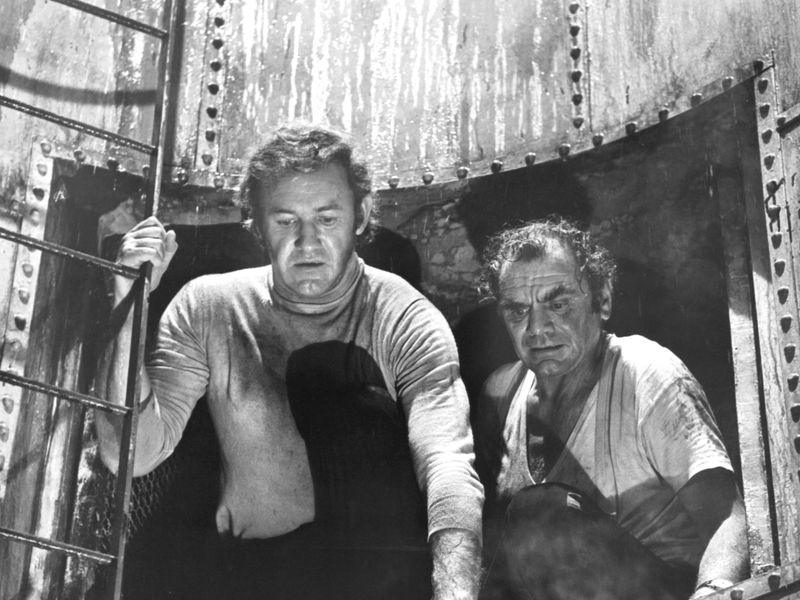
Back in 1972, audiences packed theaters to watch a luxury ocean liner flip completely upside down in one of cinema’s most thrilling disaster sequences. The Poseidon Adventure earned $84 million domestically, which was jaw-dropping money at the time.
It launched an entire wave of disaster film knockoffs throughout the decade.
Ask a teenager today, though, and you will likely get a blank stare. The film has quietly slipped out of everyday pop culture conversation despite its enormous historical impact on Hollywood filmmaking.
2. Earthquake (1974)
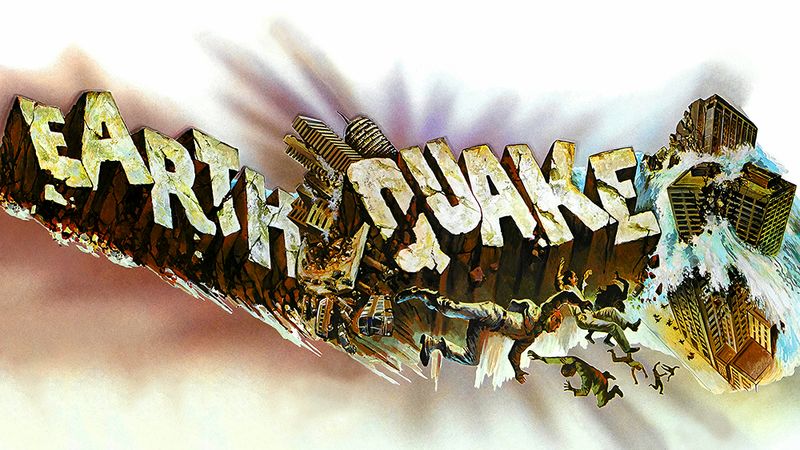
Earthquake did something no film had really attempted before: it literally shook the seats of moviegoers using a technology called Sensurround, which pumped low-frequency sound waves through theater floors. Audiences were genuinely rattled, and the novelty packed cinemas across the country throughout 1974.
Today, Sensurround is mostly a fun trivia answer rather than a remembered innovation. The movie itself has faded so thoroughly that it feels more like a footnote in sound engineering history than a beloved classic worth revisiting.
3. Smokey and the Bandit (1977)
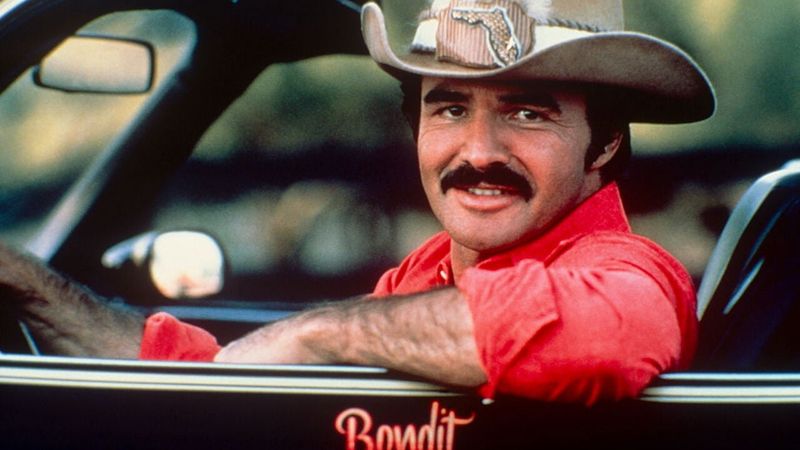
Only Star Wars kept Smokey and the Bandit from being the biggest film of 1977. Burt Reynolds was at the absolute peak of his charm, and the car-chase comedy felt like a celebration of rebellious Southern spirit.
Audiences could not get enough of it that summer.
Yet somehow, Reynolds’ signature role barely registers in modern film discussions. Star Wars built a universe that lasted decades, while Smokey and the Bandit became a nostalgic curiosity appreciated mostly by those who lived through the era firsthand.
4. Three Men and a Baby (1987)
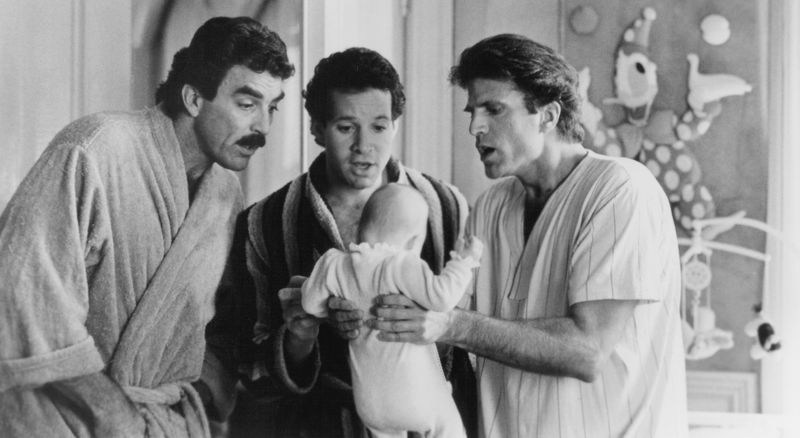
Three Men and a Baby made history as the first Disney film to cross the $100 million mark at the domestic box office, which was a milestone the studio celebrated loudly. Tom Selleck, Ted Danson, and Steve Guttenberg were comedy gold together, and families adored every minute of it.
A sequel followed, but neither film stuck around in cultural memory. Today it feels like a relic of a very specific late-80s sensibility, charming but completely absent from modern movie conversations.
5. Look Who’s Talking (1989)
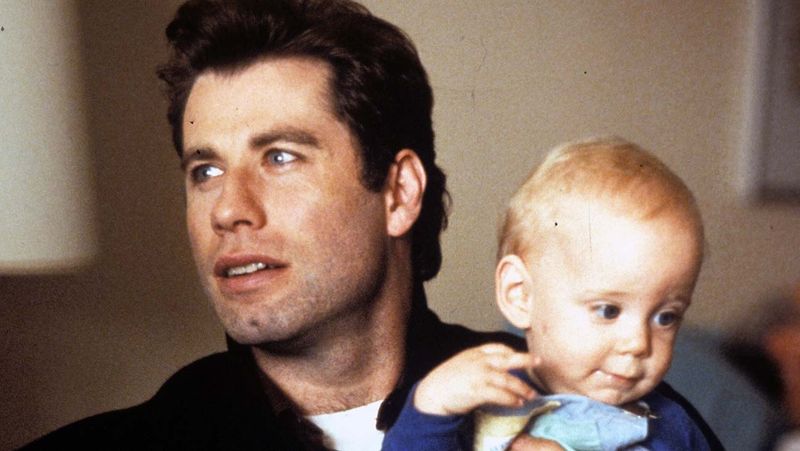
Hearing Bruce Willis voice the inner thoughts of a newborn baby was genuinely hilarious to audiences in 1989, and the gimmick worked beautifully alongside the romantic chemistry of John Travolta and Kirstie Alley. The film earned over $140 million and spawned two follow-up films.
Despite all that commercial success, Look Who’s Talking rarely comes up in conversations about great romantic comedies. The talking-baby novelty aged faster than anyone expected, and the sequels diminished whatever goodwill the original had carefully built up.
6. Father of the Bride (1991)
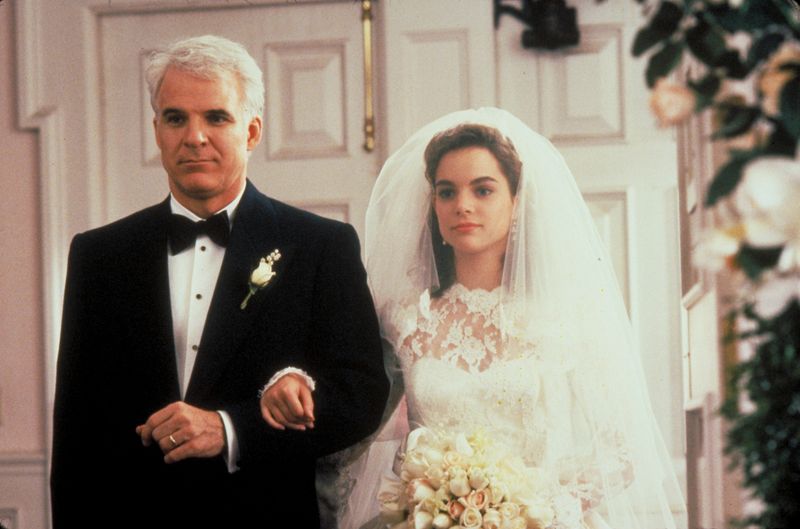
Steve Martin at his most lovably frantic made Father of the Bride an instant crowd-pleaser in 1991. The film earned $129 million against a modest $20 million budget, proving that family-friendly comedies could compete with any action blockbuster during the holiday season.
Co-written and co-produced by Nancy Meyers, it was sharp and genuinely sweet. A sequel followed, but neither film maintained staying power.
Most people remember the premise more than the actual movie, which says a lot about how thoroughly it has faded.
7. Wolf (1994)
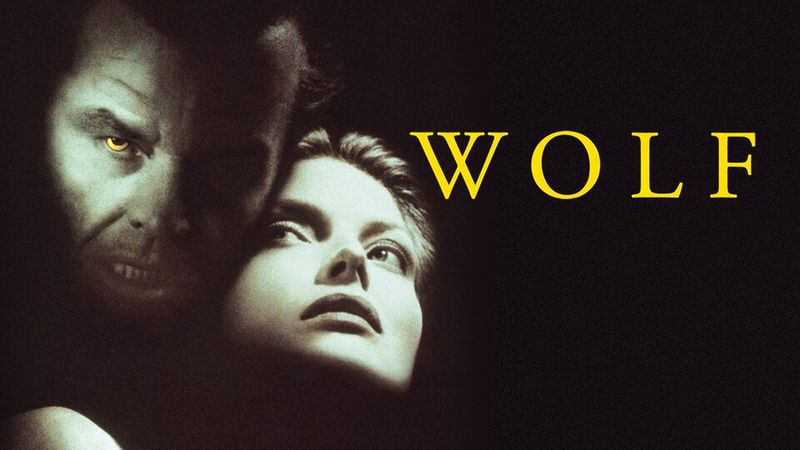
Jack Nicholson playing a publishing executive slowly transforming into a werewolf sounds like an irresistible premise, and in 1994, audiences agreed completely. Wolf arrived with serious Oscar-season energy, a distinguished cast, and Mike Nichols directing.
It performed well enough to be considered a genuine summer hit.
Somewhere between horror and prestige drama, Wolf never fully committed to either identity. That awkward middle ground may explain why it has drifted so completely from memory, rarely mentioned even in discussions of Nicholson’s impressive career filmography.
8. Eraser (1996)
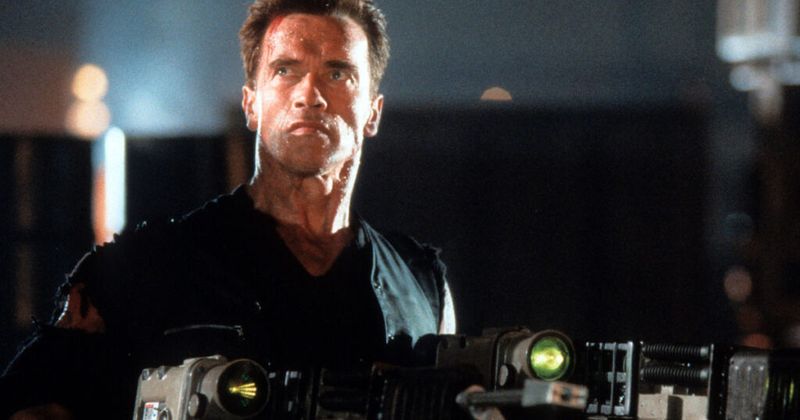
Arnold Schwarzenegger in 1996 was still a reliable box office force, and Eraser delivered exactly the kind of explosive, high-stakes action audiences expected from him. The film opened huge and satisfied crowds looking for summer spectacle, fitting neatly into Arnie’s string of successful action vehicles.
Looking back, though, Eraser sits firmly in the lower tier of his filmography. Even die-hard Schwarzenegger fans tend to overlook it when listing favorites, which is a telling sign of just how thoroughly a once-profitable blockbuster can disappear.
9. Con Air (1997)
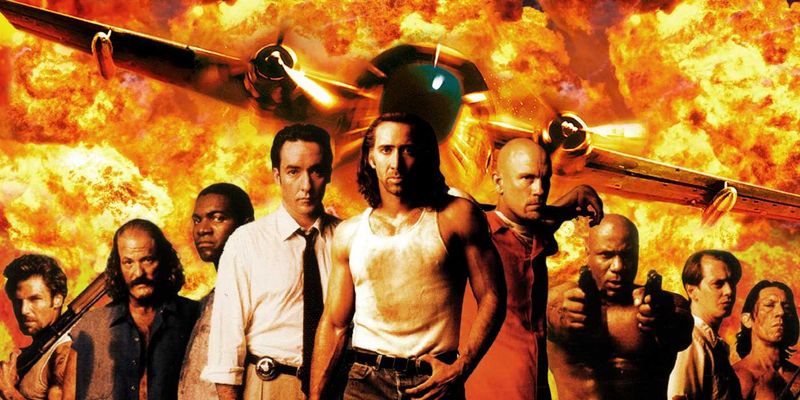
Few action movies in the late 1990s boasted a cast as stacked as Con Air. Nicolas Cage, John Cusack, John Malkovich, Ving Rhames, and Steve Buscemi all sharing screen time should have produced something truly unforgettable.
And at the time, it absolutely dominated the summer box office.
Yet today, Con Air is mostly remembered as a punchline about over-the-top 90s excess rather than a genuinely great film. The sheer absurdity that made it entertaining also kept it from aging into anything resembling a classic.
10. Deep Impact (1998)
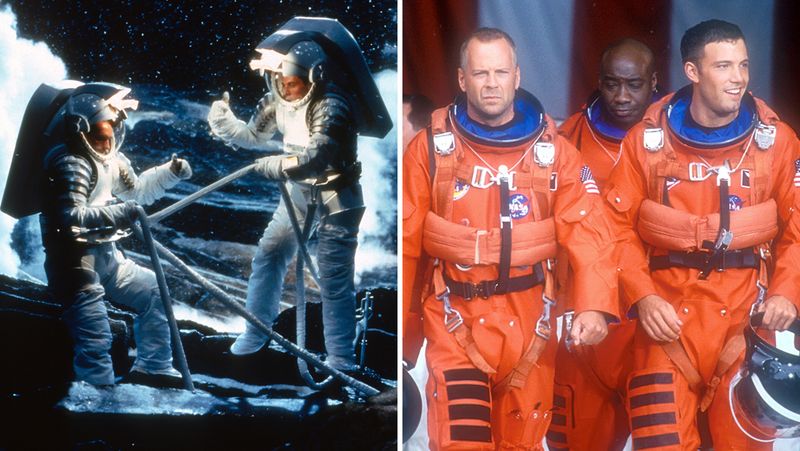
Releasing an asteroid-hits-Earth movie in the same summer as Armageddon was always going to be a tough battle, and Deep Impact lost the cultural war decisively. Still, it earned $140 million domestically and offered a far more emotional and character-driven take on the end-of-the-world scenario.
Armageddon had Aerosmith and Bruce Willis, and audiences made their preference crystal clear. Deep Impact’s quieter, more thoughtful tone simply could not compete for long-term cultural real estate, leaving it as the lesser-remembered comet movie from that unforgettable summer.
11. Runaway Bride (1999)
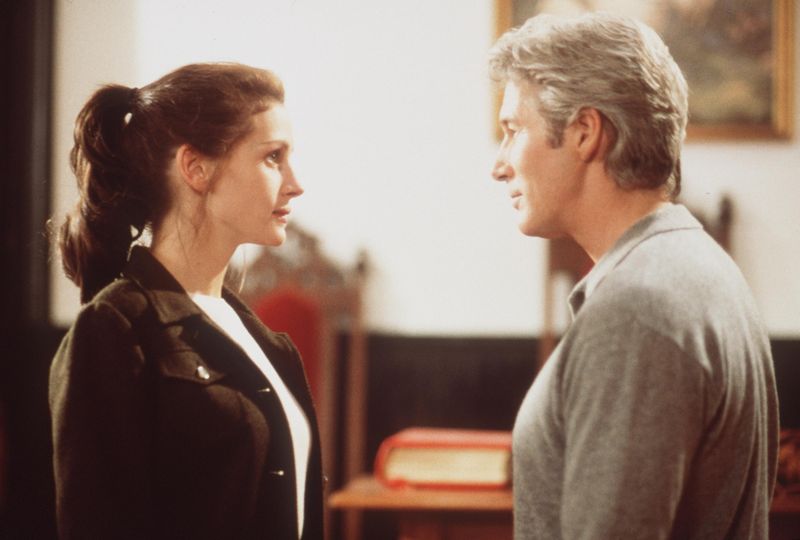
Reuniting Julia Roberts and Richard Gere after the phenomenon of Pretty Woman seemed like a guaranteed formula for success, and Runaway Bride delivered over $300 million worldwide. Audiences showed up eagerly, hoping to recapture that earlier magic from their beloved 1990 romance.
The problem was that the movie felt more like a calculated reminder of Pretty Woman than a story that stood on its own. Over time, audiences gravitated back to the original, leaving Runaway Bride as the lesser, faded companion that few people feel compelled to rewatch.
12. Stuart Little (1999)
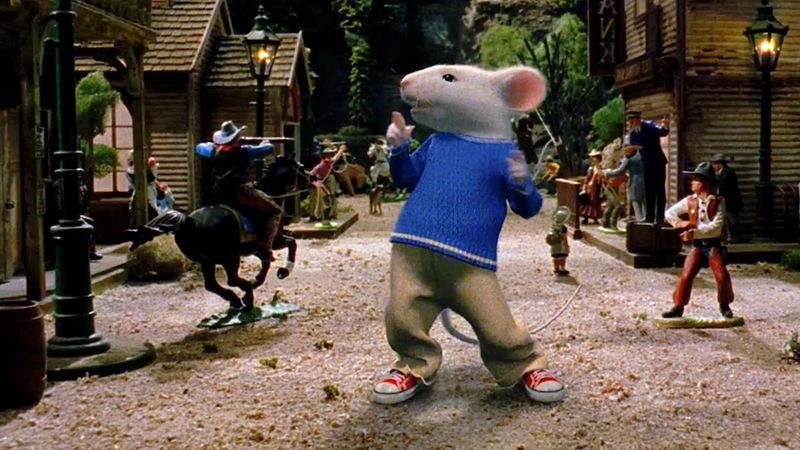
Stuart Little pulled off an impressive technical trick in 1999, blending CGI animation seamlessly with live-action footage in a way that genuinely charmed audiences of all ages. Based on E.B.
White’s beloved novel and co-written by M. Night Shyamalan, it grossed $300 million globally.
Since then, live-action and CGI hybrid films have become so common that Stuart Little no longer feels special or groundbreaking. What once seemed like a technical marvel is now just another entry in an oversaturated genre, easily overlooked on any streaming platform.
13. American Beauty (1999)
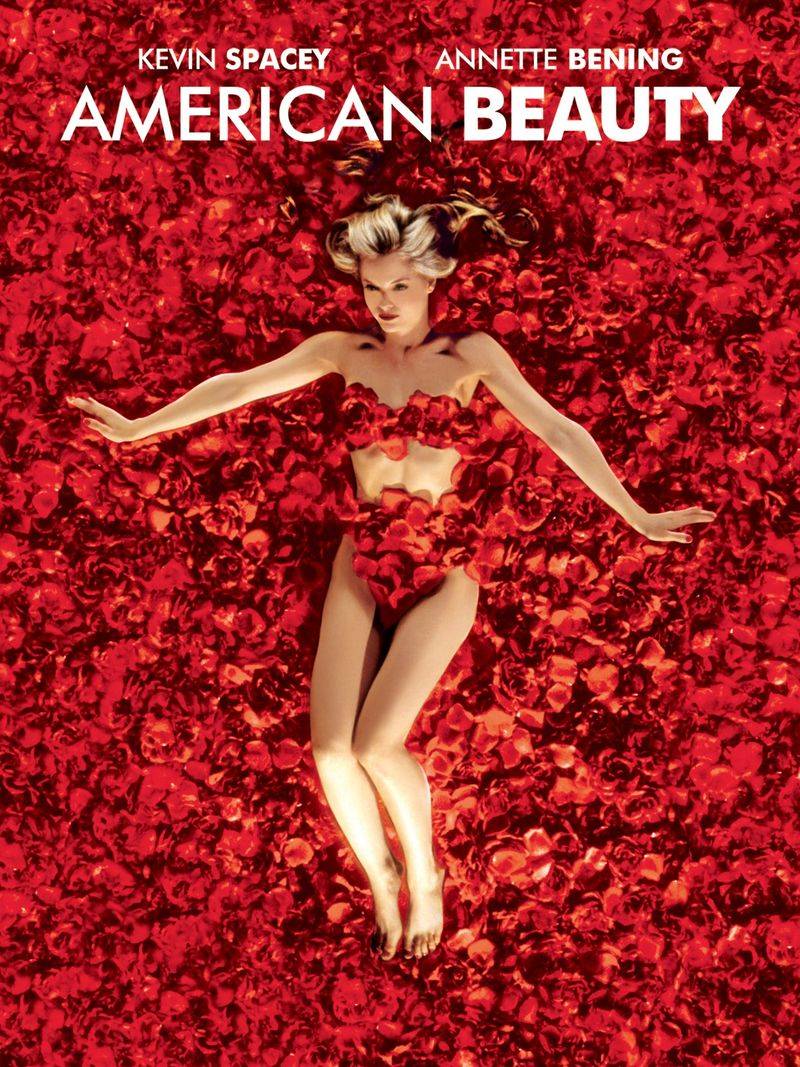
American Beauty swept the 1999 Academy Awards, taking home Best Picture, Best Director, Best Original Screenplay, and Best Actor. Critics declared it a profound takedown of suburban American emptiness, and Hollywood celebrated it as one of the year’s most important films.
With time, its sharp satire started to feel less profound and more self-congratulatory. Kevin Spacey’s later public controversies made revisiting the film even more uncomfortable, and today it occupies a strange cultural gray zone: once celebrated, now quietly avoided by most moviegoers and award season discussions alike.
14. The Pacifier (2005)

Watching Vin Diesel, known for playing stone-cold tough guys, bumble his way through babysitting a houseful of kids was the comedic hook that sold The Pacifier to families everywhere in 2005. Nearly $200 million in global box office receipts proved the audience was absolutely on board.
Critics were far less enthusiastic, and they turned out to be right about its longevity. The Pacifier is the kind of film that made a ton of money on novelty alone, with no real substance underneath to justify a second viewing or any lasting cultural footprint.
15. The Da Vinci Code (2006)
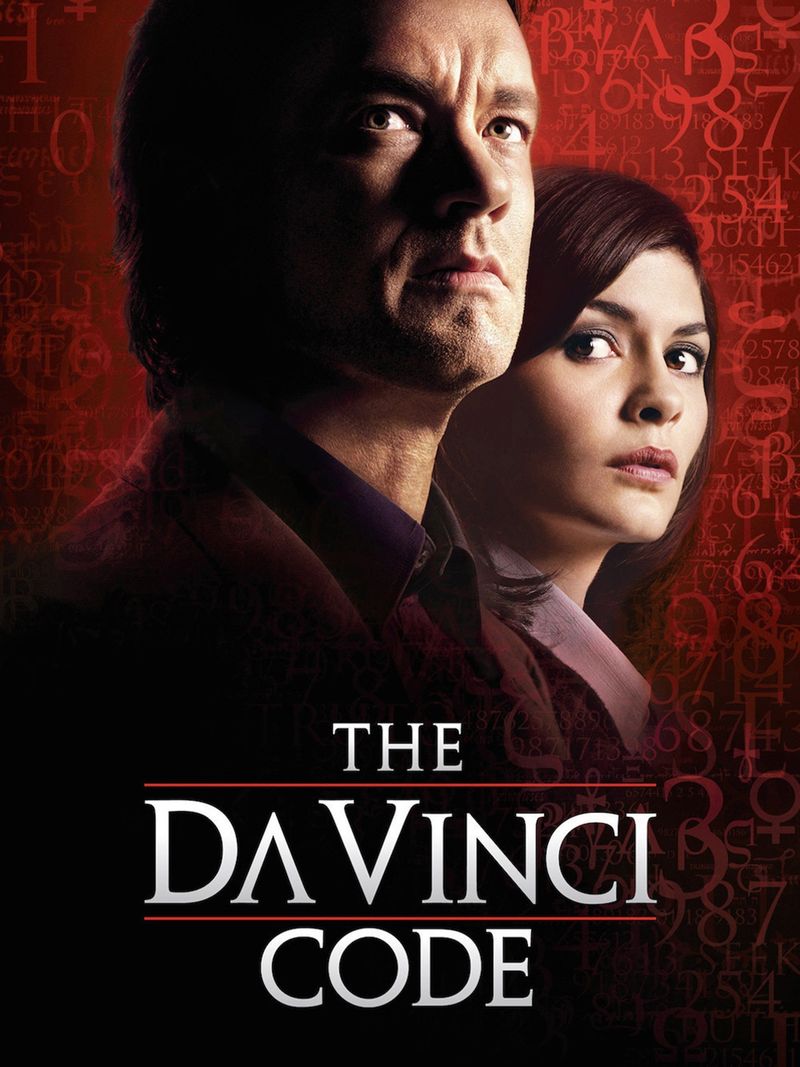
Dan Brown’s novel was a global publishing sensation, so a film adaptation starring Tom Hanks felt like an absolute sure thing. The Da Vinci Code delivered $760 million at the worldwide box office, making it one of the biggest releases of 2006 by a significant margin.
Despite that financial triumph, the film never quite found its footing as a genuinely great thriller. Two sequels followed with diminishing returns, and today Robert Langdon ranks among Hanks’ least-discussed roles, overshadowed by nearly everything else in his remarkable career catalog.
16. 2012 (2009)
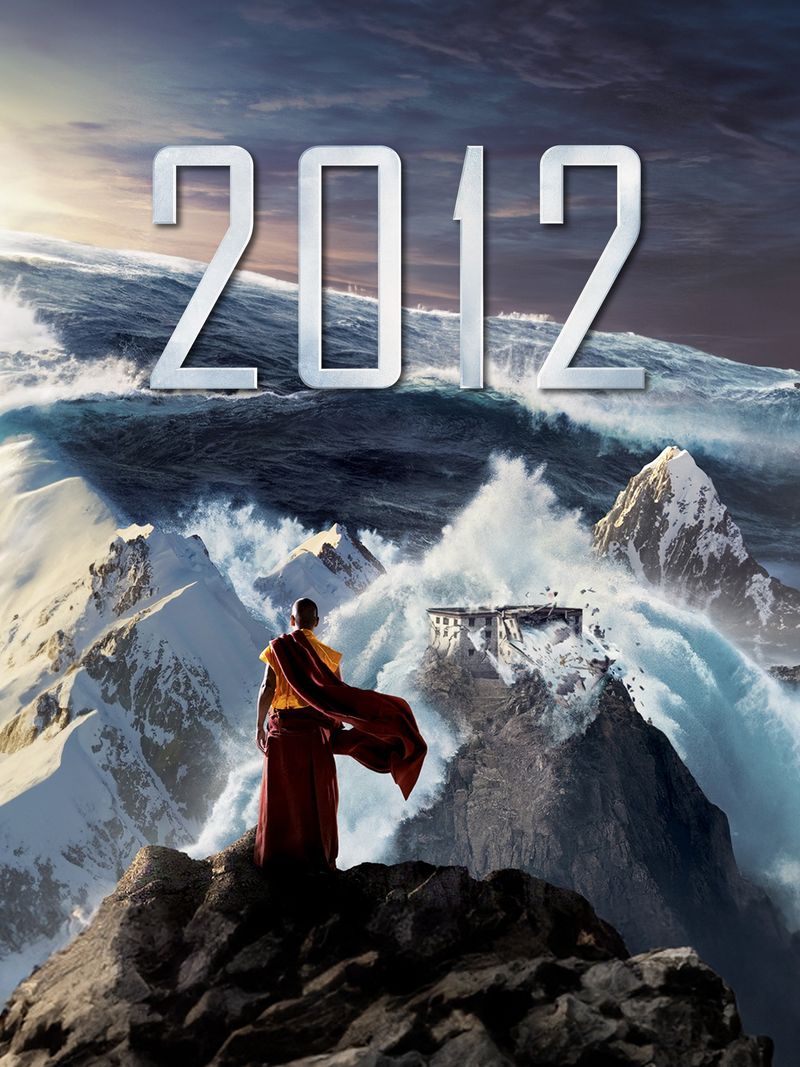
Roland Emmerich built his career on destroying the world on screen, and 2012 was his most ambitious demolition project yet. The film grossed an astounding $791.2 million worldwide by leaning hard into the popular cultural anxiety surrounding the so-called Mayan calendar apocalypse prediction.
Of course, December 21, 2012 came and went without incident, and the film’s entire premise became an instant punchline. Movies built around specific doomsday predictions have a brutal shelf life, and 2012 aged faster than almost any blockbuster of its era, leaving behind nothing but spectacular rubble.
17. Alice in Wonderland (2010)
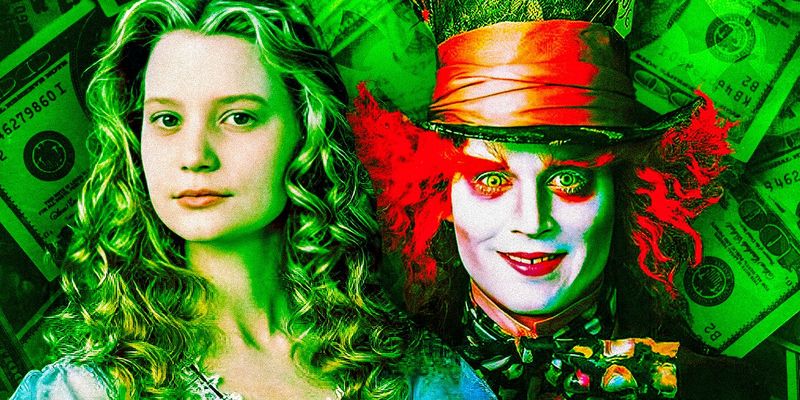
Tim Burton and Johnny Depp together in a dark, visually extravagant reimagining of Wonderland felt like cinematic destiny in 2010. The film became a genuine blockbuster phenomenon, reminding studios that Burton could still produce massive commercial hits when given the right material and budget.
A sequel arrived and promptly lost a substantial amount of money, which cooled enthusiasm for the whole enterprise quickly. The original’s appeal faded alongside Depp’s complicated public image, and today the film feels more like a footnote in Burton’s career than the franchise launchpad everyone expected it to become.
18. Gravity (2013)
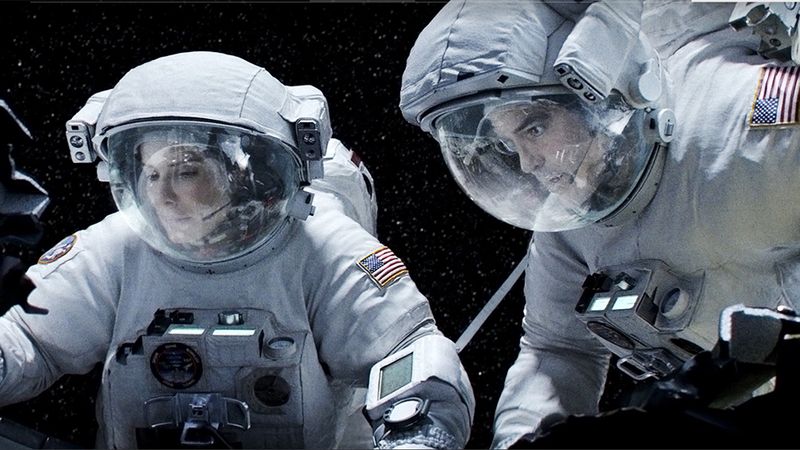
Alfonso Cuaron’s Gravity was a technical masterpiece that genuinely redefined what audiences believed was possible in a movie theater. Seen in IMAX 3D, it felt less like watching a film and more like floating in space yourself.
Seven Academy Awards and $700 million at the box office confirmed its massive impact.
The problem is that Gravity is essentially a one-time experience. Once you know the story, there is little reason to return.
Most viewers admired it deeply but have never felt the urge to watch it again, making it a celebrated film that almost nobody actually revisits.