
During the Great Depression of the 1930s, millions of families had to get creative with very little food and almost no money. Meals were built around cheap staples like flour, cornmeal, canned goods, and whatever scraps were available.
The recipes that came out of that era tell a powerful story of survival and resourcefulness. Many of these dishes have faded from modern kitchens, but they deserve to be remembered.
1. Hoover Stew
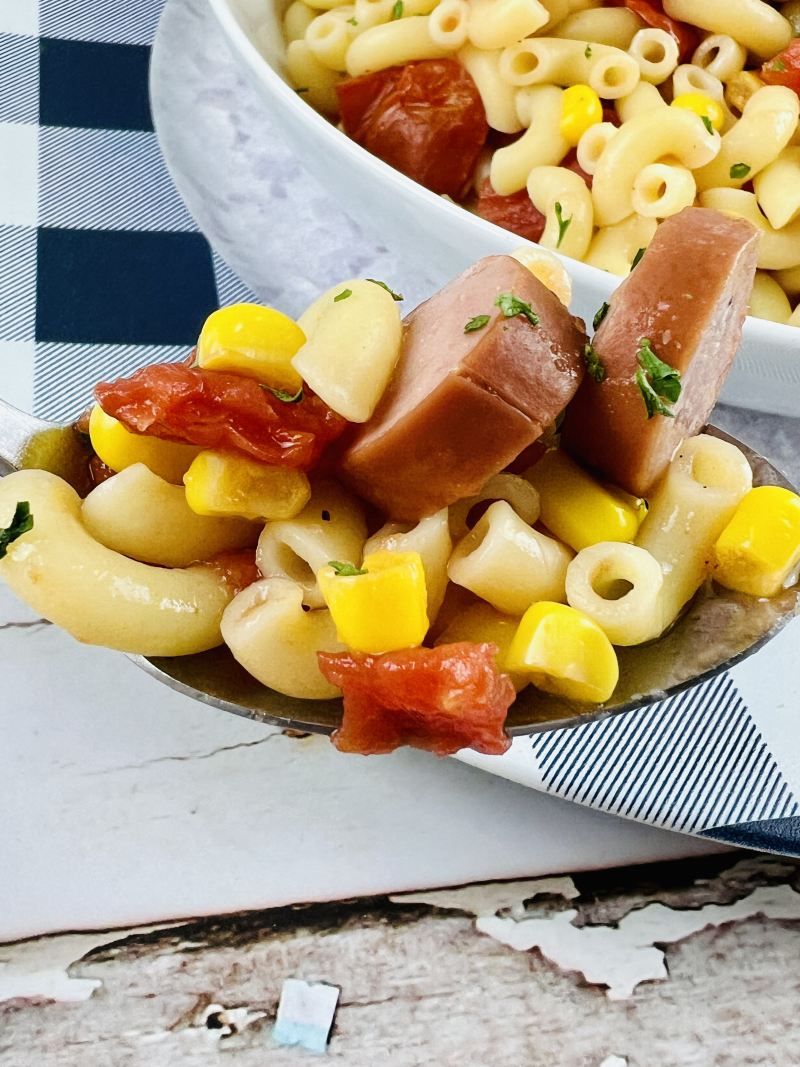
Named after President Herbert Hoover, this humble pot of macaroni, hot dogs, stewed tomatoes, and canned corn became a lifeline for struggling families across America. Soup kitchens and home cooks alike relied on it to stretch a few cheap ingredients into a filling meal for many mouths.
Today, the name itself carries the weight of hard times, which is probably why few people reach for this recipe anymore. But back then, a steaming bowl of Hoover Stew meant survival.
2. Water Pie
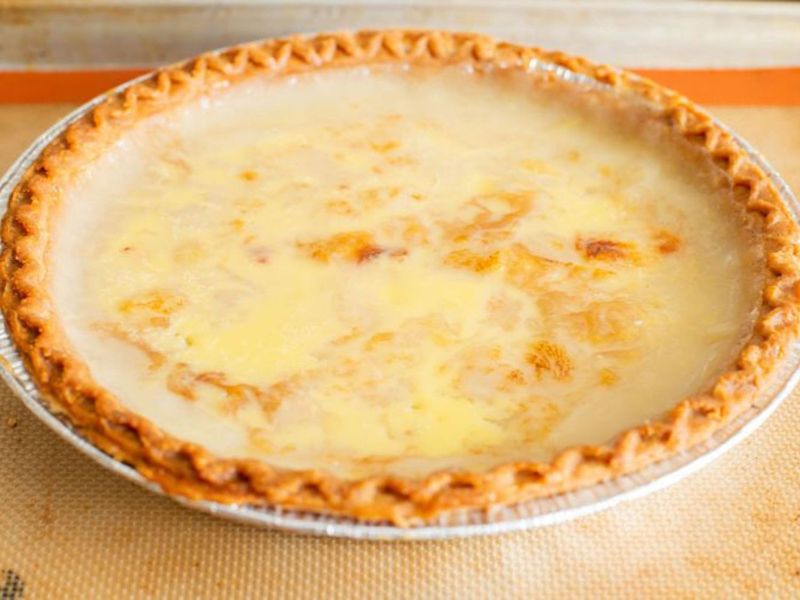
Also called Hard Times Pie, this dessert sounds almost impossible until you taste it. Butter, sugar, flour, and boiling water come together in a pie shell to create a surprisingly sweet, custardy filling that somehow works despite having almost no real ingredients.
Depression-era cooks called it a magical recipe, and honestly, that still holds up. It is a fascinating reminder that creativity in the kitchen can turn the most basic pantry items into something worth savoring.
3. Mock Apple Pie
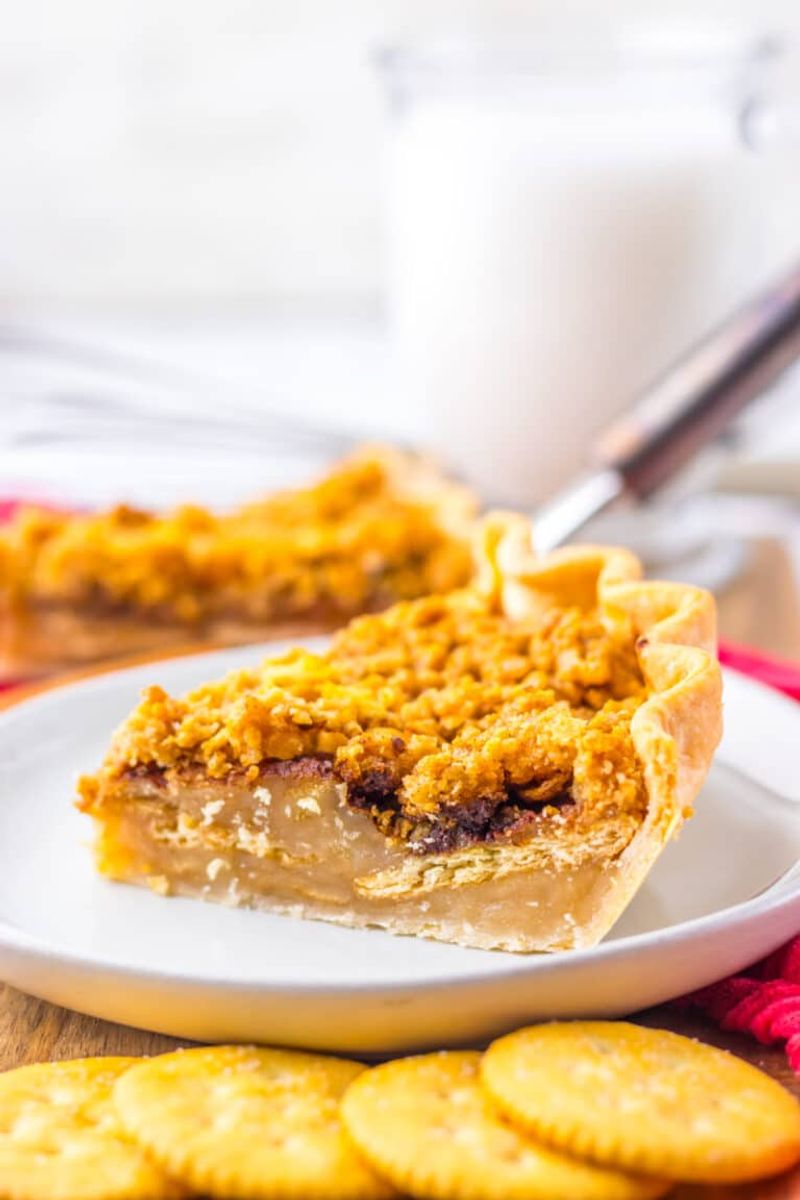
When real apples became too expensive, clever home cooks turned to Ritz crackers soaked in a lemon-sugar syrup to fake the taste and texture of apple pie. The result was surprisingly convincing, and Nabisco even printed the recipe right on the cracker box to help families stretch their dollars.
Mock food trends like this one have mostly disappeared now that grocery stores are stocked year-round. Still, this pie remains one of the most clever culinary tricks of the entire Depression era.
4. Creamed Chipped Beef on Toast
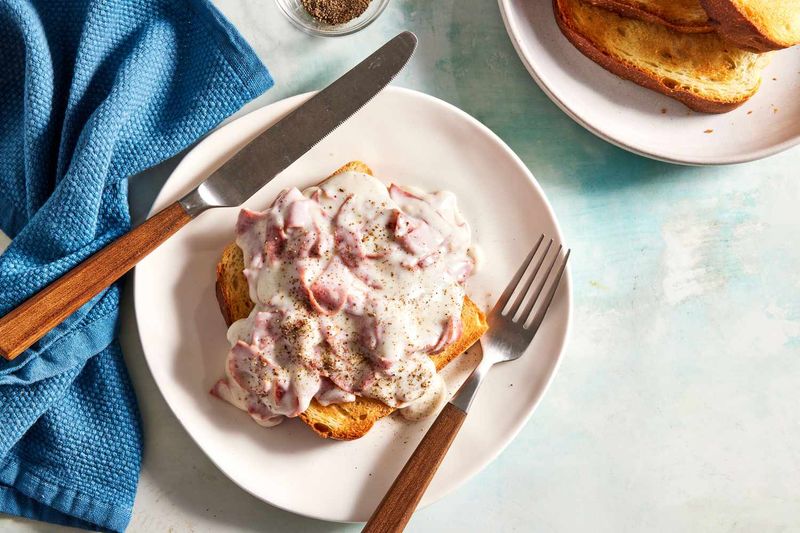
Nicknamed SOS by military servicemen and Depression-era families alike, this dish featured dried, rehydrated beef stirred into a thick roux of butter, flour, and milk, then spooned over plain toast. It was filling, cheap, and required almost no cooking skill to pull off on a tight budget.
Few people make it today partly because dried chipped beef is harder to find, and partly because the nickname itself tells you what people really thought of it. History, though, owes it some respect.
5. Mulligan Stew
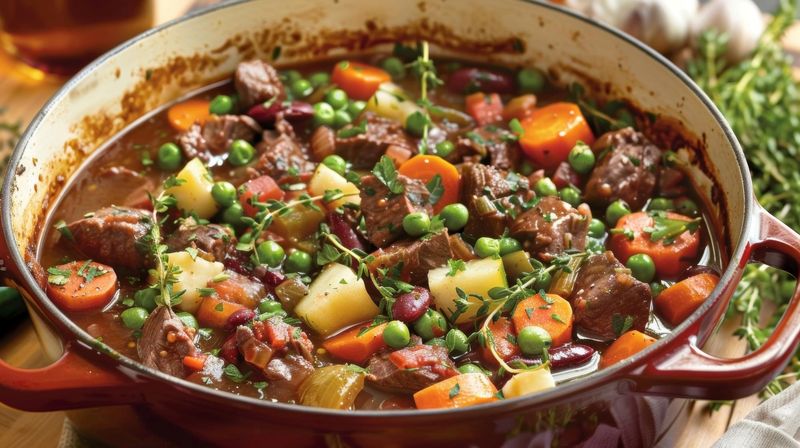
Out on the open road, hobos traveling between towns during the Depression would pool whatever food they had into one shared pot over a fire. Canned beans, scraps of meat, potatoes, and whatever vegetables anyone could contribute all went in together, creating what became known as hobo stew.
The communal spirit behind Mulligan Stew is actually kind of beautiful. Strangers sharing what little they had to make sure everyone ate is a tradition modern kitchens rarely recreate today.
6. Peanut Butter and Mayonnaise Sandwich
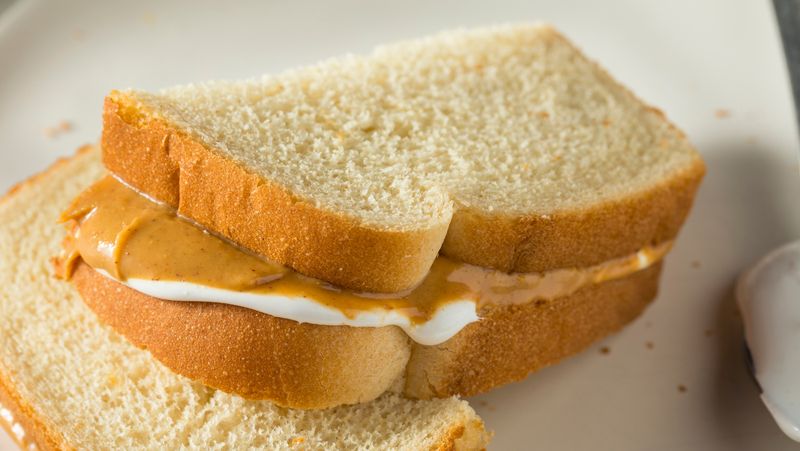
Sounds strange, right? During the Depression, both peanut butter and mayonnaise were affordable pantry staples that happened to be packed with protein and fat, making this odd pairing a surprisingly practical lunch option for millions of families who needed cheap calories fast.
The sour, nutty combination never really caught on as a beloved classic, and today it is mostly a curiosity from food history books. But for kids growing up in the 1930s, this sandwich was just Tuesday.
7. Poor Man’s Meal
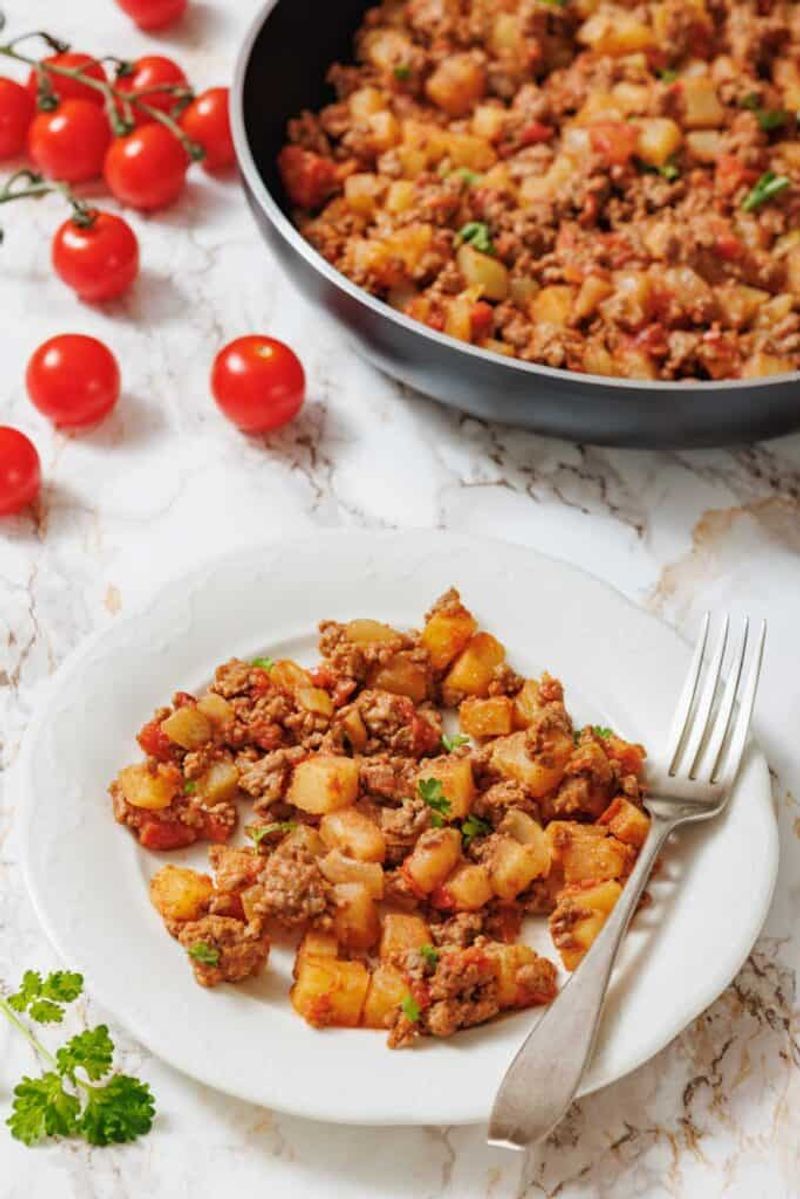
Fried potatoes, hot dogs, and onions cooked together in a single skillet sounds simple, but this dish fed countless families when money ran dry. Every ingredient was inexpensive, easy to store, and filling enough to get a family through the day without complaint.
When times were really desperate, some families made it with just potato skins and onion scraps instead. Poor Man’s Meal is a quiet tribute to making something out of almost nothing, a skill most modern cooks never need to learn.
8. Spaghetti with Boiled Carrots and White Sauce
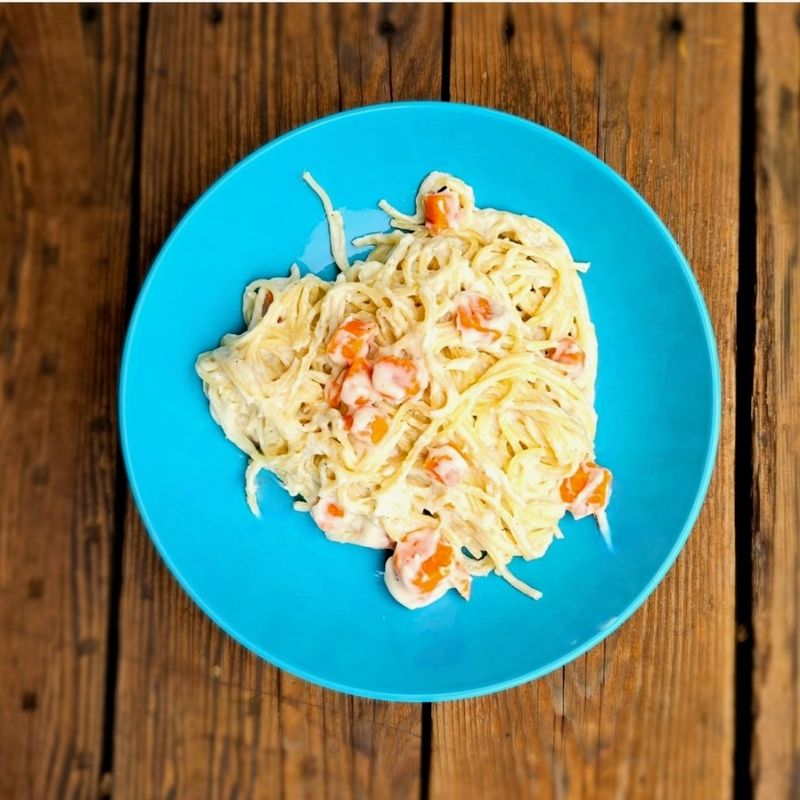
Eleanor Roosevelt herself reportedly championed this budget-friendly pasta dish as a practical meal for hard-pressed American families. Spaghetti was boiled alongside diced carrots, then topped with a plain white sauce made from milk, flour, butter, and salt, keeping the cost as low as possible.
It might not sound exciting, but that was never really the point. The First Lady wanted Americans to eat affordably and nutritiously, and this dish checked both boxes without asking too much of an already stretched household budget.
9. Bologna Casserole
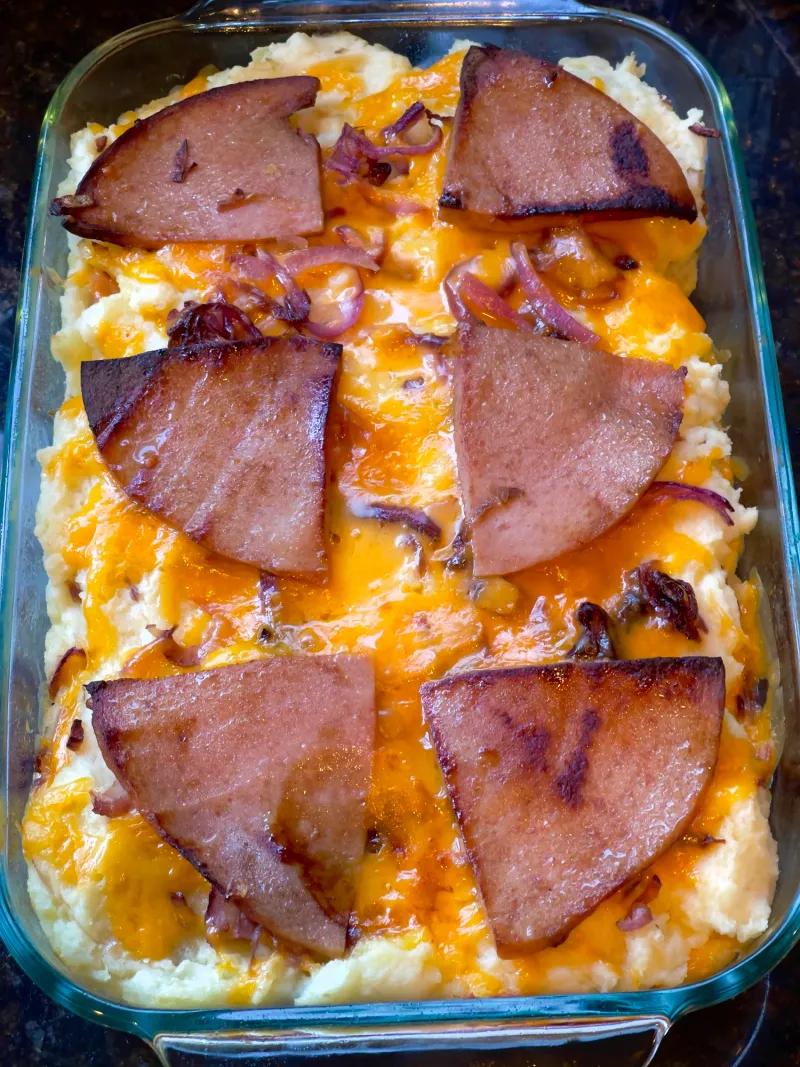
When fresh meat was a luxury, bologna stepped in as the affordable protein of the era. Cooks would layer it into casseroles with noodles, canned soup, or a basic cream sauce, baking it all together into a hearty one-dish meal that could feed a whole family for very little money.
Bologna casserole is almost unheard of in modern kitchens, where it might even get a laugh at a dinner party. But in the 1930s, it was practical, satisfying, and sometimes the best option on the table.
10. Cabbage and Dumplings
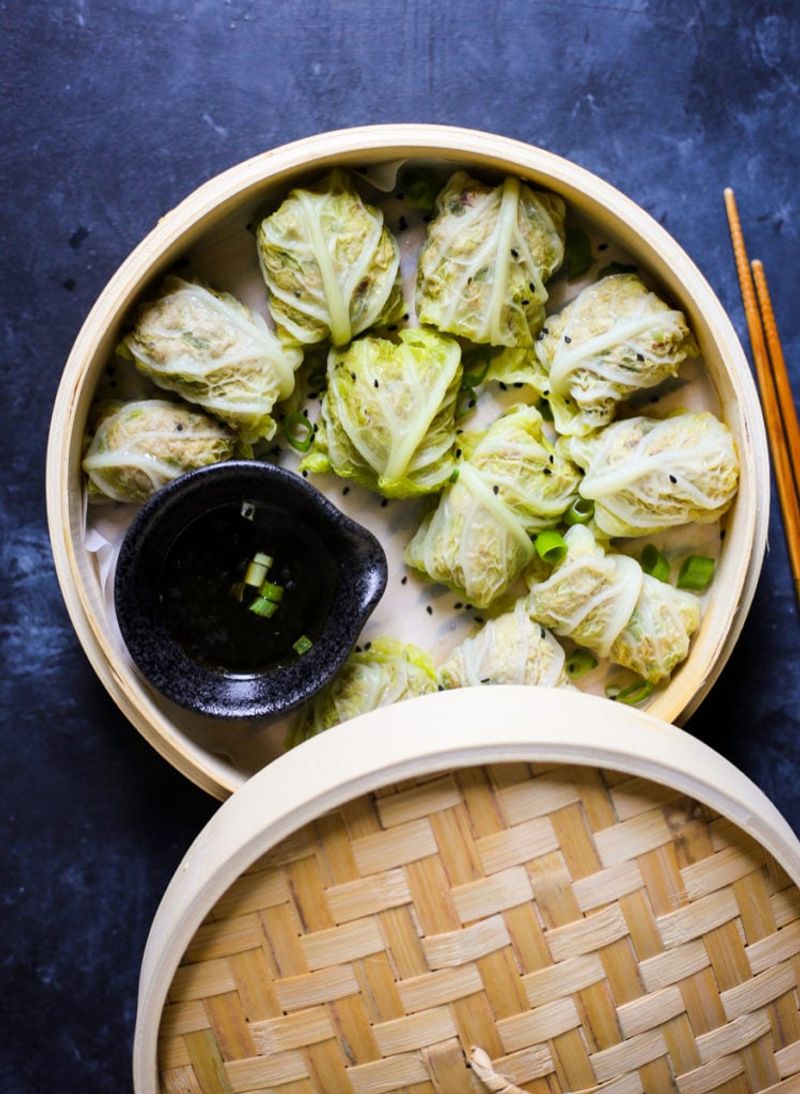
Cabbage was one of the cheapest and most nutritious vegetables available during the Depression, so cooks made the most of it. Fried with onions until soft and slightly caramelized, it was paired with simple egg-and-flour dumplings that added bulk and kept hungry families full through long, uncertain days.
Flour substitutes were sometimes used when supplies ran low, making every batch slightly different. This dish carries a warm, earthy comfort that feels almost forgotten in a world where fresh produce is always just a store trip away.
11. Boiled Carrot Sandwiches
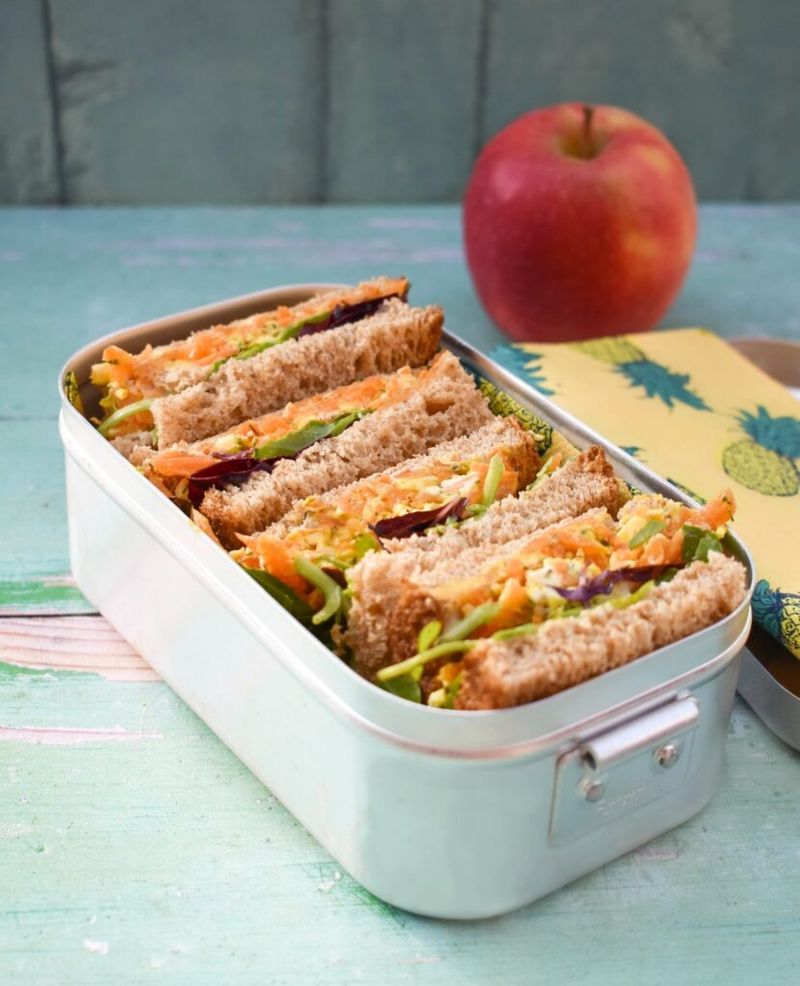
As food prices climbed and budgets shrank, families found creative ways to fill a sandwich with whatever was available. Boiled carrots, mashed or sliced thin, became a sandwich filling purely out of necessity, offering something cheap, filling, and at least a little nutritious between two slices of bread.
This particular sandwich faded away almost entirely as the economy recovered, and it never made a comeback. Finding it on any modern menu would be a genuine surprise, but it once fed real people through genuinely hard times.
12. Prune Pudding
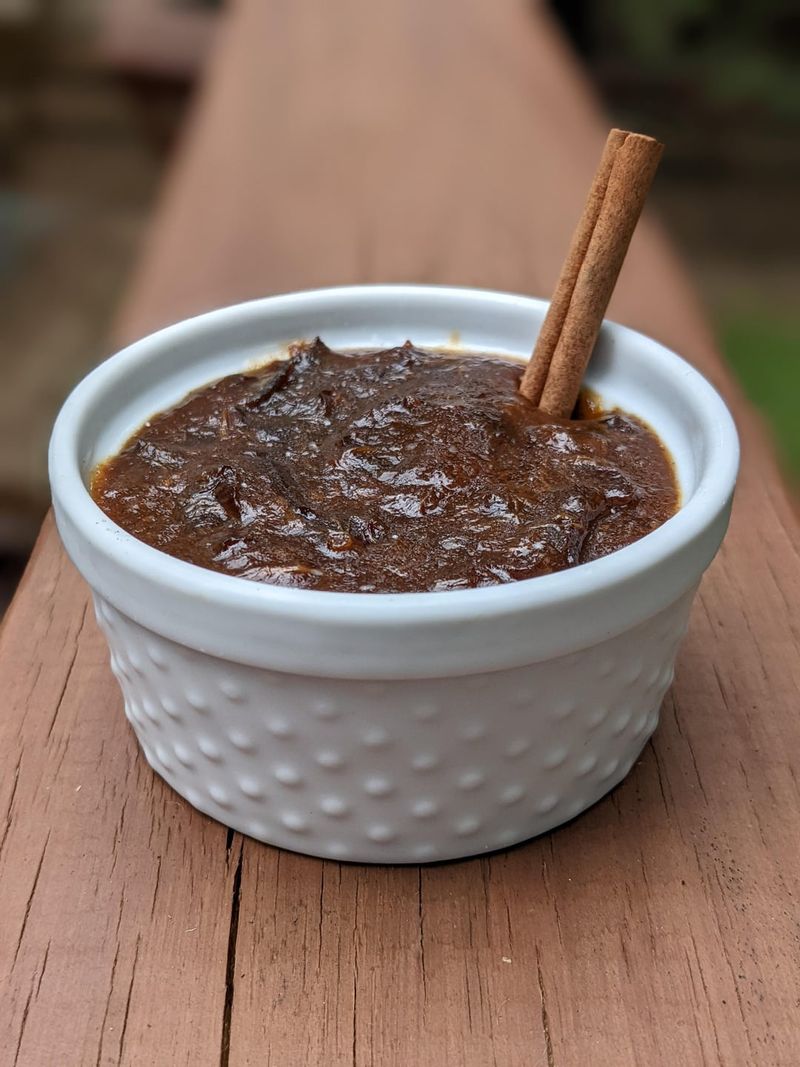
Prunes were cheap, shelf-stable, and widely available during the Depression, making them a go-to ingredient for desserts when sweeter fruits were out of reach. Prune pudding was a niche but real dish that showed up on Depression-era tables, offering something sweet without costing much at all.
It never became a beloved classic the way other puddings did, and today it is largely forgotten outside of food history circles. Still, it represents the era’s broader habit of using every available ingredient without wasting a single bite.
13. Cornmeal Mush
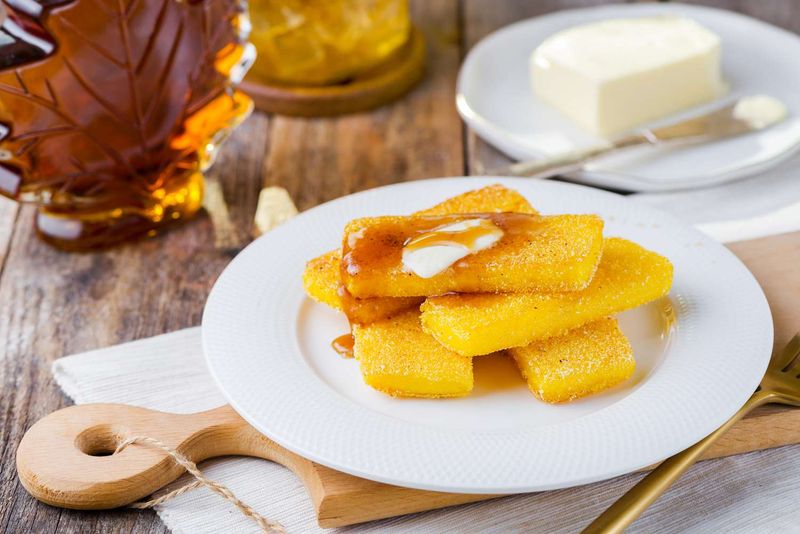
Before fancy cereals and avocado toast, cornmeal mush was breakfast for millions of Depression-era families. Just cornmeal, water, and a pinch of salt cooked low and slow on the stove, it was filling, warm, and cost almost nothing, which made it a daily staple in struggling households across the country.
Leftovers were often sliced and pan-fried the next morning for a slightly crispier version. As a breakfast staple, cornmeal mush has largely disappeared, replaced by faster, sweeter morning options that require far less effort.
14. Coffee Soup
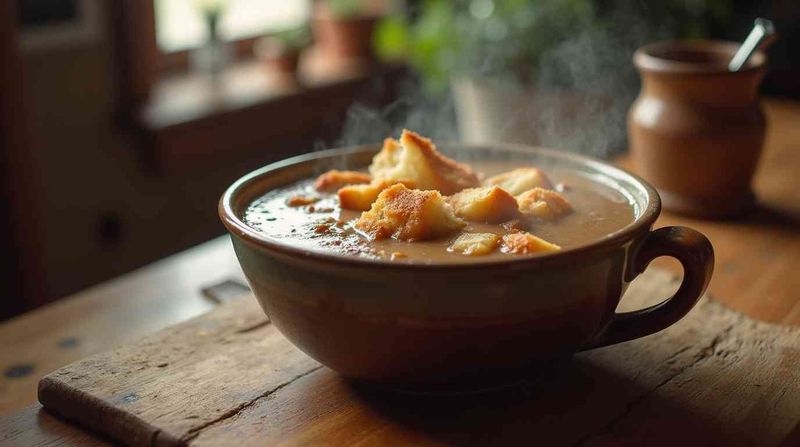
Black coffee poured over slices of bread with a splash of cream and a spoonful of sugar sounds more like a dare than a breakfast, but Coffee Soup was a real morning meal during the Depression. It was fast, warm, and used whatever bread was going stale, making sure nothing went to waste.
Younger generations are unlikely to ever try this one voluntarily. It stands as one of the most extreme examples of Depression-era frugality, turning a morning beverage into a full breakfast with zero extra cost.
15. Brains and Eggs
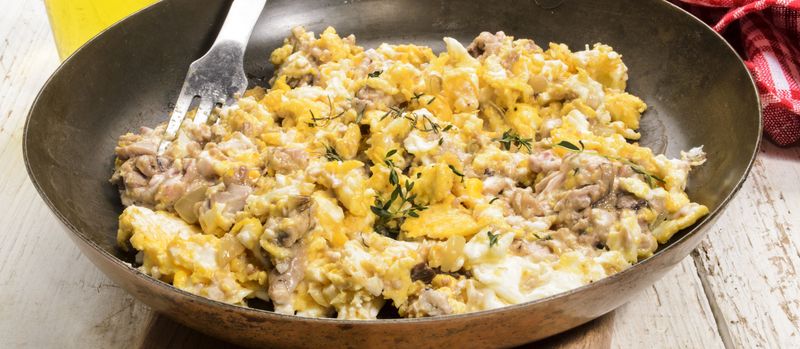
Canned brains were a surprisingly common pantry item during the Depression, and scrambled brains and eggs was a hearty, protein-rich breakfast that many families made without a second thought. Organ meats in general were far more accepted then, since wasting any part of an animal was simply not an option.
Today, most people would not even know where to buy canned brains, let alone cook them for breakfast. This dish is one of the starkest reminders of just how differently Americans related to food during those difficult years.