
Remember tearing open your lunchbox at school and feeling like you had the best lunch in the cafeteria? Some foods that once made kids feel like royalty are now looked at with raised eyebrows by parents and nutrition experts.
What changed? A lot, actually.
From sugar content to processed ingredients, the lunchbox staples of the past have taken on a very different reputation today.
1. Fruit Roll-Ups, Gushers, and Fruit by the Foot
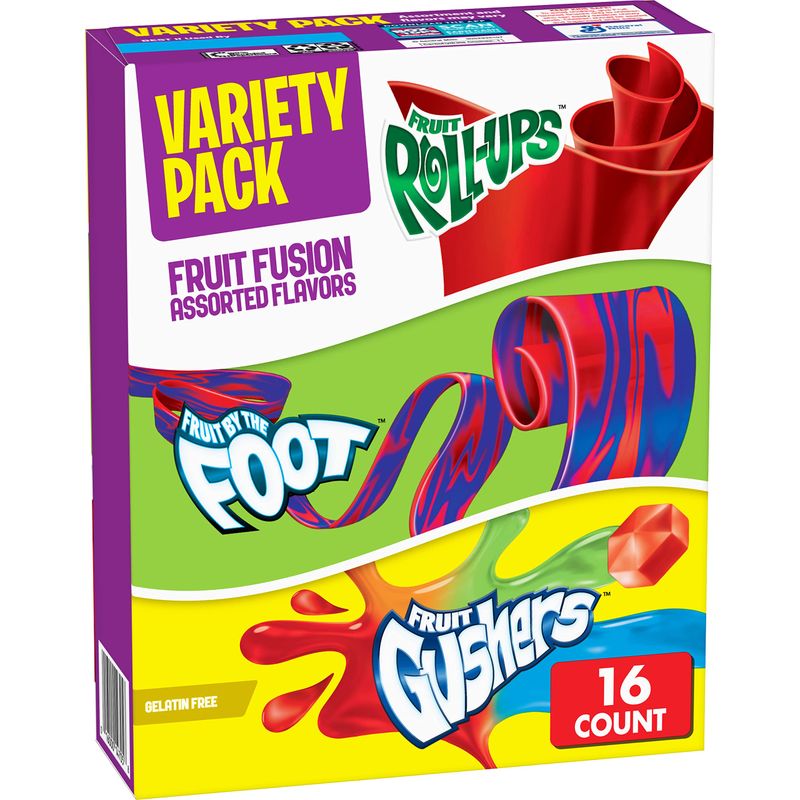
Nothing said “cool lunch” in the 90s quite like unrolling a Fruit Roll-Up at the cafeteria table. Kids treated these stretchy, sugary sheets like edible artwork.
But today, parents are more aware that these snacks contain very little actual fruit and a whole lot of added sugar.
A single serving can pack more sugar than most kids need in a snack. Fresh fruit has largely replaced these colorful treats in health-conscious lunchboxes.
2. Ritz Bitz Sandwiches and Handi-Snacks
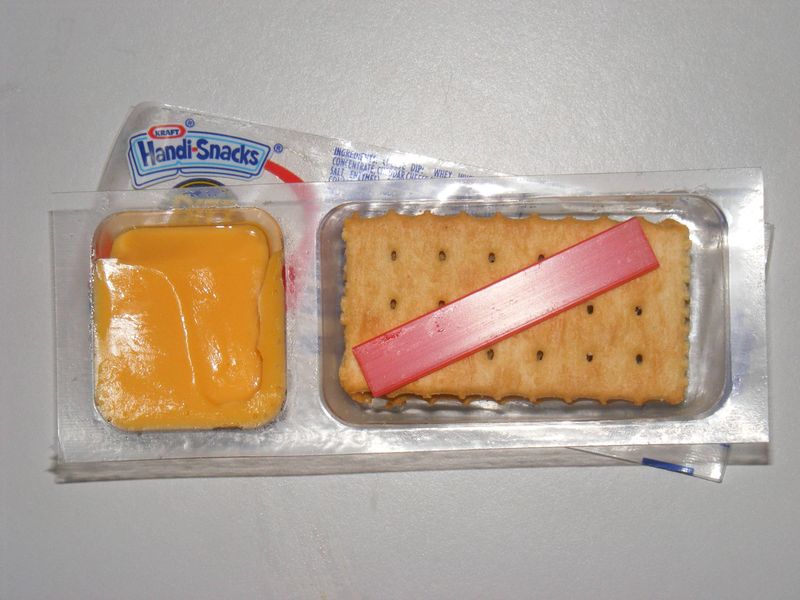
Ritz Handi-Snacks with that tiny red plastic spreader stick felt like the fanciest thing you could pull out of a lunchbox. Kids loved the ritual of spreading the cheese dip onto each cracker.
Back then, convenience was king, and these little packs delivered.
Today, whole-food snacking trends have shifted attention toward less processed options. Parents now read labels more carefully, and the ingredient lists on these snack packs often give them pause.
3. Cheesestrings
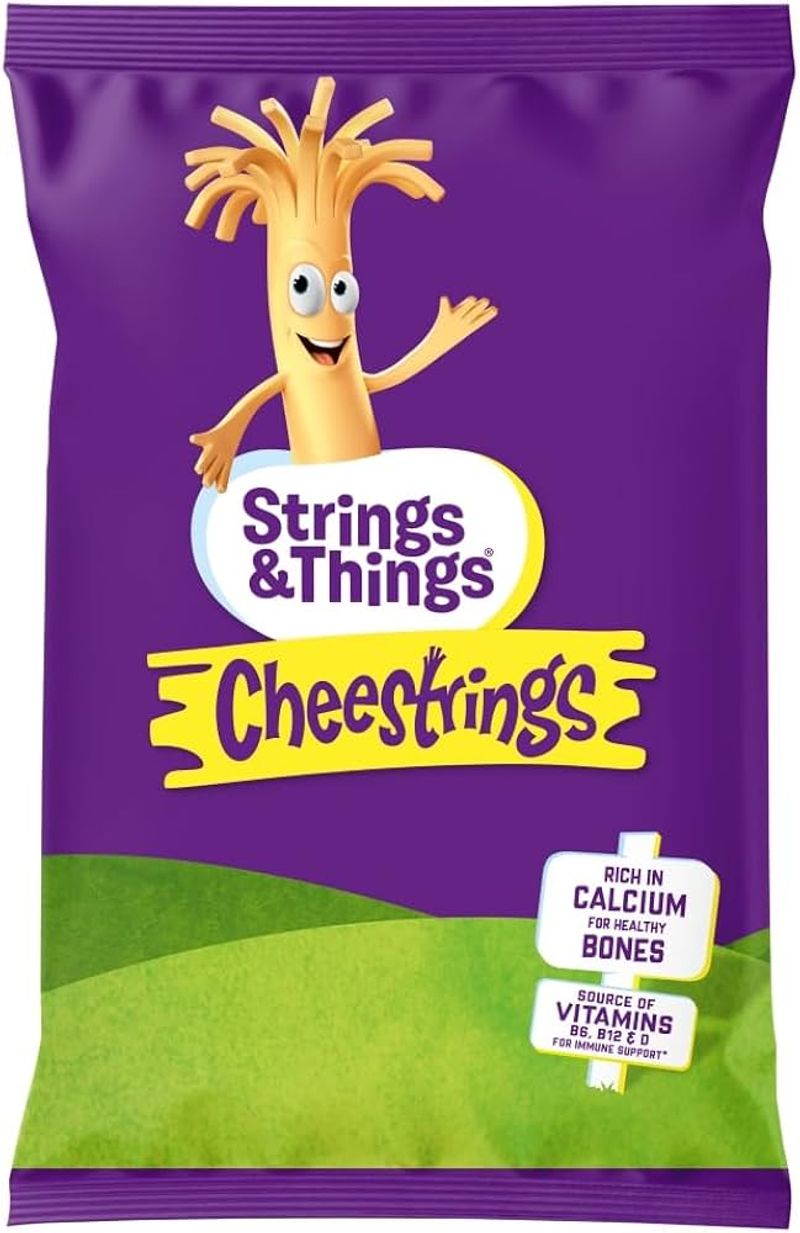
Peeling apart a Cheesestring layer by layer was basically a sport. Cheesestrings were marketed to parents as a protein-rich, real-cheese snack, and that message worked really well throughout the 90s.
Every kid seemed to have one tucked into their lunchbox.
While they are made from real cheese, their heavily processed nature and excessive plastic packaging draw more criticism today. Some parents now opt for simple sliced cheese as a less processed alternative.
4. Chef Boyardee Microwavable Cups
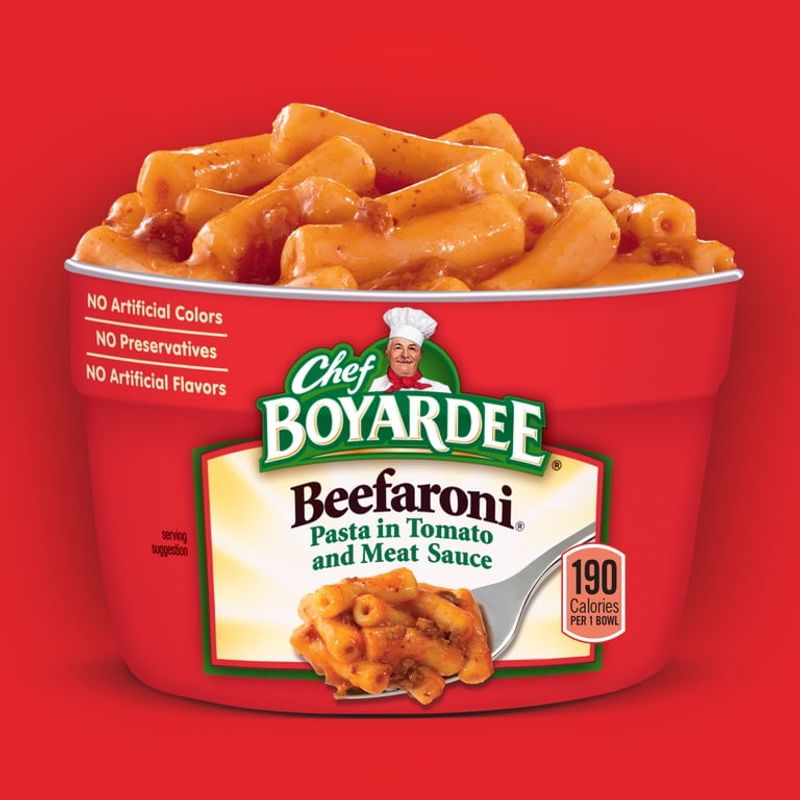
Bringing a thermos of warm Chef Boyardee to school used to feel like having a full restaurant meal compared to everyone else’s cold sandwiches. Beefaroni and lasagna cups were comfort food at its most portable.
Kids absolutely loved the hot lunch advantage.
Modern nutrition guidelines tend to steer families away from pre-packaged meals high in sodium and preservatives. Homemade soups and pasta dishes have largely taken their place in today’s more health-focused lunchboxes.
5. Kudos Bars
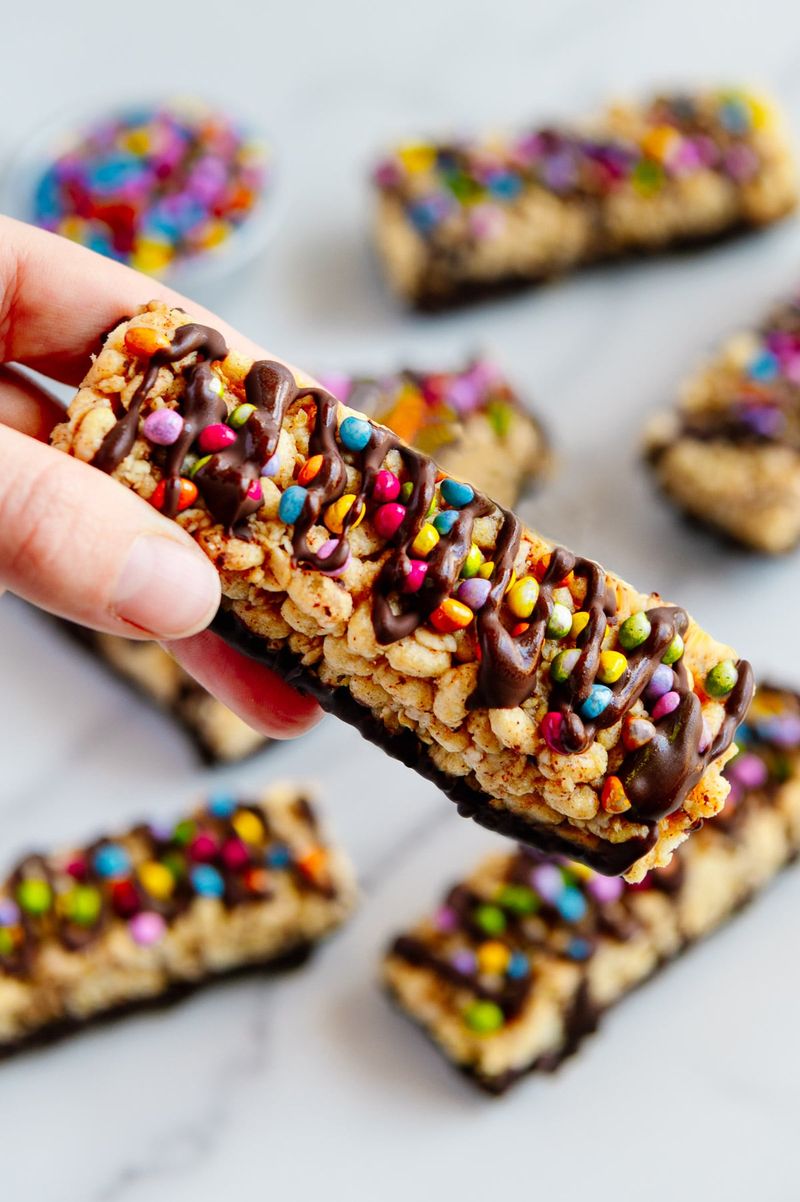
Kudos Bars had one clever trick up their sleeve: they looked like candy bars but were sold as a healthy snack. Collaborations with brands like M&Ms and Snickers made them feel like a guilt-free treat.
Parents bought in, and kids were thrilled.
Nutritionists today point out that many granola bars, including Kudos, carried more sugar than advertised benefits. Awareness around sneaky sugar content has made bars like these a much less common lunchbox pick.
6. Twinkies and Little Debbie Cakes
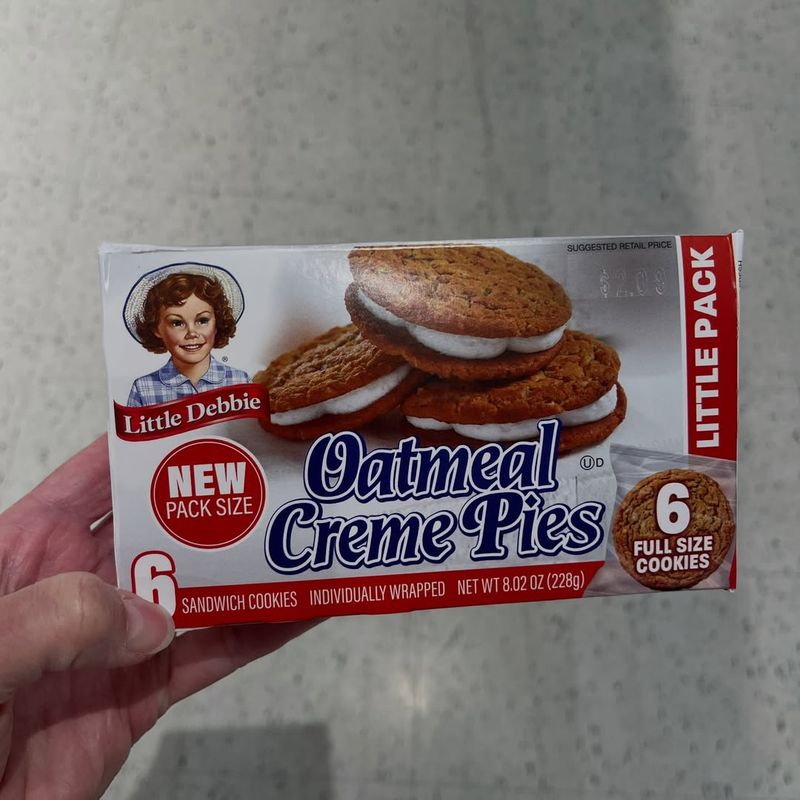
Few things sparked more lunchbox envy than spotting a Twinkie or an Oatmeal Creme Pie across the table. Trading snack cakes was practically its own economy at lunch.
For many kids, these treats were the highlight of the entire school day.
Current dietary advice strongly discourages including high-sugar, highly processed desserts in children’s daily lunches. Occasional treats are fine, but nutritionists now encourage parents to think of these as rare extras rather than everyday staples.
7. Capri-Sun and Sugary Juice Drinks
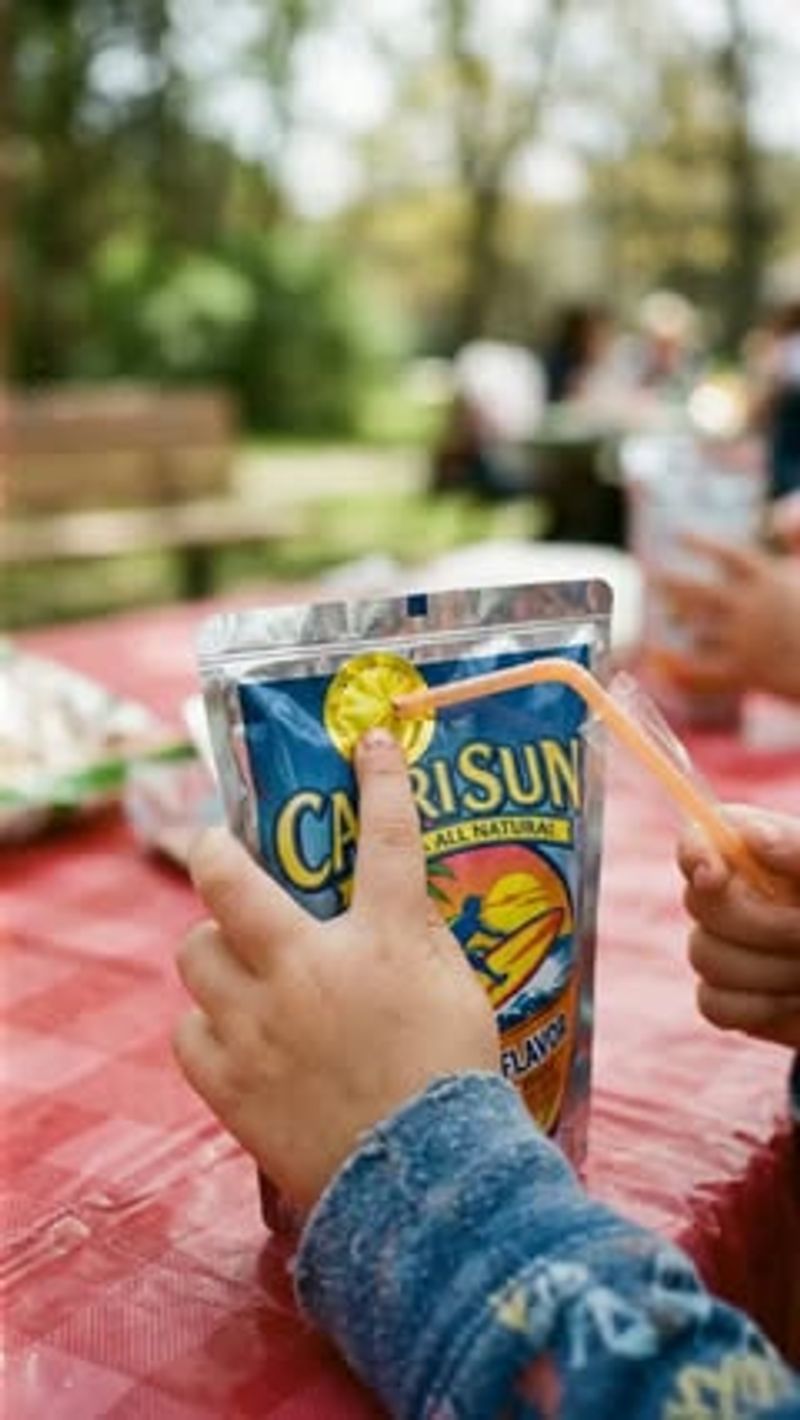
Stabbing a straw into a Capri-Sun pouch was a skill every 90s kid mastered, usually after one very soggy attempt. These fruity drinks felt refreshing and fun, and they came in flavors that sounded almost tropical.
Parents appreciated the convenience of the sealed pouch.
Health experts now flag drinks like Capri-Sun for their high sugar content, which has been linked to childhood obesity and tooth decay. Water and low-sugar options have replaced them in many modern lunchboxes.
8. White Bread Sandwiches with Bologna or PB&J
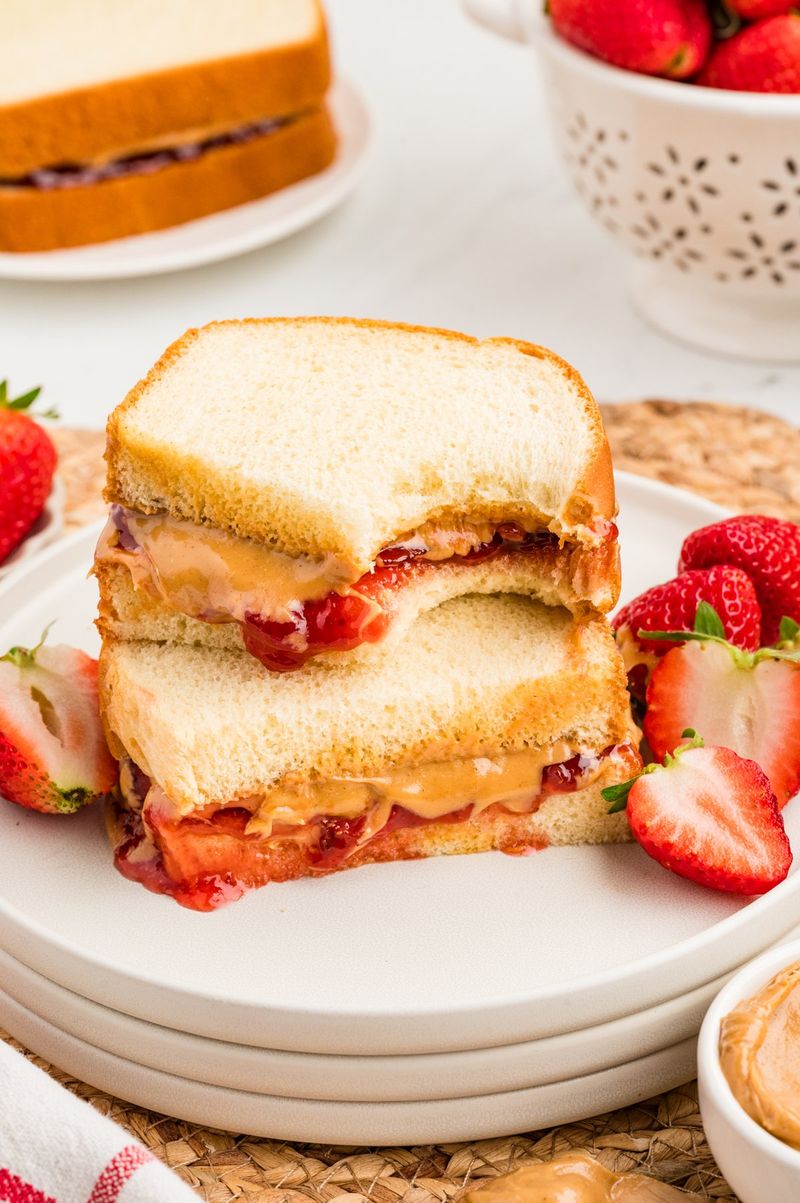
Soft white bread sandwiches were the backbone of lunchboxes for decades. Whether it was peanut butter and grape jelly or bologna with mayo, these simple combos were reliable, filling, and easy to make in under two minutes.
They were the unsung heroes of school lunch.
Whole grain breads and cleaner fillings have taken center stage as families grow more nutrition-aware. White bread offers fewer nutrients and less fiber, which makes it a less popular choice among health-focused parents today.
9. Corn Nuts
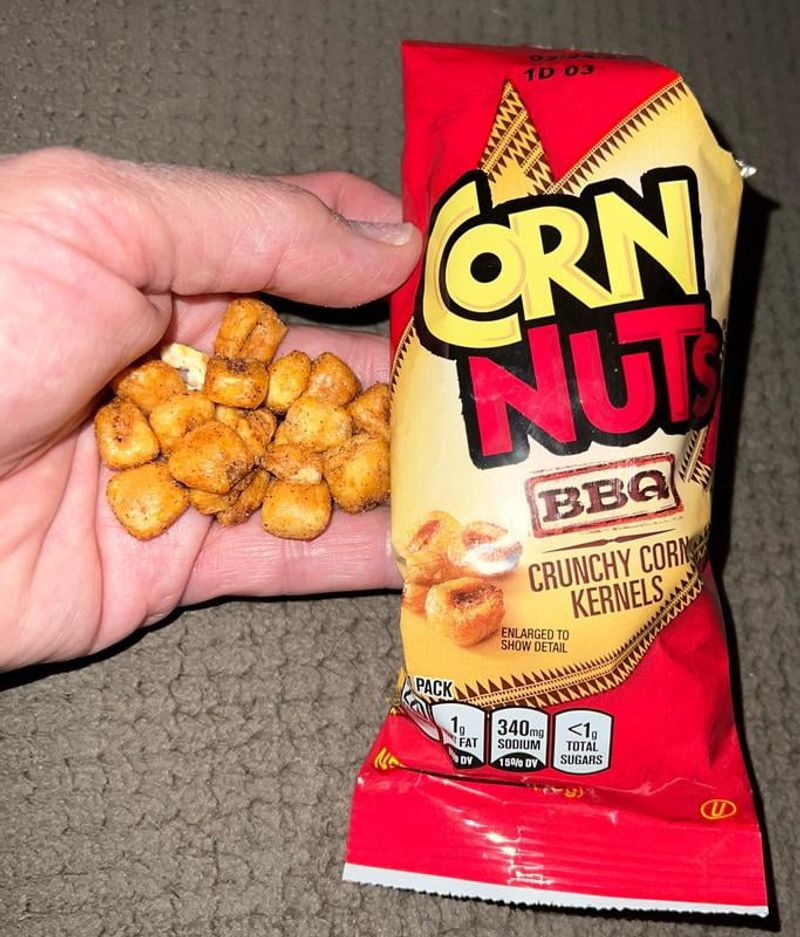
Corn Nuts had a reputation for being the loudest snack in the cafeteria, and kids wore that badge proudly. The satisfying crunch and bold, salty flavor made them a lunchbox legend across multiple generations.
Some flavors were traded like rare collectibles.
Today, their high sodium content raises flags for parents keeping an eye on their children’s salt intake. While not the worst offender on this list, Corn Nuts have quietly faded from the average school lunchbox lineup.
10. Cool Ranch Doritos and Flavored Chips
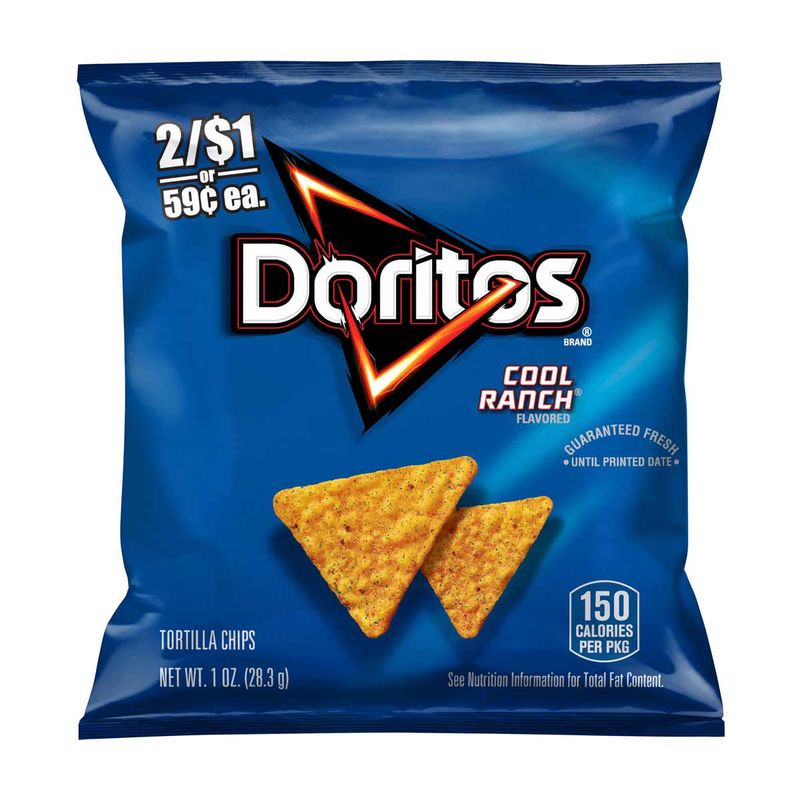
Cool Ranch Doritos in a lunchbox during the 80s and 90s basically guaranteed you were the most popular kid at the table. That dusty blue powder on your fingers was a badge of honor.
No one could resist sneaking a chip from a friend’s bag.
Parents today still buy chips, but many limit them or swap in baked or lower-sodium versions. The combination of high sodium, saturated fat, and artificial flavoring makes classic chips a treat rather than a daily staple.
11. Sun-Maid Raisins
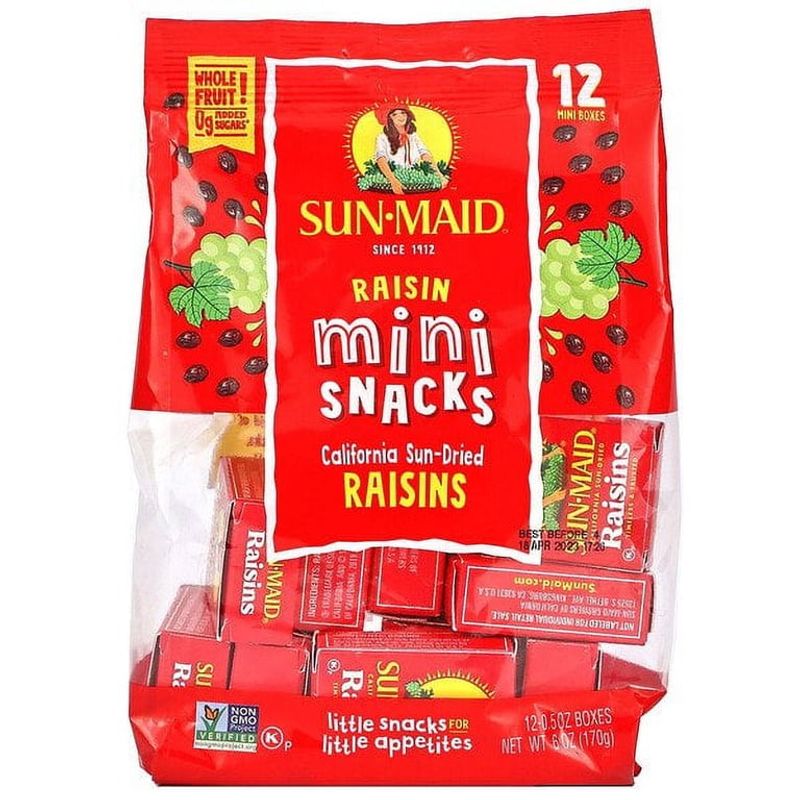
Sun-Maid raisin boxes were the snack that divided the lunchroom. Some kids loved them, while others quietly wished for something more exciting.
Parents appreciated them as a natural, portable fruit option that did not require refrigeration or a spoon.
Raisins are still considered healthy, but today some parents are mindful of their concentrated natural sugar content. Fresh fruit is often prioritized over dried fruit, and dentists have noted that sticky raisins can cling to teeth longer than other snacks.
12. Thermos of Canned Soup
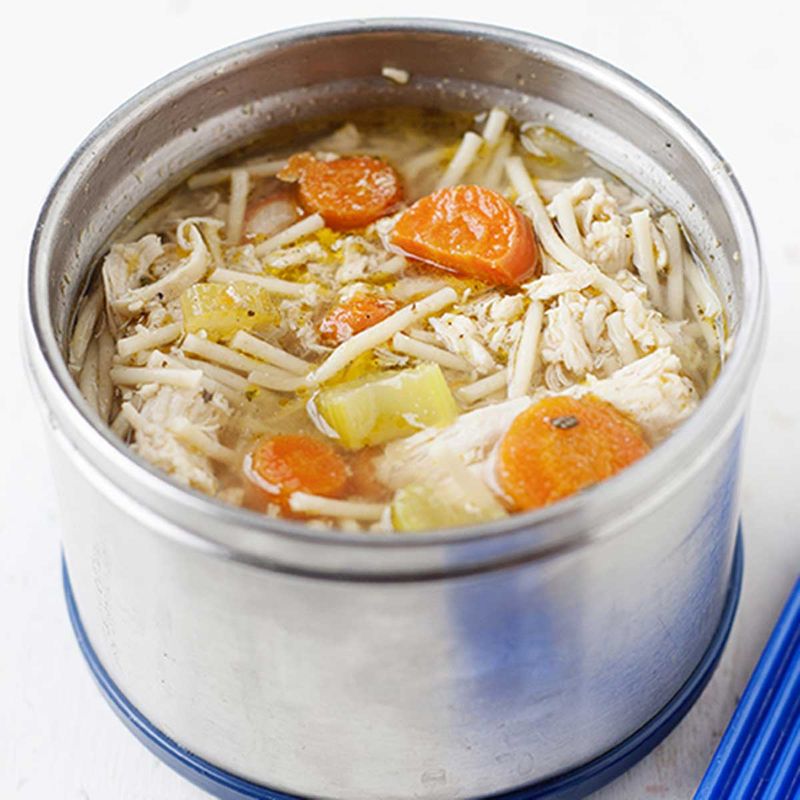
Before microwave lunches existed, a thermos of hot Campbell’s Chicken Noodle Soup made a kid feel like they had a real home-cooked meal at school. The ritual of unscrewing that metal cap and inhaling the warm steam was pure comfort.
It felt special on cold winter days.
Canned soups, however, are notoriously high in sodium. Many parents today prefer homemade soup or low-sodium versions to avoid the excessive salt that most canned varieties contain, especially for growing children.
13. Dry Cereal in a Bag
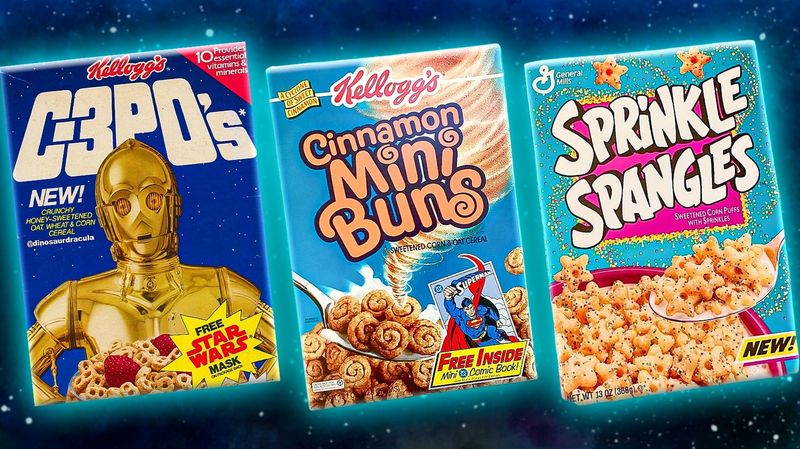
Packing dry cereal into a sandwich bag as a lunchbox snack sounds quirky now, but in the 80s it was a totally normal move. Kids got to munch on their favorite colorful cereals without milk, which honestly worked pretty well as a crunchy snack.
Most popular children’s cereals are loaded with added sugar, which is a growing concern for pediatric nutritionists. Parents today tend to choose lower-sugar cereal options or skip cereal as a snack entirely in favor of more balanced choices.
14. Penguin Bars and Animal-Shaped Biscuits
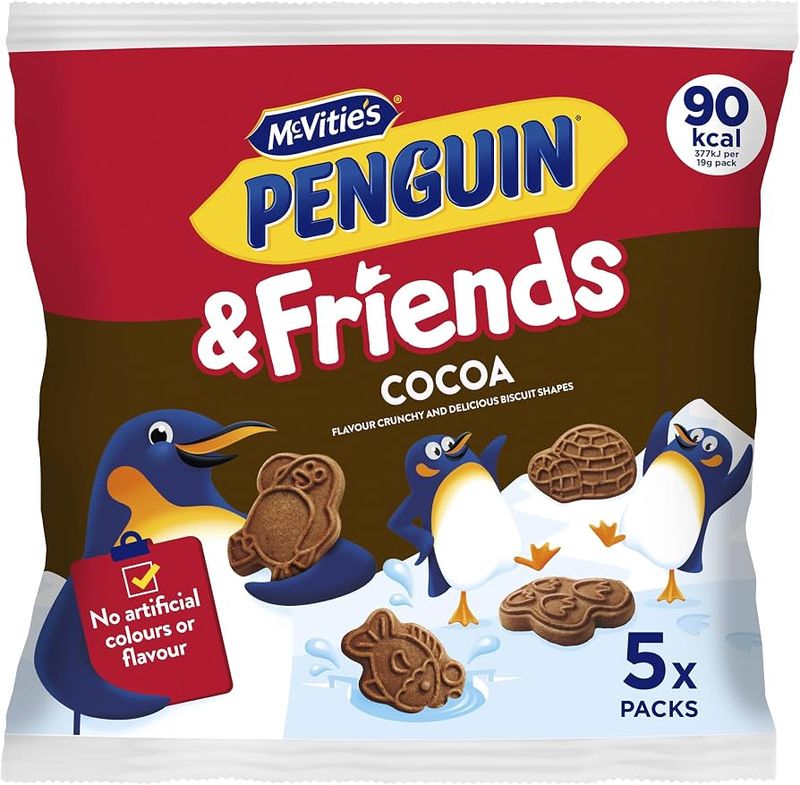
Penguin bars came with a cheesy joke on the wrapper, which made them feel like a lunchbox surprise every single time. Animal-shaped biscuits were equally beloved, partly because eating a lion-shaped cookie just tasted better somehow.
British lunchboxes of the 90s were rarely complete without one.
Current packed-lunch guidance encourages parents to cut back on processed sweet biscuits. Fresh fruit, yogurt, or homemade baked goods are now frequently recommended as healthier and more filling alternatives for children.
15. Jelly Fruit Pots
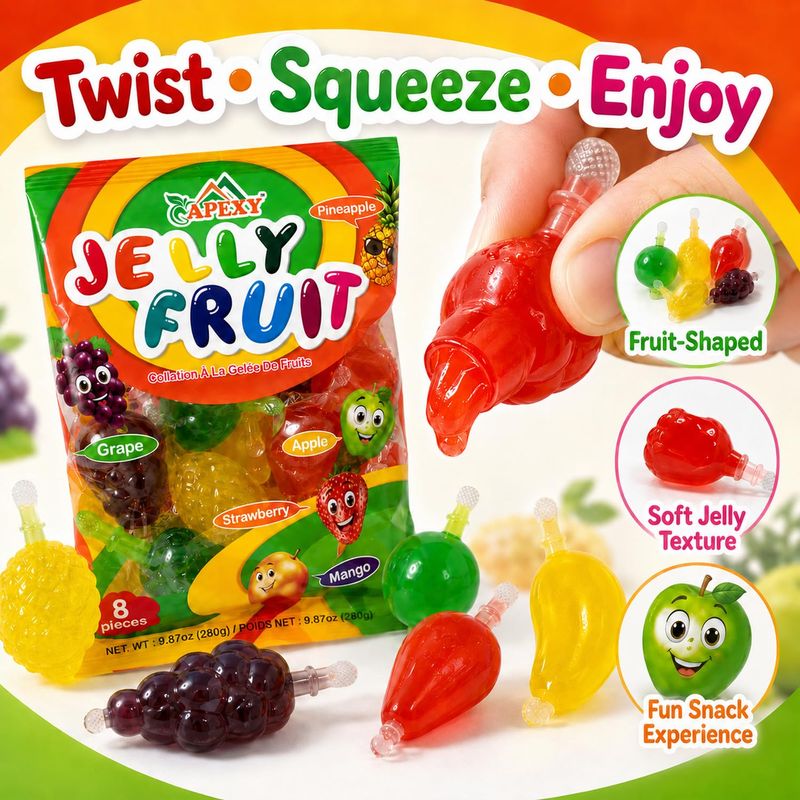
Jelly fruit pots added a wobbly, jiggly bit of fun to any lunchbox. Kids loved the bright colors and the way the jelly slid around inside the tiny plastic cup.
They were easy to pack, required no preparation, and felt like a mini dessert at lunch.
Artificial flavors and high sugar content make jelly pots a less appealing option for parents focused on nutrition today. Many families now swap them out for real fruit cups packed in water or plain unsweetened yogurt instead.
16. Lunchables
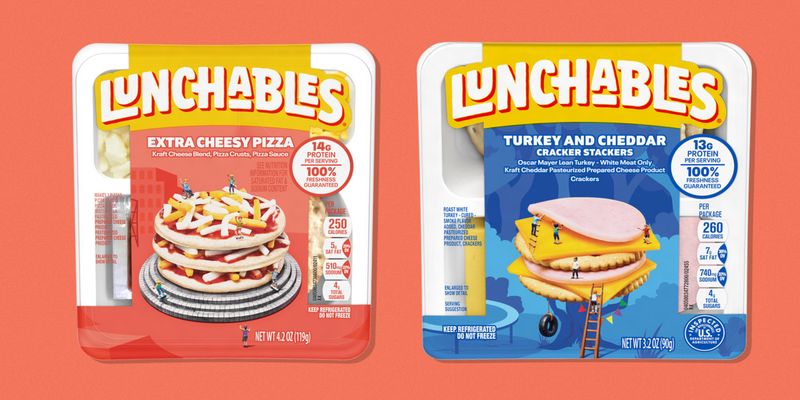
Lunchables debuted in 1989 and immediately became the gold standard of cool lunches. Building your own little cracker-and-meat stack felt oddly satisfying, like you were in charge of your own meal.
For a generation of kids, Lunchables were the ultimate status symbol at the lunch table.
A 2024 Consumer Reports study found alarming levels of sodium, lead, cadmium, and phthalates in Lunchables products. Schools in some districts have since removed them from lunch programs, and parents are increasingly reconsidering their place in everyday meals.
17. Cheese Puffs and Processed Cheese Squares
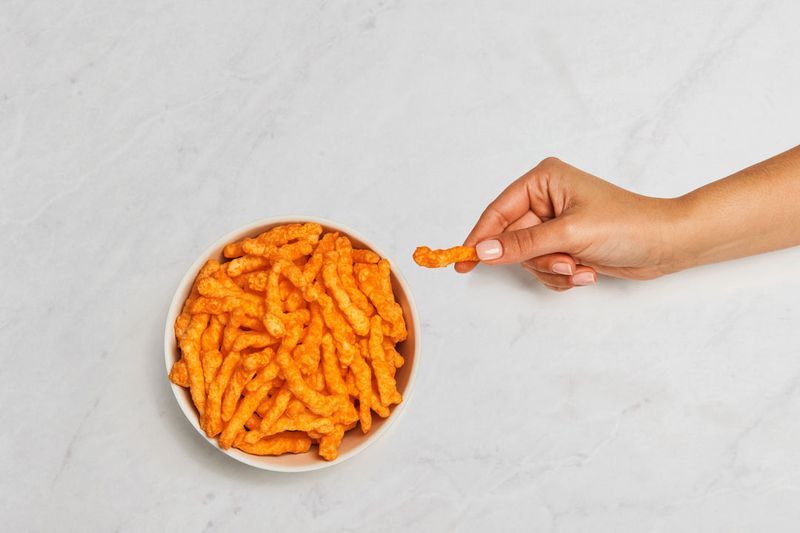
Cheese puffs left an unmistakable orange dust on every finger, and somehow that was part of the appeal. Processed cheese squares were equally popular, easy to unwrap, and satisfyingly salty.
These snacks were practically a lunchbox tradition throughout the 70s and into the 80s.
Heavily processed cheese snacks are now seen as a less ideal choice, with many parents seeking out real cheese slices or whole-food alternatives. The artificial ingredients and sodium levels in puffed cheese snacks have made them a less frequent lunchbox guest.
18. Bologna Sandwiches on White Bread
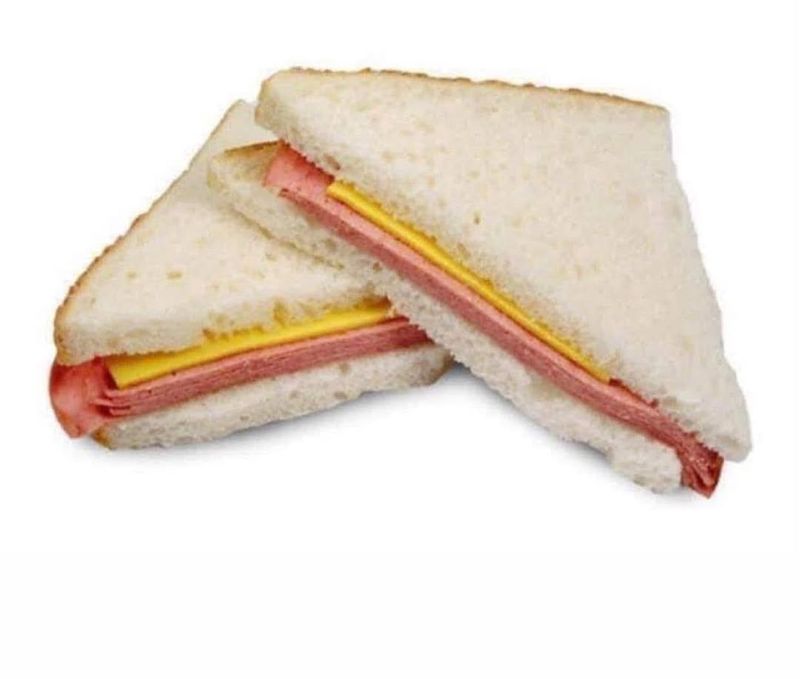
Bologna sandwiches were the no-fuss, budget-friendly lunch that millions of kids carried to school throughout the 70s and 80s. Slap on some mustard, maybe a slice of American cheese, and you were done.
It was simple, filling, and completely satisfying to a hungry kid.
Current dietary guidelines recommend limiting processed meats due to their high sodium and preservative content. Bologna, classified as a processed meat, is now often replaced by lean turkey, chicken, or plant-based proteins in health-conscious lunchboxes.