
Some parents manage to build relationships with their grown kids that are full of genuine warmth, respect, and closeness. What makes these bonds so strong?
It often comes down to a handful of everyday habits and attitudes that make adult children feel truly seen and valued. Understanding these traits can help any parent nurture a relationship their kids will cherish for life.
1. Open-Mindedness

Parents who keep an open mind create a safe space where grown kids feel free to share their true thoughts. Validating someone’s feelings does not mean you agree with them, it just means you respect their perspective.
That simple distinction makes a world of difference.
When parents listen without jumping to judgment, adult children are far more likely to stay connected. Open-mindedness signals acceptance, and acceptance is the foundation of any lasting bond.
2. Empathy

Empathy is more than just saying “I understand.” It means actually trying to feel what your child is going through, even when their experience is very different from your own. Parents who lead with empathy make their adult kids feel less alone in tough moments.
Consistently showing up with genuine understanding builds deep emotional trust over time. Adult children who feel truly heard tend to reach out more often and share more openly.
3. Emotional Intelligence

Emotionally intelligent parents know how to support their kids without turning the conversation back to themselves. They can sit with someone else’s pain without needing to fix it or seek reassurance for their own feelings.
That kind of steady presence is incredibly comforting.
Parents who manage their own emotions well avoid creating extra stress for their grown children. Over time, that emotional steadiness becomes something adult kids genuinely look forward to and rely on.
4. Treating Adult Children as Equals

Nobody wants to feel like they are still being treated as a teenager once they are grown. Parents who shift from authority figures to trusted equals earn a completely different kind of respect from their kids.
It is a relationship upgrade that both sides genuinely enjoy.
Treating adult children as peers means asking for their opinions, valuing their input, and dropping the “because I said so” energy. That shift builds real friendship between generations.
5. Respecting Boundaries

Boundaries are not walls, they are bridges to healthier relationships. Parents who honor their adult children’s need for space, privacy, and personal choices send a clear message: “I trust you.” That trust becomes the glue that holds the relationship together through every season of life.
Pushing past someone’s limits, even with good intentions, can slowly erode closeness. Respecting boundaries consistently is one of the most loving things a parent can do for a grown child.
6. Offering Emotional Support

Life throws curveballs at everyone, and knowing a parent is in your corner makes those moments easier to handle. Parents who offer steady emotional support without conditions create a relationship that adult children genuinely treasure.
It is less about having the right words and more about simply showing up.
A consistent, supportive presence tells grown kids they matter deeply. That feeling of being backed unconditionally is something adult children carry with them long into adulthood.
7. Being Trustworthy

Trust is built in small moments and destroyed in large ones. Parents who keep secrets, follow through on promises, and avoid gossip about their kids create a relationship where honesty flows freely.
Adult children who trust their parents share more, visit more, and connect more deeply.
Knowing that a parent will not repeat private details or use vulnerabilities against you is genuinely rare and precious. That kind of reliability is something adult children never take for granted.
8. Flexibility and Openness to Change

Families grow and evolve, and parents who roll with those changes make everyone feel more comfortable. Whether it is new partners, different traditions, or shifting schedules, flexible parents find ways to stay connected without creating friction.
That adaptability is a quiet form of love.
Clinging to “the way things used to be” can push adult children away gradually. Parents who embrace change with a positive attitude tend to find that their grown kids actually want to include them in new chapters of life.
9. Fostering Open Communication

Some families talk around problems for years without ever addressing them directly. Parents who encourage honest, upfront dialogue break that cycle and build something much stronger.
When everyone feels heard, small issues rarely snowball into big rifts.
Open communication is not just about talking, it is about creating an environment where silence never feels safer than honesty. Parents who model that kind of openness raise adult children who genuinely enjoy staying in touch.
10. Encouraging Independence and Individuation
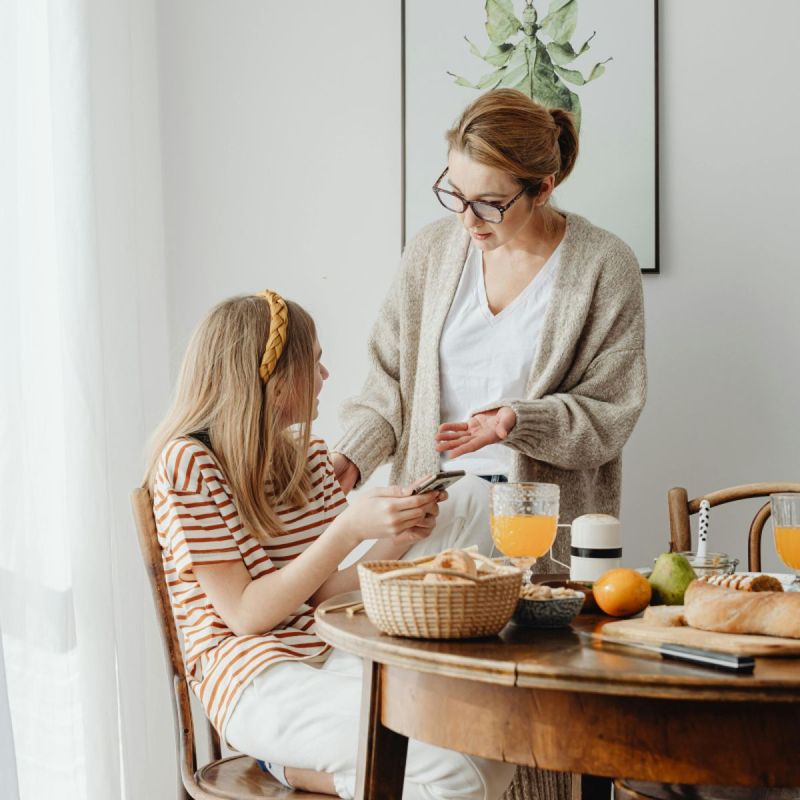
Letting go is one of the hardest things a parent can do, and also one of the most important. Parents who actively cheer on their adult children’s unique paths, even when those paths look nothing like their own, show a deep kind of love.
That encouragement sticks with kids for decades.
When grown children feel free to be fully themselves around their parents, they naturally want to spend more time together. Freedom within a relationship tends to pull people closer, not push them apart.
11. Fostering a Secure Attachment Style

Attachment styles formed in childhood echo through adulthood in powerful ways. Parents who consistently offer warmth without strings attached help their adult kids feel emotionally secure in all their relationships.
That kind of foundation is truly a gift that keeps giving.
A secure attachment does not mean being overly involved, it means being reliably present when it counts. Adult children raised with that balance tend to be more confident, more resilient, and more connected to their families.
12. Prioritizing Reciprocal Relationships

Healthy relationships flow both ways, and the parent-child bond is no exception. Parents who show genuine interest in their adult children’s lives, and who also share their own, create a connection that feels more like friendship than obligation.
That balance is something adult kids genuinely appreciate.
Moving beyond the old “parent knows best” script opens the door to real mutual exchange. When both sides feel valued and seen, the relationship becomes something both parties actively want to nurture.
13. Recognizing Evolving Roles

The parent who once tied shoelaces eventually becomes the parent who asks for advice on a smartphone. Role shifts happen naturally, and parents who embrace that evolution with grace make the transition smooth for everyone.
Clinging to old roles can create unnecessary tension.
Recognizing that your grown child is now a capable adult is a sign of wisdom, not weakness. Parents who acknowledge this shift find that their kids respond with deeper respect and more genuine affection in return.
14. Avoiding Unsolicited Advice

Here is something most parents learn the hard way: unsolicited advice rarely lands well. Even when the intention is helpful, constant suggestions can feel like criticism to an adult child trying to figure out their own life.
Biting your tongue is sometimes the most loving choice you can make.
Parents who wait to be asked before offering opinions earn serious brownie points with their grown kids. That restraint signals deep respect for their child’s ability to handle life independently.
15. Living Their Own Life

Parents who have their own hobbies, friendships, and passions are genuinely more fun to be around. When a parent builds a rich life of their own, they naturally place fewer emotional demands on their adult children.
That breathing room makes the relationship feel lighter and more enjoyable for everyone.
Adult children tend to feel guilty when a parent’s entire world revolves around them. Parents who thrive independently actually draw their kids closer because the visits feel like a choice, not a duty.
16. Showing Unconditional Love

Unconditional love does not mean approving of every decision, it means loving the person regardless. Parents who make their kids feel loved even during disagreements or failures create an unshakeable bond.
That security gives adult children the courage to be honest, even when the truth is messy.
Knowing that a parent’s love does not come with conditions is one of the greatest emotional gifts a person can receive. Adult children who feel that certainty tend to stay close and give that same love right back.
17. Being Self-Aware

Self-awareness is a superpower in any relationship, especially between parents and adult children. Parents who honestly examine how their words and actions affect their kids are far less likely to repeat harmful patterns.
That kind of reflection takes real courage and pays off in stronger connections.
Grown children notice when a parent is willing to look inward and grow. That willingness to self-reflect communicates humility and genuine care, two qualities that make adult kids feel deeply valued and respected.
18. Making Quick and Clear Repairs After Conflict

Every relationship hits rough patches, and the parent-child bond is no different. What separates beloved parents from distant ones is often how quickly and sincerely they repair things after a conflict.
A clear, genuine apology without excuses goes a very long way with adult children.
Prioritizing the relationship over personal pride is a sign of real emotional maturity. Parents who do not let hurt feelings fester show their grown kids that the connection matters more than being right.