
Getting enough iron is something many people in the UK struggle with without even realising it. Iron keeps your energy up, helps your blood carry oxygen, and supports your immune system.
The good news is that plenty of iron-packed foods already show up in classic British cooking. From a hearty Sunday roast to a simple weekday stir-fry, boosting your iron intake can be easier than you think.
1. Beef (Especially Minced Beef)
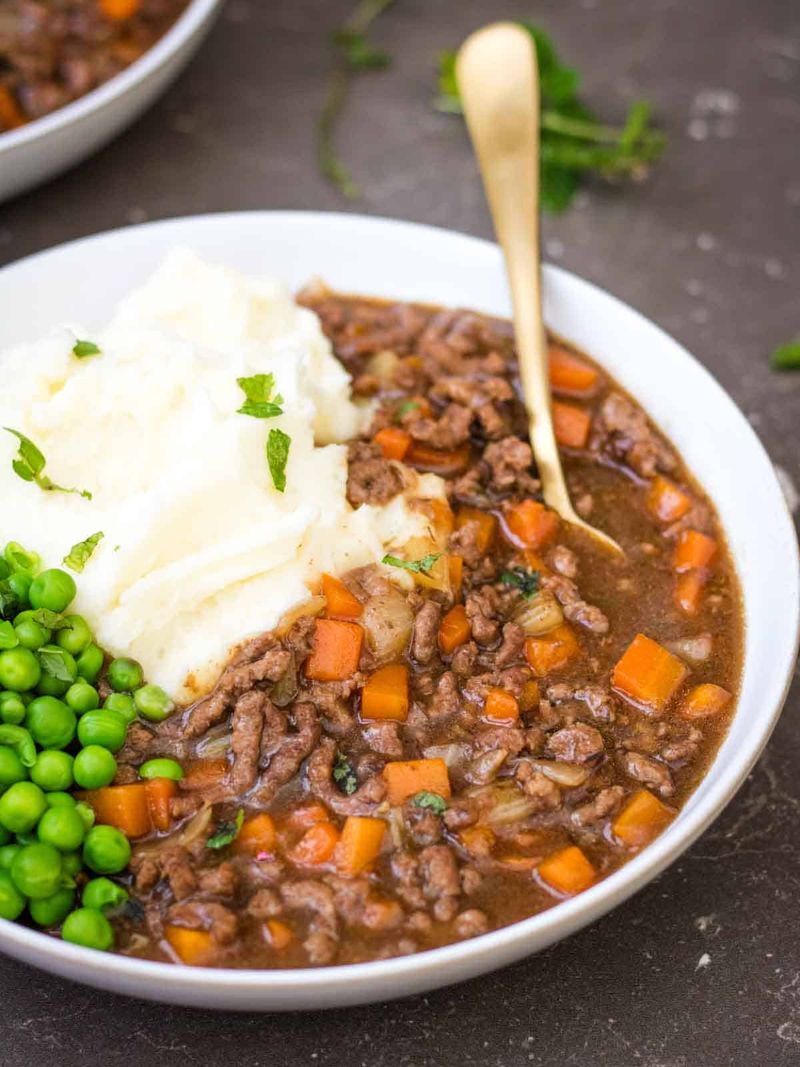
Sunday dinners and midweek Bolognese have one thing in common: minced beef. It is one of the richest sources of haem iron, the type your body absorbs most efficiently.
Just a standard serving can provide around 2-3mg of iron.
Haem iron from red meat is far easier for the body to use than plant-based iron. Pair it with tomatoes in a pasta sauce or stuff it into a cottage pie for a classic, iron-boosting British meal.
2. Chicken Liver
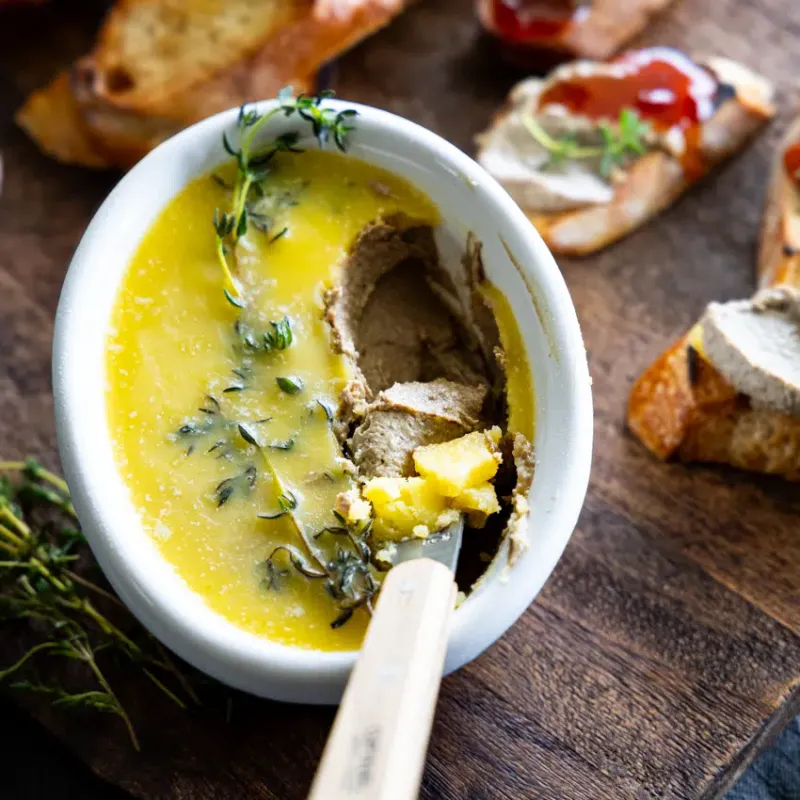
Chicken liver might not be the first thing that comes to mind for dinner, but it deserves a serious comeback. Gram for gram, it is one of the most iron-dense foods available, offering around 9mg of iron per 100g serving.
A simple chicken liver pate spread on toast makes a brilliant starter. You can also fry livers with onions and serve them alongside mashed potatoes for a warming, old-school British supper that quietly packs a nutritional punch.
3. Baked Beans
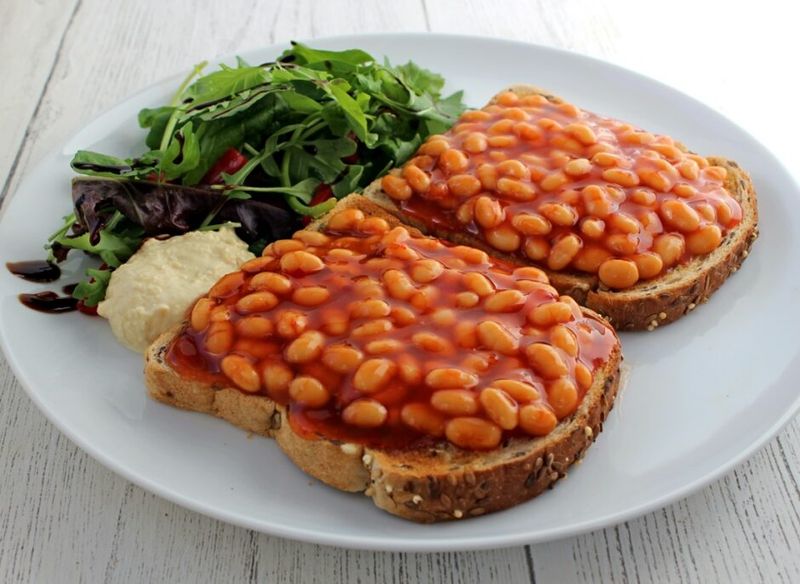
Few foods are more British than beans on toast. Baked beans are made from haricot beans, which are a solid plant-based source of iron, providing around 2mg per half tin.
They are also cheap, filling, and ready in minutes.
Because they are plant-based, pairing them with a glass of orange juice helps your body absorb the iron more effectively. Vitamin C boosts non-haem iron absorption significantly.
Breakfast just got a whole lot more nutritious.
4. Spinach
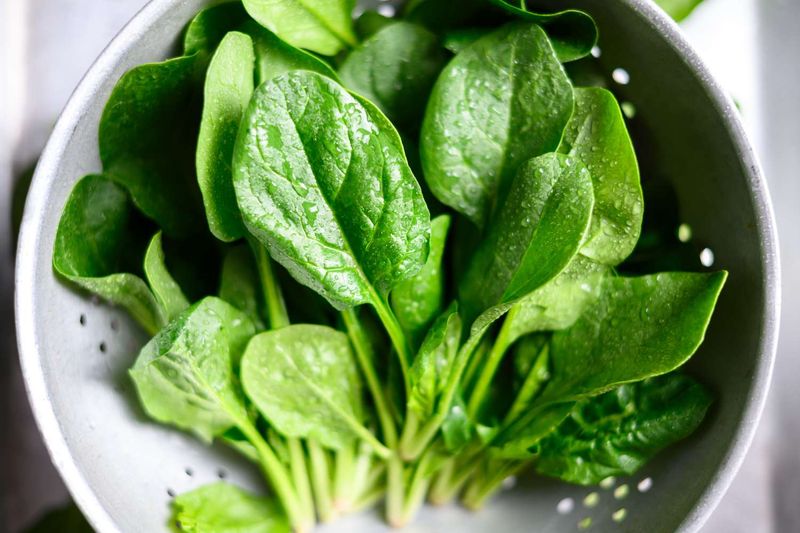
Popeye was onto something. Spinach contains around 2.7mg of iron per 100g, making it one of the better plant-based options available.
It wilts down quickly, so it slips easily into curries, pasta, soups, and omelettes.
Keep in mind that spinach also contains oxalates, which can reduce iron absorption slightly. Cooking spinach and eating it alongside vitamin C-rich foods like tomatoes or lemon juice helps your body get the most out of every leaf.
5. Fortified Breakfast Cereals
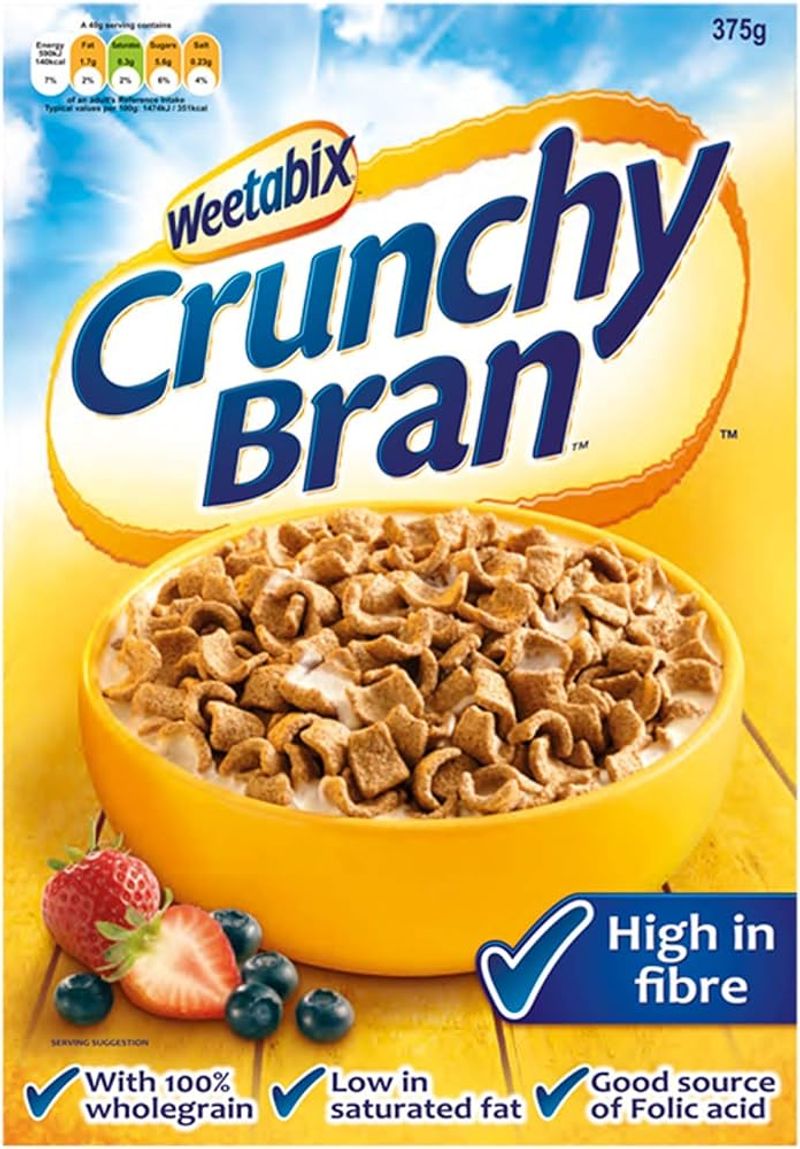
Many British households start the day with a bowl of cereal, and that habit could be doing more for their iron levels than they realise. Cereals like Weetabix, Bran Flakes, and cornflakes are often fortified with iron, sometimes providing 50-100% of the daily recommended intake per portion.
Check the label on your cereal box. Fortified options are a straightforward, fuss-free way to top up iron levels, especially for children and teenagers who might not eat a wide variety of iron-rich foods.
6. Lentils
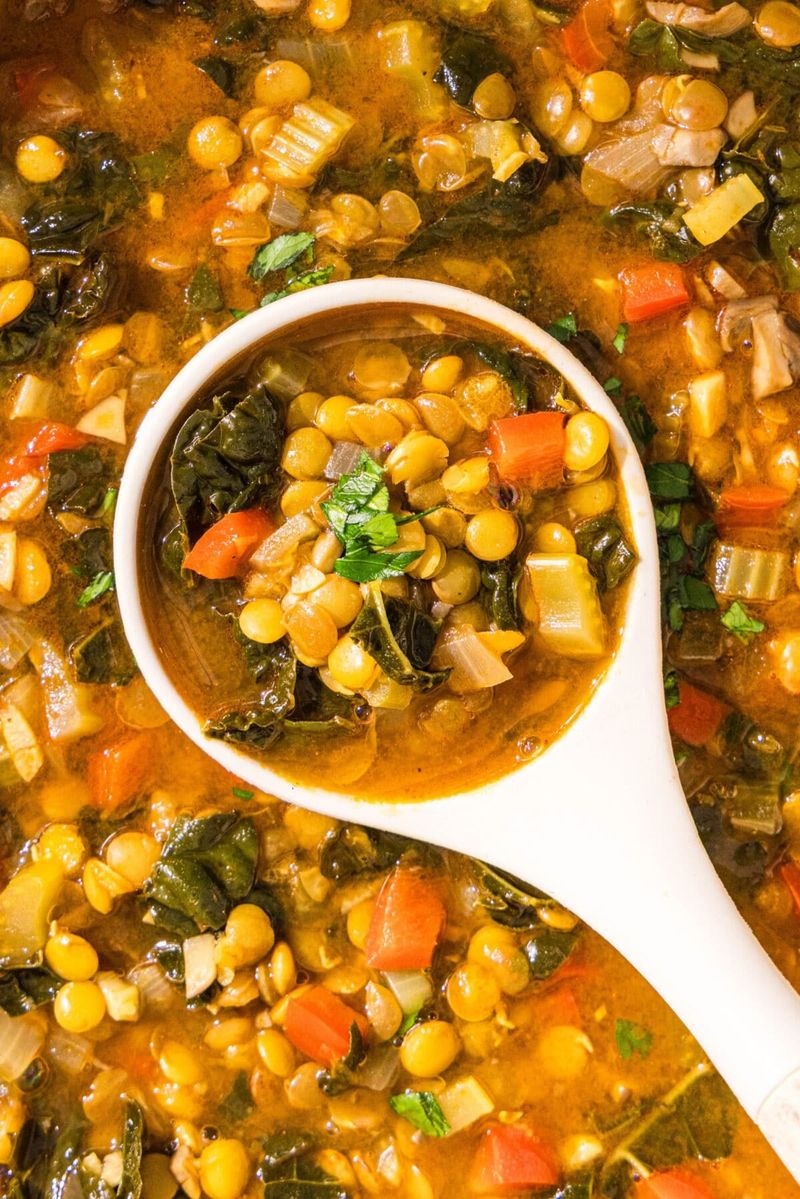
Lentils have been quietly winning over British kitchens, especially as more people look for plant-based protein sources. Red lentils cook down into a creamy texture perfect for soups and dals, while green lentils hold their shape well in salads and stews.
A 100g serving of cooked lentils provides around 3.3mg of iron. They are also high in fibre and protein, making them a satisfying choice.
Add a squeeze of lemon at the end of cooking to improve iron absorption naturally.
7. Tofu
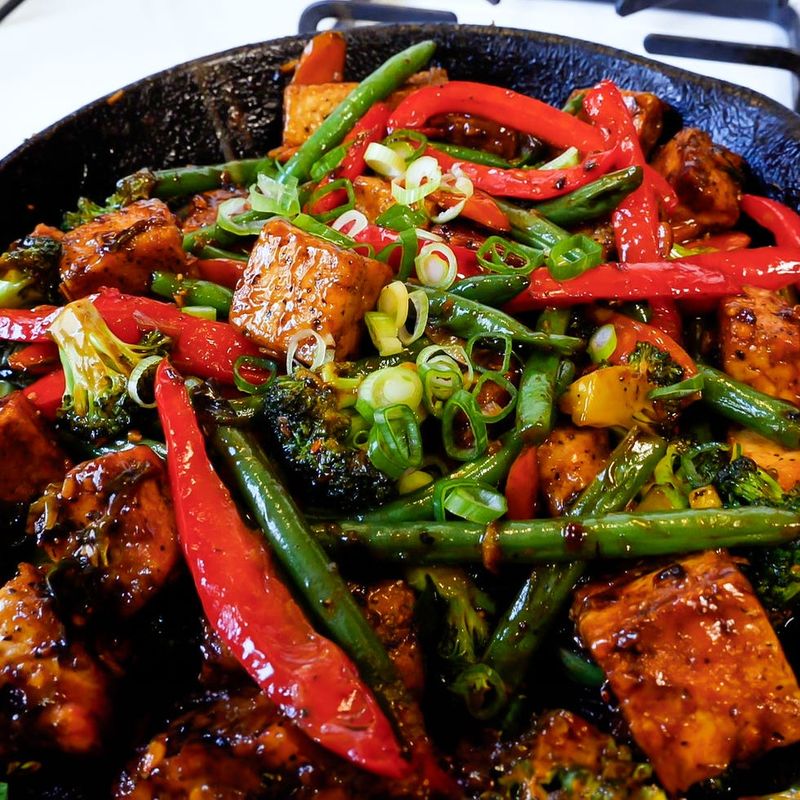
Tofu might feel like a modern addition to British eating habits, but it has quietly become a staple in many households. Firm tofu contains around 2.7mg of iron per 100g and absorbs flavours brilliantly, making it versatile enough for stir-fries, curries, and even sandwiches.
It works especially well when marinated in soy sauce and garlic before frying. Serve it alongside iron-rich greens like kale or spinach for a plant-powered meal that covers multiple nutritional bases at once.
8. Dark Chocolate
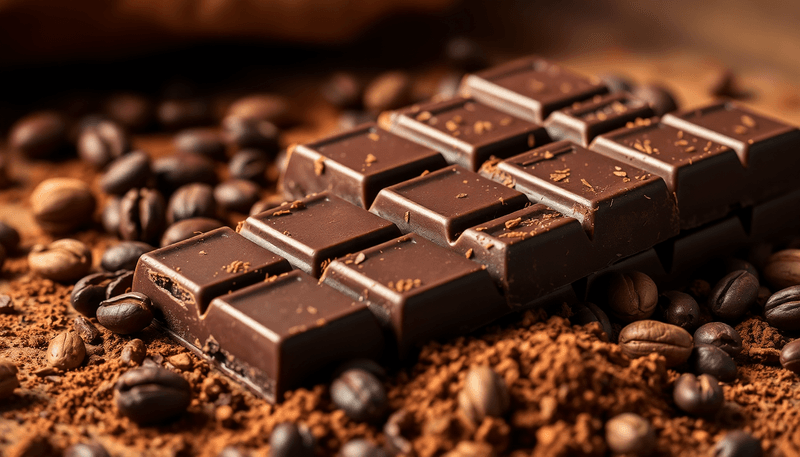
Here is one that nobody complains about adding to their diet. Dark chocolate with 70% cocoa or higher contains around 3.3mg of iron per 100g, making it one of the more surprising iron sources available.
A small square after dinner or melted into a warming mug of hot chocolate counts as a genuinely enjoyable way to support your iron intake. Opt for high-quality dark chocolate rather than milk chocolate, which contains far less cocoa and significantly less iron.
9. Chickpeas
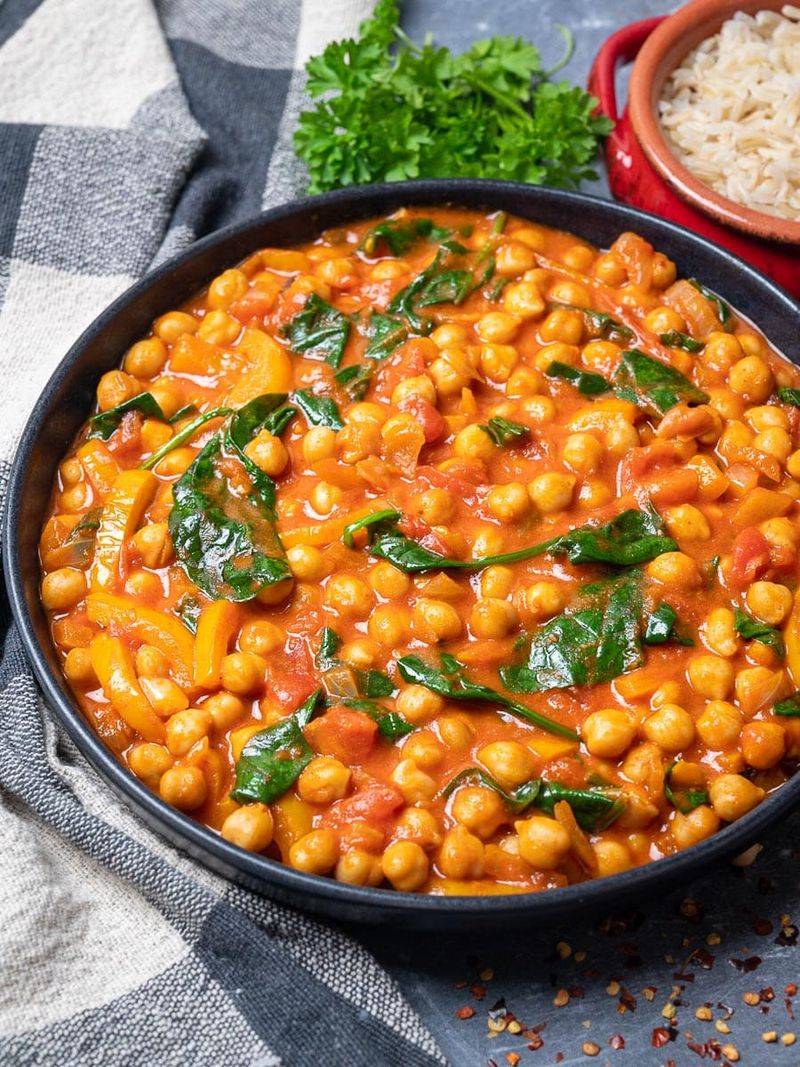
Chickpeas have a long history in British cooking through dishes like hummus and curries, and they deserve credit as a genuinely useful iron source. A 100g portion of cooked chickpeas delivers around 2.9mg of iron alongside healthy fibre and plant-based protein.
Roast them in the oven with olive oil and smoked paprika for a crunchy snack, or throw them into a tomato-based stew for a hearty, filling dinner. Their mild flavour makes them easy to incorporate into almost any meal.
10. Sardines
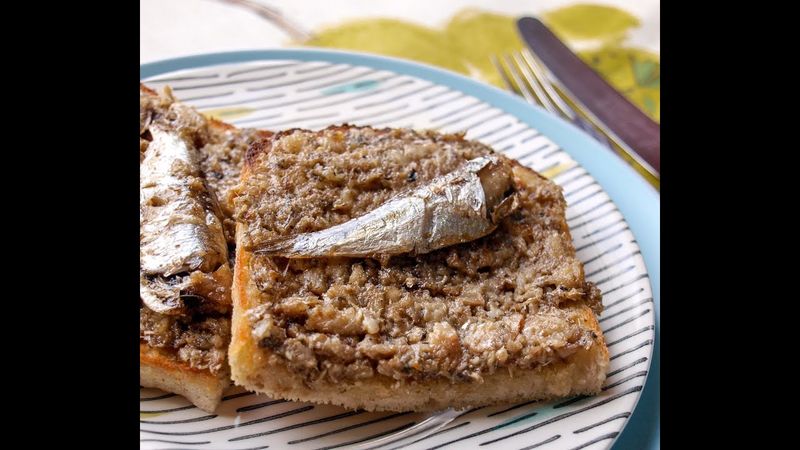
Sardines on toast is a classic British snack with a surprisingly impressive nutritional profile. Tinned sardines provide around 2.9mg of iron per 100g, and because you eat the small bones too, you also get a solid calcium boost alongside the iron.
They are affordable, require no cooking, and keep well in the cupboard for months. Mash them onto wholemeal toast with a squeeze of lemon and a pinch of black pepper for a quick, satisfying lunch that supports both iron and bone health.
11. Kidney Beans
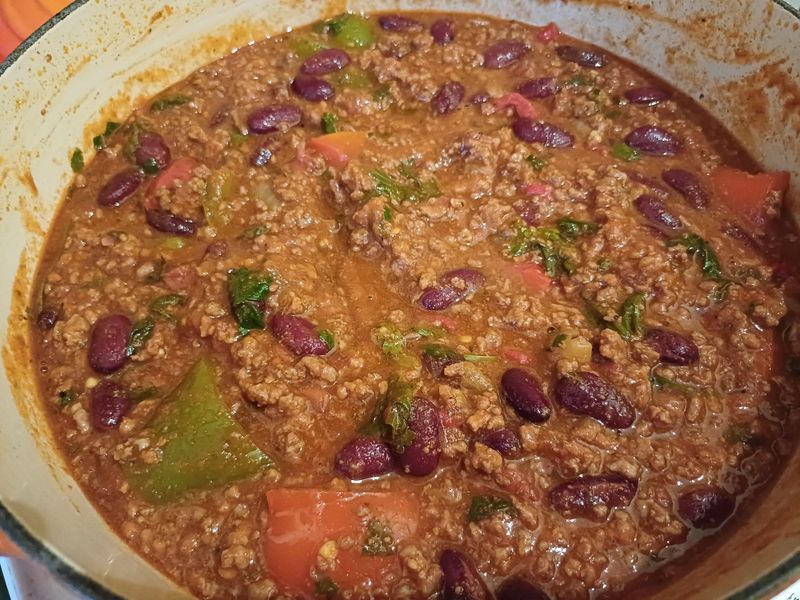
Kidney beans are the backbone of a good chilli con carne, one of the most popular midweek meals in British households. Beyond their role in that classic dish, kidney beans offer around 2.5mg of iron per 100g cooked, making them a reliable plant-based option.
They also provide plenty of fibre, which supports digestive health. Tinned kidney beans are just as nutritious as dried ones and save a huge amount of preparation time.
Rinse them well before use to reduce their sodium content.
12. Kale
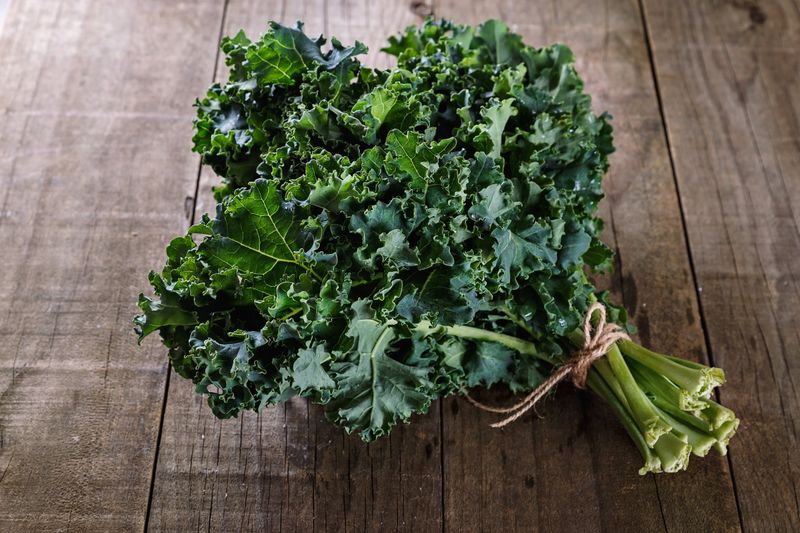
Kale has earned its reputation as a nutritional powerhouse, and its iron content is one reason why. Raw kale provides around 1.5mg of iron per 100g, and it is easy to add to soups, stews, and pasta dishes across the colder British months.
Massage raw kale leaves with a little olive oil and lemon juice to soften them for salads. Cooking kale lightly rather than boiling it aggressively helps preserve more of its nutrients.
It pairs brilliantly with lemon-dressed grains and roasted vegetables.
13. Pumpkin Seeds
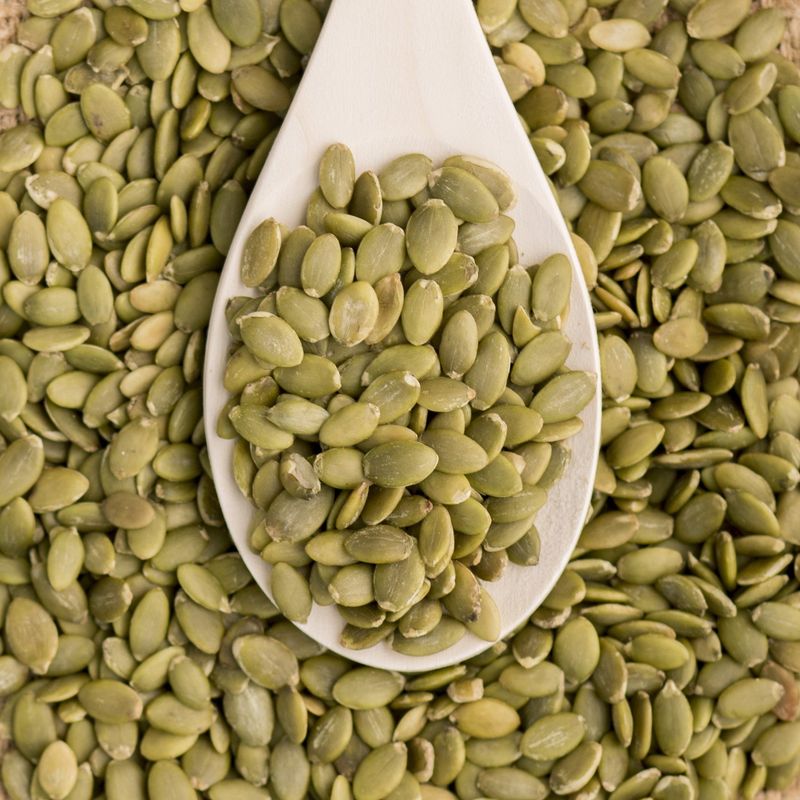
Tiny but mighty, pumpkin seeds are one of the most iron-rich plant foods available, providing around 8.8mg of iron per 100g. A small handful sprinkled over porridge, yoghurt, or a salad adds a satisfying crunch along with a meaningful iron contribution.
They also contain magnesium and zinc, making them a genuinely well-rounded snack. Keep a jar on your kitchen counter and add them to meals automatically.
They are practically tasteless, so they blend into almost anything without altering the flavour.
14. Lamb
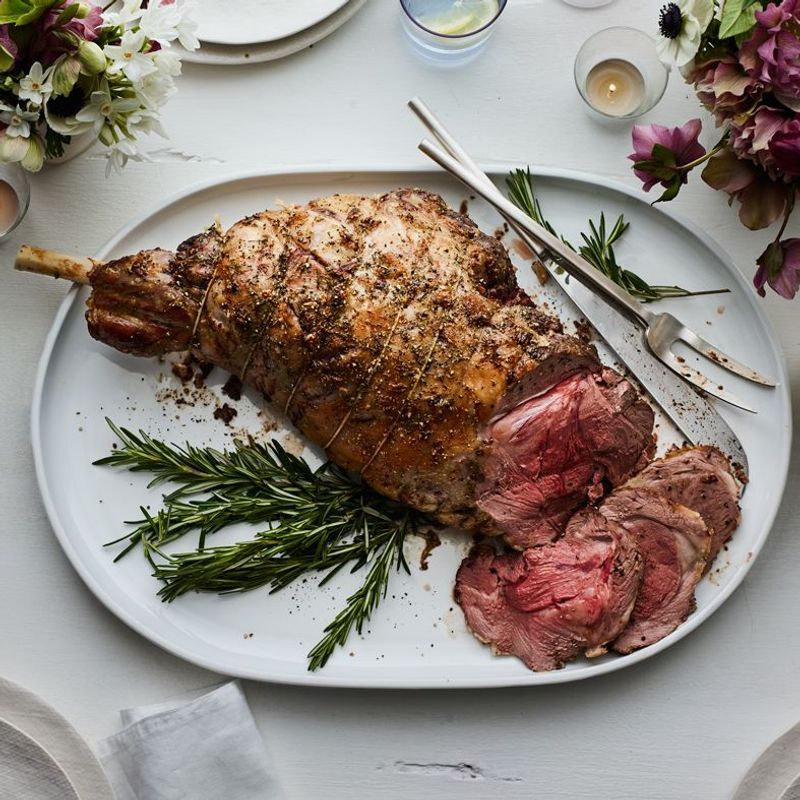
A British Sunday roast with lamb is practically a cultural institution, and it turns out it is also a great iron delivery system. Lamb provides around 1.9mg of iron per 100g cooked, along with high-quality protein, zinc, and B vitamins.
Lamb chops, shoulder, and leg cuts are all solid choices. Because it is a red meat, the iron is haem iron, which is absorbed far more readily than plant sources.
Pair it with mint sauce, roasted veg, and you have a nutritionally complete meal.
15. Wholemeal Bread
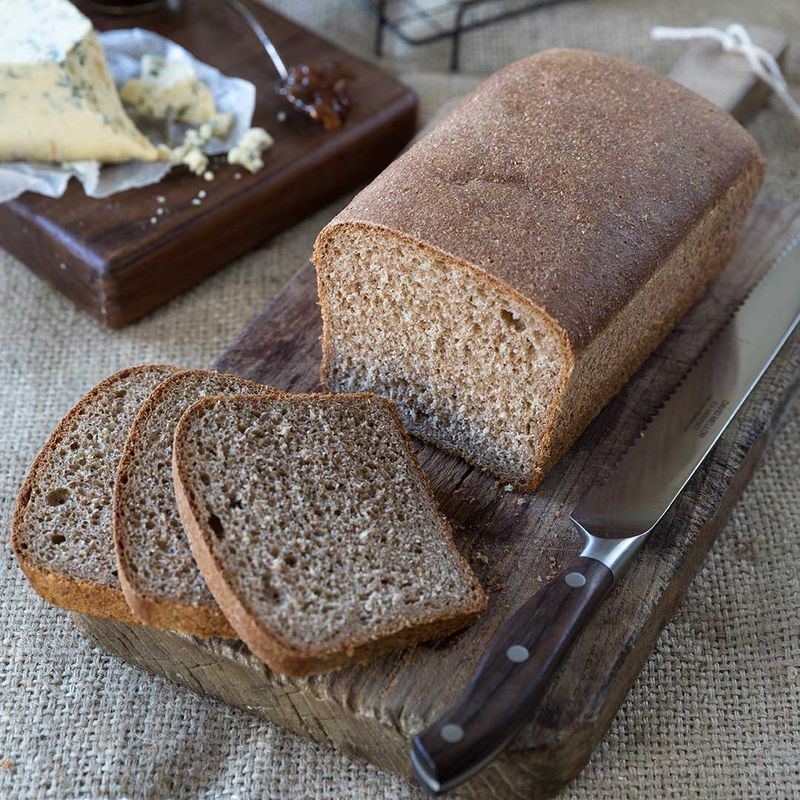
Most British households go through several loaves of bread a week, so switching to wholemeal is one of the simplest iron upgrades possible. Wholemeal bread contains around 2.5mg of iron per 100g, significantly more than white bread, along with extra fibre and B vitamins.
Use it for sandwiches, toast, or alongside soups and stews. The denser texture holds up better to hearty fillings too.
Many people find the switch easy once they get used to the slightly nuttier, more satisfying flavour.
16. Edamame Beans
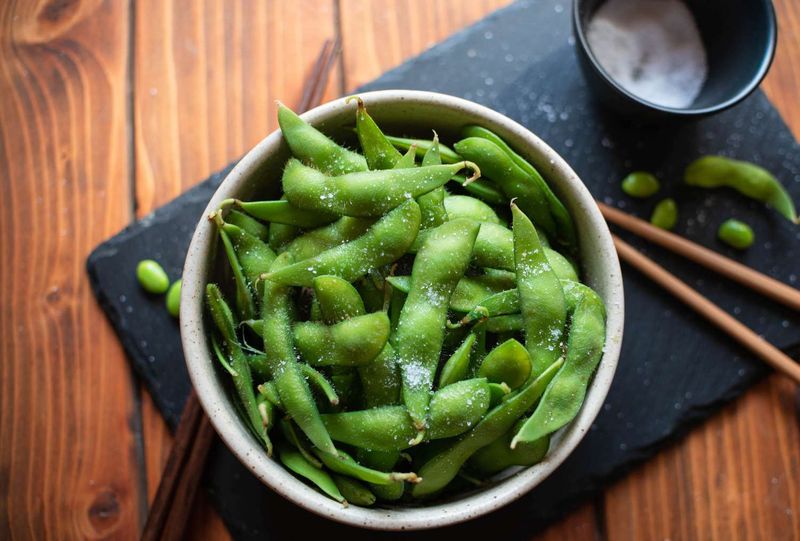
Edamame beans have made a smooth transition from Japanese restaurants to British supermarket freezer aisles. These young green soybeans contain around 2.3mg of iron per 100g and are also rich in protein, making them an excellent plant-based snack or meal addition.
Steam them straight from frozen and add a pinch of sea salt for a quick snack. Alternatively, toss shelled edamame into grain bowls, pasta salads, or stir-fries.
They are kid-friendly, easy to prepare, and genuinely fun to eat.
17. Quinoa
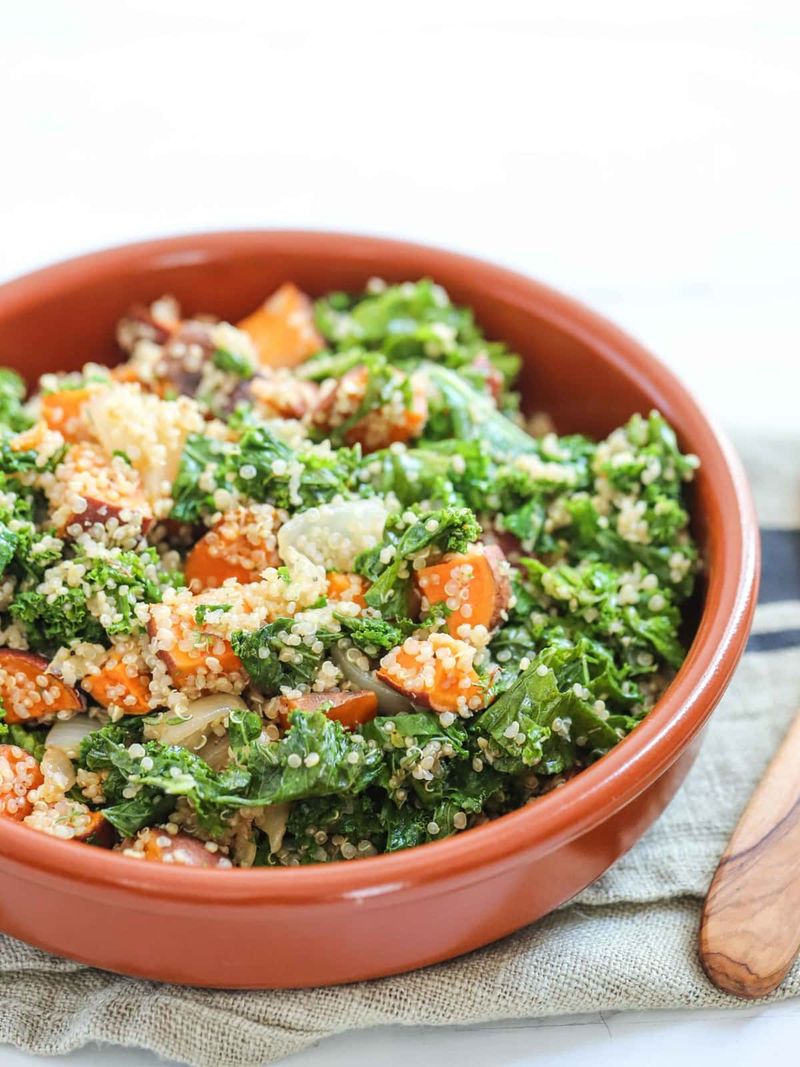
Quinoa has quietly become a British kitchen staple over the past decade, and its iron content is one solid reason to keep it stocked. It provides around 1.5mg of iron per 100g cooked, plus all nine essential amino acids, making it a complete protein source unlike most grains.
Cook it like rice and use it as a base for salads, stuffed peppers, or alongside grilled fish. Its slightly nutty flavour works well with both warm and cold dishes, offering real flexibility throughout the week.
18. Blackstrap Molasses
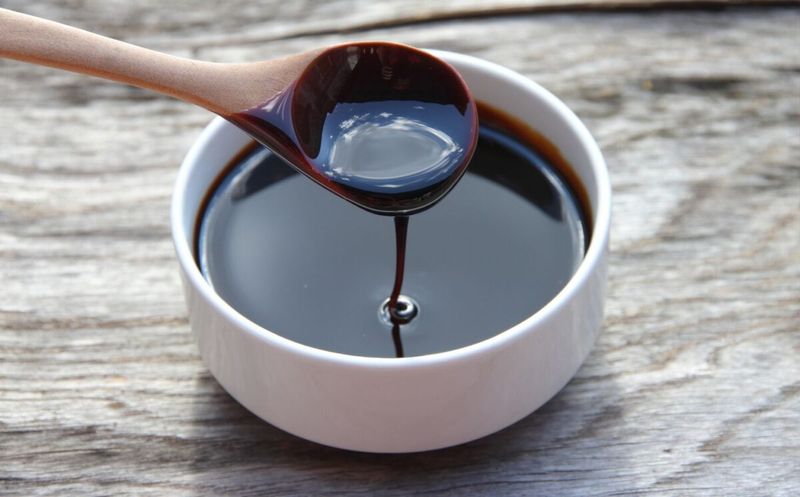
Blackstrap molasses is one of the most concentrated plant-based sources of iron available, delivering around 7.3mg per tablespoon. It is the thick, dark byproduct of refining sugar cane, and while it is intensely bitter on its own, it works brilliantly in baking.
Stir a tablespoon into gingerbread, flapjacks, or a warming mug of hot milk to boost your iron intake almost invisibly. It is an old-fashioned British baking ingredient that is well overdue for a nutritional revival in modern kitchens.