
Vegetables are healthy, colorful, and packed with nutrients, but sometimes they just do not feel filling enough on their own. The good news is that adding the right ingredients can completely change how satisfying a veggie meal feels.
Whether you are cooking for yourself or your whole family, a few smart additions can turn a simple vegetable dish into something truly hearty and delicious. These 18 ingredients are easy to find and simple to use.
1. Chickpeas
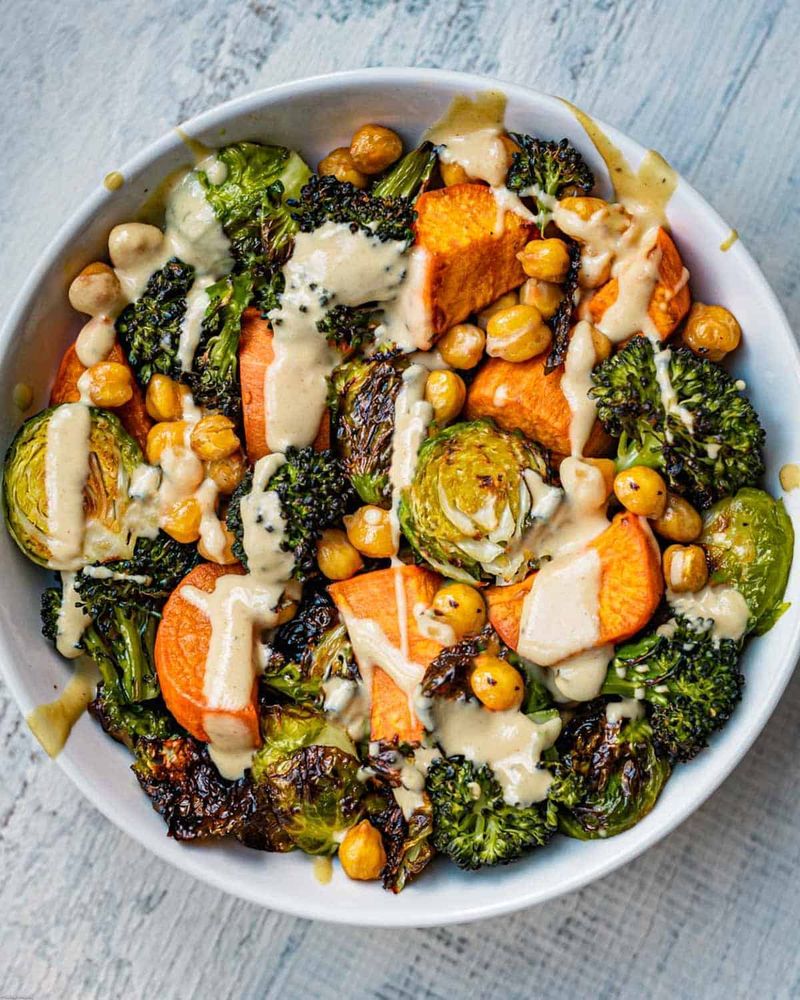
Chickpeas are one of the most reliable ways to make a vegetable dish feel like a real meal. They are packed with protein and fiber, which means your stomach stays full much longer after eating.
You can toss them roasted into salads, blend them into sauces, or stir them into stews. Their slightly nutty flavor fits almost any seasoning style.
Even picky eaters tend to enjoy them once they try a well-seasoned version.
2. Tahini
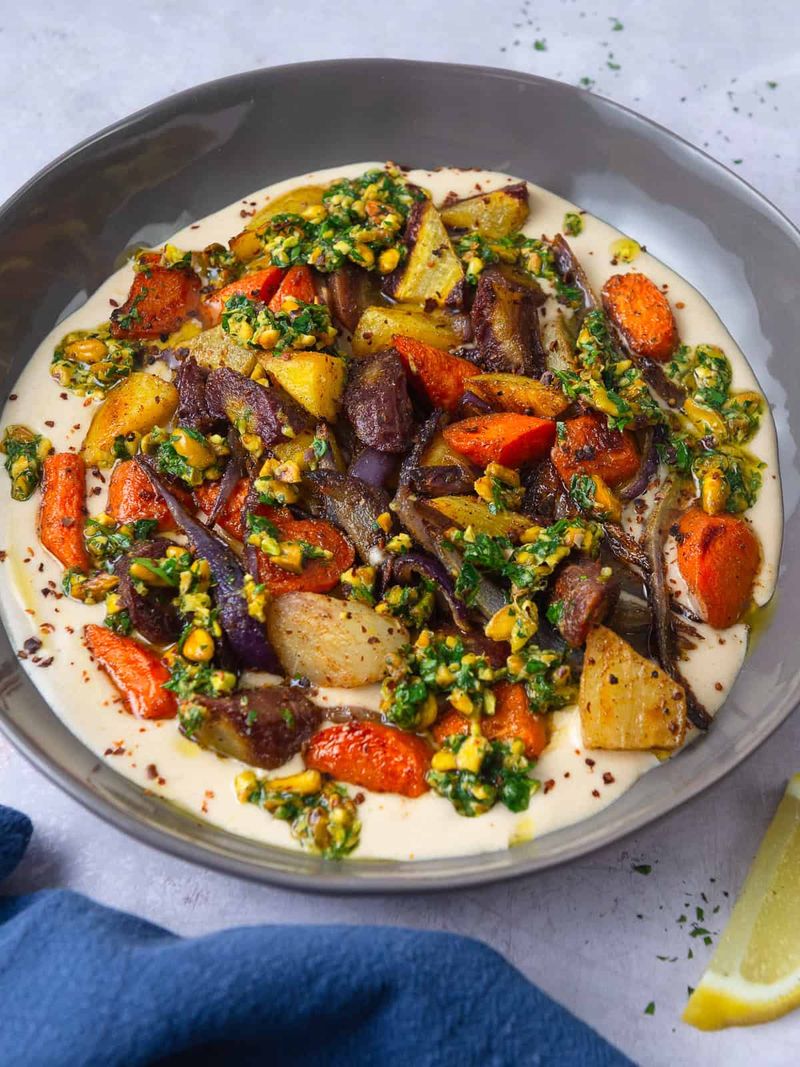
Made from ground sesame seeds, tahini has a rich, creamy texture that instantly makes vegetables feel more indulgent. Just a spoonful stirred into a dressing or drizzled on top can completely change the mood of a dish.
It adds healthy fats and a subtle nutty depth that pairs beautifully with roasted veggies. Mix it with lemon juice and garlic for a quick sauce that works on almost everything from broccoli to sweet potatoes.
3. Lentils
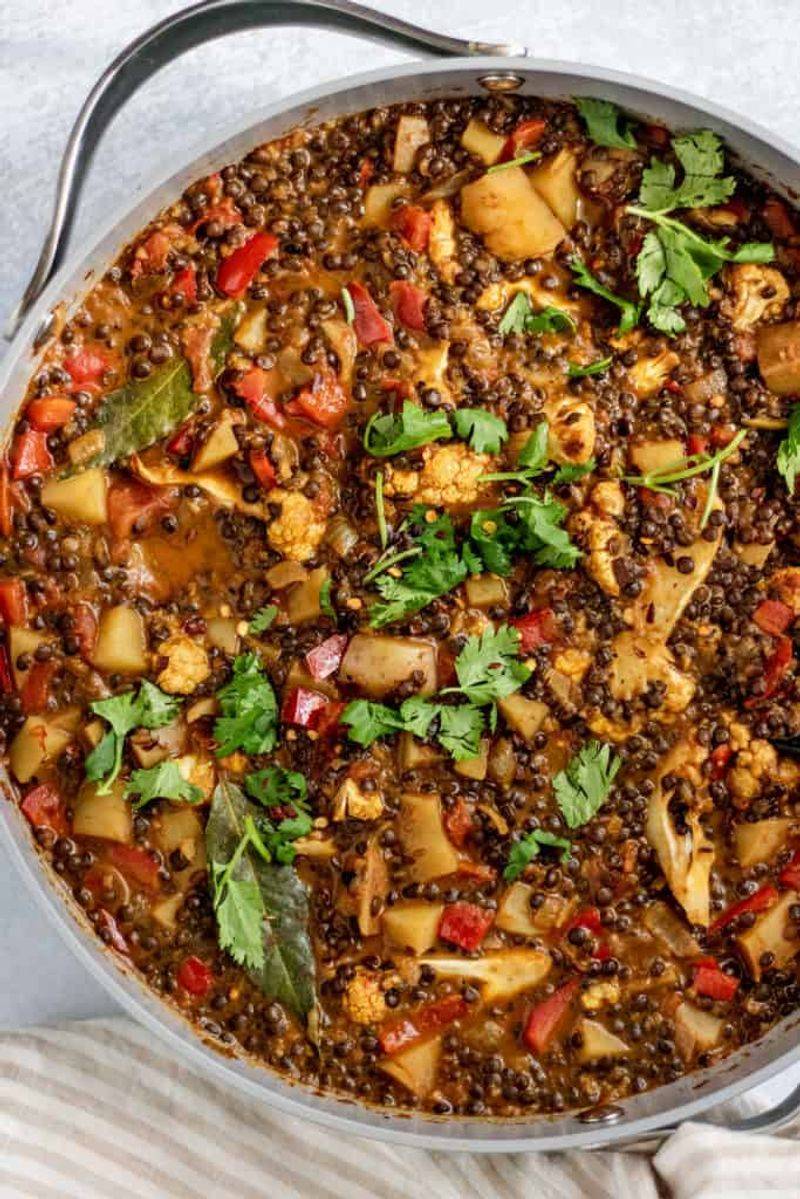
Few ingredients are as quietly powerful as lentils when it comes to bulking up a vegetable meal. They cook quickly, absorb flavors well, and bring a meaty, earthy texture that makes dishes feel genuinely filling.
Red lentils dissolve into soups and curries, while green or black lentils hold their shape in salads and grain bowls. A cup of cooked lentils adds roughly 18 grams of protein, making your veggie plate much more nutritionally complete.
4. Parmesan Cheese
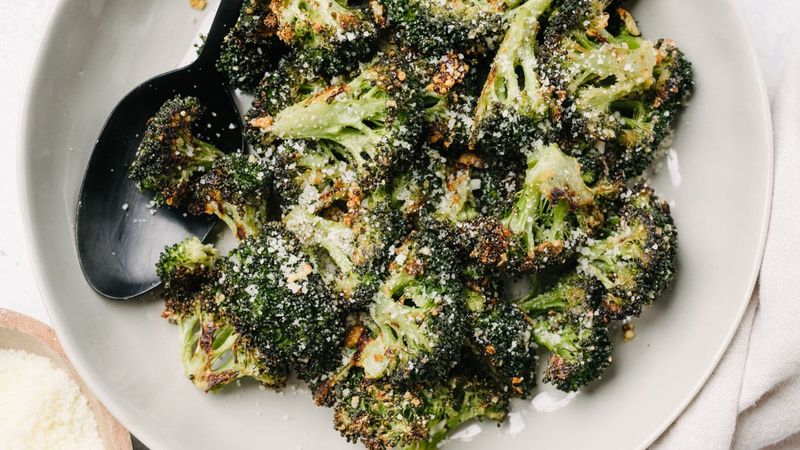
A little Parmesan goes a long way. This aged Italian cheese has a bold, salty, umami-rich flavor that makes even the simplest steamed vegetables taste complex and satisfying.
Sprinkle it over roasted zucchini, stir it into cauliflower mash, or shave thin slices onto a salad. The fat content also helps your body absorb fat-soluble vitamins from the vegetables.
It is one of those ingredients that feels like a reward without requiring much effort at all.
5. Avocado
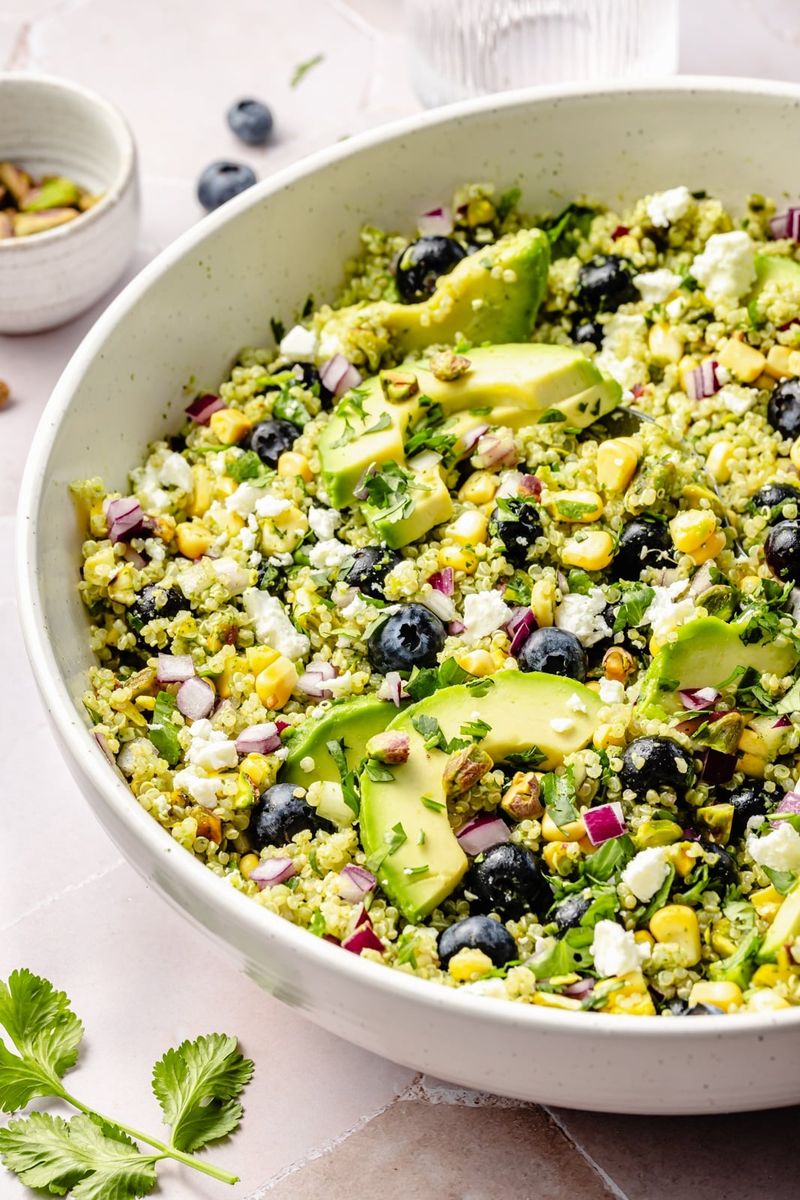
Avocado is creamy, rich, and loaded with healthy monounsaturated fats that help you feel full and satisfied. Adding half an avocado to a vegetable bowl instantly gives it a luxurious, restaurant-quality feel.
Beyond its texture, avocado acts as a natural flavor carrier, making spices and herbs taste even more vibrant. Mash it into a dressing, slice it on top, or blend it into a sauce.
It works especially well with anything spicy or citrusy.
6. Tofu
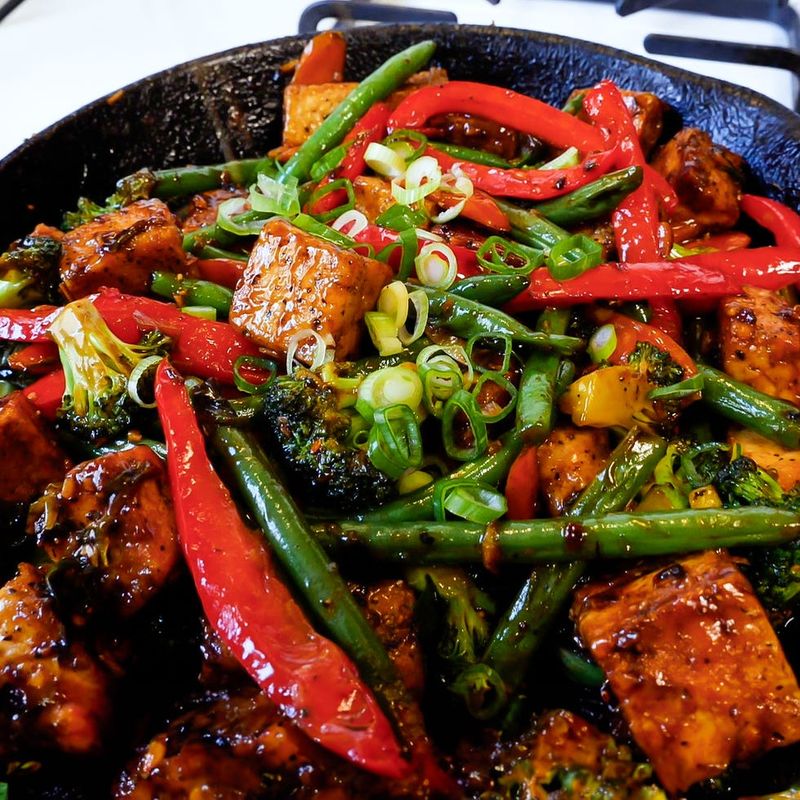
Tofu gets a bad reputation for being bland, but that is usually because it has not been prepared correctly. When pressed, marinated, and pan-fried until crispy, it becomes one of the most satisfying additions to any vegetable dish.
It soaks up sauces and seasonings like a sponge, taking on whatever flavor profile you choose. High in protein and low in calories, tofu turns a light veggie stir-fry into a genuinely filling and nutritionally balanced meal.
7. Nuts and Seeds
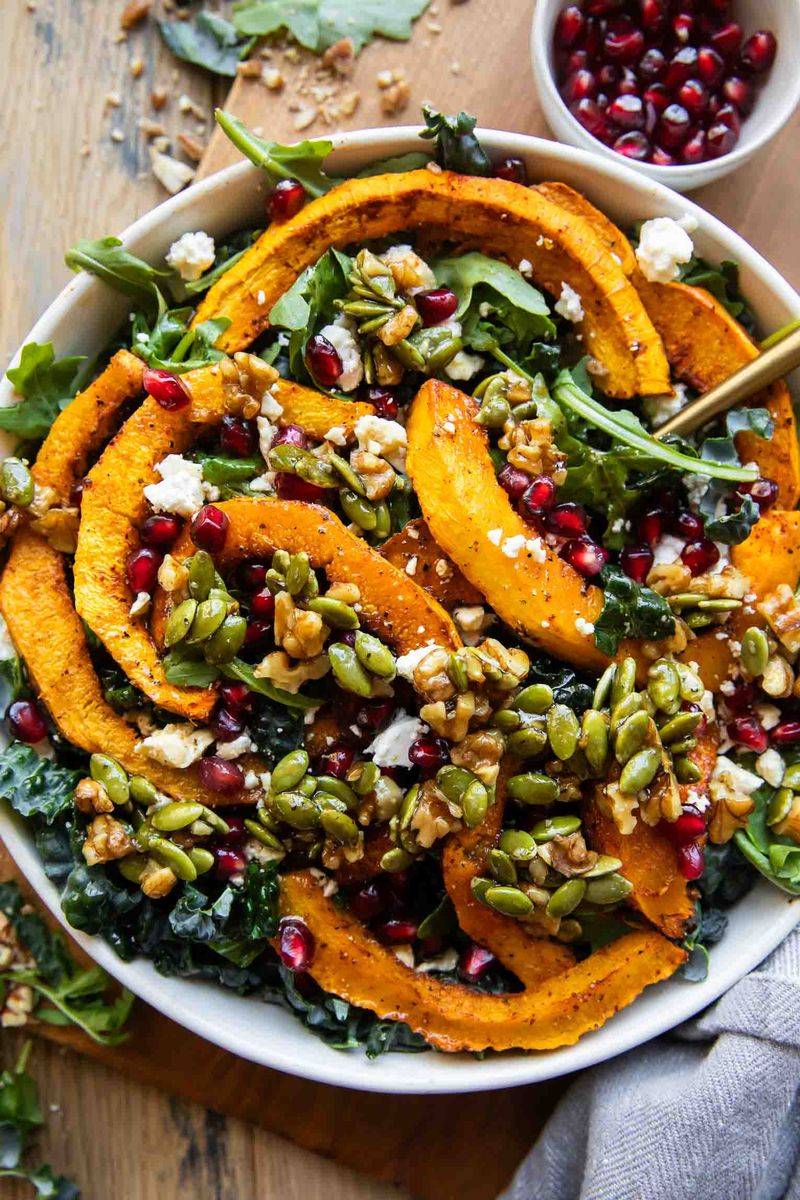
Sprinkling toasted nuts or seeds over a vegetable dish adds crunch, healthy fats, and a satisfying richness that transforms an otherwise light meal. Almonds, walnuts, pumpkin seeds, and sunflower seeds are all excellent choices.
The combination of fat and protein in nuts slows digestion, keeping you fuller for longer. Toasting them briefly in a dry pan brings out their natural oils and deepens their flavor significantly.
Even a small handful makes a noticeable difference in how filling a dish feels.
8. Eggs
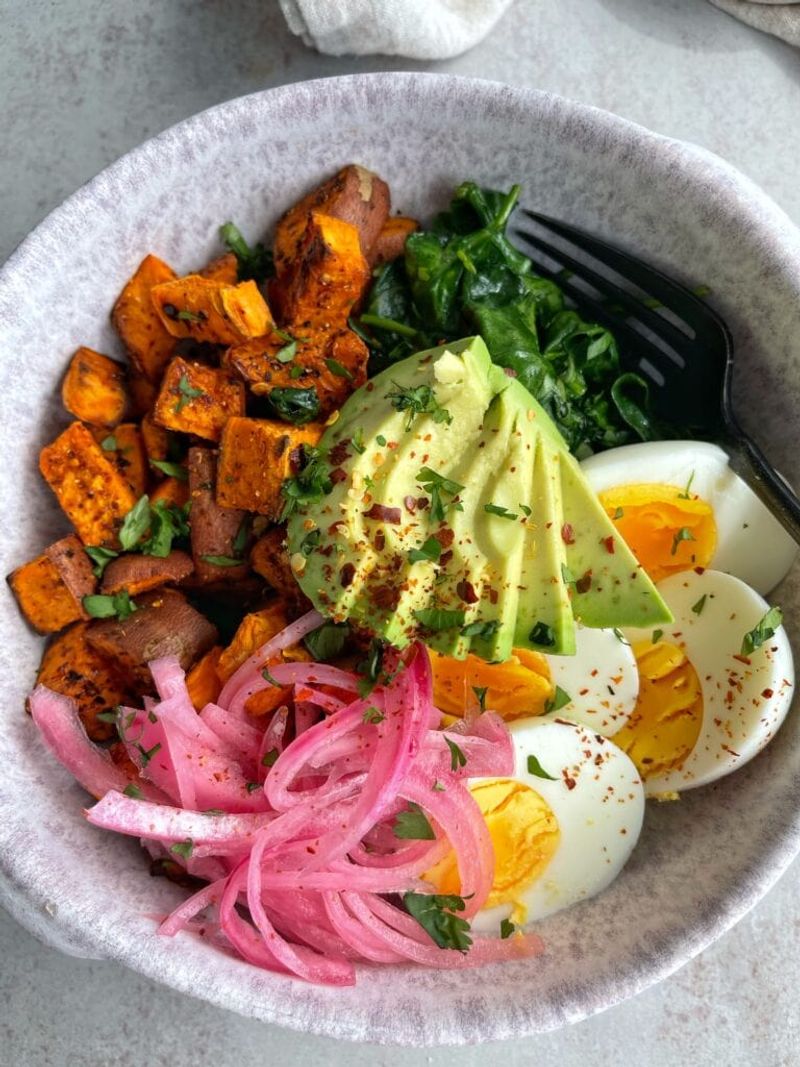
An egg on top of vegetables is one of the oldest and most satisfying combinations in cooking. The creamy yolk acts almost like a sauce, coating the vegetables and adding richness to every bite.
Eggs are also one of the most complete sources of protein available, making them a smart addition when you want a vegetable dish to feel more substantial. Fried, poached, or soft-boiled, any style works beautifully on top of a warm veggie base.
9. Miso Paste
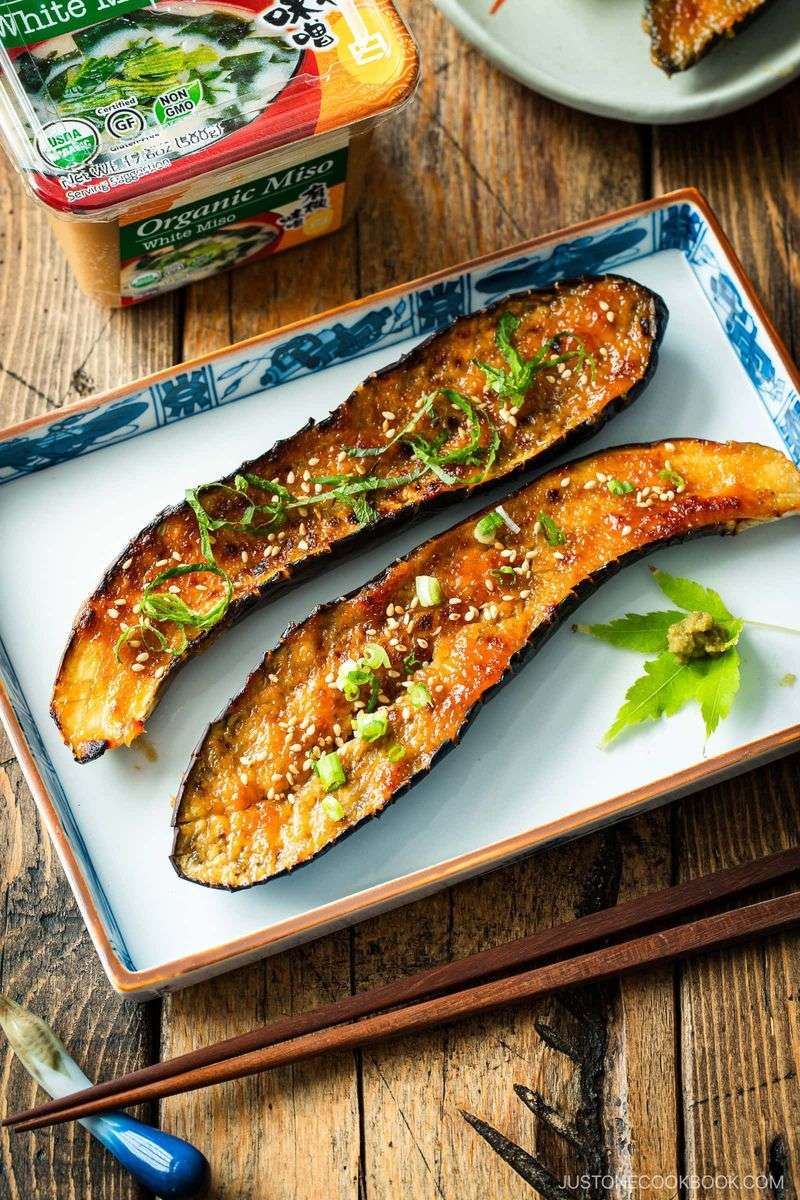
Miso paste is a fermented soybean ingredient that adds an intense savory depth known as umami. Just a tablespoon stirred into a sauce, soup, or glaze can make vegetables taste deeply satisfying and full of flavor.
Beyond taste, miso also contains probiotics that support gut health. It pairs especially well with roasted eggplant, mushrooms, and sweet potatoes.
Because it is already salty, you often need fewer additional seasonings, making meal prep faster and more flavorful at the same time.
10. Quinoa
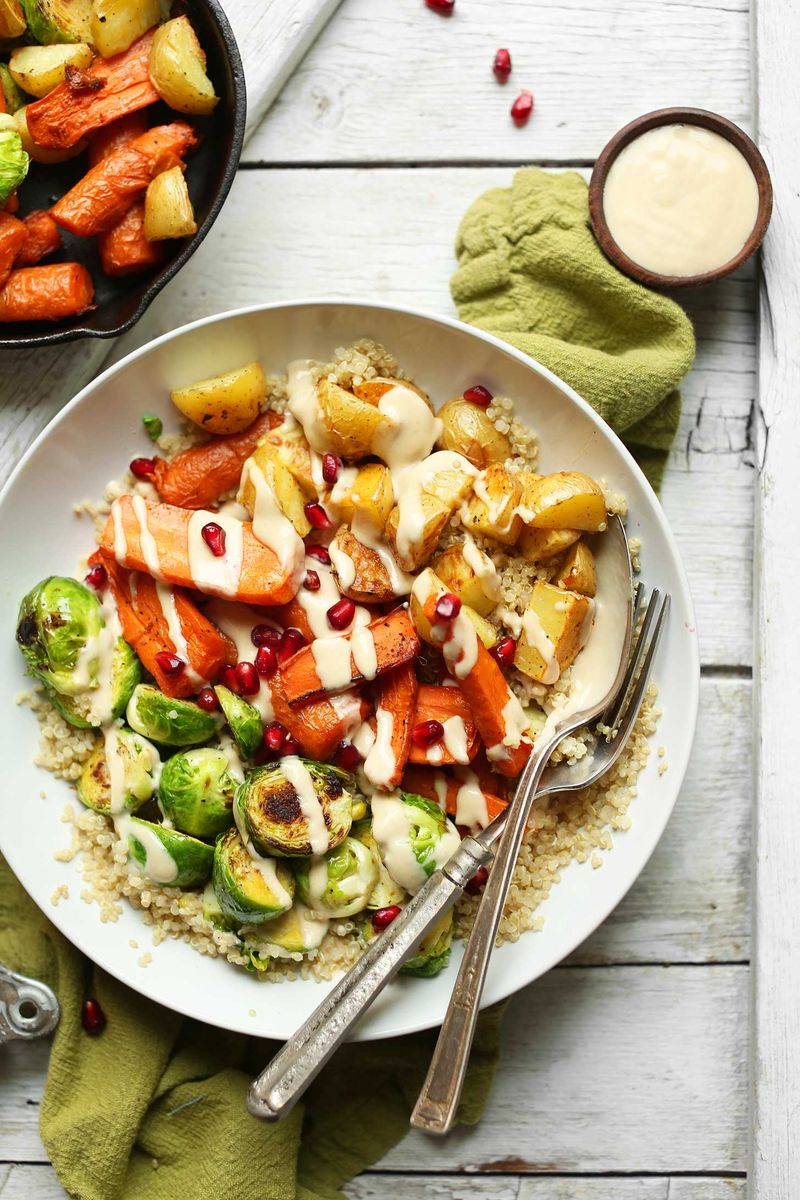
Quinoa is technically a seed, but it cooks and eats like a grain, making it a fantastic base for vegetable dishes that need more substance. Unlike most plant foods, quinoa contains all nine essential amino acids, making it a complete protein.
Its slightly chewy texture adds a satisfying bite that contrasts nicely with soft roasted vegetables. Cook it in vegetable broth instead of water for an extra layer of flavor that makes the whole dish taste more intentional and hearty.
11. Coconut Milk

Coconut milk turns ordinary vegetables into something that feels luxurious and deeply comforting. Its natural creaminess adds body to soups, curries, and stews without needing any dairy at all.
The fat content in coconut milk helps slow down digestion, which means you stay satisfied longer after eating. It pairs especially well with bold spices like turmeric, ginger, and cumin.
A simple vegetable curry made with coconut milk can feel just as hearty and warming as any meat-based dish.
12. Smoked Paprika
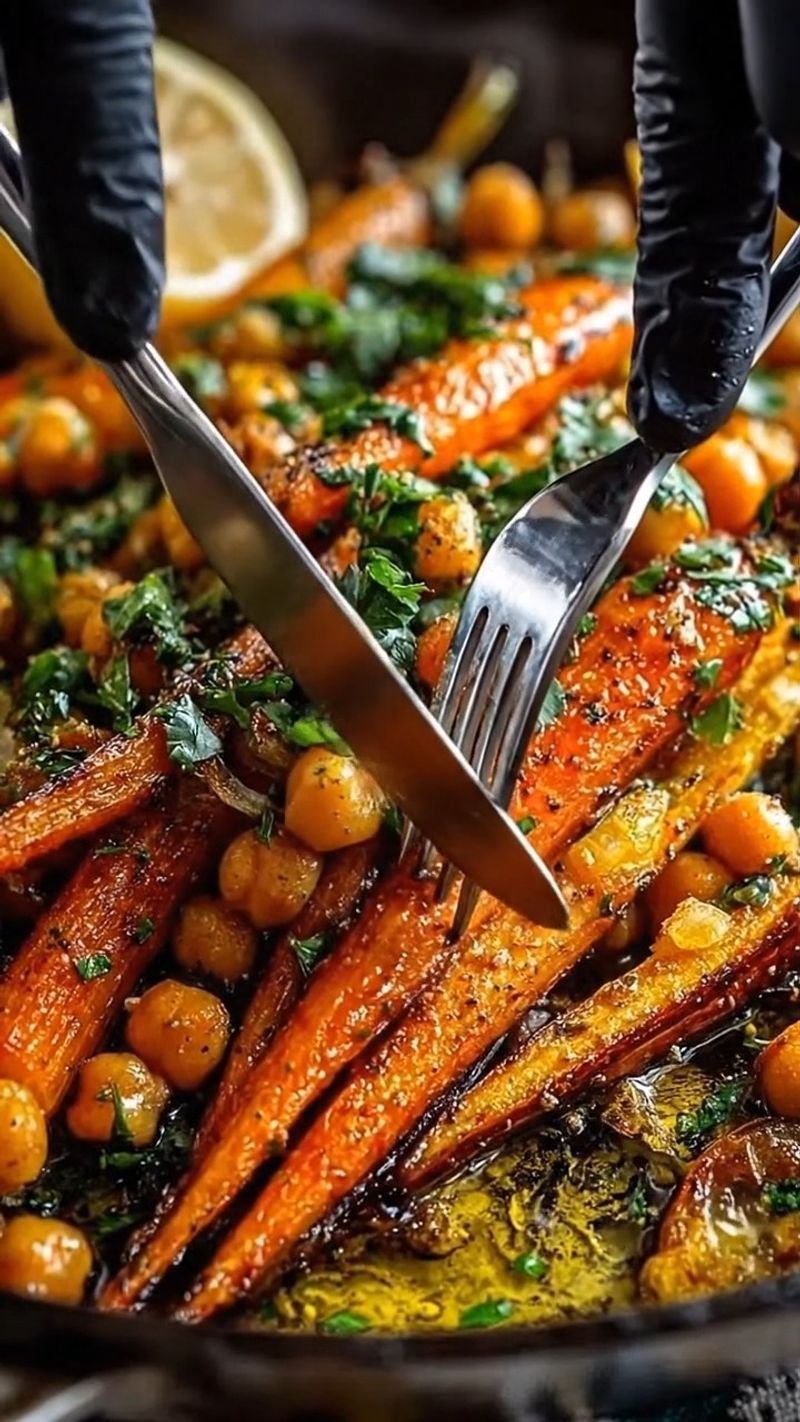
Smoked paprika might be the most underrated spice in the kitchen. It adds a warm, smoky depth to vegetables that tricks your brain into feeling like something more substantial is on your plate.
Roasted cauliflower, potatoes, and chickpeas all taste dramatically better with a generous dusting of smoked paprika before they go into the oven. The smokiness mimics the satisfying quality of grilled or charred foods, making plant-based dishes feel bolder and more filling without adding any extra calories.
13. Olive Oil
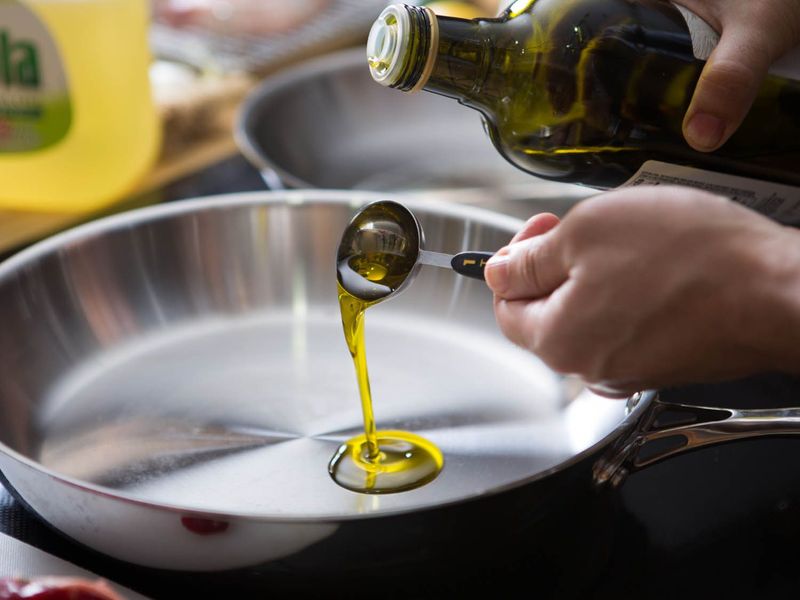
Good olive oil does more than just prevent vegetables from sticking to the pan. It carries fat-soluble nutrients from the vegetables into your body and adds a rich, fruity flavor that makes dishes feel complete.
Drizzling high-quality extra-virgin olive oil over finished vegetables, rather than just cooking with it, preserves its complex flavor and health benefits. Fat also signals fullness to your brain, so a modest drizzle of olive oil can make a light vegetable dish genuinely satisfying.
14. Nutritional Yeast
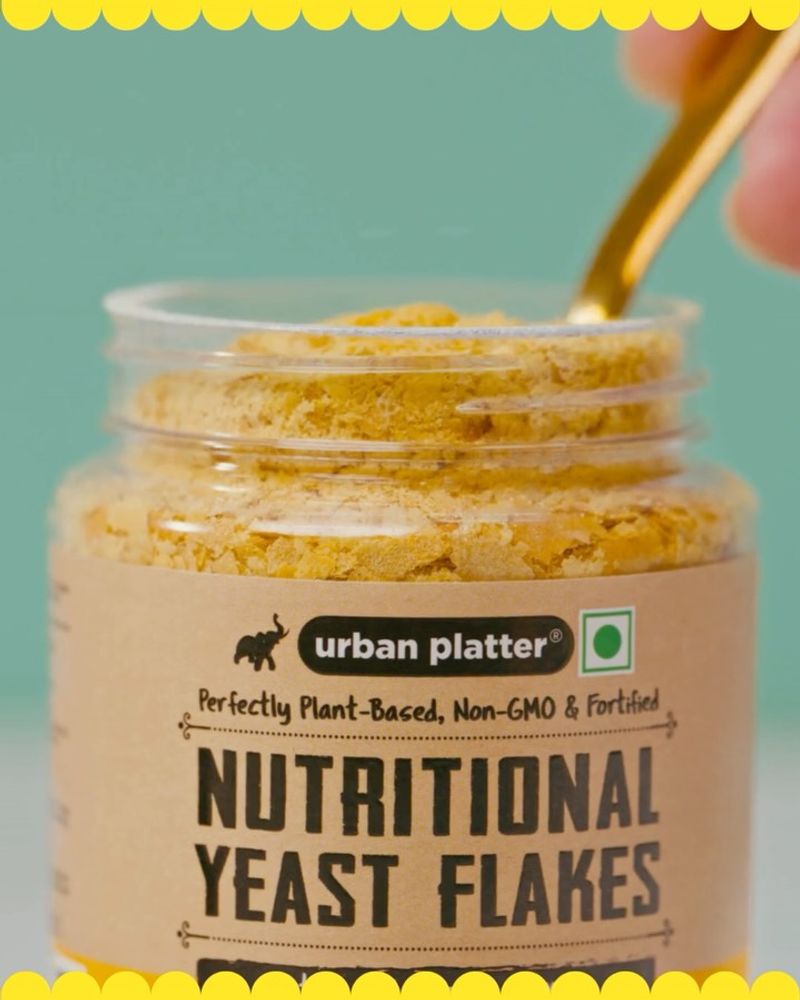
Nutritional yeast is a game-changer for anyone trying to make vegetable dishes taste richer and more satisfying without using dairy. It has a cheesy, nutty flavor that works as a topping on almost any cooked vegetable.
Beyond flavor, it is packed with B vitamins and protein, making it a genuinely nutritious addition. Sprinkle it on roasted veggies, stir it into sauces, or mix it into mashed cauliflower.
It is especially popular among plant-based eaters for good reason.
15. Butter Beans
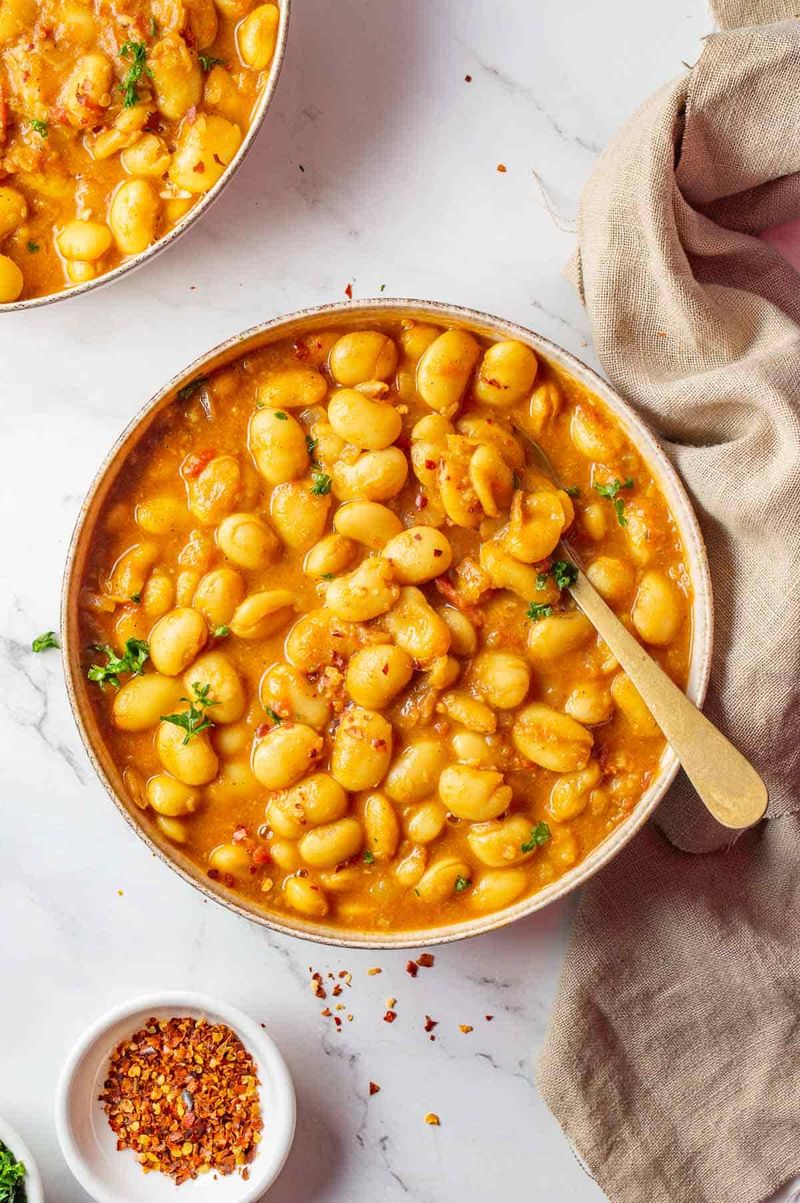
Butter beans have a wonderfully creamy, velvety texture that makes them feel almost indulgent when added to vegetable dishes. They are large, soft, and filling in a way that smaller beans simply cannot match.
Stir them into leafy green sautes, mash them into a rough spread beneath roasted vegetables, or add them to a tomato-based sauce. They absorb surrounding flavors beautifully and provide a solid dose of fiber and plant protein that keeps hunger away for hours.
16. Cashew Cream
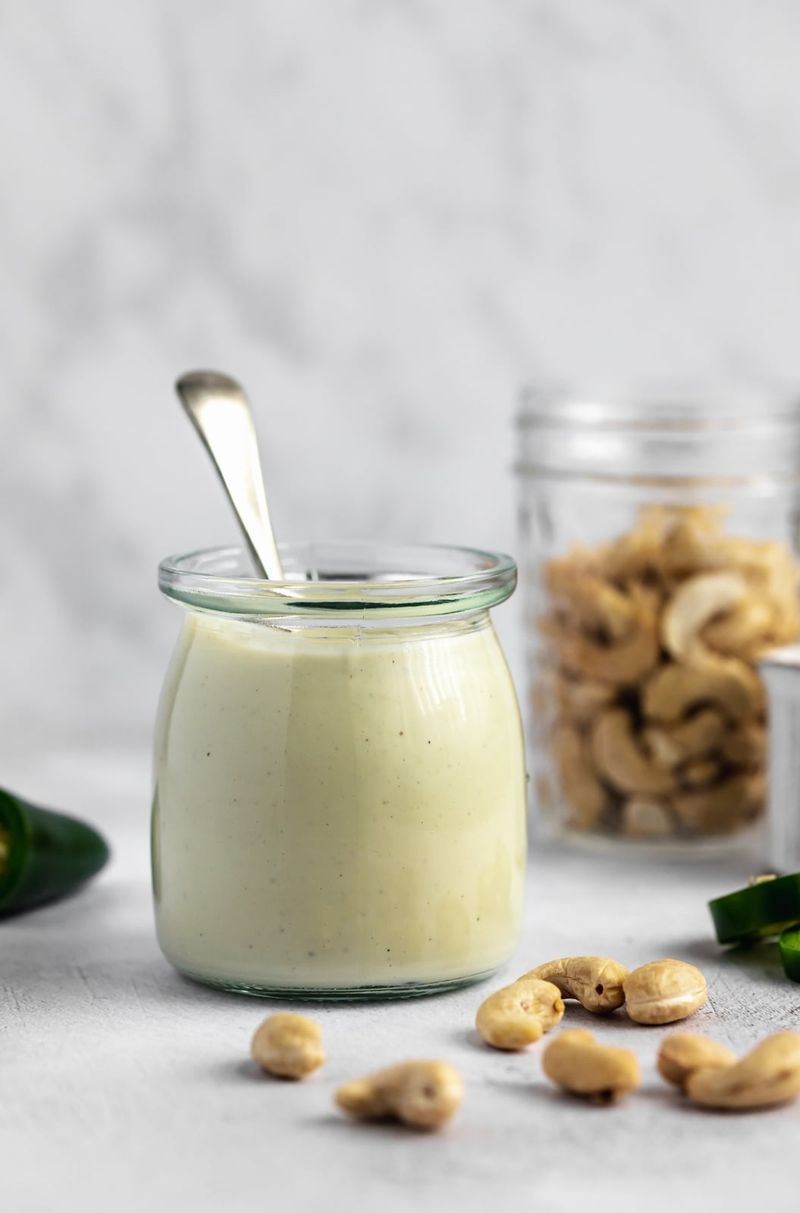
Cashew cream is made by blending soaked raw cashews with water until silky smooth, and the result is one of the most versatile dairy-free additions you can make. It brings a rich, neutral creaminess to vegetable dishes that feels genuinely indulgent.
Use it as a sauce base, stir it into soups, or drizzle it over roasted vegetables. Because cashews are high in healthy fats and have a mild flavor, they complement rather than overpower the natural taste of whatever vegetable you are cooking.
17. Soy Sauce or Tamari
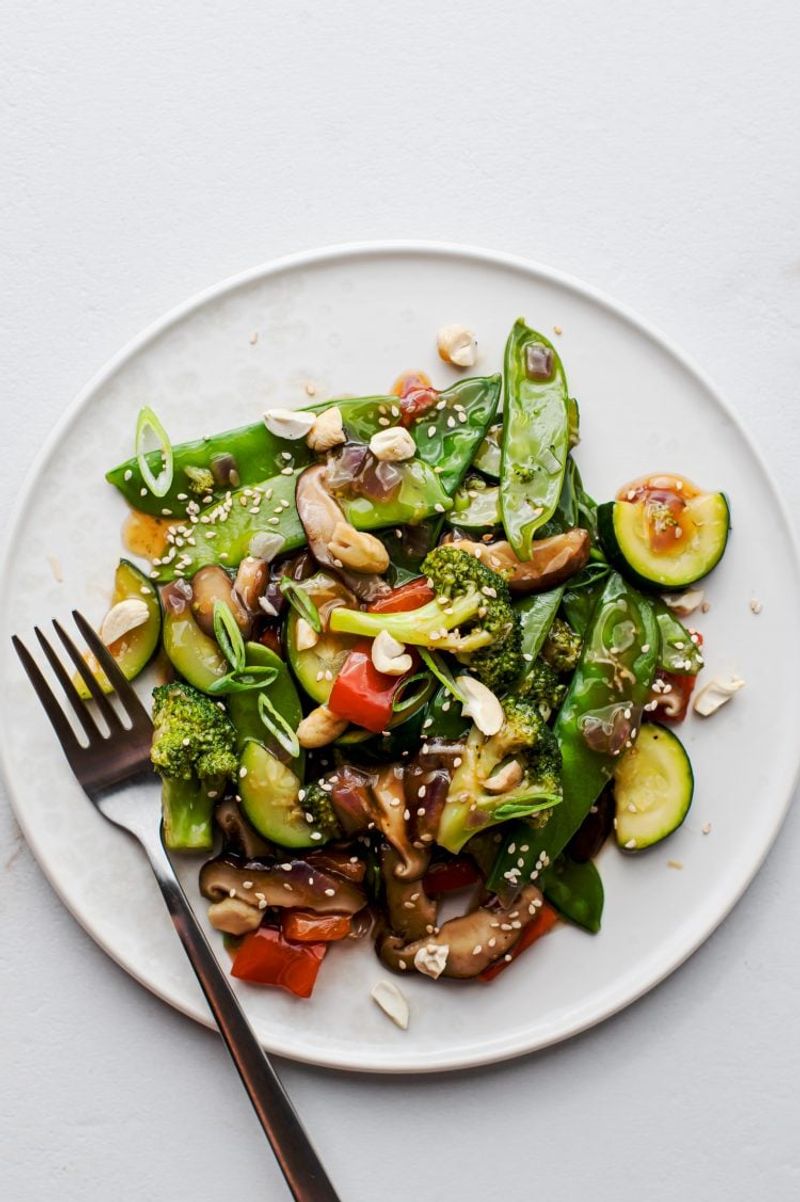
Soy sauce is one of the easiest ways to add instant depth and savory satisfaction to vegetable dishes. Just a splash during cooking can transform plain steamed broccoli or sauteed mushrooms into something crave-worthy.
Tamari is a gluten-free alternative with a slightly richer, smoother flavor. Both versions are high in umami, which is the savory taste that makes food feel more substantial and satisfying.
A small amount goes a long way, so start with a teaspoon and adjust from there.
18. Roasted Garlic
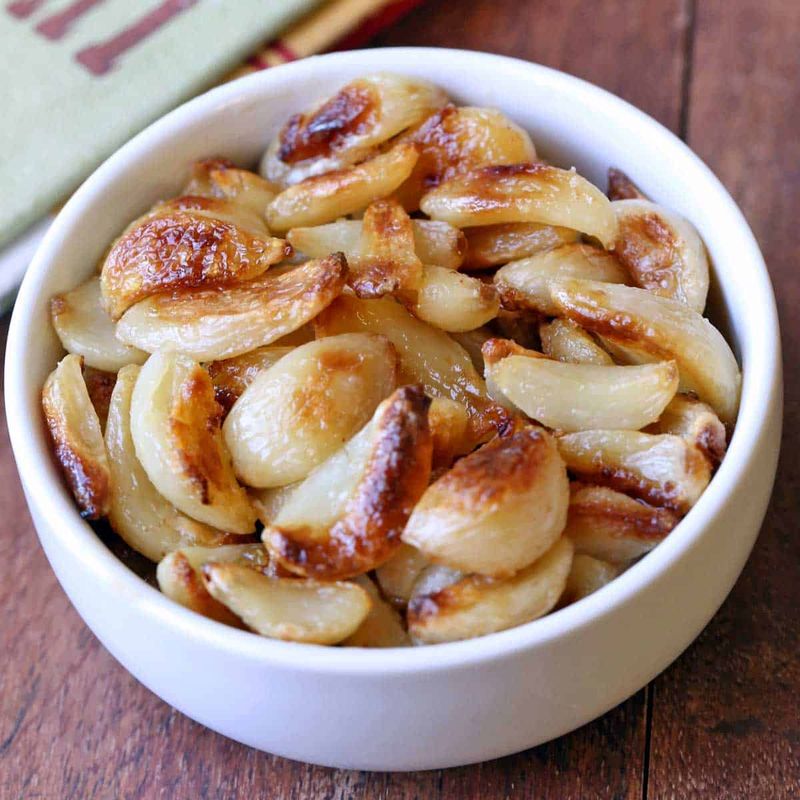
Raw garlic is sharp and pungent, but roasting it completely transforms its personality. Roasted garlic becomes sweet, buttery, and mellow, with a spreadable texture that adds incredible richness to any vegetable dish.
Squeeze the soft cloves into mashed vegetables, stir them into sauces, or spread them directly on roasted veggies before serving. The caramelized sugars in roasted garlic add a depth of flavor that makes simple vegetable dishes taste slow-cooked and deeply satisfying, even when they are not.