
Before the hit songs and sold-out shows, many music legends were playing school dances, small clubs, and neighborhood halls. Some even started in styles far from the sound that made them famous.
Their early bands reveal how they learned, took chances, and found their voices. You might know every word of their biggest hits, but these first chapters could still surprise you.
1. Elton John Found His Groove in Bluesology
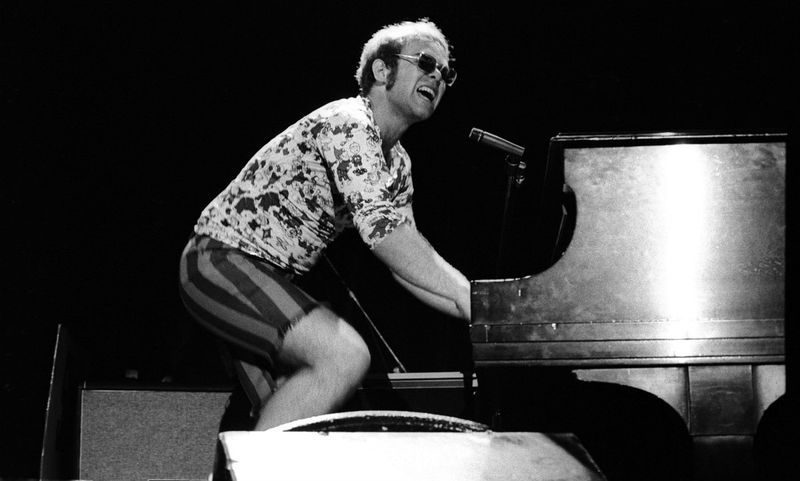
Long before the sparkling suits, a young keyboard player named Reginald Dwight was learning how to support other singers. He joined Bluesology in the early 1960s, playing rhythm and blues rather than the grand pop songs fans later loved.
The group backed visiting American soul performers in Britain, giving him valuable stage experience. Look for Bluesology recordings to hear his musical roots, and remember that even a future superstar once worked outside the main spotlight.
2. David Bowie Tested the Waters With the Konrads
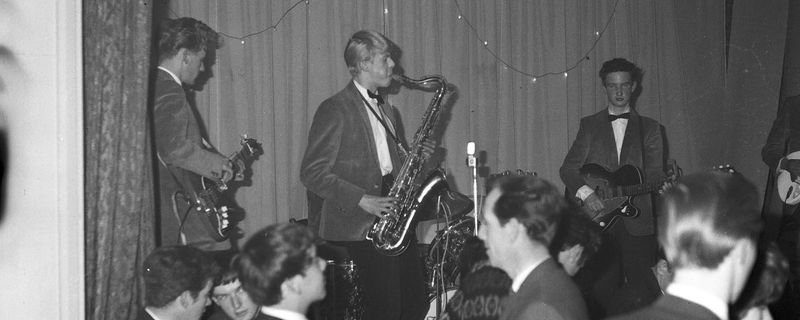
A teenage David Jones had not yet dreamed up Ziggy Stardust when he joined the Konrads in 1962. Only fifteen, the future David Bowie played saxophone and performed with a group built around familiar rock and roll songs.
Youth events and weddings were a long way from his later theatrical concerts. Still, those ordinary bookings offered practice with real audiences.
Early photographs provide a charming reminder that his bold stage identity developed gradually over time.
3. Madonna Kept the Beat in Breakfast Club
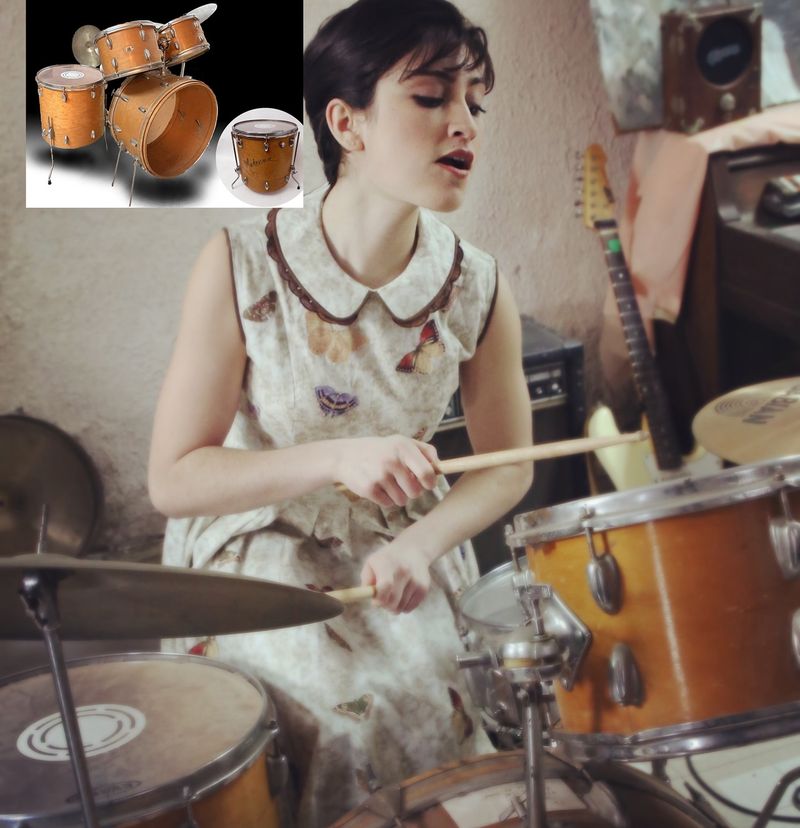
Picture Madonna behind a drum kit instead of leading a dance routine. During her early New York years, she played drums and sang in Breakfast Club, a band connected to the city’s lively new wave scene.
Her time there came before the group’s later chart success without her. She also pursued another early project, Emmy.
Exploring these beginnings shows how hands-on band experience helped shape a performer often remembered mainly for reinvention, choreography, and image.
4. Freddie Mercury Played Schoolboy Rock With the Hectics
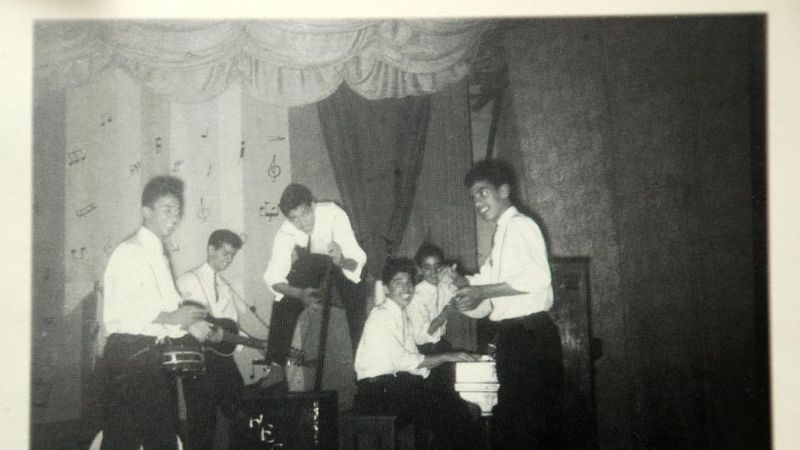
School concerts offered Freddie Mercury an early stage long before Queen filled stadiums. Known then as Farrokh Bulsara, he played piano in the Hectics while attending boarding school in Panchgani, India, during the late 1950s.
The boys performed popular rock and roll covers, drawing on the music reaching young listeners at the time. His keyboard role is especially revealing: beneath the famous voice and dramatic poses stood a musician whose piano skills developed very early.
5. Mike D’s Punk Roots Began With Young Aborigines
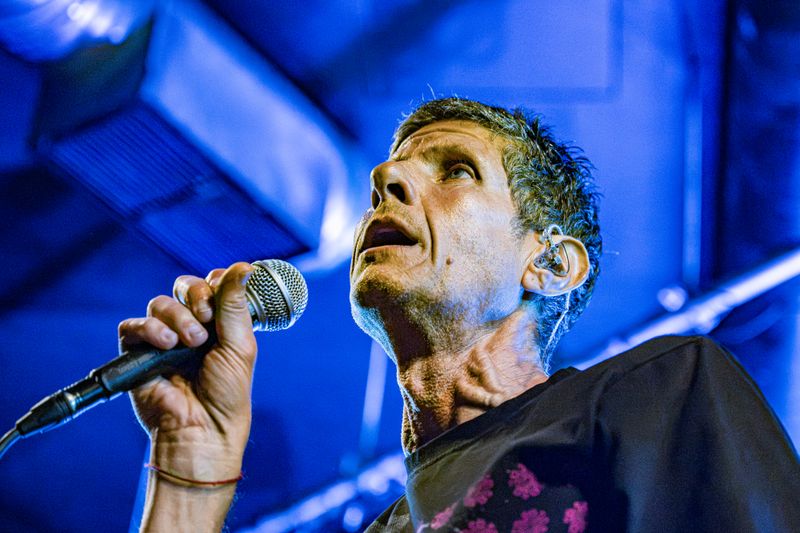
Forget polished rap videos for a moment: Mike D’s musical story began amid New York’s scrappy punk energy. Before the Beastie Boys, Michael Diamond played in Young Aborigines alongside musicians including Kate Schellenbach and Jeremy Shatan.
Changes in membership helped lead toward the Beastie Boys, whose earliest sound was hardcore punk rather than hip-hop. Following that trail makes their later genre mixing feel less surprising.
Curiosity, noise, and a willingness to change were present from the beginning.
6. Missy Elliott Built Her Sound With Sista
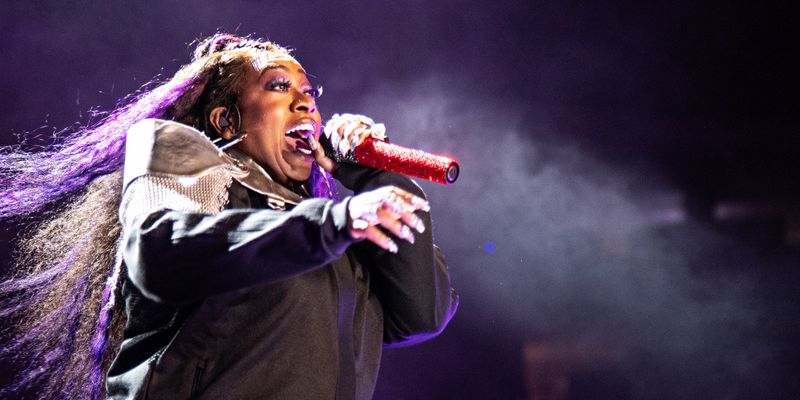
Teamwork helped launch one of hip-hop’s most original minds. Before her solo breakthrough, Missy Elliott performed with Sista, an R&B vocal group whose early work also connected her with producer Timbaland.
Their album, 4 All the Sistas Around da World, was recorded for a planned 1994 release, but label troubles limited its arrival. Seek out the group’s surviving music for a glimpse of Elliott developing melodies, vocal arrangements, and creative partnerships before her groundbreaking solo success.
7. Nate Ruess Sharpened His Pop Instincts in the Format
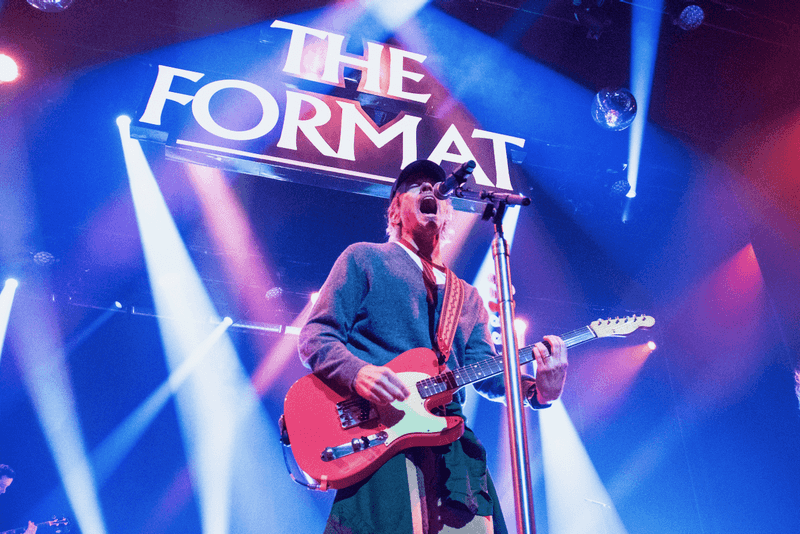
Big choruses were already part of Nate Ruess’s toolkit before fun. reached mainstream radio. In 2001, he formed the Format with Sam Means in Arizona, pairing an expressive voice with bright, inventive pop songwriting.
The band released two studio albums, including Dog Problems, and earned devoted listeners without becoming a household name. Start with that album if you enjoy rich arrangements.
You can hear ideas that connect naturally with the dramatic songs Ruess later brought to fun.
8. Debbie Harry Took a Folk Detour With the Wind in the Willows
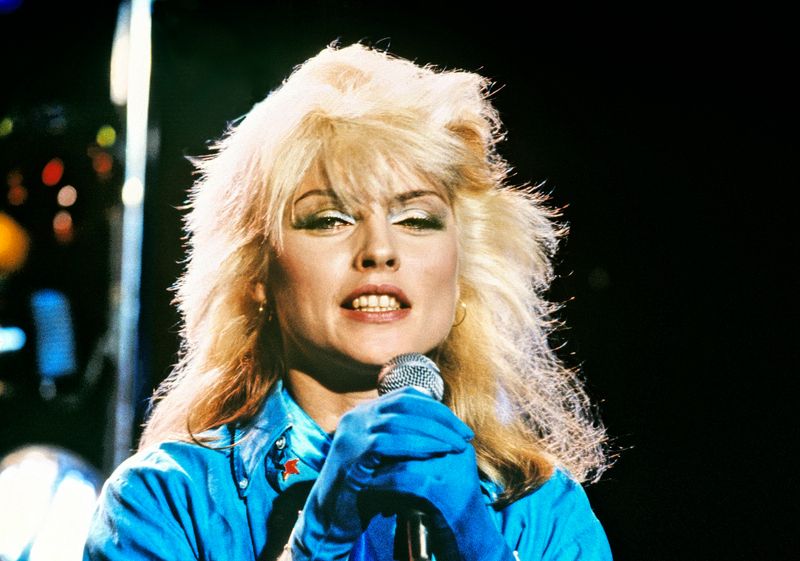
Flower power came before downtown cool in Debbie Harry’s recording career. During the late 1960s, she sang with the Wind in the Willows, a group whose folk and psychedelic touches sound far removed from Blondie’s sharp new wave hits.
Their self-titled album appeared in 1968, offering an unexpected chapter for curious fans. Listen for her contributions within the ensemble rather than expecting a Blondie preview.
The contrast shows how widely a singer’s path can wander before fame.
9. Three Future Beatles Crossed Paths in the Quarrymen
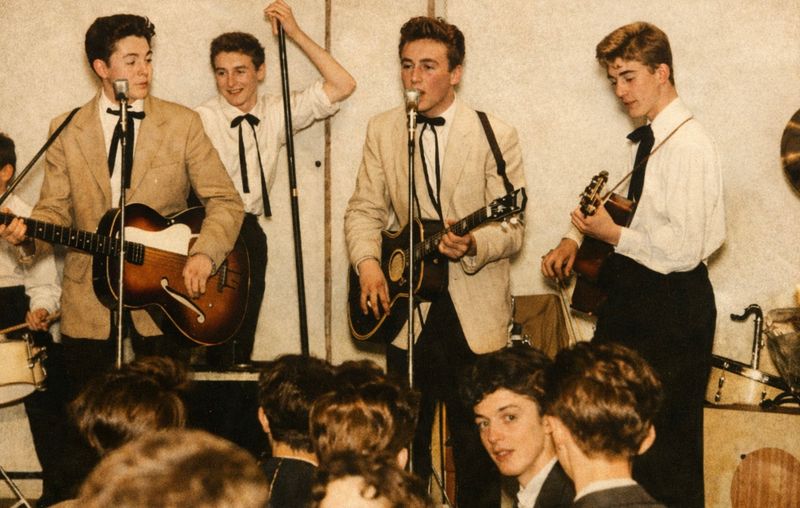
A homemade musical craze helped set the Beatles’ story in motion. John Lennon started the Quarrymen as a skiffle group, mixing simple instruments with songs rooted in folk, blues, and American popular music.
Paul McCartney joined after meeting Lennon in 1957, and George Harrison followed in 1958. Those connections mattered more than the group’s modest equipment.
Explore the Quarrymen’s history to understand how friendship, shared records, and local performances gradually laid the groundwork for the Beatles.
10. Simon and Garfunkel First Answered to Tom and Jerry
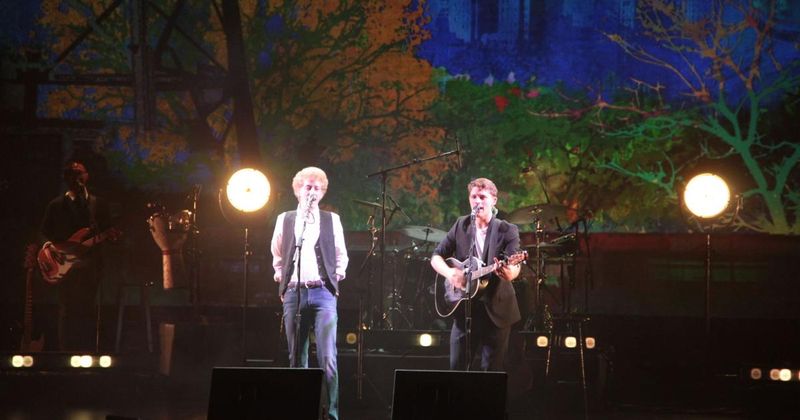
Two teenagers from Queens tasted chart success before their own names became famous. Performing as Tom and Jerry, Paul Simon and Art Garfunkel released Hey Schoolgirl in 1957, leaning into the close harmonies popular on radio.
The record even brought them to American Bandstand. Their later work would tackle deeper subjects, but the vocal connection was already there.
Play the early single beside a familiar Simon and Garfunkel song to hear both the change and continuity.
11. Peter Frampton Became a Teen Favorite in the Herd
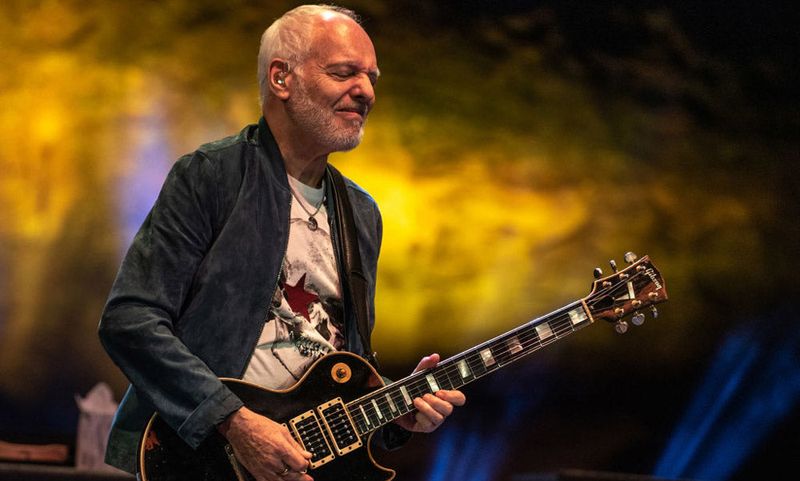
Teen idol attention found Peter Frampton well before his famous live album. As a young guitarist and singer in the Herd, he helped deliver British pop hits such as From the Underworld during the late 1960s.
Magazine attention sometimes focused more on his looks than his playing, which frustrated his musical ambitions. He later joined Humble Pie before building a solo career.
The Herd’s singles reveal an earlier setting for the guitarist behind those celebrated concert recordings.
12. Bruce Springsteen Turned Up the Volume in Steel Mill
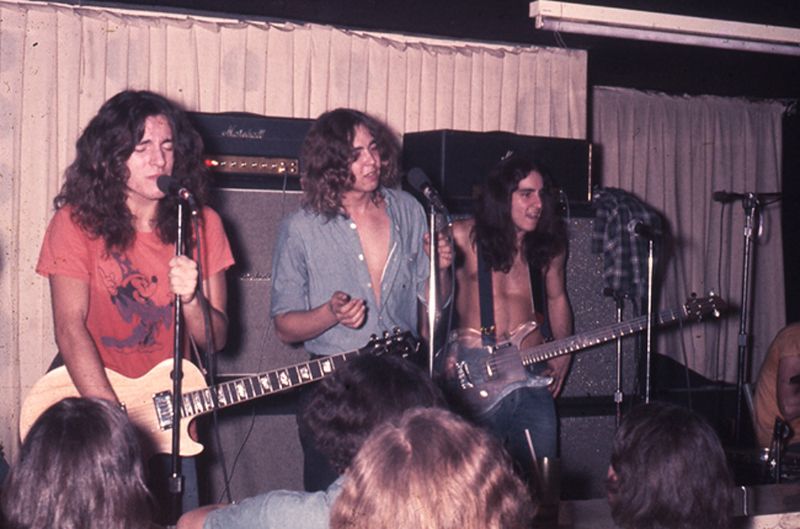
Cranked amplifiers, long jams, and fierce guitar playing marked Bruce Springsteen’s Steel Mill years. Active from 1969 to 1971, the band showcased a heavier side of the future songwriter than casual listeners might expect.
Its lineup included musicians who later became part of his wider musical circle, including Danny Federici and Vini Lopez. No studio album arrived during the band’s original run.
Surviving live recordings offer the clearest window into Springsteen’s growing confidence as a performer.
13. Steven Tyler Worked Both Drums and Vocals in Chain Reaction
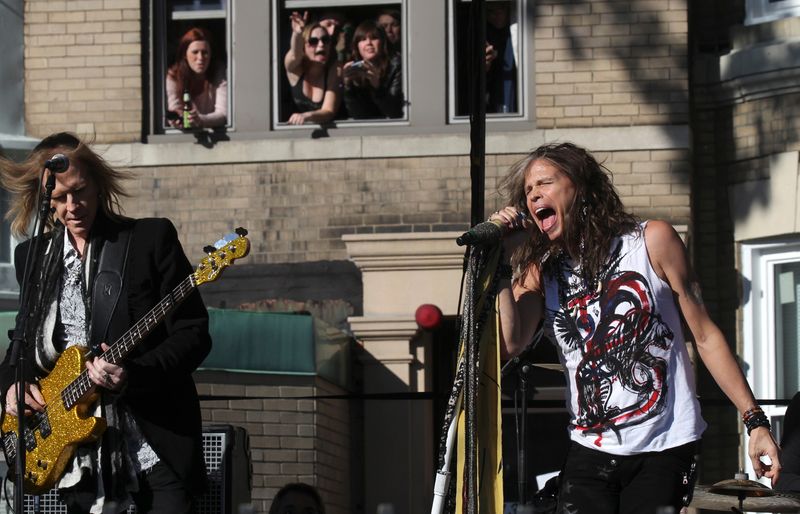
The microphone was not Steven Tyler’s only early tool. Before Aerosmith, he played drums and sang in a band first called the Strangeurs, which later became Chain Reaction during the 1960s.
The group recorded singles and worked the regional performance circuit, giving him experience beyond a rehearsal room. Hearing those tracks can reset your picture of his beginnings.
Aerosmith’s wild frontman emerged from years of keeping time, learning songs, and discovering how to command an audience.
14. Brian May and Roger Taylor Laid Queen’s Foundations in Smile
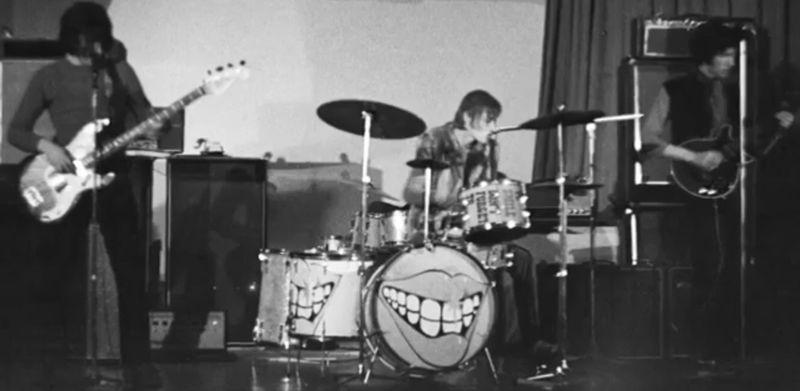
Queen’s musical chemistry had an earlier testing ground. Guitarist Brian May and drummer Roger Taylor played with singer and bassist Tim Staffell in Smile, a London band formed in 1968.
Freddie Mercury knew the group and admired its members. After Staffell left, Mercury teamed up with May and Taylor, and Queen took shape.
Smile recordings reward close listening: the guitar textures and lively drumming hint at a partnership that would soon reach much bigger stages worldwide.
15. Bon Scott Shared the Spotlight in the Valentines
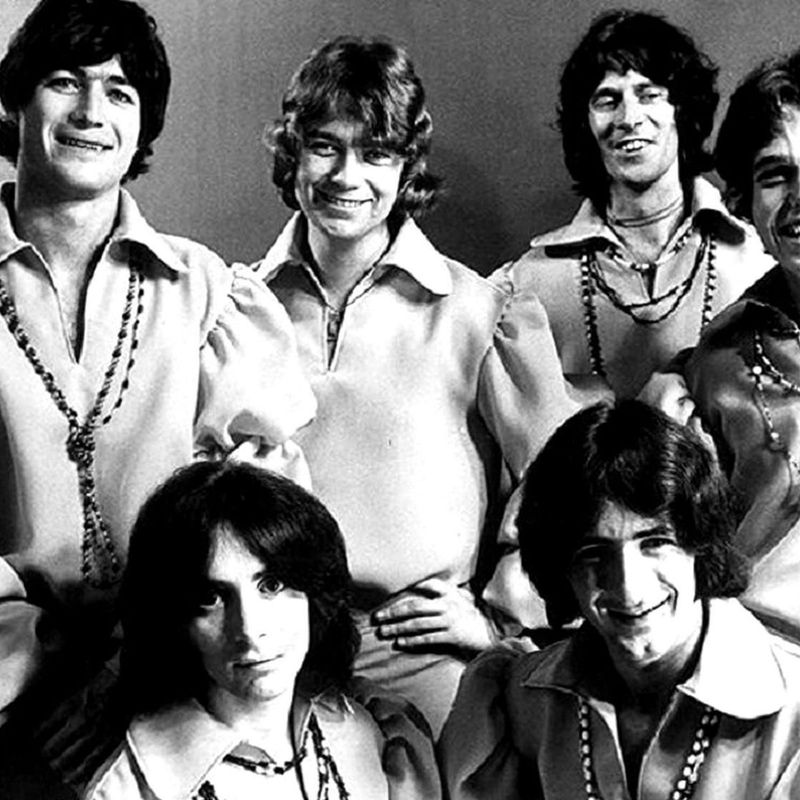
Matching outfits and bright pop songs might not fit your image of Bon Scott. Yet before AC/DC, he shared lead singing duties with Vince Lovegrove in the Valentines, an Australian group active during the late 1960s.
The band earned regional hits and blended pop appeal with rock influences. Try hearing their recordings without expecting heavy riffs.
Scott’s earlier role reveals a flexible performer who learned to entertain crowds long before his rough voice became a hard-rock signature.
16. Billy Joel Powered the Hassles From the Keyboard
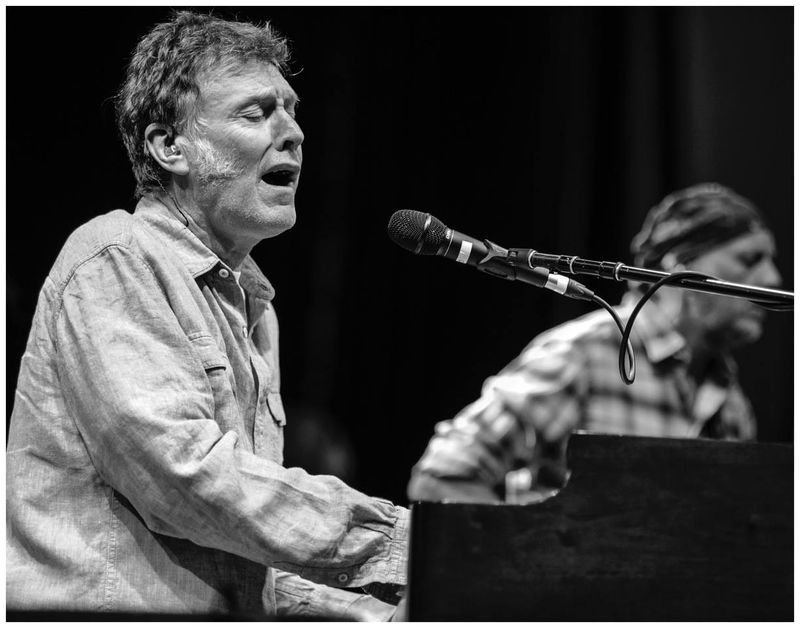
Long Island clubs heard Billy Joel before the world knew Piano Man. In the late 1960s, he played keyboards with the Hassles, a band mixing soul, rhythm and blues, and rock.
They released two albums on United Artists, giving him early experience with professional recording. His next project, Attila, took a much heavier turn.
Sampling the Hassles first helps trace that winding route, showing how his keyboard work developed before storytelling songs became his calling card.
17. Eddie Vedder Brought Funk Energy to Bad Radio
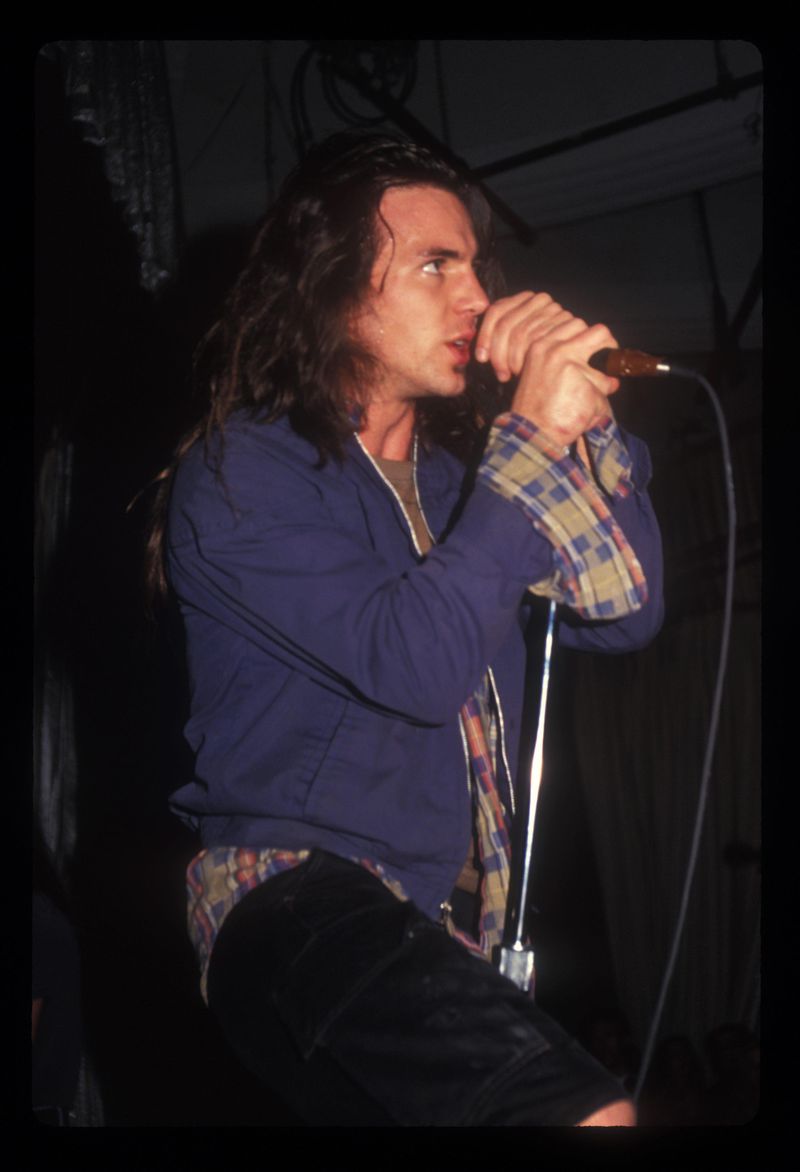
San Diego, not Seattle, provided an early proving ground for Eddie Vedder. As the singer in Bad Radio during the late 1980s, he helped steer the group’s sound toward funk rock.
One especially interesting link is Better Man, which he performed before Pearl Jam later recorded it. Early footage lets fans hear a familiar voice in a different setting.
The lesson for curious listeners is simple: a famous song’s history can begin years before its breakthrough.
18. Ronnie James Dio Started Far From Metal in the Vegas Kings
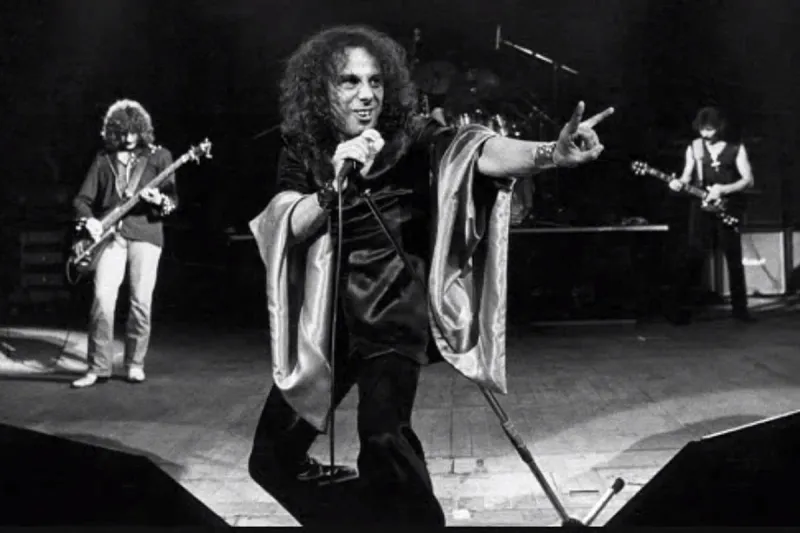
Trumpet lessons came long before dragons and heavy metal for Ronnie James Dio. Born Ronald Padavona, he began his band journey with the Vegas Kings in 1957, playing bass and drawing on his musical training.
He soon moved toward lead vocals as the act changed names and direction. Those early rock and roll roots may surprise fans of Rainbow, Black Sabbath, and Dio.
They also show that his commanding voice grew through decades of practice and performance.