
Marvel’s heroes would not be nearly as exciting without enemies who push them to their limits. From armored rulers to hungry space gods, each decade has brought new kinds of trouble.
These picks span the 1960s through the 2020s, grouped by when they first appeared or made a major impact. Some changed one hero’s life, while others put whole worlds at risk.
1. Doctor Doom: The 1960s Master of Pride

Behind that metal mask stands a man who believes he should rule everyone. Introduced in Fantastic Four #5 in 1962, Victor Von Doom combines brilliant science, powerful magic, and a dangerously wounded sense of pride.
His kingdom, Latveria, gives him resources most villains can only dream about. Start with his early Fantastic Four battles to see why his greatest weakness is rarely his armor.
It is his refusal to accept that anyone might surpass him.
2. Magneto: The 1960s Voice of Mutant Anger
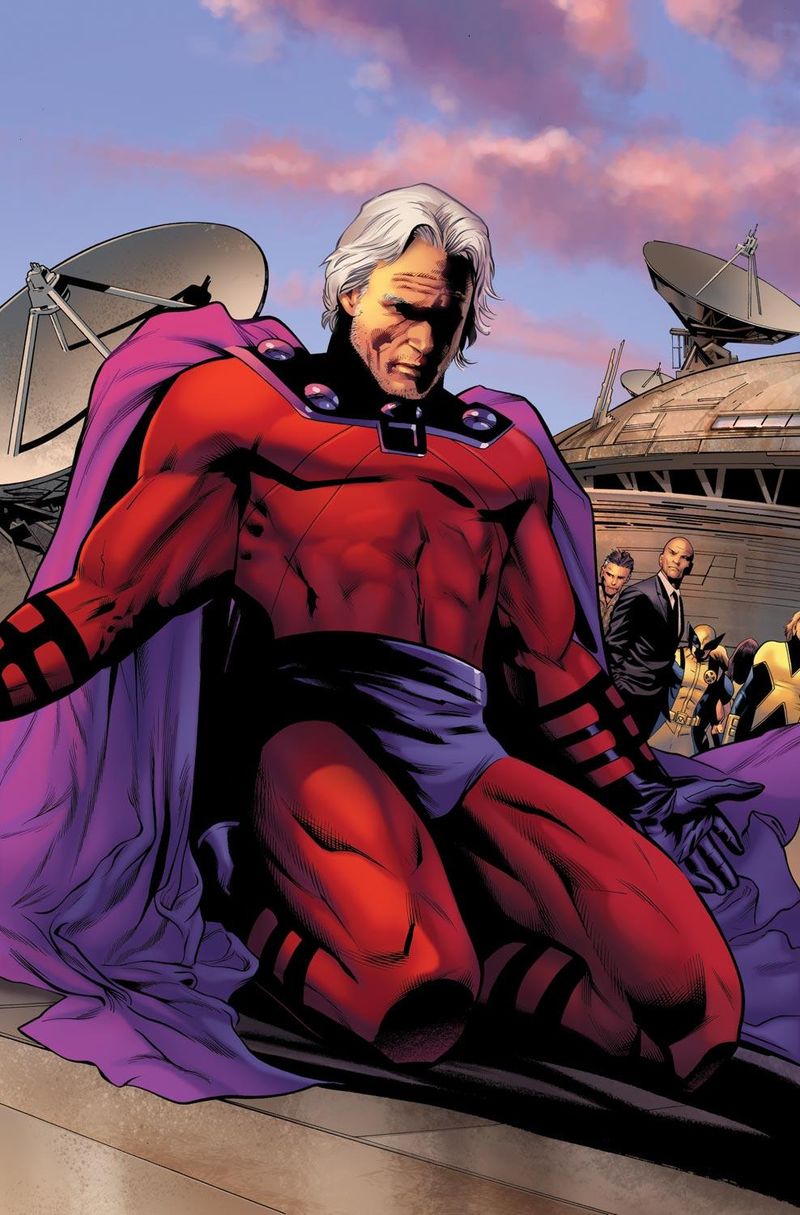
Fear can turn a protector into a threat. When the X-Men debuted in 1963, their first major enemy was a mutant who could control magnetism and believed humans would never accept his people.
His history as a Holocaust survivor later gave that fear deeper meaning. The strongest Magneto stories ask readers to understand his pain without excusing his violence.
Watch his arguments with Professor Xavier: their competing answers to hatred make their rivalry especially powerful.
3. Green Goblin: The 1960s Nightmare Next Door
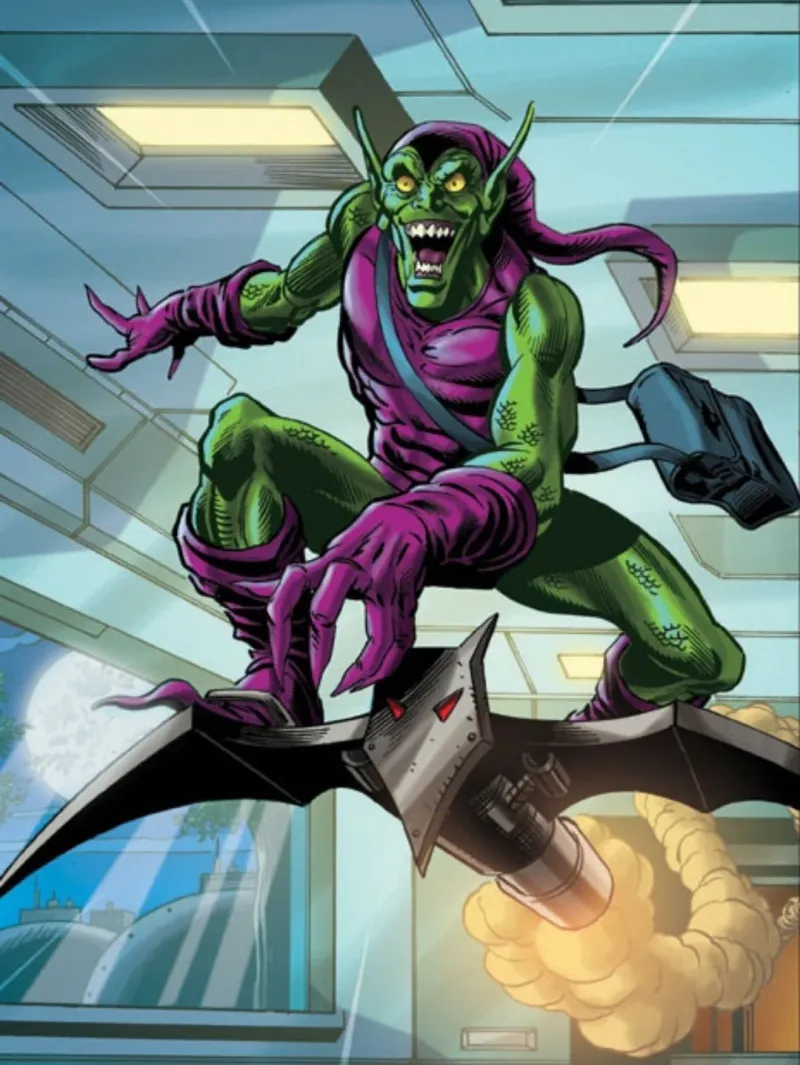
A flying glider and pumpkin bombs might sound silly until Norman Osborn enters Peter Parker’s private life. First appearing in The Amazing Spider-Man #14 in 1964, the Goblin turned a colorful costume into something deeply frightening.
His connection to Peter’s friend Harry makes every clash personal. Later stories, especially Gwen Stacy’s death, proved that Spider-Man could lose more than a fight.
For readers, he represents the nightmare of danger reaching the people you love most.
4. Thanos: The 1970s Cosmic Obsession
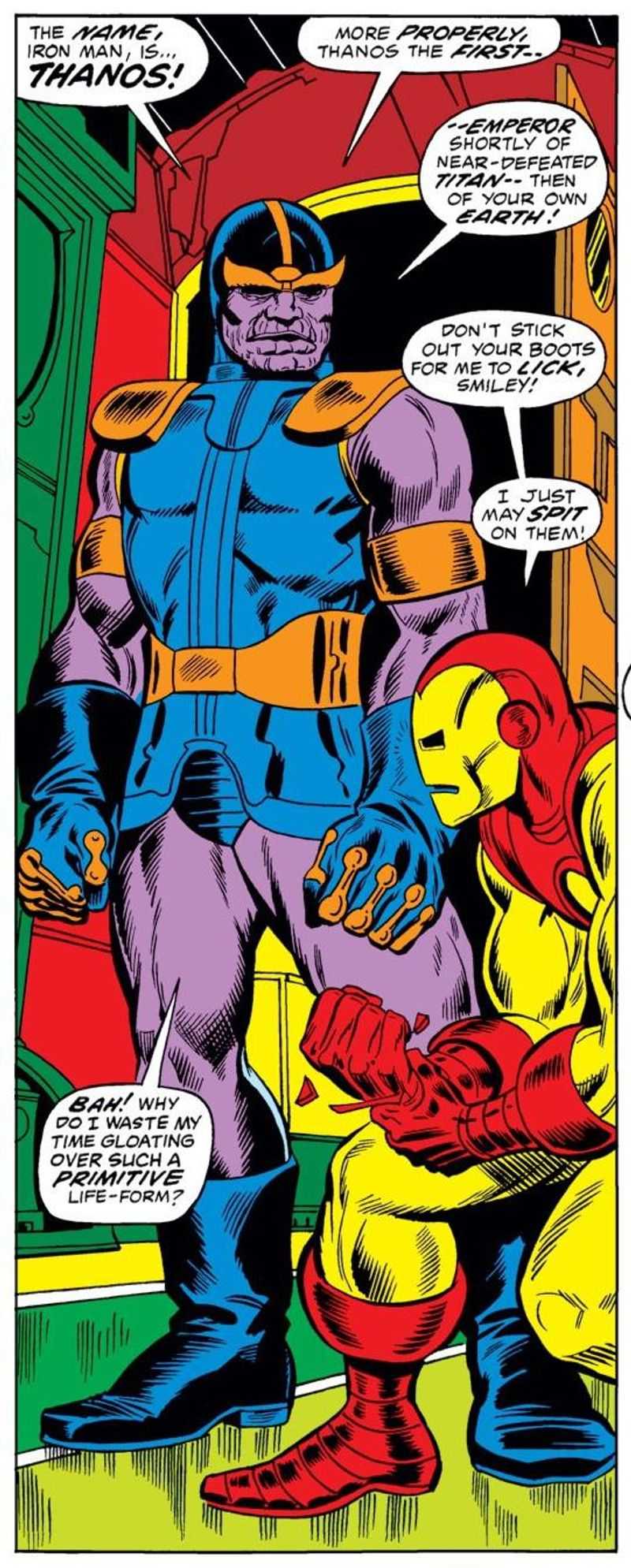
Some enemies want a city. This one reaches for the universe.
Debuting in Iron Man #55 in 1973, the purple Titan brought cold planning and an obsession with Death into Marvel’s growing cosmic adventures.
His biggest victories came later, including The Infinity Gauntlet, but the foundations belong to the seventies. Unlike his movie counterpart, his classic comic motivations often center on impressing Death herself.
That difference makes reading the original stories a surprisingly fresh experience.
5. Bullseye: The 1970s Deadly Show-Off
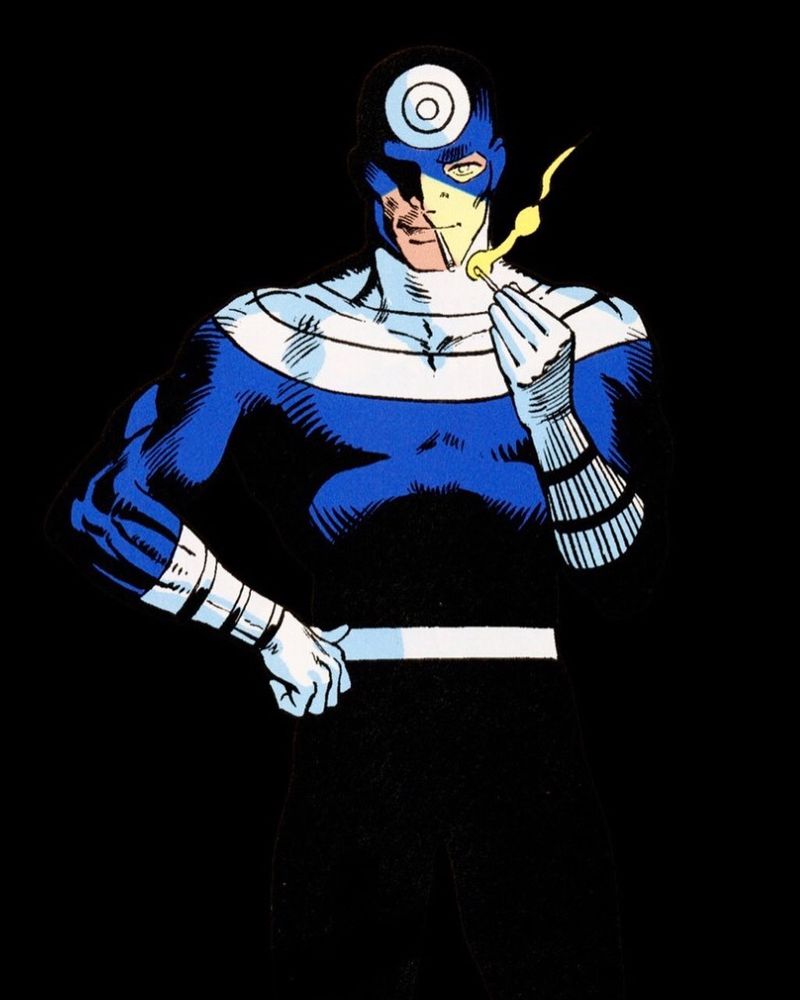
Even a paper clip becomes frightening in the wrong hands. Introduced in Daredevil #131 in 1976, this expert killer can turn ordinary objects into deadly weapons, making almost any setting feel unsafe.
There is no grand plan to improve the world behind his attacks. He enjoys proving how dangerous he is.
His later murder of Elektra made him central to Daredevil’s darkest stories. Notice how his careless cruelty contrasts with Matt Murdock’s struggle over responsibility.
6. Apocalypse: The 1980s Survival Test
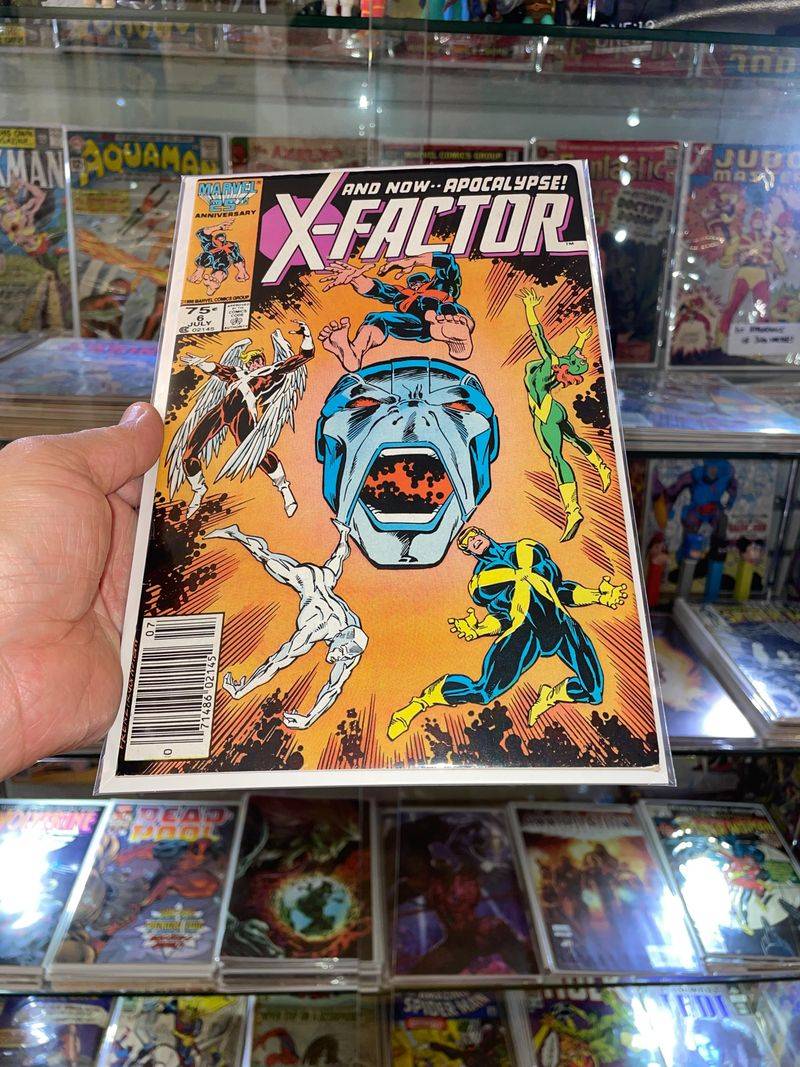
Only the strongest deserve to survive, according to this ancient mutant. Making his full debut in X-Factor #6 in 1986, En Sabah Nur brought a harsh philosophy and a towering presence to mutant comics.
He does not simply defeat enemies; he reshapes people into servants called Horsemen. Angel’s transformation into Archangel shows the human cost of that control.
Read those stories to understand why his threat reaches beyond strength and into the fear of losing yourself.
7. Venom: The 1980s Grudge With Teeth
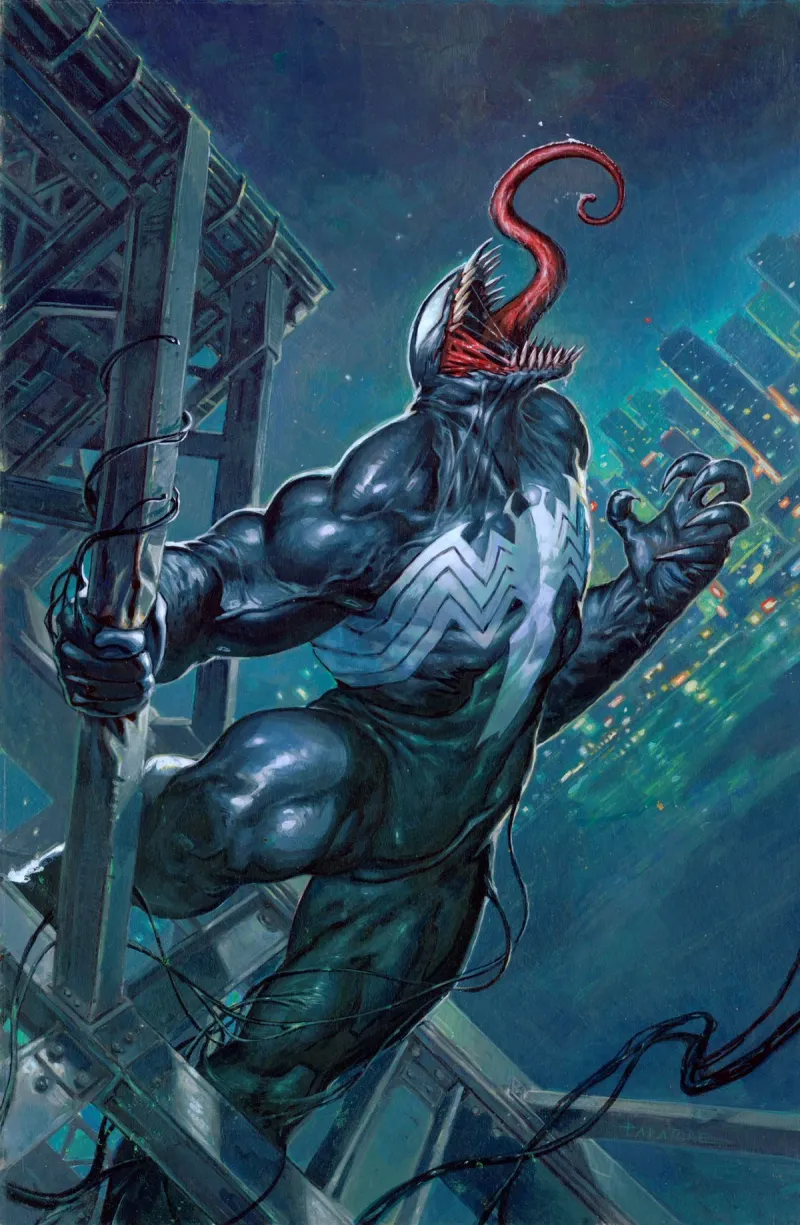
Imagine an enemy who knows your secrets and slips past your warning system. Eddie Brock’s full appearance as Venom in The Amazing Spider-Man #300 in 1988 gave Peter Parker exactly that problem.
The alien suit already knew Spider-Man, while Brock blamed Peter for his ruined career. Together, they became a personal grudge with teeth.
Later adventures pushed Venom toward antihero territory, but those early battles work best as tense reminders that rejection can turn dangerously bitter.
8. Carnage: The 1990s Chaos Unleashed
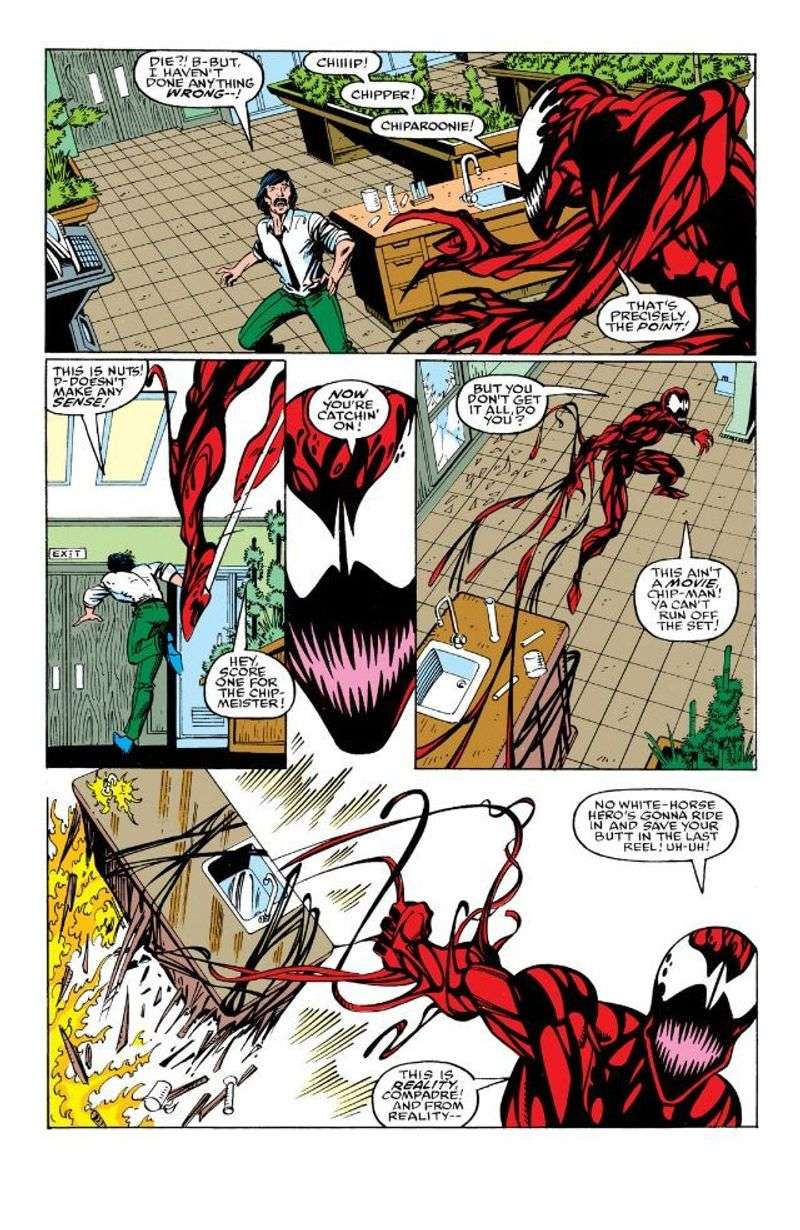
Red tendrils, sharp blades, and almost no restraint announced a nastier kind of symbiote. Cletus Kasady became Carnage in The Amazing Spider-Man #361 in 1992, combining a killer’s cruelty with an alien creature’s powers.
Where Venom sometimes follows a rough moral code, Kasady celebrates destruction. Maximum Carnage captures the loud, crowded energy of nineties crossover comics.
Expect intense violence rather than gentle adventure, and watch how Spider-Man struggles to stop him without abandoning his own values.
9. Onslaught: The 1990s Betrayal of Trust
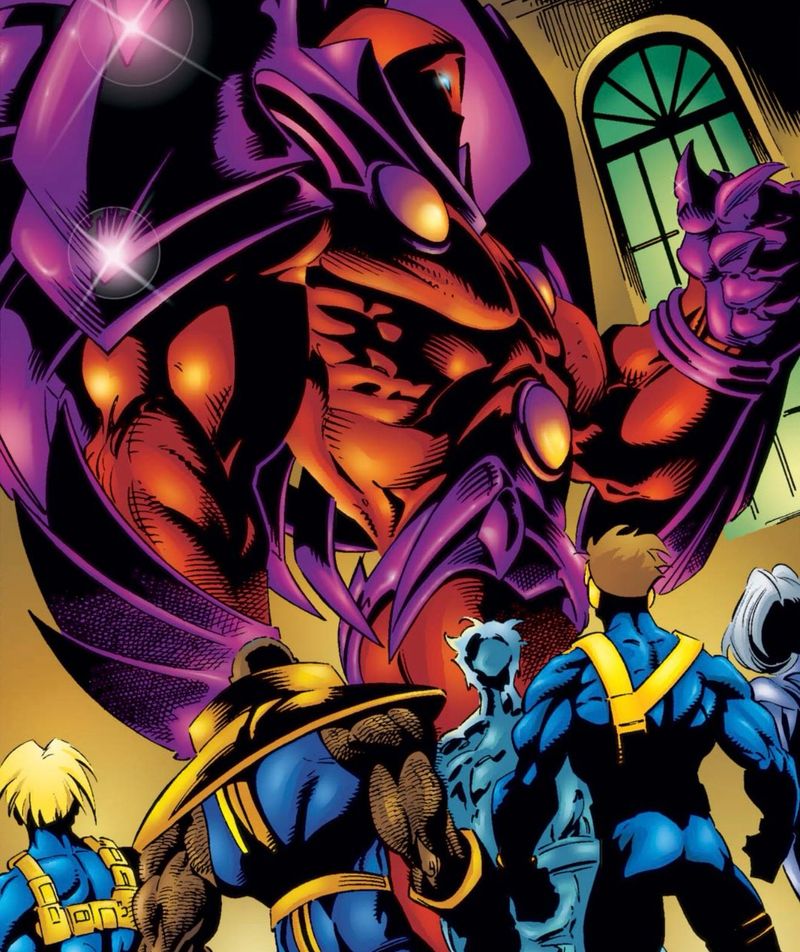
The safest mind in the room became the source of disaster. Revealed in 1996, this psychic being grew from the darkest parts of Professor Xavier and Magneto after Xavier invaded his old enemy’s mind.
That origin made the threat feel like a failure of trust, not merely another attack. The resulting crossover pulled in the X-Men, Avengers, and Fantastic Four.
Read it as a snapshot of nineties storytelling, when huge consequences and shocking transformations drove events.
10. The Hood: The 2000s Criminal Climber
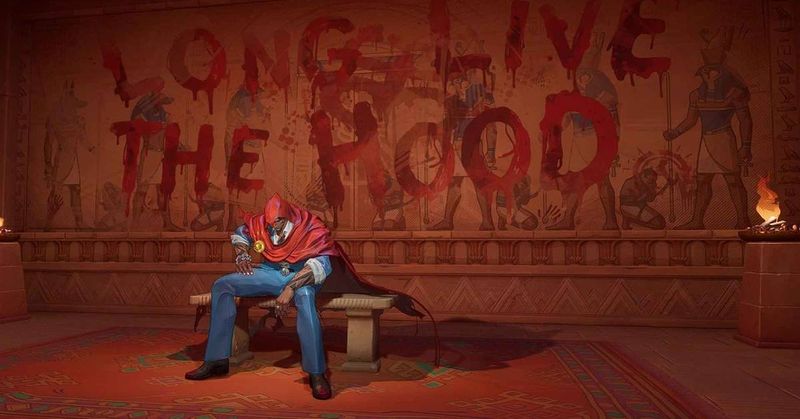
A stolen cloak gave a small criminal a shortcut to bigger trouble. Parker Robbins debuted in The Hood #1 in 2002, gaining supernatural abilities that helped him climb through New York’s dangerous criminal world.
His appeal lies in ambition rather than royal blood or cosmic destiny. He wants money, status, and control, even when darker forces shape his choices.
Follow his later Avengers appearances to see how organized crime becomes more threatening when magic joins the business.
11. The Void: The 2000s Shadow of Power
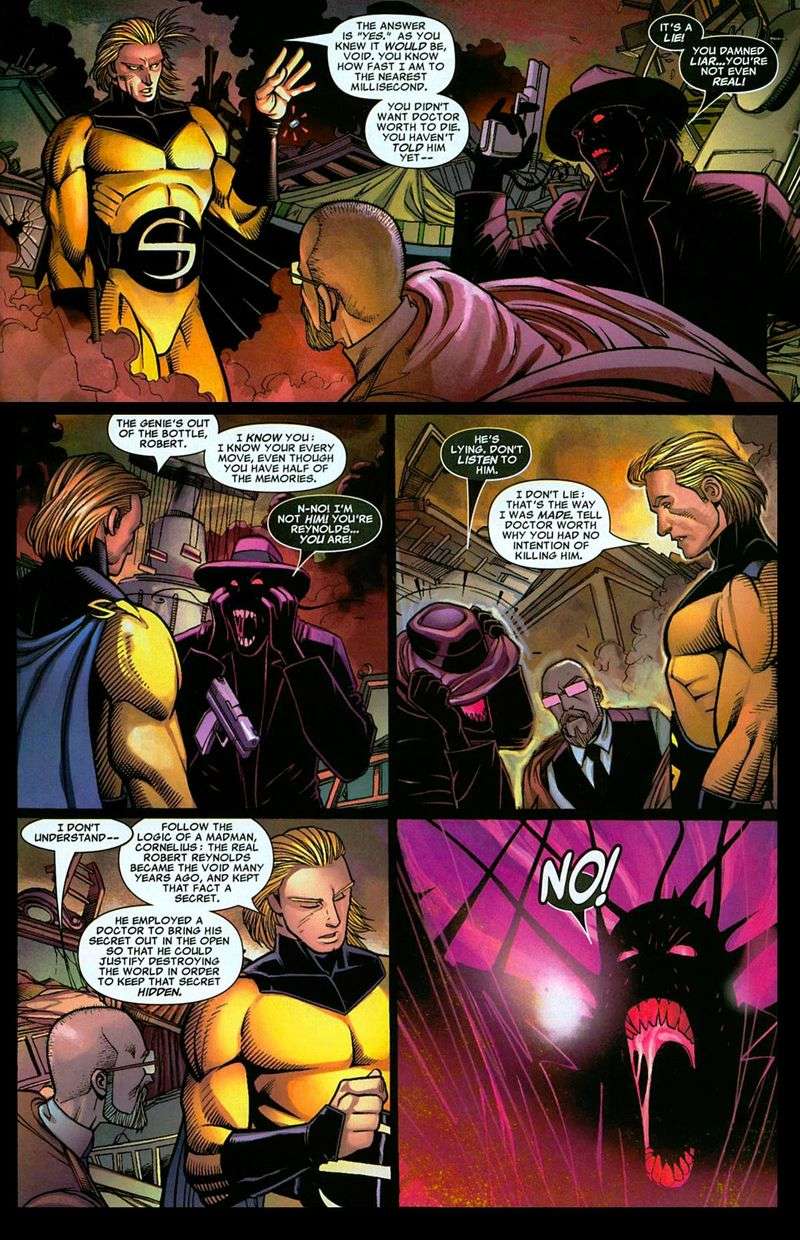
What if saving the world also meant hiding its greatest danger? Introduced through the Sentry’s stories in 2000, this destructive presence is closely tied to Robert Reynolds, the hero with seemingly impossible power.
The relationship makes simple victories difficult because the threat cannot be treated like an ordinary outsider. His stories turn overwhelming strength into a source of dread.
Start with the original Sentry miniseries, which builds its mystery around forgotten history, unstable memories, and fear.
12. Gorr: The 2010s Challenge to the Gods
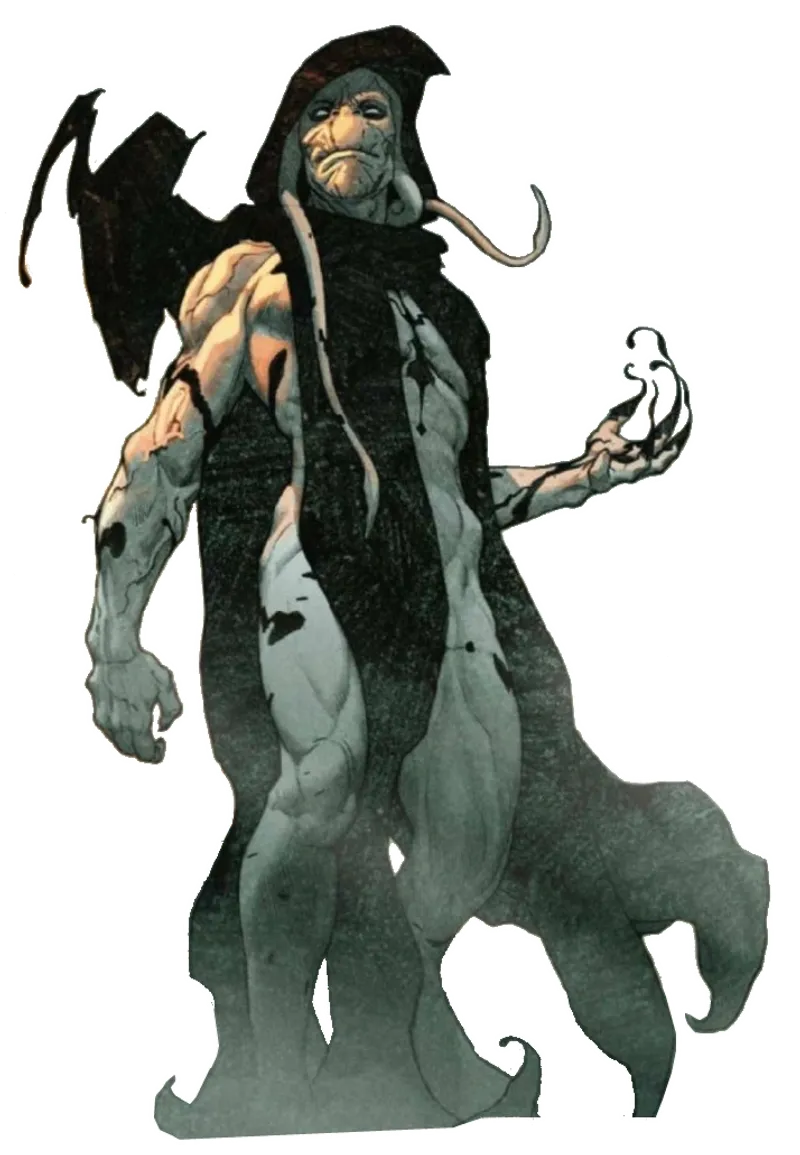
Prayers went unanswered, and grief hardened into a terrible mission. First appearing in Thor: God of Thunder #2 in 2013, this suffering alien decides that gods do not deserve to exist.
Armed with All-Black, he hunts divine beings across time and space. His anger forces Thor to consider whether gods actually earn the worship they receive.
The God Butcher storyline is the best starting point, pairing a frightening chase with questions about faith, neglect, and responsibility.
13. Knull: The 2010s Darkness Behind the Symbiotes
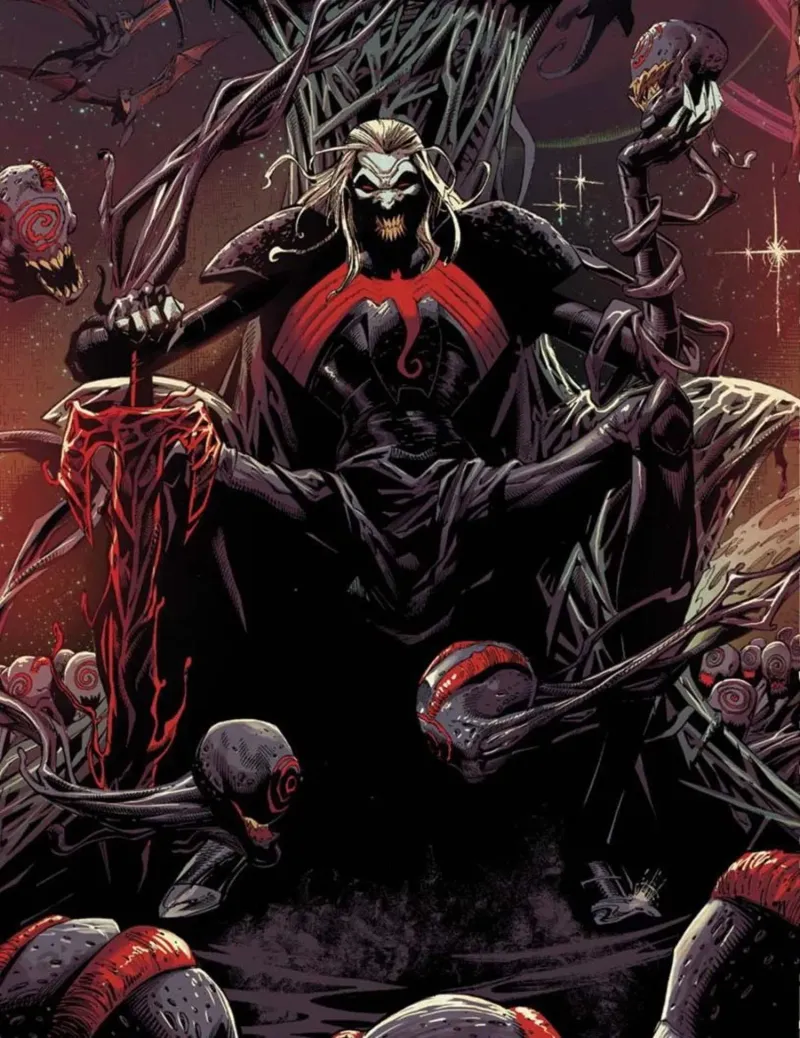
Before the familiar alien suits came a creator who hated the light. Fully introduced in Venom #3 in 2018, this ancient god expanded symbiote history from a strange species into a terrifying cosmic legend.
His living darkness connects seemingly separate monsters to one larger danger. Those ideas later powered King in Black, published across 2020 and 2021.
Begin with Donny Cates and Ryan Stegman’s Venom run so the invasion feels like a payoff rather than homework.
14. Uranos: The 2020s Ancient Terror Returns
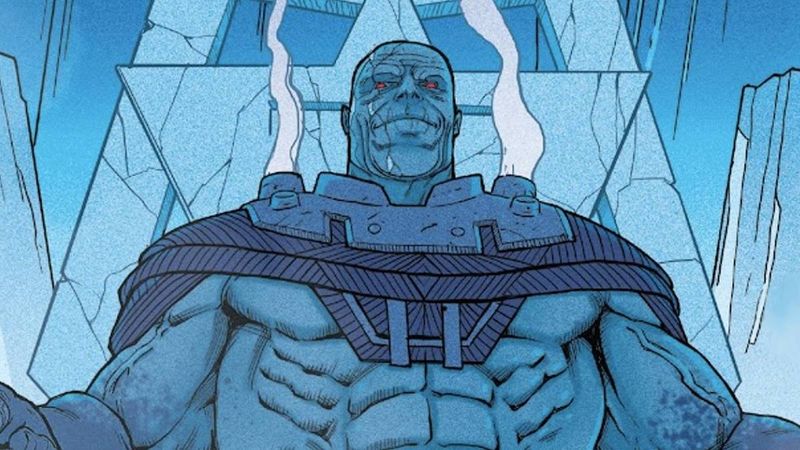
An hour can be enough to ruin a world. Although this ancient Eternal first appeared in 1965, his devastating role in the 2022 Judgment Day era makes him a defining threat of the 2020s.
His assault on Arakko turns a distant piece of Marvel history into immediate horror. Unlike villains who need long speeches, he proves his danger through terrible efficiency.
Read X-Men Red alongside the event to understand the attack’s cost and the survivors’ resistance.
15. Mother Righteous: The 2020s Dangerous Favor
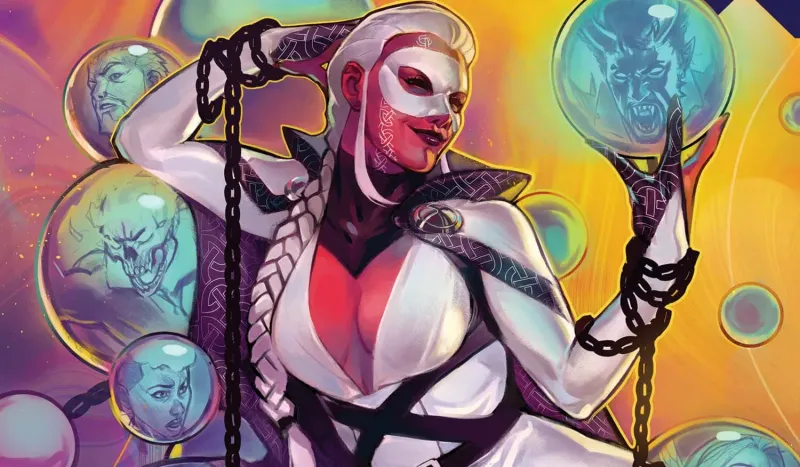
A friendly offer can hide a very expensive price. Debuting in Legion of X #1 in 2022, this magical schemer builds influence through bargains, gifts, and the gratitude of people who accept her help.
Her connection to Mister Sinister places her within the tangled politics of modern mutant stories. Rather than winning through brute force, she turns trust into leverage.
Follow her through Sins of Sinister to see why a simple thank you can become dangerous.