
Some horror movies do more than just scare you — they stay with you long after the credits roll. The best ones tap into real fears, ask hard questions, and change the way we see the world.
From silent black-and-white classics to modern Oscar winners, these films prove that horror can be just as powerful and meaningful as any other genre. Here are 18 horror movies that truly rose above the rest.
1. Nosferatu (1922)
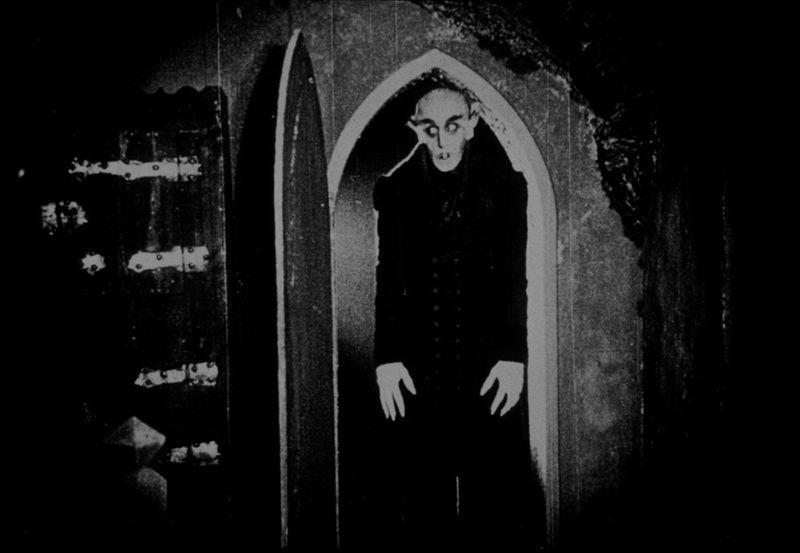
Long before sparkly vampires hit the screen, Count Orlok was already haunting audiences in black and white silence. Made in Germany in 1922, Nosferatu was technically an unauthorized adaptation of Bram Stoker’s Dracula — and Stoker’s estate tried to have every copy destroyed.
Thankfully, a few prints survived. The film’s creepy expressionist visuals, with jagged shadows and unsettling camera angles, created a blueprint for horror that filmmakers still borrow from today.
2. Frankenstein (1931)
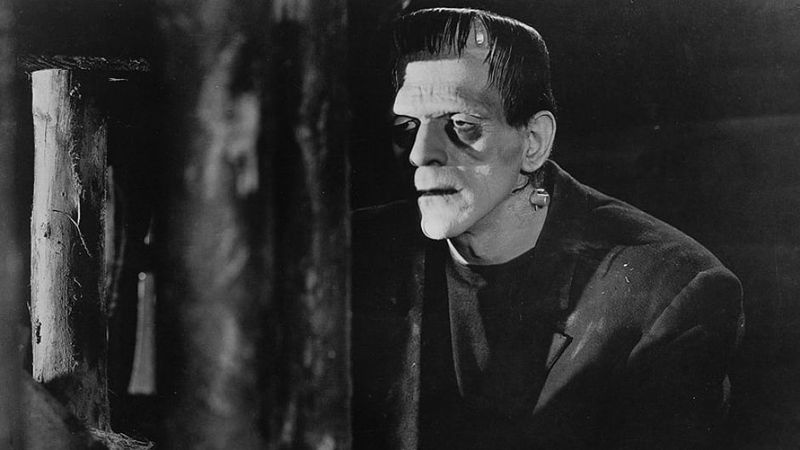
Boris Karloff’s portrayal of Frankenstein’s monster is so iconic that when most people picture the creature, they still see his flat-top head and neck bolts. That image has been on Halloween costumes and cereal boxes for nearly a century.
Universal Studios turned Mary Shelley’s literary monster into a pop culture legend.
What makes this film special, though, is its surprising emotional depth. The monster isn’t just scary — he’s lonely, misunderstood, and heartbreaking.
3. Psycho (1960)
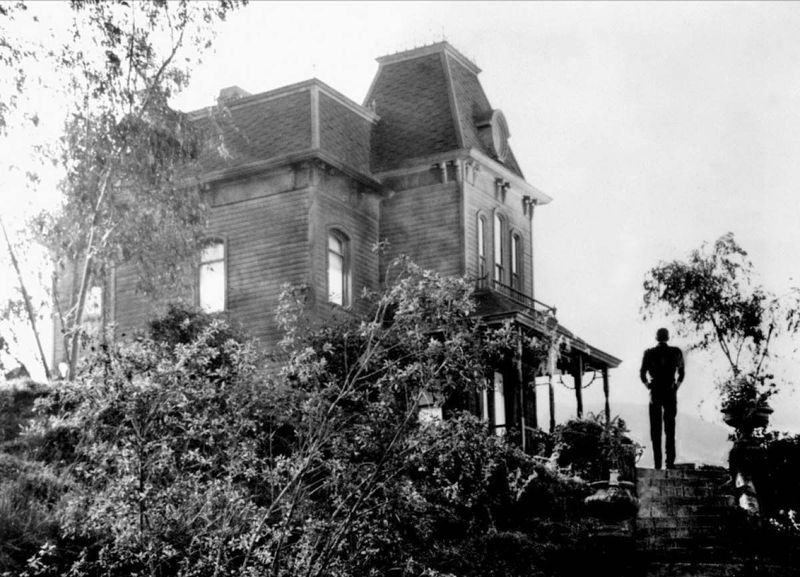
Alfred Hitchcock pulled off one of cinema’s greatest tricks with Psycho — he killed the main character halfway through the movie. Audiences in 1960 were absolutely stunned.
Nobody did that. The rules of storytelling said you follow the hero to the end, but Hitchcock ripped that rulebook apart.
Beyond the shock, the film digs deep into psychology, identity, and obsession. Norman Bates became one of fiction’s most chilling and complicated villains ever created.
4. Night of the Living Dead (1968)
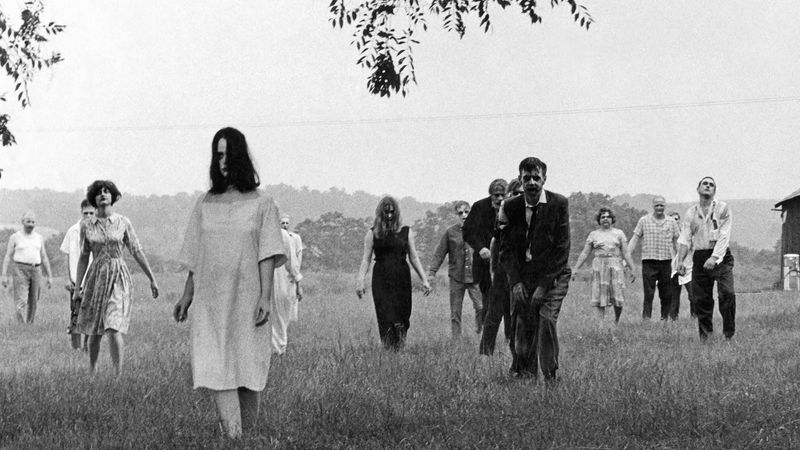
George Romero made this zombie film for around $114,000 — and it changed horror forever. Before 1968, zombies in movies were mostly mindless servants controlled by voodoo.
Romero turned them into flesh-eating monsters driven by pure instinct, and suddenly the genre had a whole new nightmare to offer.
More impressively, the film cast a Black man as its hero during a racially charged era in America, embedding sharp social commentary inside a terrifying story.
5. Rosemary’s Baby (1968)
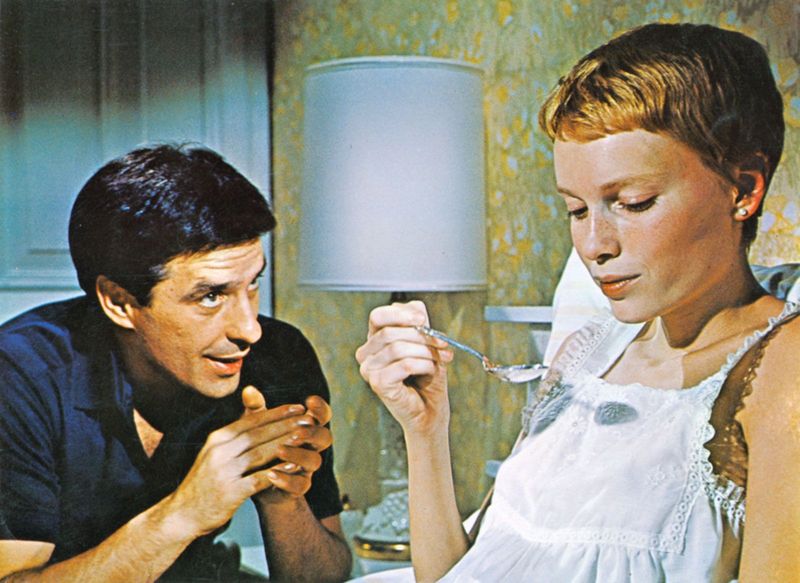
What if the people around you — your neighbors, your husband, your doctor — were all hiding something terrible? That paranoid question sits at the heart of Rosemary’s Baby, and director Roman Polanski makes every ordinary moment feel deeply wrong.
Mia Farrow’s performance is remarkable, selling both vulnerability and growing dread with quiet intensity. The film taps into fears about bodily autonomy and trust that feel just as relevant today as they did over fifty years ago.
6. The Exorcist (1973)
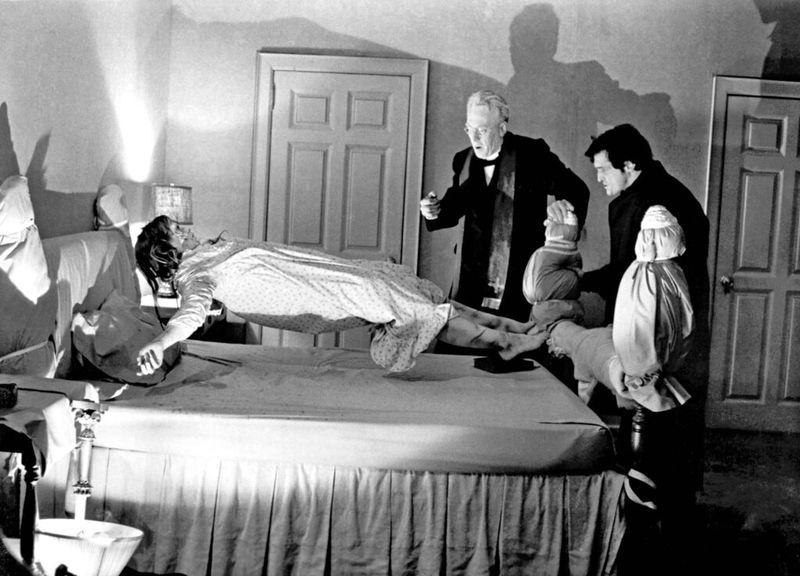
People reportedly fainted in theaters. Others walked out.
When The Exorcist opened in 1973, it caused a genuine public reaction unlike almost any film before or since. The story of a young girl possessed by a demon was so viscerally disturbing that it sparked national conversations about faith, evil, and the limits of cinema.
It was also the first straight horror film ever nominated for the Academy Award for Best Picture — a milestone that proved the genre deserved serious respect.
7. The Texas Chain Saw Massacre (1974)
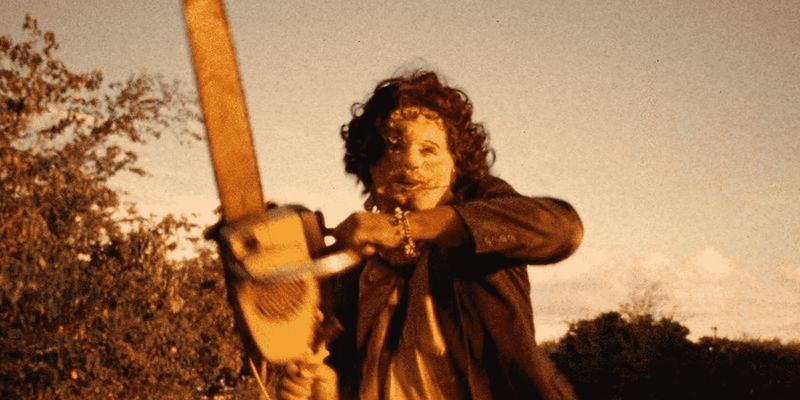
Shot on a shoestring budget in the sweltering Texas heat, this film feels less like a movie and more like a documentary of something awful. That raw, almost accidental realism is exactly what makes it so disturbing.
Tobe Hooper created an industrial grunge aesthetic that no studio polish could ever replicate.
Beyond the scares, scholars have read the film as a critique of the meat industry and American consumer culture — proof that horror can carry serious ideas.
8. Jaws (1975)
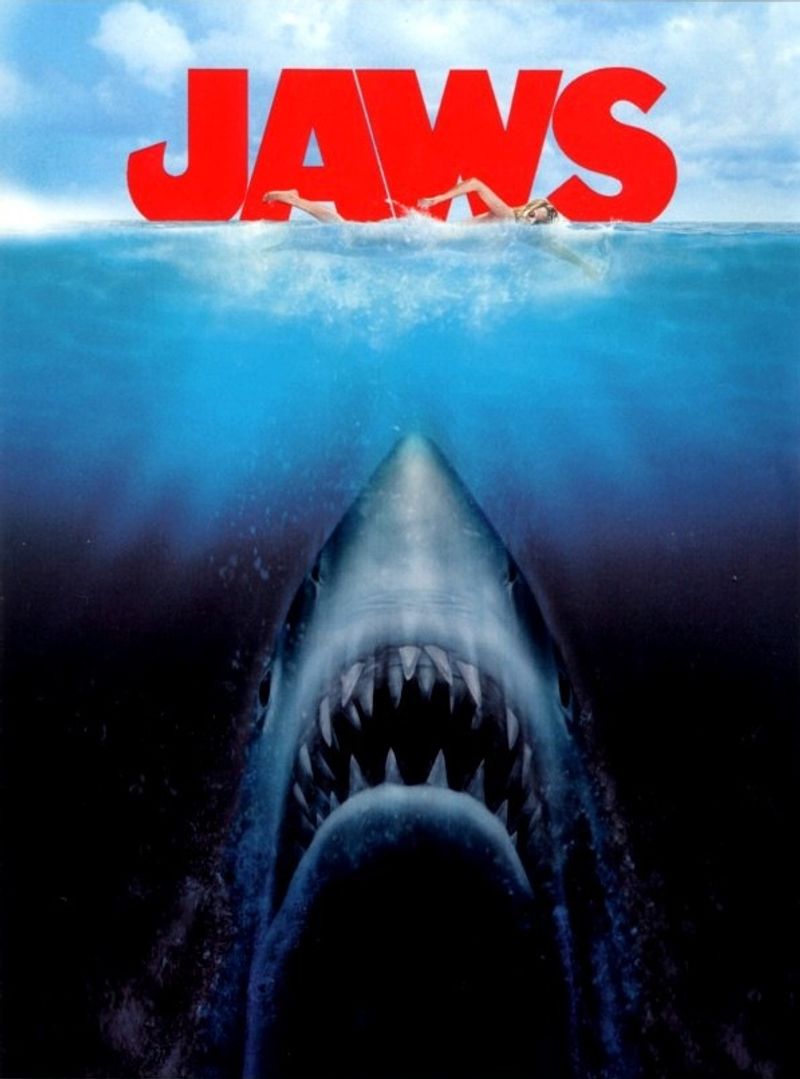
Beaches across America saw a drop in visitors the summer Jaws was released. That’s the kind of cultural impact most films can only dream about.
Steven Spielberg’s mechanical shark barely worked during production, but that happy accident forced the director to keep the creature hidden — which made it ten times scarier.
Jaws also invented the modern summer blockbuster, changing how Hollywood releases and markets movies. Horror had never felt so massive or so mainstream before.
9. Halloween (1978)
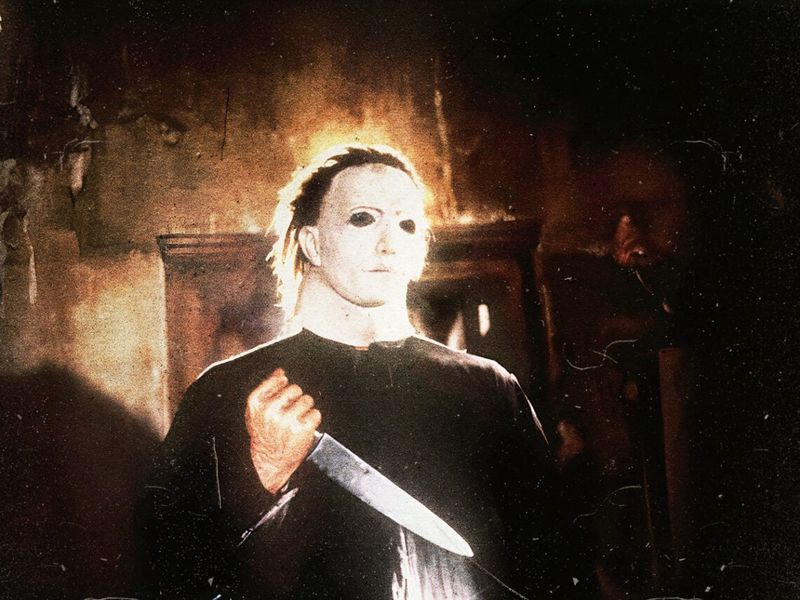
Made for just $300,000, Halloween became one of the most profitable independent films ever made and launched an entire franchise. John Carpenter composed the iconic piano theme himself in a matter of hours — a simple, repetitive melody that somehow manages to be absolutely terrifying every single time it plays.
Michael Myers introduced audiences to a new kind of villain: faceless, silent, and completely without motive. That blankness made him more frightening than any monster with a backstory.
10. Alien (1979)
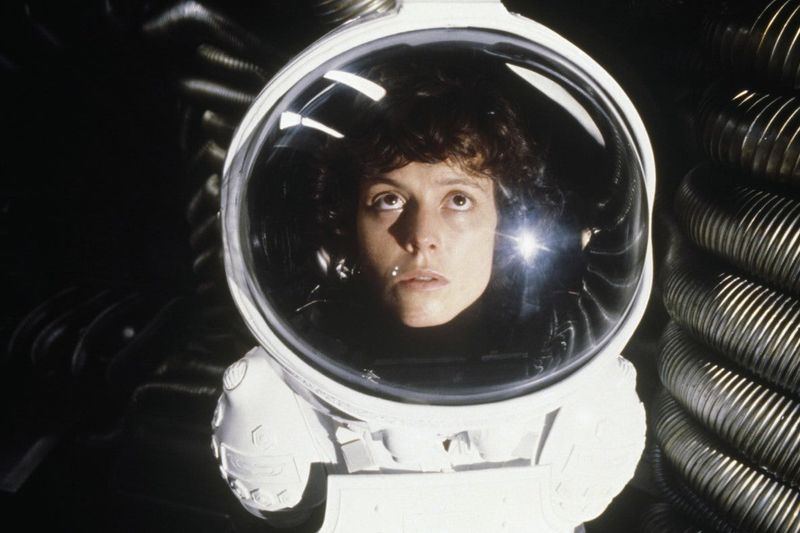
Ridley Scott fused two genres that had rarely shared space before — science fiction and survival horror — and the result was something genuinely new. The Nostromo spaceship feels like a haunted house floating through the cosmos, and the creature design by H.R.
Giger is still one of the most unsettling ever put on screen.
Sigourney Weaver’s Ellen Ripley also shattered expectations by becoming one of cinema’s first true female action heroes in a genre that rarely offered women that role.
11. The Shining (1980)
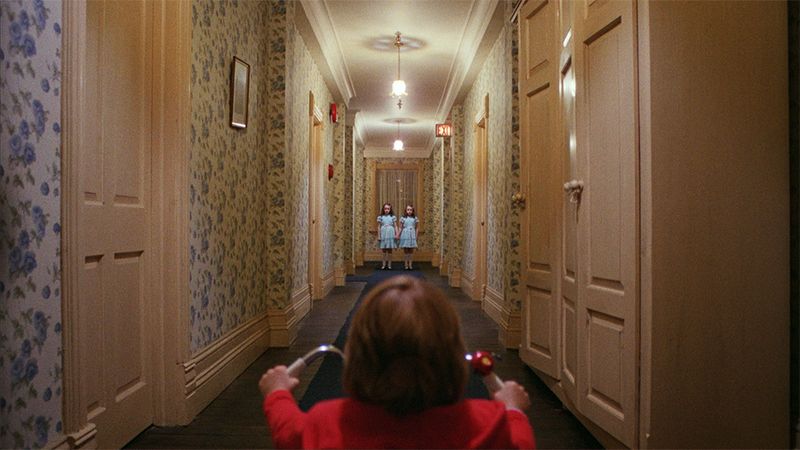
Stanley Kubrick turned Stephen King’s haunted hotel story into something far stranger and more cerebral than a typical ghost tale. King himself famously disliked the adaptation — but audiences and critics have spent decades unpacking its layered symbolism and visual puzzles.
Few horror films reward repeat viewing quite like this one.
Jack Nicholson’s unraveling performance and the Overlook Hotel’s eerie geometry combine to create a portrait of madness that feels both intimate and cosmic at the same time.
12. Hellraiser (1987)
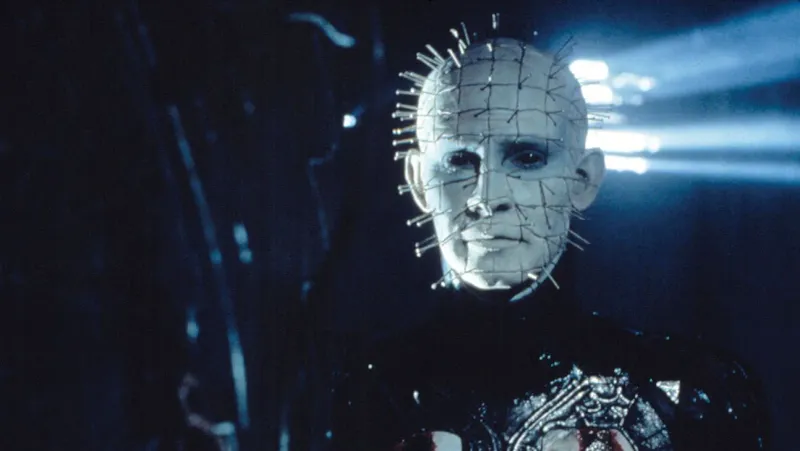
Clive Barker didn’t just want to scare audiences — he wanted to challenge them. Hellraiser introduced the Cenobites, inter-dimensional beings who exist somewhere between pleasure and pain, exploring themes of obsession and the dangerous pursuit of extreme sensation that most horror films wouldn’t dare touch.
Based on Barker’s own novella, the film has a literary richness underneath its gruesome visuals. The iconic puzzle box became one of horror’s most recognizable symbols, representing the terrifying cost of forbidden desire.
13. The Silence of the Lambs (1991)
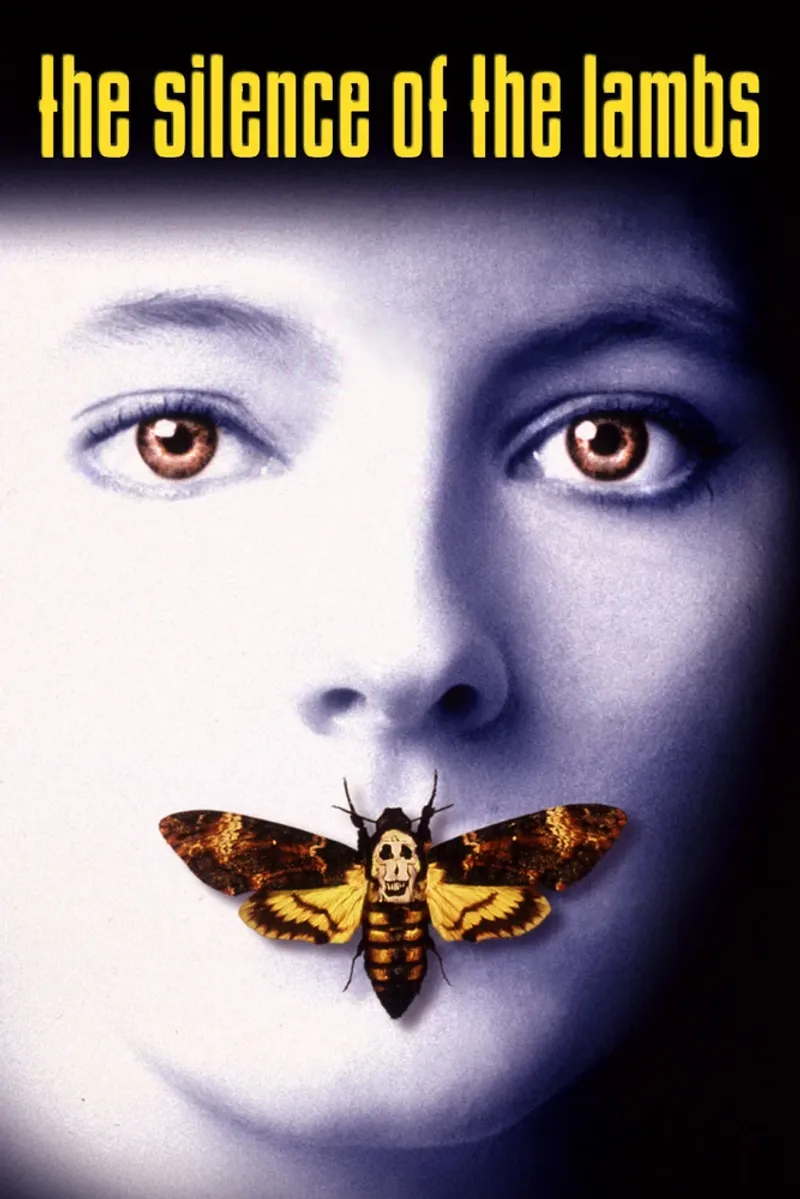
Only three films in history have won all five major Academy Awards — Best Picture, Director, Actor, Actress, and Screenplay. The Silence of the Lambs is one of them.
For a horror film to achieve that kind of recognition was almost unthinkable, but this movie earned every single award through sheer craft and brilliance.
The electric dynamic between Jodie Foster’s determined Clarice Starling and Anthony Hopkins’ terrifyingly brilliant Hannibal Lecter elevated the film far beyond genre expectations.
14. Scream (1996)
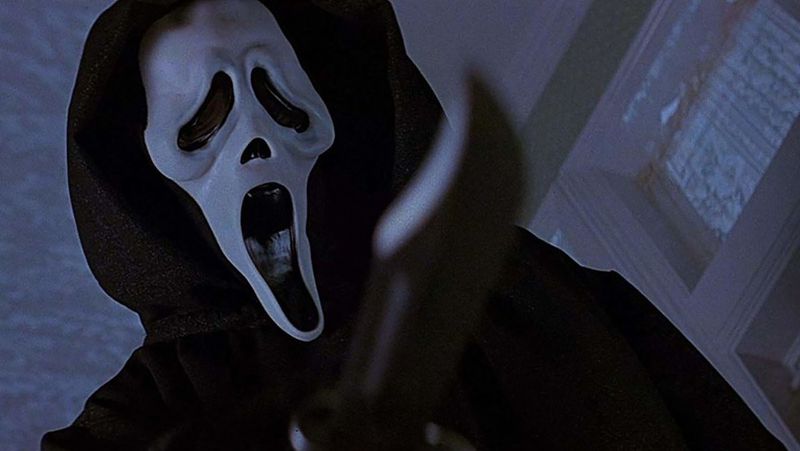
By 1996, the slasher genre was tired, predictable, and nearly dead. Then Wes Craven and writer Kevin Williamson did something bold — they made a horror movie where the characters had actually seen horror movies.
Scream’s self-aware humor and sharp deconstruction of genre rules felt completely fresh and exciting.
Remarkably, for all its clever meta commentary, it still managed to be genuinely scary. That balance of wit and genuine terror is incredibly hard to pull off, and Scream nailed it.
15. The Blair Witch Project (1999)
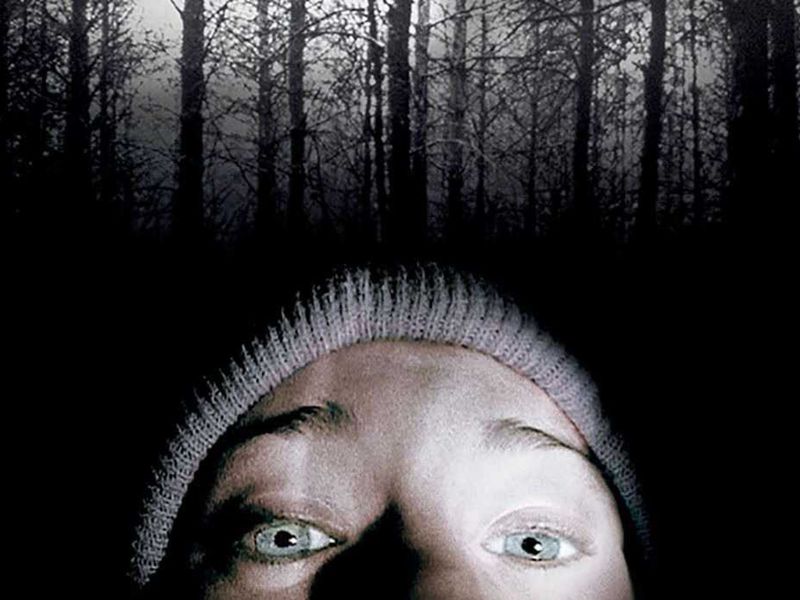
Before social media existed, this film ran one of the most creative marketing campaigns in movie history. Its website presented the story as a real documented disappearance, convincing many viewers the footage was genuine.
That blurring of fiction and reality added a layer of dread no special effects budget could buy.
Shot for roughly $60,000 and earning nearly $250 million worldwide, Blair Witch proved that atmosphere and imagination could outperform Hollywood spectacle any day of the week.
16. The Descent (2005)
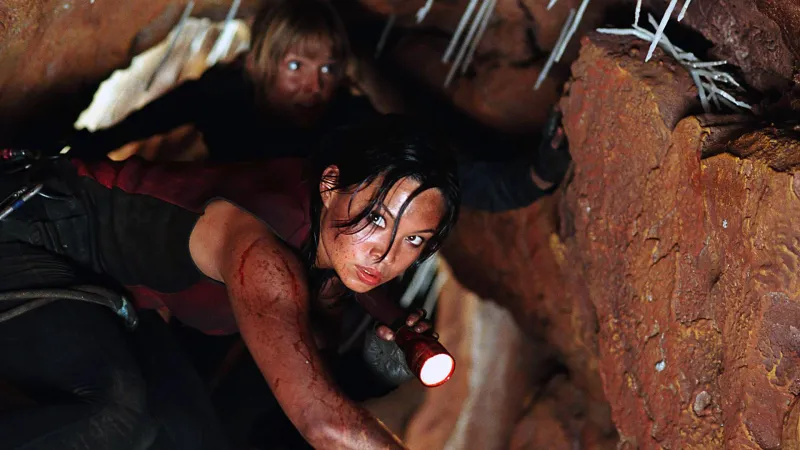
Even before the creatures show up, The Descent is already terrifying. Director Neil Marshall traps six women in an unmapped cave system with collapsing tunnels and total darkness, and the claustrophobia alone is almost unbearable.
The horror is earned through genuine tension, not cheap jump scares.
What makes the film linger is its emotional core — the group is fractured by grief, guilt, and betrayal. The monsters outside feel almost secondary to the demons the characters carry within themselves.
17. Get Out (2017)
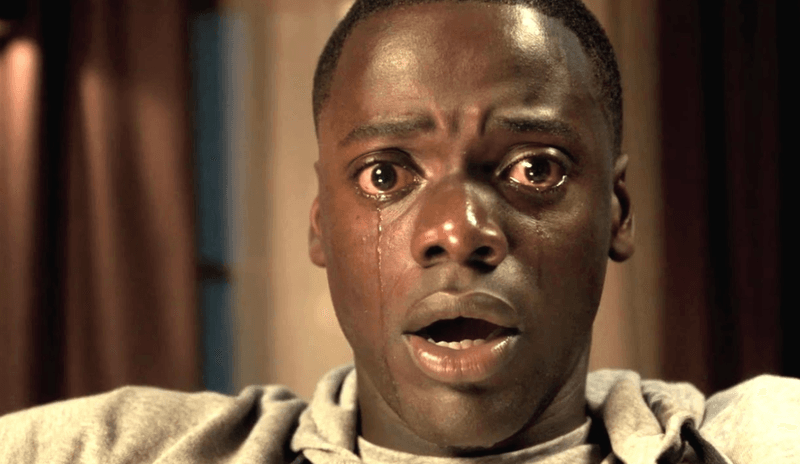
Jordan Peele’s debut film arrived at exactly the right cultural moment and hit with the force of a sledgehammer. Get Out wrapped a sharp, unflinching critique of racial microaggressions and systemic racism inside a genuinely terrifying thriller, making audiences laugh, cringe, and scream — sometimes all at once.
The Academy Award-winning screenplay proved that horror could serve as a powerful vehicle for social truth. Peele didn’t just make a great horror film; he made an important one.
18. Hereditary (2018)
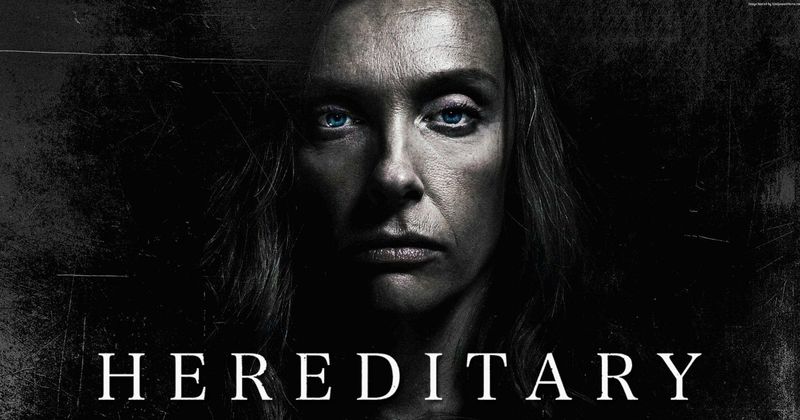
Grief is terrifying enough on its own — Hereditary takes that raw, suffocating feeling and builds an entire nightmare around it. Director Ari Aster’s debut feature follows a family unraveling after a devastating loss, and the horror creeps in so gradually that you barely notice how deep you’ve gone until it’s too late to look away.
Toni Collette’s performance is one of the most emotionally raw in modern horror history. Critics and audiences agreed: this film redefined what the genre could feel like.