
Marriage takes real work, and sometimes couples fall into habits that slowly chip away at the foundation they built together. Many of these patterns go unnoticed until the damage is already done.
Understanding what these habits look like is the first step toward making things better. Whether you are newlyweds or have been together for decades, recognizing these warning signs could save your relationship.
1. Constant Criticism of Your Partner

Words carry enormous weight in a marriage. When one partner constantly points out flaws, uses phrases like “you always” or “you never,” or attacks who their spouse is as a person rather than addressing a specific behavior, it creates deep wounds.
Over time, the criticized partner begins to feel like nothing they do is ever good enough. That feeling breeds resentment fast.
Addressing specific actions instead of attacking character makes a world of difference in keeping a marriage healthy.
2. Showing Contempt Toward Each Other
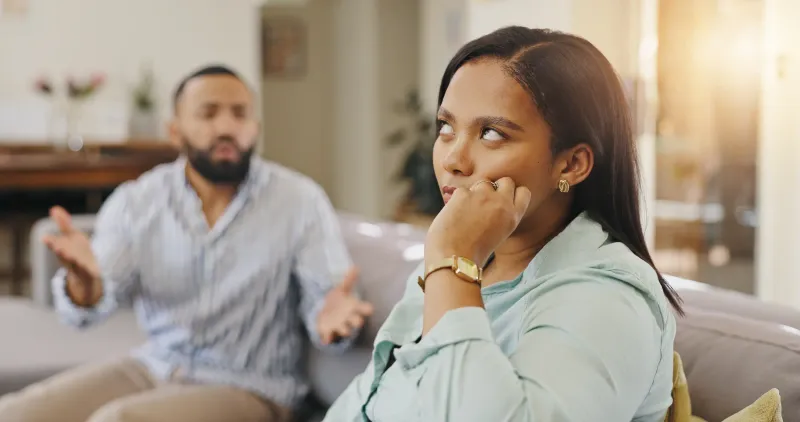
Eye-rolling, sarcasm, name-calling, and outright mockery are not just rude — they are relationship killers. Dr. John Gottman, a well-known marriage researcher, calls contempt the single strongest predictor of divorce, and for good reason.
When a spouse is treated with scorn, they feel worthless and despised rather than loved and valued. Nobody thrives in a relationship where they feel looked down upon.
Replacing contempt with genuine respect, even during disagreements, can completely change the dynamic between partners.
3. Stonewalling During Arguments

Shutting down completely during a conflict might feel like the safe choice, but stonewalling sends a painful message to a spouse — that their concerns simply do not matter enough to address.
This habit often kicks in when someone feels emotionally overwhelmed, but the silence creates a wall that grows taller with every argument. Learning to say “I need a short break, but I will come back to this conversation” keeps communication open without forcing an emotional explosion.
4. Playing the Blame Game Instead of Taking Responsibility

Nobody likes admitting when they are wrong, but in a marriage, constantly deflecting blame is a slow poison. When both partners refuse to own their mistakes, arguments go in circles without any real resolution.
Defensiveness, making excuses, or flipping the blame back onto a spouse prevents the couple from ever truly working through problems together. A simple “I was wrong about that” or “I could have handled that better” does more for a marriage than winning any argument ever could.
5. Neglecting Emotional and Physical Intimacy

Couples who stop nurturing closeness often describe feeling more like roommates than romantic partners. Intimacy is not just physical — it includes sharing feelings, showing affection, and staying emotionally connected through life’s chaos.
When both partners get too busy or too disconnected to prioritize that bond, the relationship starts to feel hollow. Small gestures — a hug, a genuine compliment, or just sitting together without screens — go a long way toward keeping the spark and the emotional connection alive.
6. Letting Resentment Build Without Addressing It

Resentment is like a slow leak in a pipe — ignored long enough, it causes serious damage. It often builds from unresolved hurts, unmet expectations, or frustrations that were never openly discussed.
Research shows women are more likely to initiate divorce, partly because years of emotional miscommunication leave them carrying heavy, unspoken resentment. Bringing grievances to the table early, before they harden into bitterness, is one of the most protective things a couple can do for their marriage.
7. Avoiding Financial Conversations

Money is one of the most common battlegrounds in marriage, and couples who avoid talking about it honestly set themselves up for ongoing conflict. Differing spending habits, hidden debt, and mismatched financial priorities create tension that bleeds into every other area of the relationship.
Studies show that arguments about money predict divorce more strongly than disagreements about almost anything else. Scheduling regular, calm money check-ins as a team — not as opponents — builds trust and keeps financial stress from tearing a marriage apart.
8. Being Dishonest About Finances

Hiding purchases, lying about debt, or keeping secret bank accounts is a form of betrayal that strikes at the heart of trust in a marriage. Financial dishonesty does not just create money problems — it creates a fundamental question of whether a partner can be trusted at all.
Once that trust erodes, it affects every other part of the relationship. Open, honest conversations about money, even the uncomfortable ones, are far less damaging than the fallout from financial secrets eventually coming to light.
9. Withdrawing Commitment Over Time

Commitment is not just about staying married on paper — it is about actively choosing your partner every single day. When one or both spouses stop putting effort into the relationship, avoid making future plans together, or emotionally disengage, the marriage quietly starts to unravel.
Lack of commitment is actually the most commonly cited reason couples give for divorce. Reconnecting with shared goals, planning things to look forward to together, and being intentional about showing up for each other can reignite that sense of partnership.
10. Prioritizing Screens Over Your Spouse

Smartphones, social media, and endless streaming have made it easier than ever to be physically present but mentally somewhere else entirely. When couples routinely choose their screens over genuine connection, the relationship suffers quietly but steadily.
Not being fully present signals to a spouse that they are less interesting or important than whatever is on the phone. Setting device-free times during meals or before bed might sound small, but it creates space for the kind of real conversation that keeps couples genuinely connected over the long haul.
11. Invalidating Your Partner’s Feelings

“You are overreacting.” “That is not a big deal.” Few phrases in a marriage do more damage than ones that dismiss a partner’s feelings outright. Invalidation tells a spouse that their inner world does not matter, which shuts down emotional honesty fast.
Over time, the invalidated partner stops sharing altogether, and emotional distance takes hold. Responding with curiosity instead of dismissal — even when you do not fully understand your spouse’s reaction — keeps emotional safety intact and strengthens the bond between partners.
12. Falling Into the Demand-Withdraw Pattern

Picture this: one partner pushes hard for change or resolution, and the other retreats further with every push. This cycle, known as the demand-withdraw pattern, is one of the most frustrating and damaging dynamics a couple can get trapped in.
The more one partner chases, the more the other pulls away, leaving both feeling unheard and exhausted. Breaking this cycle requires both partners to slow down, recognize the pattern, and agree on a calmer, more structured way to bring up concerns and actually work through them together.
13. Controlling or Manipulative Behavior

Control in a marriage does not always look like obvious abuse. Sometimes it shows up as constantly criticizing a spouse’s choices, monitoring their social media, dictating what they wear, or cutting them off from friends and family.
These behaviors are never normal or acceptable in a healthy relationship. They chip away at a partner’s confidence and independence until they feel trapped rather than loved.
Recognizing controlling patterns early — and seeking professional help to address them — is critical before the damage becomes irreversible.
14. Fighting Dirty During Disagreements

Every couple fights, but how you fight matters enormously. Bringing up old grievances, using personal secrets as weapons, or saying cruel things just to win an argument does lasting damage that a simple “sorry” rarely fixes.
Fighting dirty shifts the goal from resolving an issue to simply hurting the other person, which poisons trust over time. Setting ground rules for conflict — like no name-calling, no bringing up the past, and no walking out mid-argument — keeps disagreements from becoming something the marriage cannot recover from.
15. Growing Apart Without Noticing

Life gets busy, and sometimes couples wake up years later feeling like strangers sharing a home. When values shift, interests diverge, or personal growth pulls partners in opposite directions without any intentional reconnecting, the emotional gap widens faster than most people realize.
Growing apart is one of the most commonly cited reasons couples separate, and the tricky part is that it happens so gradually. Regularly investing in shared experiences — new hobbies, date nights, or even honest conversations about where each person is headed — helps couples grow together instead of apart.
16. Carrying Unrealistic Expectations

Expecting a spouse to be a perfect partner, mind reader, best friend, passionate lover, financial provider, and emotional support system all at once is a setup for chronic disappointment. Unrealistic expectations breed resentment when reality inevitably falls short of the fantasy.
Healthy marriages require honest conversations about what each partner actually needs and what is genuinely reasonable to expect. When couples align their expectations with reality and communicate openly about their needs, they replace disappointment with understanding and build a much stronger foundation together.
17. Ignoring Addiction Issues in the Marriage

Addiction to alcohol, drugs, gambling, or even compulsive behaviors like gaming or social media does not just affect the person struggling — it reshapes the entire marriage. Priorities shift, trust erodes, and the non-addicted partner often ends up feeling alone, scared, and exhausted.
Left unaddressed, addiction can hijack a relationship completely. Seeking help is not a sign of weakness; it is one of the most courageous things a couple can do together.
Early intervention, honest conversations, and professional support give a marriage a real fighting chance at survival.
18. Not Showing Appreciation for Each Other

Taking a spouse for granted is one of the quietest but most destructive habits in a long-term relationship. When appreciation stops flowing, the partner who gives without recognition eventually stops wanting to give at all.
Feeling devalued breeds resentment, which slowly poisons even the strongest marriages. Something as simple as a genuine “thank you,” a specific compliment, or acknowledging what your spouse does for the family can completely shift the emotional atmosphere at home.
Gratitude is not just polite — in a marriage, it is essential fuel.