
Some foods just taste better when they’re a little rough around the edges. Tearing food by hand creates uneven surfaces, jagged edges, and natural textures that a knife simply can’t replicate.
Those irregular pieces soak up sauces, hold onto toppings, and deliver more flavor in every bite. Get ready to put down the knife and use your hands for a change.
1. Rustic Bread
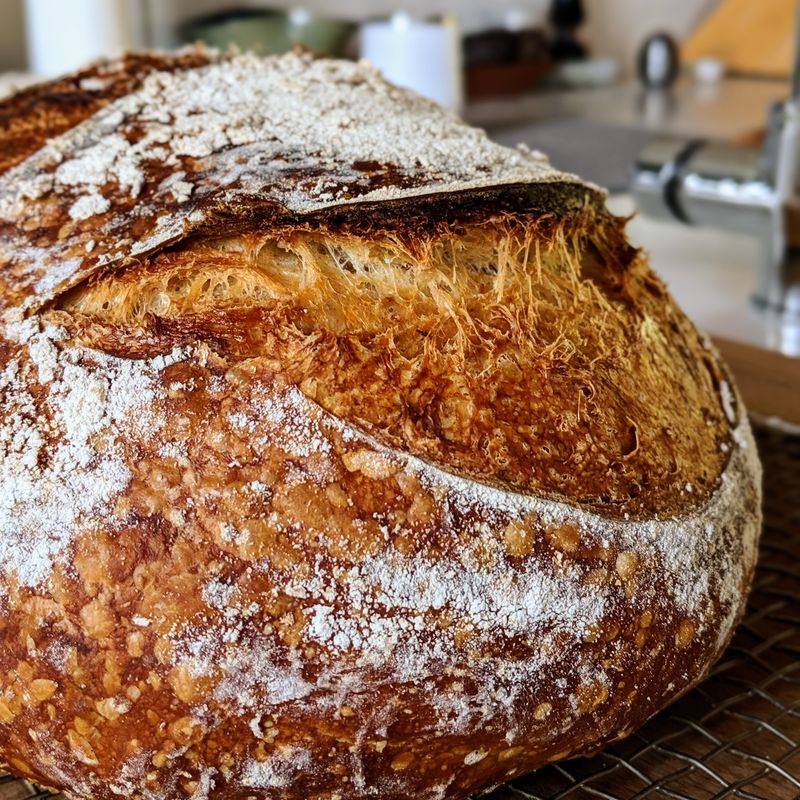
Bread was made for tearing. When you rip a chunk of rustic bread by hand, those jagged, uneven edges create little pockets and ridges that hold butter, olive oil, or soup perfectly.
A knife just compresses the soft interior and leaves flat, boring surfaces.
Torn bread soaks up everything around it. Whether you are dipping into marinara or mopping up a rich stew, hand-torn pieces make every bite more satisfying and flavorful than any neatly cut slice ever could.
2. Fresh Mozzarella
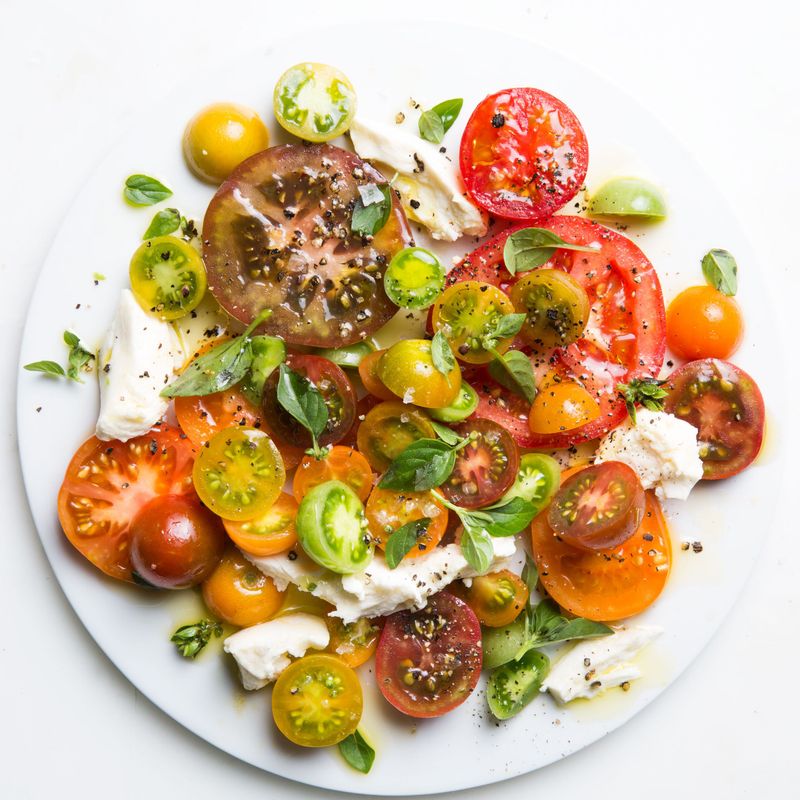
Fresh mozzarella is one of those foods that practically begs to be torn. Pulling it apart by hand creates soft, pillowy chunks with a slightly stringy texture that adds a wonderful chewiness to every bite.
Slicing it flat just makes it look like deli cheese.
On a classic Caprese salad, torn mozzarella nestles between tomato slices and fresh basil in a way that feels rustic and generous. The uneven edges catch the olive oil and balsamic glaze, making each forkful absolutely loaded with flavor.
3. Roasted Chicken
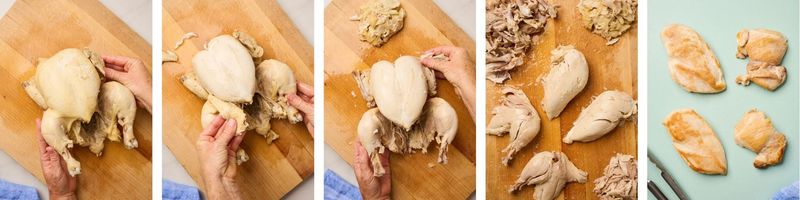
Nothing beats pulling apart a perfectly roasted chicken with your bare hands. The meat shreds along its natural grain, keeping more moisture locked inside compared to slicing with a knife.
You also get the crispy bits of skin attached to every uneven chunk.
Tearing chicken this way is actually how many traditional recipes around the world are served. It feels communal and satisfying.
Plus, those rough, jagged edges of chicken absorb sauces and seasonings far better than smooth, knife-cut slices ever do.
4. Pizza
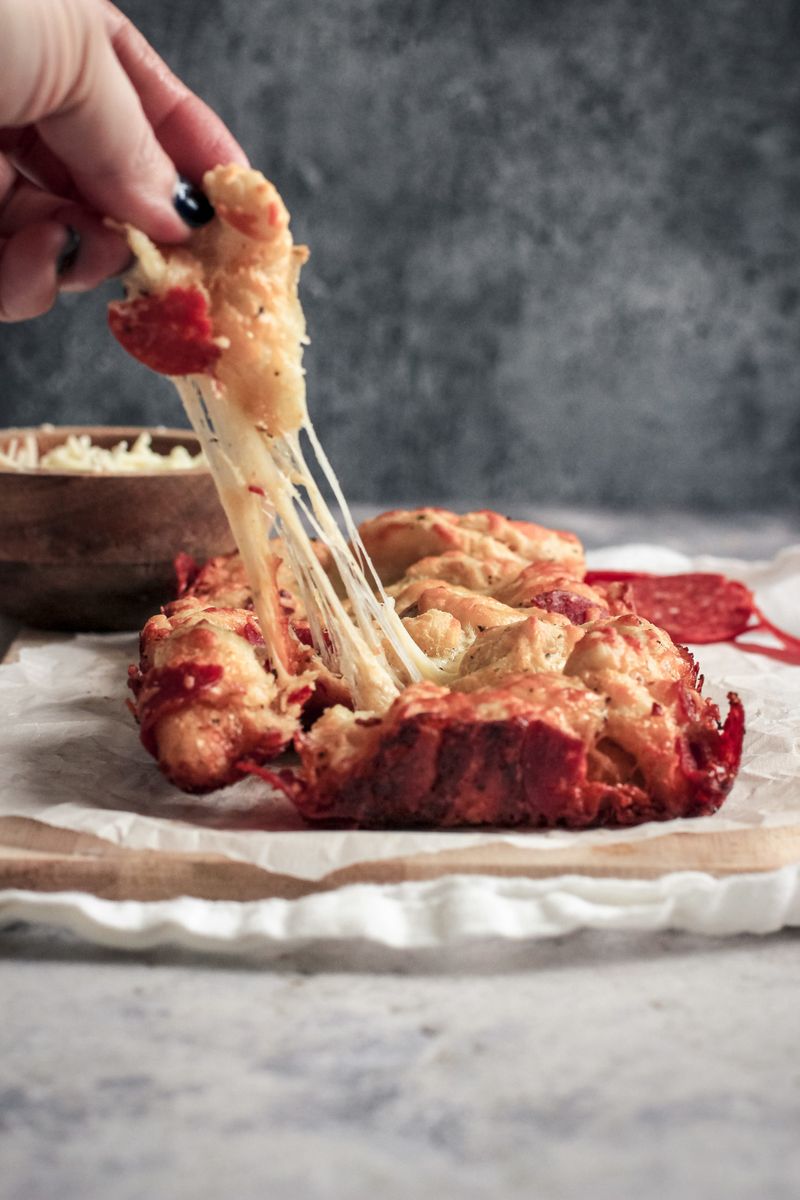
Ask any pizza lover and they will tell you – folding and tearing a pizza is part of the experience. When you pull a slice apart by hand, the cheese stretches dramatically and the toppings stay piled on rather than sliding off under a knife.
Thick, doughy pizzas like Detroit or Sicilian style are especially good when torn. The crust rips into satisfying chunks with a soft, chewy interior.
It feels more casual and fun, and honestly, pizza tastes better when you eat it without worrying about being neat.
5. Pita Bread
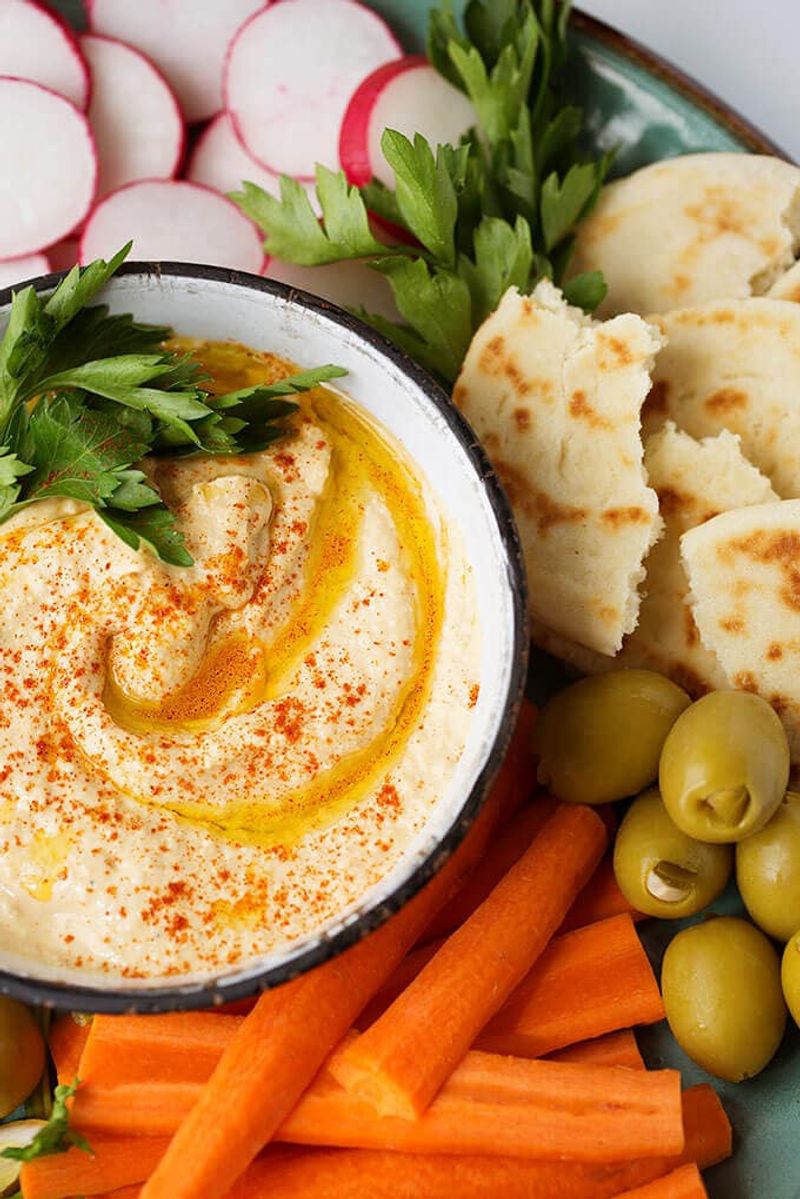
Warm pita bread torn by hand is one of life’s simple pleasures. Ripping it into uneven pieces creates natural scoops and folds that are perfect for loading up with hummus, tzatziki, or baba ganoush.
A knife would just flatten the edges and kill the scoop factor.
In Middle Eastern food culture, tearing bread is a sign of sharing and togetherness. The soft, pillowy interior exposed by tearing absorbs dips and spreads in a way that makes every single bite feel warm, filling, and deeply satisfying.
6. Lettuce for Salads
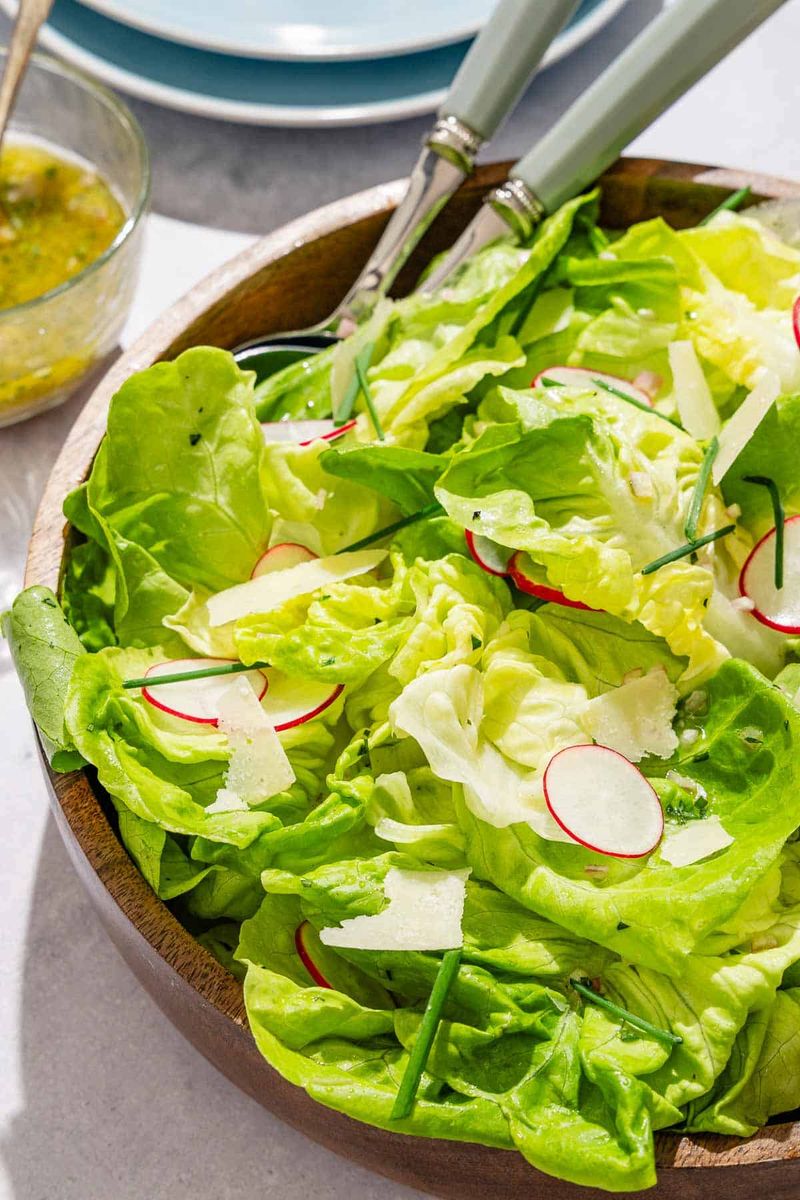
Chefs have known this trick for years – torn lettuce tastes better in a salad than chopped lettuce. When you tear leaves by hand, the edges stay crisp and natural rather than browning quickly from a metal knife blade.
The texture also stays lighter and airier.
Dressing clings to torn lettuce much more effectively because of all those rough, ruffled edges. Every leaf becomes a little cup that holds vinaigrette, croutons, and cheese.
Chopped lettuce just gives you flat strips that let everything slide right off to the bottom of the bowl.
7. Prosciutto
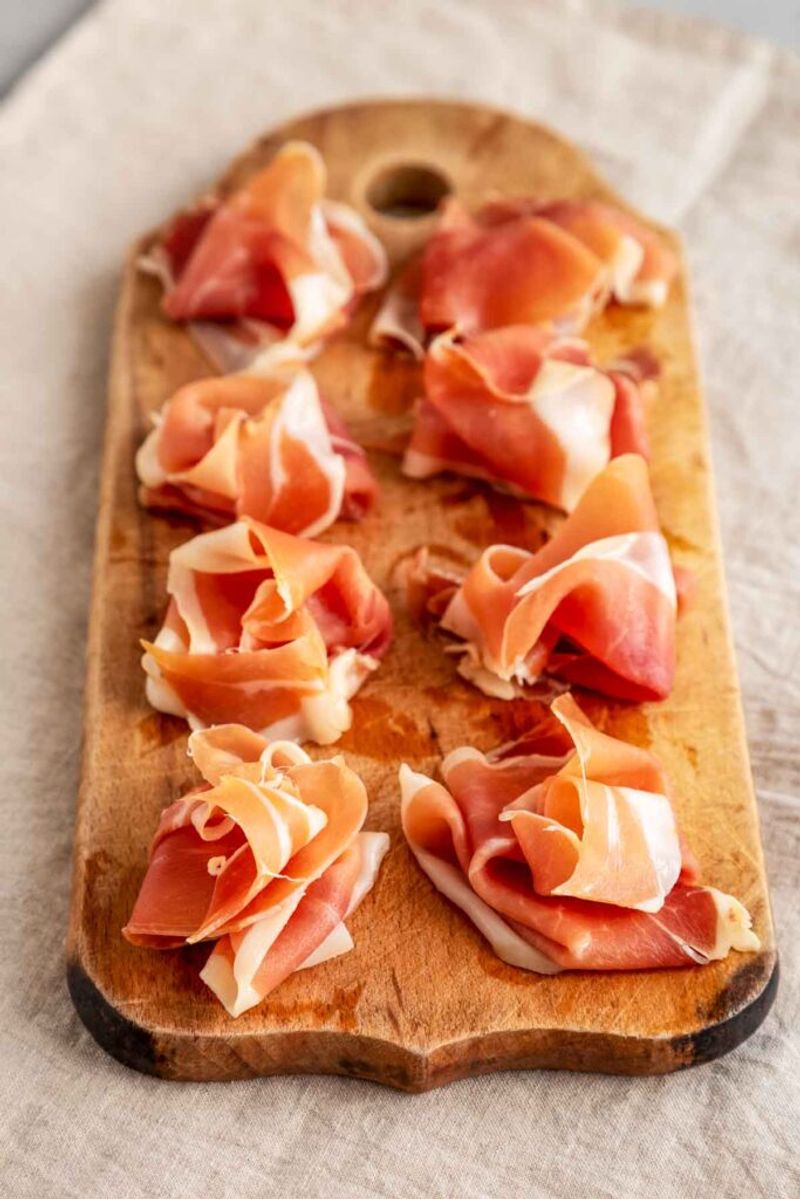
Prosciutto is so paper-thin and delicate that tearing it by hand is actually the most elegant way to handle it. Using a knife tends to bunch the silky meat into awkward folds or tear it unevenly against the grain.
Your fingers give you much more control.
When draped over melon, fig, or fresh bread, hand-torn prosciutto falls in soft, natural ribbons that look beautiful and taste incredible. The salty, savory fat melts differently when the meat is pulled apart gently, giving you a richer, more layered flavor experience in every bite.
8. Focaccia
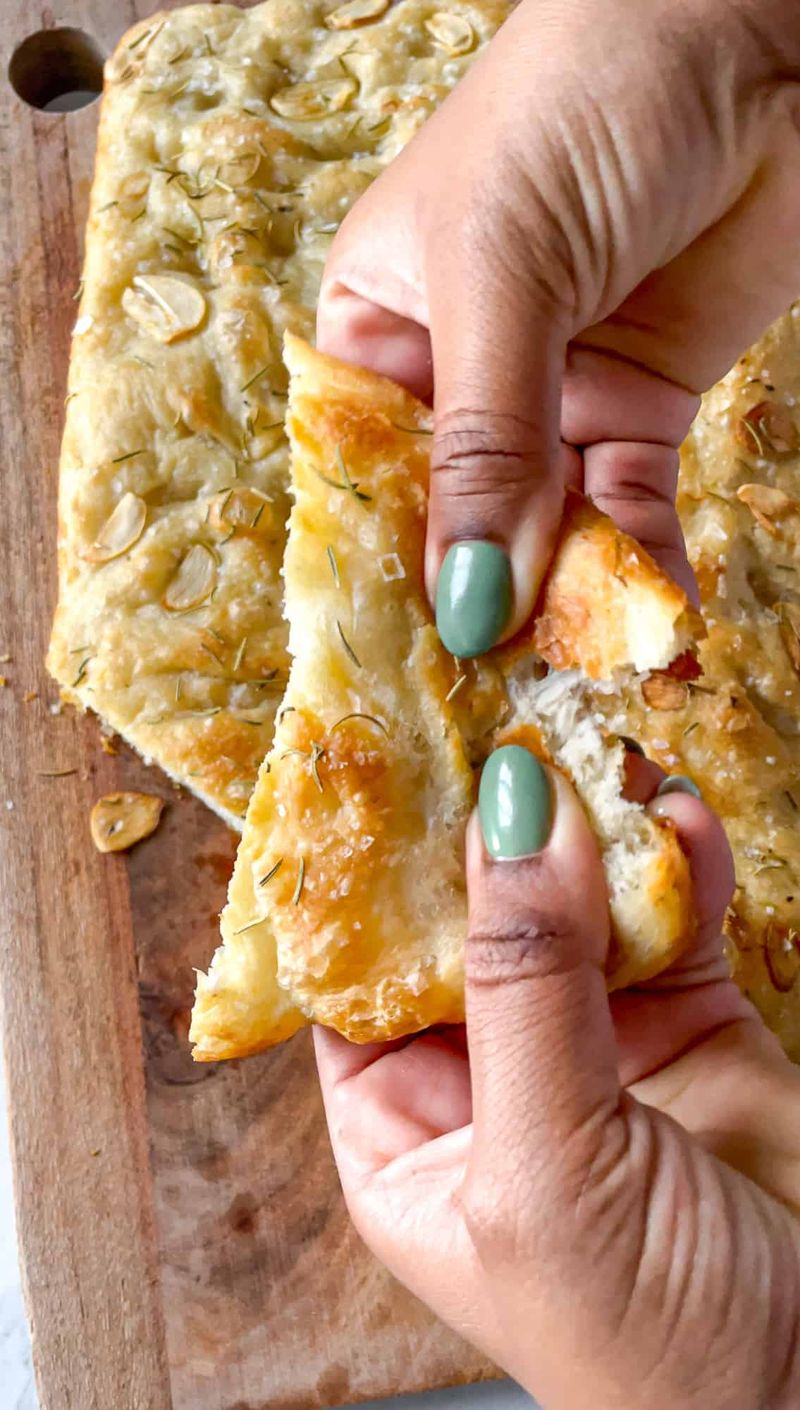
Focaccia was practically designed to be torn. Its thick, spongy interior and crispy, olive-oil-soaked crust create a satisfying ripping sound and texture when pulled apart by hand.
Cutting it with a knife somehow feels like cheating and misses the whole point of this beautiful bread.
The dimpled surface of focaccia holds pools of olive oil and herbs that burst onto your fingers when you tear into it. Each chunk is slightly different, with varying amounts of crust and soft dough – and that unpredictability is exactly what makes eating it so enjoyable.
9. Beef Brisket
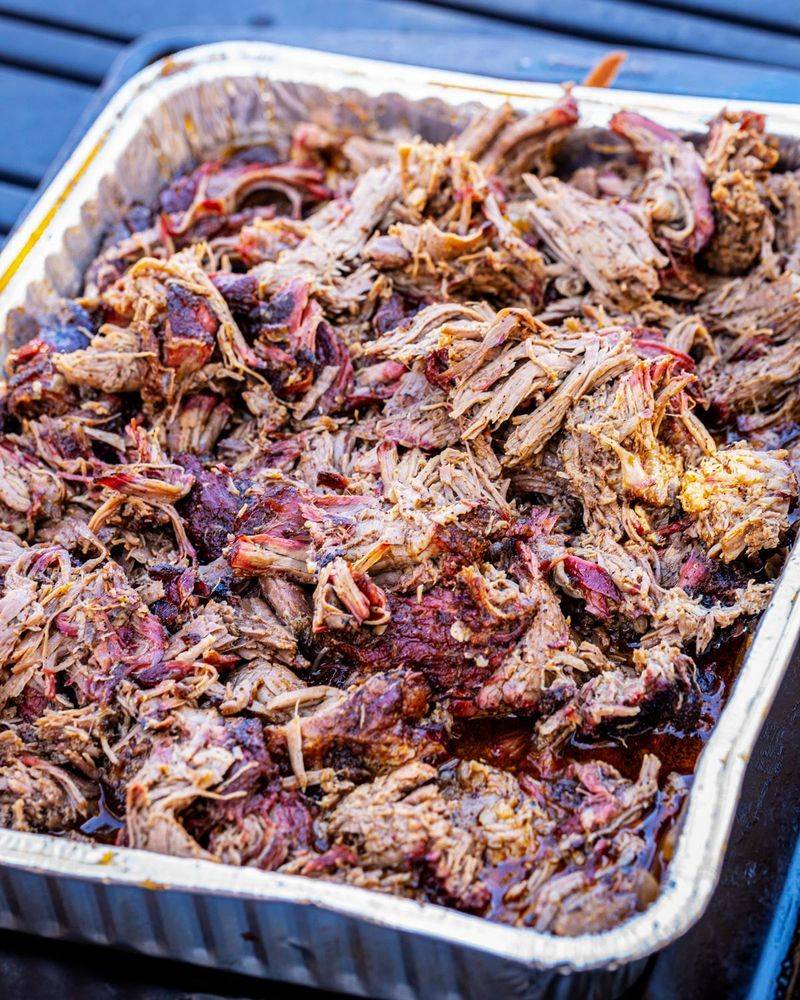
Slow-cooked brisket that has been smoked or braised for hours practically falls apart on its own. Pulling it by hand along the natural muscle fibers creates long, juicy strands with slightly crispy edges called bark on the outside.
A knife just cuts through those fibers awkwardly.
Hand-pulled brisket is the backbone of great barbecue sandwiches. The shredded pieces pile high and soak up sauce beautifully.
Pit masters will tell you that tearing brisket by hand respects the meat and gives you a more authentic, satisfying texture than any clean knife cut ever could.
10. Flatbread
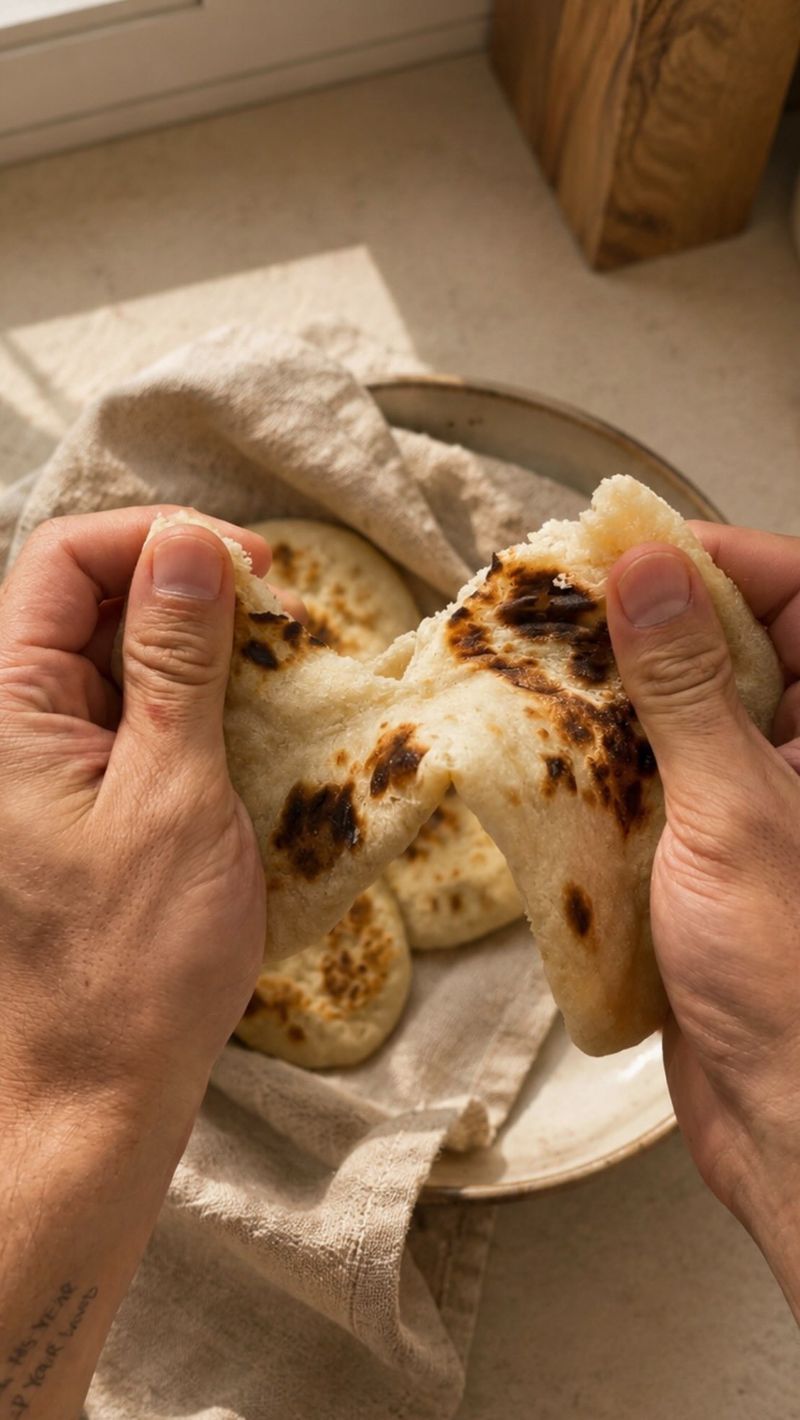
Flatbread is one of the oldest foods in human history, and it has always been torn by hand. Whether it is naan, lavash, or injera, ripping it into pieces creates natural, slightly charred edges that add texture and smokiness to every bite.
Knives were never part of the original plan.
Torn flatbread pieces are perfect for scooping up curries, dips, and stews. The uneven tears create little pockets that cradle saucy fillings.
Sharing a torn flatbread at the table also brings a sense of community and warmth that neatly sliced pieces just cannot recreate.
11. Canned Tuna
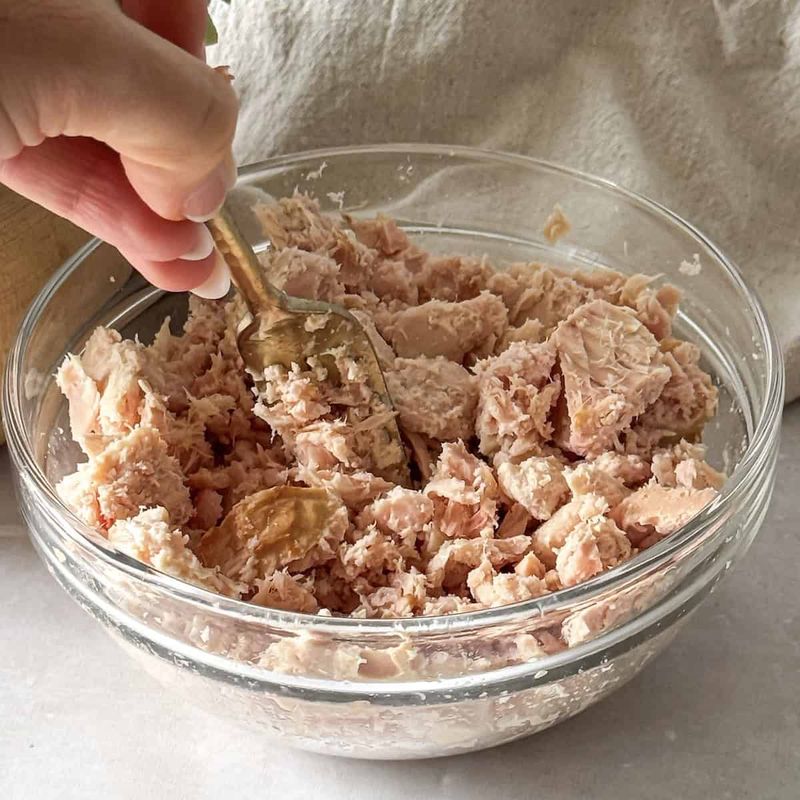
Opening a can of tuna and flaking it apart by hand produces a much better texture than using a fork or knife. Your fingers can feel the natural grain of the fish and separate it into satisfying, chunky flakes rather than mushy, over-worked bits.
Hand-flaked tuna holds its shape better in sandwiches, pasta dishes, and salads. Those bigger, irregular chunks give you something to actually bite into rather than a paste.
Many professional chefs prefer breaking canned fish apart by hand for exactly this reason – texture makes all the difference in the final dish.
12. Basil Leaves
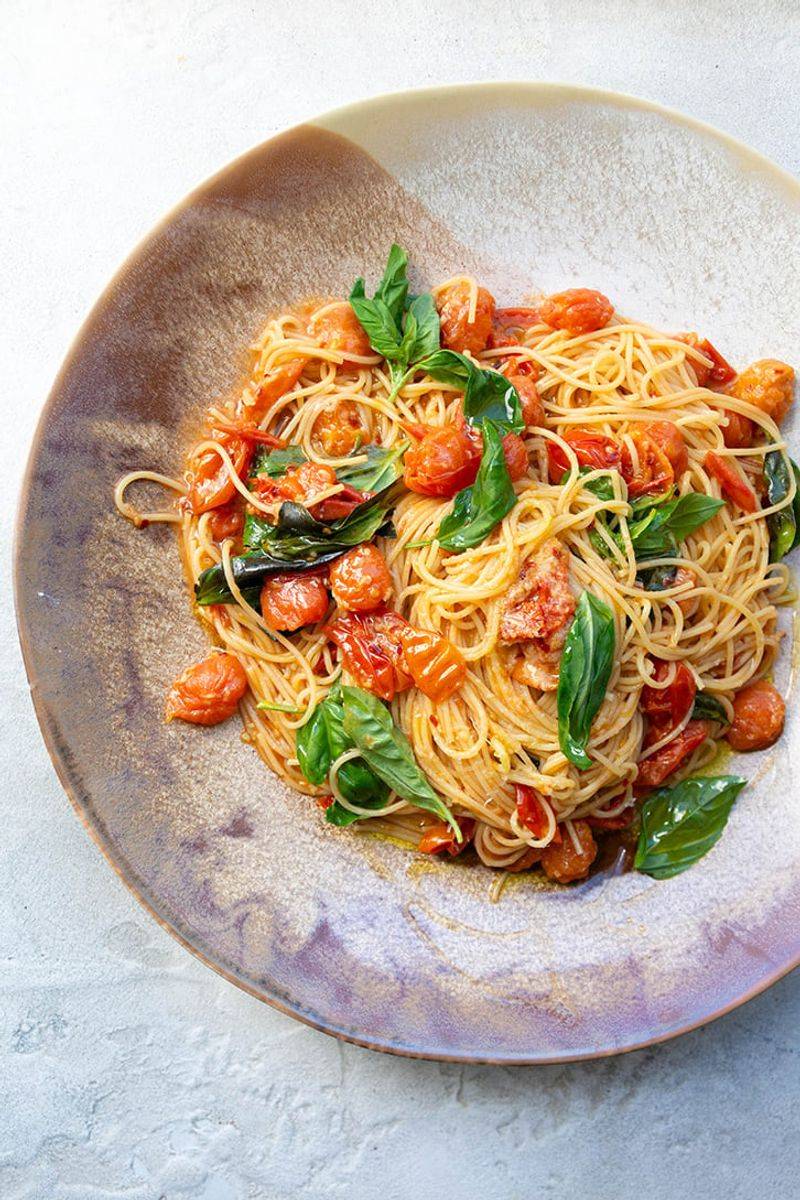
Here is a tip that will instantly upgrade your cooking – always tear basil, never cut it. When you slice basil with a knife, the metal causes the leaves to bruise and turn black along the edges almost immediately.
Tearing by hand keeps those edges clean and bright green.
Torn basil also releases its aromatic oils more gently, giving you a fresher, more fragrant flavor. Whether scattered over pizza, pasta, or a Caprese salad, hand-torn basil looks more natural and vibrant.
It is a small detail that genuinely makes a noticeable difference in how the dish tastes.
13. Croissants
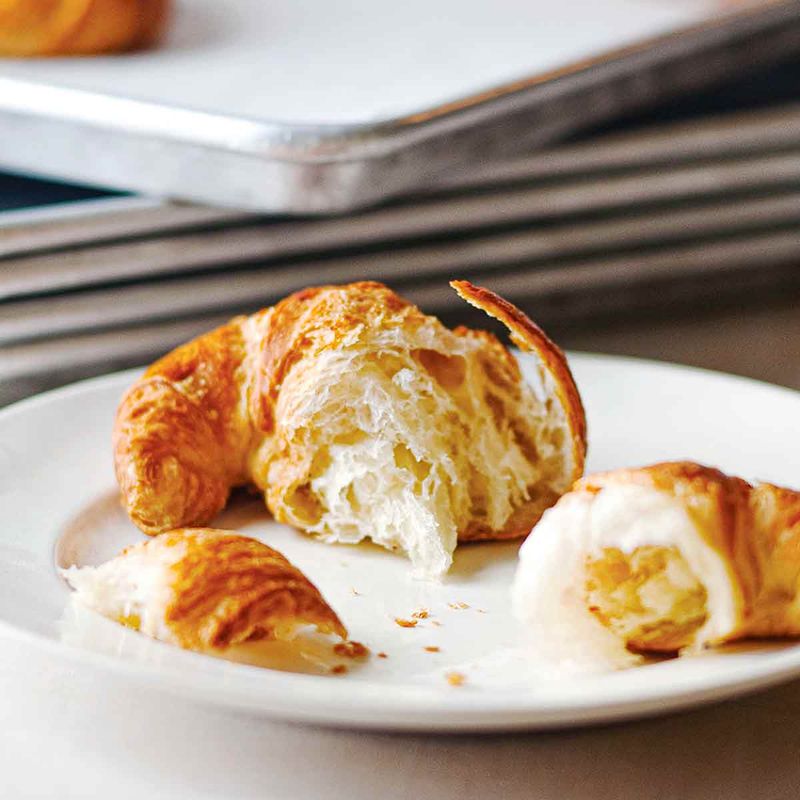
Croissants are a laminated pastry miracle made of dozens of buttery, flaky layers. Cutting one with a knife crushes those delicate layers flat.
Tearing it apart by hand lets you pull those layers open dramatically, releasing steam and that intoxicating buttery aroma all at once.
Pulling a croissant apart reveals its honeycomb interior, which is absolutely perfect for stuffing with jam, butter, or cheese. The rough, torn edges also hold fillings better than a clean-cut surface.
It feels a little indulgent and playful – and honestly, that matches the spirit of eating a croissant perfectly.
14. Slow-Cooked Pork Shoulder
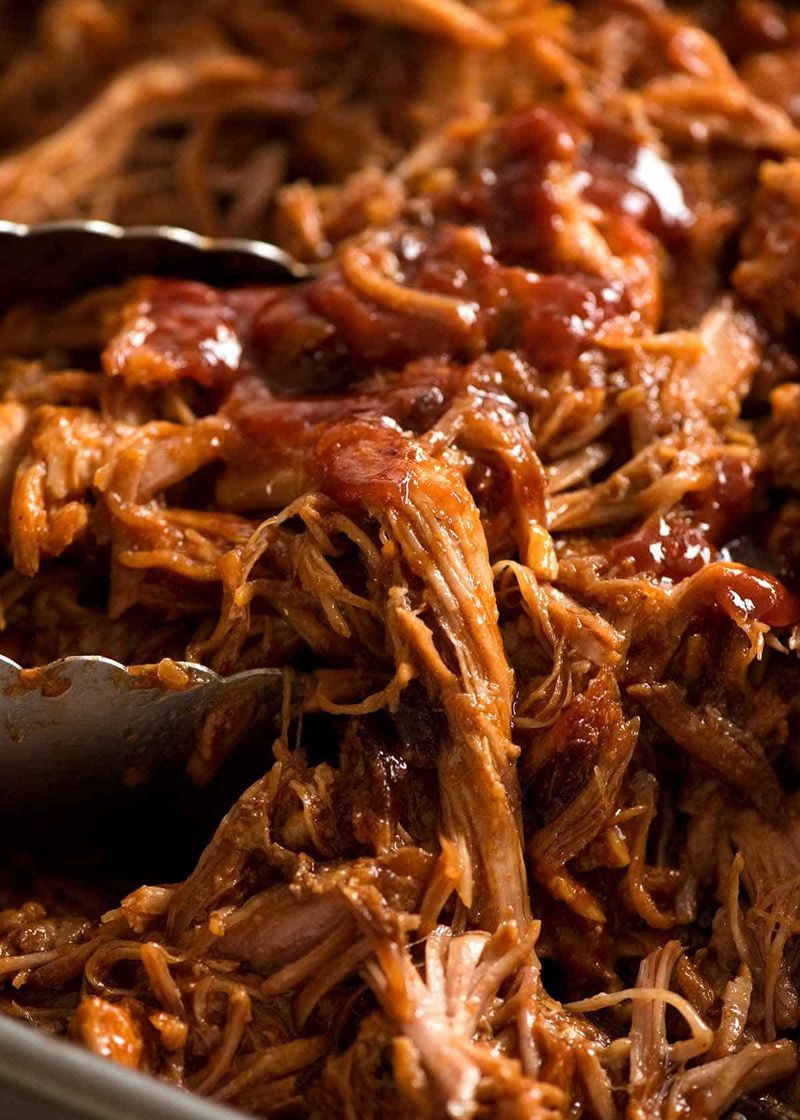
Pulled pork is called that for a very good reason. A pork shoulder that has been slow-cooked for eight to twelve hours becomes so tender that it practically melts apart when you grab it with your hands.
Those long, stringy shreds have a texture that no knife can replicate.
Hand-pulled pork soaks up every drop of the cooking juices and added barbecue sauce. The rough surface area on each strand grabs flavor in a way that smooth, sliced pork simply cannot.
Pile it onto a bun with coleslaw and you have one of the most satisfying sandwiches imaginable.
15. Naan Bread
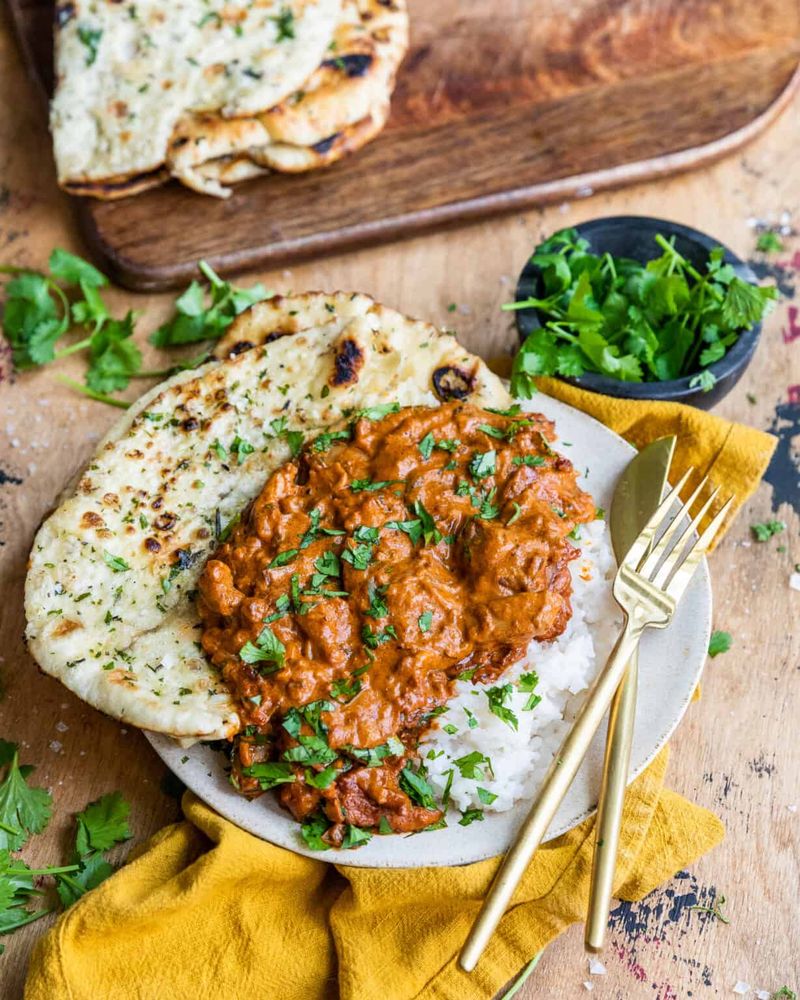
Freshly baked naan straight from a tandoor oven is a food experience that deserves to be enjoyed the right way – torn apart with your hands. The charred, bubbly surface rips open to reveal a soft, steamy interior that is absolutely perfect for scooping up curry.
Tearing naan creates natural, scoop-shaped pieces that work far better than any utensil for eating Indian food. The torn edges soak up rich sauces like butter chicken or saag paneer in the most satisfying way.
Cutting naan with a knife feels almost disrespectful to such a beautifully made bread.
16. Rotisserie Chicken
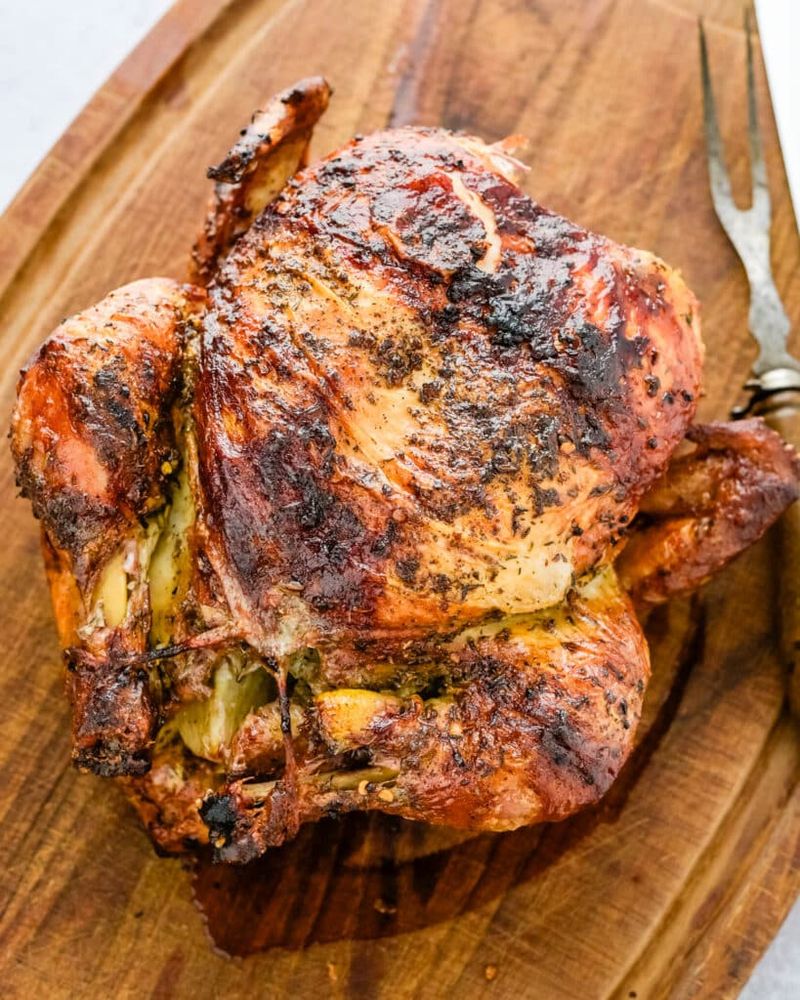
Rotisserie chicken from the grocery store is already one of the best meal shortcuts available. But the way you break it down matters enormously.
Pulling the meat apart by hand along the natural muscle groups gives you juicier, more flavorful pieces than hacking at it with a carving knife.
Your hands can feel where the joints are and where the meat wants to separate naturally. You end up with better-looking pieces and more of the crispy skin stays attached.
Whether making tacos, salads, or sandwiches, hand-pulled rotisserie chicken just tastes more tender and satisfying every single time.
17. Sourdough Bread
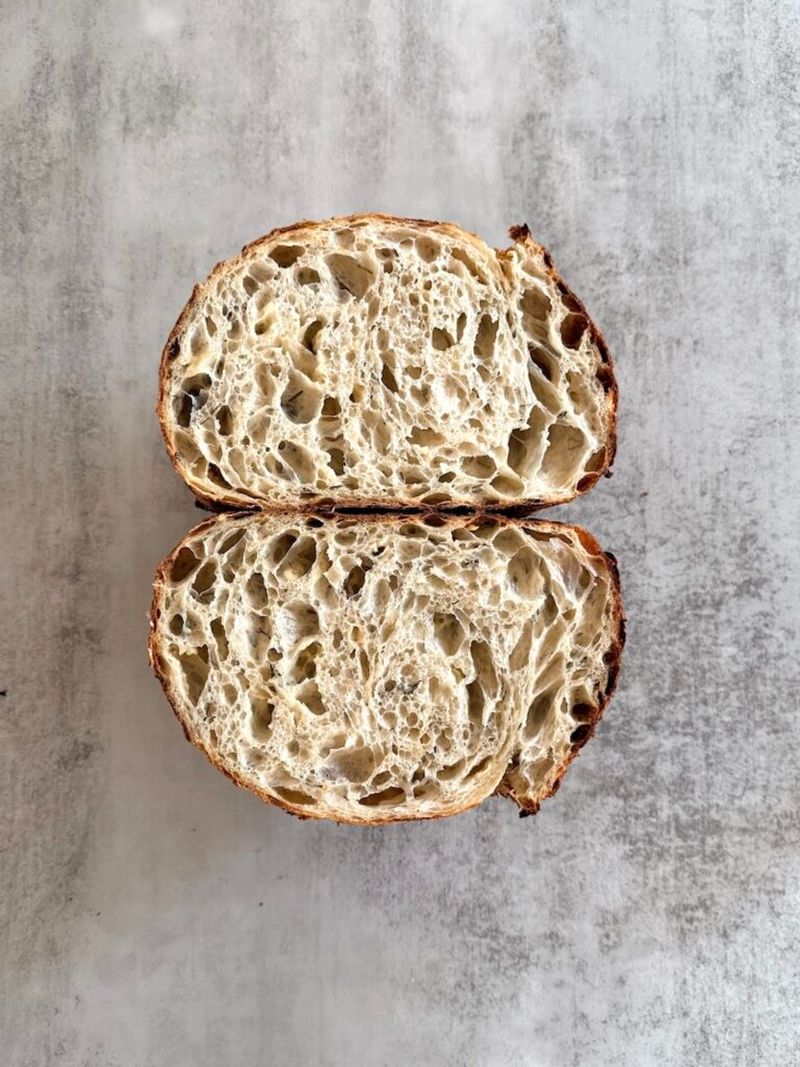
Sourdough has a thick, crackly crust and a wildly open, chewy crumb that reacts beautifully to being torn. The irregular holes and stretchy gluten network in sourdough create dramatic, satisfying tears that reveal the bread’s gorgeous interior.
A knife just glides through without showing you any of that.
Torn sourdough pieces have a chewier, more interesting texture in your mouth. Those rough edges also make incredible dippers for soups and stews.
Avocado toast on torn sourdough has a more rustic, textured base than sliced bread, and it genuinely tastes better with every uneven, crunchy bite.
18. Burrata
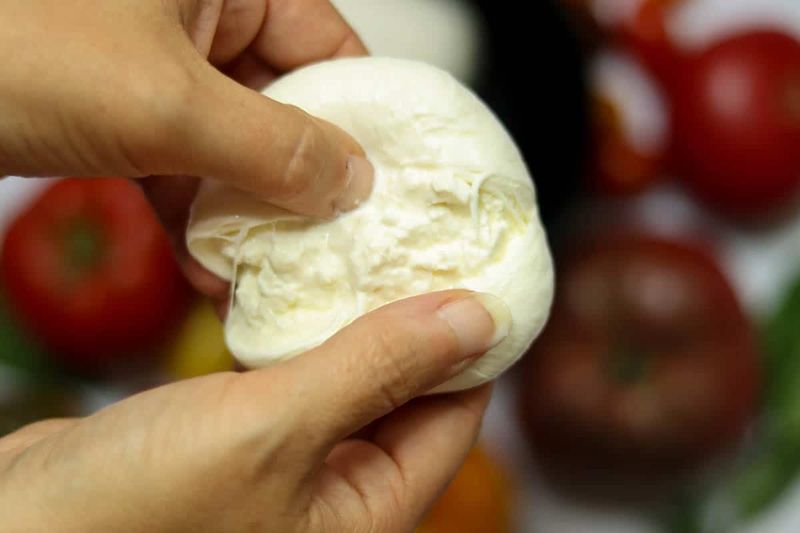
Burrata is basically a surprise gift – a ball of fresh mozzarella filled with creamy stracciatella inside. The only proper way to open it is by tearing it gently with your hands.
Cutting it with a knife causes all that luscious, creamy filling to spill out too fast and too messily.
Tearing burrata slowly lets the cream ooze out in a controlled, beautiful way over whatever is underneath it. Whether placed on bruschetta, roasted tomatoes, or fresh greens, a hand-torn burrata looks stunning and tastes even better.
Every bite gets a mix of stretchy mozzarella and rich, silky cream filling.