
Some fish get a bad reputation before they ever make it to the dinner table. Maybe you heard a friend say it was too fishy, or you spotted it on a menu and skipped right past it.
The truth is, many overlooked fish varieties are actually delicious, affordable, and easy to cook. Give these underrated picks a fair shot, and you might just discover your new favorite meal.
1. Sardines
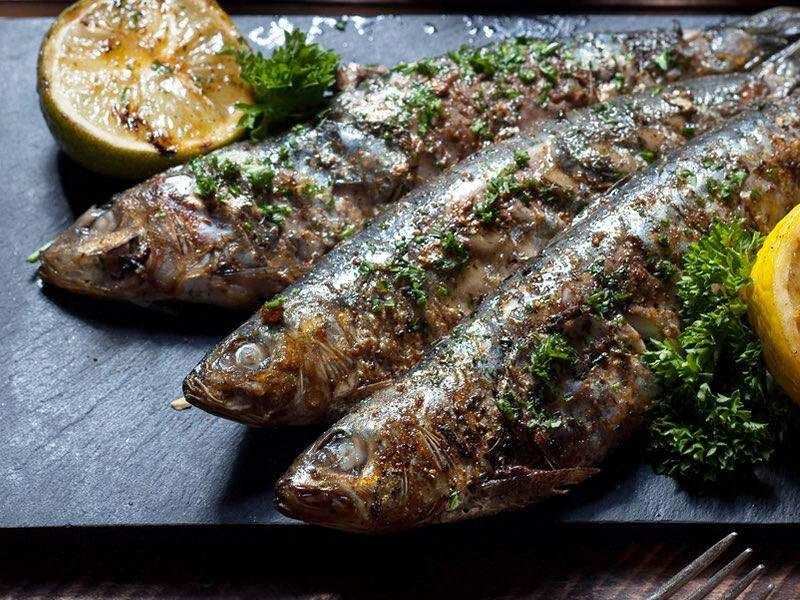
Sardines might be the most misunderstood fish in the ocean. People wrinkle their noses at the canned version, but fresh or grilled sardines are a completely different experience.
They have a rich, savory flavor that pairs beautifully with lemon, garlic, and crusty bread.
Packed with omega-3 fatty acids and vitamin D, sardines are one of the healthiest fish you can eat. Try them grilled with olive oil and you may never look back.
2. Mackerel
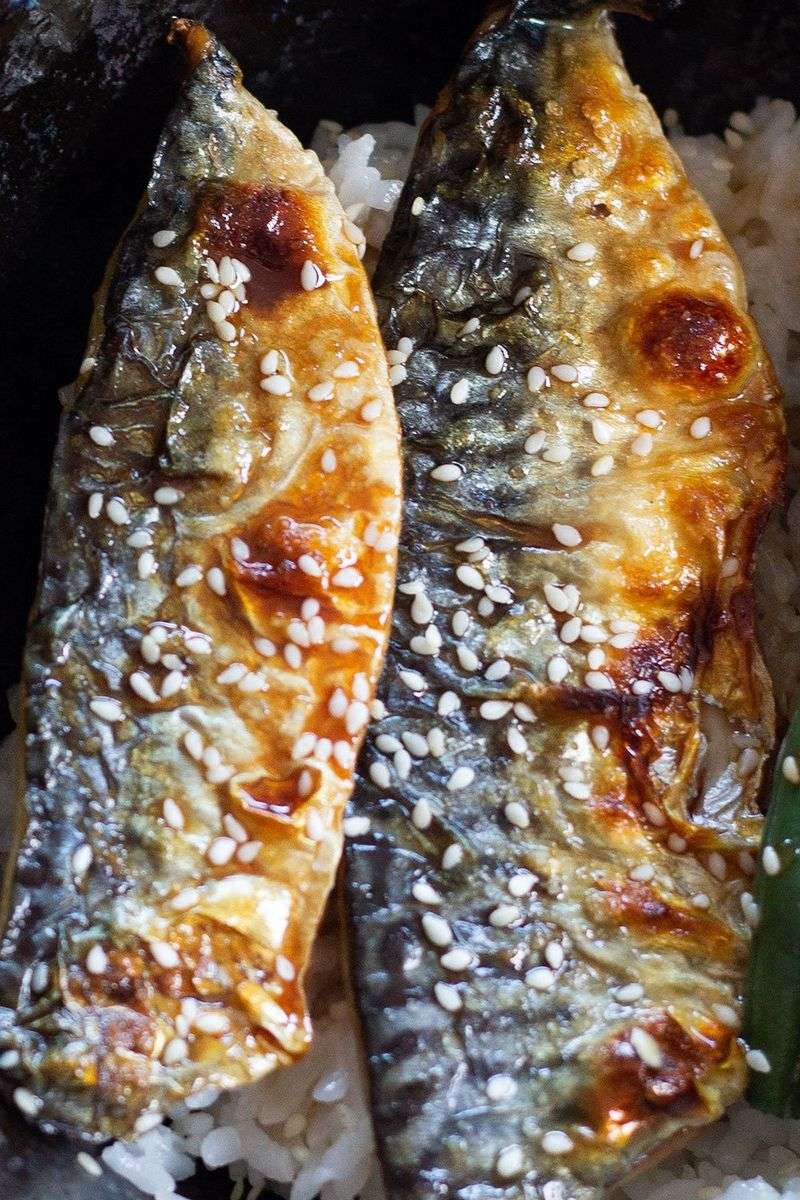
Mackerel has a bold, oily flavor that some people find off-putting at first, but that richness is exactly what makes it so satisfying. Think of it like the difference between skim milk and full-fat cream – once you go bold, everything else feels bland.
Smoked mackerel is especially popular in Europe and for good reason. It flakes easily, tastes incredible on toast, and is loaded with heart-healthy nutrients your body will thank you for.
3. Carp
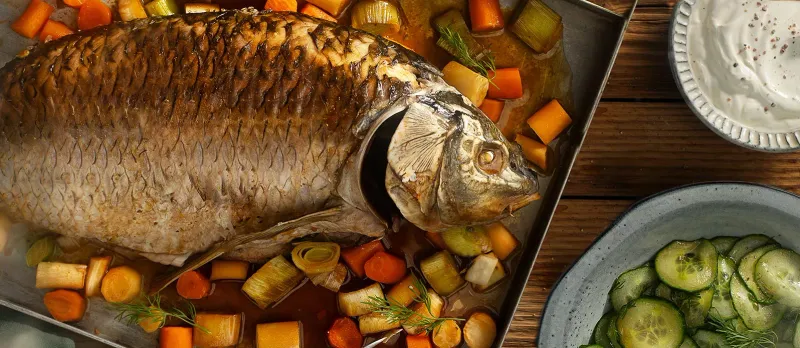
Carp gets dismissed in North America, but across Europe and Asia it is a prized centerpiece at holiday feasts. The secret is in the preparation – carp from clean, flowing water has a mild, sweet flavor that surprises most first-time tasters.
Soaking the fish in salted water before cooking removes any muddy taste entirely. Baked with paprika, onions, and sour cream in the Eastern European style, carp becomes something truly memorable and worth every minute of prep.
4. Catfish
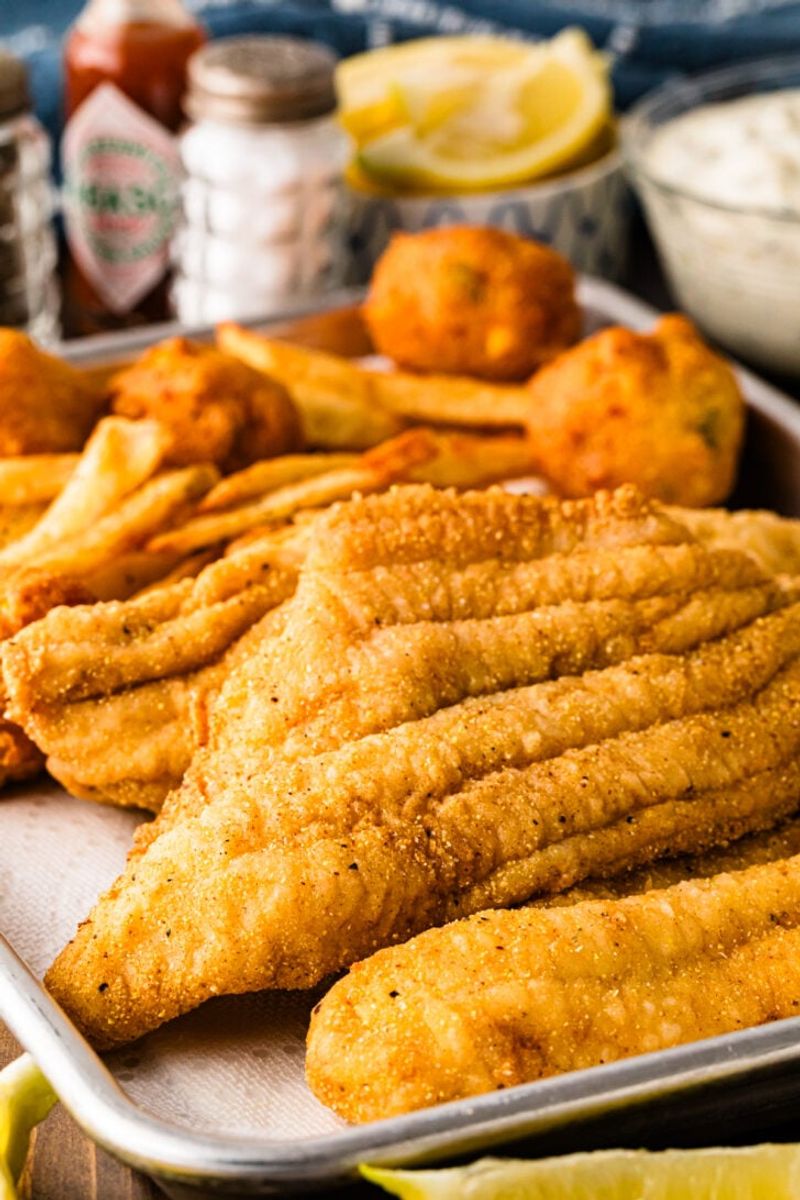
Southern cooks have known for generations that catfish is pure comfort food when prepared right. Its firm, white flesh holds up beautifully to frying, blackening, or baking without falling apart on the pan.
The reputation for being muddy-tasting comes from poorly sourced fish. Farm-raised catfish from reputable suppliers has a clean, mild flavor that even picky eaters enjoy.
Coat it in seasoned cornmeal, fry it golden, and serve with a squeeze of lemon for a genuinely crowd-pleasing dish.
5. Pollock
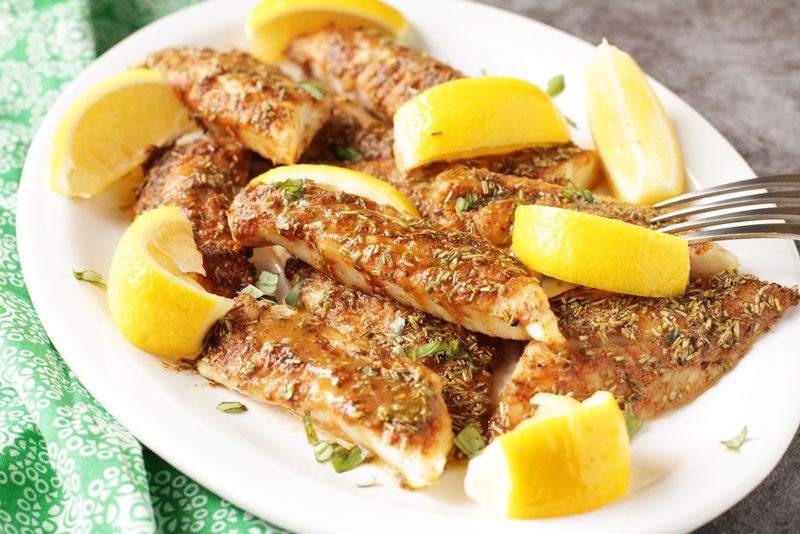
Here is a fun fact: you have almost certainly eaten pollock without realizing it. Most fast-food fish sandwiches and imitation crab sticks are made from this affordable, mild white fish.
Pollock has a soft, flaky texture and a neutral flavor that soaks up marinades and seasonings wonderfully. It is one of the most sustainable seafood choices available today.
Bake it with a lemon-herb crust and you get a light, satisfying meal that is both budget-friendly and genuinely tasty.
6. Tilapia
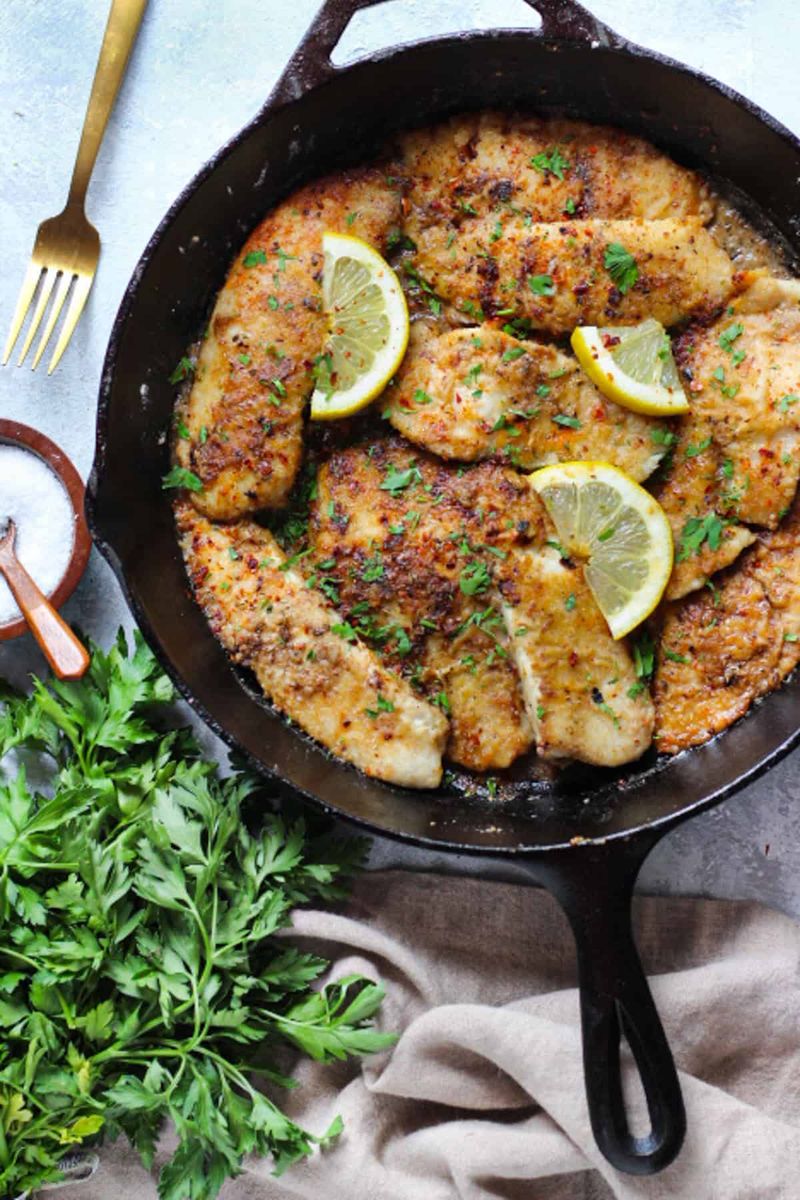
Tilapia gets a lot of criticism online, but much of it is exaggerated. When sourced responsibly and cooked well, it is a perfectly pleasant, mild white fish that works in tacos, stir-fries, and baked dishes alike.
Its low fat content and subtle flavor make it a great canvas for bold spices and sauces. Season it generously with cumin, chili powder, and lime for fish tacos that will genuinely impress your friends at the next cookout.
7. Herring
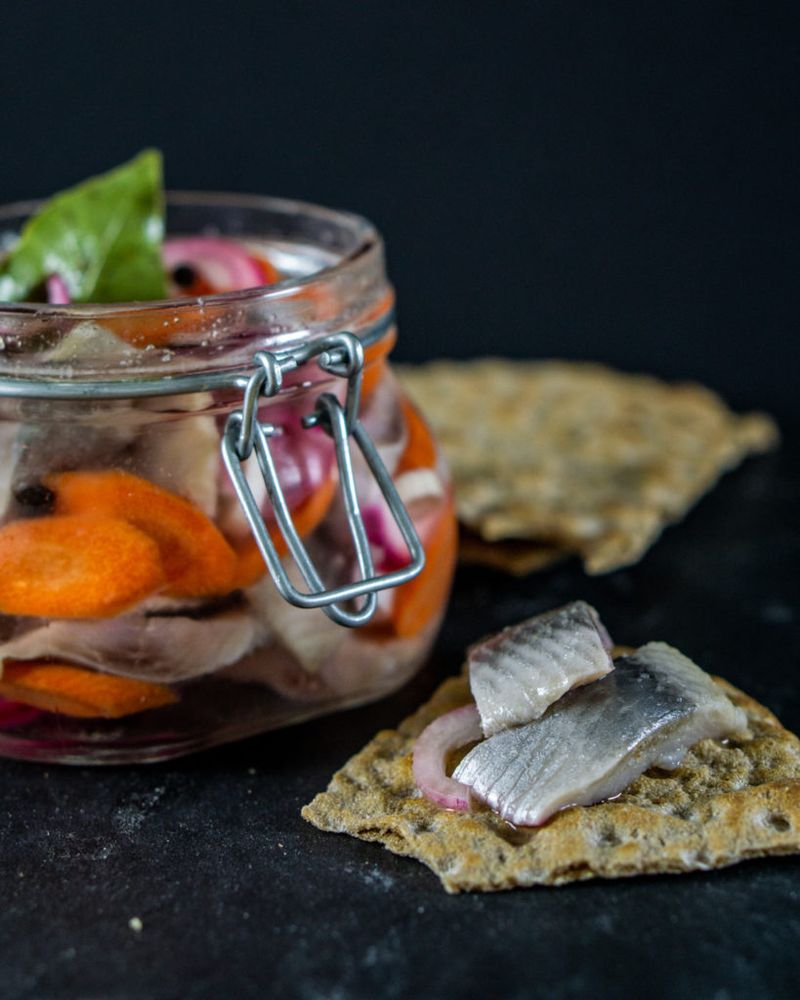
Herring has been feeding coastal communities for centuries, yet many modern eaters avoid it based on second-hand opinions. Pickled herring is tangy and bright, while fresh herring grilled over an open flame is smoky and deeply satisfying.
Scandinavia and the Netherlands have turned herring into a cultural treasure, and rightly so. Try it with rye bread, cream cheese, and capers for a combination that feels both sophisticated and surprisingly approachable, even for cautious fish eaters trying it for the first time.
8. Mullet
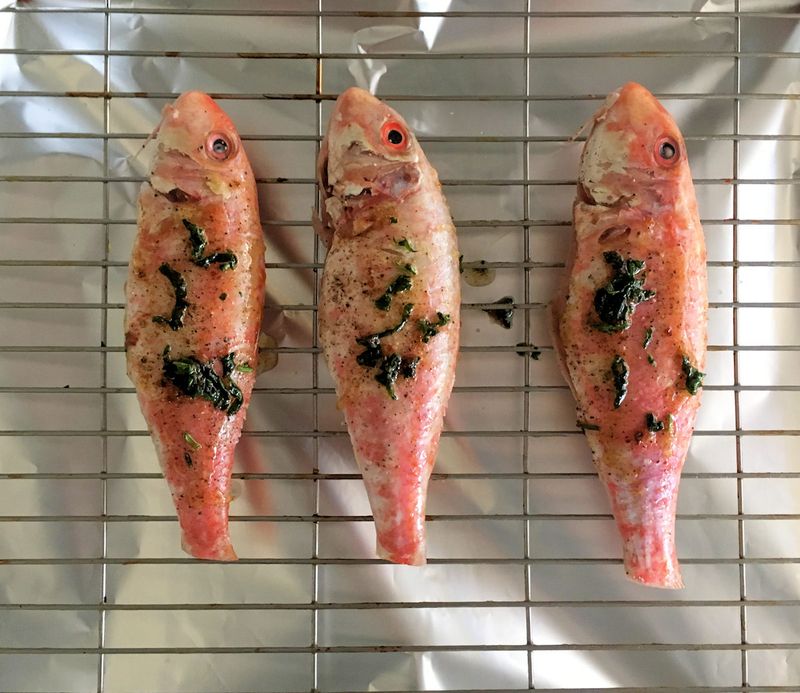
Mullet is wildly popular in the Mediterranean and Southeast Asia, yet largely ignored in other parts of the world. This is a genuine culinary missed opportunity.
The flesh is firm, slightly sweet, and rich enough to stand up to bold spices and high-heat cooking.
Smoked mullet dip is a beloved tradition in Florida coastal towns, and once you taste it, the obsession makes perfect sense. Pair it with crackers and hot sauce for a snack that punches well above its humble reputation.
9. Bluefish
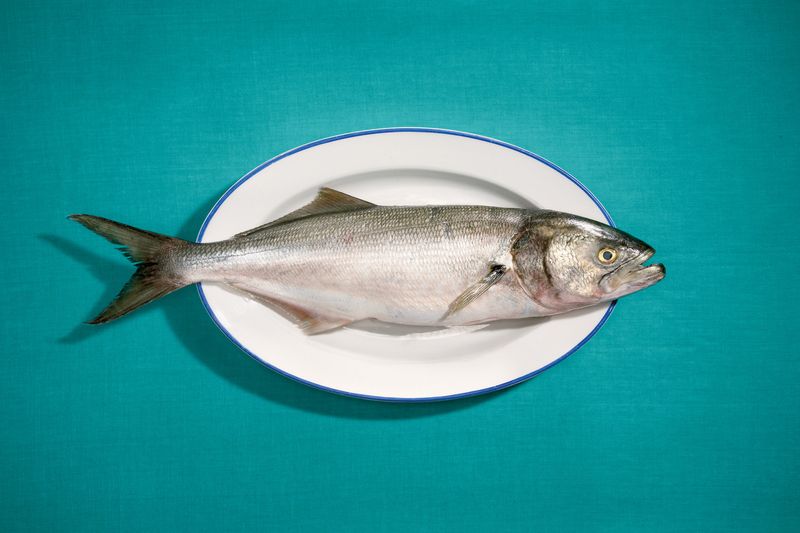
Bluefish is intensely flavorful, and that is exactly the point. Anglers along the Atlantic coast catch it in abundance, yet many people toss it back simply because they do not know how to handle a strong-tasting fish.
The trick is simple: cook it super fresh and use acidic ingredients like lemon juice or vinegar to balance the richness. Grilled bluefish with a mustard-herb crust is genuinely outstanding.
Stop sleeping on this affordable, wild-caught fish that the East Coast basically gives away.
10. Canned Tuna
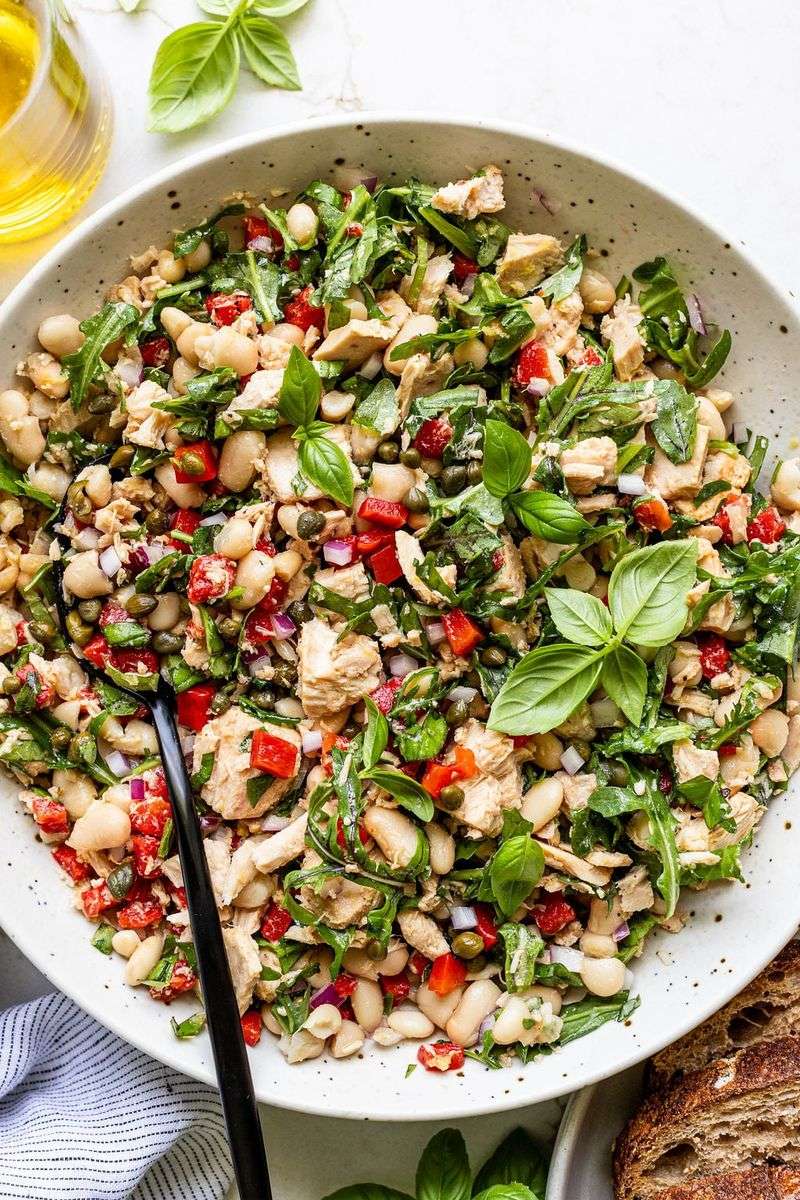
Canned tuna sometimes gets dismissed as boring office lunch food, but quality matters enormously here. Premium tuna packed in olive oil has a buttery, meaty texture that is nothing like the dry, flavorless varieties that give it a bad name.
Spanish and Italian brands often pack whole loins rather than shredded bits, resulting in an entirely different product. Toss it with white beans, arugula, and good olive oil for a meal that feels restaurant-worthy with almost zero effort required.
11. Skate
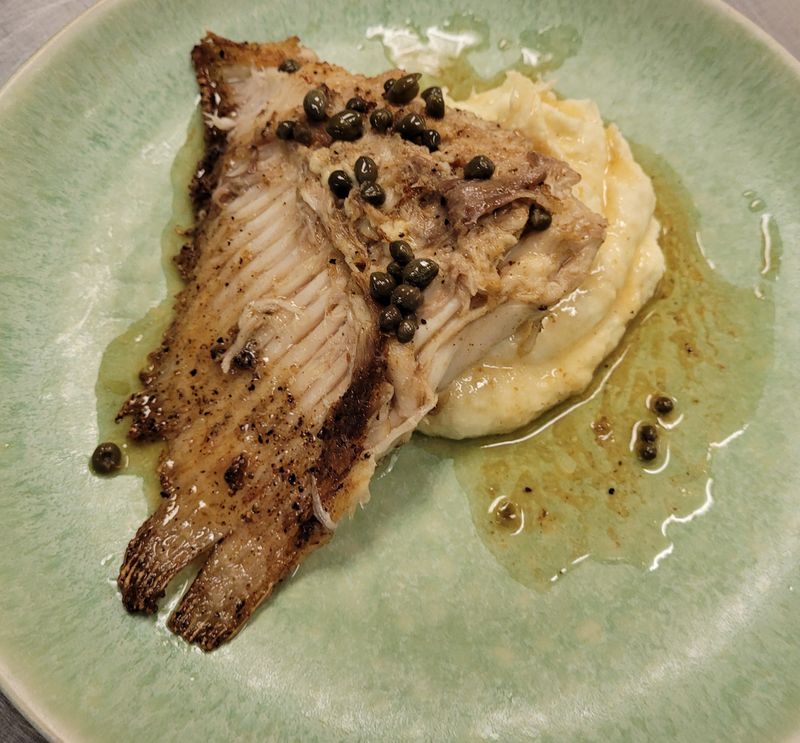
Skate looks unusual, which probably explains why most home cooks avoid it. The wing-shaped fish has ridged flesh that separates into tender, scallop-like strips when cooked, making every bite feel a little luxurious.
Classic French brasseries have served skate with brown butter and capers for decades, and the combination is genuinely hard to beat. Ask your local fishmonger to prepare it for you, and you will quickly understand why professional chefs get so excited whenever skate appears on a seasonal menu.
12. Whiting
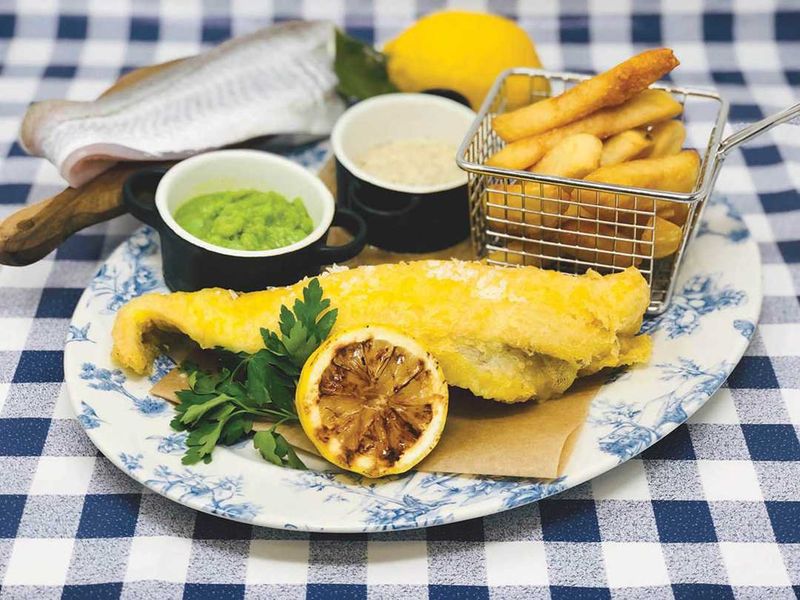
Whiting is the unsung hero of the fish-and-chip shop. Cheaper and more sustainable than cod, it delivers a similarly flaky, mild eating experience that most people enjoy without ever knowing what they are eating.
Its delicate texture means it cooks quickly, making it ideal for weeknight dinners. Season it simply with salt, pepper, and a squeeze of lemon, then pan-fry it in butter for a meal that comes together in under fifteen minutes and tastes far more impressive than the effort involved.
13. Anchovies
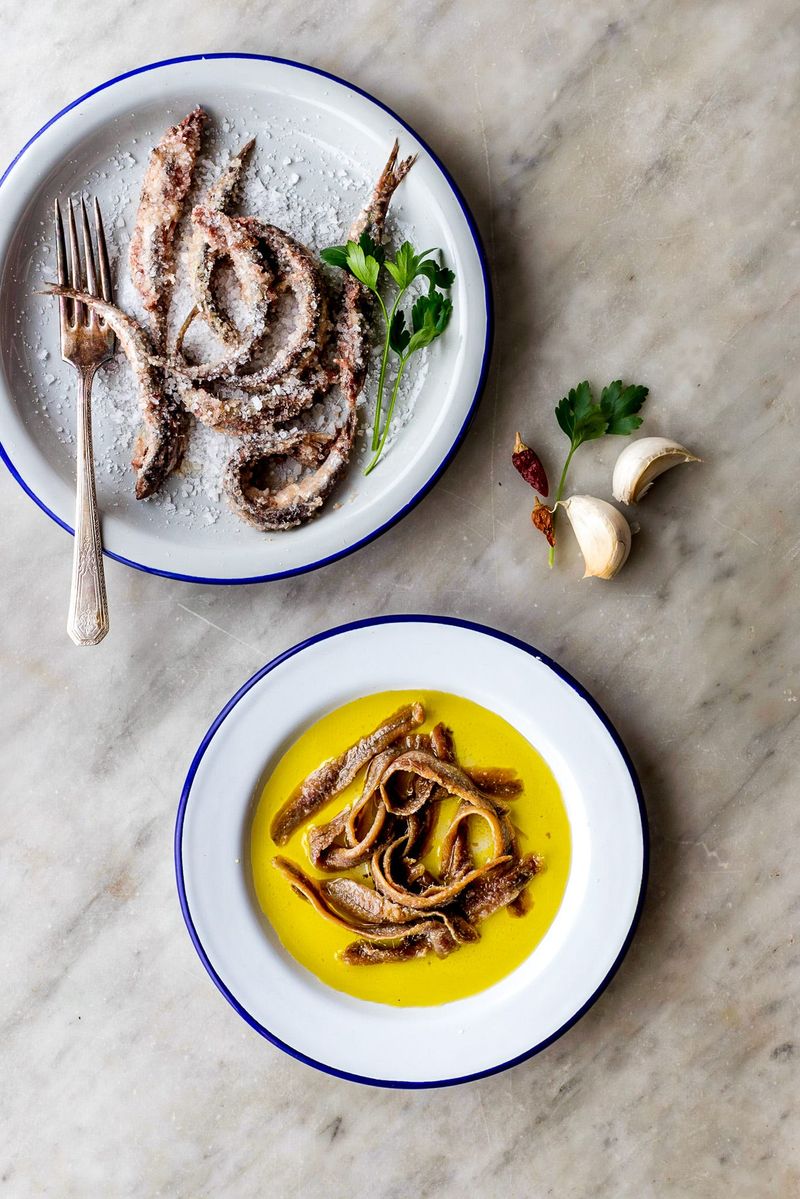
Anchovies have a polarizing reputation, mostly because people encounter them as rubbery, overly salty pizza toppings. Quality anchovies packed in good olive oil are an entirely different product – silky, complex, and deeply savory in the best possible way.
When you melt anchovies into pasta sauce, garlic butter, or salad dressing, they disappear completely while adding incredible depth of flavor. Good chefs use them as a secret weapon constantly.
Next time you see them on a menu, give them a real chance.
14. Cobia
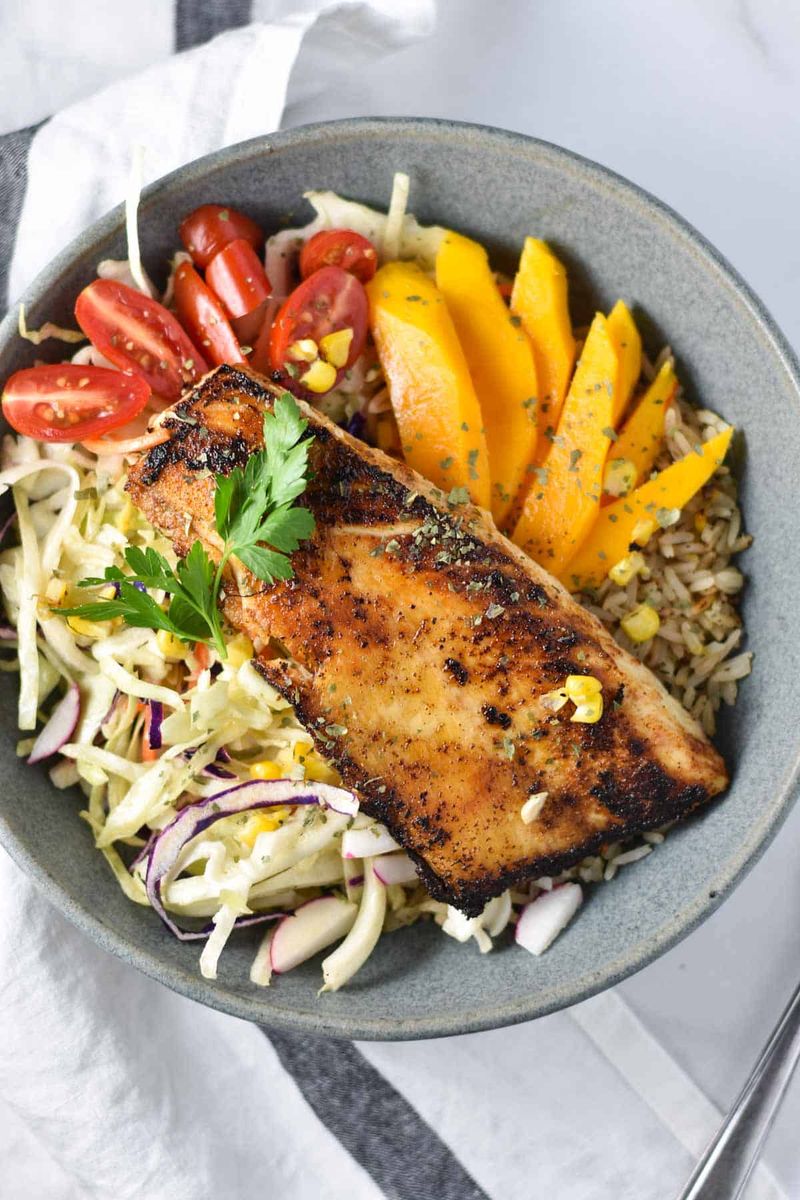
Cobia is one of those fish that chefs rave about while the general public has barely heard of it. Its firm, buttery flesh has a richness similar to mahi-mahi but with a slightly more complex flavor that holds up to grilling and roasting equally well.
Because it is not widely marketed, cobia tends to be more affordable than comparable premium fish. Look for it at specialty seafood markets or coastal restaurants.
Grilled with a tropical salsa, it feels like a proper vacation on a plate.
15. Drum (Red and Black)
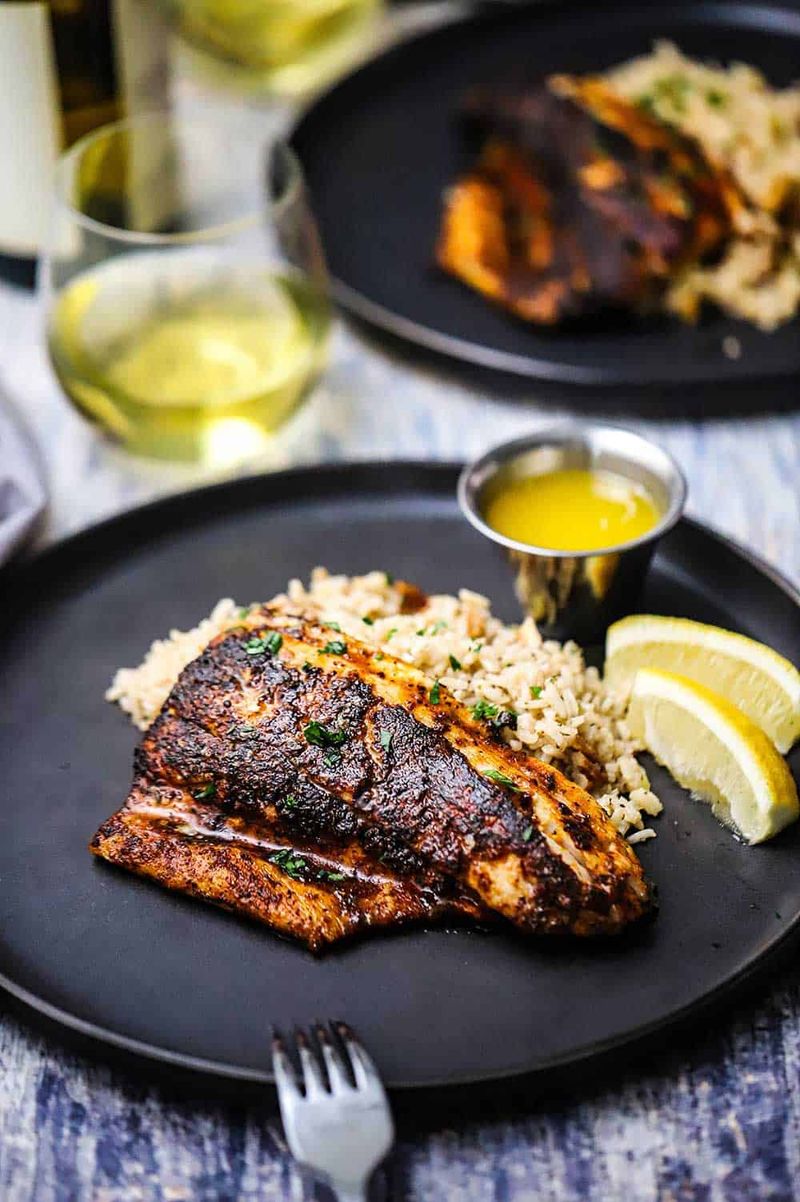
Red drum, also called redfish, became iconic in Louisiana cooking thanks to Chef Paul Prudhomme’s blackened redfish recipe in the 1980s. The dish was so popular it nearly caused a shortage.
That kind of fame does not happen without genuinely great flavor.
Both red and black drum have firm, moist flesh that responds beautifully to bold Cajun spices. Black drum is often overlooked compared to its red cousin, but it deserves equal attention.
Blacken it in a screaming-hot cast iron pan for unforgettable results.
16. Dogfish (Spiny Dogfish)
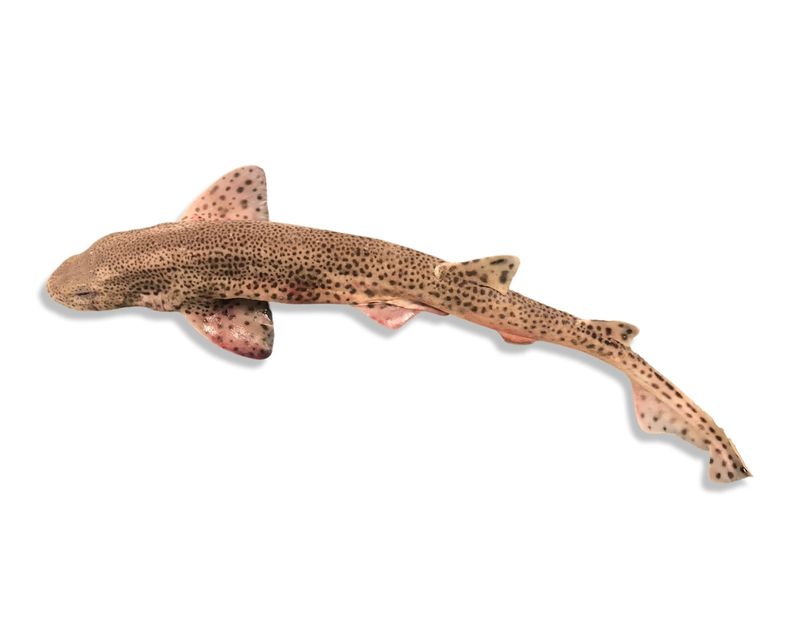
Spiny dogfish is a small shark species that British fish-and-chip shops have quietly sold for decades under the name “rock salmon.” It has a mild, slightly sweet flavor and a firm texture that holds together perfectly under a crispy batter coating.
Overfishing of cod made dogfish a practical and sustainable alternative, and many loyal customers never noticed the switch. It is worth seeking out specifically, not just as a substitute.
The flavor is genuinely good and the sustainability credentials make it an easy choice.
17. Lionfish
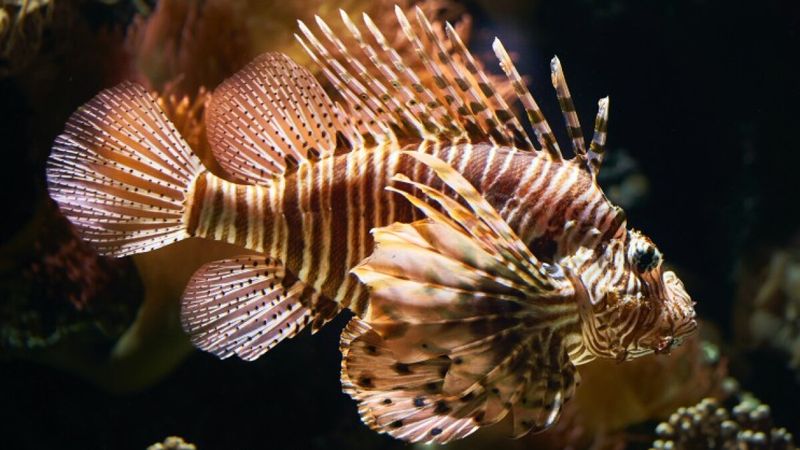
Lionfish are invasive predators wreaking havoc on Atlantic and Caribbean reef ecosystems, but here is the good news: they taste fantastic. Eating them is genuinely one of the most environmentally responsible seafood choices you can make right now.
The white flesh is delicate, sweet, and clean-tasting with a texture similar to grouper. Restaurants in Florida and the Caribbean are increasingly featuring lionfish on menus as part of conservation efforts.
Ordering it helps the reef and rewards you with an outstanding plate of food.
18. Bowfin
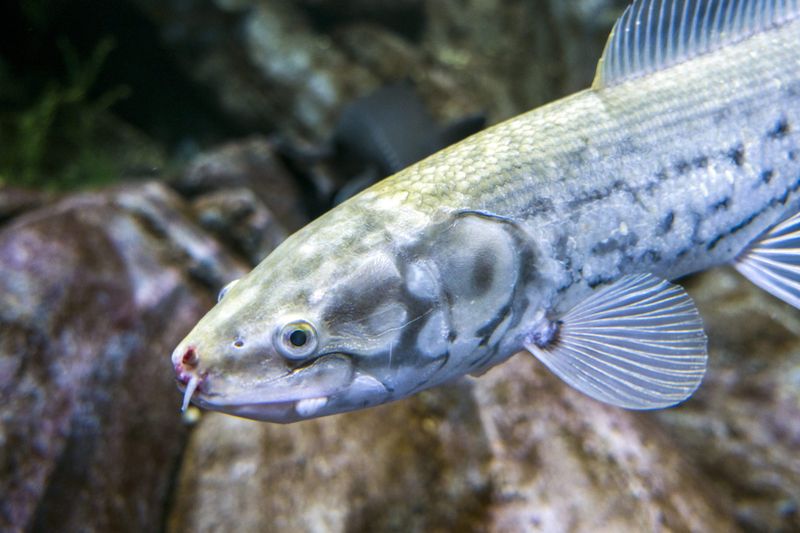
Bowfin is ancient – it is one of the few surviving members of a fish family that dates back to the age of dinosaurs. Anglers often throw it back without a second thought, but Southern cooks who know their fish treat bowfin with real respect.
Its flesh is softer than most game fish, which means it needs confident seasoning and quick, hot cooking to shine. Heavily spiced and grilled over charcoal, bowfin delivers a bold, earthy flavor that feels like a genuinely wild eating experience worth repeating.