
Good Will Hunting is one of the most beloved movies of the 1990s, telling the story of a young genius from South Boston who struggles to find his place in the world. What makes the film even more incredible is the story behind how it was made, from two unknown friends writing the script to winning major Academy Awards.
There are so many surprising secrets hiding behind the scenes that most fans have never heard about. Get ready to discover what really happened behind the camera, the script, and the lasting legacy of this unforgettable film.
1. The Fake Sex Scene Test That Exposed Studio Executives
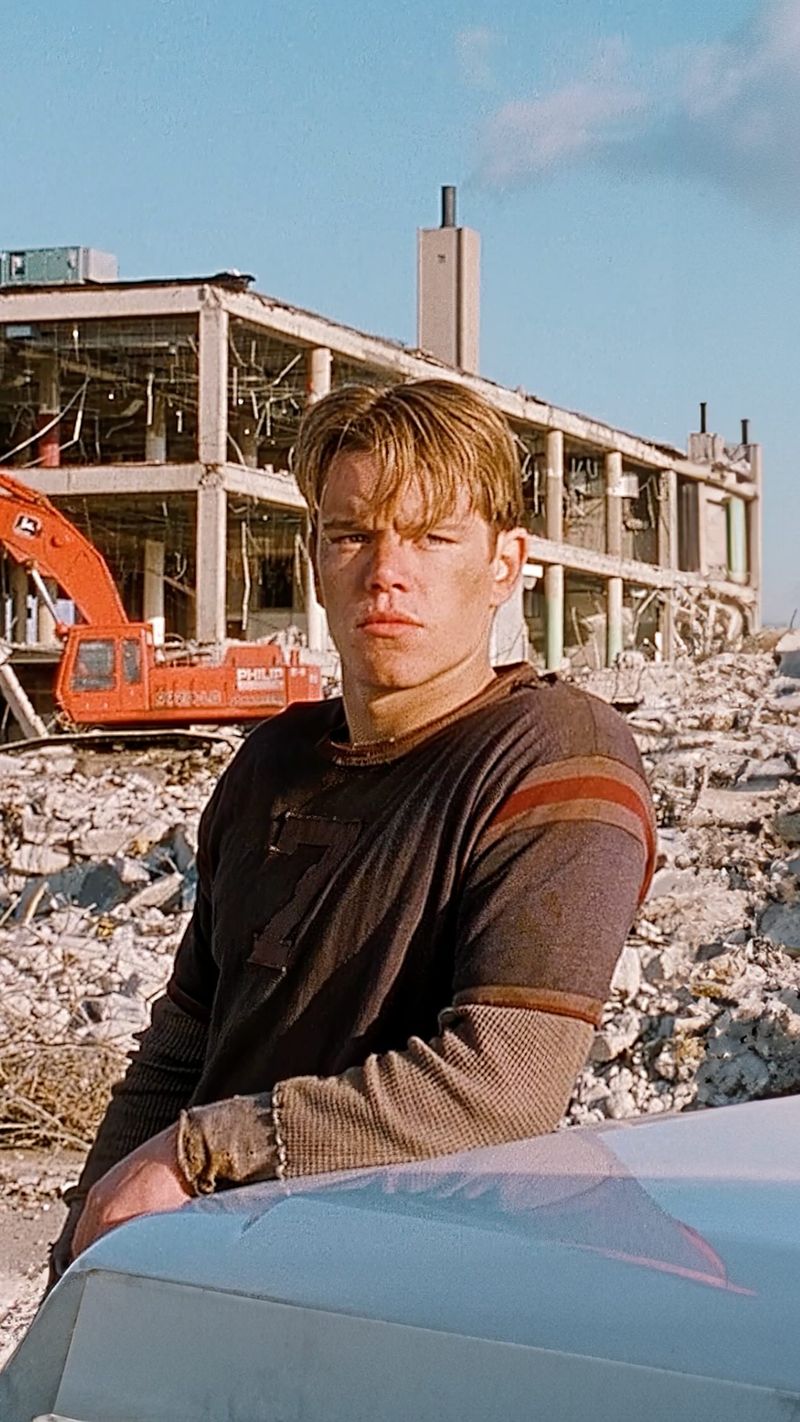
Matt Damon and Ben Affleck had a brilliant trick up their sleeves when they sent their script to Hollywood studios. They planted a fake, out-of-place sex scene between the two male leads on page 60, just to see which executives actually read the whole thing.
Miramax was the only studio that called them out on it. That single moment told Damon and Affleck everything they needed to know, so they chose Miramax as their partner and never looked back.
2. Two Unknowns Who Bet Everything on One Script
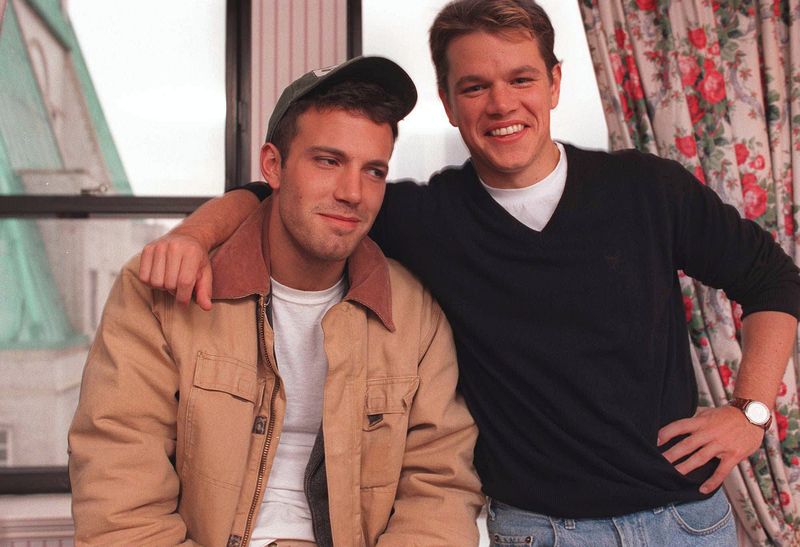
Before the world knew their names, Matt Damon and Ben Affleck were just two friends from Cambridge, Massachusetts, dreaming of making it big. They wrote Good Will Hunting together when they were still relatively unknown actors struggling to find steady work.
Writing the script was their big gamble, a way to create the opportunity Hollywood had not yet handed them. That bold move paid off in a way neither of them could have fully imagined at the time.
3. The Government Spy Subplot That Got Cut
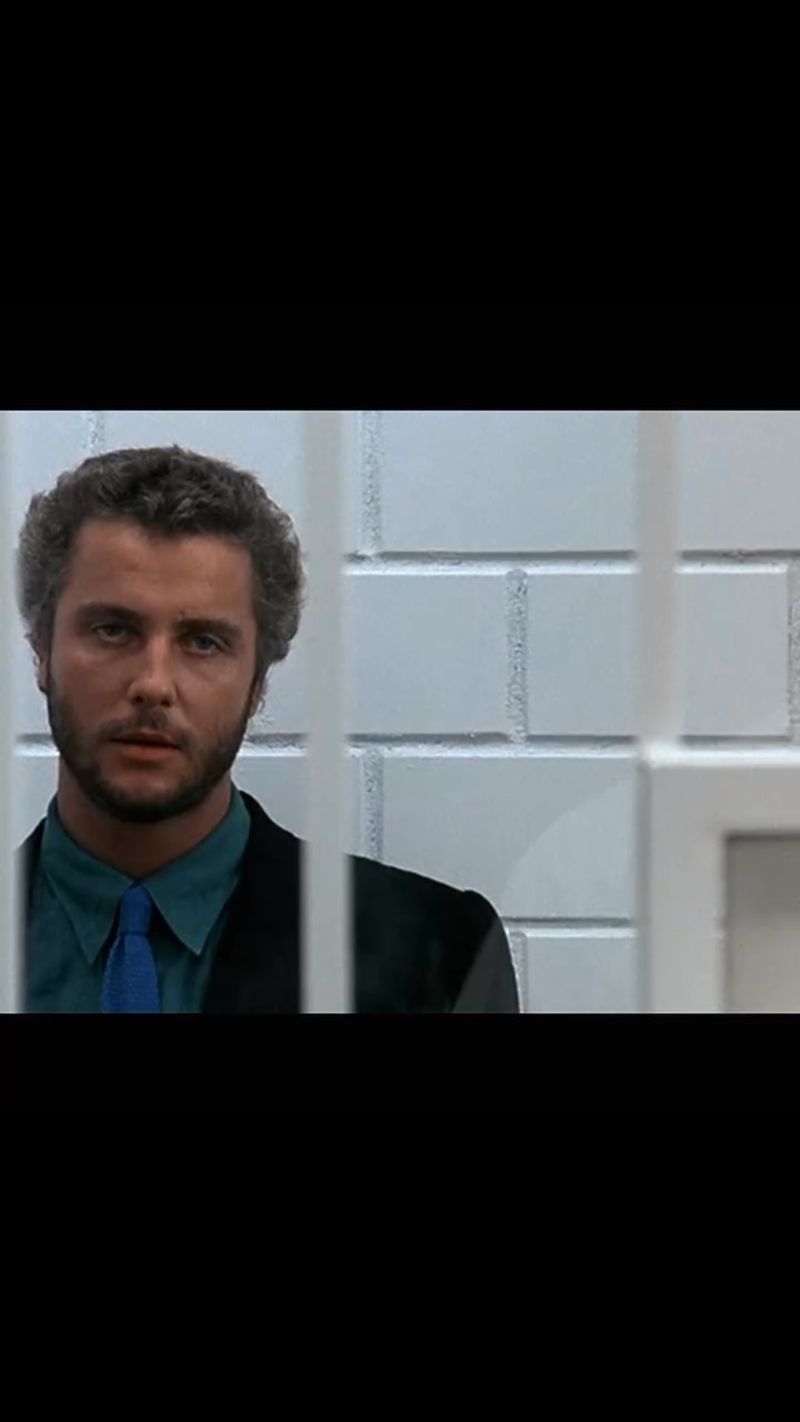
The original Good Will Hunting script had a much darker edge to it. Will Hunting was not just a troubled math genius, he was also being recruited by the U.S. government to work as a cryptanalyst for secret, subversive operations.
That thriller element gave the story a whole different flavor. Director Rob Reiner stepped in and urged Damon and Affleck to drop the FBI subplot entirely, pushing them to zero in on the characters and their emotional journeys instead.
4. Rob Reiner’s Advice That Changed Everything
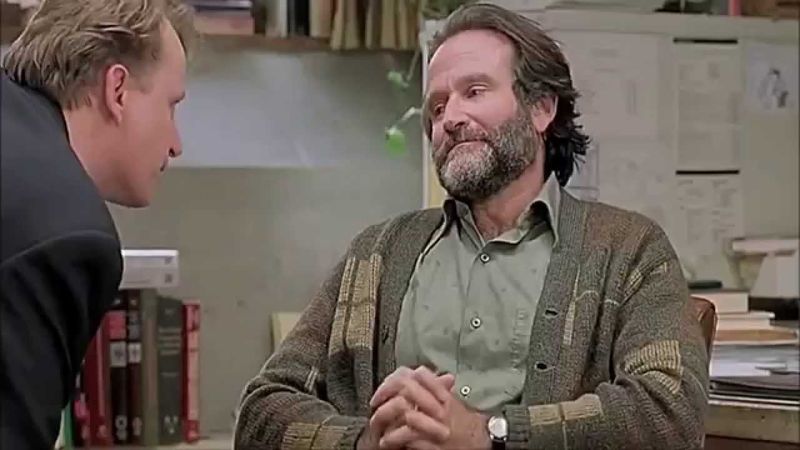
Rob Reiner did not direct Good Will Hunting, but his influence on the final product is undeniable. When Damon and Affleck shared an early draft with him, he gave them one clear note: forget the government thriller angle and focus on the people.
That simple piece of advice reshaped the entire movie. Stripping away the action subplot forced the writers to dig deeper into Will’s psychology, his friendships, and his fear of being truly known by another person.
5. William Goldman’s Role Was Much Smaller Than the Legend Says
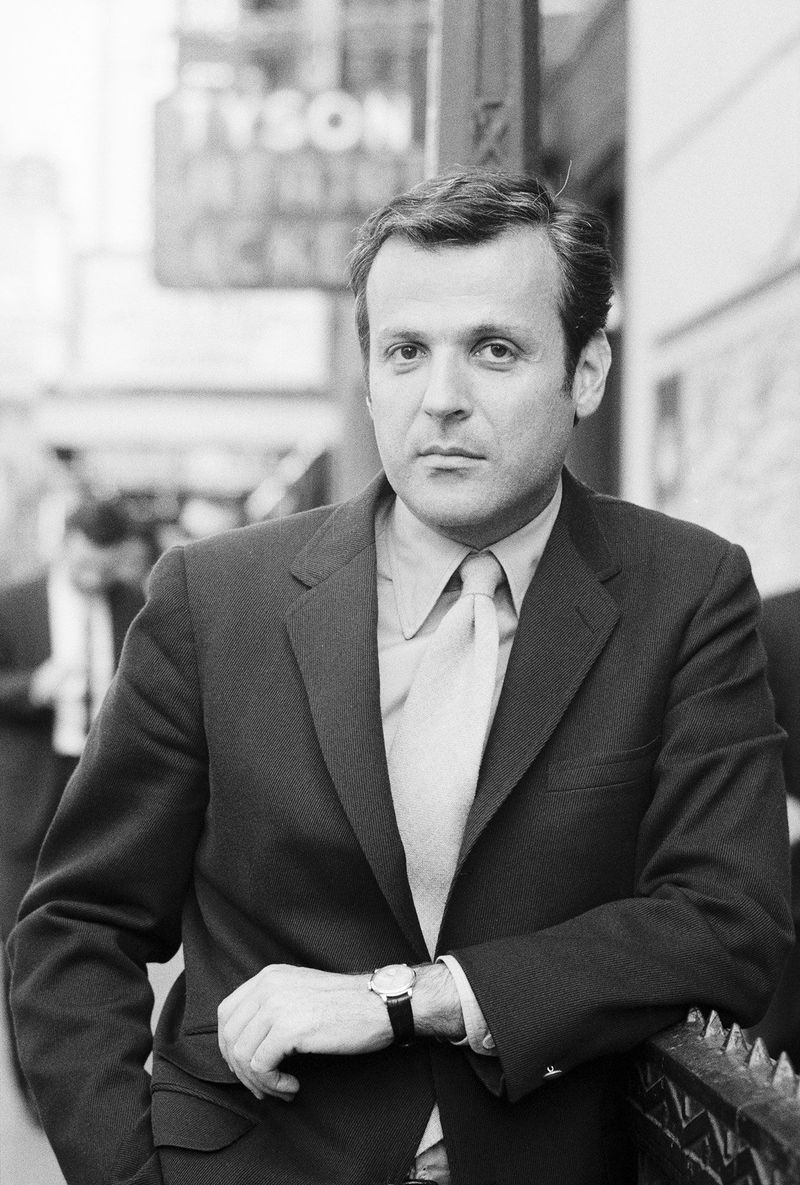
A persistent Hollywood legend claimed that legendary screenwriter William Goldman heavily rewrote the Good Will Hunting script. The truth is far less dramatic.
Goldman read a draft and simply agreed with Rob Reiner’s advice to focus on the characters.
His actual contribution was minimal, yet the myth grew over the years. Damon and Affleck deserve full credit for the screenplay that went on to win the Academy Award for Best Original Screenplay, because the words were genuinely theirs.
6. Gus Van Sant Wanted Chuckie to Die in a Construction Accident
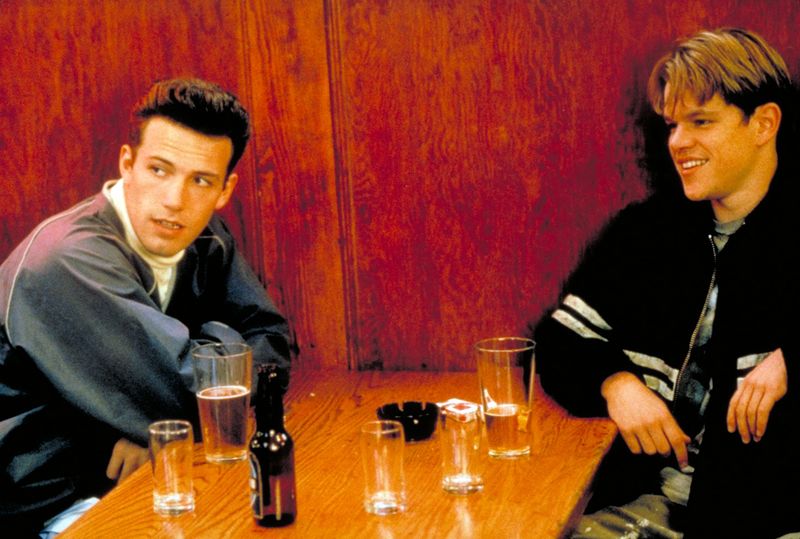
Director Gus Van Sant had a dramatic idea for Chuckie, Will’s loyal best friend played by Ben Affleck. He wanted the character to die in a construction accident, adding a heavy layer of tragedy to the story’s final act.
Damon and Affleck pushed back hard and refused to let that happen. They argued their case with enough conviction that Van Sant eventually scrapped the idea, keeping Chuckie alive and preserving one of the film’s most heartwarming friendships all the way to the credits.
7. How Robin Williams Got the Script Through Francis Ford Coppola
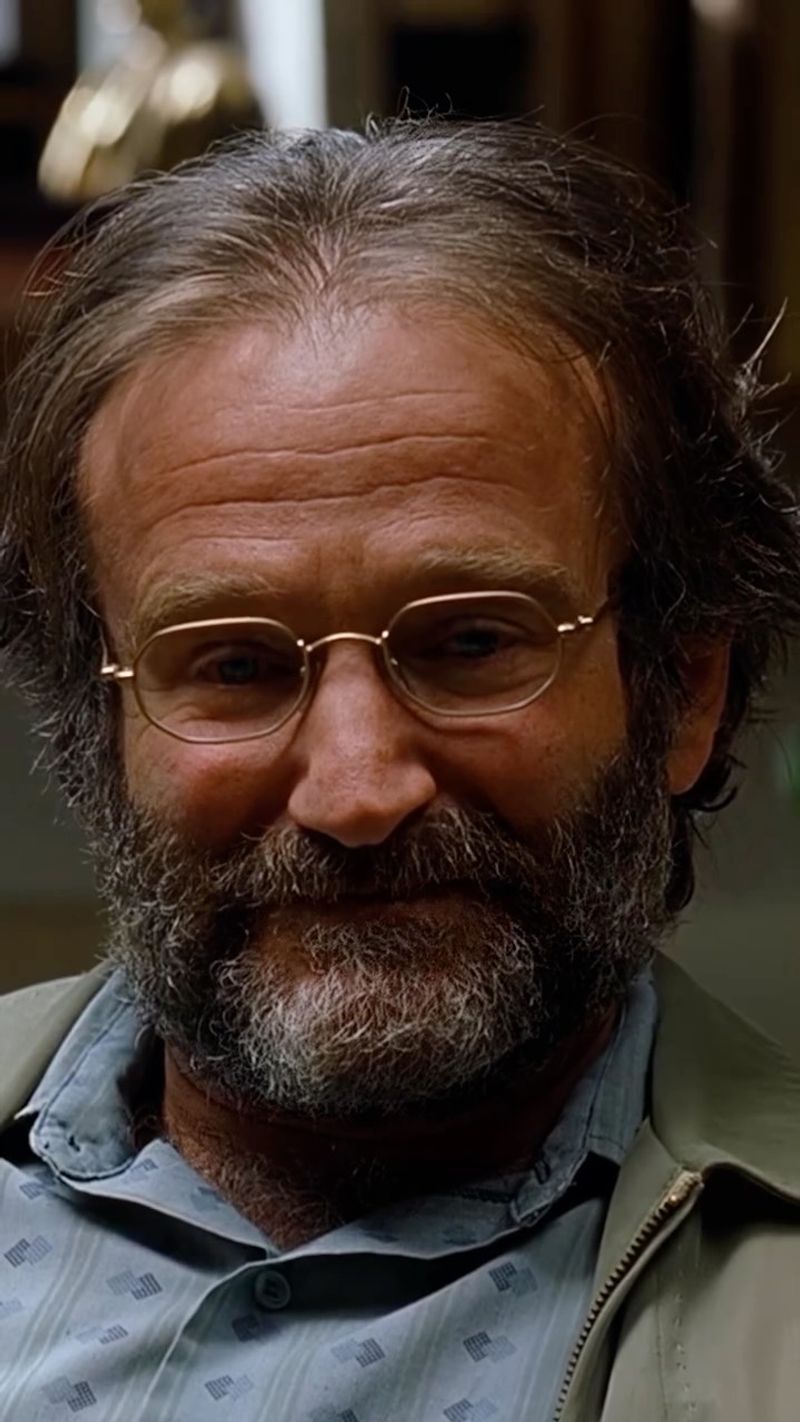
Robin Williams was not the first person Damon and Affleck had in mind when they wrote the therapist Sean Maguire, but his involvement changed the film’s entire trajectory. Williams received the script through the legendary director Francis Ford Coppola.
Once Williams expressed real interest in the role, the film’s path to getting made became much smoother. His star power and reputation gave the project the credibility it needed to attract serious studio attention and a proper production budget.
8. The Smart Strategy Behind Writing Sean Maguire’s Role
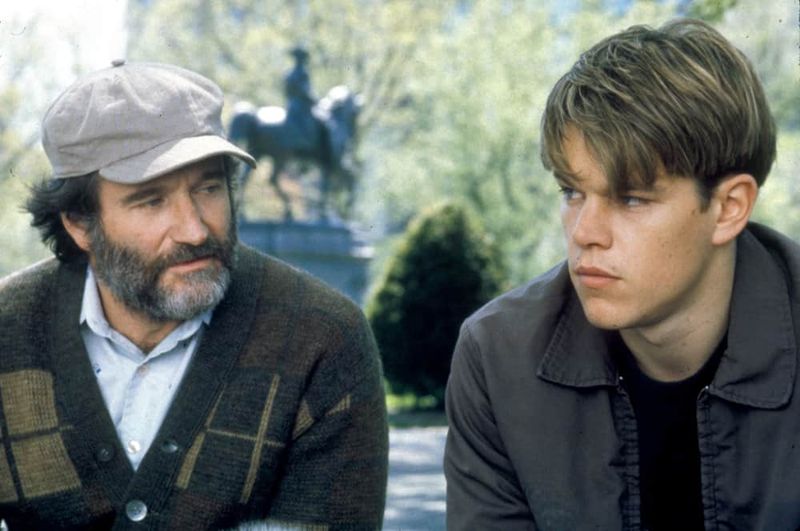
Damon and Affleck were smart about more than just storytelling. They deliberately wrote the therapist character, Sean Maguire, to be the kind of rich, layered role that a respected and established movie star would find irresistible.
Their inspiration came from how Harvey Keitel’s involvement helped Quentin Tarantino get Reservoir Dogs made. By crafting a role that would appeal to a big name, they used the same playbook to attract talent that could open doors no unknown writer could knock on alone.
9. Robin Williams Agreed to Just Five Million Dollars
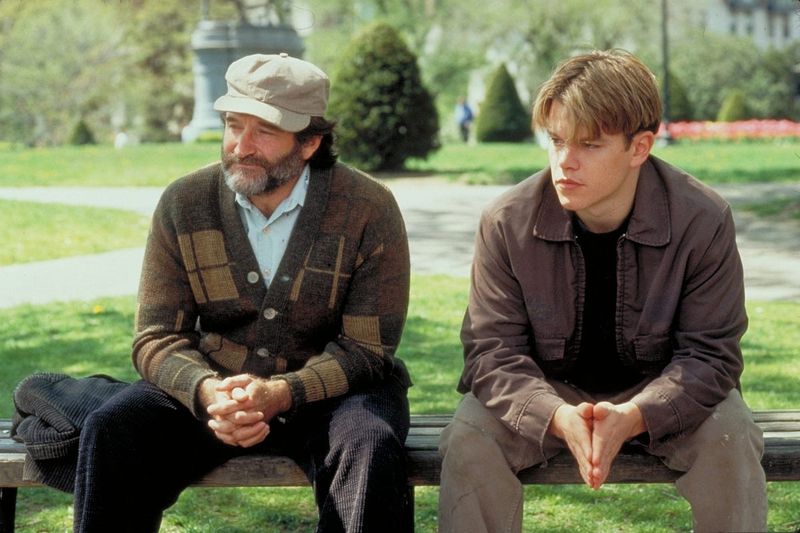
For a star of Robin Williams’ caliber in the late 1990s, five million dollars was actually a modest salary. He agreed to that figure for his role as Sean Maguire, along with a sliding scale bonus if the film crossed sixty million dollars at the box office.
Given that Good Will Hunting eventually grossed over two hundred million dollars worldwide, that sliding scale likely paid off nicely. Williams’ willingness to work for a reasonable rate showed how much he genuinely believed in the story.
10. Damon Chose to Play Will Over Affleck
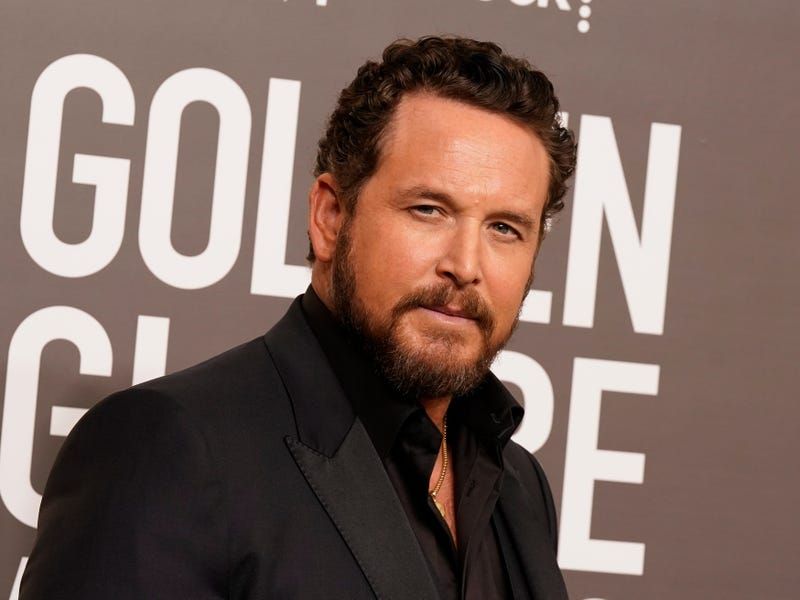
When Damon and Affleck first dreamed up Good Will Hunting, either of them could have stepped into the lead role. Ultimately, they decided Matt Damon would play Will Hunting, and that choice turned out to be absolutely perfect.
Damon brought a raw vulnerability to Will that made audiences root for him even when he was being self-destructive. His performance felt lived-in and real, which makes sense since he co-wrote every word Will speaks throughout the entire film.
11. The Dialogue That Felt Like Real People Talking
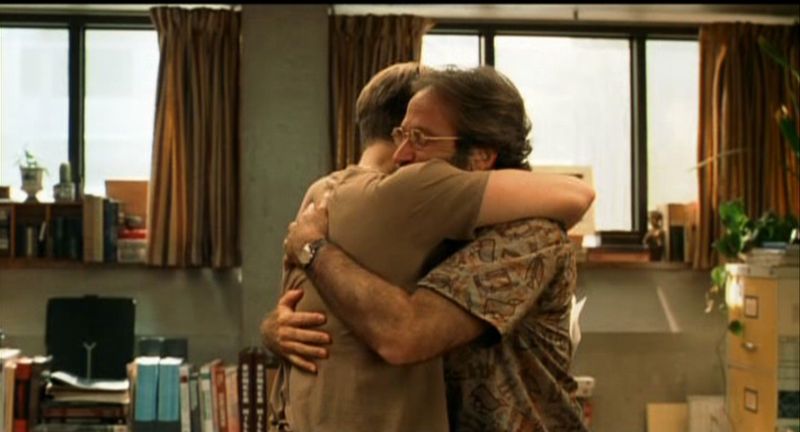
One of the most praised qualities of Good Will Hunting is how natural the conversations feel. Critics and audiences alike pointed to the banter between Will and Sean as some of the most authentic dialogue put on screen in the 1990s.
That authenticity came from Damon and Affleck writing characters they genuinely understood. The words were rooted in real emotions, real friendships, and real fears, which is exactly why the scenes between Damon and Williams still hit so hard decades later.
12. A Budget Film That Became a Two-Hundred-Million-Dollar Success
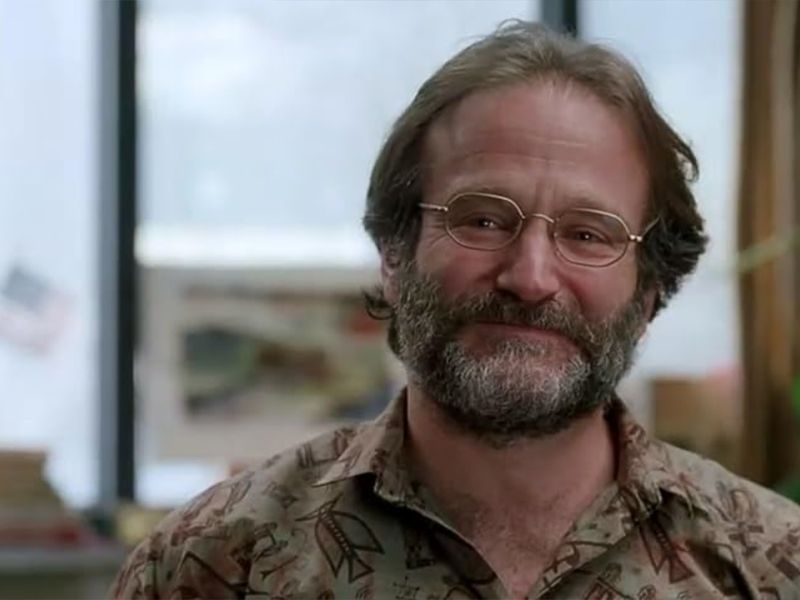
Nobody predicted Good Will Hunting would become a massive commercial hit. The film was made on a modest budget, the kind that studios usually reserve for smaller, quieter projects without big expectations attached to them.
Yet audiences showed up in huge numbers, and the film eventually grossed over two hundred million dollars around the world. That kind of return on a character-driven drama was genuinely rare, proving that emotionally honest storytelling could compete with any big-budget blockbuster at the box office.
13. The Youngest Writers to Win Best Original Screenplay
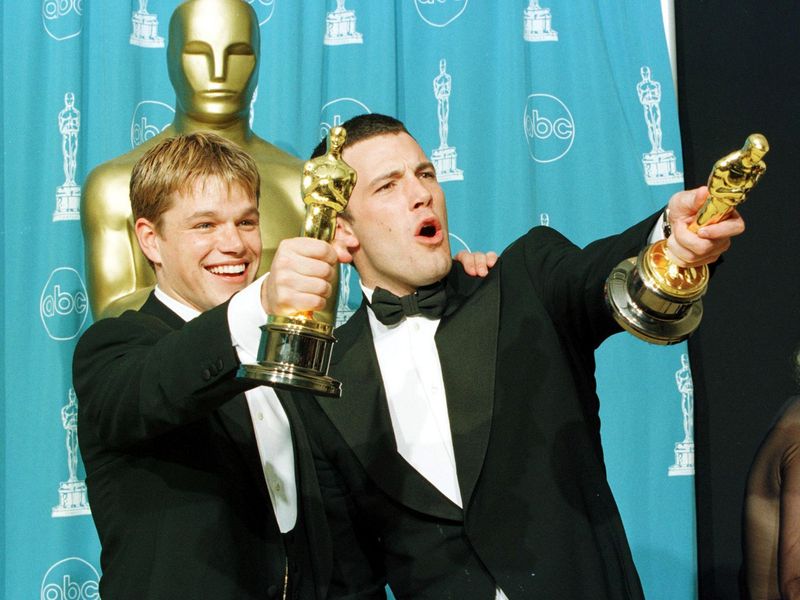
Winning an Oscar is a dream for most writers. For Damon and Affleck, it happened before either of them turned thirty.
Their win for Best Original Screenplay made them the youngest recipients of that award in Academy history at the time.
The moment they took the stage was electric, two young guys from Boston who had written a script nobody wanted to produce now holding Hollywood’s most recognized prize. It remains one of the most memorable Oscar moments of the entire decade.
14. Robin Williams Won His Only Competitive Oscar for This Film
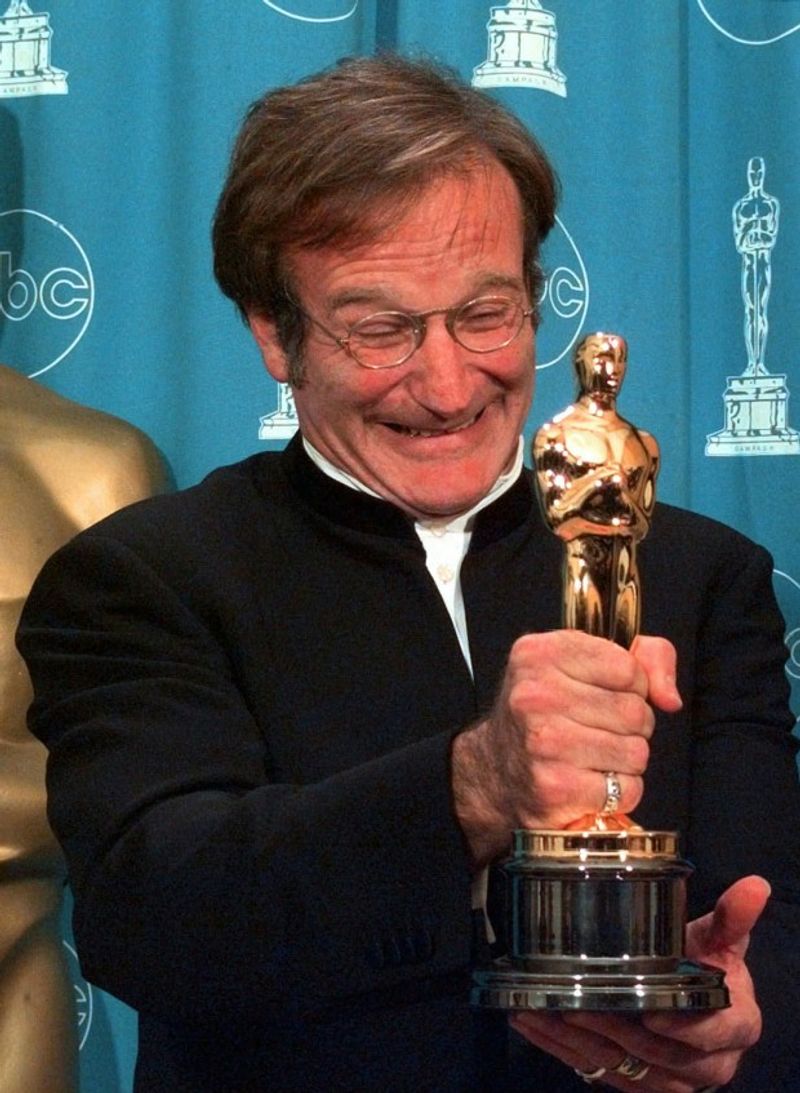
Robin Williams had been nominated for Academy Awards before Good Will Hunting, but he had never taken one home for a competitive category. His portrayal of Sean Maguire finally earned him the Best Supporting Actor award at the 1998 Oscars.
The win felt overdue to many fans who had watched Williams deliver brilliant performances for years. His acceptance speech was heartfelt and funny, classic Robin Williams, and it became one of those Oscar moments that people still watch and share online today.
15. Why the Story Feels Like Real People, Not Movie Characters
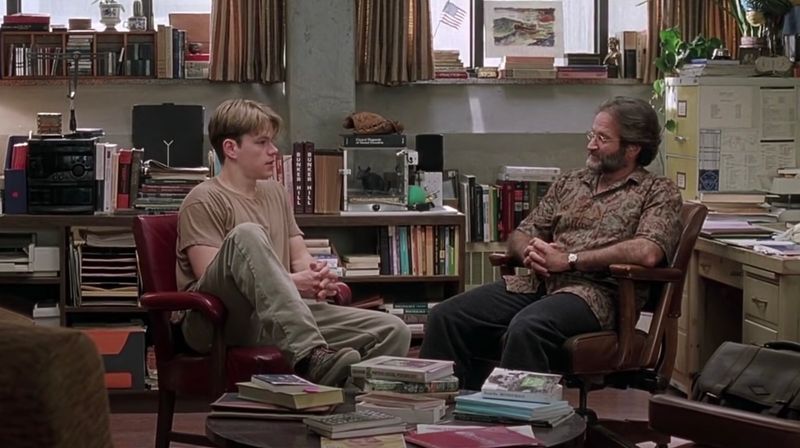
Plenty of movies have smart characters, but Good Will Hunting made viewers feel like they were watching actual people living actual lives. That quality is rare, and it comes directly from how grounded and specific the writing is throughout the film.
Damon and Affleck based the world of the movie on their own experiences growing up in the Boston area. The friendships, the neighborhood loyalty, and the fear of leaving home behind all ring true because they were pulled from real life, not invented from scratch.
16. The Film’s Enduring Legacy Decades After Release
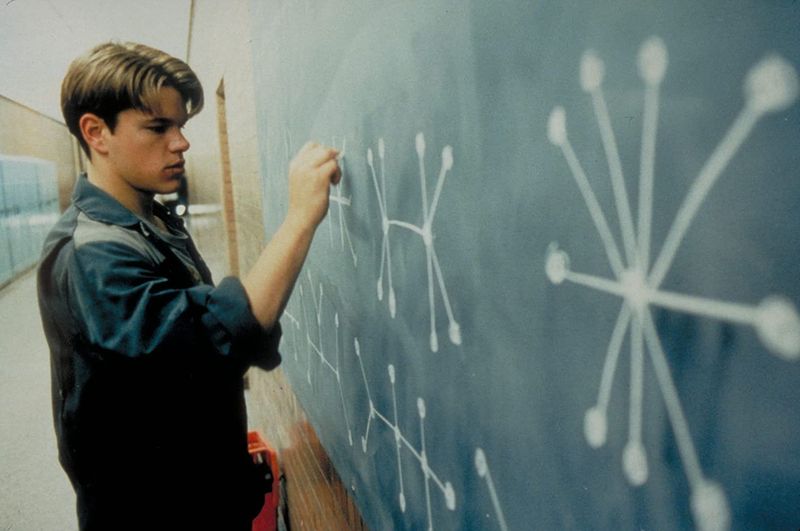
Good Will Hunting came out in 1997, but its emotional core has not aged a single day. New generations of viewers keep discovering the film and connecting with Will’s struggle to accept love, success, and his own potential.
The movie is regularly taught in psychology and film classes, used as an example of strong character writing and emotional storytelling. Its themes about trauma, self-worth, and human connection feel just as urgent and relatable now as they did when the film first hit theaters.
17. The Park Bench Scene That Almost Was Not in the Film
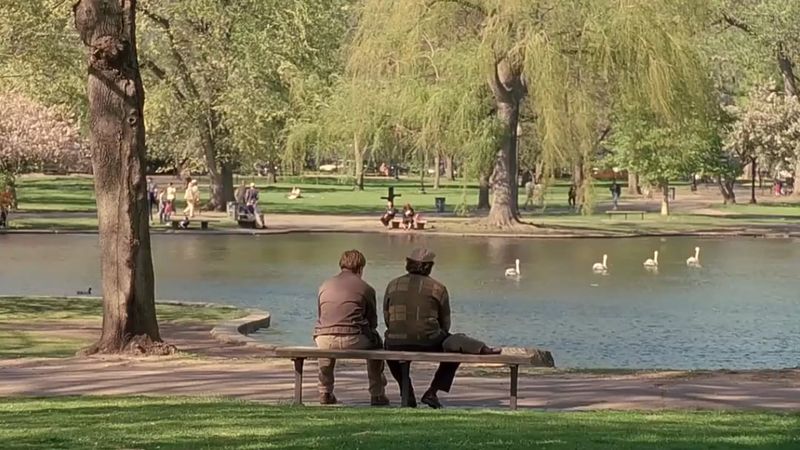
The iconic park bench scene where Sean tells Will that his troubles are not his fault is one of the most emotionally powerful moments in 1990s cinema. Many viewers have described it as the scene that finally made them cry.
What makes it even more impressive is how stripped-down it is. No flashy visuals or dramatic music, just two actors fully present in a conversation that feels completely genuine.
Scenes like that only work when the writing and the performances are both operating at the highest possible level.
18. How the Film Launched Two of Hollywood’s Biggest Careers
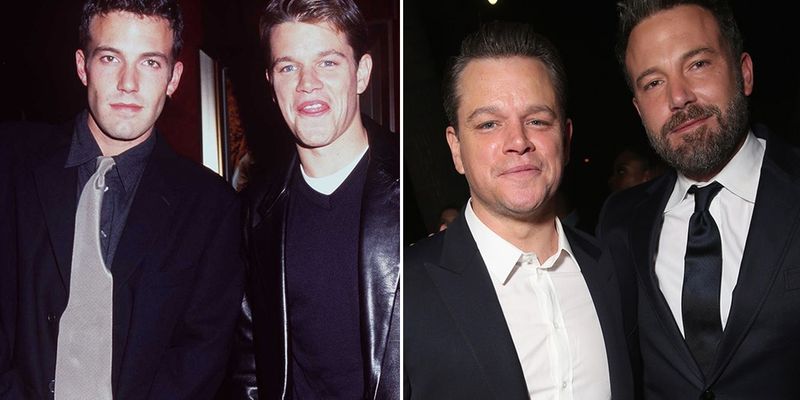
Before Good Will Hunting, Damon and Affleck were struggling actors taking whatever roles they could find. After the film won big at the Oscars, the entire entertainment industry suddenly wanted to work with both of them.
Damon went on to star in blockbusters like Saving Private Ryan and the Bourne series. Affleck became a major action star and eventually a director who won his own Oscar for Argo.
One script written by two young friends from Boston launched two of the most successful careers in modern Hollywood history.