
Cats have charmed some of the most brilliant minds and creative souls throughout history. From writers and scientists to world leaders and artists, these famous figures shared an extraordinary bond with their feline companions.
Their love for cats wasn’t just a quirky hobby — it shaped their work, their daily lives, and sometimes even history itself. Get ready to meet 18 remarkable people who were absolutely devoted to their cats.
1. Freddie Mercury
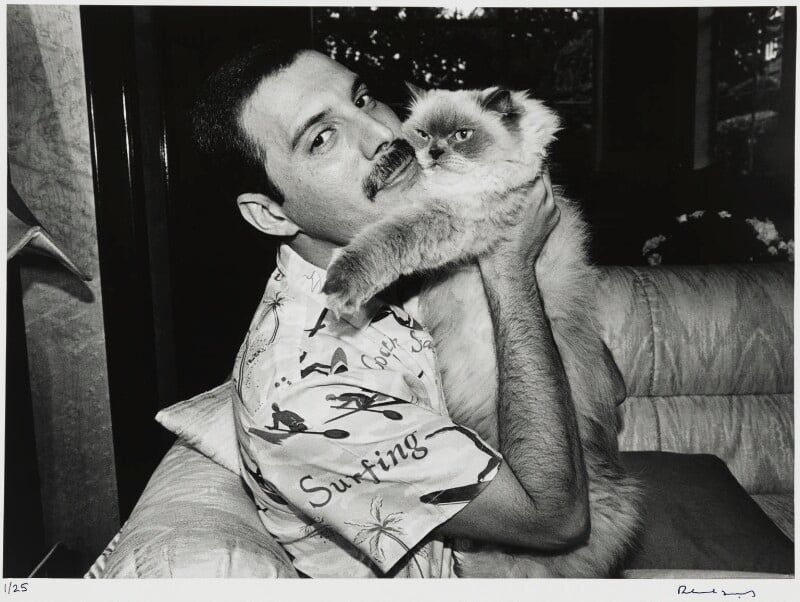
Freddie Mercury didn’t just love cats — he treated them like family. The legendary Queen frontman owned up to 10 cats, many rescued from shelters, and would call home during world tours just to chat with them over the phone.
His favorite cat, Delilah, inspired an entire Queen song. Mercury’s 1985 solo album “Mr. Bad Guy” is dedicated to his cats Jerry, Tom, Oscar, and Tiffany — and to every cat lover in the world.
2. Abraham Lincoln
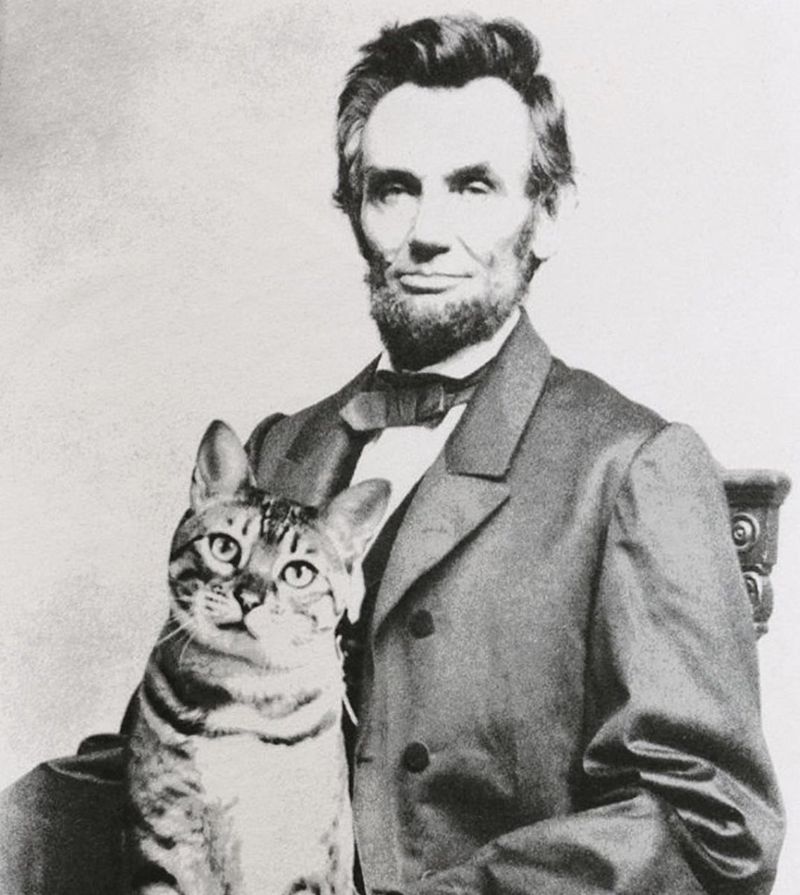
Mary Todd Lincoln once said that cats were her husband’s only hobby — and she wasn’t exaggerating. President Lincoln adored his White House cats, Tabby and Dixie, showering them with attention that surprised even his closest advisors.
He was known to feed Tabby directly from the table during formal state dinners, much to the astonishment of his guests. For a man carrying the weight of a nation, his cats clearly brought him real comfort.
3. Winston Churchill
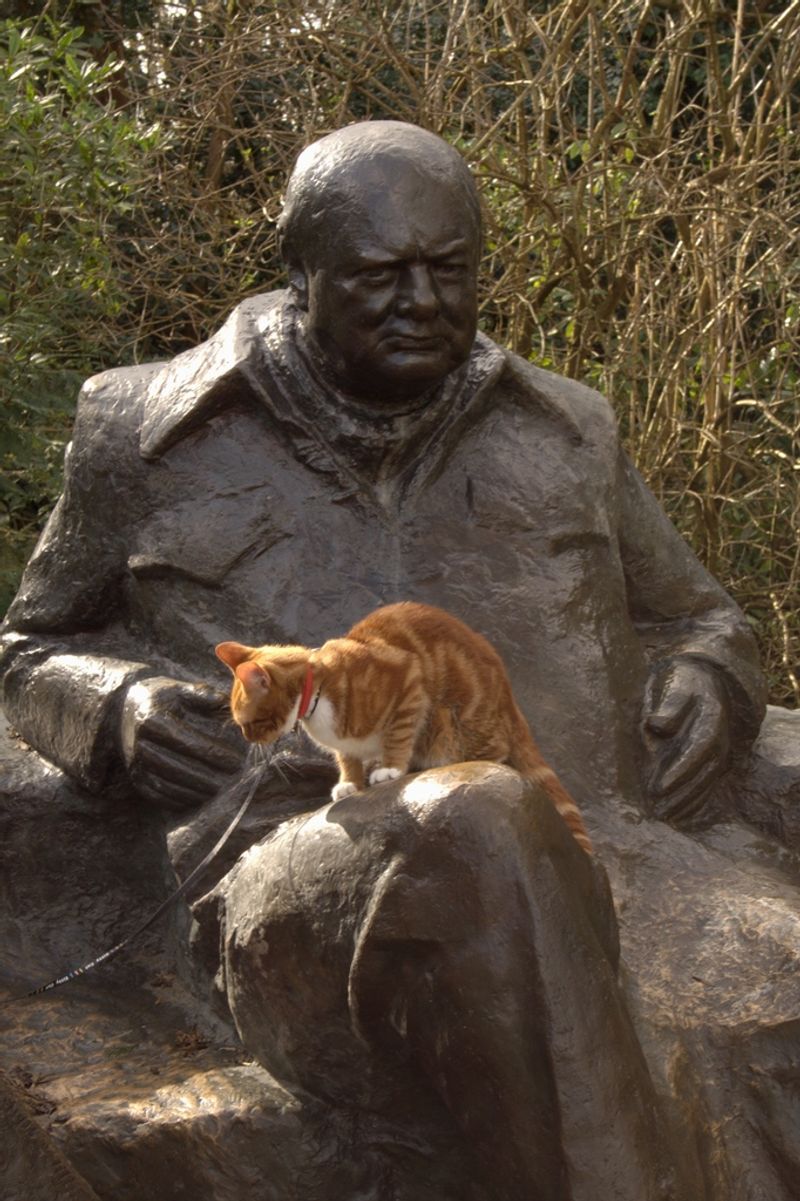
Churchill’s ginger cat Jock was practically a wartime official — reportedly attending Cabinet meetings and occasionally interrupting strategy briefings without apology. Churchill insisted his cats be treated with full dignity at all times.
His devotion was so legendary that his former home, Chartwell, maintains a standing tradition: a resident ginger cat named Jock must always live there. The current occupant, Jock VIII, keeps that beloved legacy alive today.
4. Ernest Hemingway
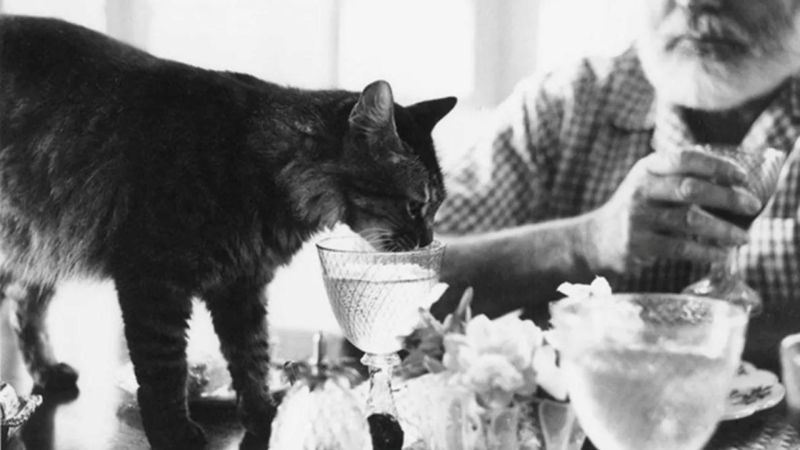
Hemingway called his cats “purr factories” — a nickname that perfectly captures how much joy they brought him. His Key West home became famous for its colony of polydactyl, or six-toed, cats descended from his original cat, Snow White.
Around 40 to 50 of these special cats still roam the Ernest Hemingway Home and Museum today. His affection for them shows up warmly throughout his personal letters, revealing a softer side beneath his tough literary persona.
5. Mark Twain
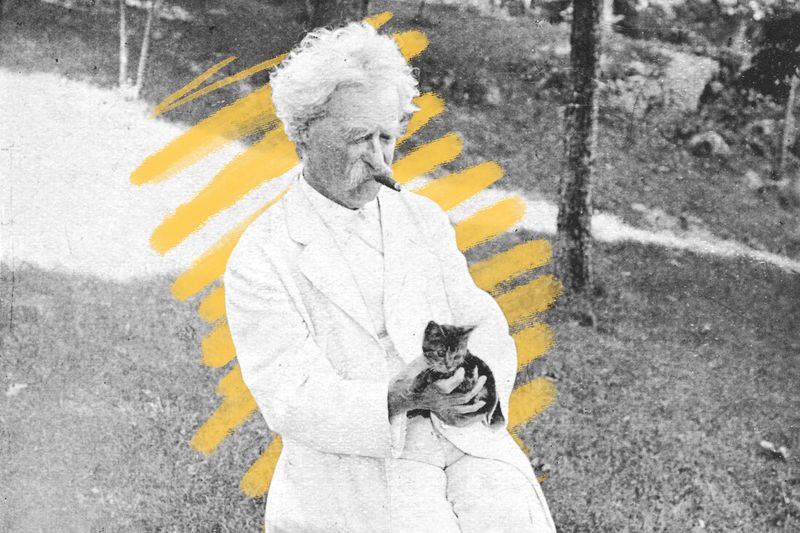
Mark Twain once quipped, “If man could be crossed with the cat, it would improve man, but it would deteriorate the cat.” That quote alone tells you everything about how highly he thought of felines.
Twain kept as many as 19 cats at once and gave them wildly creative names like Beelzebub, Sour Mash, and Sin. When traveling, he would actually rent cats so he wouldn’t have to go without their company — truly committed.
6. Nikola Tesla
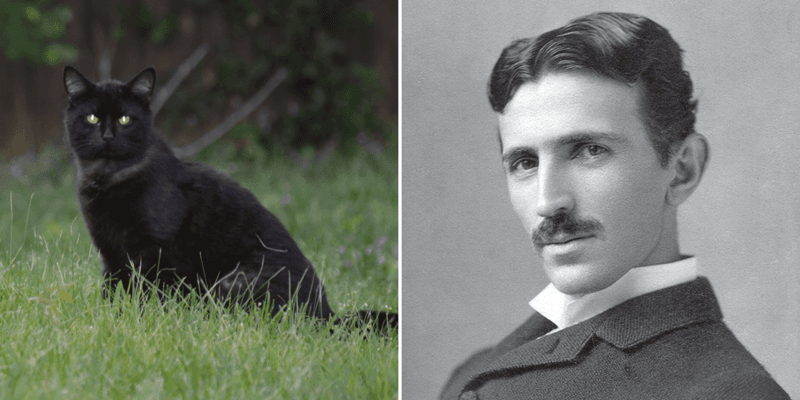
Few people can say a cat sparked their life’s greatest obsession, but Tesla literally can. As a young boy, he stroked his cat Macak on a dry winter night and watched static electricity crackle through the fur like tiny lightning bolts.
That moment planted the seed for his lifelong fascination with electrical energy. Tesla later described Macak as “the finest of all cats in the world” — a touching tribute from one of history’s greatest scientific minds.
7. Florence Nightingale
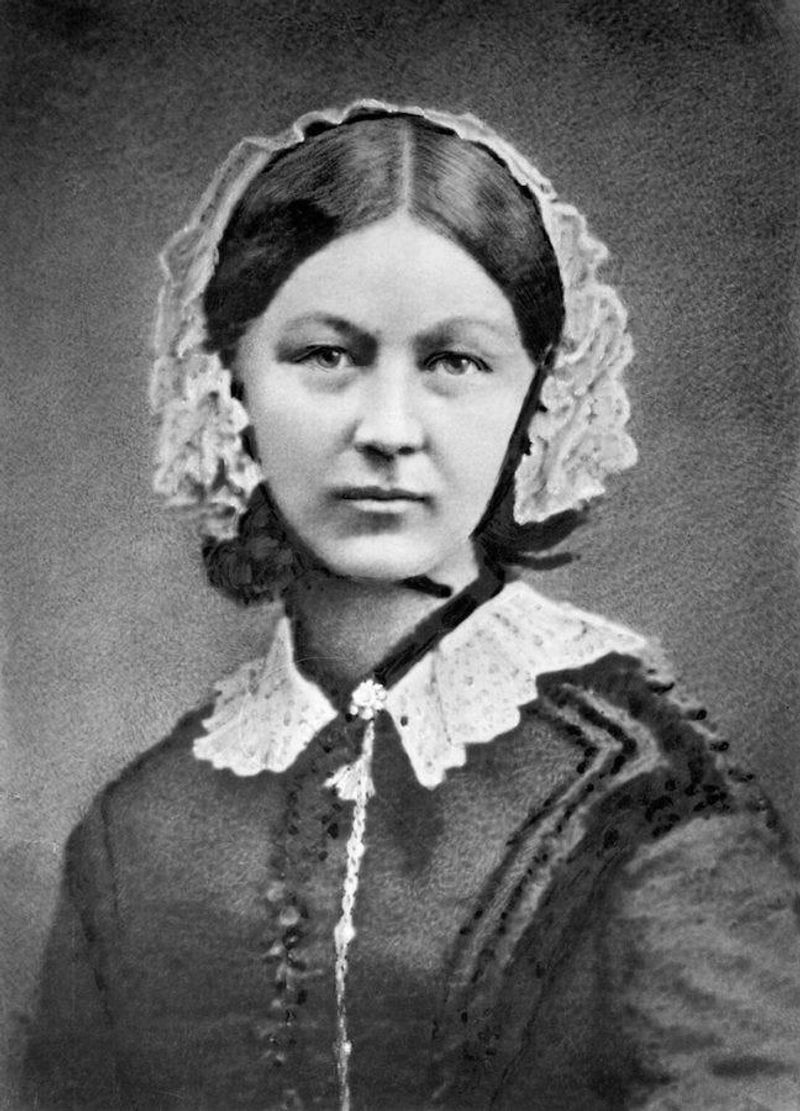
Florence Nightingale owned more than 60 cats over the course of her lifetime — an astonishing number that reflects just how deeply she cherished them. She allowed her cats to sleep at her feet while she worked and served them meals on fine china plates.
Nightingale believed cats possessed more empathy than most humans, a bold statement from someone who dedicated her life to caring for others. Her rescued strays were treated with the same tenderness she showed her patients.
8. Charles Dickens
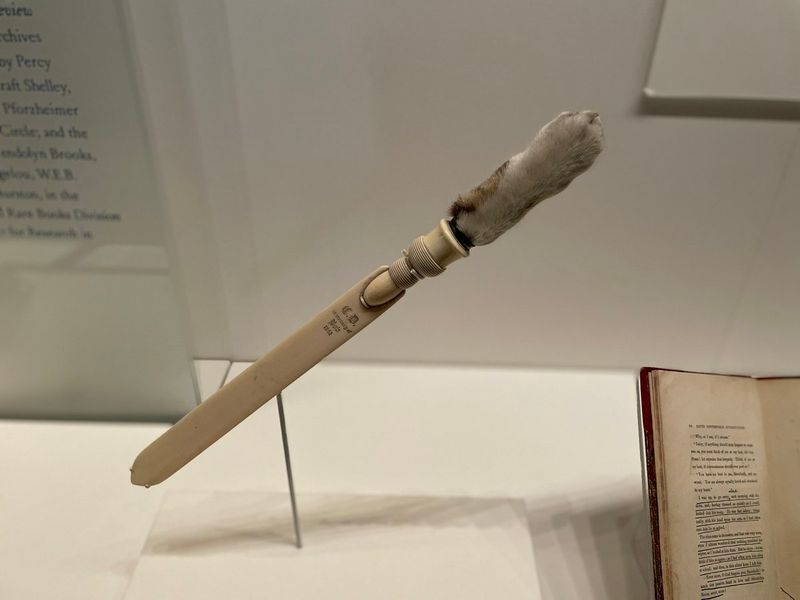
One of Dickens’s cats had a cheeky habit of putting out his desk candle with its paw — apparently a very effective way of demanding attention from a busy novelist. Rather than being annoyed, Dickens found it endearing.
When his beloved cat Bob passed away, Dickens had the cat’s paw preserved and mounted on an ivory letter opener so Bob would always be near while he wrote. That’s the kind of devotion that goes far beyond ordinary pet ownership.
9. Edgar Allan Poe
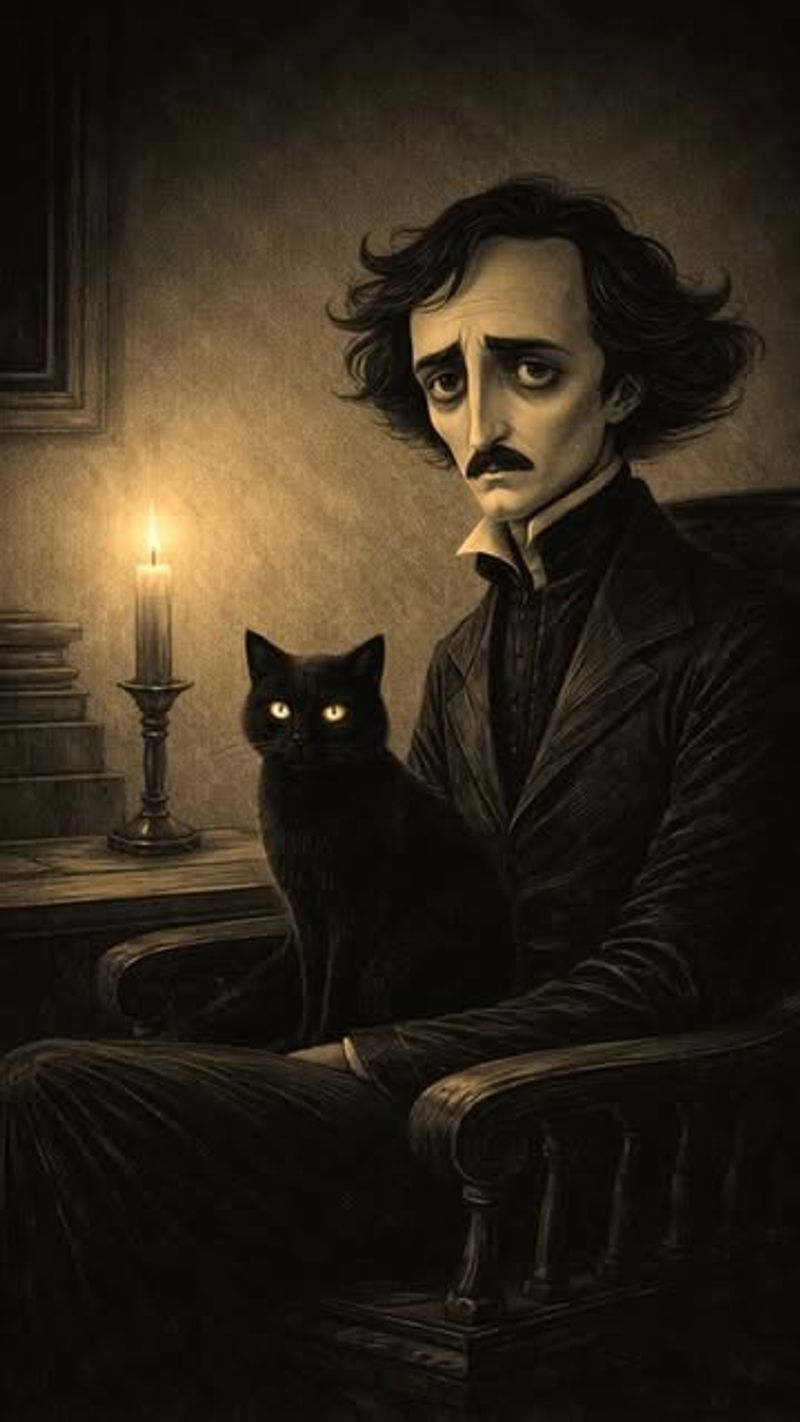
Poe’s tortoiseshell cat, Catterina, had a front-row seat to some of literature’s darkest and most chilling stories. She would drape herself across his shoulders while he wrote, a living, purring muse for his gothic imagination.
Cats also appear as powerful symbols in his fiction, most famously in “The Black Cat.” For Poe, the line between his real-life affection for cats and his literary obsession with them seemed to blur in the most fascinating way.
10. Cardinal Richelieu
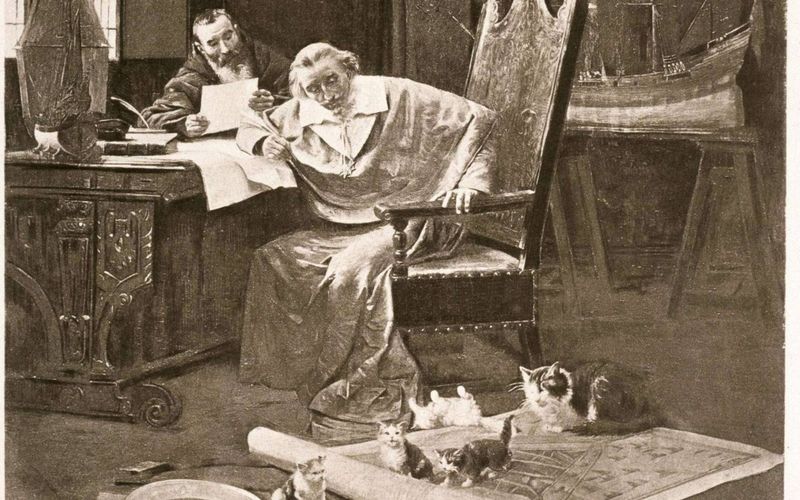
Long before cats were considered fashionable pets in aristocratic circles, Cardinal Richelieu was already sharing his grand residence with over a dozen of them. He gave each cat a memorable name, including Ludovic le Cruel and Gazette, which suggests he had quite the sense of humor.
His open fondness for felines helped shift attitudes in French high society, making cats more acceptable as companions among the elite. Richelieu even made arrangements in his will to care for his cats after his death.
11. Catherine the Great
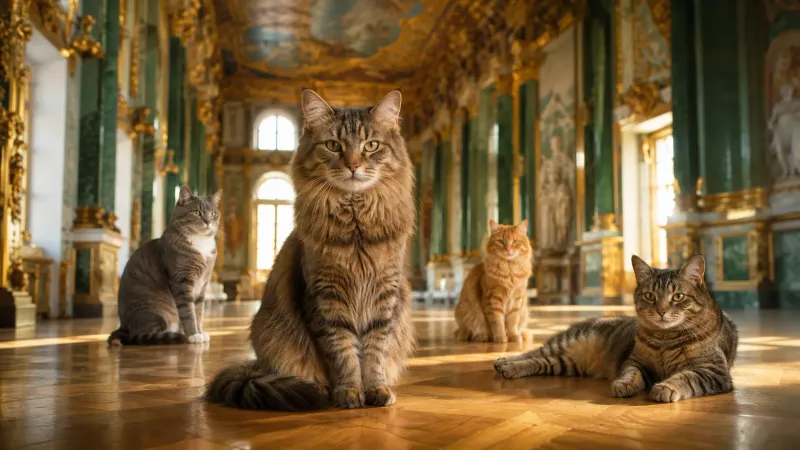
Catherine the Great had a practical and regal approach to cat ownership — she reportedly brought 30 of the largest cats from Kazan to the Hermitage Palace specifically to deal with the rodent problem in its vast halls.
Those cats became legendary, known as the Hermitage Cats, and their presence at the museum has continued for centuries. Today, the State Hermitage Museum in St. Petersburg still keeps resident cats, honoring a tradition started by one of Russia’s most powerful rulers.
12. Albert Einstein
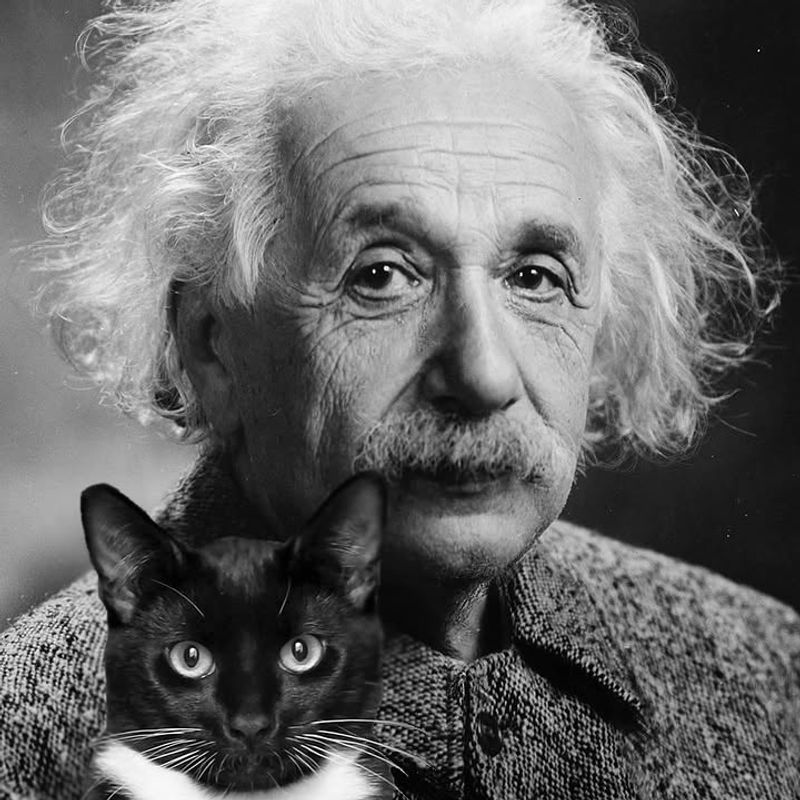
Einstein once said, “There are two means of refuge from the misery of life: music and cats.” Coming from a man who reshaped our understanding of the universe, that’s a surprisingly heartfelt confession.
His cat Tiger was a source of genuine comfort, especially on rainy days when the cat would sulk and Einstein reportedly sympathized deeply. It’s oddly reassuring to know that even the world’s greatest physicist found peace in the quiet company of a cat.
13. Henri Matisse
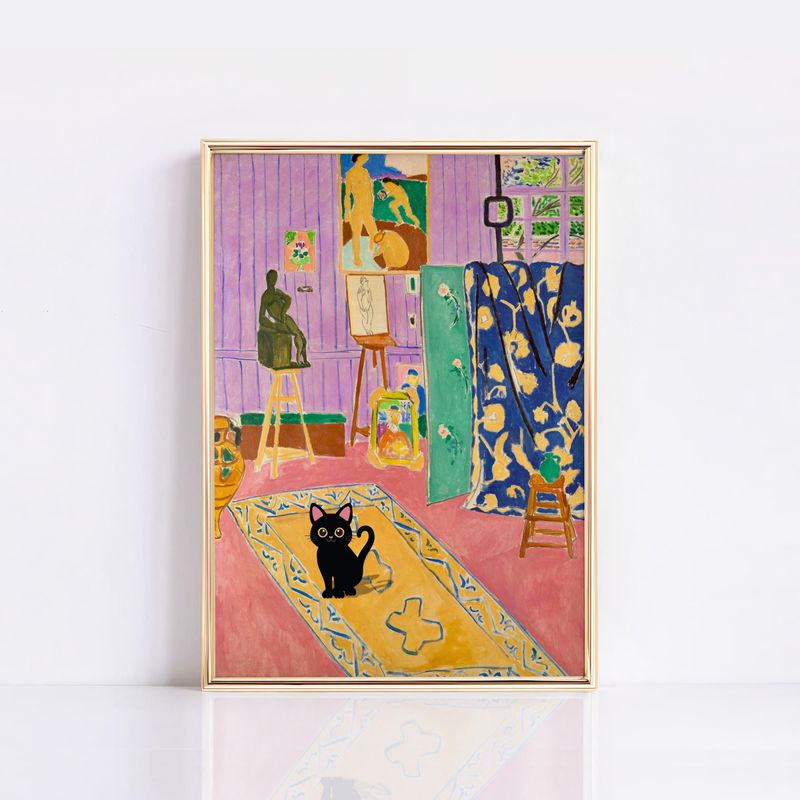
Matisse shared his studio with three beloved cats named Minouche, Coussi, and La Puce. As his health declined in later years and his mobility became limited, his cats became constant companions who filled his workspace with warmth and life.
Their presence seemed to fuel his creativity rather than distract from it. Matisse’s late works, including his famous cut-paper pieces, were often created with cats curled nearby — quiet witnesses to some of modern art’s most joyful masterpieces.
14. Andy Warhol
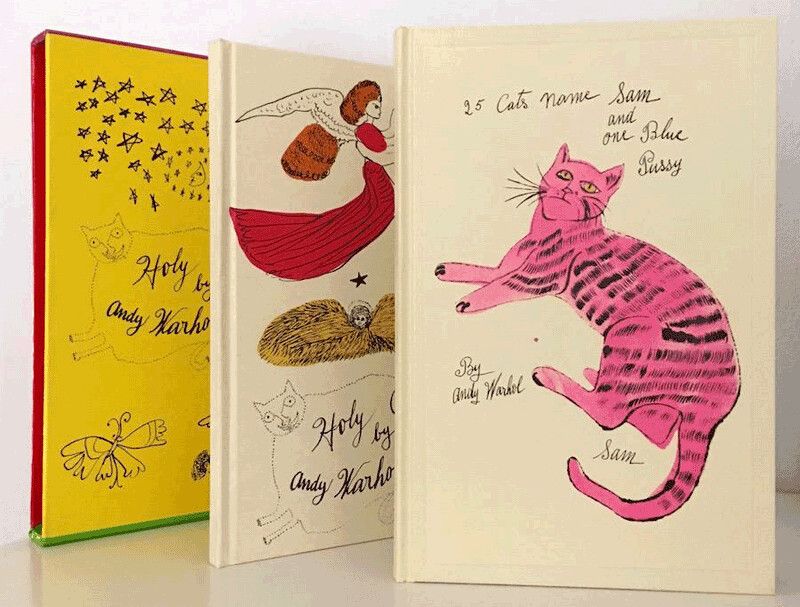
Andy Warhol owned a whole crowd of cats, and in true Warhol fashion, he gave nearly all of them the exact same name: Sam. The lone exception was a cat called Hester, who apparently earned her own identity.
Warhol and his mother even published a quirky illustrated book titled “25 Cats Name Sam and One Blue Pussy,” featuring hand-colored drawings of his pets. It’s a wonderfully odd slice of pop art history that shows his playful, affectionate side.
15. Gustav Klimt
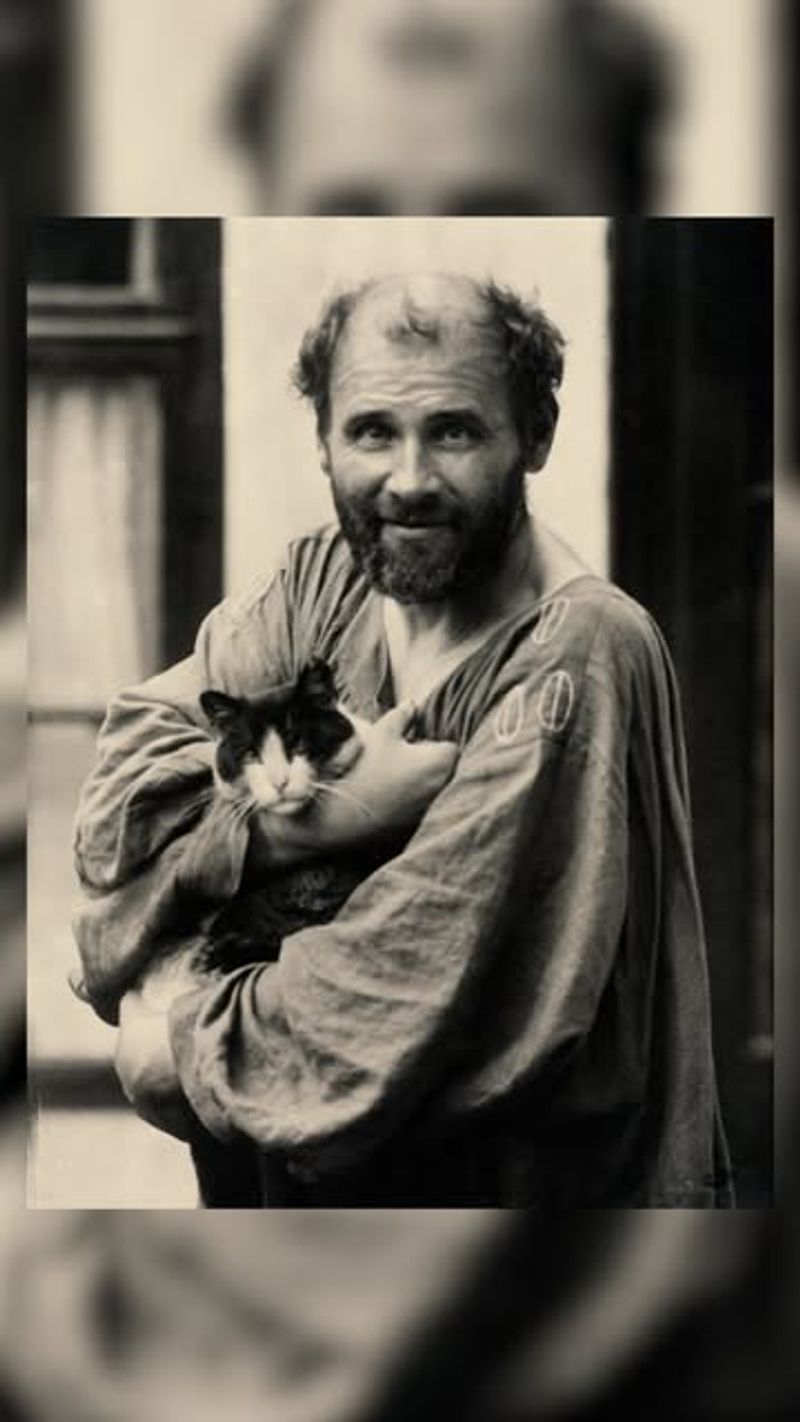
Klimt’s Vienna studio was famously chaotic — canvases stacked everywhere, paints scattered about, and cats roaming freely through it all. Far from being a distraction, the felines seemed right at home among his lush, ornate artworks.
Visitors to his studio often remarked on the cats weaving between unfinished masterpieces with complete confidence. For Klimt, that sense of wild, untamed energy in his workspace may have been exactly the creative atmosphere he needed to produce his richly symbolic paintings.
16. Pablo Picasso
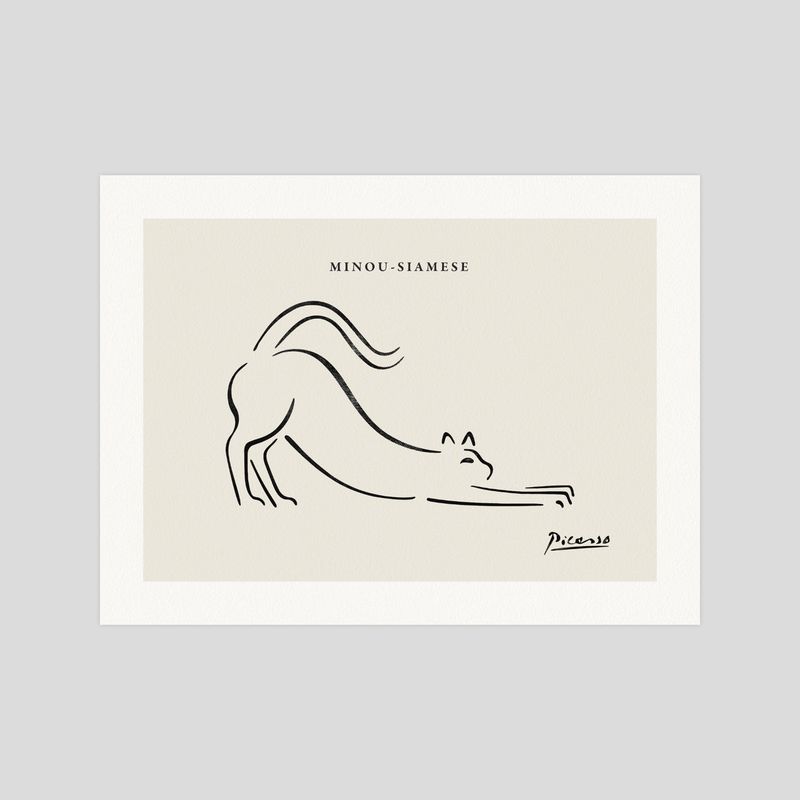
Picasso was drawn to cats for their agility, independence, and air of mystery — qualities that seemed to mirror his own restless artistic spirit. He reportedly loved watching his cats stretch and lounge around his studio, finding inspiration in their fluid movements.
He sketched them often, capturing their posture and personality with quick, confident lines. For an artist who spent his life studying form and expression, a cat’s natural elegance made it one of his favorite subjects to observe up close.
17. Edward Lear
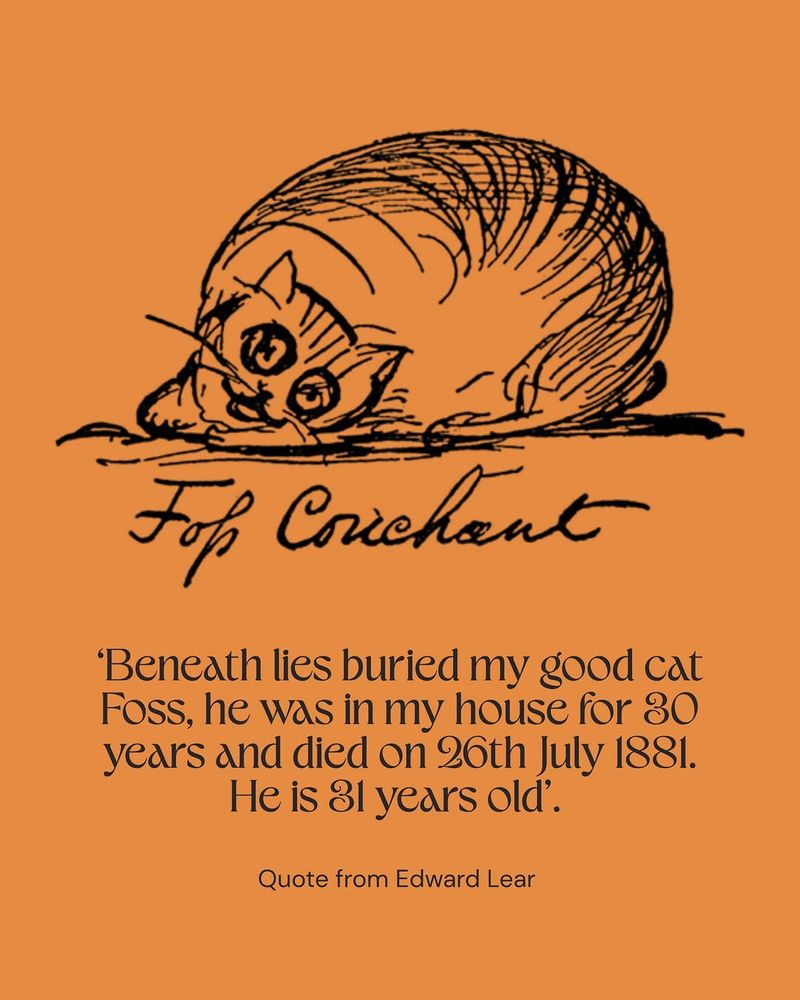
Edward Lear adopted a tabby kitten named Foss in 1873, and the two became inseparable companions for the next 17 years. Foss brought Lear enormous comfort during stretches of loneliness and poor health that marked much of his later life.
When Lear moved to a new house in San Remo, Italy, he reportedly had it built as an exact replica of his previous home so Foss wouldn’t be confused by unfamiliar surroundings. That’s love at a truly architectural level.
18. Théophile Gautier
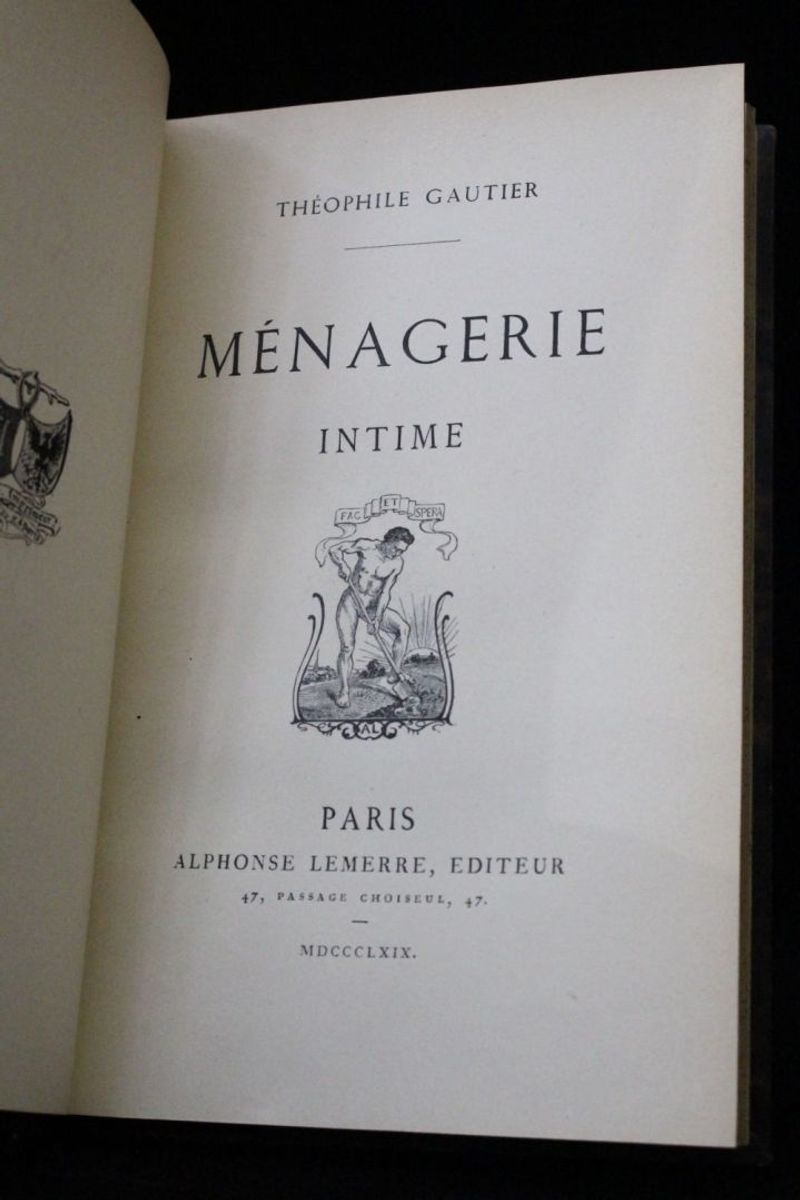
Gautier’s home was essentially a feline paradise. The French Romantic author adored cats with an intensity that found its way into much of his writing, most notably in his book “Menagerie Intime,” a warm and witty account of his life lived alongside his beloved animals.
He described his cats with the same careful attention he gave his literary characters, treating them as full personalities rather than mere pets. Gautier once wrote that a home without a cat felt incomplete — and he clearly meant every word.