
Your kitchen might be hiding more magic than you think. For thousands of years, people around the world believed that simple foods like salt, garlic, and rice could chase away bad luck and invite good fortune.
Some of these old beliefs still show up today at weddings, holidays, and family dinners. Grab a snack and get ready to see your pantry in a whole new way.
1. Salt, the Pantry Protector

Ever seen someone toss spilled salt over their left shoulder? That habit comes from an old belief that spilling salt invited trouble.
Throwing a pinch was thought to blind any sneaky spirit waiting behind you.
Long ago, salt was so valuable that Roman soldiers were sometimes paid with it. People also sprinkled it across doorways to keep bad energy out.
Next time you salt your fries, remember you are handling an ancient lucky charm.
2. Garlic Against the Gloom
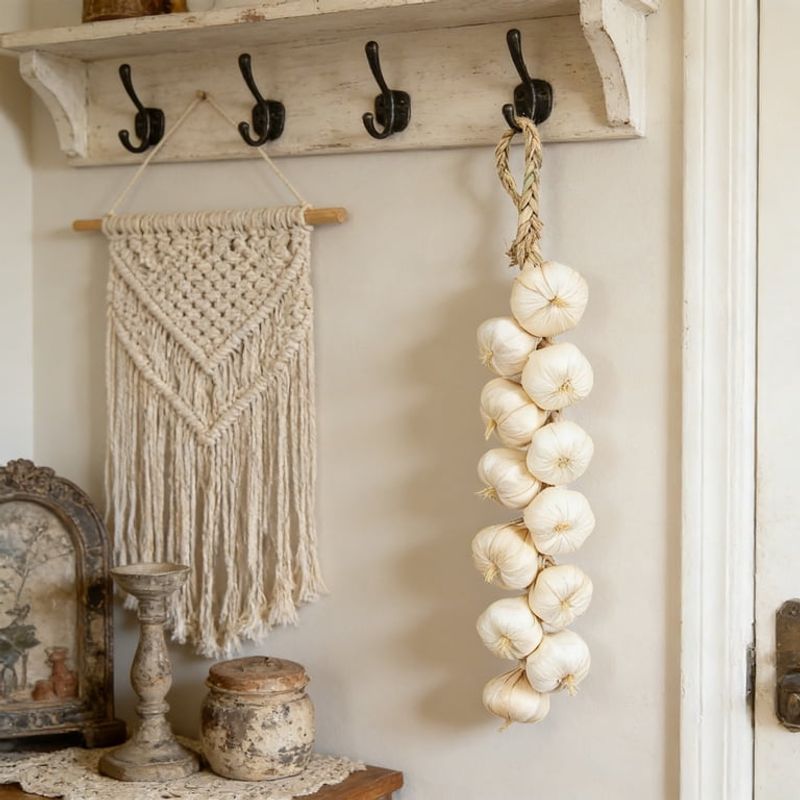
Vampires were not the only thing garlic was supposed to scare off. In many parts of Europe, families hung braids of garlic by the door to block sickness, jealousy, and the evil eye.
Greek sailors even carried cloves on long trips for protection at sea.
Honestly, the stinky bulb earned its reputation. Garlic does have natural germ-fighting powers, so maybe our ancestors were onto something when they kept it close.
3. Rice Showers for Newlyweds

Picture a happy couple leaving their wedding while friends shower them with grains of rice. That cheerful tradition goes back centuries.
Rice stood for plenty, fertility, and a full table. Tossing it was a way of wishing the pair a life with lots of food and lots of children.
Today, many venues ask guests to use birdseed or bubbles instead. Still, the hopeful message behind every tiny grain remains the same.
4. Black-Eyed Peas on New Year’s Day
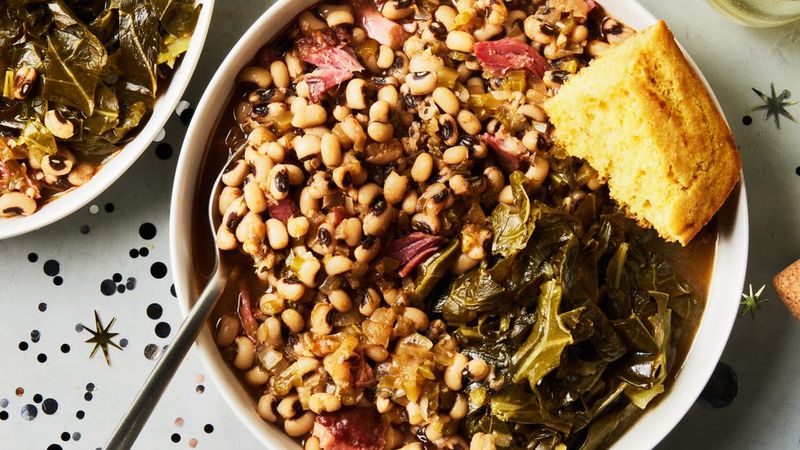
Down in the American South, January 1st just would not feel right without a bowl of black-eyed peas. Eating them is said to bring coins and good fortune all year.
Families often serve them with collard greens, which look like folded money, and golden cornbread for gold.
Some cooks even hide a dime in the pot. Whoever finds it supposedly gets extra luck, so chew carefully!
5. Twelve Grapes at Midnight
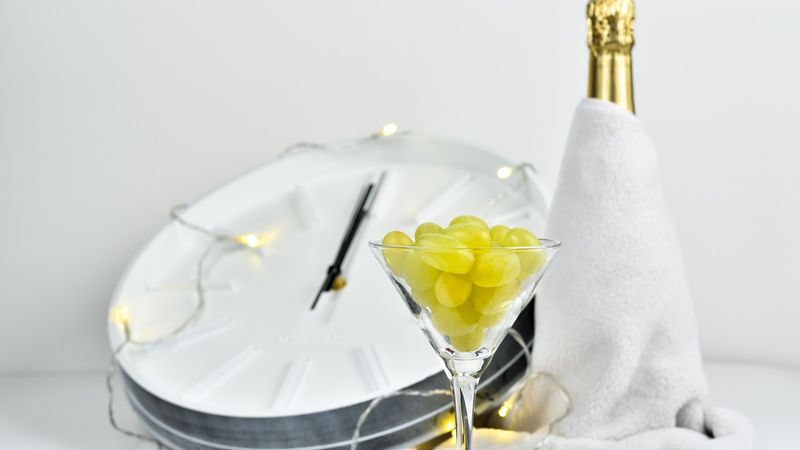
Spain has one of the tastiest countdowns around. When the clock strikes midnight on New Year’s Eve, people try to eat twelve grapes, one with each chime.
Every grape stands for a lucky month ahead. Finishing all twelve in time is the goal, and it gets silly fast.
Want to try it? Pick small seedless grapes.
Your chances of success, and of not choking from laughter, will go way up.
6. Lentils Shaped Like Coins
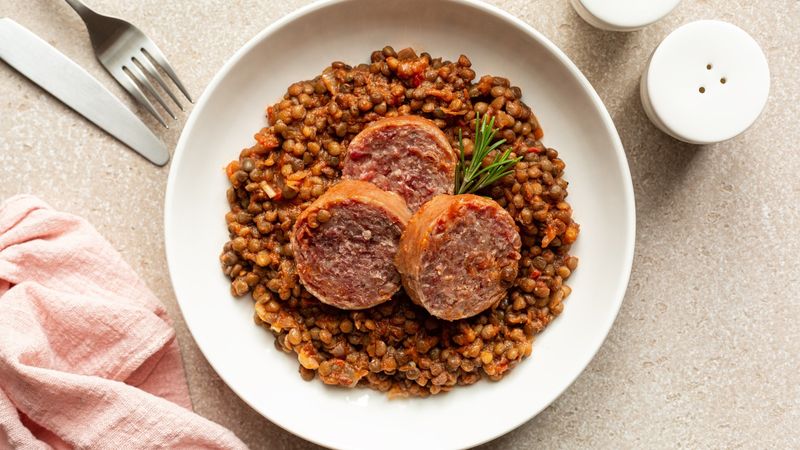
Look closely at a lentil. See how it looks like a tiny coin?
Italians noticed that too.
On New Year’s Eve, many families in Italy eat lentils with sausage, hoping each spoonful brings more money in the year ahead. Brazilians enjoy a similar custom.
Lentils are also cheap, filling, and packed with protein. Even if the riches never show up, your body will definitely thank you.
7. Bay Leaves for Big Wishes
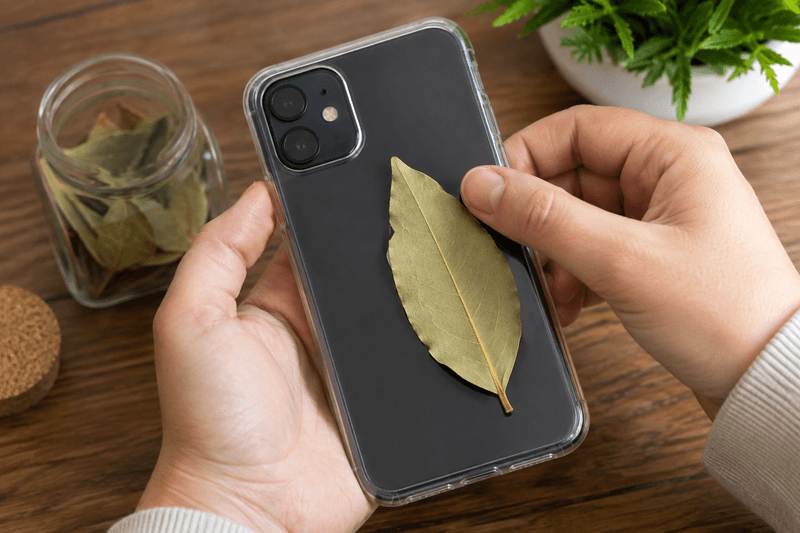
Ancient Greeks crowned winners with wreaths of bay laurel. To them, the plant meant victory and the favor of the god Apollo.
Later, people began writing wishes on dried bay leaves and burning them, hoping the smoke would carry dreams skyward. Some tucked a leaf under their pillow for good dreams.
Here is a fun idea: write a goal on a leaf and keep it in your wallet as a reminder.
8. Long Noodles, Long Life
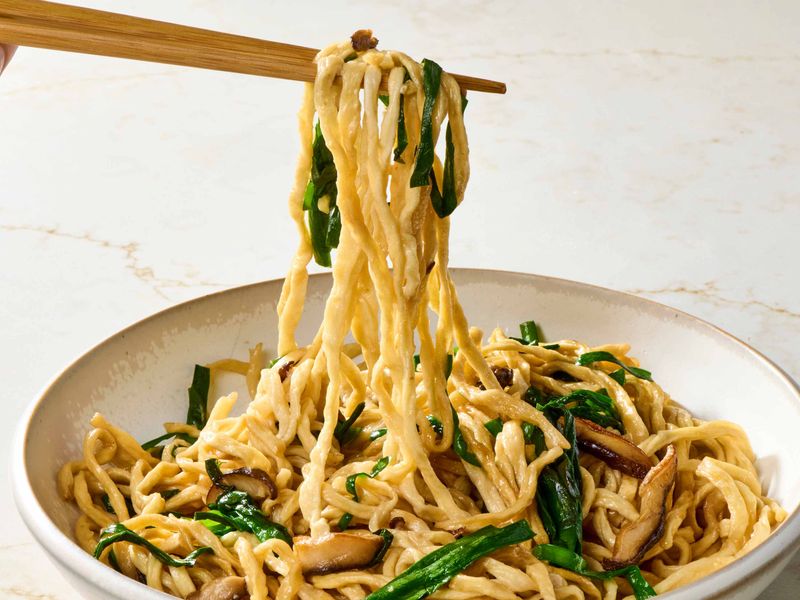
Slurp, don’t snip! In China, long noodles stand for a long, healthy life, so cutting them is considered bad manners and even bad luck.
Longevity noodles are often served at birthdays and during Lunar New Year. The longer the strand, the better the wish.
Kids sometimes make a game of seeing who can eat the longest noodle without breaking it. It gets messy, but that is half the fun.
9. Pomegranate Seeds of Plenty
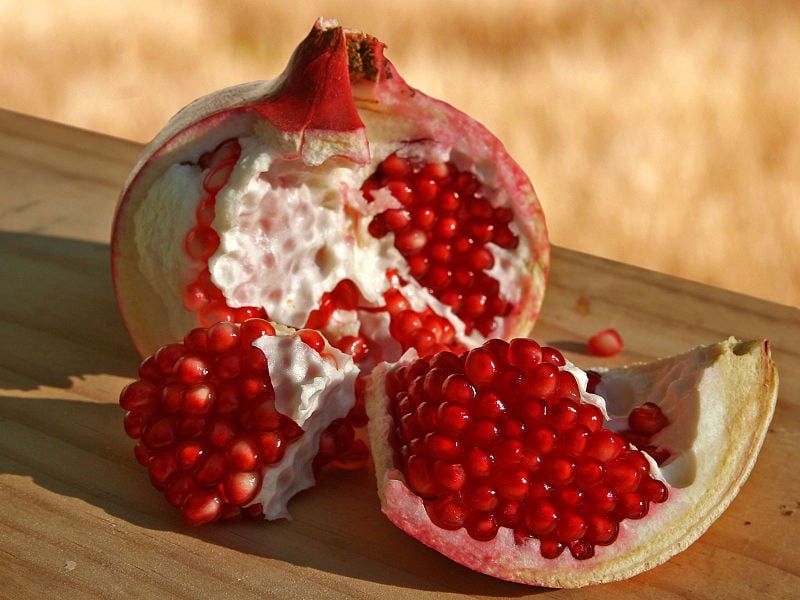
Smash! In Greece, people sometimes throw a pomegranate on the floor near the front door on New Year’s Day.
The more seeds that scatter, the more luck the house will get.
With hundreds of shiny red seeds inside, the fruit has long stood for wealth and fertility in many cultures.
If smashing sounds too messy, simply sprinkle the seeds on yogurt or salad for a sweet and lucky treat.
10. Honey for a Sweet Year
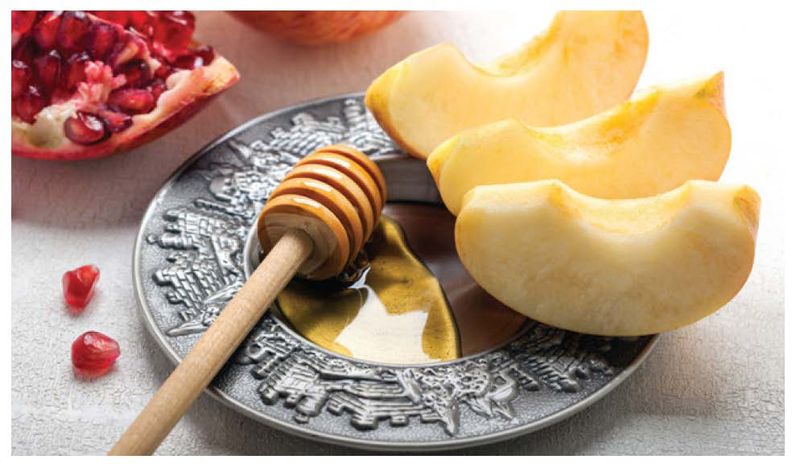
Sticky fingers are welcome during Rosh Hashanah, the Jewish New Year. Families dip apple slices in honey and wish each other a sweet year.
Honey has been treasured for ages. Ancient Egyptians placed jars of it in tombs, and some of that honey was still edible thousands of years later.
Because it never really spoils, honey became a symbol of lasting happiness. That is one golden reputation.
11. Eggs and Fresh Beginnings
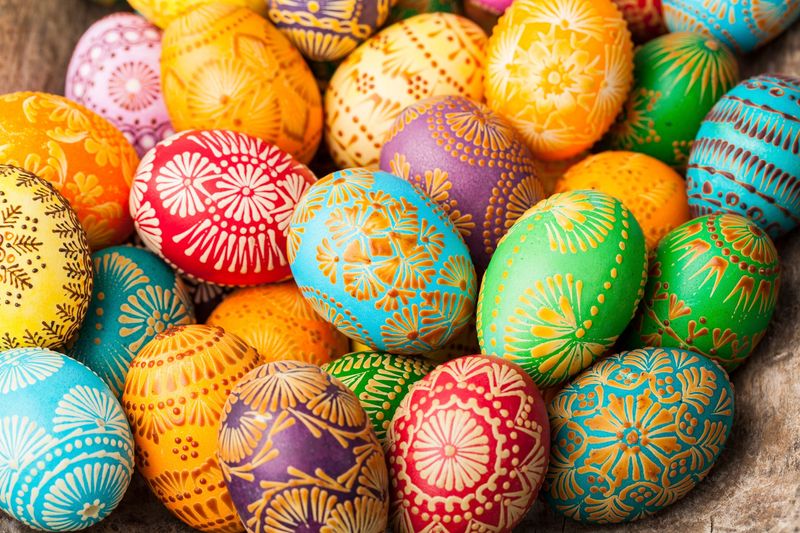
Few foods say new beginning quite like an egg. Many ancient cultures saw eggs as a sign of life, rebirth, and good fortune.
In parts of Eastern Europe, beautifully painted eggs were kept at home to guard against fire and storms. Some farmers even buried eggs in fields to help crops grow.
Decorating eggs each spring is a cheerful way to keep that hopeful old tradition alive with your family.
12. Bread That Never Runs Out
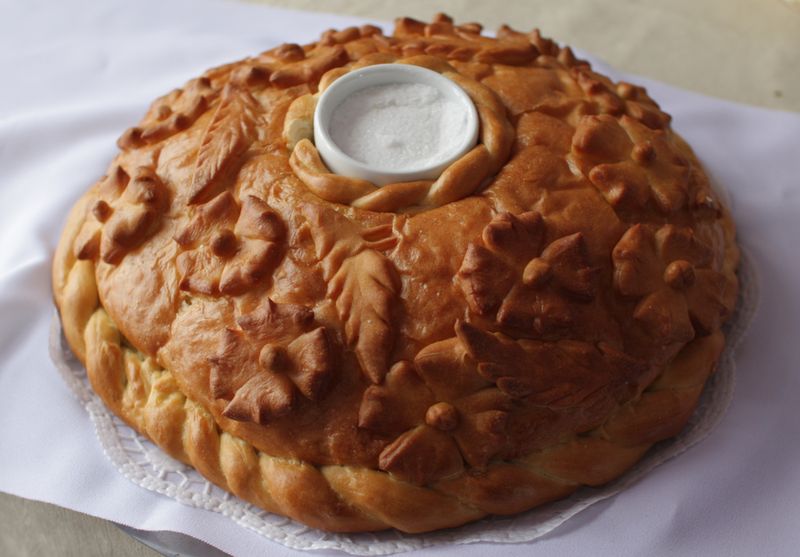
Moving into a new home? In many countries, friends bring bread and salt as a housewarming gift.
The bread means the family will never go hungry, while the salt adds flavor to life. Russian and Polish hosts still greet special guests this way.
Some people also believed you should never put a loaf upside down, since it could invite misfortune. Simple, kind, and a bit quirky, this custom is worth borrowing.
13. Oranges Glowing Like Gold
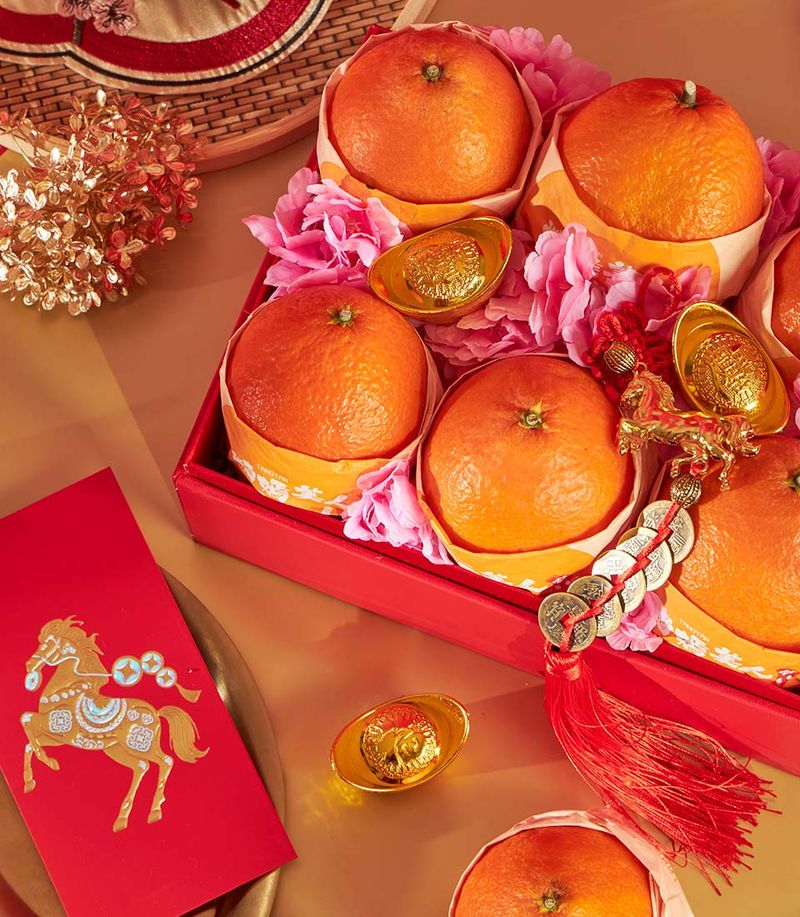
Bright, round, and golden, mandarin oranges are a favorite gift during Lunar New Year. Their color reminds people of gold, and the Chinese word for orange sounds like the word for luck.
Visitors often bring two oranges, since pairs mean double happiness.
Leaves still attached? Even better.
They show the friendship will keep growing. A juicy snack that doubles as a wish for wealth is a pretty sweet deal.
14. Cabbage and Cash
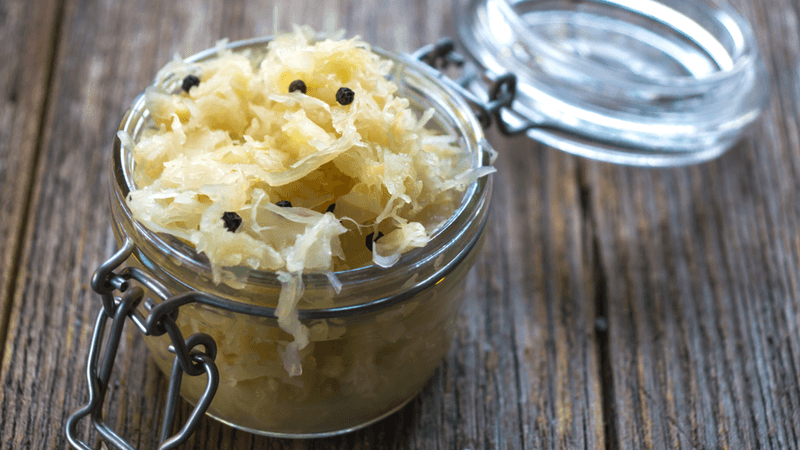
Cabbage might not seem fancy, but in Germany and parts of Pennsylvania it is a New Year’s superstar. Eating sauerkraut on January 1st is believed to bring money.
Why? The green leaves look a bit like folded bills, and the long shreds suggest a long life.
Fans also say the more cabbage you eat, the richer you will be. That gives picky eaters a pretty good reason to finish their plates.
15. Basil, the Love Herb
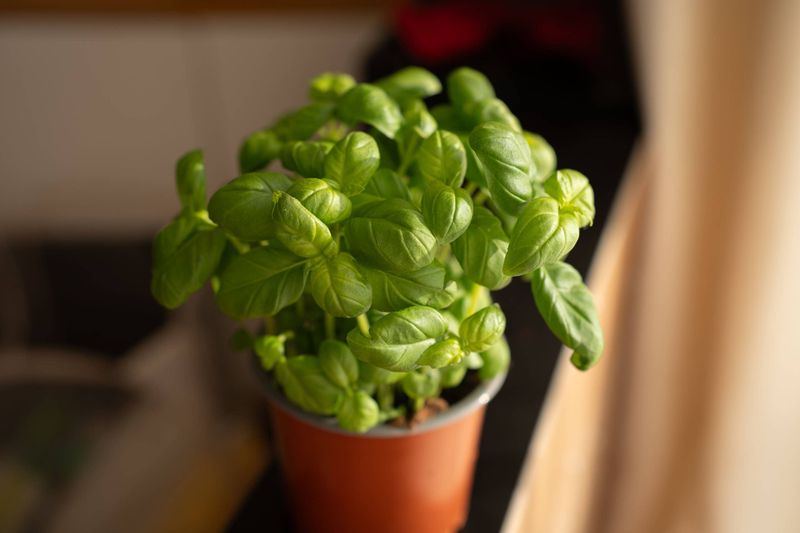
Back in old Italy, a pot of basil on the windowsill sent a message. It meant a young woman was ready for visits from a sweetheart.
Basil was also linked to wealth. Some shopkeepers kept it near the door to attract customers, and in India, holy basil is honored in many homes.
Grow a little pot yourself. You will get fresh leaves for pizza and maybe a bit of luck too.
16. Cinnamon for Prosperity
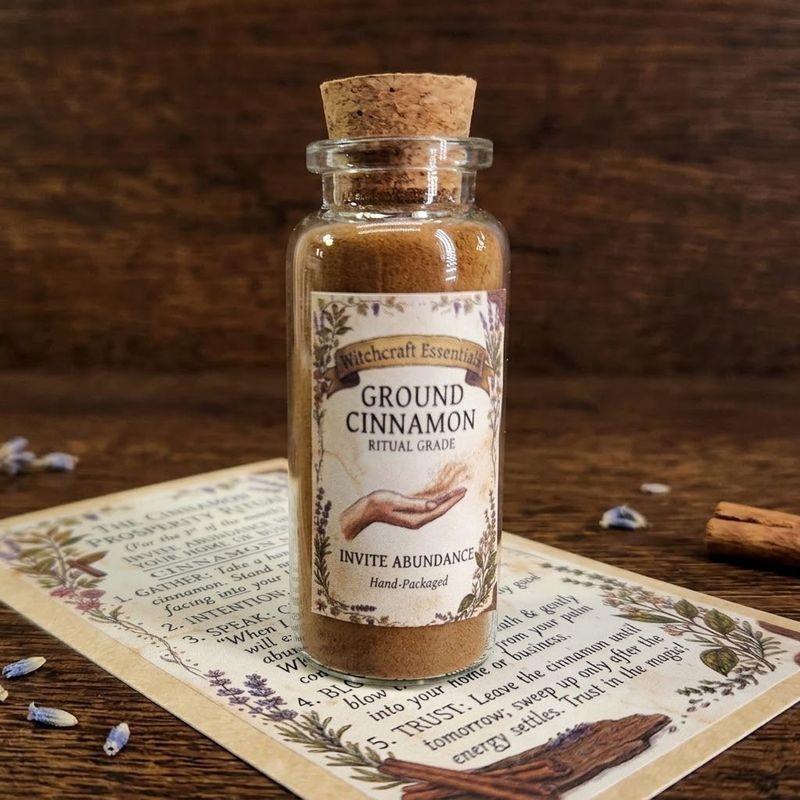
A newer trend on social media has people blowing cinnamon through their front door on the first day of the month. The goal is to welcome money and success inside.
The idea is not brand new, though. Cinnamon was once worth more than silver, and ancient traders guarded its source like a secret.
Whether you believe in it or not, your hallway will smell amazing. That alone feels pretty lucky.
17. Pork, Always Moving Forward
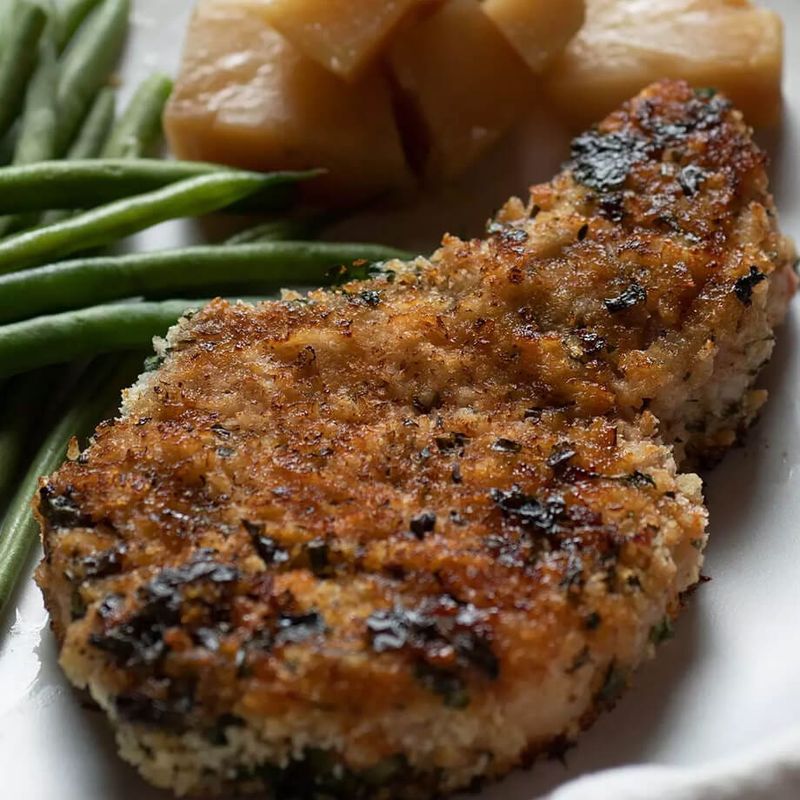
Pigs dig forward with their snouts as they look for food. Because of that, many cultures see pork as a symbol of progress.
In Cuba, Austria, and the American South, pork is a popular New Year’s meal. On the other hand, chicken and turkey were avoided, since birds scratch backward.
Nobody wants a year of going in reverse, right? A pork chop dinner became the tasty way to march ahead.
18. Peppercorns Packing a Punch
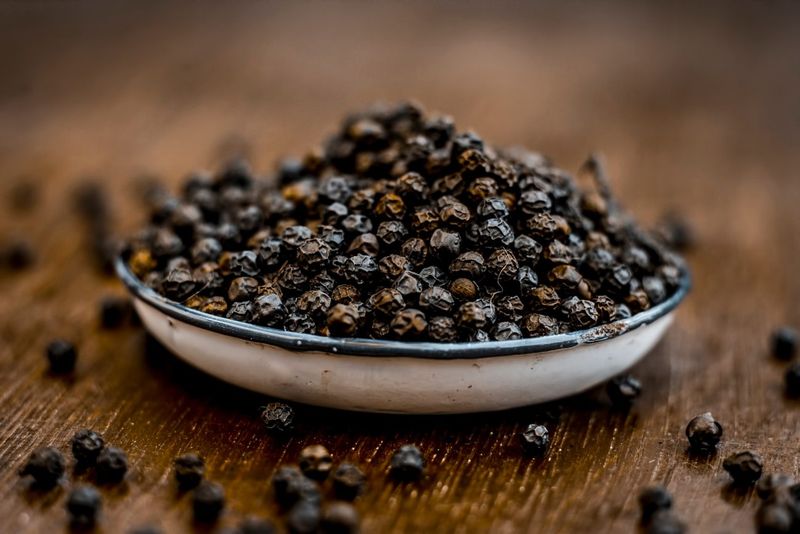
Small but mighty, black peppercorns were once so prized they were called black gold. Traders sailed across oceans just to bring them home.
In folk traditions, people carried a few peppercorns in a pocket or pouch to block jealousy and protect against harm. Some sprinkled pepper around the house to drive away grumpy moods.
Today, a quick twist of the grinder adds flavor and, perhaps, a little bold protection.