
Some songs are so perfect that covering them feels almost dangerous. Music history is full of moments where artists tried to put their own spin on beloved classics, only to end up making fans cringe.
Whether it was a mismatched style, an off-key vocal, or a tone-deaf reinterpretation, these covers remind us that not every great song needs a remake. Get ready to relive some of the most painfully unnecessary do-overs in music history.
1. “Dancing in the Street” – David Bowie and Mick Jagger (1985)
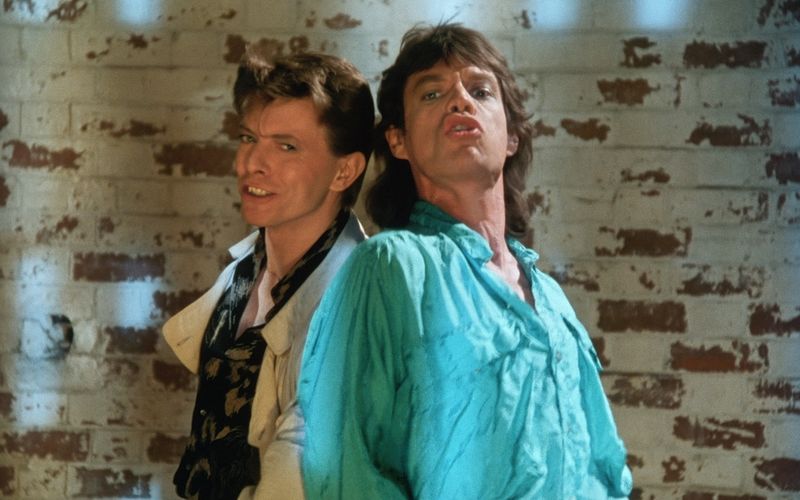
Few moments in rock history are as gloriously awkward as watching two legends completely miss the mark. Bowie and Jagger’s 1985 take on Martha and the Vandellas’ soul classic turned a smooth, danceable anthem into a campy spectacle with over-the-top visuals and frantic energy.
Critics routinely panned it for its “general ridiculousness.” Even fans of both artists found it hard to defend. Sometimes even the biggest stars should know when to leave a masterpiece alone.
2. “About a Girl” – Puddle of Mudd (2020)
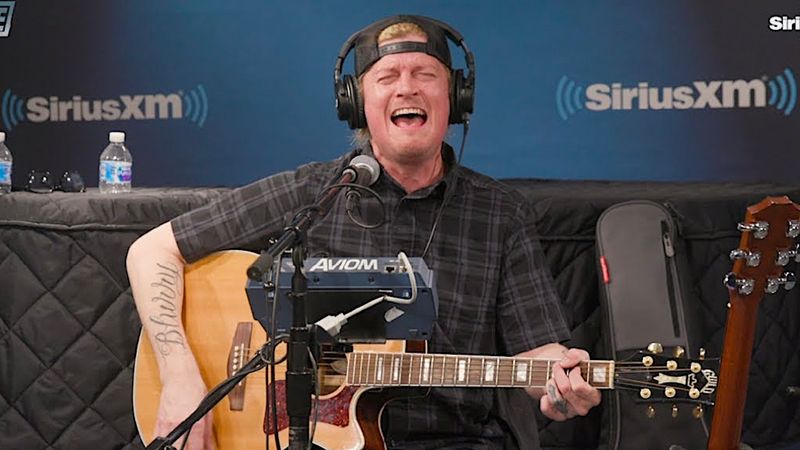
Wes Scantlin’s 2020 live performance of Nirvana’s “About a Girl” became a cautionary tale almost overnight. Singing off-key and straining for notes that simply would not come, Scantlin turned Kurt Cobain’s gentle acoustic gem into something painful to witness.
Videos spread online fast, and fans were left wincing. Nirvana’s catalog carries an emotional weight that demands a certain vocal honesty.
This cover proved that raw sincerity cannot be faked, especially when the original artist left such a lasting impression.
3. “Behind Blue Eyes” – Limp Bizkit (2003)
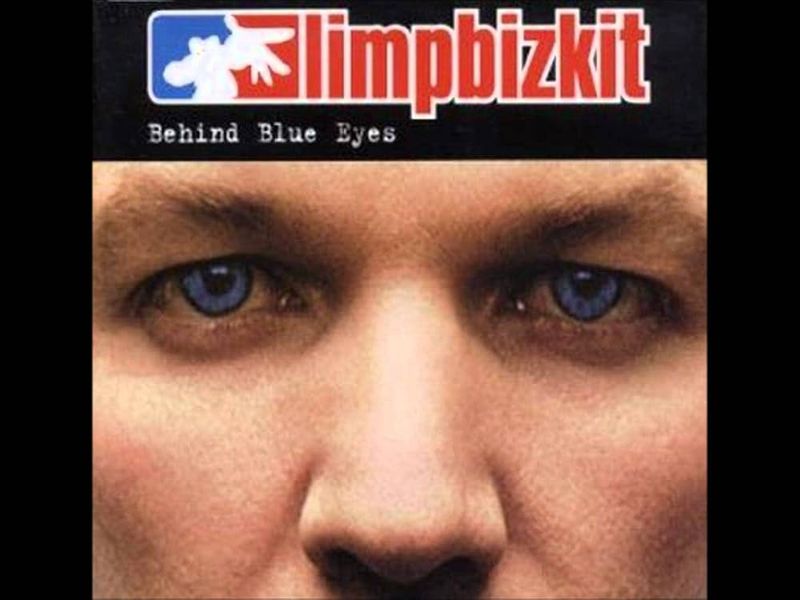
Limp Bizkit’s 2003 version of The Who’s brooding classic added a new verse, an extra chorus, and, bizarrely, a Speak and Spell toy in the bridge. That last creative choice alone raised more than a few eyebrows among fans of Pete Townshend’s original.
Critics were not kind, and listeners felt the song’s raw emotional core had been buried under unnecessary additions. The Who wrote a song about feeling misunderstood.
Ironically, Limp Bizkit’s cover became the thing nobody understood.
4. “Boys of Summer” – The Ataris (2003)
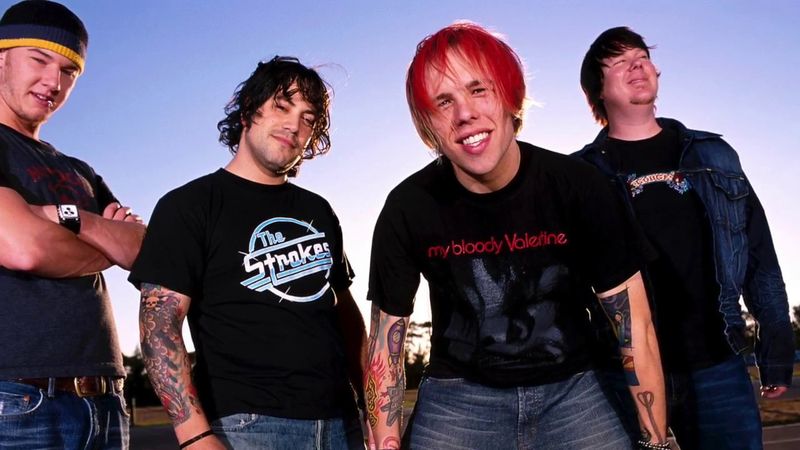
Don Henley’s wistful 1984 classic captured a very specific feeling of summer nostalgia. The Ataris’ pop-punk version changed “Deadhead sticker on a Cadillac” to “Black Flag sticker,” a lyric swap that reportedly did not sit well with Henley himself.
Swapping out a culturally loaded image for a punk rock reference shifted the whole mood of the song. It felt like coloring over a watercolor painting with a marker.
Henley’s original remains untouchable for good reason.
5. “Purple Haze” – The Cure (1993)
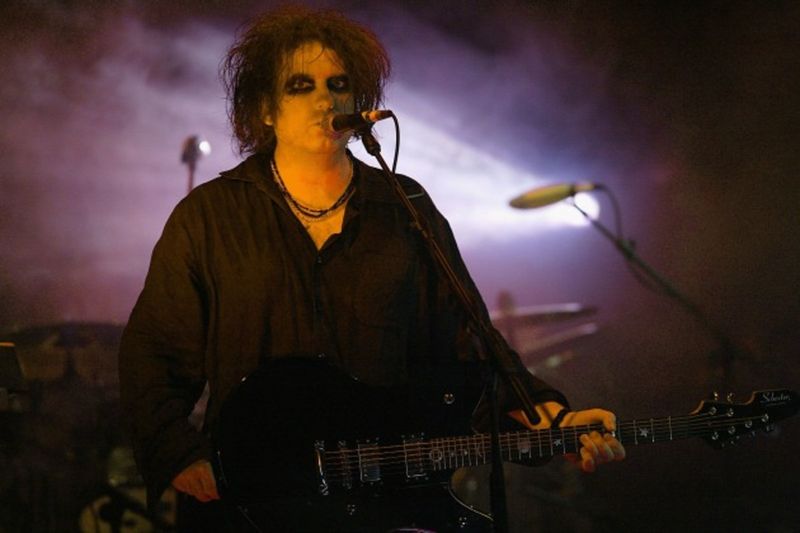
Jimi Hendrix’s “Purple Haze” is one of the most electric guitar-driven songs ever recorded. So when The Cure buried it under layers of synths, drum machines, samples, and ambient noise for a 1993 tribute album, fans of both artists were left confused.
The original was barely recognizable by the time the song finished. Tribute albums are supposed to honor a legacy, not transform it beyond recognition.
The Cure are talented, but this cover went a few steps too far.
6. “Imagine” – Gal Gadot and Celebrity Friends (2020)

During the frightening early days of the COVID-19 pandemic, Gal Gadot organized a celebrity singalong of John Lennon’s “Imagine.” Shot in lavish homes on smartphones, it drew immediate and widespread criticism for feeling tone-deaf and self-important.
Lennon’s song is about dreaming of a world with less division and inequality. Watching wealthy celebrities sing it from mansions did not exactly land the way they intended.
Few moments in recent pop culture history backfired quite this spectacularly or quickly.
7. “Fortunate Son” – U2
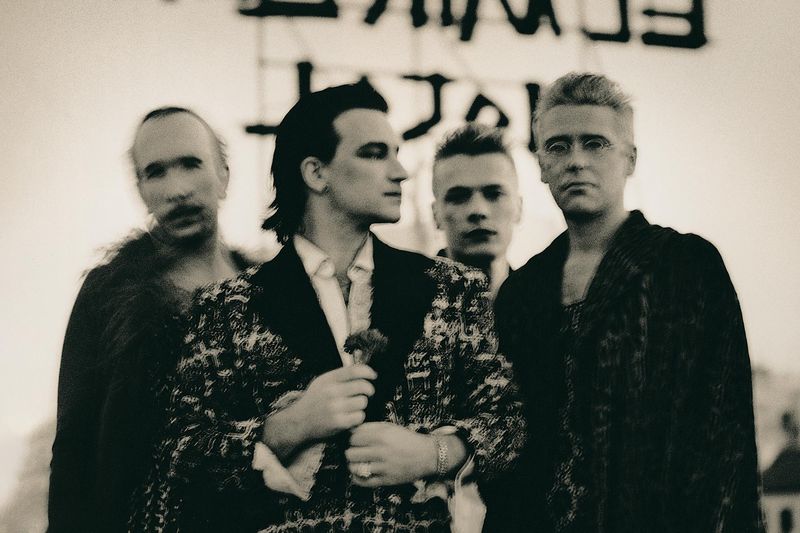
Creedence Clearwater Revival’s “Fortunate Son” is a scrappy, working-class protest anthem with real grit. U2’s version, while thematically aligned with the song’s message, swapped that grit for polished arena-rock production that felt completely mismatched.
Bono’s shift in vocal key made the performance feel monotonous, and The Edge’s guitar tone was widely described as “miscast” for the raw energy the song demands. CCR’s original had a fire that no amount of stadium reverb could replicate.
8. “What’s Going On” – Cyndi Lauper (1986)
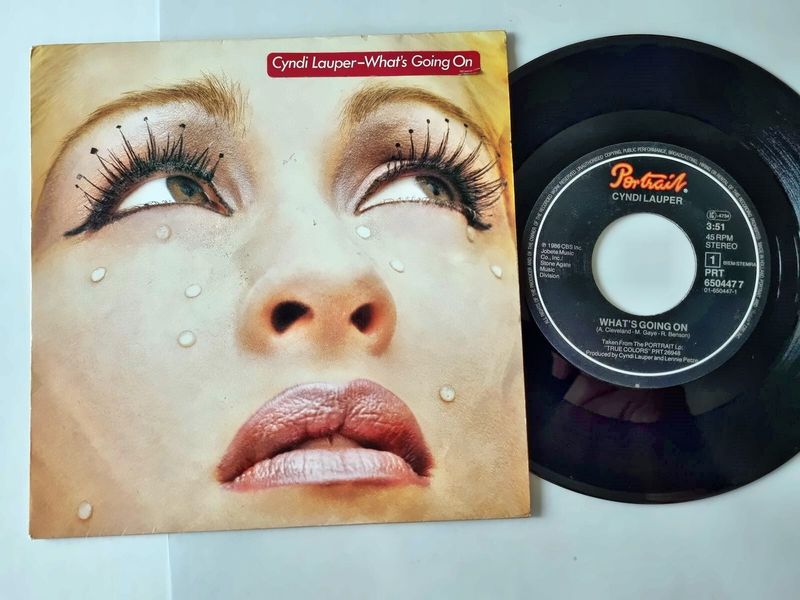
Marvin Gaye’s “What’s Going On” is a soulful, deeply moving social commentary that defined an era. Cyndi Lauper’s 1986 remake wrapped it in excessive synthesizers and added jazz scat-style singing that left critics asking the very question in the title.
Her vocal talent was never in doubt, but the production choices overwhelmed the song’s quiet emotional power. Gaye’s original breathed.
Lauper’s version felt cluttered. Sometimes respecting a classic means resisting the urge to add your own flourishes.
9. “Big Yellow Taxi” – Counting Crows (2002)
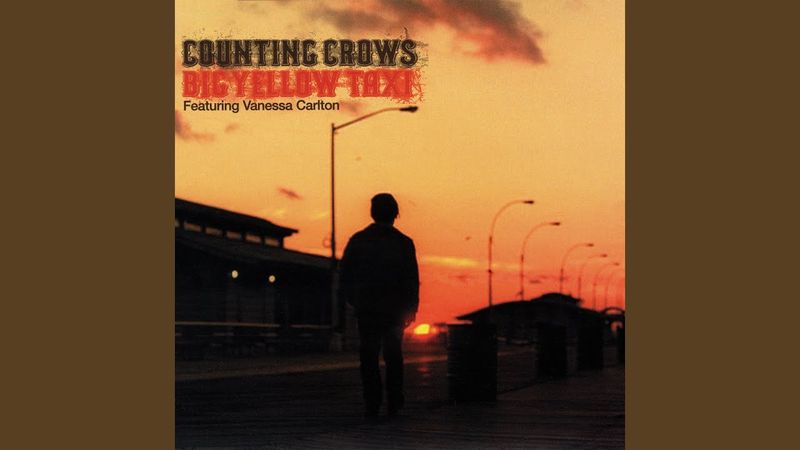
Joni Mitchell’s 1970 environmental anthem “Big Yellow Taxi” had a breezy, effortless charm that felt entirely its own. Counting Crows’ 2002 version was widely labeled “unnecessary,” adding little to a song that was already perfectly complete on its own terms.
The cover charted, which frustrated fans of the original even more. Popularity does not always equal improvement.
Mitchell’s version was witty, sharp, and ahead of its time. Hearing it redone with early 2000s alt-rock production just felt like a step backward.
10. “American Pie” – Madonna (2000)
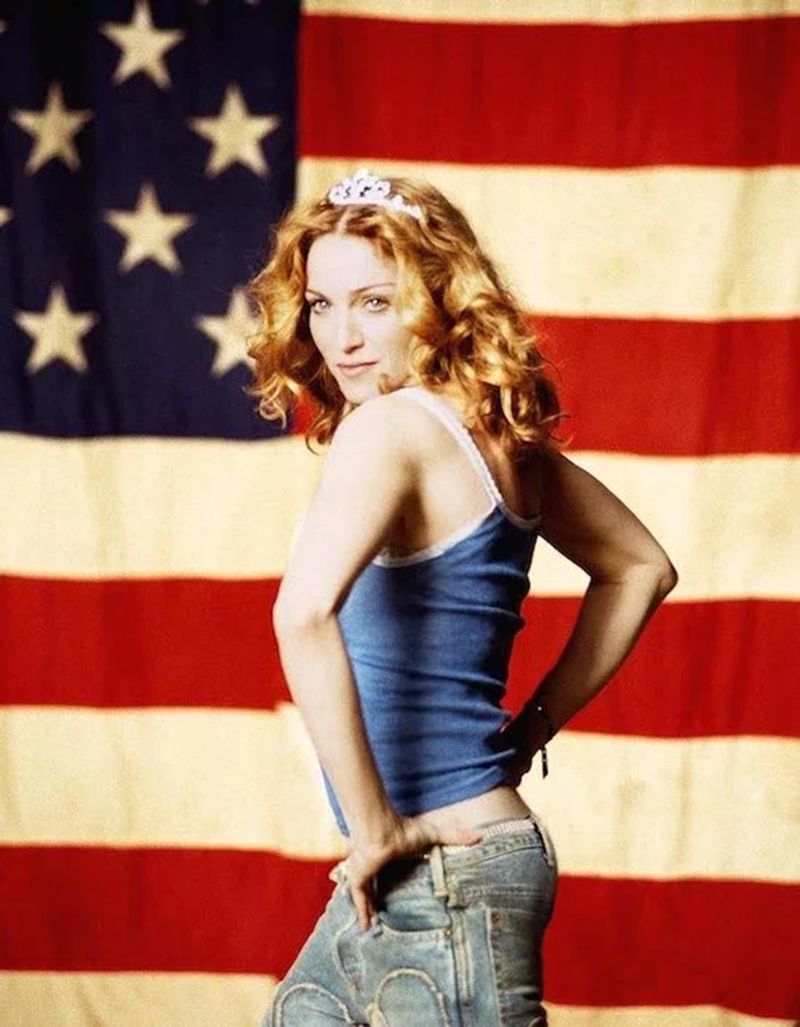
Don McLean’s eight-minute folk epic is loaded with cultural references, nostalgia, and emotional weight. Madonna’s polished 2000 pop version trimmed it down and smoothed out every rough edge, leaving critics comparing it to forcing a square peg into a round hole.
The song’s charm comes from its sprawling, storytelling nature. A condensed pop version loses exactly what made the original special.
Madonna is undeniably a pop icon, but “American Pie” was never meant to be radio-friendly filler.
11. “Let It Be” – Celebrity Lip-Dub (2010)
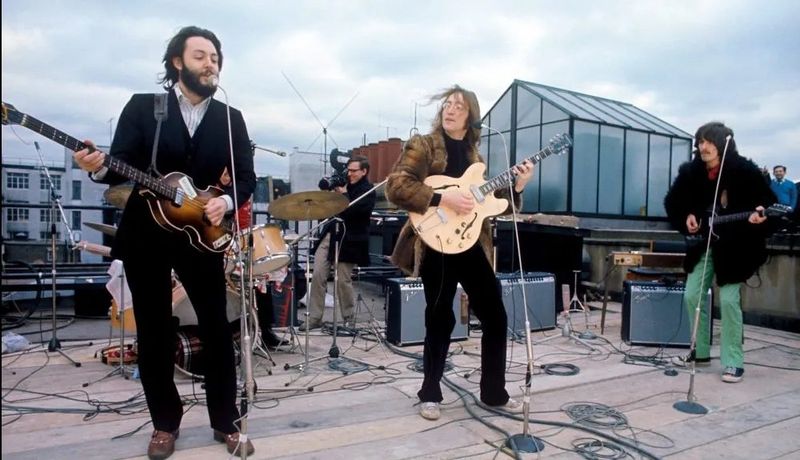
A 2010 Norwegian TV show produced a lip-dub of the Ferry Aid charity version of “Let It Be,” featuring a parade of celebrities with frozen smiles and stilted gestures. Viewers described it as genuinely bewildering to watch.
The Beatles’ original is one of the most comforting songs ever recorded. Watching celebrities awkwardly mime along without any apparent emotional connection turned comfort into confusion.
Good intentions do not automatically produce good results, especially when the source material is sacred.
12. “Tutti Frutti” – Pat Boone (1950s)
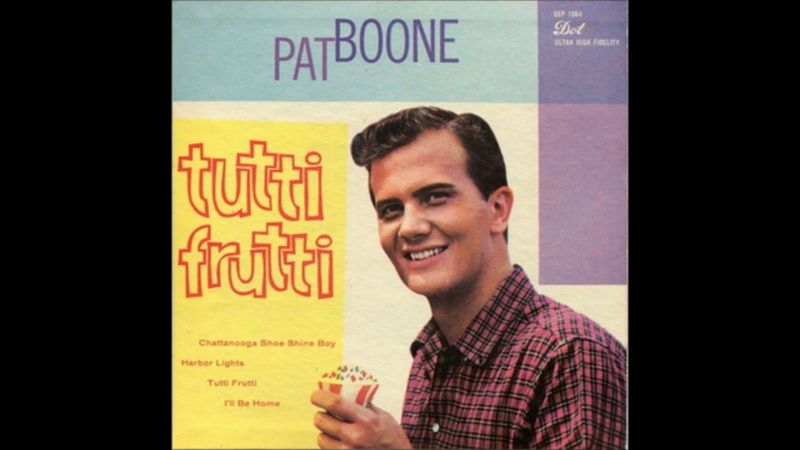
Little Richard’s “Tutti Frutti” was a burst of wild, joyful, rebellious energy that helped define early rock and roll. Pat Boone’s sanitized 1950s cover stripped away all of that raw power and replaced it with a polished, safe pop presentation.
Music historians often use this as a textbook example of “culture vulture” behavior, where a Black artist’s work was repackaged by a white artist for mainstream audiences. The original’s spirit was completely lost in translation, and Little Richard’s genius was undersold.
13. “Faith” – Limp Bizkit (1997)
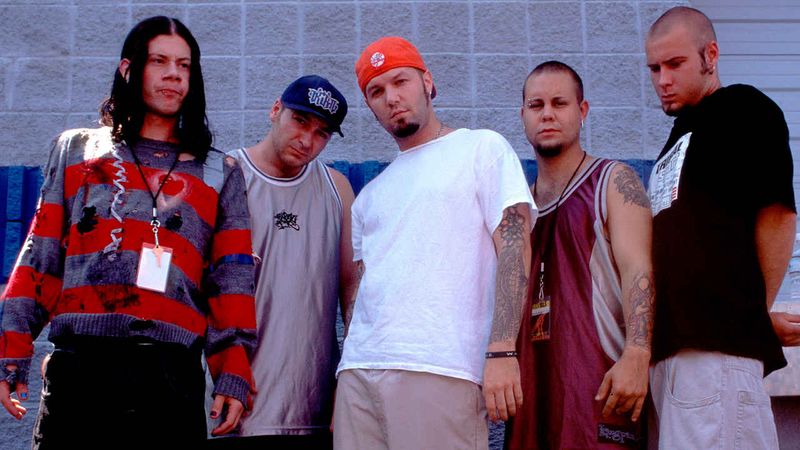
George Michael’s “Faith” was a smooth, charismatic pop gem built on a simple guitar riff and a whole lot of swagger. Limp Bizkit turned it into a rap-metal stomp in 1997 that many critics called the prototype for every bad cover of the 1990s.
George Michael himself reportedly hated it, which says plenty. The cover did make Limp Bizkit more famous, but at the cost of turning a charming song into a punchline.
Some songs just cannot survive a genre transplant.
14. “Lucy in the Sky with Diamonds” – William Shatner (1968)
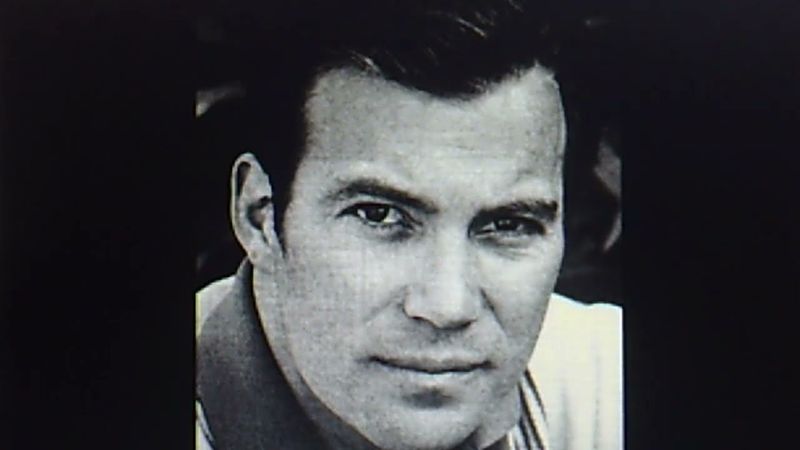
William Shatner’s 1968 spoken-word album is legendary for all the wrong reasons. His version of the Beatles’ psychedelic classic had him delivering the lyrics as high drama over a brassy, theatrical arrangement that sounded nothing like the original.
It became one of the most-referenced musical punchlines of the 20th century. Shatner himself has been a good sport about the mockery over the decades.
Still, the recording proves that passion and theatrics alone cannot carry a song this delicate.
15. “911 Is a Joke” – Duran Duran (1995)
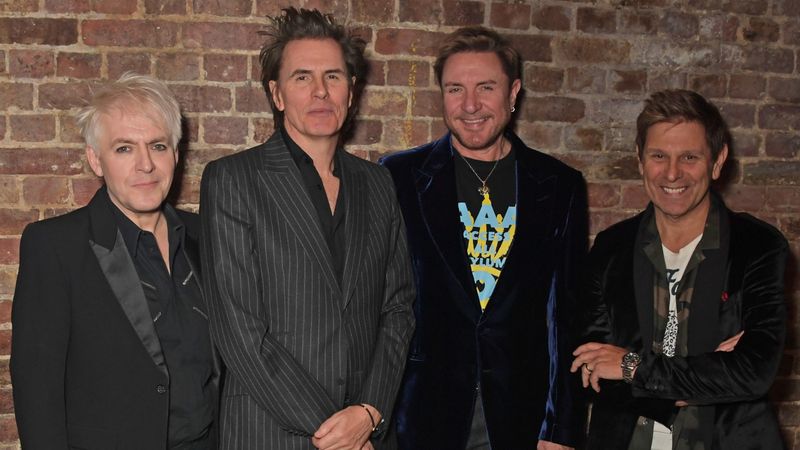
Public Enemy’s “911 Is a Joke” was a sharp, urgent commentary on emergency service failures in Black communities. Duran Duran’s 1995 cover recast it as a slinky, mid-tempo rock tune sung by wealthy British pop stars, and critics called it tone-deaf almost immediately.
The original song had real stakes. The cover had none.
Stripping the social context from a protest song does not just weaken it, it actively undermines the message. This cover remains one of the most misguided genre switches in pop history.
16. “You Really Got Me” – Van Halen (1978)
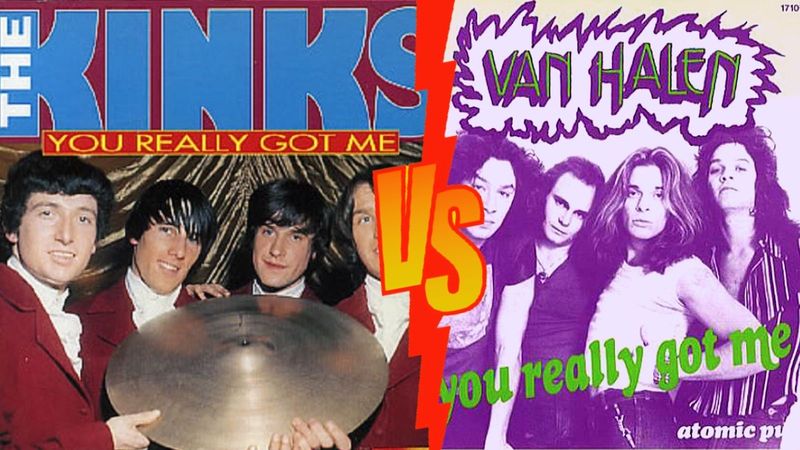
Van Halen’s debut album opened with a turbocharged cover of The Kinks’ “You Really Got Me,” and Eddie Van Halen’s guitar work was undeniably impressive. But Kinks songwriter Ray Davies was unimpressed, calling it “very Middle America” in a tone that was not complimentary.
The original had a scrappy, lo-fi charm that Van Halen’s polished production replaced with pure showmanship. It launched careers and sold records, but Davies felt the soul of his creation had been glossed over by Hollywood glamour.
17. “Blinded By the Light” – Manfred Mann’s Earth Band (1976)
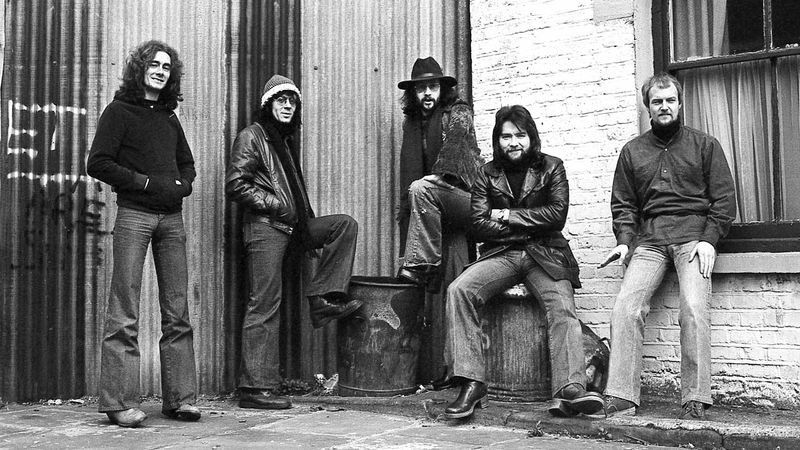
Bruce Springsteen wrote “Blinded By the Light” with a very specific set of lyrics. When Manfred Mann’s Earth Band covered it in 1976, a lyrical phrase got mangled during recording, turning “cut loose like a deuce” into something that sounded suspiciously like “wrapped up like a douche.”
Springsteen was reportedly not thrilled. The cover actually outsold his original, which made the whole situation even more ironic.
Millions heard the garbled version first and never looked back, much to the songwriter’s lasting frustration.
18. “These Boots Are Made for Walkin'” – Megadeth (1985)

Nancy Sinatra’s “These Boots Are Made for Walkin'” had a playful, confident attitude that made it a pop classic. Megadeth’s 1985 snarling metal version altered the lyrics to something considerably raunchier, and the song’s original author, Lee Hazlewood, was furious.
Hazlewood demanded the track be removed from the album entirely, and his request was honored. It is rare for a cover to generate that level of outrage from the original songwriter.
Megadeth had plenty of original material. This particular detour was one they probably should have skipped.