
Going through a divorce is one of the hardest experiences a person can face, and it leaves a lasting mark on how people view relationships. Many people who have been divorced find themselves hesitant to walk down the aisle a second time.
Their reasons are deeply personal, ranging from emotional wounds to practical worries about money and family. Understanding these reasons can help us be more empathetic toward those who choose to stay single after divorce.
1. Fear of Failing Again

Once burned, twice shy — that old saying hits hard for many divorced people. The memory of a marriage falling apart can feel like a personal failure, even when it takes two to create problems.
That fear of going through another collapse can be paralyzing.
Many people would rather stay single than risk feeling like they failed again. It takes real courage to push past that fear and believe a new relationship could turn out differently.
2. Deep-Seated Trust Issues

Betrayal has a long memory. When a marriage ends because of lies, cheating, or broken promises, it rewires the way a person sees new partners.
Trusting someone new feels like handing them a weapon they could use to hurt you.
Many divorced individuals find that rebuilding trust is exhausting and emotionally draining. Even when a new partner seems trustworthy, that inner voice of doubt can be incredibly loud and hard to silence over time.
3. Loving Their Independence

After years of compromising and adjusting to someone else’s schedule, habits, and preferences, many divorced people discover something wonderful — they actually love living on their own terms. No negotiations, no arguments over the thermostat, no one else’s needs overriding their own.
For a lot of people, especially women, this independence feels like a gift they never want to give up. Remarrying would mean sharing that freedom, and honestly, they are not ready to do that.
4. Emotional Scars That Linger
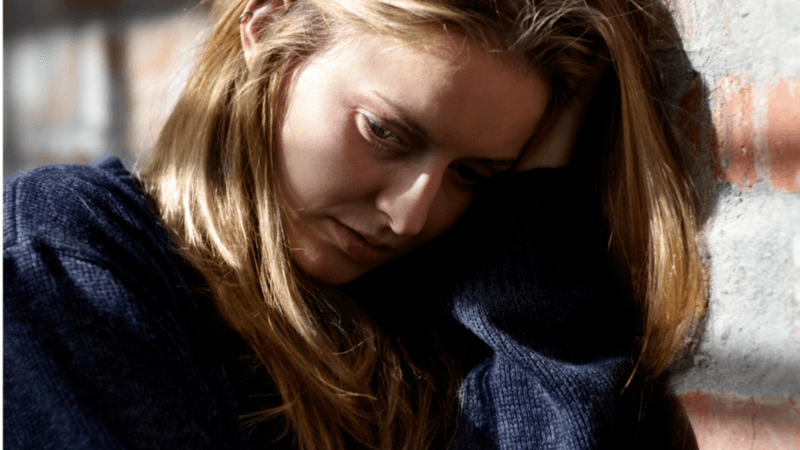
Divorce does not just end a marriage — it can leave invisible wounds that take years to heal. Anxiety, depression, and a constant sense of being on guard are common side effects of going through a painful split.
Some people carry those emotional scars into every new relationship they try to build.
Being emotionally guarded is not a character flaw; it is a survival response. Many divorced individuals need significant time and support before they feel safe enough to open their hearts again.
5. Serious Financial Worries
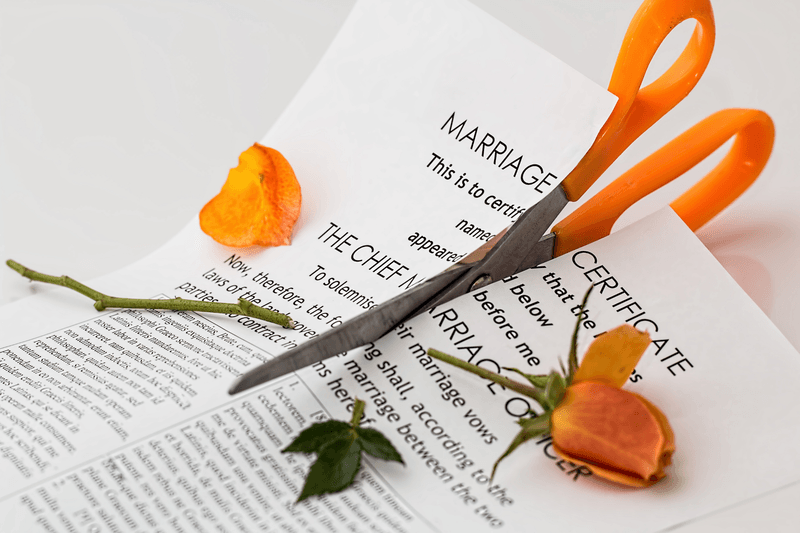
Divorce is expensive — and many people learn that lesson the hard way. Legal fees, splitting assets, and starting over financially can drain savings and leave lasting damage.
The thought of going through all of that again is enough to make anyone pump the brakes on remarriage.
Beyond the fear of another costly divorce, remarrying can also affect alimony payments, retirement benefits, and estate plans. For many, staying single is simply the smarter financial move when you look at all the numbers.
6. Putting the Kids First

When children are in the picture, every big decision gets filtered through one question: how will this affect my kids? Blending families is genuinely complicated.
Children from a previous marriage may struggle with jealousy, loyalty conflicts, or feeling pushed aside when a new partner enters the scene.
Many divorced parents choose to stay single simply because their children come first, full stop. It is not about giving up on love — it is about protecting the little people who depend on them the most every single day.
7. Not Seeing the Point of Remarrying

Some people reach a point where they genuinely ask themselves, why bother? When life feels full, purposeful, and peaceful without a spouse, marriage can start to look less like a goal and more like an unnecessary complication.
Studies show that many divorced individuals, particularly those who have built strong social networks and fulfilling careers, simply do not feel the pull toward marriage anymore. They have found happiness on their own terms, and that feels like more than enough to sustain a rich and meaningful life.
8. Not Healing Fully Before Moving On
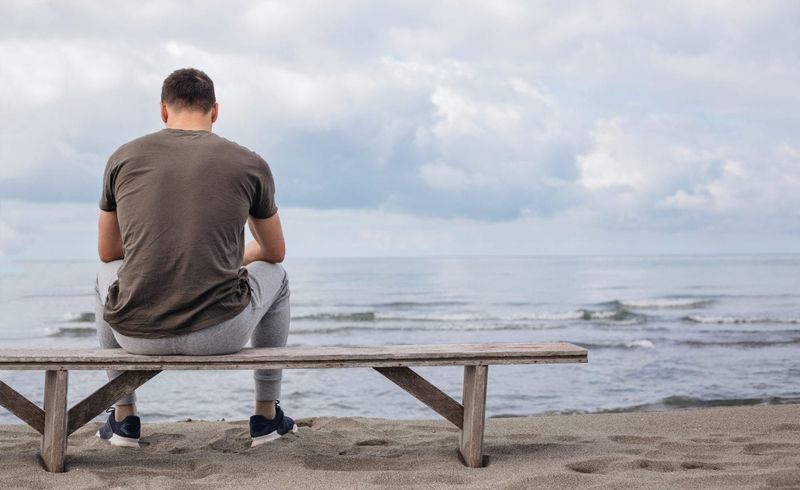
Jumping into a new relationship before the old wounds have closed is a recipe for bringing old baggage into new territory. Many divorced people recognize this pattern and choose to wait — sometimes for years — before even considering marriage again.
Healing takes time, and there is no shortcut. Unresolved grief, anger, or guilt from a previous marriage can quietly sabotage a new relationship before it even gets a real chance to grow into something meaningful and lasting.
9. Shifting Life Priorities
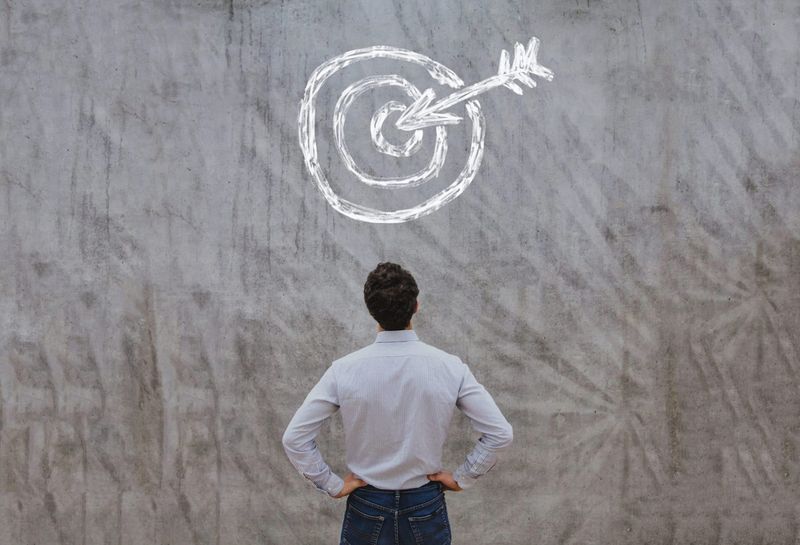
Divorce has a way of reshuffling what matters. People who once centered their lives around being a spouse often emerge from a marriage with completely different goals — building a career, traveling, pursuing passions, or simply finding themselves again.
When those new priorities take center stage, marriage can feel like it would slow everything down. Many divorced individuals are not closed off to love forever; they have just reprioritized their own growth and are not willing to compromise that momentum for anyone right now.
10. Struggling to Find the Right Match
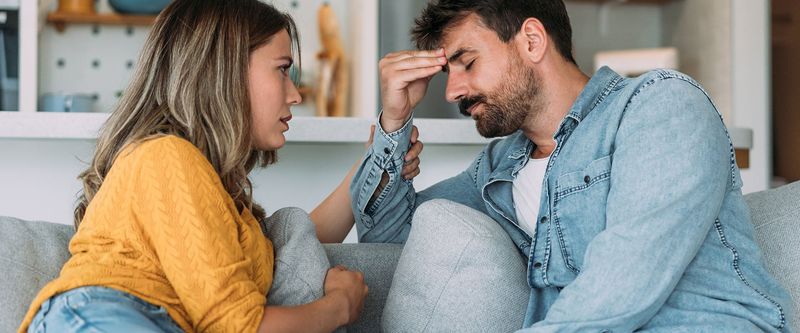
After experiencing a failed marriage, most divorced people become far more selective about who they let into their lives. That is actually a healthy and wise response.
But higher standards can also mean a much smaller dating pool, making compatible matches harder to find.
Add in the realities of age, shared custody schedules, and established lifestyles, and the search for a truly compatible partner can start to feel overwhelming. Many eventually stop searching altogether, choosing peace over the frustration of repeated disappointment.
11. Craving a Drama-Free Life

Walking away from a high-conflict or toxic marriage can feel like finally being able to breathe again. After years of arguments, tension, and emotional chaos, the idea of remarrying and potentially stepping back into that storm is deeply unappealing.
Many divorced people become fiercely protective of their peace. They have worked hard to create a calm, stable life, and they are not willing to trade that for the unpredictability of a new marriage.
Quiet and steady starts to feel like luxury.
12. Believing Marriage Ruins Romance
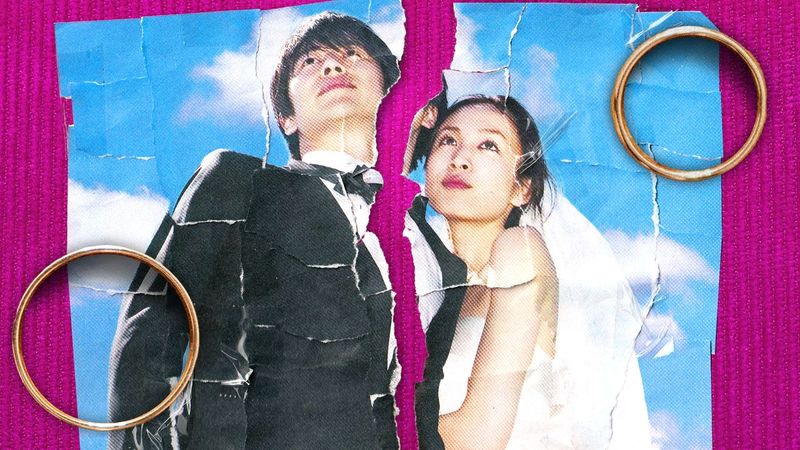
There is a surprisingly common belief among divorced individuals that marriage itself is what killed the magic in their relationship. Before the wedding, things felt exciting and alive.
Afterward, routine, obligation, and familiarity slowly replaced the spark that once made everything feel special.
This belief, whether completely accurate or not, sticks around. Some divorced people genuinely feel that keeping a relationship unofficial is the best way to preserve the romance, choosing long-term partnerships over legal commitments to protect what they love most.
13. Lack of Support from Others
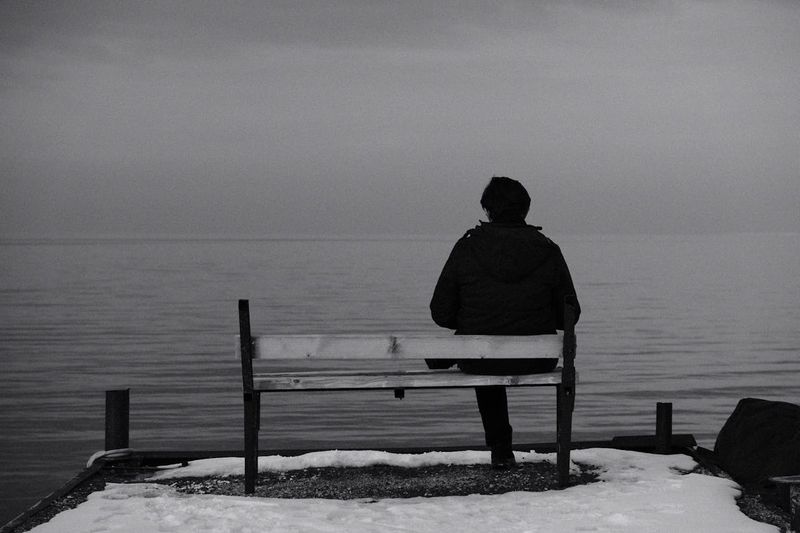
First marriages usually come with a big celebration — family cheering, friends excited, everyone rooting for the couple. Remarriages?
Not always. Family members may be skeptical, friends might have loyalty to the ex, and children could be openly resistant to the idea.
That lack of enthusiasm and social support can quietly drain the motivation to try again. When the people who matter most in your life are not in your corner, it becomes much harder to take the leap and commit to someone new all over again.
14. Poor Conflict Resolution Skills

Not every marriage ends because of dramatic betrayal. Sometimes, couples simply never learned how to argue constructively, listen without defensiveness, or work through disagreements without shutting down or blowing up.
Those patterns, left unaddressed, can destroy even a loving relationship over time.
Many divorced individuals privately recognize that they still struggle with conflict resolution. Rather than risk repeating those same destructive cycles in a new marriage, they choose to stay single until — or unless — they feel genuinely equipped to handle things differently and better.
15. Protecting Hard-Won Assets

Building financial security after a divorce takes years of hard work, sacrifice, and smart decisions. The thought of merging those hard-won assets with a new partner — and potentially losing half of everything again — makes many divorced people extremely cautious about remarrying.
Wealthy individuals, particularly women who are primary earners, may also worry about being taken advantage of financially. Prenuptial agreements can help, but they do not erase the anxiety.
For some, protecting what they have built simply outweighs the appeal of a new marriage.
16. Complicated Co-Parenting Dynamics

Co-parenting with an ex is already a delicate balancing act. Introducing a new spouse into that equation can add serious complications — tension between households, confusion for the children, and conflict between the new partner and the ex over boundaries and parenting decisions.
Many divorced parents decide that keeping their romantic life separate from their co-parenting responsibilities is simply easier for everyone involved. Remarriage would blur those lines in ways that could hurt the children, and that is a risk many parents are simply not willing to take.
17. Fear of Vulnerability
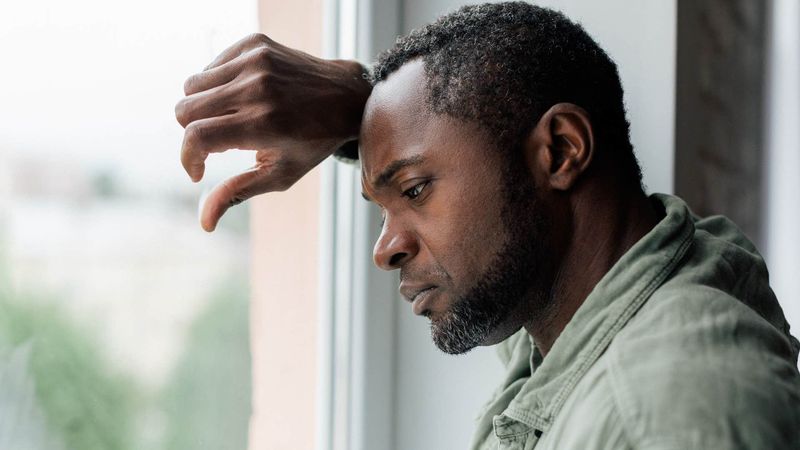
Opening your heart fully to another person requires a level of vulnerability that feels terrifying after being deeply hurt. Marriage asks you to be completely seen — flaws, fears, and all — and that kind of exposure can feel unbearable when you have already been burned by someone who knew you that well.
Many divorced individuals build emotional walls as a form of self-protection. Those walls keep pain out, but they also keep real connection at arm’s length.
Until that armor comes down, committing to marriage feels like an impossible risk to take.
18. Changed Views on What Love Means
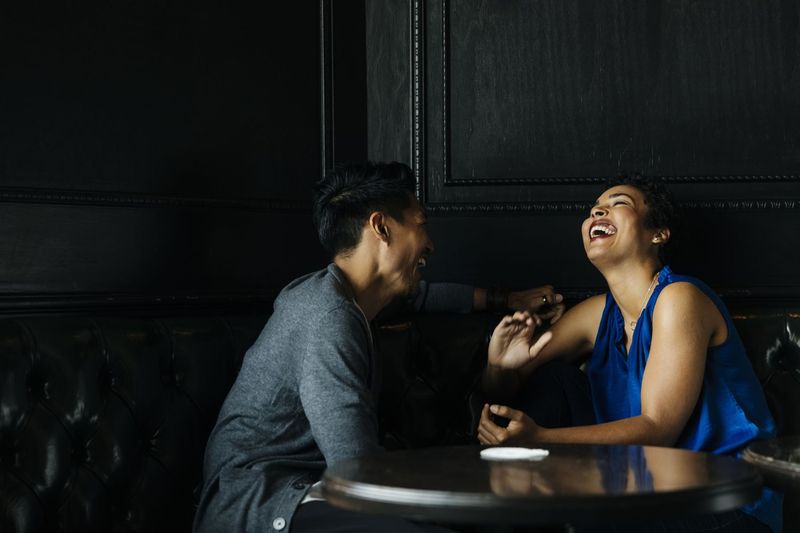
Divorce has a way of completely reshaping how people think about love, commitment, and what a healthy relationship actually looks like. Many divorced individuals emerge from their marriages with a far more realistic — and sometimes more skeptical — view of what marriage can and cannot provide.
Some come to believe that deep, meaningful love does not require a legal certificate to be real. They find that living authentically and choosing connection on their own terms feels far more honest than conforming to a traditional structure that did not work for them before.