
Cooking at home should be fun and rewarding, but a few bad habits can turn a great meal into a disaster or even start a fire. Many people make small mistakes in the kitchen without realizing how dangerous or costly they can be.
From leaving the stove unattended to storing food the wrong way, these errors add up fast. Knowing what to watch out for can keep your food tasting great and your kitchen safe.
1. Leaving the Stove Unattended
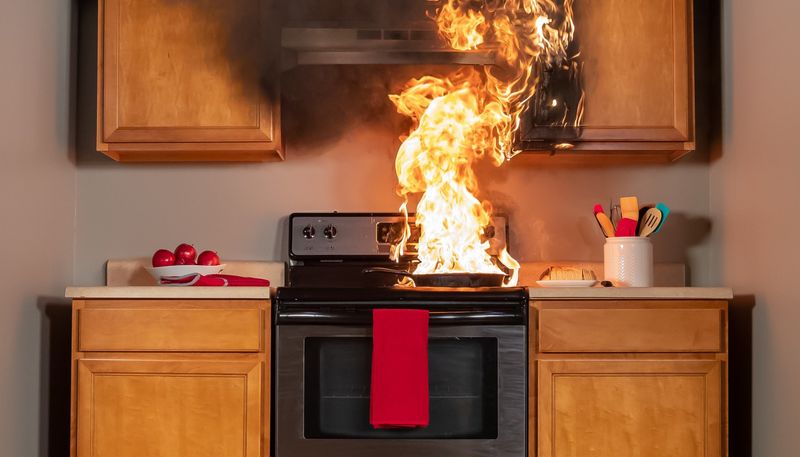
Walking away from a hot stove is one of the most common causes of kitchen fires in the home. Pots can boil over, grease can splatter, and food can burn in just minutes.
Even a short trip to another room can lead to a big mess or something worse.
Always stay nearby when cooking on high heat. If you must leave, turn the burner down or off completely to stay safe.
2. Using the Wrong Pan for High Heat
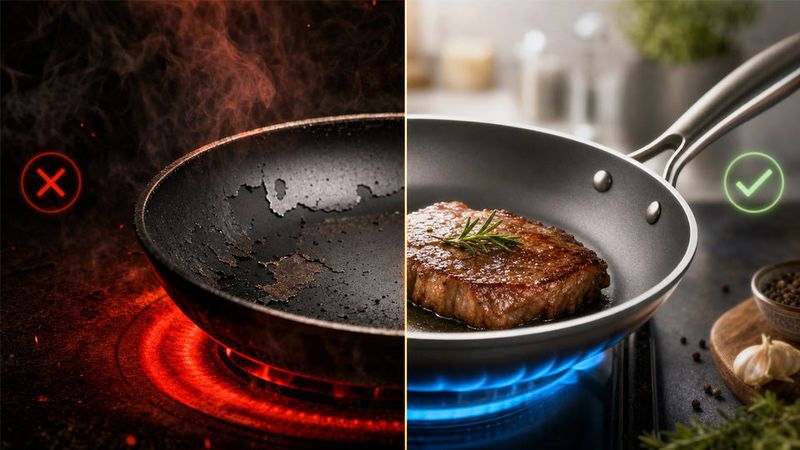
Not every pan is built to handle high temperatures. Using a non-stick pan on a blazing burner can damage the coating and release harmful fumes into the air.
Over time, warped or damaged pans cook food unevenly and can become a safety hazard.
Match your cookware to the job. Cast iron or stainless steel works great for high-heat cooking, while non-stick is better suited for low to medium temperatures.
3. Overcrowding the Pan
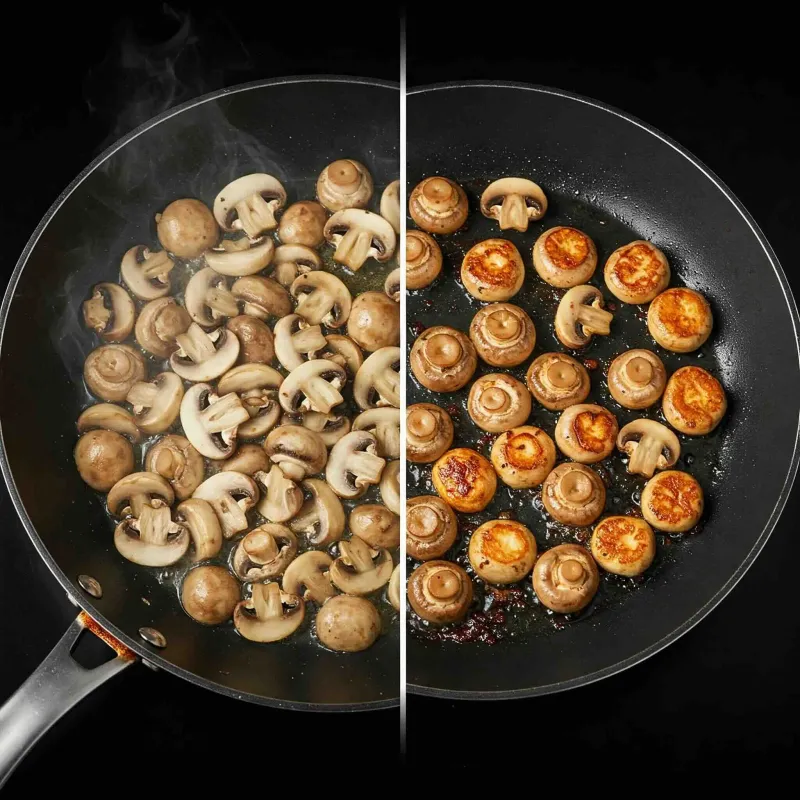
Piling too much food into one pan might seem like a time-saver, but it actually slows everything down. When food is packed in too tightly, steam gets trapped and ingredients end up soggy instead of nicely browned or crispy.
Give your food some breathing room. Cook in smaller batches so heat can circulate properly.
You will get better color, texture, and flavor every single time you try this simple trick.
4. Not Preheating the Pan or Oven
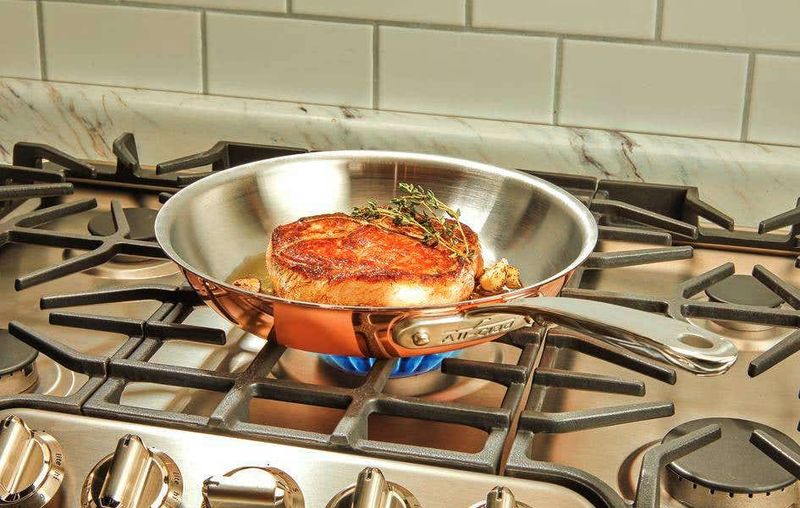
Throwing food into a cold pan or a barely warm oven is a recipe for uneven cooking. Proteins like chicken or steak need immediate contact with heat to form a proper sear and lock in flavor.
A cold start often leads to rubbery textures and pale, unappetizing results.
Always give your pan or oven time to fully preheat before adding food. A few extra minutes of patience makes a huge difference in the final dish.
5. Storing Raw Meat on the Top Shelf
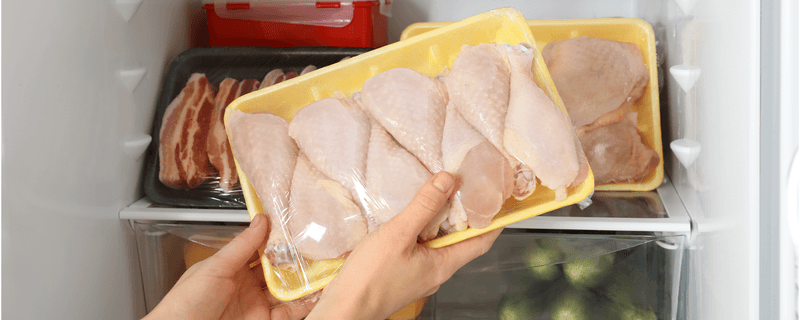
Raw meat dripping onto other foods in the fridge is a fast track to food poisoning. Bacteria from raw chicken, beef, or pork can contaminate produce, leftovers, or dairy products sitting below.
This cross-contamination risk is easy to overlook but incredibly dangerous.
Raw meat should always go on the bottom shelf of the refrigerator, ideally in a sealed container or bag. Keep it away from ready-to-eat foods to protect your whole household.
6. Using a Dull Knife
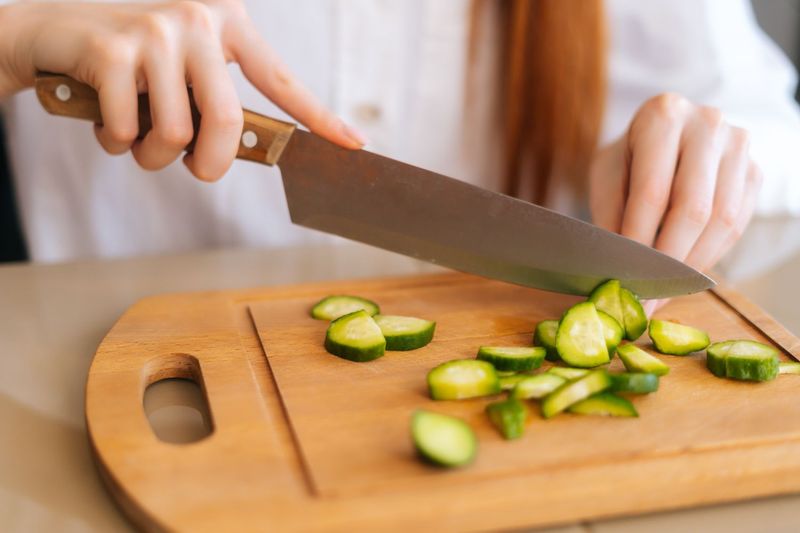
Believe it or not, a dull knife is more dangerous than a sharp one. When a blade loses its edge, you have to press harder to cut through food, and that extra force makes it much easier to slip and cut yourself.
Dull knives also crush food rather than slicing cleanly through it.
Sharpen your knives regularly using a honing steel or whetstone. A sharp knife gives you better control and makes prep work faster and safer overall.
7. Thawing Meat on the Counter
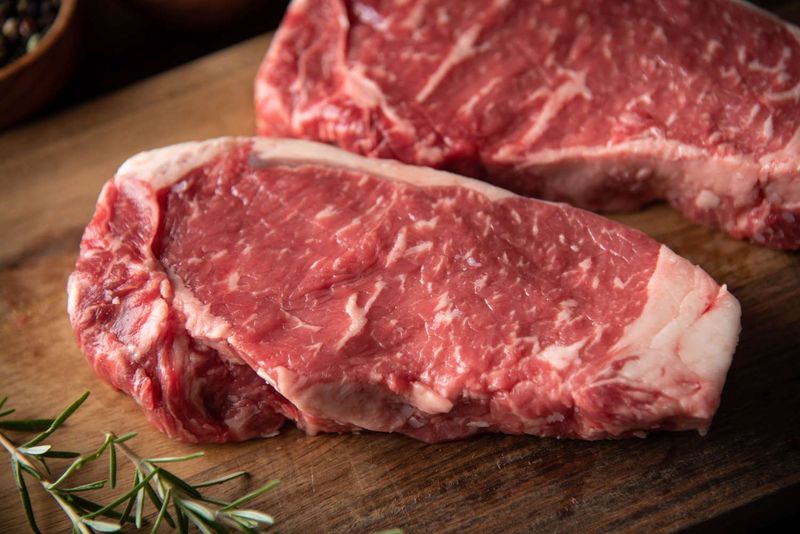
Leaving frozen meat on the counter to thaw sounds convenient, but it creates a danger zone for bacterial growth. As the outside of the meat warms up to room temperature, bacteria multiply rapidly while the inside is still frozen solid.
The safest ways to thaw meat are in the refrigerator overnight, under cold running water, or in the microwave right before cooking. Skipping the counter method protects you from foodborne illness that can make people seriously sick.
8. Ignoring Grease Buildup Near the Stove
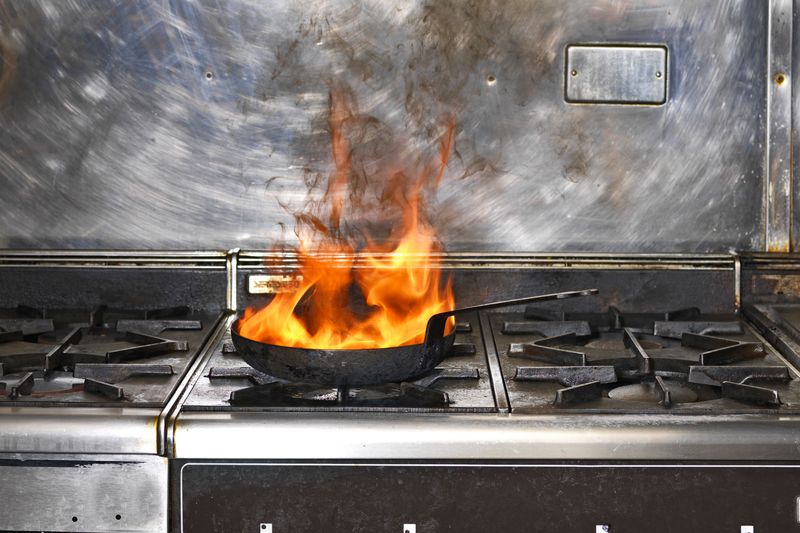
Grease is one of the sneakiest fire hazards in the kitchen. Over time, it builds up on burners, range hoods, and nearby surfaces without anyone noticing until it catches fire.
A grease fire can spread shockingly fast and is very difficult to put out with water.
Wipe down your stove and range hood regularly after cooking. Keeping surfaces clean reduces fire risk significantly and also makes your kitchen smell fresher and look much more inviting every day.
9. Putting Metal in the Microwave
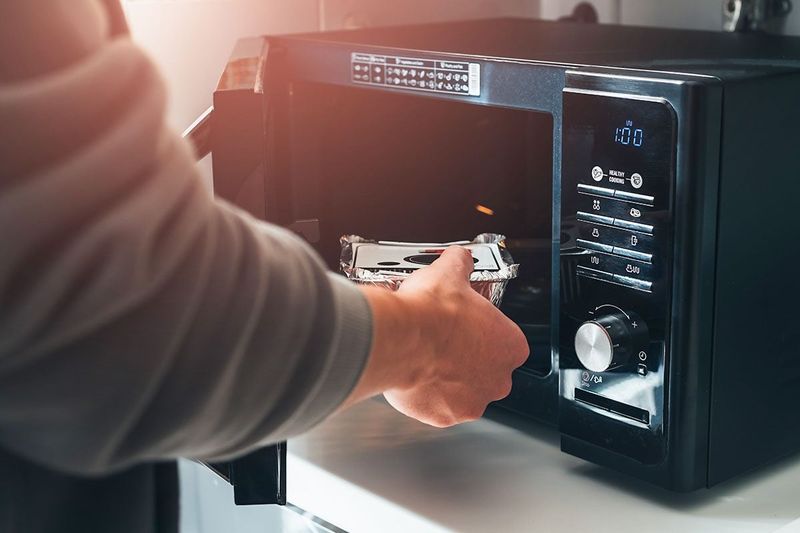
Most people learn this lesson the hard way at least once. Metal objects in the microwave cause sparks that can damage the appliance and even start a fire.
Aluminum foil, metal utensils, and certain types of takeout containers are all common culprits that sneak into the microwave by mistake.
Always check your containers and plates before heating. Look for microwave-safe labels and remove any foil or metal lids before pressing start.
It takes two seconds and prevents a scary situation.
10. Not Using a Meat Thermometer
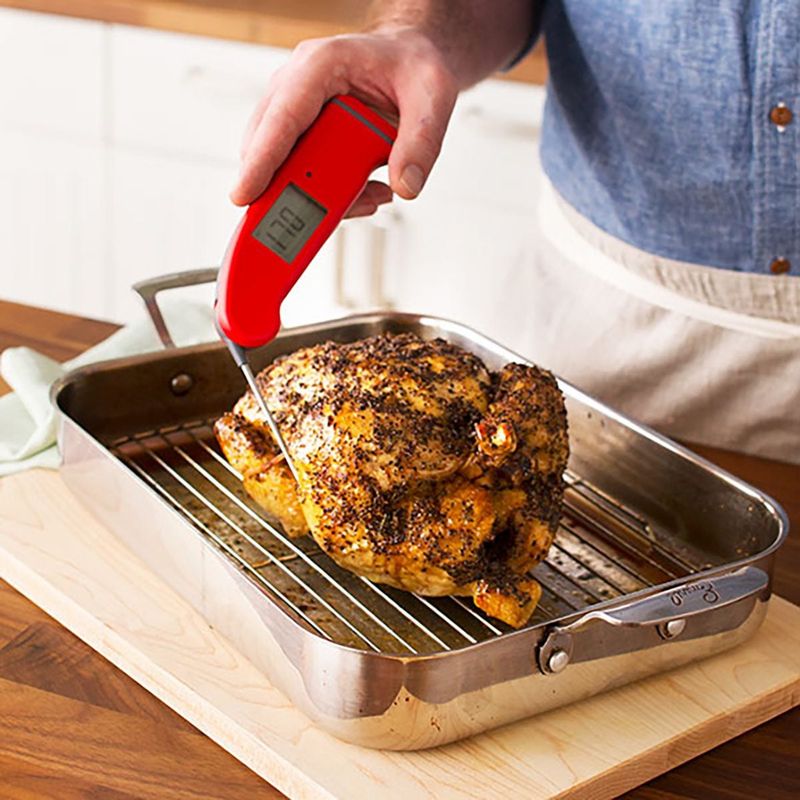
Guessing whether meat is done cooking is a gamble that can end badly. Undercooked chicken, pork, or ground beef can harbor dangerous bacteria like Salmonella or E. coli that cause serious illness.
Color alone is not a reliable way to judge doneness since meat can look cooked on the outside while still being raw inside.
A meat thermometer takes all the guesswork away. Chicken should reach 165 degrees Fahrenheit, and ground beef needs to hit at least 160 degrees to be safe.
11. Rinsing Raw Chicken Before Cooking
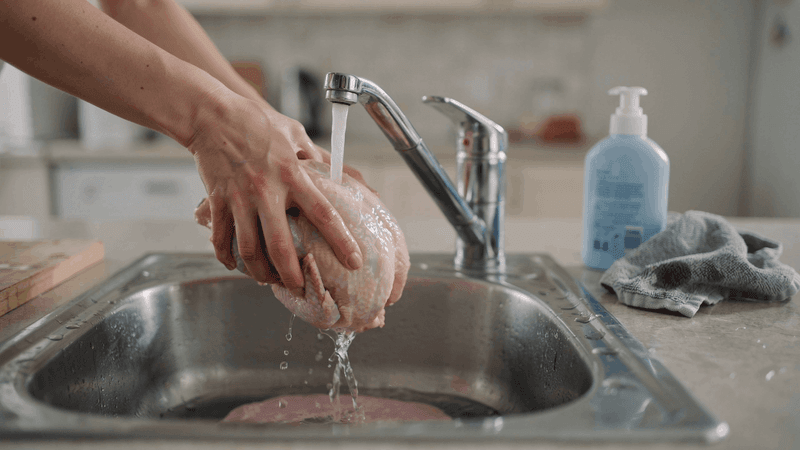
For years, people rinsed raw chicken thinking it would wash away bacteria. Science has since shown that rinsing actually spreads bacteria around the sink, counter, and nearby surfaces through water splatter.
Cooking chicken to the right internal temperature is what kills harmful germs, not a rinse under the tap.
Skip the rinse and go straight to cooking. Pat the chicken dry with paper towels instead if you want a better sear on the surface of the meat.
12. Cooking with Wet Ingredients Over Hot Oil
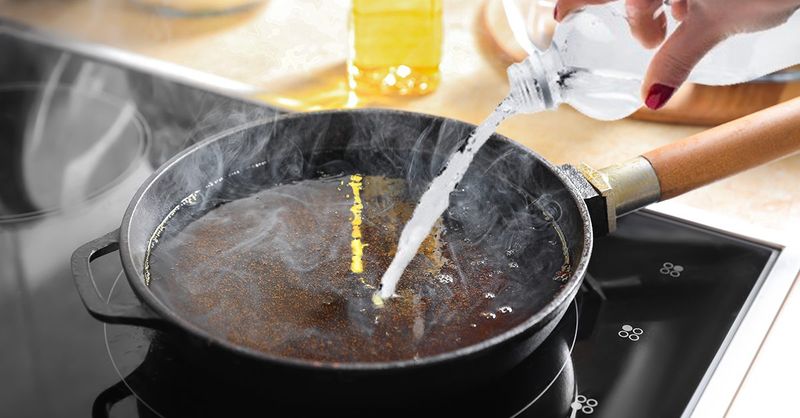
Hot oil and water are a dangerous combination. When even a small amount of water hits extremely hot oil, it instantly vaporizes and causes violent splattering that can cause serious burns.
Wet vegetables, thawed meat, or anything damp going into a hot pan of oil can create a scary reaction.
Always pat food dry with a paper towel before adding it to hot oil. Dry ingredients not only stay safer but also brown much more evenly and beautifully.
13. Overcooking Vegetables Until They Are Mushy
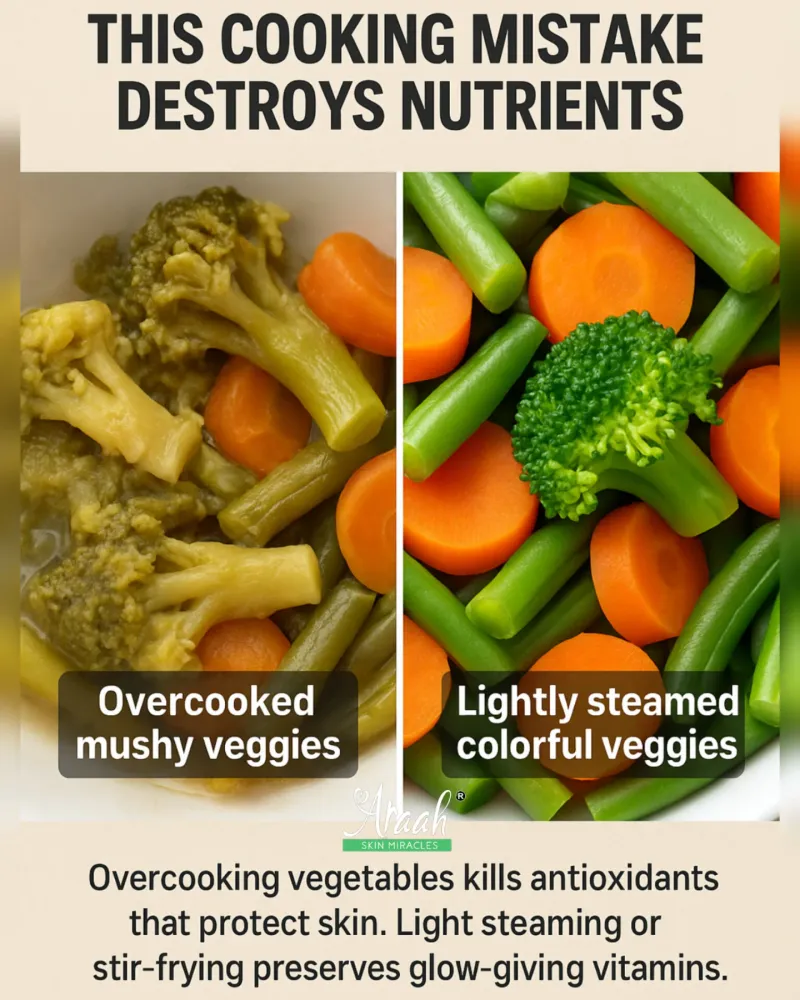
Nobody enjoys a pile of grey, lifeless vegetables that have been cooked way too long. Overcooking destroys both texture and nutrition, draining away vitamins and turning vibrant produce into something unappetizing.
Broccoli, green beans, and carrots are especially prone to going mushy when left on the heat too long.
Keep a close eye on cooking times and use a timer. Aim for vegetables that are just tender with a little bite still left in them for the best flavor and nutrition.
14. Placing Flammable Items Near the Burner
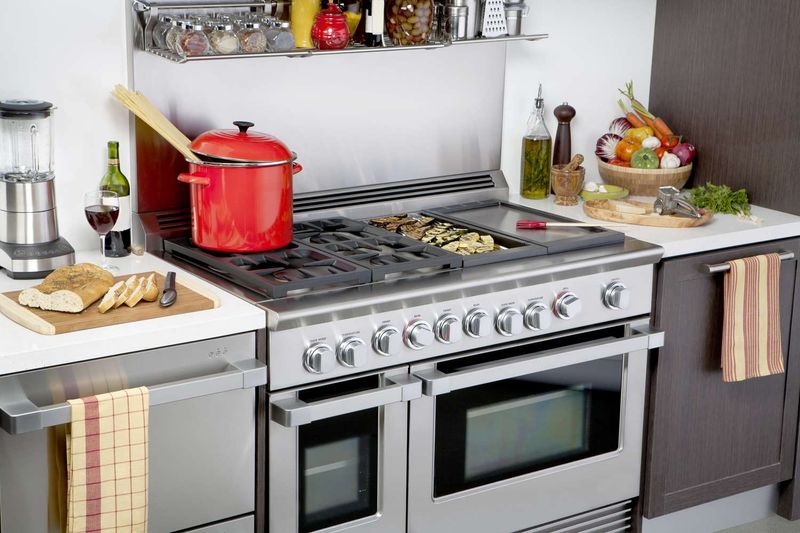
Kitchen towels, paper towels, wooden spoons, and plastic bags sitting too close to a lit burner are an accident waiting to happen. These everyday items can catch fire quickly, especially when a cook is distracted or moving fast around the kitchen during a busy meal prep.
Keep a clear zone around your stove. Hang towels away from the cooking area and store wooden or plastic utensils safely to the side.
A tidy stove area is a much safer one.
15. Not Letting Meat Rest After Cooking
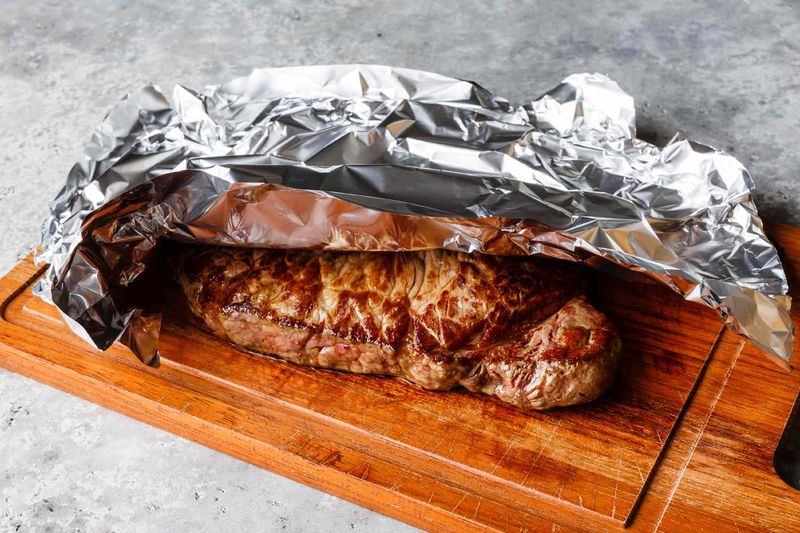
Cutting into a steak or roast the second it comes off the heat is tempting, but it sends all those flavorful juices running right out onto the cutting board. Resting allows the muscle fibers to relax and reabsorb those juices, resulting in much juicier and more flavorful meat overall.
Let steaks rest for at least five minutes and larger roasts for up to 20 minutes before slicing. Covering loosely with foil helps keep the heat in while it rests.
16. Using Too Much Salt Early in Cooking
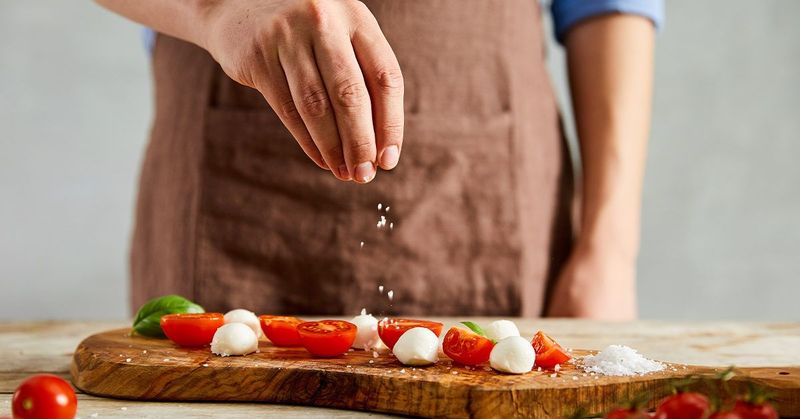
Salting a dish heavily right at the start can leave you with food that is too salty to enjoy by the time it is done. As food cooks down and reduces, flavors concentrate, meaning that salt becomes much stronger and more pronounced than when you first added it.
Season in layers throughout the cooking process and taste as you go. Adding a little salt at different stages gives you much better control over the final flavor of your dish.
17. Forgetting to Clean the Oven Regularly
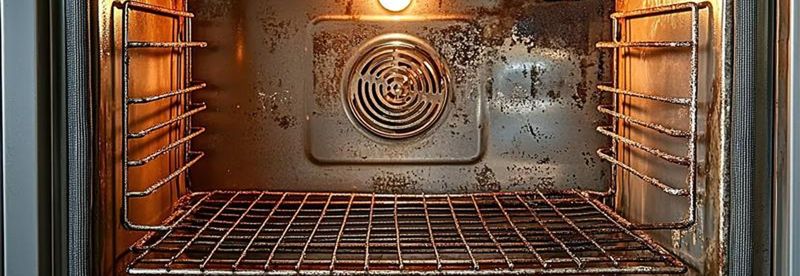
An oven caked with burnt food drippings and old grease is more than just unsightly. Those residues can smoke heavily during cooking, affect the taste of your food, and in some cases even catch fire during high-temperature baking or roasting sessions.
Clean your oven every one to three months depending on how often you use it. Most modern ovens have a self-cleaning function that makes the job easier.
A clean oven cooks more evenly and smells much better too.
18. Cooking While Tired or Distracted
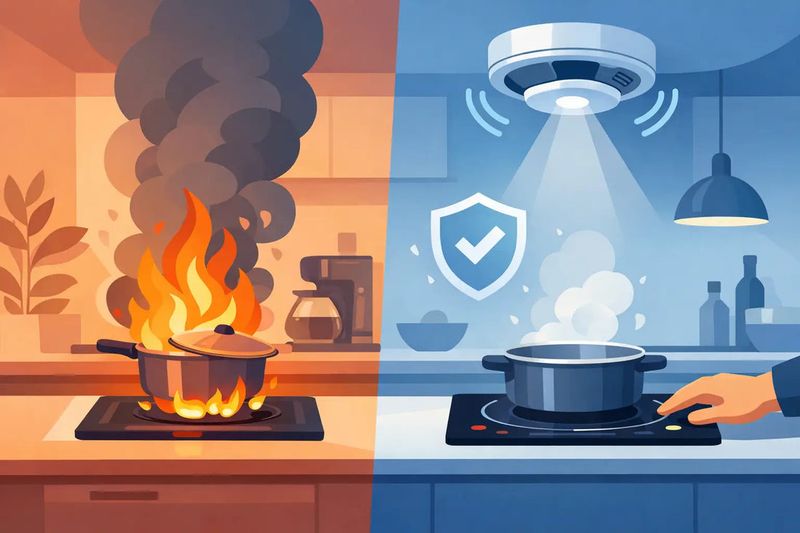
Fatigue and distraction are behind a surprising number of kitchen accidents every year. A tired cook might forget a pan on the stove, grab the wrong container, or misjudge a sharp knife.
Even small lapses in focus can lead to burns, cuts, or a fire that gets out of hand fast.
If you are exhausted, keep meals simple or heat something up safely rather than attempting complex cooking. Staying alert in the kitchen protects both you and everyone else in the home.