
Italy’s old hill towns hold stories in their stone walls, quiet squares, and winding lanes. Exploring them brings you closer to the people, food, and traditions that shaped the country.
From famous Tuscan towers to tiny villages perched above cliffs, each stop offers something different. Some also reveal Roman roots or Renaissance beauty, adding another layer to your trip.
1. San Gimignano: A Skyline of Stone Towers
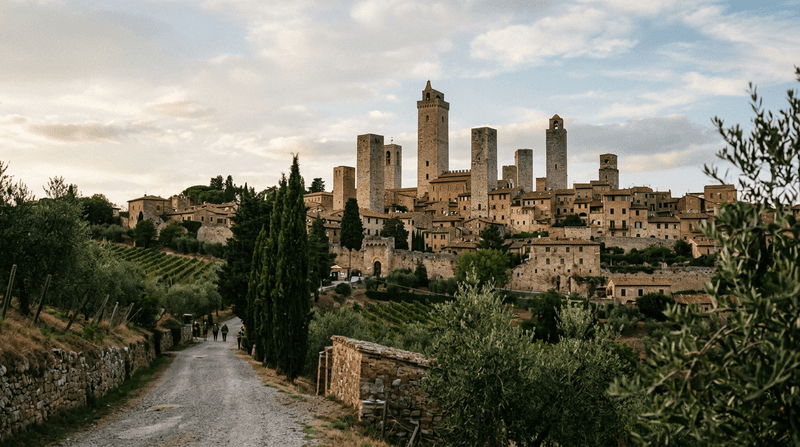
Look up, and the Middle Ages seem surprisingly close. San Gimignano’s surviving towers once showed off the wealth of rival families, creating a skyline unlike anywhere else in Tuscany.
Explore on foot, starting around Piazza della Cisterna before slipping into quieter side streets. Comfortable shoes help on the uneven paving, and an early arrival means fewer crowds.
For a wider view, check access to Torre Grossa, then reward yourself with gelato in the square afterward.
2. Civita di Bagnoregio: A Village Above the Valley
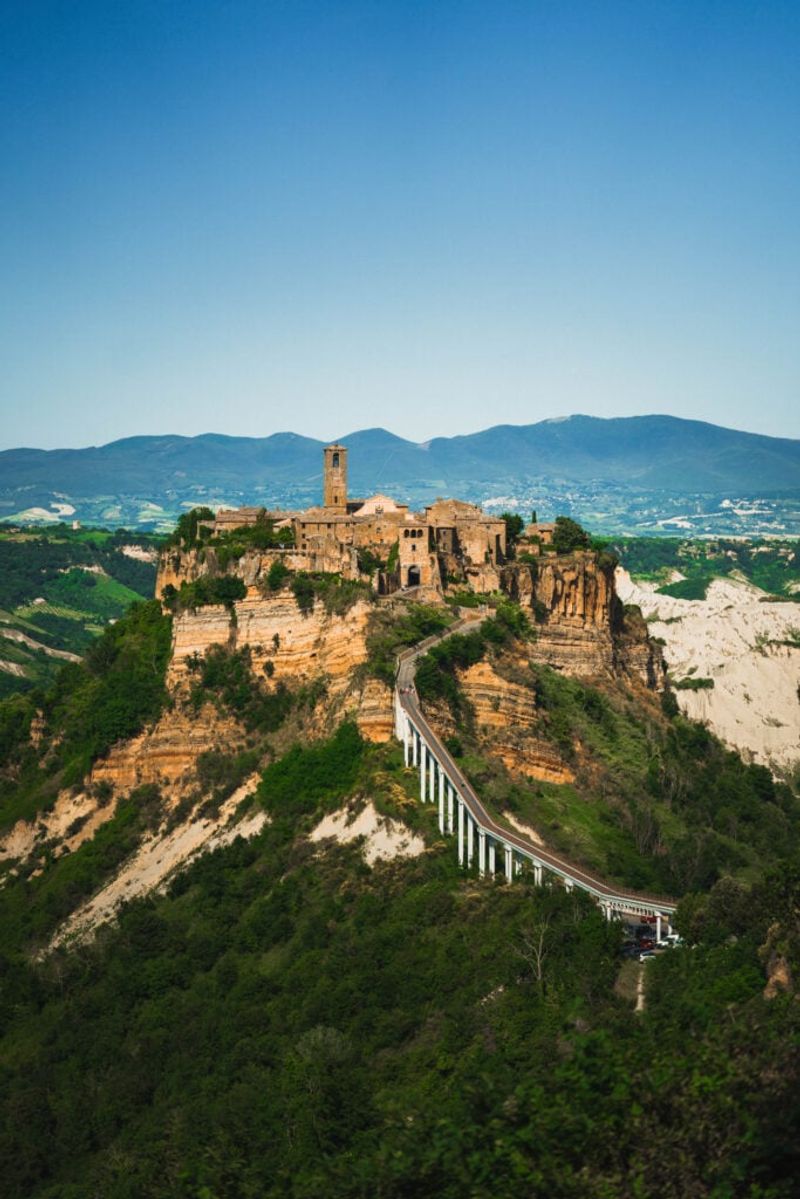
A narrow footbridge makes the approach feel like entering another world. Beyond it, stone houses sit above deep valleys on a fragile hill shaped by centuries of erosion.
Civita di Bagnoregio’s nickname, the Dying City, reflects that unstable ground rather than a lack of life. Expect a steep walk, check current entry arrangements, and bring water during summer.
Stay for lunch if time allows, when the little lanes deserve more than a quick photograph alone.
3. Pitigliano: Houses That Rise From Rock
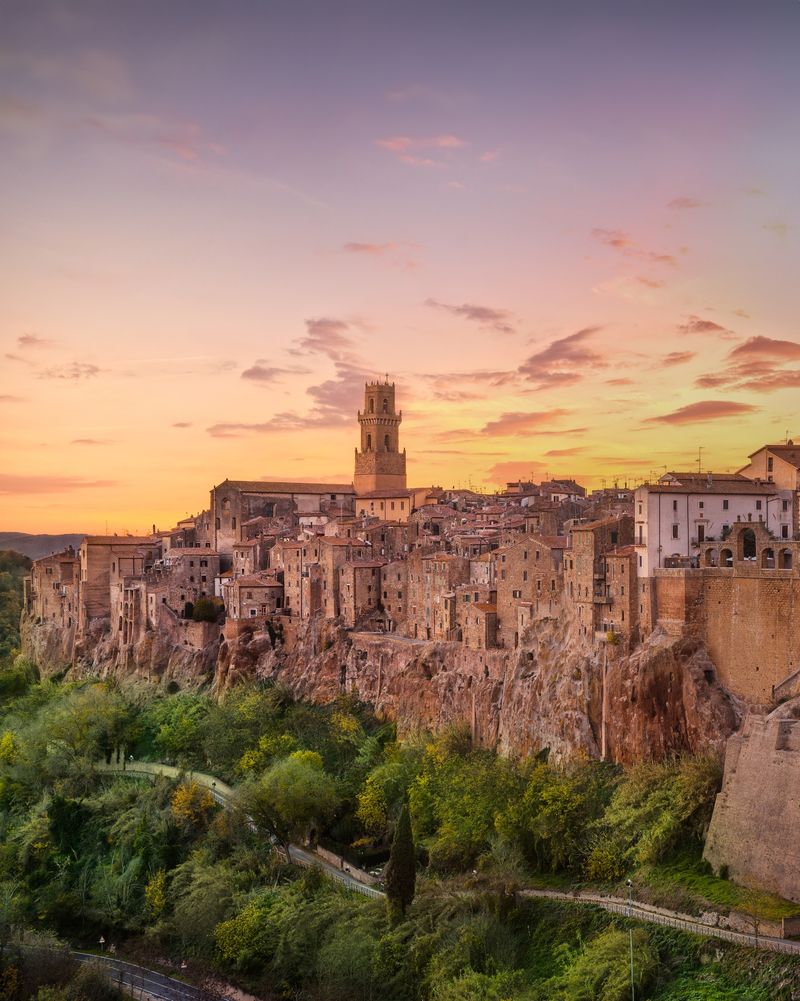
From across the valley, the houses almost disappear into the rock beneath them. Pitigliano rises from golden tuff cliffs, making its skyline especially striking near sunset.
Inside the town, explore narrow lanes and learn why its Jewish heritage earned it the name Little Jerusalem. Check opening times for the synagogue and related historic spaces before visiting.
Photograph the town from a public viewpoint outside the center, then head inside for local food and unhurried wandering.
4. Siena: Medieval Life on a Grand Scale
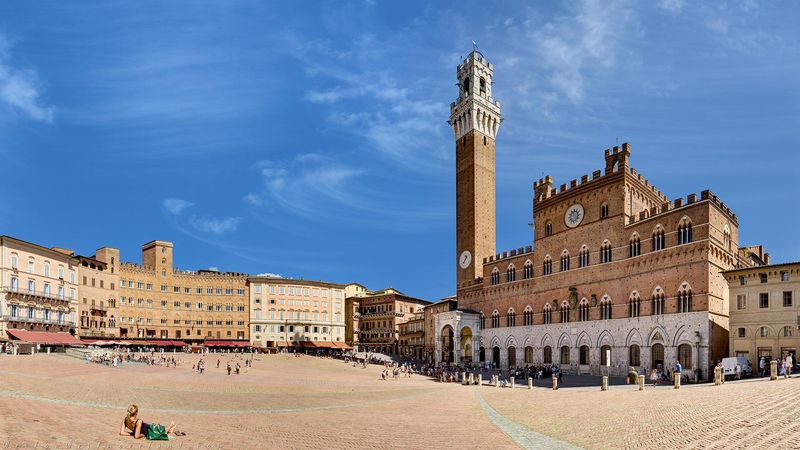
Few public squares invite a pause quite like Piazza del Campo. Its sloping brick surface forms the heart of Siena, a larger city with a deeply medieval character.
Build your visit around the square, the cathedral, and the streets linking them. Expect hills, and allow time for details rather than rushing between landmarks.
The famous Palio horse race brings major crowds on its scheduled dates, so check the calendar before choosing your accommodation or itinerary.
5. Monteriggioni: A Tiny Fortress With Big Views
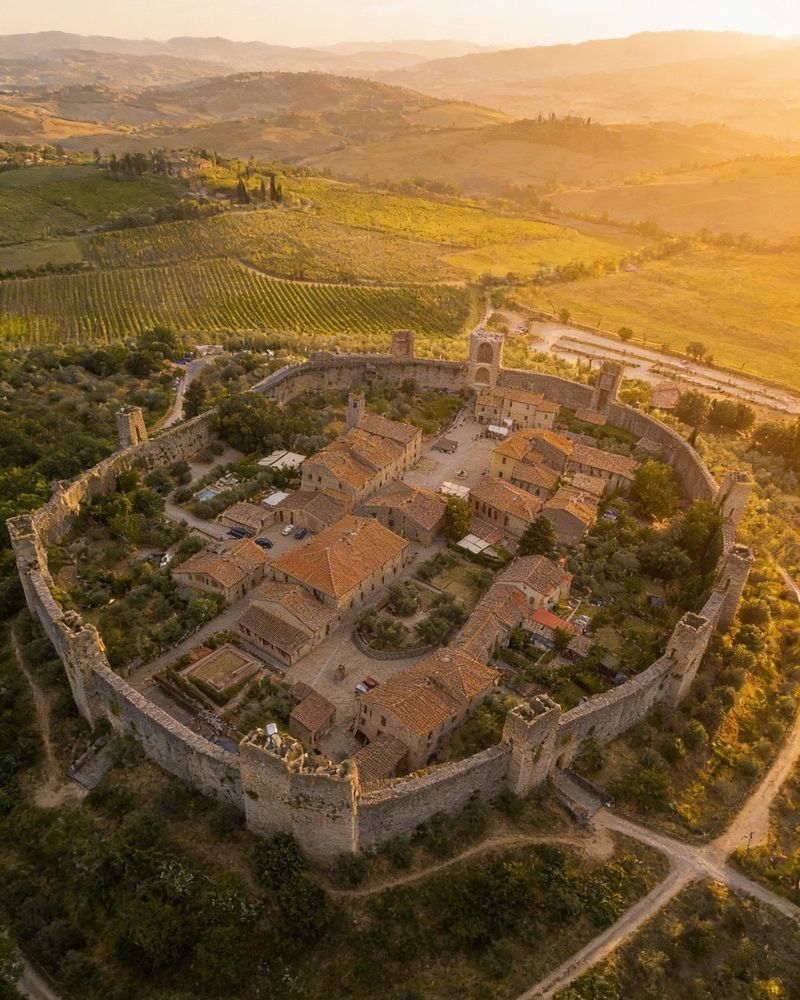
Imagine a stone crown resting on a Tuscan hill. Monteriggioni’s walls and towers still outline the small fortress founded by Siena in the early thirteenth century.
The village is compact, making it an easy stop between larger destinations. Wander through the gates, pause in the main square, and check whether the wall walk is open.
Parking lies outside the defenses, so plan for a short uphill approach and leave time to admire the surrounding countryside.
6. Gubbio: Stone Streets and Christmas Lights
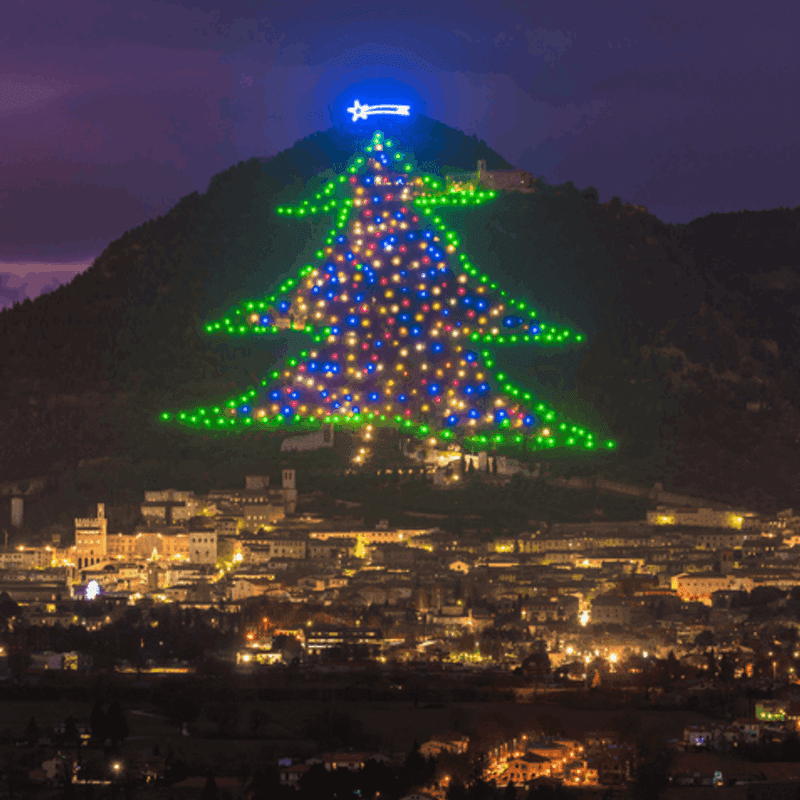
Winter gives this Umbrian town an extra spark. During the Christmas season, a huge tree-shaped display of lights stretches across Mount Ingino above Gubbio’s stone buildings.
Any season suits a walk toward Piazza Grande, where the Palazzo dei Consoli commands attention. The slopes can be demanding, so choose sturdy shoes and take breaks.
If you hope to see the holiday display, confirm its dates instead of assuming it runs throughout the entire winter travel season.
7. Erice: Sicily Above the Clouds
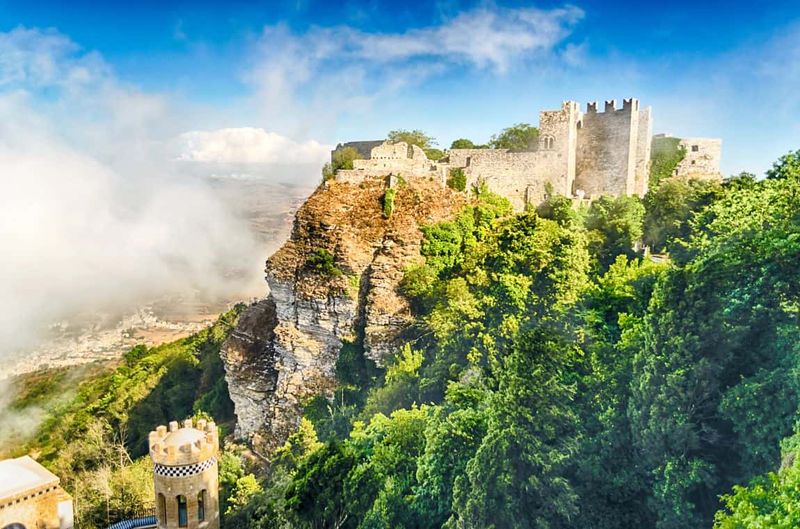
Mist can sweep through the lanes and turn a sunny Sicilian day into something mysterious. High above Trapani, Erice pairs stone streets with broad coastal views when the clouds clear.
Seek out the castle area, churches, and pastry shops, where almond sweets make a welcome break. Bring a light layer because the hilltop can feel cooler than the coast.
If using the cable car, check operating conditions and have another transport plan for windy weather.
8. Spello: Flowers Along Every Turn
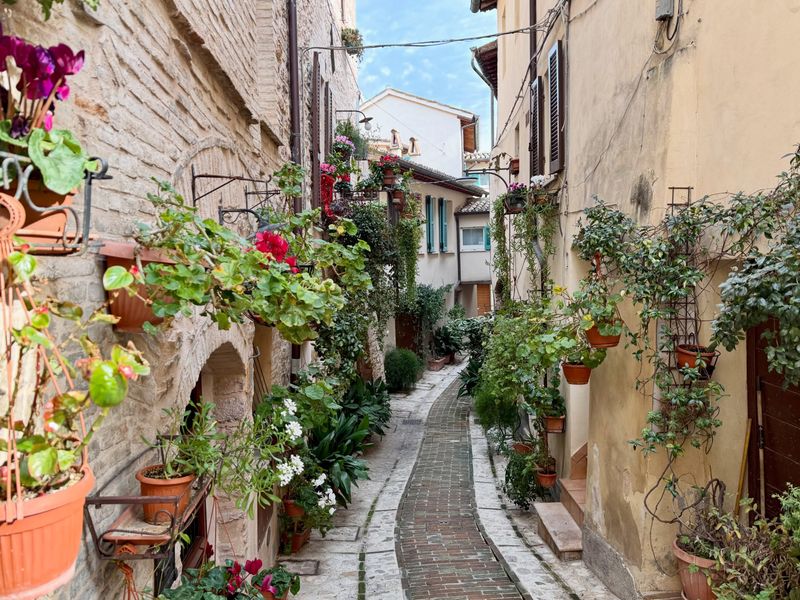
Flowerpots turn ordinary doorways into tiny gardens here. On the slopes of Mount Subasio, Spello mixes rosy stone houses, Roman gateways, and lanes brightened by residents’ plants.
Walk slowly uphill, watching for views between buildings and small details around each corner. Spring and early summer often bring lovely color, while the Infiorate festival adds elaborate flower carpets on specific dates.
Check the event calendar if visiting for those displays, and avoid blocking doorways while photographing.
9. Montepulciano: Hilltop Streets With Renaissance Flair
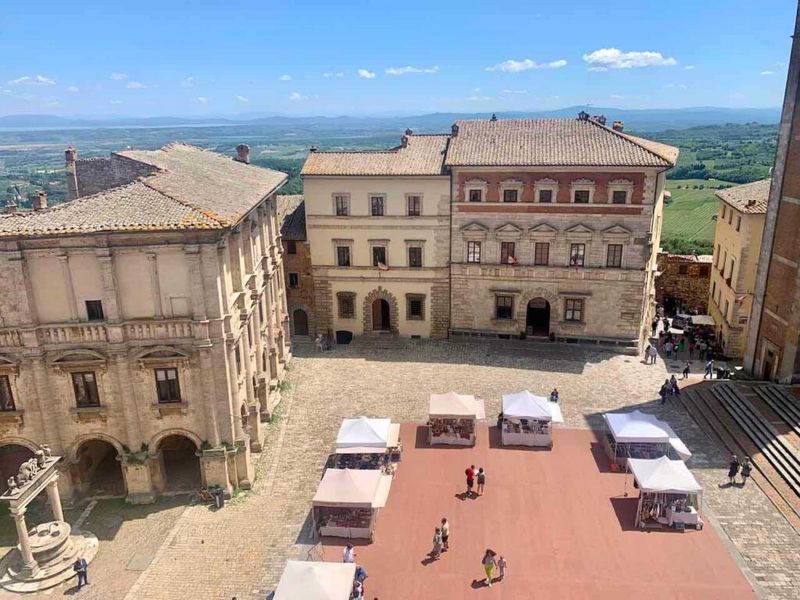
Your legs will notice the hill before your camera stops clicking. Montepulciano climbs toward Piazza Grande, with sweeping countryside views and buildings that reveal its strong Renaissance character.
Although its roots reach further back, much of the architecture visitors admire dates from later centuries. Take the main route uphill, then return through smaller lanes.
Wine lovers can explore Vino Nobile tastings, but drivers should plan responsibly and check parking outside the historic center before arriving.
10. Lucca: A City Best Enjoyed Slowly
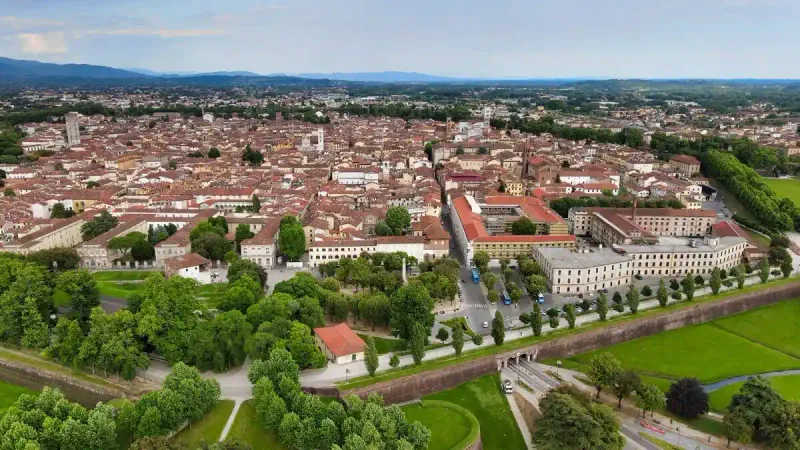
A walk above the streets offers a wonderfully relaxed introduction. Lucca’s broad, tree-lined ramparts surround an older center filled with churches, shops, and inviting places to linger.
The famous surviving walls are mainly Renaissance, not medieval, but the lanes within preserve much earlier history. Rent a bicycle if you feel comfortable sharing the paths, or stroll toward Piazza dell’Anfiteatro.
Compared with many Tuscan hill towns, the relatively level center offers welcome relief for tired legs.
11. Pienza: A Beautiful Renaissance Detour
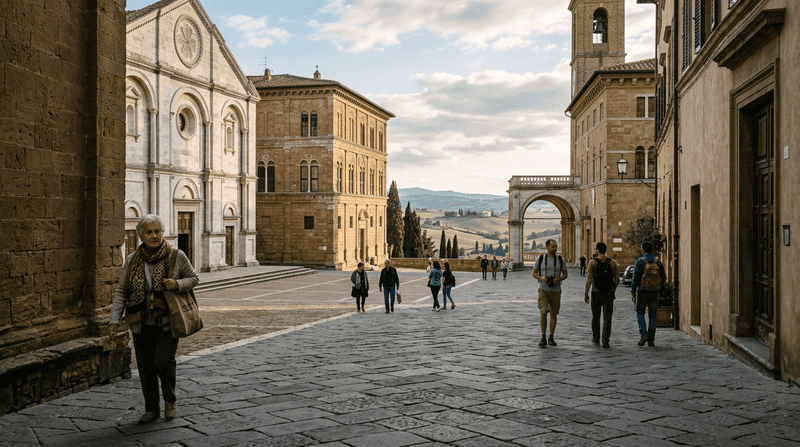
Not every memorable old town fits neatly into the medieval label. Pienza’s great appeal is its Renaissance design, created when Pope Pius II reshaped his birthplace in the fifteenth century.
Start around Piazza Pio II, then follow the lanes toward views over the Val d’Orcia. Pecorino cheese is a local specialty, so consider a tasting or picnic purchase.
Keep food stops respectful of residents, and use marked parking rather than driving into the historic center.
12. Volterra: History Beneath Every Footstep
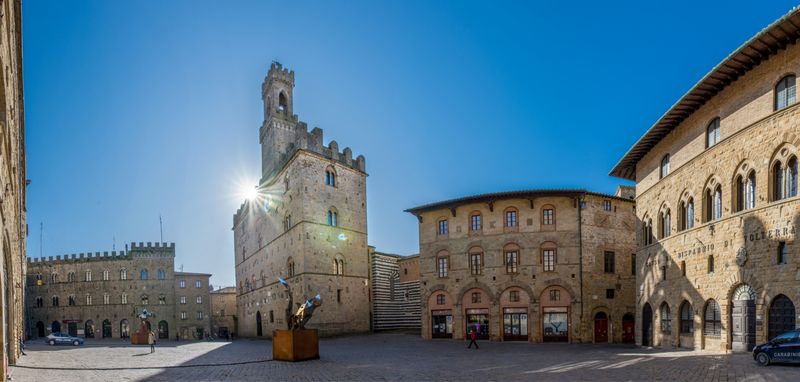
History here reaches well beyond the Middle Ages. Volterra combines Etruscan roots, Roman remains, and a medieval center, giving curious visitors several different eras to explore.
Begin near Piazza dei Priori, then choose between ancient sites, museums, and workshops selling alabaster objects. The pale stone has long been linked with local craft traditions.
A breezy hilltop setting makes an extra layer useful, and a full afternoon allows more than a quick circuit of the square.
13. Calcata: An Artistic Hideaway on a Cliff
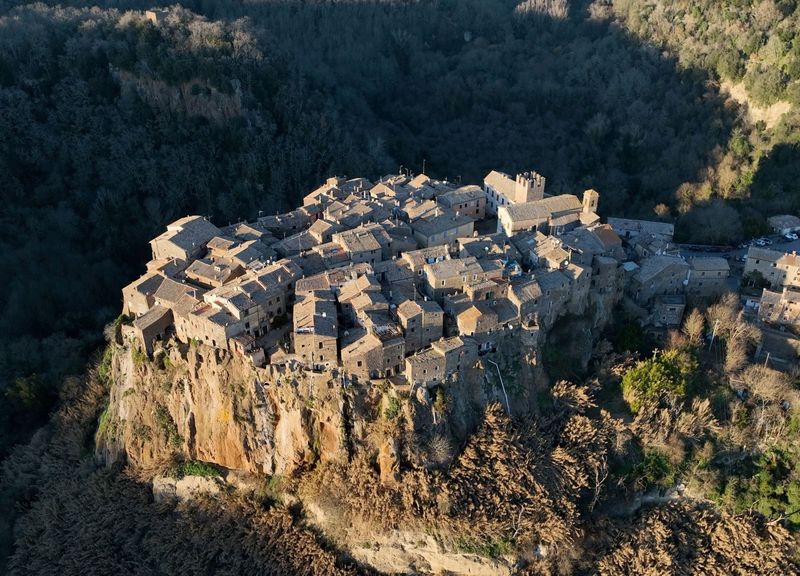
Art studios bring an unexpected twist to this tiny cliffside settlement. Calcata’s old village rises above the wooded Treja Valley, with stone houses crowded together on volcanic rock.
Browse small galleries when open, then settle into the square and enjoy the slower pace. Access involves walking from parking areas outside the old center, and uneven lanes call for sensible footwear.
Business hours can vary, so weekends may offer more choice, though they also attract visitors.
14. Gradara: A Castle With a Love Story
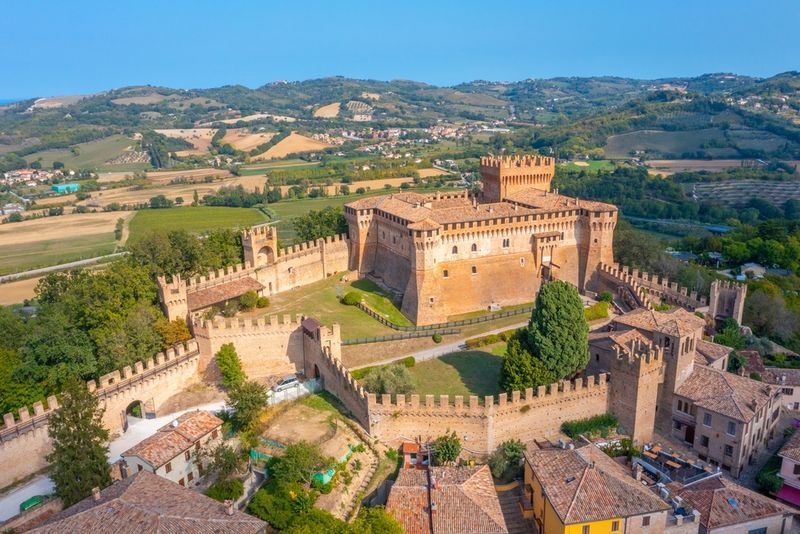
Romance and strong defenses share the spotlight in this Marche village. Gradara’s castle is closely linked with the story of Paolo and Francesca, the tragic lovers remembered by Dante.
Walk through the fortified town before checking admission to the fortress and any accessible wall sections. The setting rewards visitors who enjoy castles without needing a huge city itinerary.
Choose a quieter weekday when possible, and allow extra time for views beyond the brick walls nearby.
15. Santarcangelo di Romagna: Poetry in Quiet Lanes
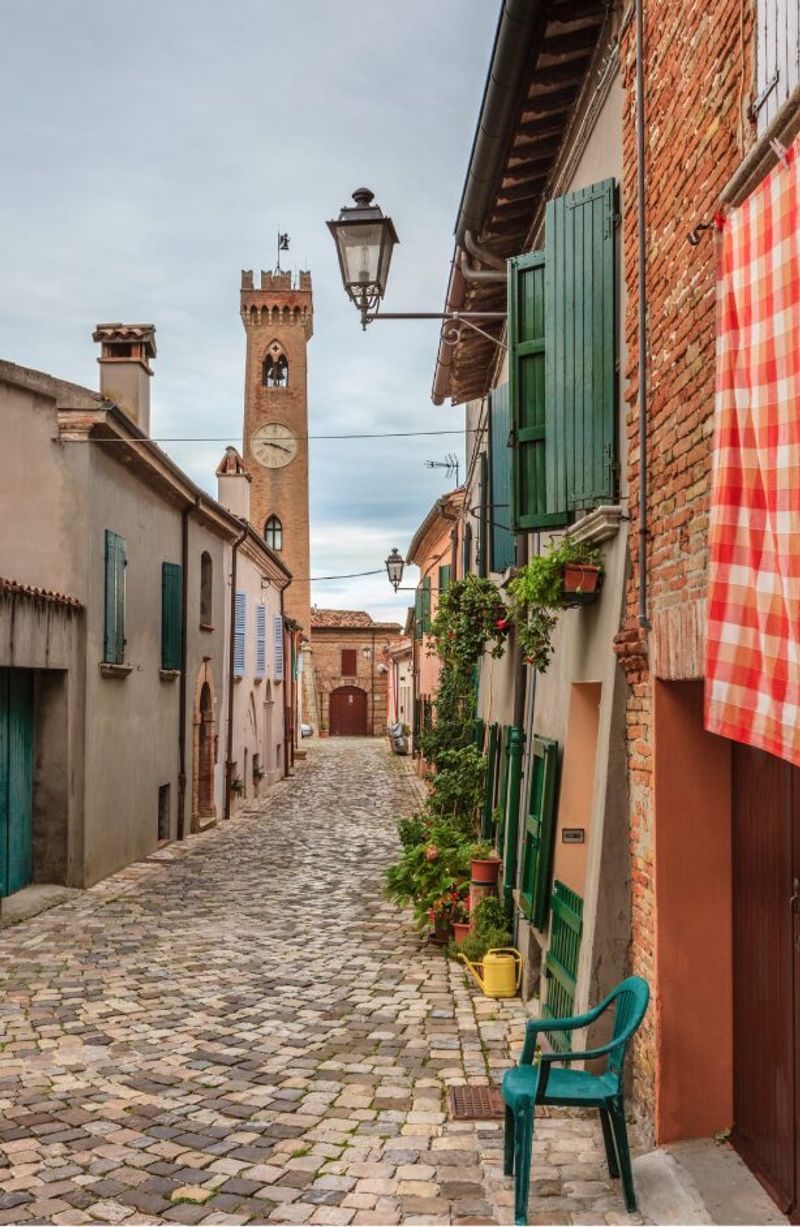
Words feel at home in these peaceful lanes. Santarcangelo di Romagna has strong ties to poetry, especially writing in the local dialect, alongside its hilltop old quarter.
Follow the streets upward, look for the clock tower, and leave room for a leisurely meal. Underground passages add another layer of interest, but visits may require organized access.
Check local tour arrangements beforehand rather than expecting to wander below ground independently during a casual afternoon walk here.
16. Vigoleno: A Small Village Behind Strong Walls
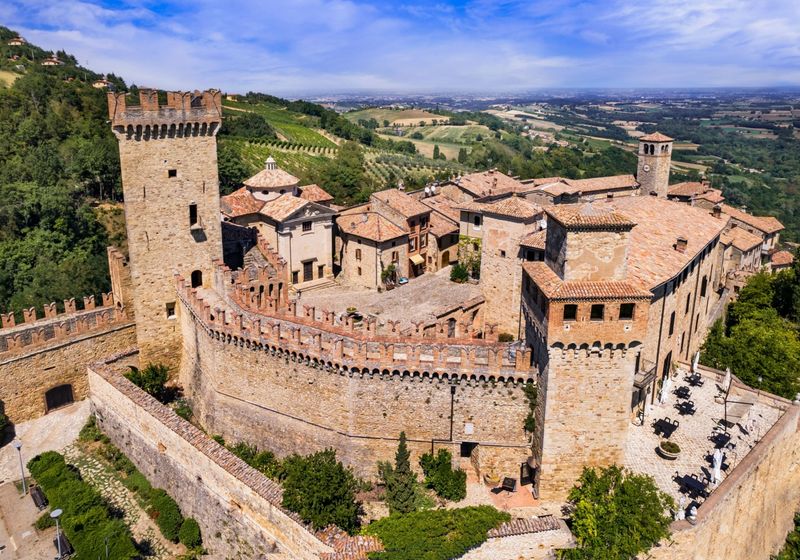
Small enough to explore without rushing, yet packed with defensive details, Vigoleno feels wonderfully contained. Its walls, gate tower, and ridge setting make the village’s protective purpose easy to understand.
Look for the Church of San Giorgio, whose origins reach back to the twelfth century. Check which castle spaces are open before planning your visit around interior access.
Outside, pause for countryside views and remember that quiet residential lanes deserve the same care as monuments.
17. Castell’Arquato: A Dramatic Climb Above the Valley
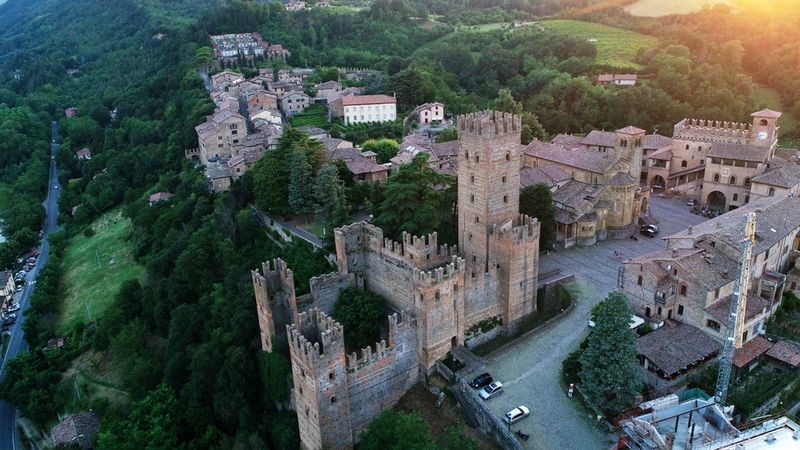
Brick towers rise above the Arda Valley like a ready-made film setting. Castell’Arquato’s upper town brings together the Rocca Viscontea, a historic collegiate church, and streets shaped by steep ground.
Start below and climb gradually, saving energy for the main square and its surrounding buildings. Some surfaces can become slippery in wet weather, so shoes with grip matter.
Before leaving, find a public viewpoint to appreciate how the fortress watches over the valley far below.
18. Montalcino: Fortress Views and Famous Wine
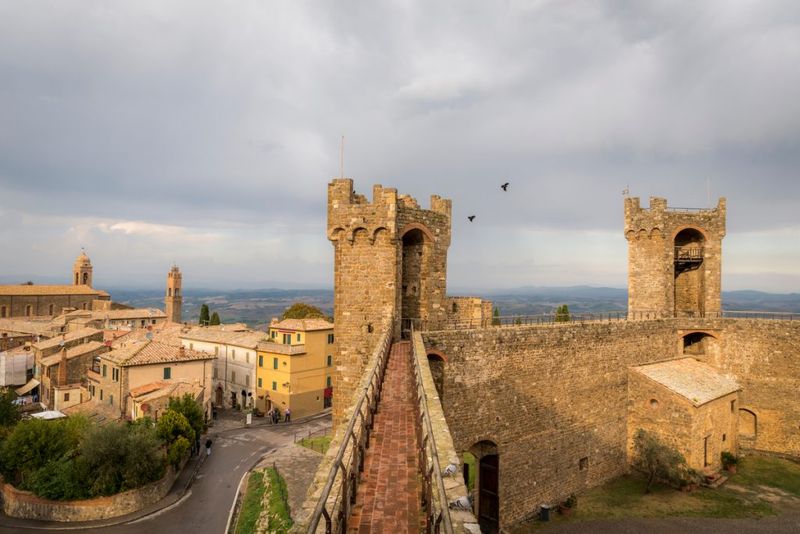
Wine may draw you here, but the fortress deserves attention too. Montalcino rises above southern Tuscany, combining medieval streets with the vineyards behind its famous Brunello wine.
Explore the center before arranging a tasting, and check whether fortress viewpoints are accessible during your visit. Winery visits outside town often need reservations and transport planning.
Even without drinking, you can enjoy local meals, stone architecture, and broad landscapes that make a slow afternoon feel well spent.