
China has one of the most powerful entertainment markets in the world, but not everyone gets a golden ticket inside. Over the years, several famous celebrities have reportedly been banned from the country for reasons ranging from political statements to personal scandals.
Some bans lasted just a few years, while others stretched on for decades. Here is a look at 18 well-known names who reportedly found themselves on China’s blacklist.
1. Brad Pitt
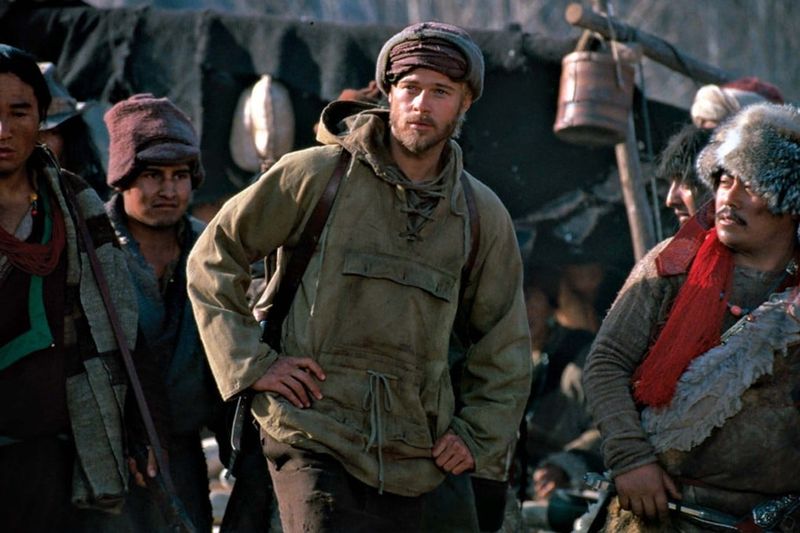
For nearly two decades, Brad Pitt was reportedly unwelcome in China after starring in the 1997 film “Seven Years in Tibet.” The movie portrayed China’s policies in Tibet in a critical light and featured the Dalai Lama as a central figure, which angered Chinese officials.
China reportedly lifted the ban around 2016, allowing Pitt to finally re-enter the market. It is a striking example of how a single film role can have enormous political consequences for a celebrity’s global career.
2. Lady Gaga
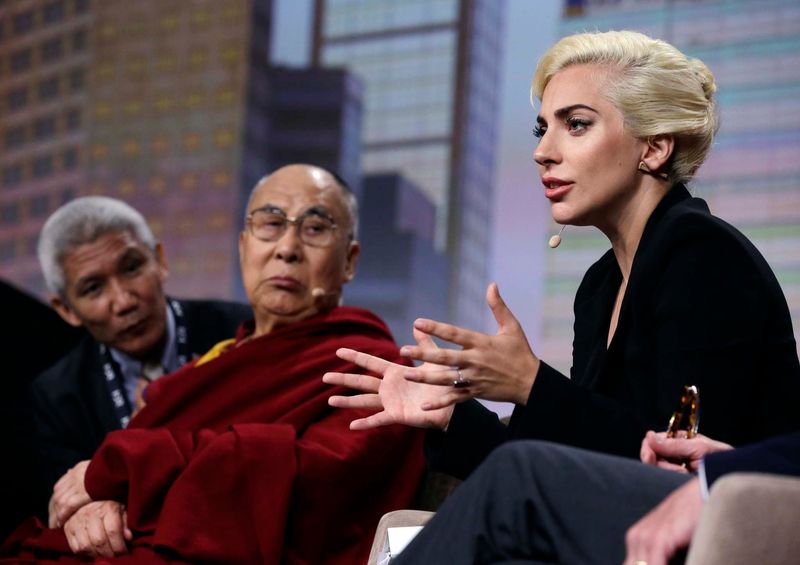
Lady Gaga’s music was reportedly blacklisted across China in 2016 after she met with the Dalai Lama at a conference in Indianapolis. Chinese officials, who consider the Dalai Lama a political threat, were not pleased with the pop star’s show of support.
Following the meeting, she was reportedly banned from Chinese television and radio as well. For a global superstar with millions of fans, losing access to China’s massive audience was a significant blow to her international reach.
3. Harrison Ford
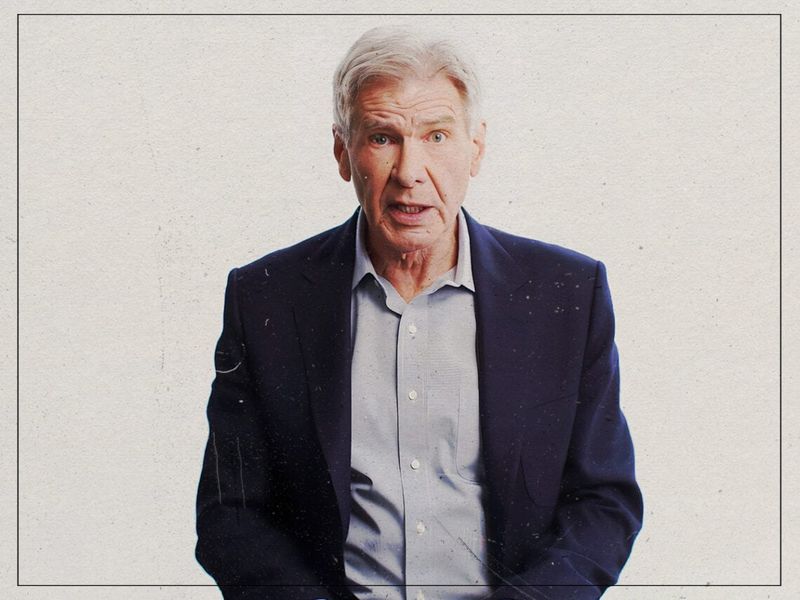
Best known for playing Han Solo and Indiana Jones, Harrison Ford has reportedly been on China’s banned list for years. His outspoken advocacy for Tibetan independence and human rights put him on the wrong side of Chinese officials long before social media made such things instantly viral.
Ford even testified before the United States Foreign Relations Committee in 1995, openly criticizing China’s actions in Tibet. That kind of political courage clearly came with a professional price tag in one of the world’s biggest film markets.
4. Richard Gere
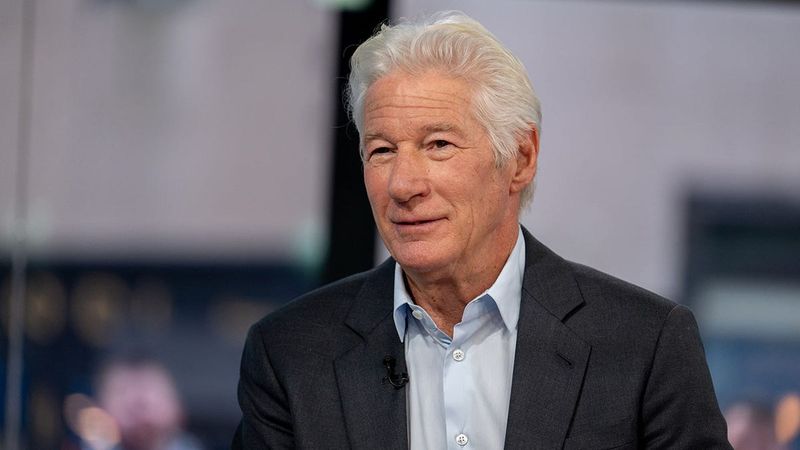
Richard Gere made headlines at the 1993 Academy Awards when he used his time on stage to protest China’s occupation of Tibet. That bold move reportedly got him banned from China and even caused friction with Hollywood studios, who feared his presence would hurt their chances of accessing the Chinese market.
His career felt the ripple effects for years, as some studios reportedly became reluctant to cast him. Gere has remained a vocal supporter of Tibetan rights throughout his life, seemingly unbothered by the professional consequences.
5. Katy Perry
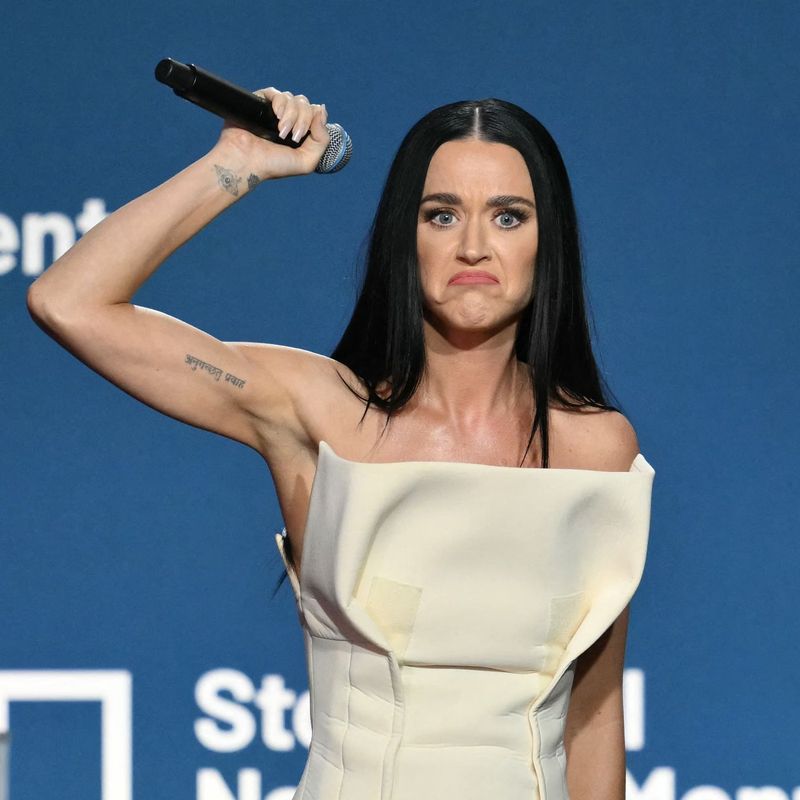
Katy Perry reportedly received an “indefinite” ban from China in 2017 following a string of politically sensitive moments. During a 2015 concert in Taipei, she wore a sunflower dress widely associated with Taiwan’s anti-China Sunflower Student Movement and reportedly waved a Taiwanese flag on stage.
Chinese officials viewed those actions as supporting Taiwanese independence, which crossed a major political line. Perry was denied a visa, keeping her out of one of the most lucrative concert markets in the entire world.
6. Martin Scorsese
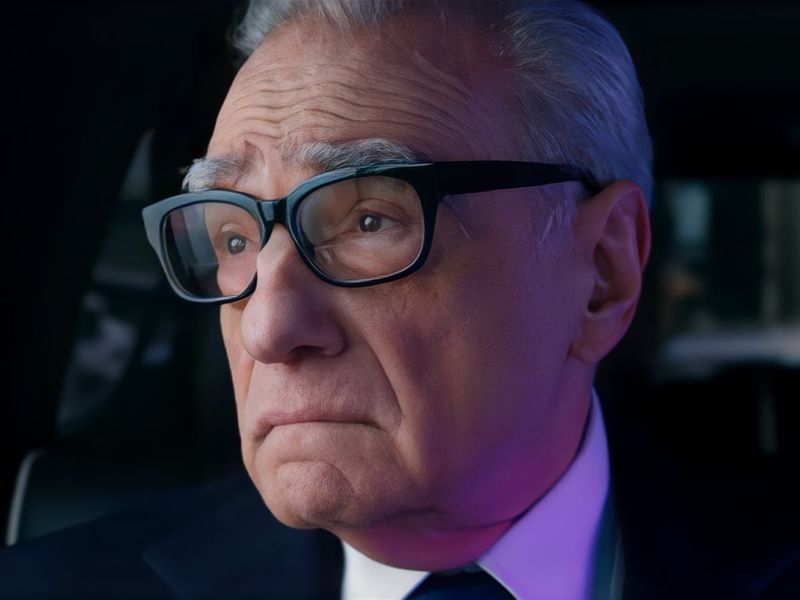
Martin Scorsese is one of Hollywood’s greatest directors, but his 1997 film “Kundun” made him persona non grata in China. The movie told the life story of the Dalai Lama and was seen as portraying the Chinese Communist Party in a deeply unflattering way.
China reportedly banned Scorsese from entering the country after the film’s release. The ban was eventually lifted around 2012, giving him access to the market again.
It goes to show that even legendary filmmakers are not immune to geopolitical consequences.
7. Justin Bieber
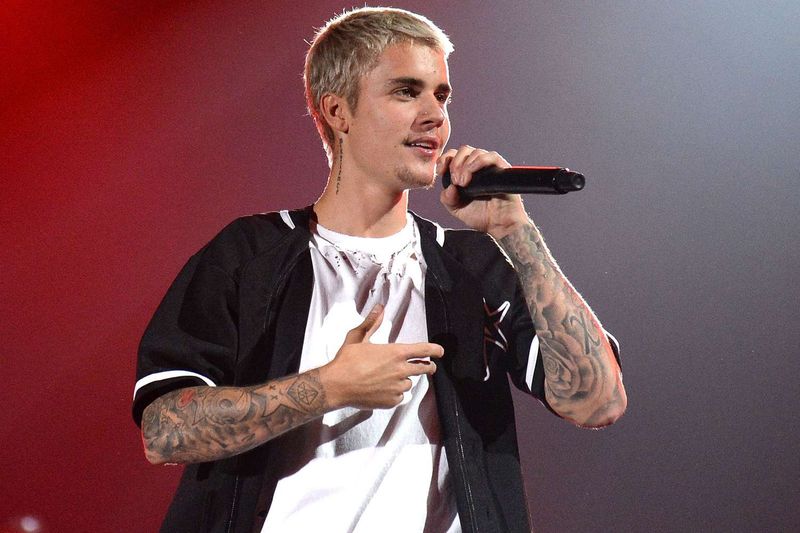
Justin Bieber may be one of the best-selling music artists of all time, but China reportedly decided his reputation was too problematic for its audiences. In 2017, Chinese authorities banned him from performing in the country, citing his “bad behavior” and controversial past conduct.
Officials stated they did not want to “pollute” Chinese youth with what they described as his perceived ignorance. It was a blunt and very public rejection of one of pop music’s biggest names, and the ban reportedly remains in effect.
8. Miley Cyrus
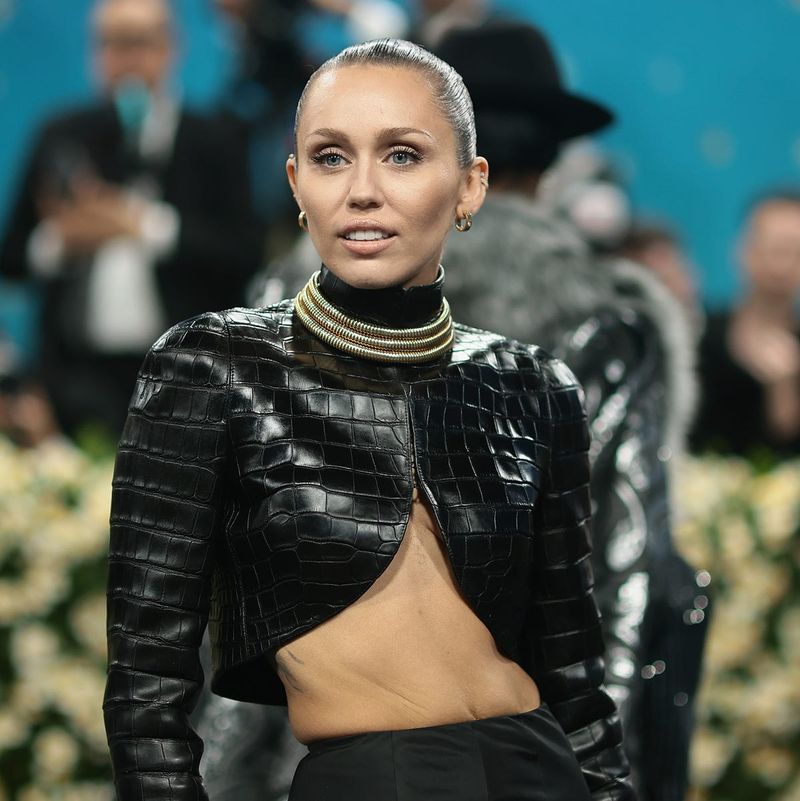
A single photograph reportedly cost Miley Cyrus her standing in China. Back in 2009, a photo circulated online showing her appearing to mock the physical appearance of people of Asian descent, which sparked outrage across social media and beyond.
Chinese officials responded sharply, with a statement declaring she was “no friend of China or anyone else of East Asian descent.” The incident serves as a reminder that offensive photos, even old ones, can have real and lasting consequences on a global career.
9. Selena Gomez
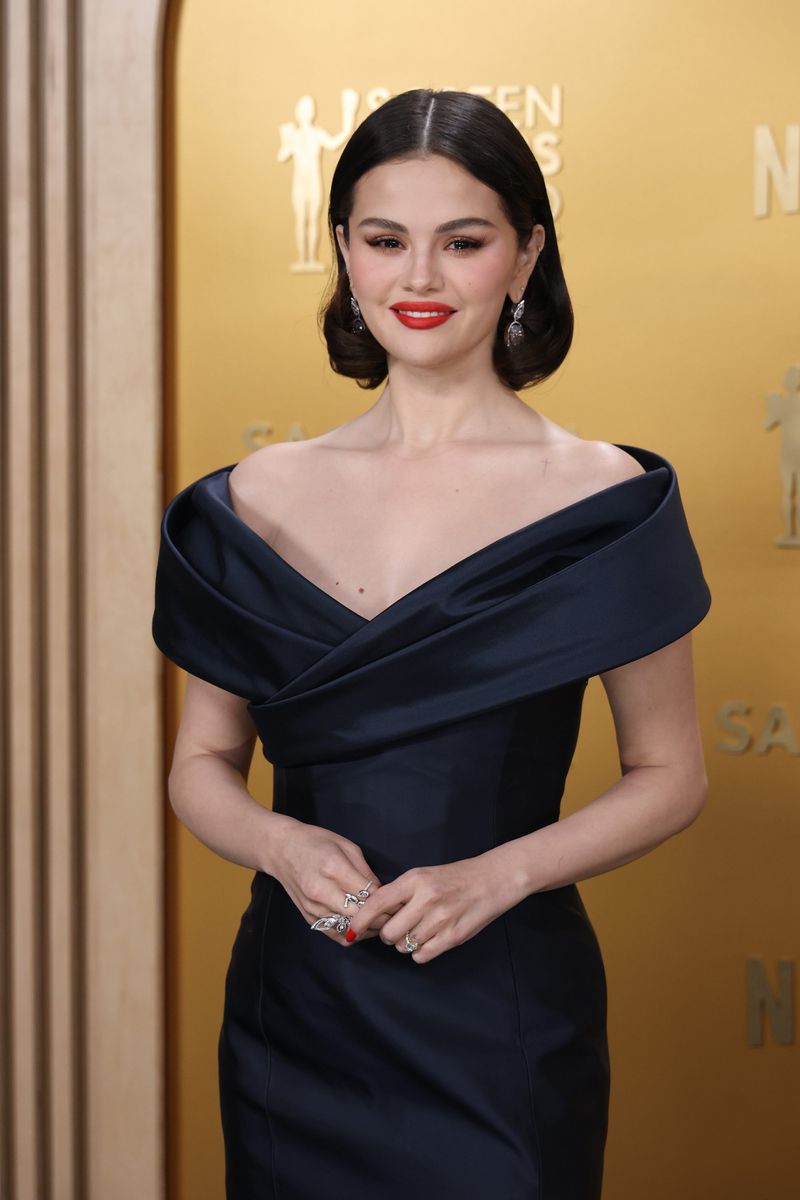
Selena Gomez reportedly landed on China’s blacklist after a photo of her meeting the Dalai Lama began circulating online. For Chinese officials, any show of support or friendly association with the Tibetan spiritual leader is treated as a political statement against the government.
The image was enough to get her reportedly banned from performing in China. Gomez joins a growing list of pop stars who discovered that one photograph can quietly close the doors to an enormous and highly profitable entertainment market.
10. Bjork
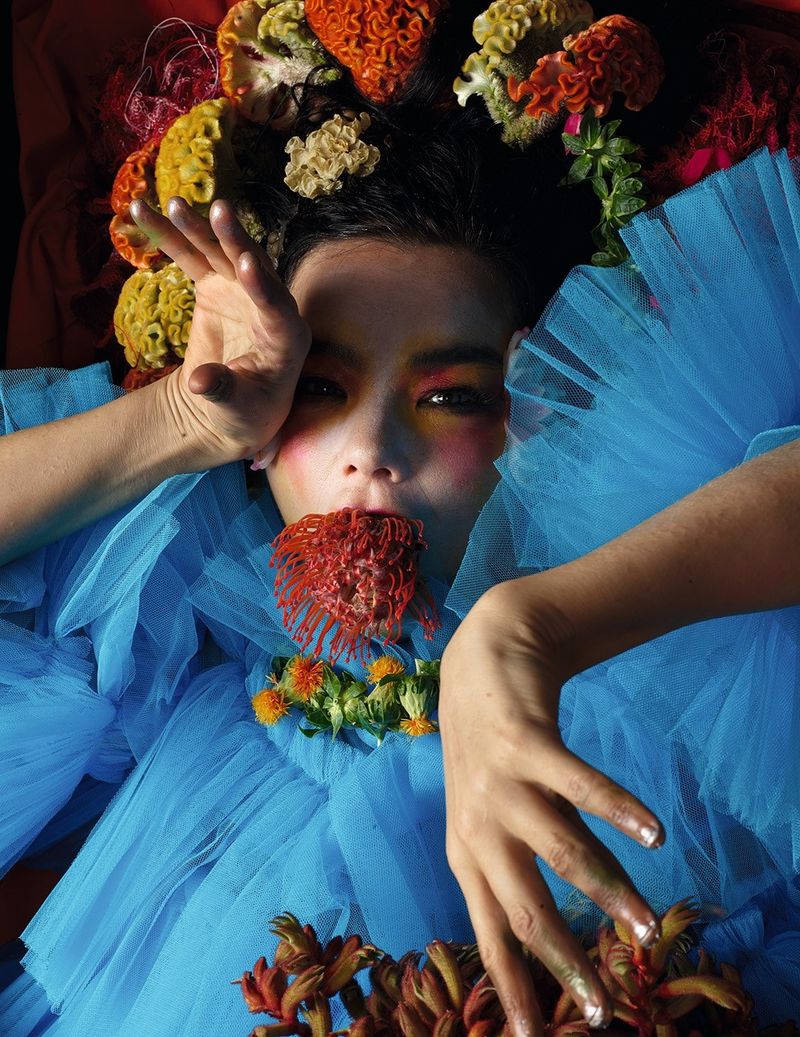
Icelandic singer Bjork made a bold political statement during a 2008 concert in Beijing. At the end of her song “Declare Independence,” she shouted “Tibet, Tibet” to the crowd, turning a musical performance into a public protest on Chinese soil.
Chinese authorities were furious, and she was reportedly blacklisted and banned from performing in China afterward. The moment became one of the most talked-about acts of musical activism in recent memory, proving that even a few words can have enormous political weight.
11. Jon Bon Jovi
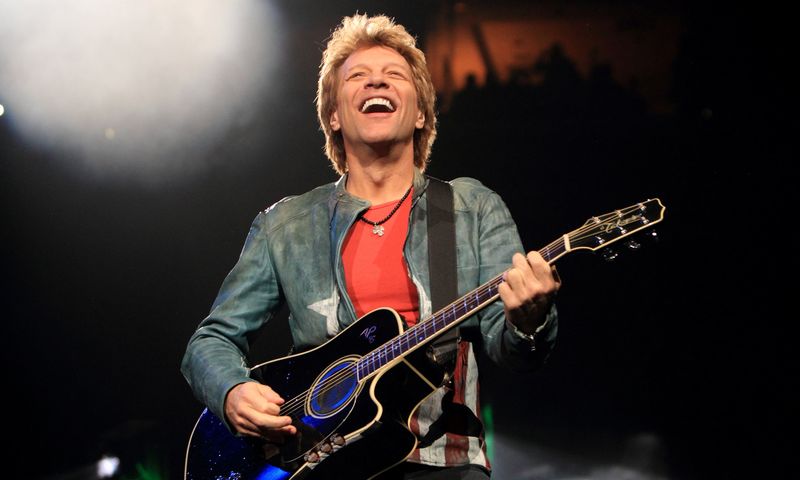
Rock legend Jon Bon Jovi reportedly found himself on China’s banned list after displaying an image of the Dalai Lama during one of his concerts. The move was seen as a political endorsement that Chinese officials were unwilling to overlook, regardless of how beloved Bon Jovi is worldwide.
China treats any public promotion of the Dalai Lama as a provocation, and the ban reportedly followed quickly after the incident. For a musician with decades of global success, being shut out of such a massive market is no small consequence.
12. Sharon Stone
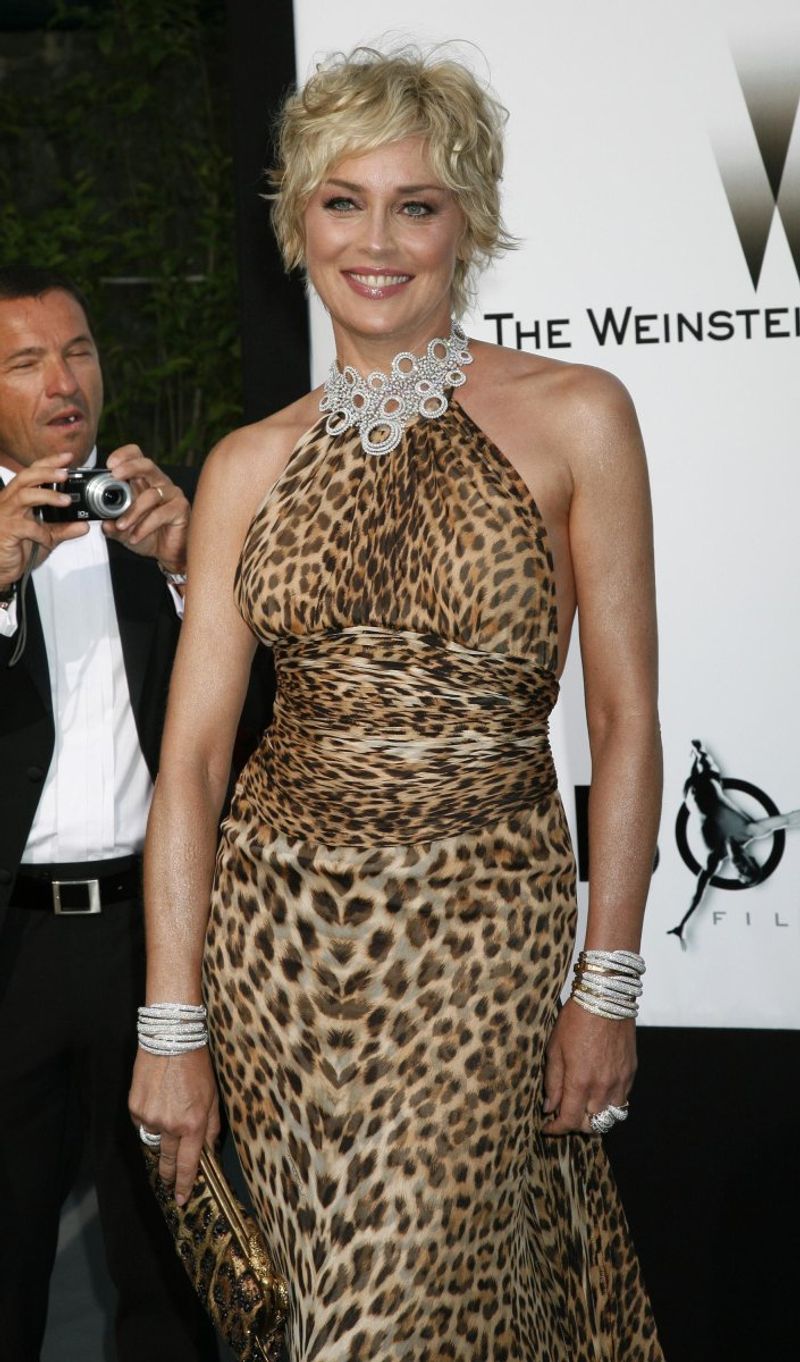
Sharon Stone sparked massive outrage in China in 2008 following the devastating Sichuan earthquake that killed nearly 70,000 people. At a Cannes Film Festival interview, she suggested the disaster might be “karma” for how China treated the Dalai Lama, a comment that went viral almost instantly.
China’s response was swift. Her films were reportedly banned, and she became deeply unpopular there almost overnight.
The backlash was severe enough that she later issued a public apology, though the damage to her reputation in China had already been done.
13. Jean-Jacques Annaud
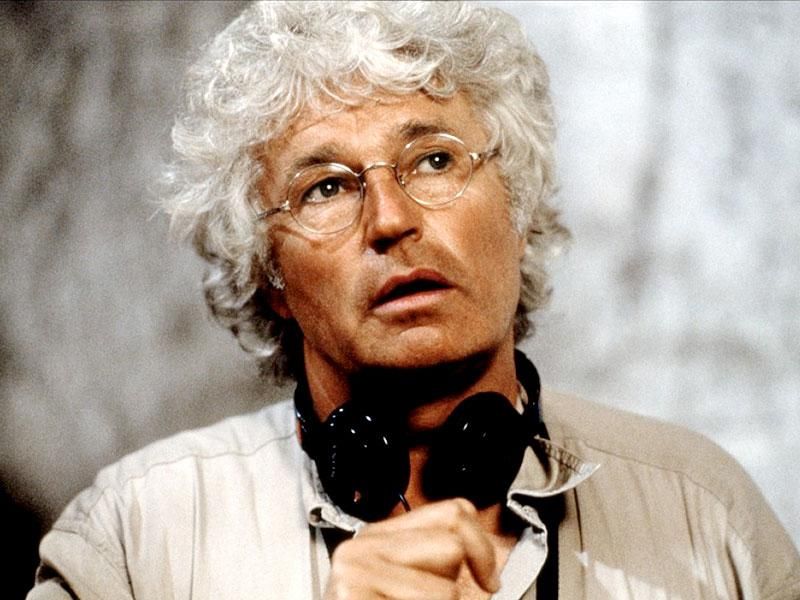
French director Jean-Jacques Annaud helmed “Seven Years in Tibet,” the same 1997 film that got Brad Pitt banned from China. As the director, Annaud was reportedly banned from entering China entirely, a punishment that went beyond just blocking his films from Chinese screens.
The ban was reportedly lifted in 2012, nearly 15 years after the controversy began. Annaud’s case highlights how China’s government holds filmmakers just as accountable as the actors who appear in front of the camera.
14. Kris Wu
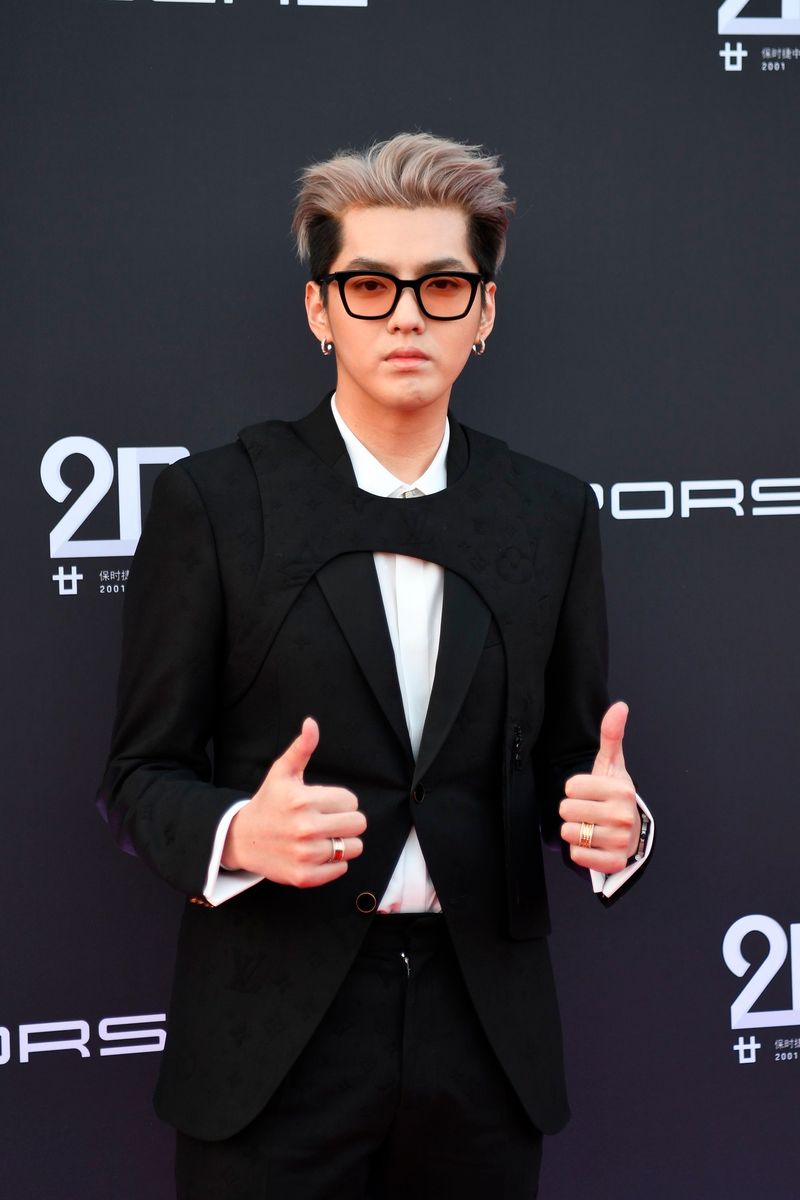
Once one of Asia’s biggest pop stars, Kris Wu’s downfall was rapid and very public. In November 2021, the China Association of Performing Arts officially blacklisted him following his arrest on rape charges, labeling his behavior as “illegal and unethical.”
He was specifically banned from livestreaming platforms, cutting off a major source of income and fan interaction in China’s digital entertainment world. His case became a symbol of China’s broader crackdown on celebrity misconduct, sending a clear message that fame offers no protection from accountability.
15. Zheng Shuang

Chinese actress Zheng Shuang was blacklisted in November 2021 after a storm of controversy engulfed her personal and professional life. Accusations of tax evasion involving enormous sums of money were serious enough on their own, but reports that she had abandoned her surrogate children in the United States made the public backlash even more intense.
Chinese authorities moved quickly to remove her from the entertainment industry. Her story became one of the most discussed celebrity scandals in China that year, reshaping conversations about ethics and accountability in the country’s booming entertainment scene.
16. Zhang Zhehan
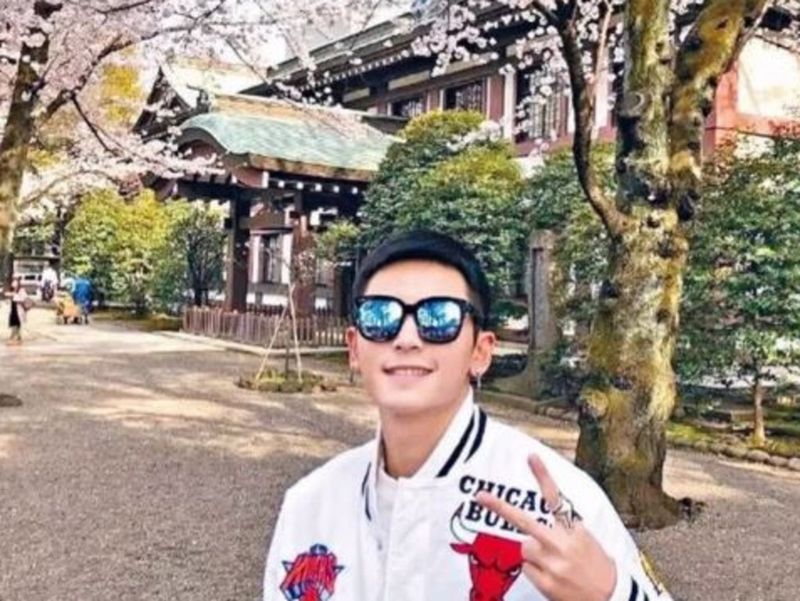
A set of vacation photos ended Zhang Zhehan’s career almost overnight. In 2021, images of the popular Chinese actor visiting Japan’s Yasukuni Shrine went viral online.
The shrine is deeply controversial in China because it honors Japanese war dead, including convicted war criminals from World War II.
Many Chinese citizens viewed the visit as a sign of disrespect toward victims of Japanese wartime atrocities. He was blacklisted in November 2021, losing brand deals, acting roles, and his entire public platform in one of the entertainment world’s fastest career collapses.
17. Nigel Ng (Uncle Roger)

Nigel Ng, the comedian behind the wildly popular “Uncle Roger” character, built a massive following by joking about food and Asian culture. However, his humor eventually turned toward China itself, including jokes about the country’s censorship practices, which did not go over well with Chinese authorities.
His accounts on Weibo and Bilibili were removed, effectively erasing his presence from China’s social media landscape. Losing access to those platforms meant losing millions of potential fans in a market where internet reach is tightly controlled by the government.
18. Namewee (Wee Meng Chee)
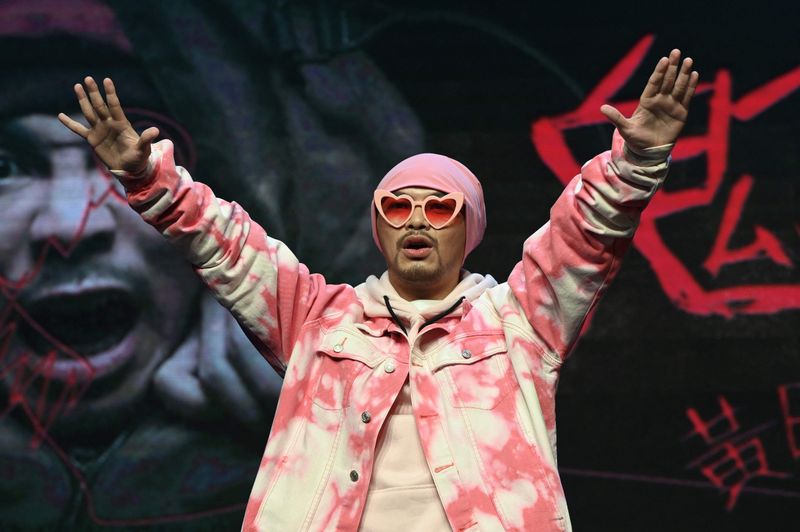
Malaysian rapper Namewee, also known as Wee Meng Chee, stirred up a political storm with his 2021 song “Fragile,” created alongside Taiwanese singer Kimberley Chen. The music video went viral in October 2021, and Chinese audiences quickly interpreted its lyrics as mocking China’s sensitivity to criticism.
Mainland Chinese authorities banned him shortly after, cutting off access to a country with over a billion potential listeners. The song itself became a cultural flashpoint, sparking heated debates about creative freedom, political satire, and the limits of artistic expression in the digital age.