
Back in the 1980s, restaurants served up some truly wild creations that people actually loved. From jiggly gelatin molds to fat-free everything, the decade had a very different idea of what “good food” meant.
Food trends have changed a lot since then, and many of those beloved dishes would get zero stars on Yelp today. Here’s a look at 18 dishes from that era that simply wouldn’t survive on a modern menu.
1. Savory Jell-O Salads
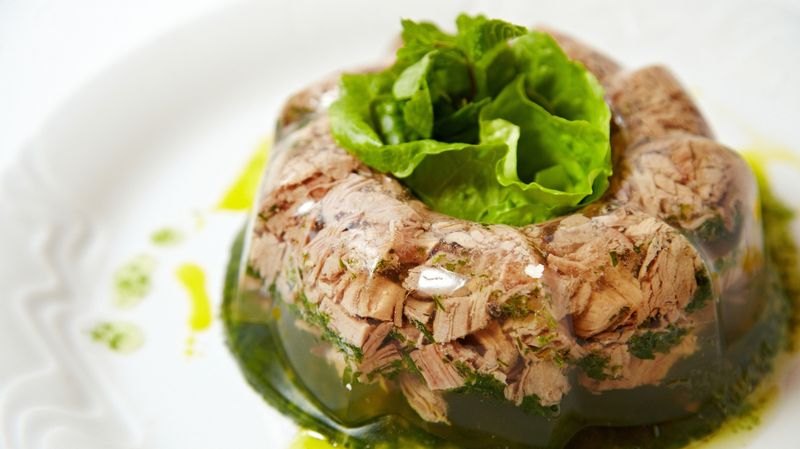
Picture a wobbly green mold sitting on a dinner plate, filled with tuna, olives, and shredded carrots. That was a totally normal restaurant dish in the ’80s.
Back then, gelatin was seen as a fancy, versatile ingredient.
Today, diners would likely send it straight back to the kitchen. The jiggly texture mixed with savory flavors is widely considered strange and unpleasant now.
Modern food culture values fresh, clean flavors over anything suspended in flavored gelatin.
2. Aspic Molds
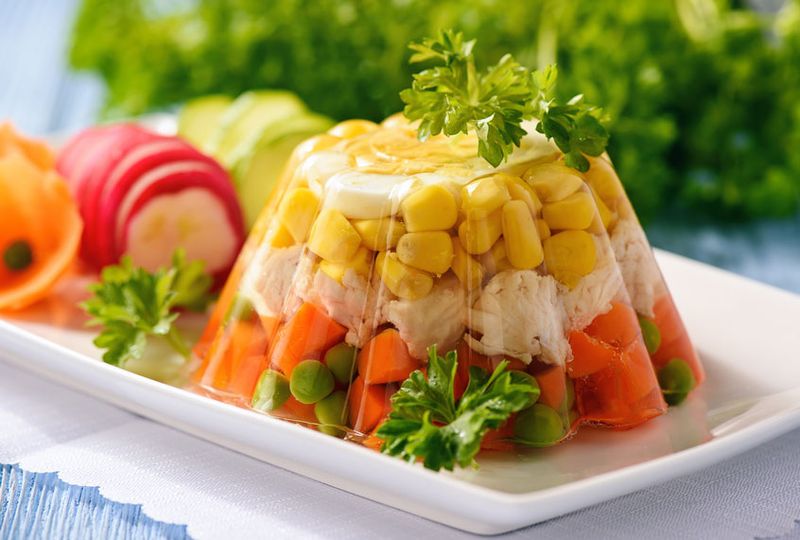
Aspic was once the crown jewel of fine dining, showing up at fancy restaurants as an elegant centerpiece. Cold meats, boiled vegetables, and seafood were locked inside a clear, shimmering jelly block.
Chefs took real pride in these elaborate creations.
The problem? That slimy, chewy texture has not aged well at all.
Today’s diners expect food that feels fresh and natural, not rubbery and artificial. Aspic molds are now more likely to trigger disgust than admiration at any modern table.
3. Heat-Lamp Quiche Lorraine
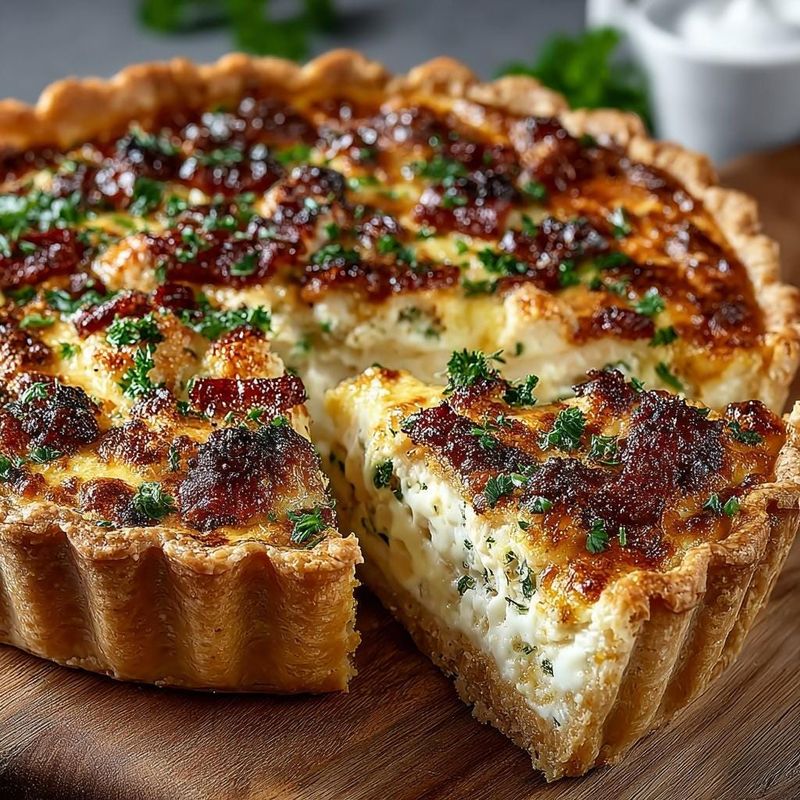
Quiche Lorraine had a major moment in the ’80s, showing up on brunch menus everywhere. The classic combo of eggs, cream, bacon, and cheese sounds delicious in theory.
But restaurant execution often left a lot to be desired.
Many kitchens kept quiche warming under heat lamps for hours, turning the custard rubbery and the crust completely soggy. Today’s brunch crowd demands freshly made, high-quality food.
A sad, dried-out quiche sliding off a heat shelf simply wouldn’t cut it anymore.
4. Cream-Loaded Pasta Primavera
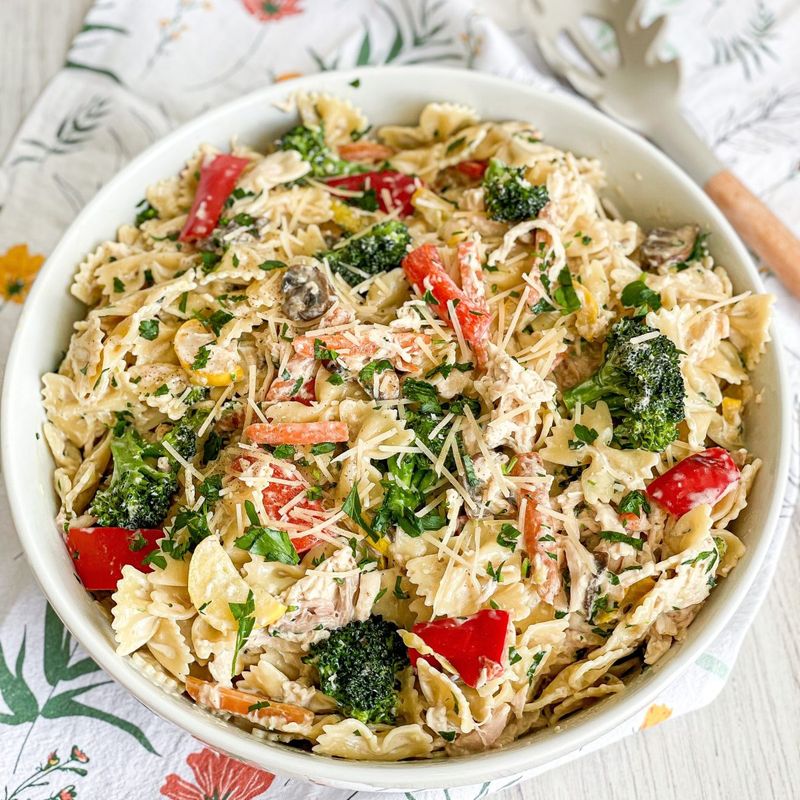
Pasta primavera was supposed to be a celebration of fresh vegetables, but ’80s restaurants had a funny way of showing it. Zucchini, broccoli, and carrots were boiled into mush, then drowned in heavy butter and cream sauces.
The vegetables barely had a flavor of their own.
Modern pasta lovers want their veggies to have real texture and taste. Lighter preparations with al dente vegetables are the standard now.
That beige, cream-soaked bowl of mush simply has no place on today’s menus.
5. Penne in Tomato Cream Sauce
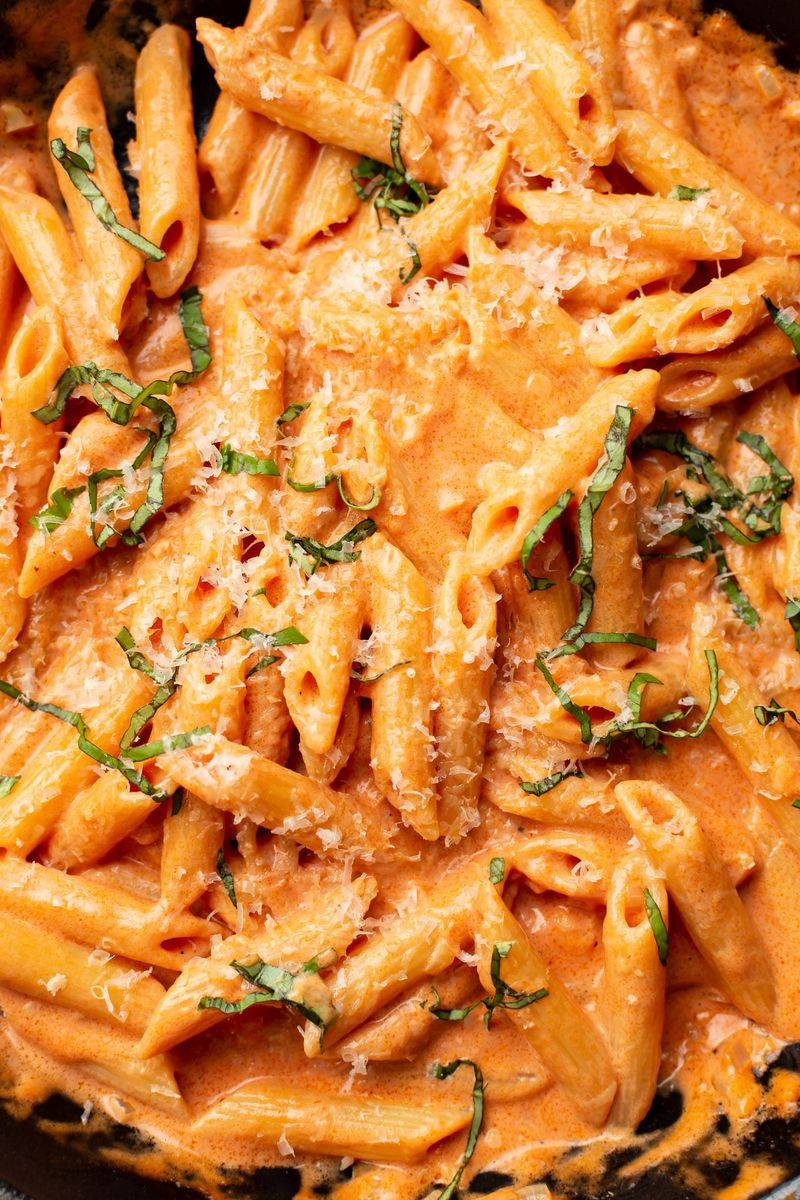
At some point in the ’80s, mixing tomato sauce with heavy cream felt like a culinary revolution. Restaurants charged a premium for this “creamy pink pasta,” and diners thought it was the height of sophistication.
It was everywhere, from casual spots to upscale Italian joints.
The novelty wore off fast. Today, that thick, cloying sauce feels heavy and dated compared to lighter, brighter pasta options.
Modern Italian cooking focuses on balance and freshness, leaving this rich ’80s staple firmly in the past.
6. All-You-Can-Eat Salad Bars
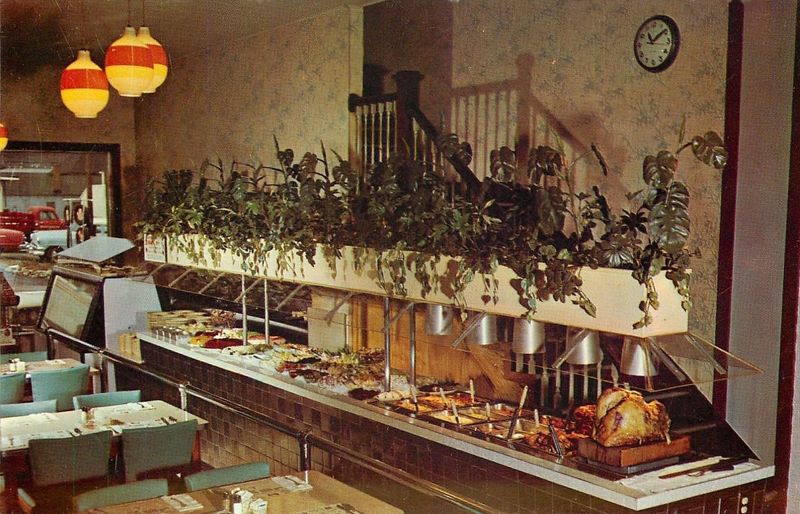
The all-you-can-eat salad bar was a massive deal in the ’80s. Restaurants loaded them up with iceberg lettuce, cottage cheese, canned chickpeas, and even gelatin salads.
Customers loved the freedom of piling up their own plates.
Hygiene concerns were always lurking in the background, even back then. After the pandemic era, shared communal serving stations feel even riskier to modern diners.
People now strongly prefer made-to-order salads with fresh, high-quality ingredients over a buffet-style free-for-all that anyone can sneeze on.
7. Fast Food Buffet Pasta
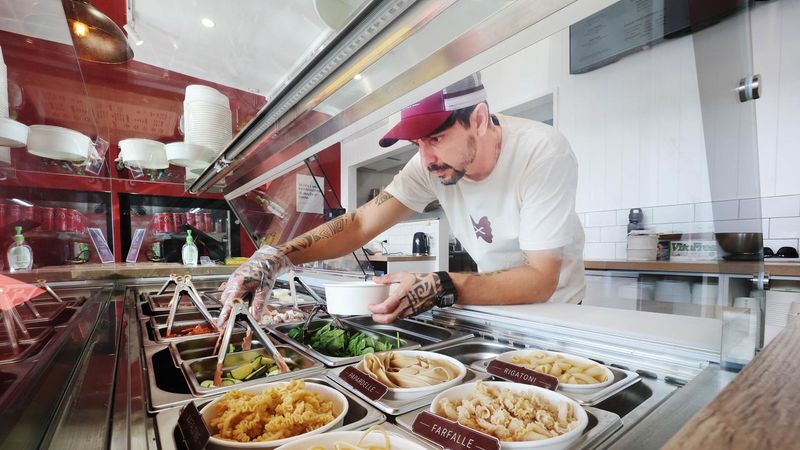
Wendy’s had a SuperBar. Pizza Hut had a pasta buffet.
For a brief, strange moment, fast food chains thought unlimited sit-down dining was the future. Fettuccine Alfredo and other hot dishes sat under heat lamps, slowly drying out with every passing minute.
Looking back, the whole concept feels like a bizarre experiment that was doomed from the start. Speed and freshness are the cornerstones of fast food appeal.
Soggy buffet pasta at a burger chain was never going to survive long-term.
8. Canned Soup Casseroles
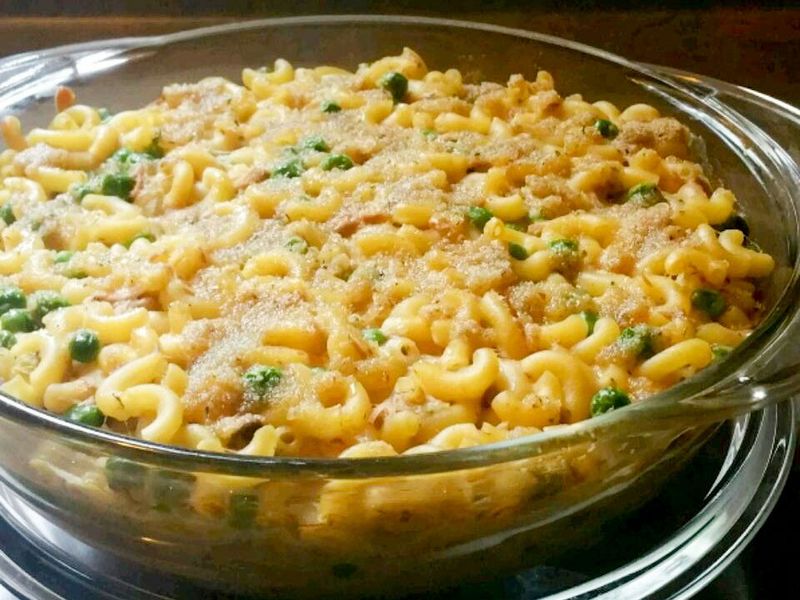
Condensed cream-of-something soup was practically a food group in the ’80s. Casseroles built around it were staples at restaurants and dinner tables alike.
One classic example was tuna chow mein casserole, topped with salted peanuts and canned noodles.
The result was always the same: everything coated in a thick, beige, flavor-muting blanket. Modern cooking celebrates bold, individual ingredients and fresh sauces.
Nobody wants their dinner tasting like it came straight from a can, no matter how comforting that once felt.
9. Margarine as a Butter Substitute
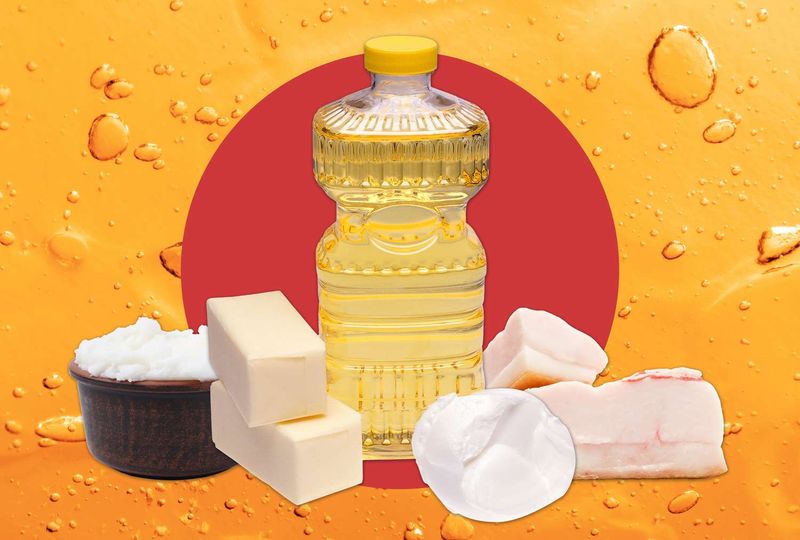
Margarine was sold as the smart, heart-healthy choice throughout the ’80s, and restaurants eagerly swapped out real butter for it. The waxy, pale spread showed up on bread baskets and vegetables at diners and upscale spots alike.
It seemed like progress at the time.
Then scientists discovered margarine was loaded with dangerous trans fats. Real butter made a strong comeback, and margarine’s reputation never recovered.
Today, a restaurant serving margarine instead of butter would likely face some very unhappy reviews online.
10. Fat-Free Processed Everything
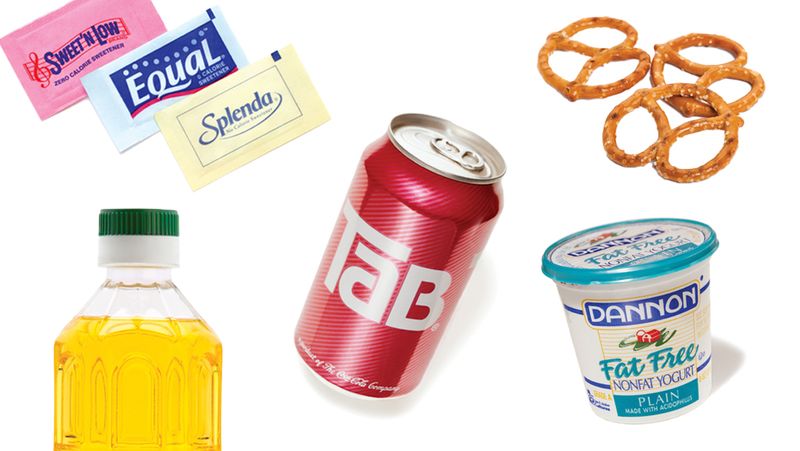
The fat-free craze of the ’80s convinced everyone that removing fat from food was automatically healthier. Restaurants proudly advertised fat-free dressings, cookies, and desserts.
Diners felt virtuous eating these supposedly guilt-free options.
The catch was that manufacturers replaced fat with loads of sugar and weird stabilizers. The result was food that tasted oddly sweet, strangely slick, and deeply unsatisfying.
Today’s health-conscious diners understand that quality fats are actually good for you, making this whole era of fat-free obsession look pretty misguided.
11. Artificial Sweetener Overload
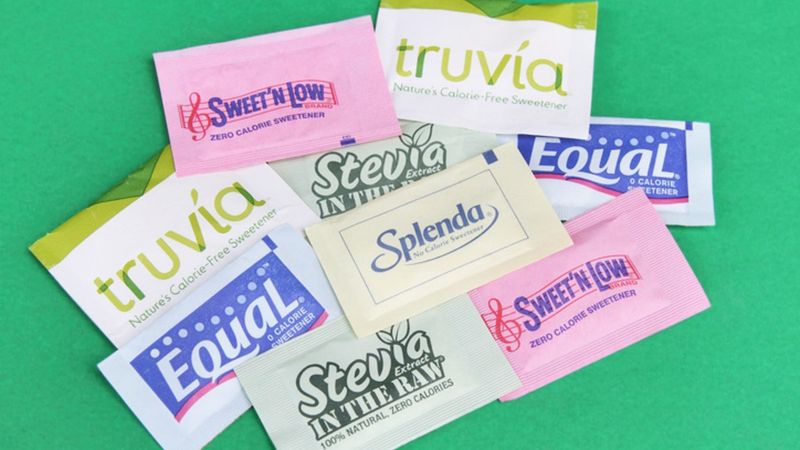
Sugar-free products were everywhere in the ’80s, sweetened with artificial alternatives that promised all the taste with none of the calories. Restaurants stocked tables with pink and blue sweetener packets like they were going out of style.
Diet sodas and sugar-free pies were considered smart choices.
The metallic, lingering aftertaste was hard to ignore, though. Modern consumers have grown far more skeptical of artificial sweeteners after years of mixed health research.
Natural sweetness or simple moderation is now the preferred approach for health-minded diners.
12. Ranch Dressing on Absolutely Everything
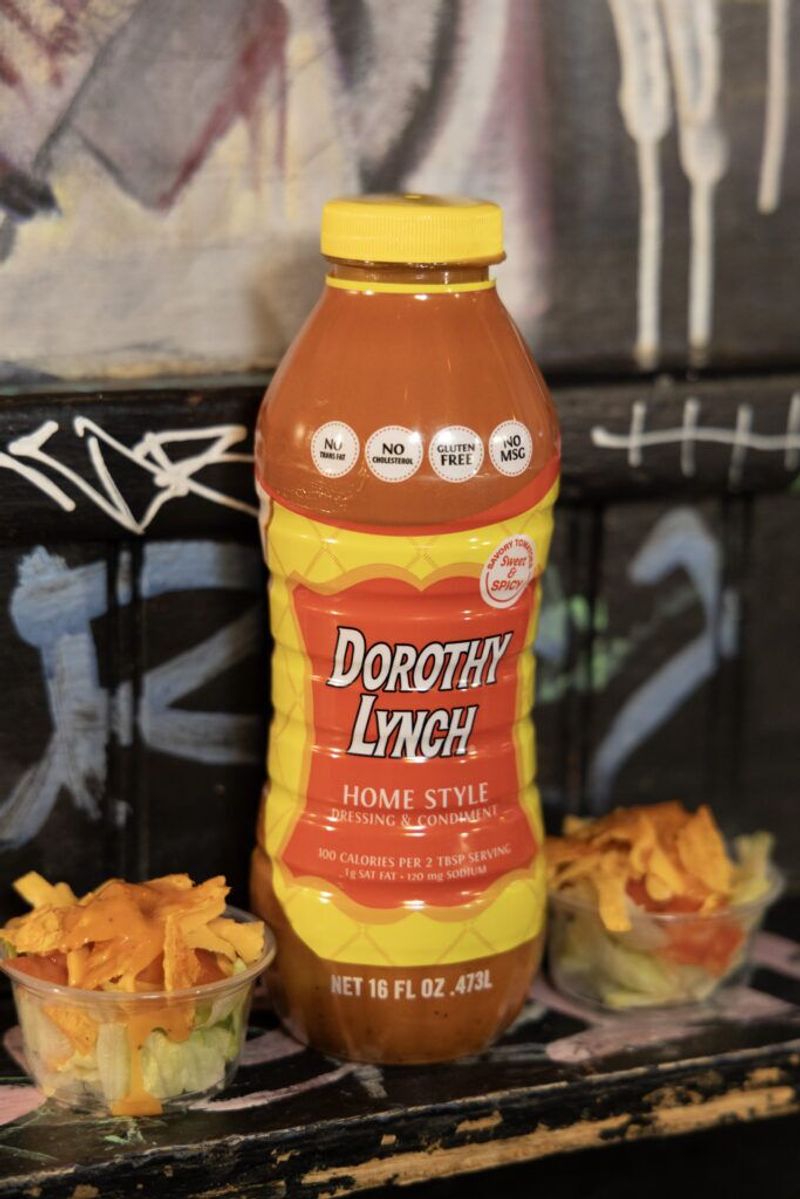
Ranch dressing conquered the ’80s food scene with an almost frightening completeness. It showed up on pizza, fries, vegetables, sandwiches, and basically anything that held still long enough.
Restaurants leaned hard into this one-dressing-fits-all philosophy.
The problem was that everything started tasting exactly the same. Today’s diners crave diverse, layered flavors and exciting global condiments.
While ranch still has fans, using it as a universal sauce for every dish feels lazy and monotonous compared to the vibrant flavor profiles modern menus offer.
13. Microwave-First Restaurant Cooking
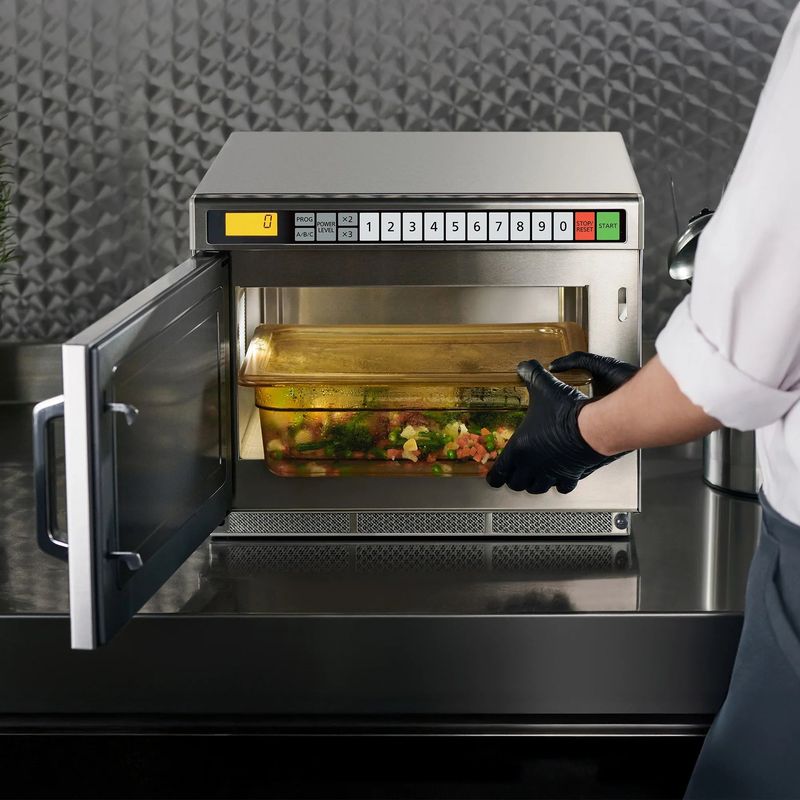
When microwaves became widely available, some restaurants treated them as the ultimate cooking shortcut. Entire dishes were designed to be cooked primarily in the microwave, from chicken entrees to bread rolls.
Speed was valued above all else.
The results were predictably disappointing: rubbery meats, steamed-instead-of-toasted bread, and zero of the beautiful browning that makes food look and taste amazing. Great cooking takes time and heat, and no microwave shortcut can fake that.
Modern diners would spot the difference immediately and walk right out.
14. McDonald’s McPizza
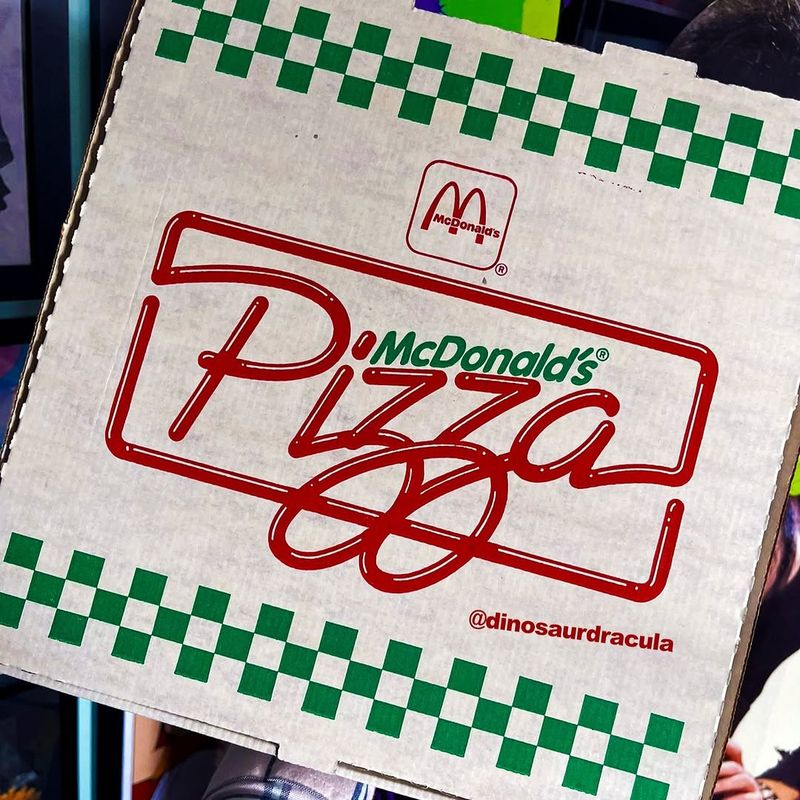
McDonald’s once tried to compete with sit-down pizza chains by adding a whole pizza to their menu. The McPizza was a real thing, and it came with a very un-McDonald’s problem: it took over 10 minutes to cook.
Drive-thru lines backed up in a serious way.
Fast food is built on speed, and a 10-minute pizza shattered that promise completely. Customers grew impatient, and the experiment quietly disappeared.
It remains one of the most fascinating fast food failures of an era that was full of them.
15. Taco Bell’s Bell Beefer
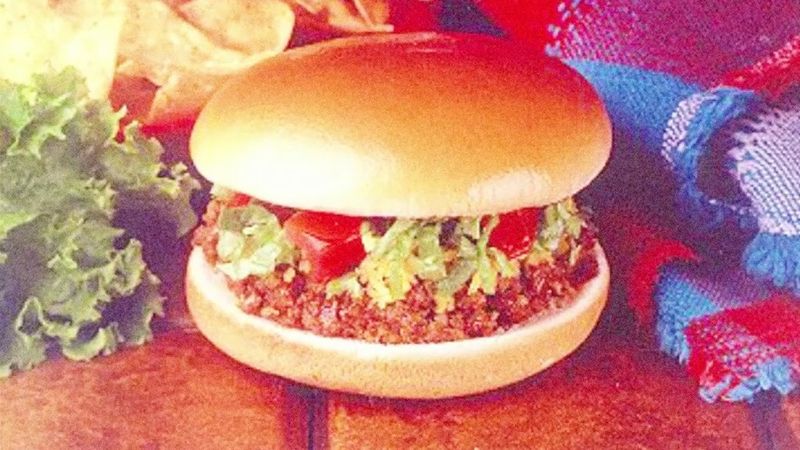
Few menu items capture ’80s fast food confusion quite like the Bell Beefer. Taco Bell took their classic seasoned ground beef and served it on a plain hamburger bun instead of a taco shell.
It was essentially a taco pretending to be a burger.
The identity crisis was real. It wasn’t authentic Mexican food, and it wasn’t a satisfying American burger either.
Modern diners are far more sophisticated about both cuisines, and a mashup this awkward would never survive today’s food-savvy, social media-driven restaurant culture.
16. McDonald’s Onion Nuggets
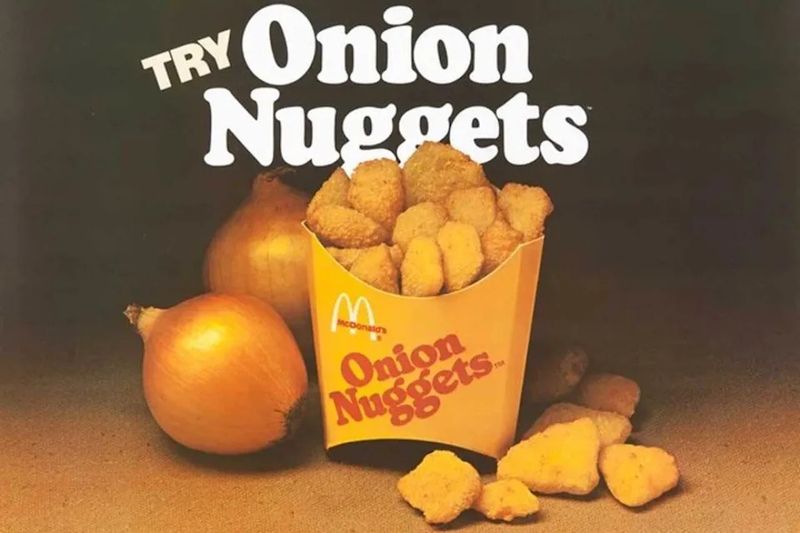
Before Chicken McNuggets completely took over, McDonald’s briefly experimented with battered, deep-fried onion pieces called Onion Nuggets. They were meant to be a fun, snackable alternative, riding the same wave of excitement as their chicken counterpart.
They never caught on the same way. The texture was inconsistent, and the flavor just didn’t generate the same enthusiasm.
Chicken McNuggets became a cultural icon while Onion Nuggets faded into fast food obscurity, remembered now mostly by food historians and nostalgia buffs who love a good culinary footnote.
17. Crab Mousse
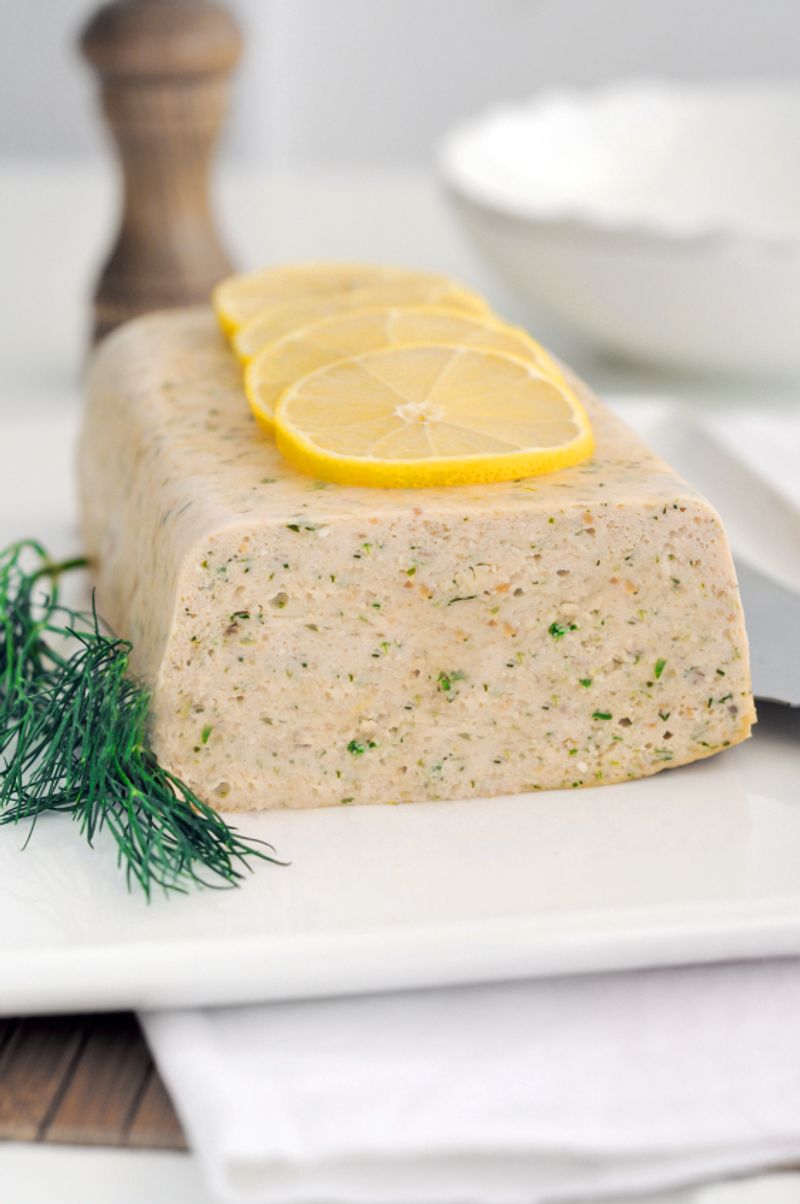
Crab mousse was considered a classy restaurant appetizer back in the day. The recipe typically combined canned crab with cream cheese, condensed mushroom soup, mayonnaise, and gelatin, then chilled it in a decorative mold.
It looked impressive on paper.
In reality, critics noted it resembled something more fitting for a cat’s dinner bowl than a fine dining table. Fresh, simply prepared seafood is what today’s diners expect.
A cold, gelatinous crab mold dripping with condensed soup would earn zero enthusiasm on any modern menu.
18. Gelatin Turkey Loaf
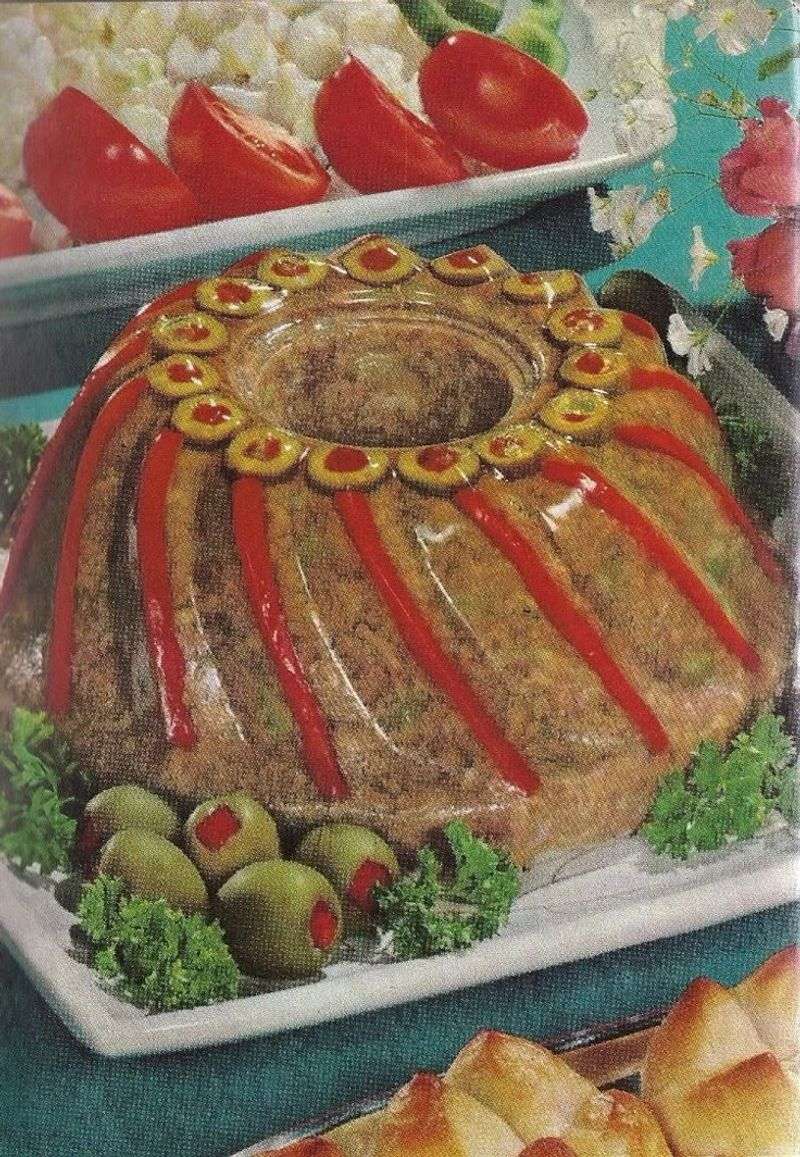
Gelatin Turkey Loaf might be the most visually alarming dish the ’80s ever produced. Chunks of cooked turkey were suspended inside a clear block of savory jelly, then sliced and served cold.
It was proudly presented as a sophisticated protein dish.
The chewy, wobbly texture muted everything good about turkey’s natural flavor. Today, this dish is remembered as a symbol of ’80s culinary excess taken one step too far.
No modern diner would order it, and no self-respecting chef would dare put it on a menu.