
Food is one of the most fascinating ways to explore different cultures around the world. While Americans enjoy a wide variety of foods, there are some dishes that most people in the U.S. have never tried and might find pretty surprising.
From fermented fish to live octopus, these foods are considered delicacies in other countries but often get skipped right here at home. Get ready to discover 16 unusual foods that might just change the way you think about eating.
1. Rocky Mountain Oysters
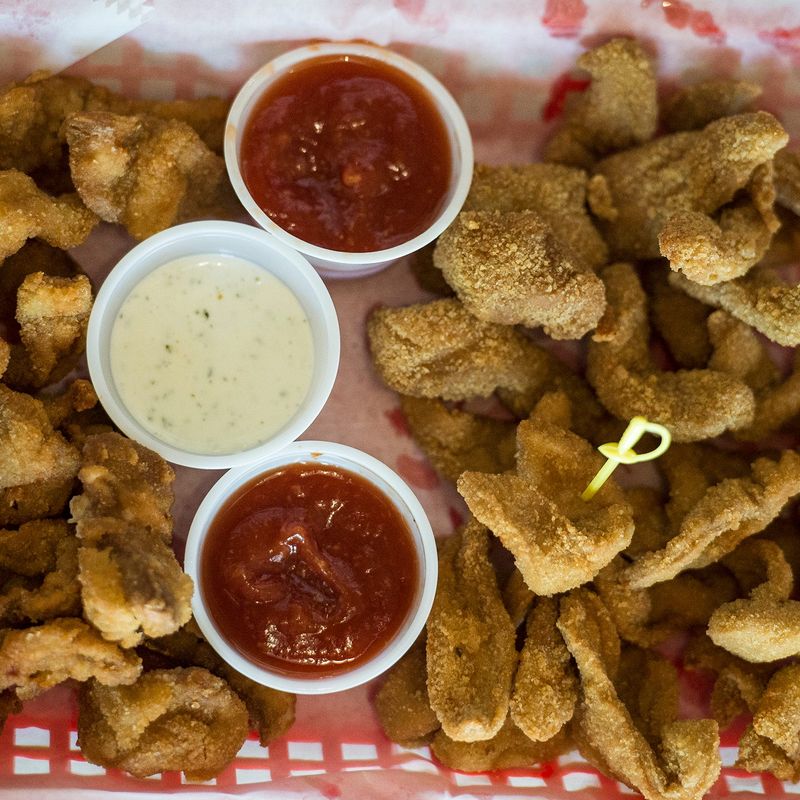
Forget what the name suggests. Rocky Mountain oysters have nothing to do with the sea.
These are actually deep-fried bull testicles, and they are a real dish served at festivals and restaurants across Colorado and other western states.
Some people say they taste like calamari when fried up crispy. Most Americans have never tried them and probably raise an eyebrow at the idea.
Still, adventurous eaters swear by them!
2. Alligator Meat
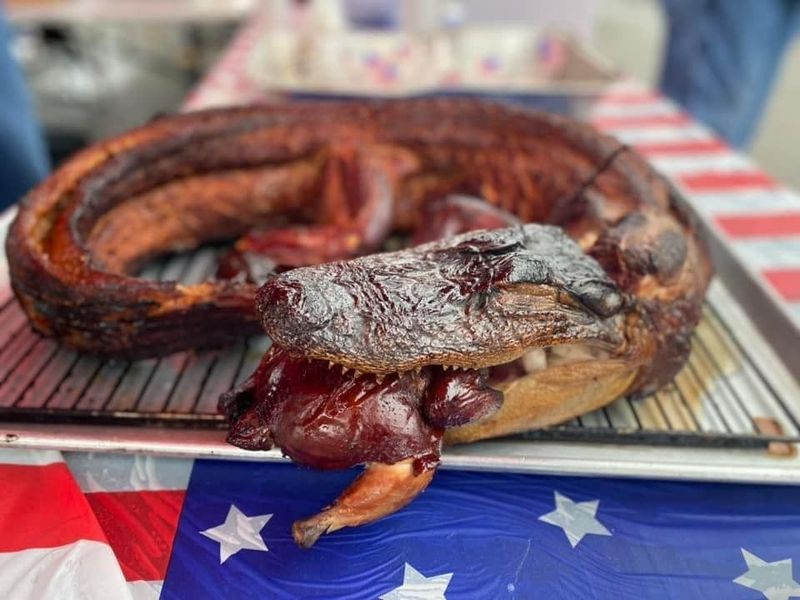
Down in the bayous of Louisiana, alligator meat is practically a staple. You can find it fried, grilled, or stuffed into sausages at local restaurants throughout New Orleans.
The flavor is often compared to chicken or fish, making it more approachable than you might expect.
Outside of the South, most Americans have never come close to tasting it. Cultural unfamiliarity keeps this protein off most dinner tables, even though it is surprisingly lean and flavorful.
3. Haggis
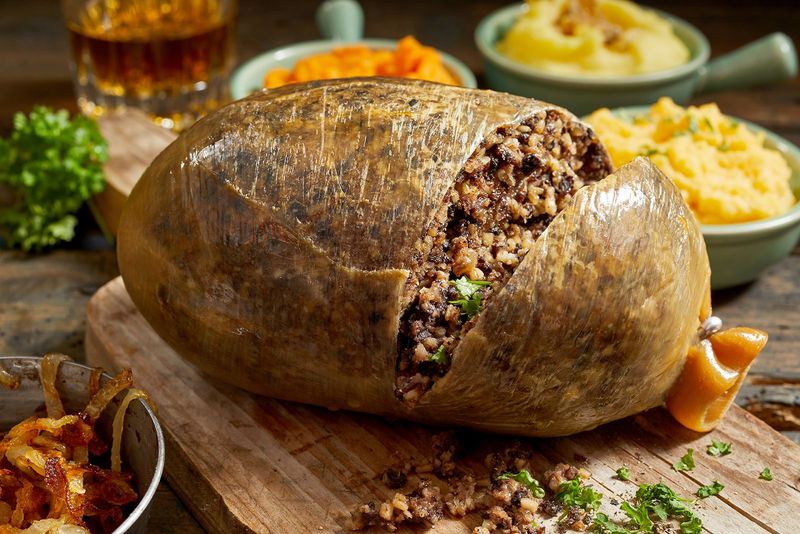
Scotland’s national dish sounds like something from a cooking dare. Haggis is made from a sheep’s heart, liver, and lungs, mixed with oatmeal, onions, and spices, then cooked inside a sheep’s stomach.
Scots celebrate it every Burns Night with poetry and bagpipes. For most Americans, the ingredient list alone is enough to say no thanks.
However, people who have tried it often describe it as savory and surprisingly satisfying, almost like a spiced meat pudding.
4. Casu Marzu
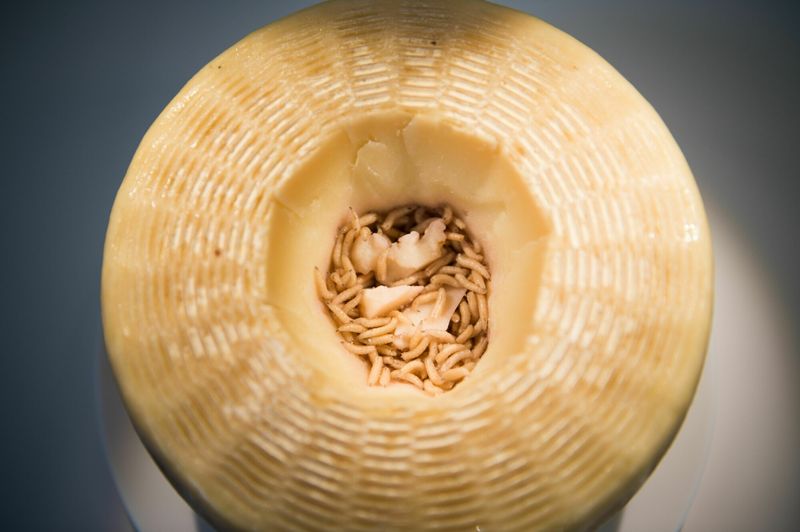
Casu Marzu takes cheese to a whole new level that most people are not ready for. This traditional Sardinian cheese is intentionally left to ferment with live insect larvae crawling inside it.
The larvae help break down the fats, creating an extra-soft, creamy texture.
It is actually illegal to import into the United States due to health regulations. Even if it were available, the idea of eating a cheese that moves tends to stop most Americans cold.
5. Balut
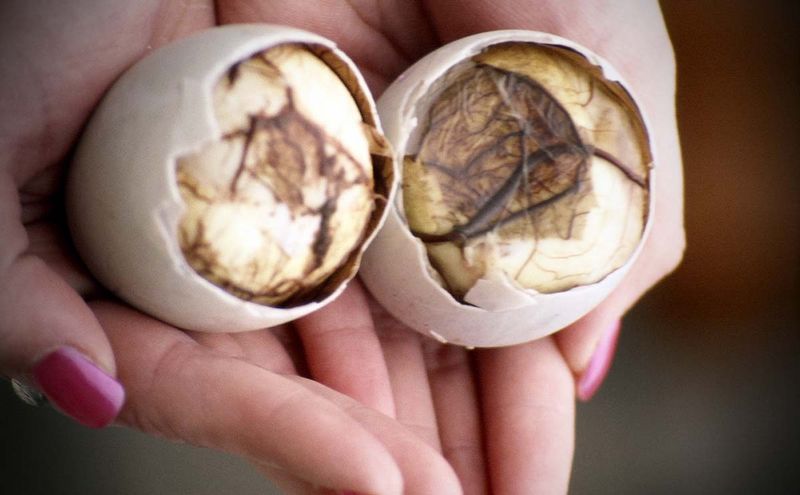
Street food vendors across the Philippines sell balut as a popular snack, but for many Americans, just hearing about it is enough to lose their appetite. Balut is a fertilized duck egg with a partially developed embryo inside, boiled and eaten straight from the shell.
It is packed with protein and considered a bold eating experience. The combination of broth, yolk, and visible embryo features makes this one food most Americans quietly pass on without a second thought.
6. Durian
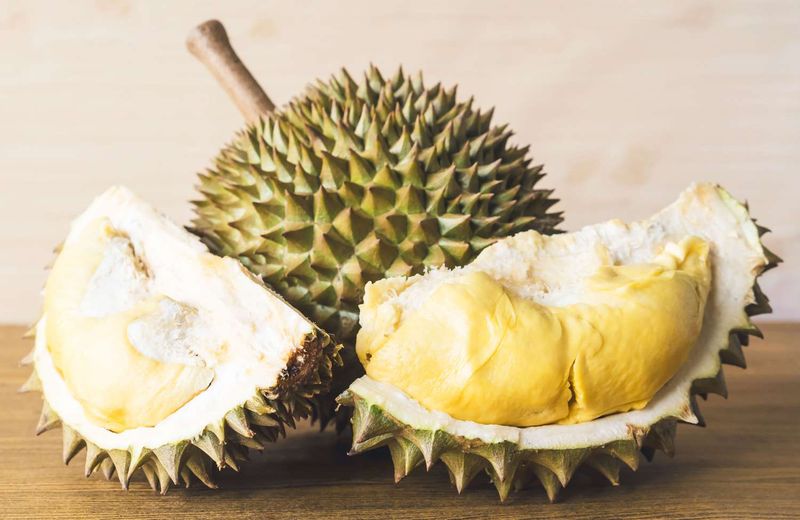
Nicknamed the king of fruits in Southeast Asia, durian has a devoted fan base and an equally passionate group of people who cannot stand it. The smell is the first thing that gets people.
Some compare the odor to gym socks, onions, and turpentine all at once.
Many hotels and public transportation systems in Asia actually ban durian entirely. Americans visiting Asian markets often spot it and walk the other way fast.
Yet the creamy, custard-like flesh inside is genuinely beloved by millions worldwide.
7. Century Egg (Pidan)
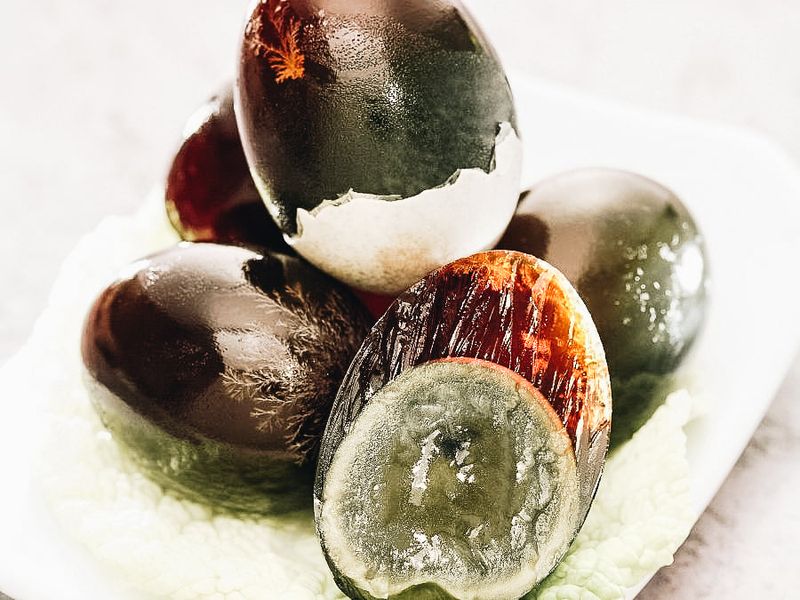
Century eggs look like something from a science fiction movie. Also called pidan, these preserved duck or chicken eggs are cured for weeks or months, turning the whites dark brown and the yolk a greenish-gray color.
The process creates a strong, sulfuric flavor that takes getting used to.
In China, century eggs are enjoyed as a delicacy, often paired with tofu or congee. Most Americans, put off by the color and smell, tend to walk right past them at Asian grocery stores.
8. Fugu
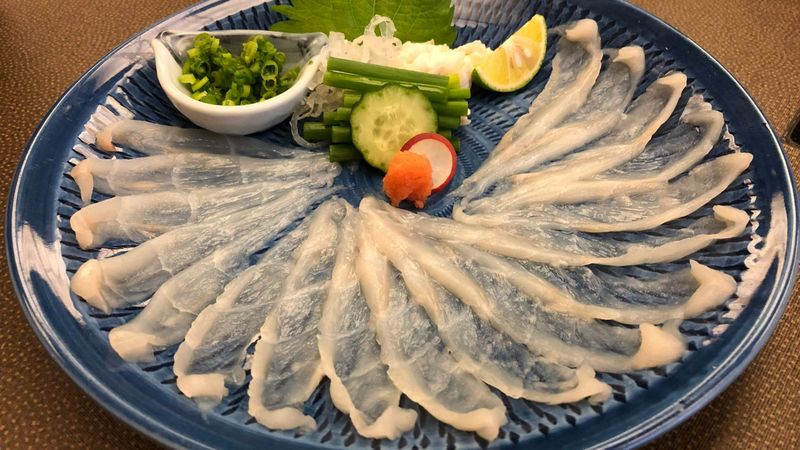
Fugu is the dish that comes with a warning label built right in. Japanese pufferfish contains tetrodotoxin, a poison so powerful that a small amount can be lethal.
Only specially licensed chefs in Japan are legally allowed to prepare it for customers.
The flavor itself is described as mild and delicate, almost subtle. For most Americans, the life-or-death stakes make it one food they are perfectly happy skipping.
A handful of thrill-seekers seek it out, but it remains extremely rare outside Japan.
9. Escamoles
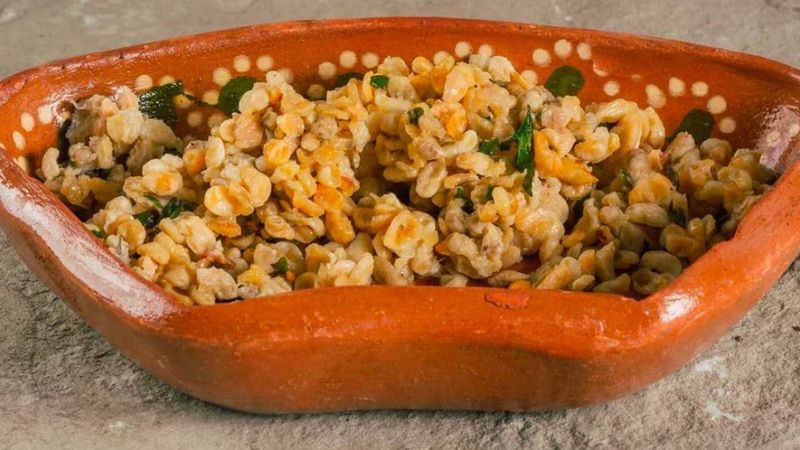
Long before fancy food trends came along, indigenous communities in Mexico were already enjoying escamoles. These are the larvae and pupae of giant black ants, harvested from agave plant roots.
They have a buttery, nutty flavor and a texture similar to cottage cheese when cooked.
Escamoles are sometimes called insect caviar because of their rarity and high price. Even adventurous American foodies hesitate when they find out what they are eating.
Still, chefs at upscale Mexican restaurants are slowly introducing them to curious diners.
10. Natto
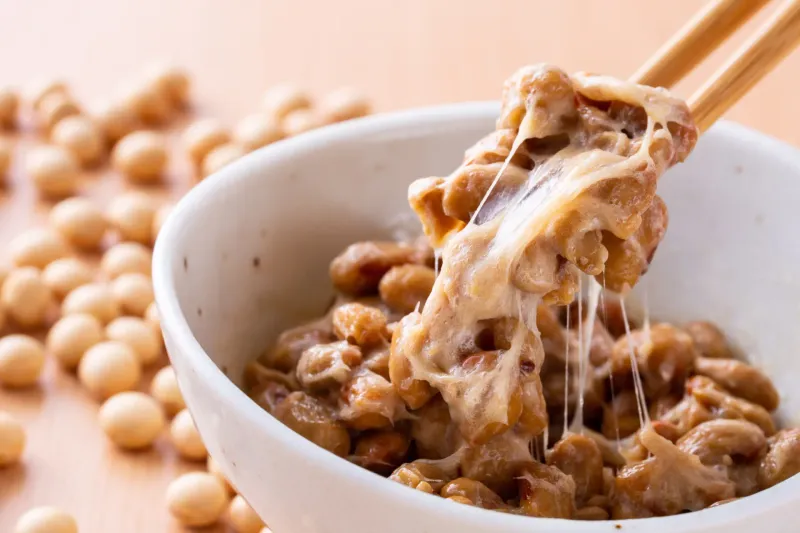
Natto is one of those foods that people either love or absolutely cannot handle. Made from fermented soybeans, it has a sticky, slimy texture with strings that stretch dramatically when you lift it with chopsticks.
The smell is pungent and sharp, often compared to very strong cheese.
In Japan, natto is a common breakfast food served over rice. Americans who try it at Japanese restaurants usually need a moment to process both the texture and the aroma before deciding it is not for them.
11. Surströmming
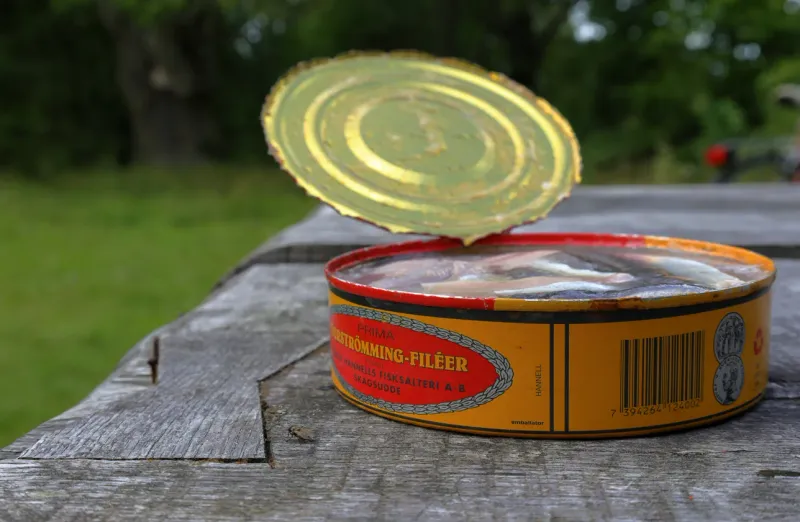
Opening a can of surströmming is considered an outdoor activity in Sweden for a very good reason. This fermented Baltic Sea herring produces one of the most powerful odors of any food on the planet.
The smell has been scientifically measured and ranked among the world’s most putrid.
Swedes eat it with flatbread, potatoes, and onions, and many genuinely enjoy it. Americans who encounter surströmming at Scandinavian food events usually back away quickly, and videos of people reacting to the smell have gone viral repeatedly online.
12. Black Pudding (Blood Sausage)
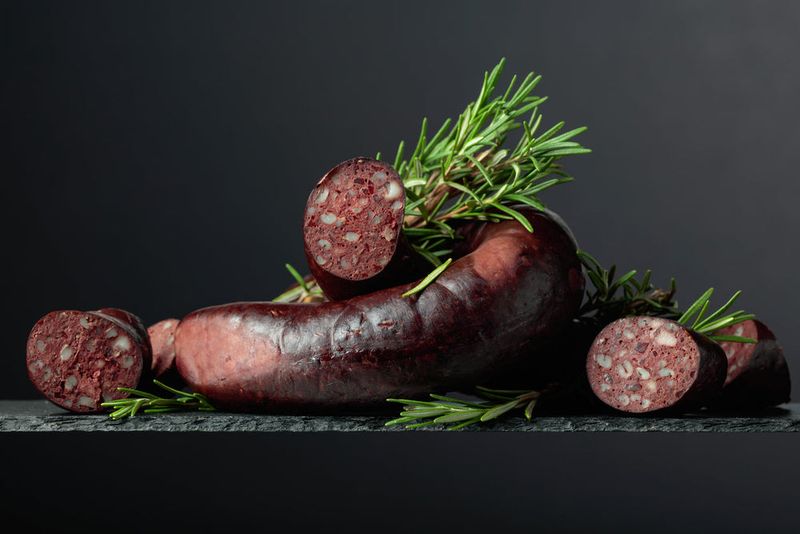
Blood sausage has been part of European and Latin American cuisines for centuries, but it remains a hard sell in the United States. Black pudding is made by cooking animal blood, usually pork, with oatmeal or rice and fat until it firms up into a sliceable sausage.
In the UK, it is a classic part of a full English breakfast. The ingredient list tends to stop most Americans before they ever take a bite.
Those who do try it often find the flavor rich, savory, and surprisingly mild.
13. Tripe
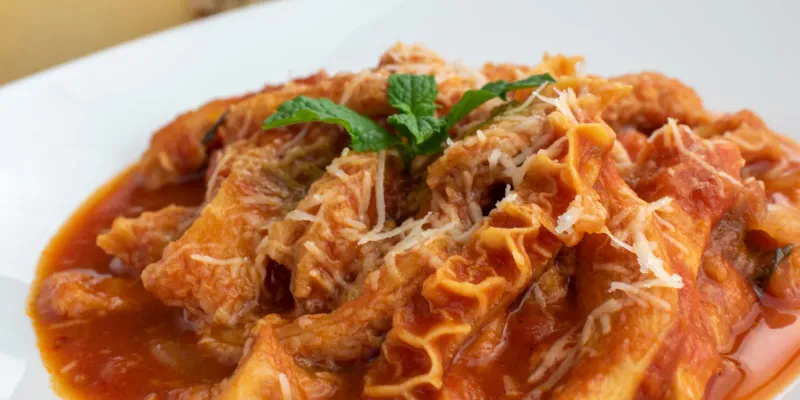
Tripe is the stomach lining of animals like cows or sheep, and it has fed people across Europe, Asia, and Latin America for generations. The texture is chewy and slightly rubbery, which is the part that trips most Americans up.
When cooked slowly in stews or soups, it absorbs surrounding flavors beautifully.
Mexican menudo and Italian trippa are beloved tripe dishes in their home countries. American diners tend to skip it on menus, often unfamiliar with how to appreciate its unique, hearty character when prepared well.
14. Animal Brains
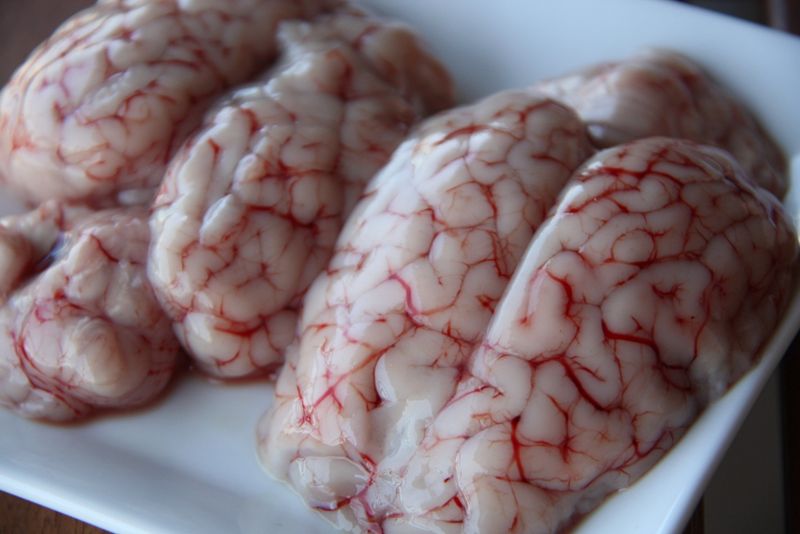
Before modern food preferences shifted, brain dishes were actually common in American homes during the 19th and early 20th centuries. Calf brains scrambled with eggs was a real recipe found in old American cookbooks.
Today, the idea strikes most people as deeply unusual.
In France, cervelle de veau, or calf brain, is still considered a refined dish. The texture is soft and creamy, and the flavor is quite mild.
Most Americans today find the concept too far outside their comfort zone to give it a try.
15. Kopi Luwak
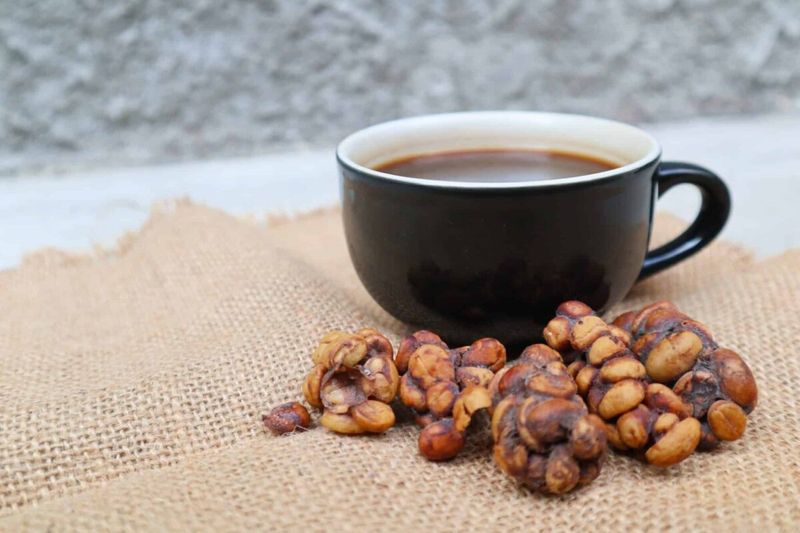
Kopi Luwak is coffee with a backstory that makes most people do a double take. Asian palm civets eat ripe coffee cherries, and the beans pass through their digestive system before being collected, cleaned, and roasted.
The process is said to create a smoother, less bitter cup of coffee.
It is one of the most expensive coffees in the world, sometimes fetching hundreds of dollars per pound. Many Americans are intrigued until they hear exactly how the beans are processed, and that is usually where their curiosity ends.
16. Sannakji (Live Octopus)
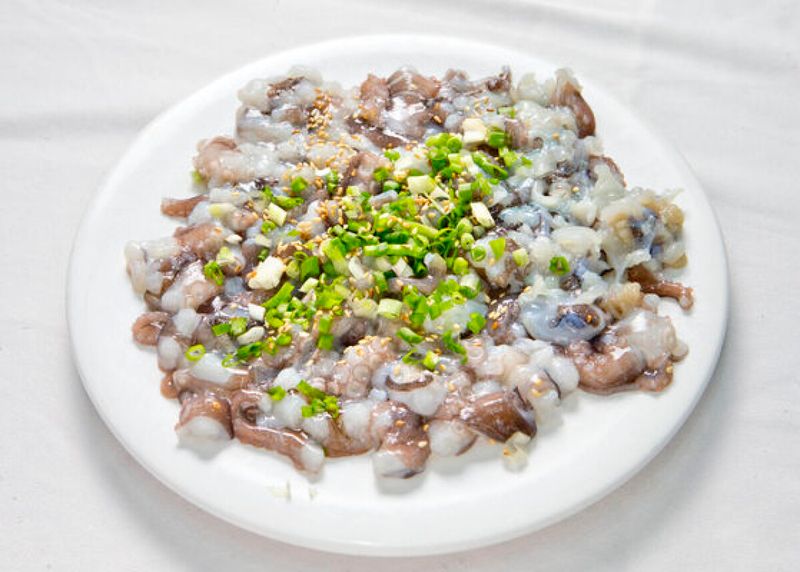
Sannakji is not for the faint of heart. This Korean dish features freshly cut octopus tentacles served raw and still wriggling on the plate.
The suction cups remain active even after the octopus is cut, which means each bite requires careful chewing to avoid a choking hazard.
In Korea, it is enjoyed as a bold seafood experience, often dipped in sesame oil. For Americans, the combination of watching food move on the plate and the real choking risk makes sannakji one of the most skipped dishes on this entire list.