
Most kitchens have a few hidden heroes sitting quietly in the back of the pantry. Some of the best flavors come from ingredients people often skip or forget about.
Learning to use them can make simple meals taste exciting without costing much money. Get ready to meet some new kitchen friends that will change the way you cook.
1. Miso Paste
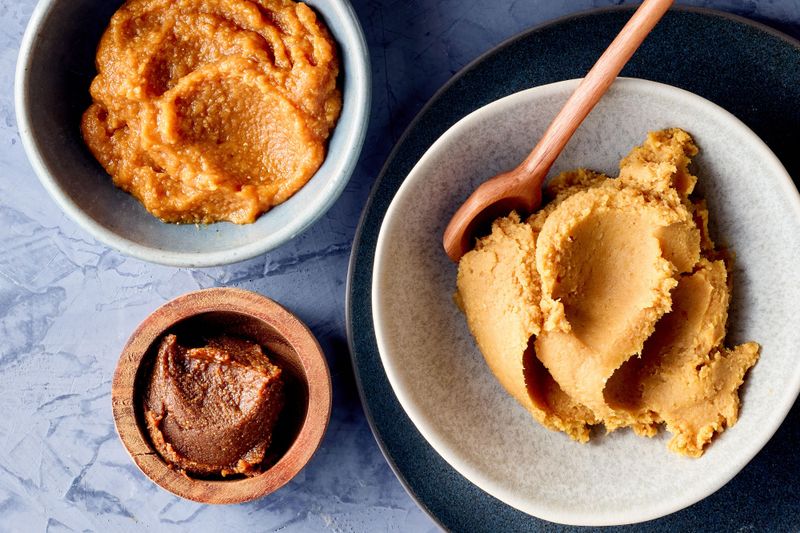
Picture a spoonful of salty, savory magic that lasts for months in your fridge. Miso is fermented soybean paste from Japan, and it does far more than make soup.
Stir a little into salad dressing, mashed potatoes, or melted butter for corn on the cob. Brush it on salmon before baking for a sweet, rich glaze.
Start with white miso, since it is milder and friendlier for beginners who are still exploring bold tastes.
2. Smoked Paprika
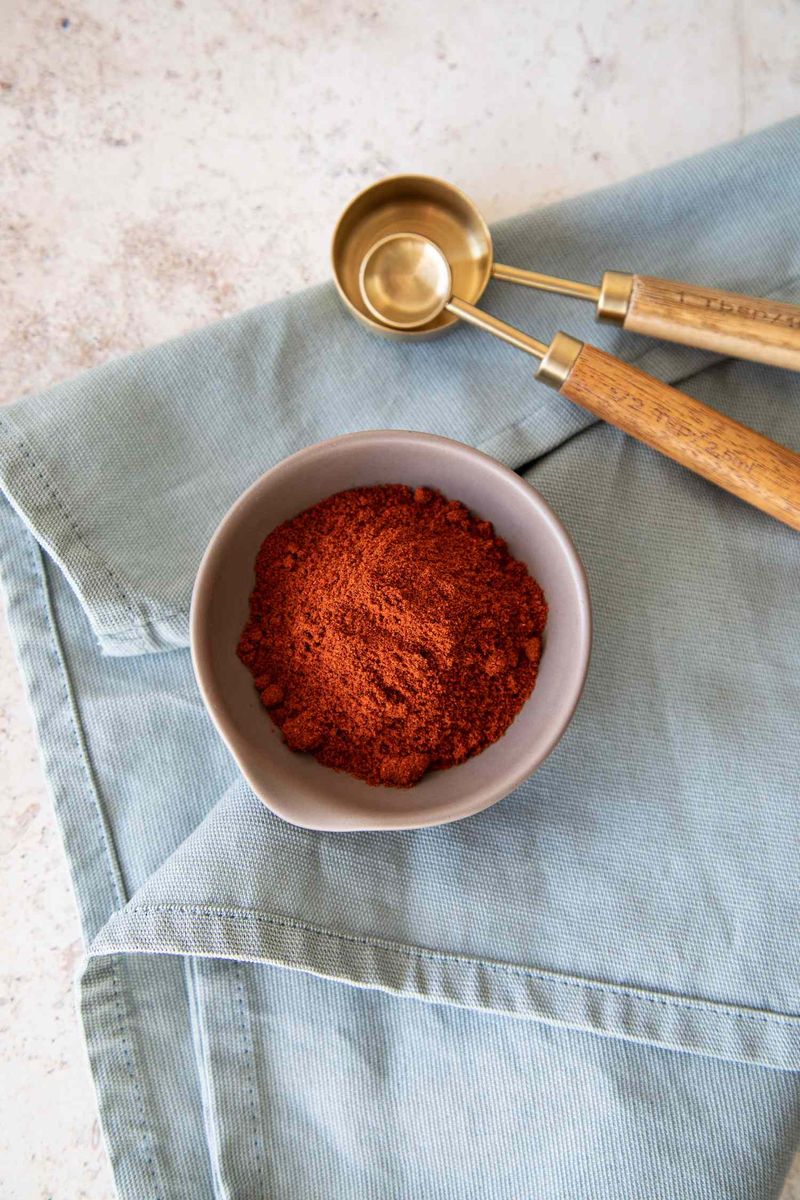
Ever wished your food tasted like it came off a campfire grill? Smoked paprika makes that happen with just a pinch, no fire needed.
Spanish cooks dry the peppers over smoldering oak wood before grinding them into powder. That process gives the spice its deep, cozy flavor.
Sprinkle it on roasted potatoes, scrambled eggs, popcorn, or chili. It also adds lovely color to deviled eggs and makes plain beans taste wonderfully hearty and warm.
3. Fish Sauce
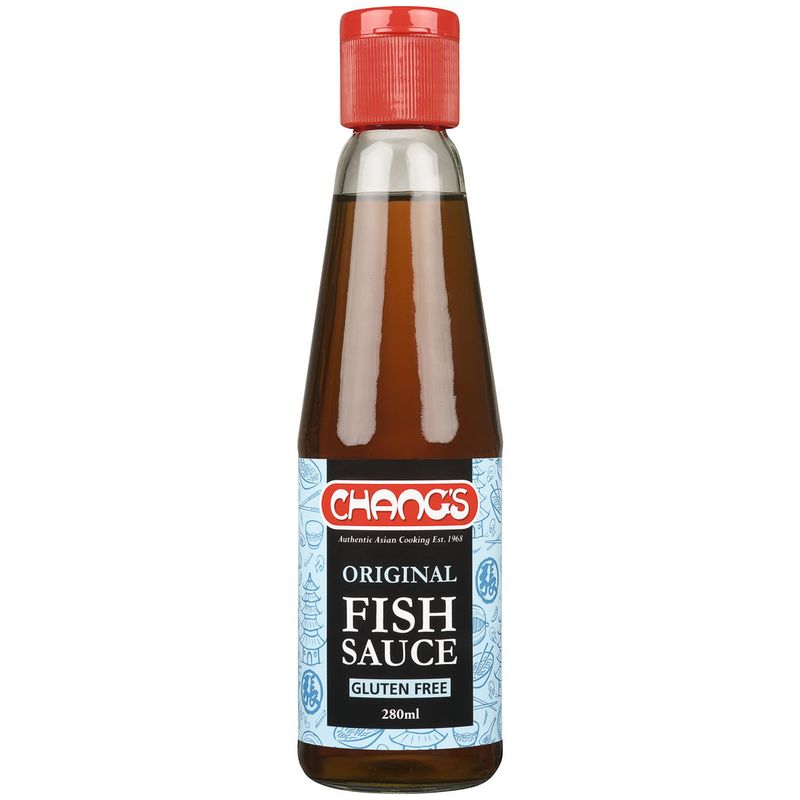
Okay, the smell straight from the bottle is a little wild. Trust the process, though, because fish sauce is one of the greatest flavor boosters on earth.
Cooks across Southeast Asia rely on it daily. Once mixed into food, the fishy smell fades and leaves behind a rich, savory depth.
Add a few drops to stir-fries, soups, marinades, or even tomato sauce. Your family will ask what your secret is, and you can just smile.
4. Canned Chickpeas
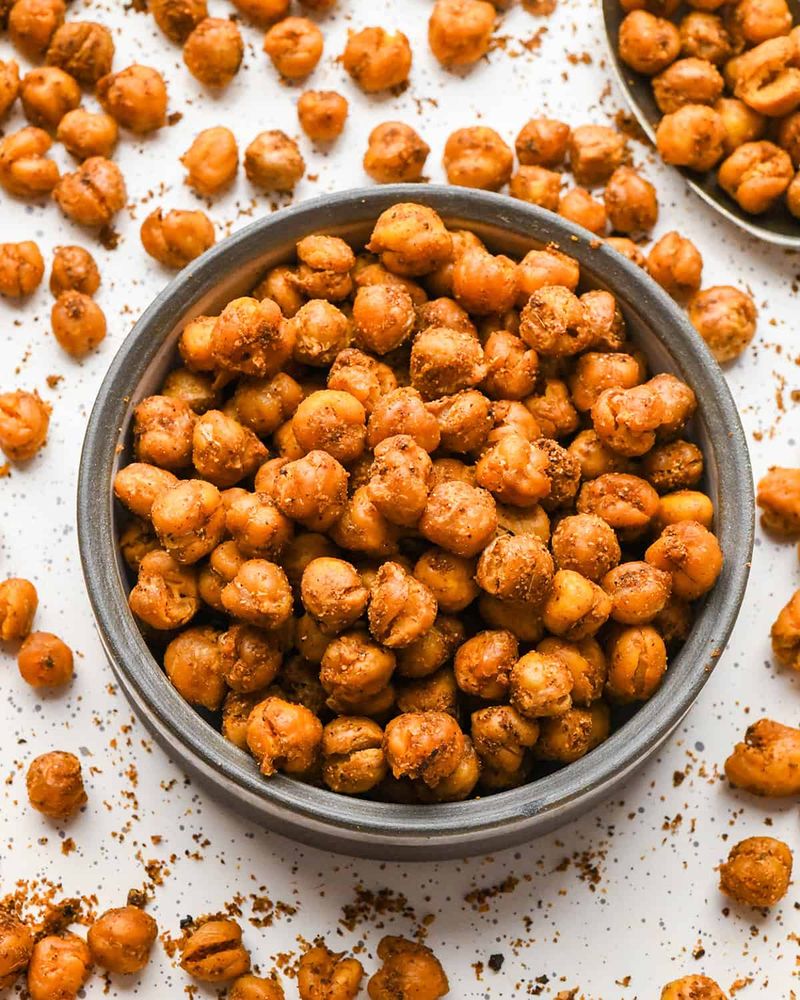
Grandma always kept a few cans in the cupboard for busy nights, and she was onto something. Chickpeas are cheap, filling, and packed with protein and fiber.
Rinse them, toss with oil and spices, then roast until crunchy for a snack that beats chips. They also blend into creamy hummus in minutes.
Fun bonus: the liquid in the can, called aquafaba, whips up like egg whites. Bakers use it to make egg-free meringues.
5. Fresh Ginger
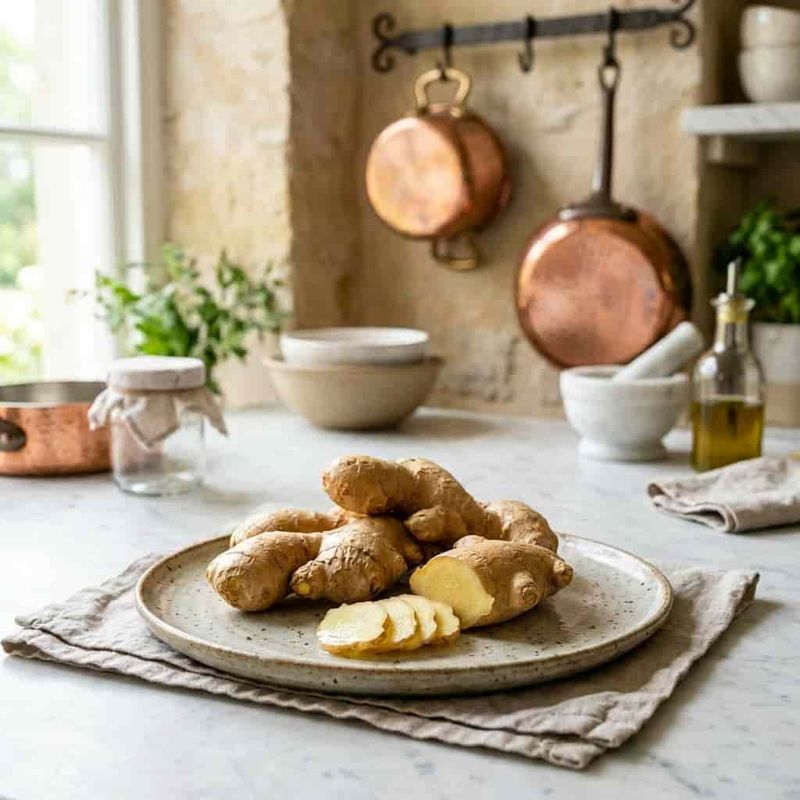
That lumpy, odd-looking root in the produce aisle is a total flavor rock star. Fresh ginger brings a zingy, peppery warmth that dried powder simply cannot match.
Here is a handy trick: peel it with the edge of a spoon instead of a knife. The thin skin scrapes right off with less waste.
Grate it into stir-fries, soups, smoothies, or hot tea. Store extra pieces in the freezer, where they grate even more easily.
6. Anchovies
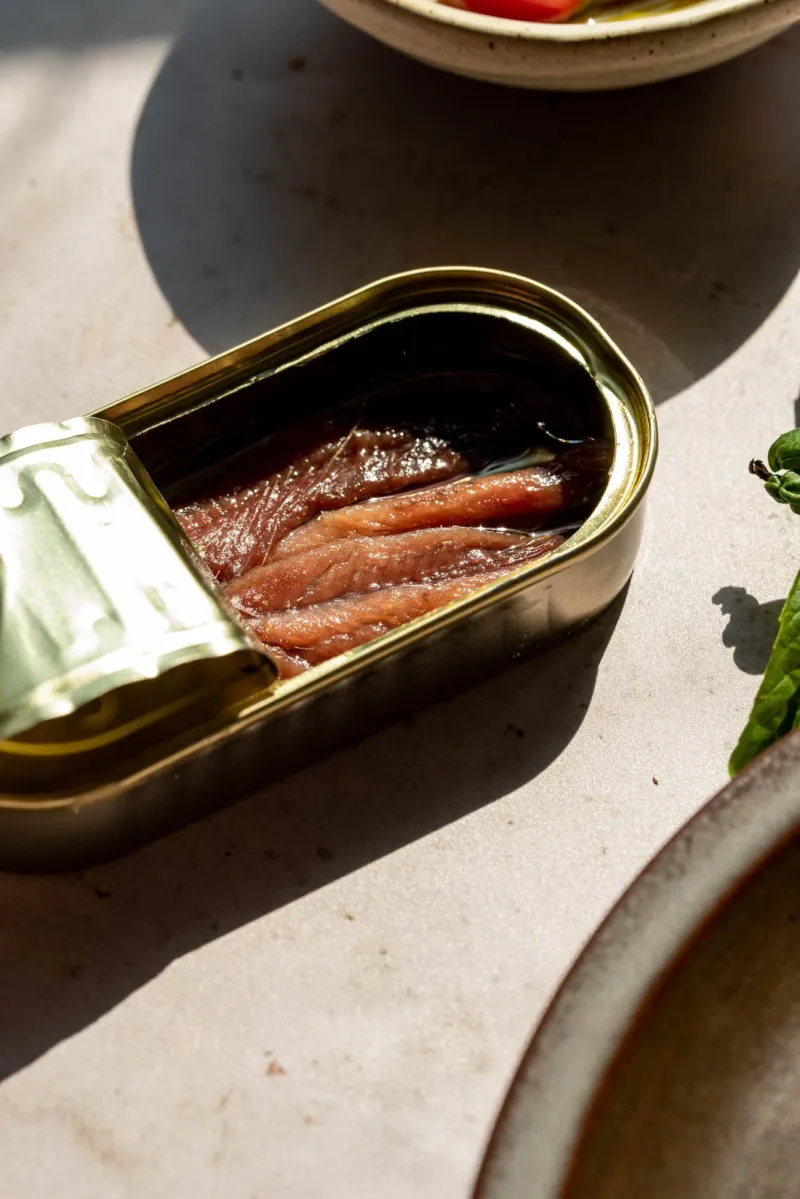
Anchovies have a bad reputation, mostly from pizza toppings gone wrong. Give them another chance, because they secretly power many favorite foods, including Caesar dressing.
When you melt a fillet or two into warm olive oil, they disappear completely. What stays behind is a deep, salty richness, not fishiness.
Try them in pasta sauce, garlic bread butter, or roasted vegetables. One small tin can upgrade a whole week of dinners without anyone noticing.
7. Tahini
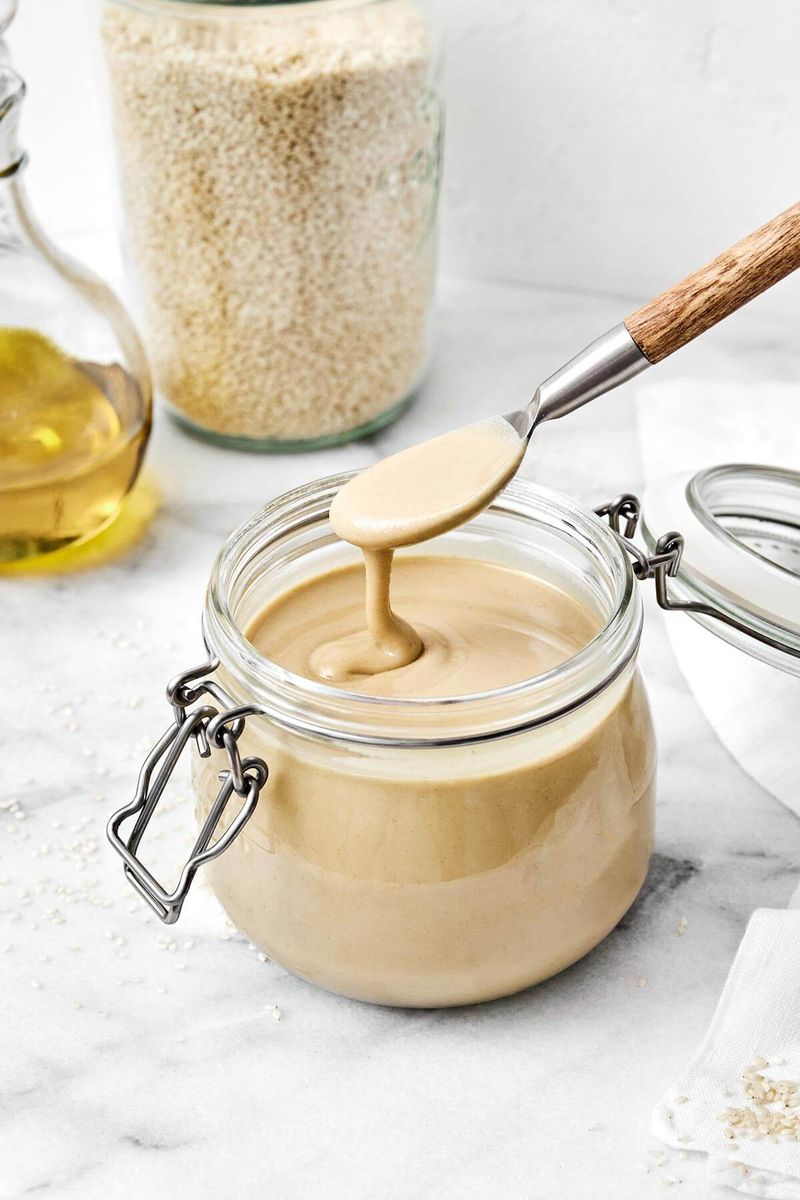
Think of tahini as peanut butter’s cool cousin from the Middle East. Made from ground sesame seeds, it is nutty, creamy, and slightly bitter in a pleasant way.
Most people only know it as a hummus ingredient. Yet it shines when whisked with lemon and water into a silky sauce for veggies or grain bowls.
Bakers love it too. Swirl some into brownie batter or cookies for a grown-up, toasty flavor twist that surprises everyone.
8. Nutritional Yeast

The name sounds strange, but kids and adults go crazy for these golden flakes. Nutritional yeast tastes cheesy and nutty, even though it contains zero dairy.
Movie night gets better when you sprinkle it over buttered popcorn. It also works on pasta, roasted broccoli, and scrambled tofu or eggs.
Many brands add vitamin B12, which makes it popular with vegetarians. Keep a jar near the stove, and you will reach for it constantly.
9. Frozen Peas
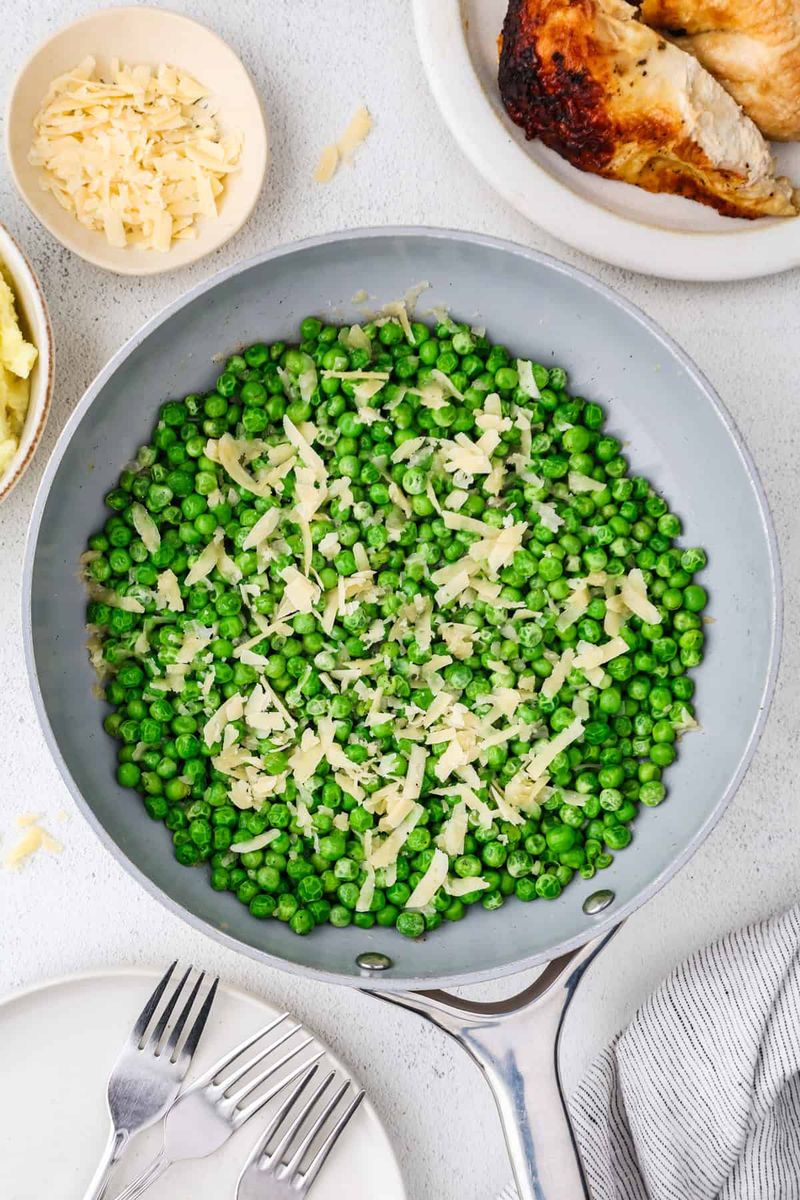
Fun fact: frozen peas are often fresher than the ones sold in pods. They are picked and frozen within hours, locking in sweetness and nutrients.
Toss a handful into mac and cheese, fried rice, or soup during the last few minutes. They add color, protein, and a pop of sweetness.
Bumped your knee? A bag of frozen peas also makes the best ice pack, shaping perfectly to any bruise.
Talk about a multitasker.
10. Preserved Lemons
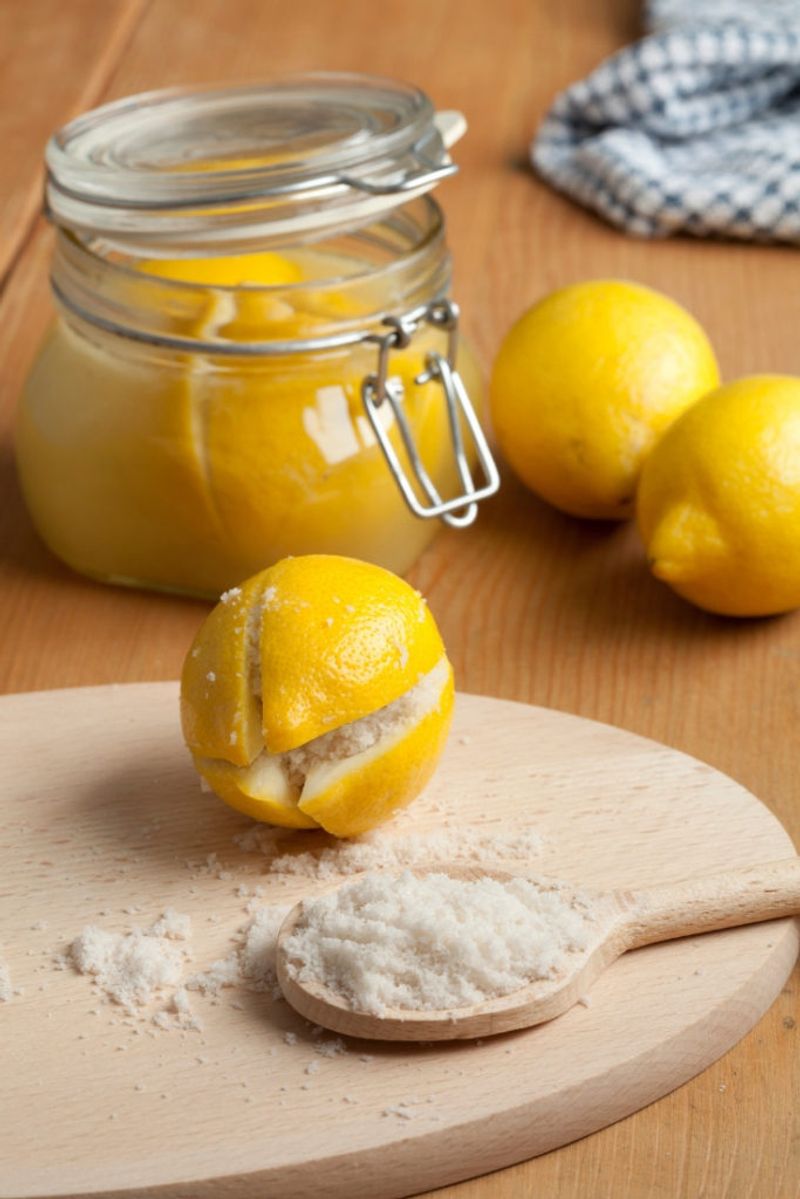
In Moroccan kitchens, jars of lemons soaking in salt sit on shelves for weeks before anyone opens them. The wait turns them soft, mellow, and wonderfully fragrant.
Unlike fresh lemons, you eat the peel, not the juice. Chop it finely and stir into chicken, rice, salads, or roasted vegetables.
Making them at home is simple. Pack quartered lemons with lots of salt in a clean jar, then let time handle the rest.
11. Gochujang
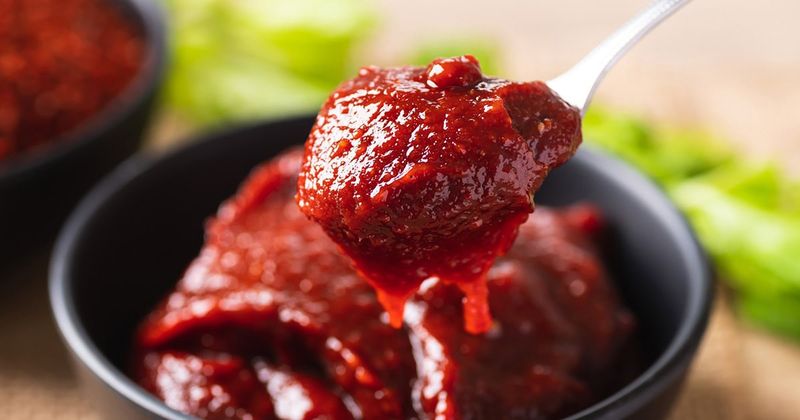
Sweet, spicy, and a bit funky, gochujang is Korea’s beloved red chili paste. One taste, and you may never go back to plain ketchup again.
It is made from chili peppers, rice, and fermented soybeans. That mix creates heat balanced with gentle sweetness and savory depth.
Stir it into mayo for a zippy sandwich spread, or brush it onto chicken wings. Mixing it with honey makes a sticky glaze that disappears fast.
12. Cabbage
Poor cabbage rarely gets invited to the party. That is a shame, because few vegetables offer so much food for so little money.
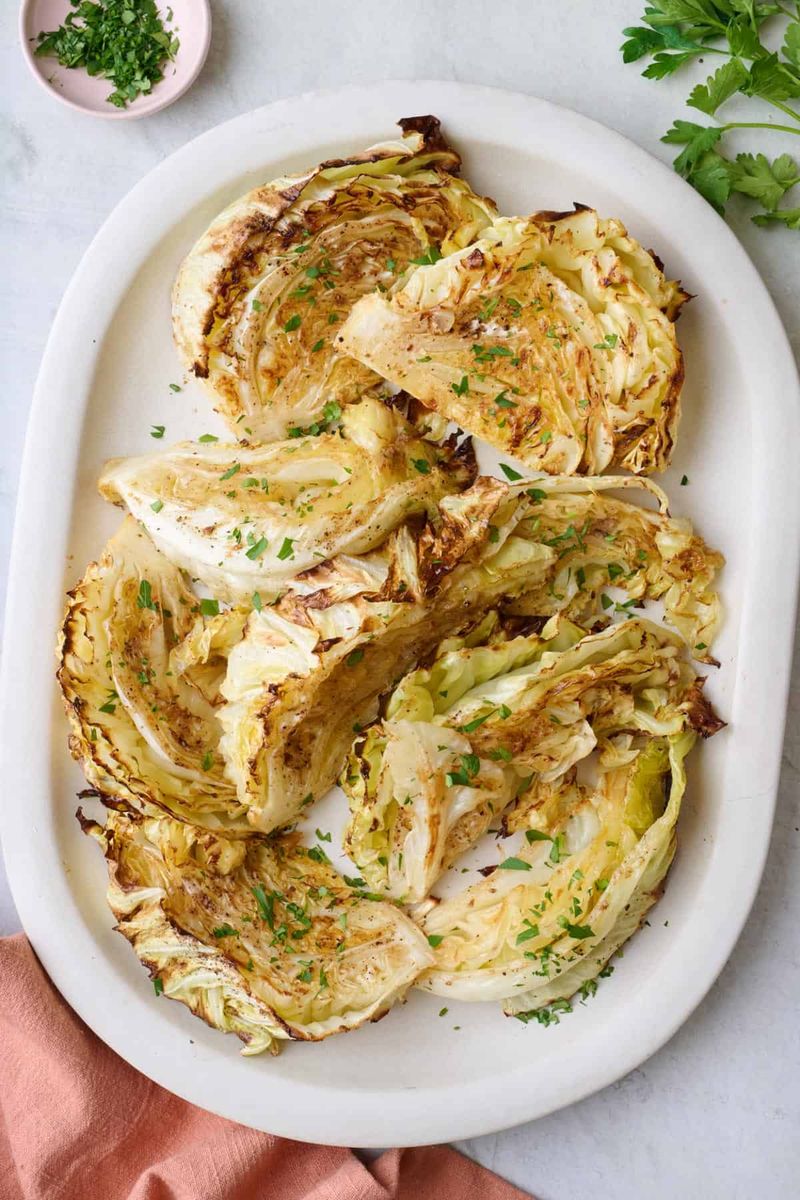
A single head can last weeks in the fridge. Roast thick wedges with olive oil and salt until the edges turn brown and sweet, almost like candy.
Shred it raw for crunchy tacos, or saute it with butter and onions. Cabbage proves that humble ingredients can deliver serious, satisfying flavor.
13. Sumac
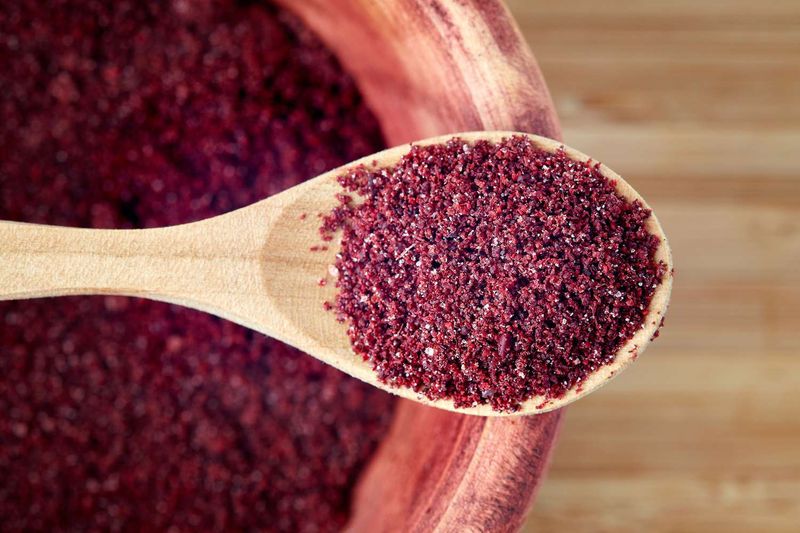
Want lemony flavor without a single lemon? Sumac is a tangy, purple-red spice made from dried berries, popular across the Middle East.
It tastes bright and a little fruity, perfect for waking up sleepy dishes. Sprinkle it over hummus, grilled meat, eggs, or sliced onions.
Here is a cool history tidbit. Before lemons reached Europe, ancient Romans used sumac to add sourness to their food.
Old flavors can still feel brand new today.
14. Coconut Milk

Silky, rich, and gently sweet, canned coconut milk turns a basic pot of veggies into a cozy curry in no time.
Look for the full-fat kind for the creamiest results. Shake the can before opening, since the thick cream often separates from the liquid.
Beyond curries, it works in oatmeal, smoothies, rice, and soups. Chill a can overnight, scoop off the solid top, and whip it into a dreamy dairy-free topping.
15. Capers

Those tiny green balls in a jar are not peas. Capers are actually flower buds, picked before they bloom and packed in brine or salt.
Each one bursts with salty, tangy, slightly floral flavor. A spoonful brightens chicken, fish, pasta, and potato salad in a snap.
Try frying a few in hot oil until crispy. They puff open like little flowers and make a crunchy topping that feels fancy but takes only seconds.
16. Rice Vinegar
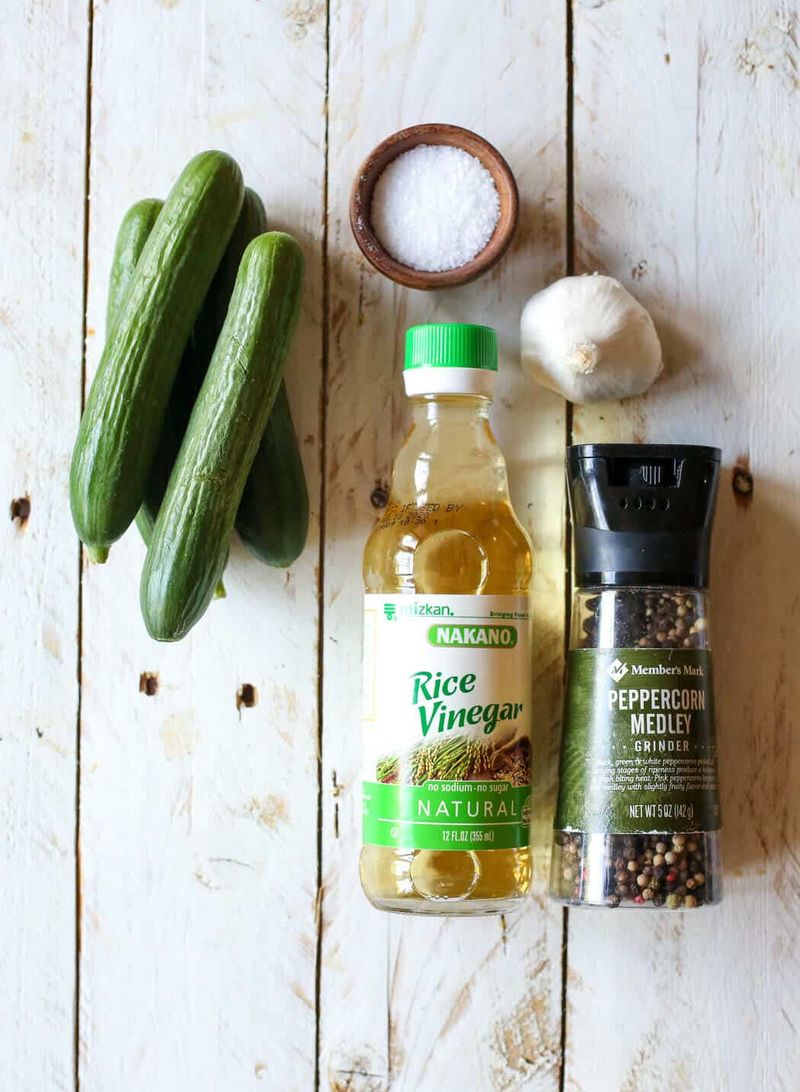
Some vinegars hit your tongue like a slap. Rice vinegar is the kind friend in the family, mild, slightly sweet, and easy to love.
It is the secret behind sushi rice, but it works in so many places. Splash it onto cucumbers with a pinch of sugar for quick pickles.
Whisk it with soy sauce and sesame oil for a fast salad dressing. Picky eaters often enjoy its soft tang more than stronger vinegars.
17. Dried Mushrooms
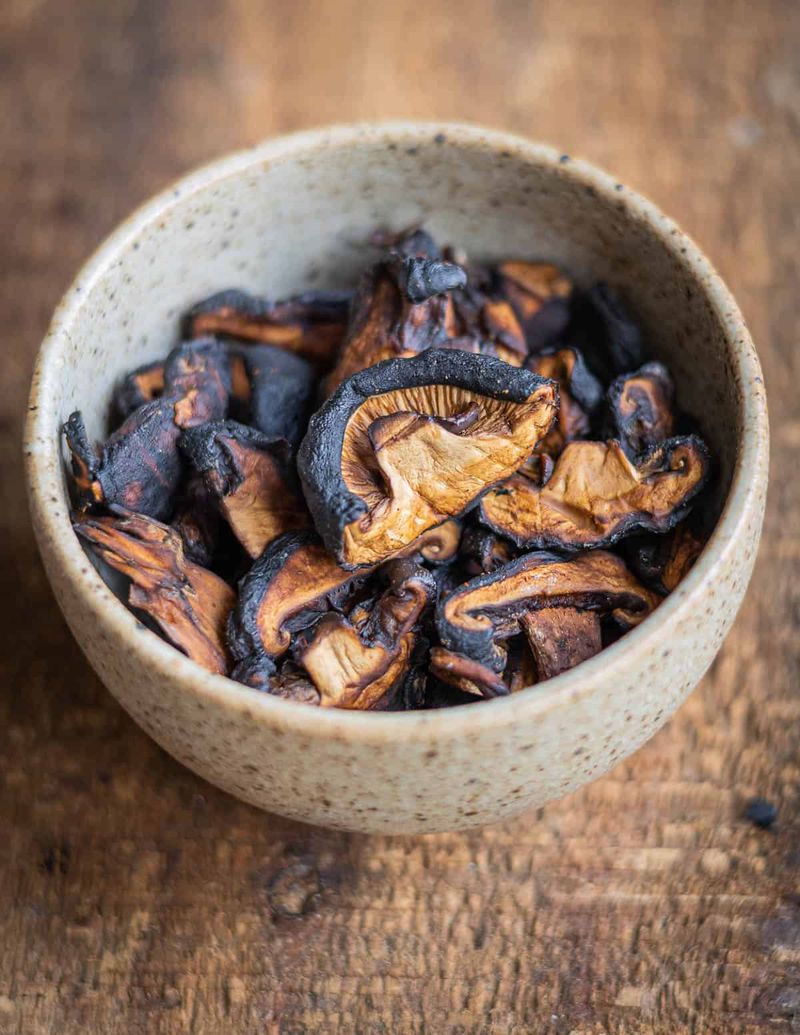
A small bag of dried mushrooms packs a giant punch of earthy, meaty flavor. Shiitake and porcini are two favorites that keep for many months.
Soak them in warm water for about twenty minutes until soft. Then chop and add them to risotto, gravy, soups, or pasta sauce.
Never pour out the soaking water. That brown liquid is pure flavor gold, so strain it and use it like broth for a deeper, richer dish.