
Yellowstone has amazing scenery, but busy roads and crowded overlooks can make quiet moments harder to find. Across the country, other national parks offer towering peaks, wild shores, desert canyons, and room to breathe.
Some are remote, while others reward visitors who explore beyond the busiest stops. With a little planning, you can enjoy grand views without spending your whole trip in a crowd.
1. North Cascades National Park, Washington: Peaks Without the Rush
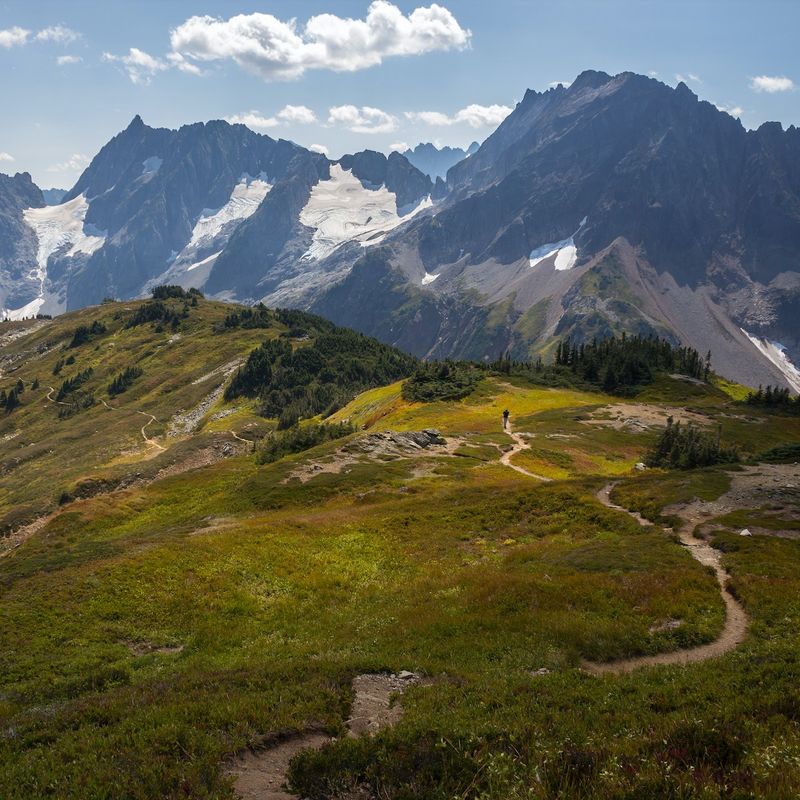
Jagged mountains rise like a wall of stone above deep green forests. Hundreds of glaciers help give North Cascades its wild alpine character, and quieter trails reward hikers willing to climb beyond roadside stops.
Visit in late summer for better access to mountain paths, though snow can linger. Nearby Diablo Lake overlooks sit in the adjoining recreation area, not the national park itself.
Check trail conditions and secure wilderness permits before planning an overnight backpacking trip.
2. Isle Royale National Park, Michigan: An Island on Nature’s Clock
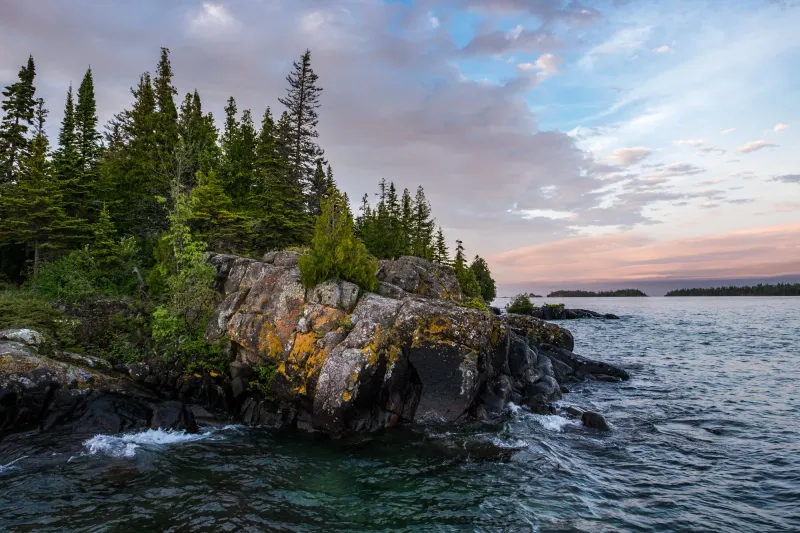
Your adventure begins before the first trail, with a boat or seaplane crossing Lake Superior. Once ashore, rocky coves, spruce woods, and long walking routes replace traffic noise with birdsong and water against the shore.
Book transportation early because seats and seasonal schedules limit access. Backpackers need camping permits, and everyone should prepare for cold rain, even in summer.
Choose a shorter shoreline walk if carrying supplies across the island sounds more tiring than relaxing today.
3. Great Basin National Park, Nevada: Ancient Trees and Dark Skies
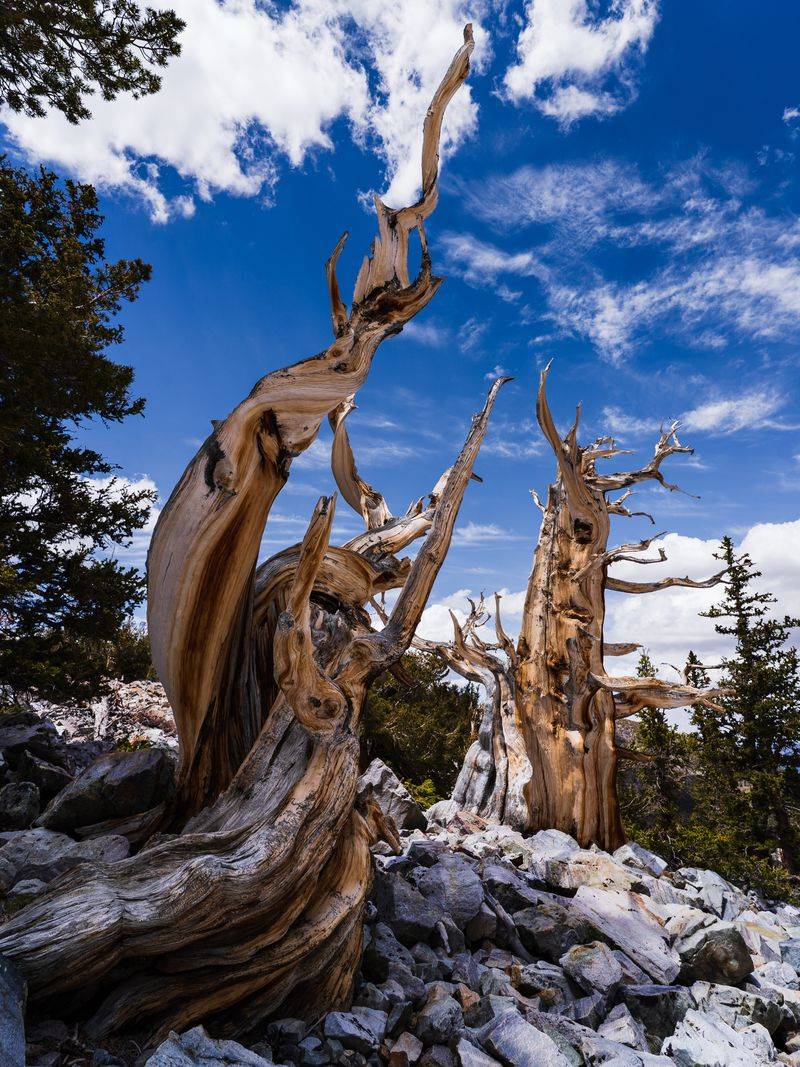
Some trees here were already old when ancient civilizations flourished. Great Basin protects bristlecone pines, the slopes of Wheeler Peak, and a remarkable underground world inside Lehman Caves.
Reserve a cave tour ahead of time, then leave an evening free for stargazing under dark desert skies. Mountain trails can hold snow well into summer, so check conditions before driving uphill.
Bring layers: warm valley afternoons can quickly turn into chilly nights at higher elevations after sunset.
4. Capitol Reef National Park, Utah: Red Cliffs and Orchard Shade
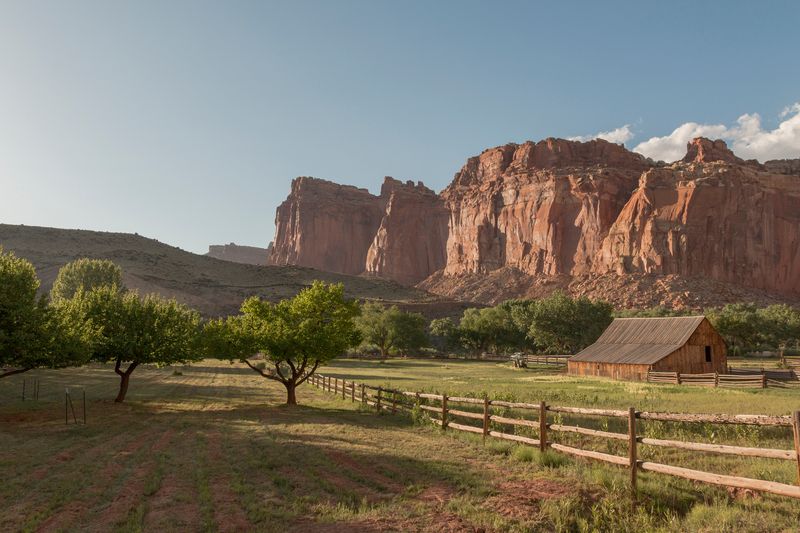
Fruit trees beneath towering red cliffs give Fruita a surprisingly homey feel. Beyond the historic orchards, Capitol Reef opens into folded rock layers, narrow canyons, and the distant stone towers of Cathedral Valley.
Start popular walks early, then seek quieter viewpoints away from the main highway. Remote roads may require high clearance and can become impassable after rain.
Check current conditions with rangers rather than trusting a map alone, and carry plenty of drinking water everywhere.
5. Voyageurs National Park, Minnesota: Quiet Across the Water
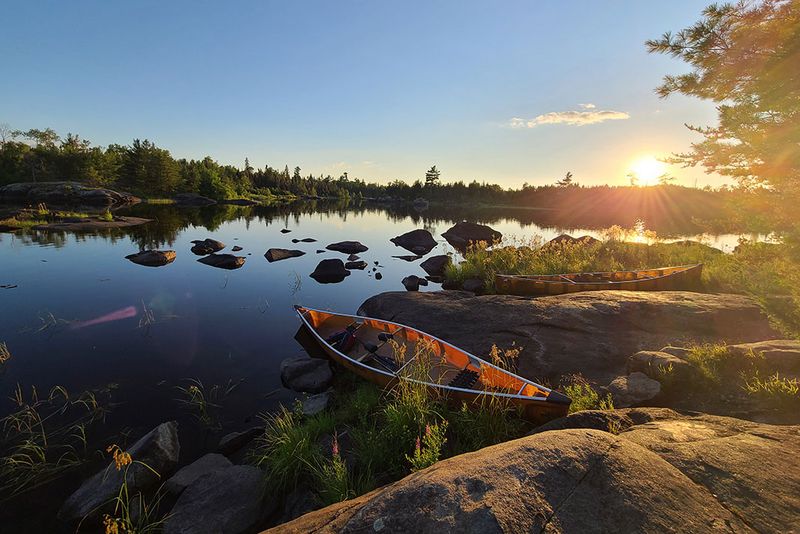
A paddle slipping through still water sets the pace here. Voyageurs is a maze of lakes, forested islands, and rocky shores, where many campsites require a boat rather than a drive.
Reserve your campsite and arrange a rental or guided outing before arriving. Beginners should favor sheltered routes because wind can make open water dangerous.
Pack a life jacket, waterproof layers, and navigation tools, then settle in for loon calls and stars above the northern forest.
6. Big Bend National Park, Texas: Room to Feel Small
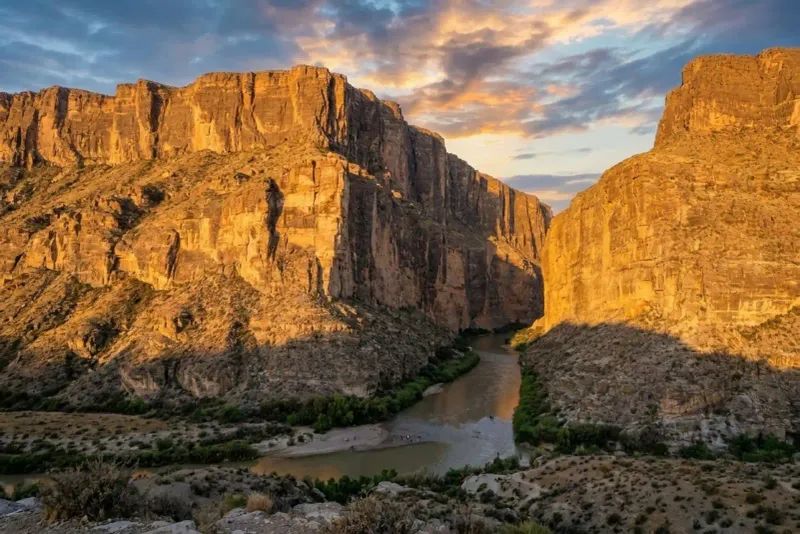
The desert seems to stretch forever before the Rio Grande cuts through towering canyon walls. Big Bend combines broad desert views, mountain trails, and river scenery on a scale that makes everyday worries feel smaller.
Cooler months are generally better for hiking, since summer heat can be dangerous. Carry more water than you expect to need, fuel up before long drives, and check closures.
Popular areas still get busy during holidays, so choose quieter weekdays instead.
7. Crater Lake National Park, Oregon: Blue Water, Slower Days
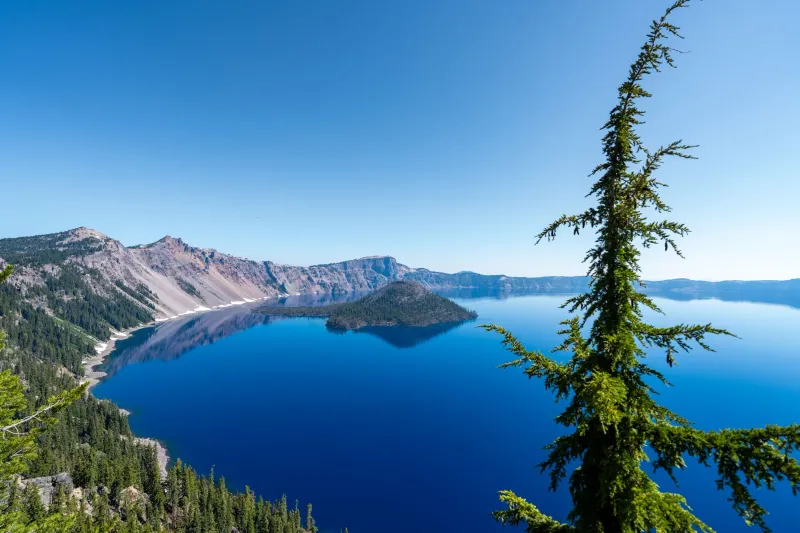
That first glimpse of deep blue water can stop a conversation midword. Crater Lake fills a volcanic basin, and its rim offers sweeping views that need little more than a patient pair of eyes.
For fewer people, arrive early or explore beyond the busiest overlooks. Late spring often brings snow and road closures, not full summer access.
Check road updates before traveling, and bring warm clothing even when nearby towns feel comfortably sunny in the afternoon.
8. Olympic National Park, Washington: Follow the Forest’s Hush
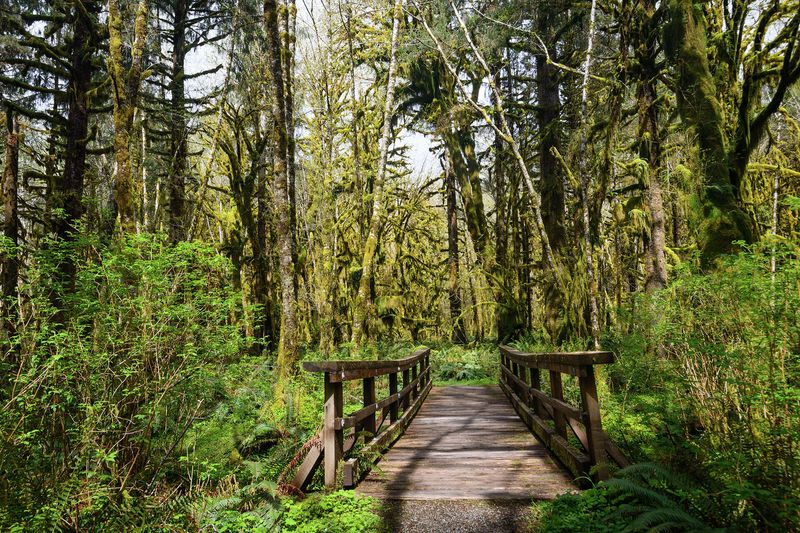
Rain tapping on giant leaves creates its own kind of music. Olympic brings together mossy rainforests, rough Pacific beaches, and high mountain country, giving visitors several ways to escape busy sightseeing routes.
The Hoh Rain Forest can draw long entrance lines, so arrive early or consider less visited trails. Coastal walks require tide planning, while mountain outings depend on snow conditions.
Waterproof clothing helps turn a damp forecast into part of the adventure rather than disappointment.
9. Lassen Volcanic National Park, California: Yellowstone’s Steaming Cousin
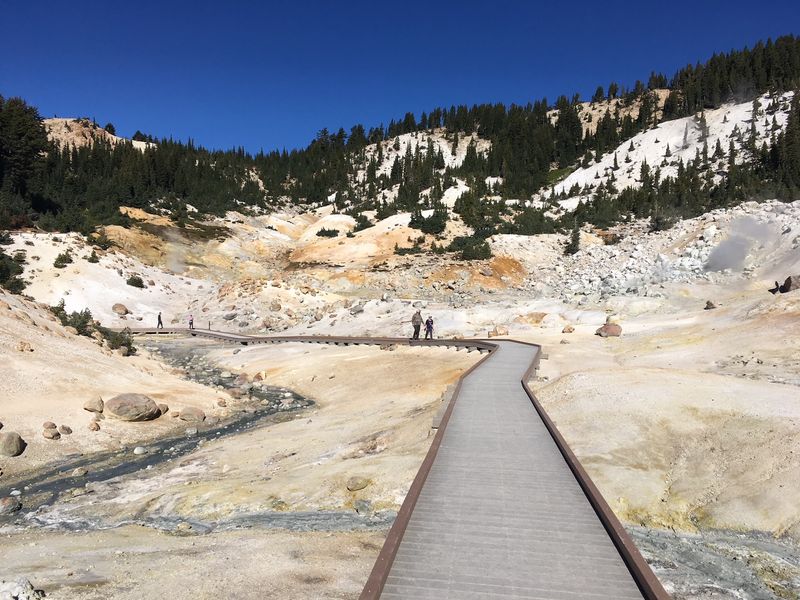
Steam rising from colorful ground gives Lassen a familiar Yellowstone flavor. Bubbling mud, volcanic peaks, and clear mountain lakes share the landscape, often with fewer people than California’s better known park destinations.
Stay on marked boardwalks around thermal areas because thin ground can hide scalding water. Snow and wildfire recovery can affect roads and trails, so review current park alerts.
Balance a geothermal walk with time beside a lake for a calmer afternoon in the mountains.
10. Kenai Fjords National Park, Alaska: Where Ice Meets Ocean
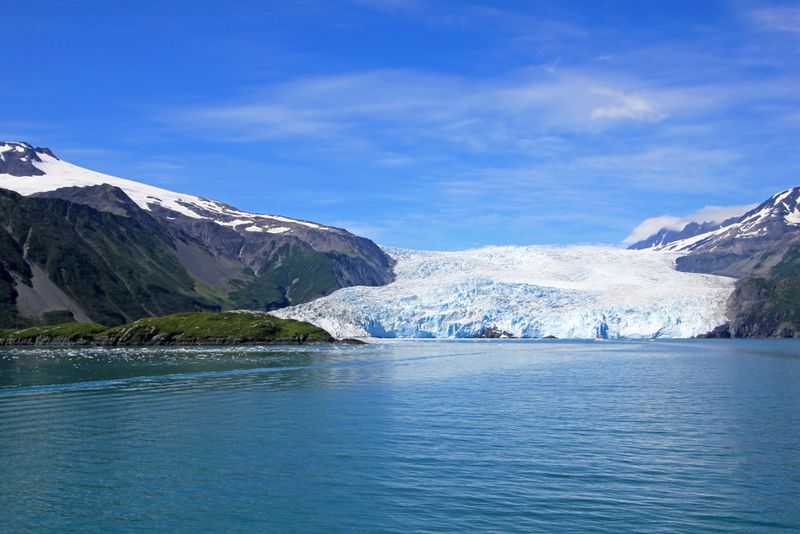
A glacier cracking across a fjord is a sound you feel as much as hear. Kenai Fjords protects an icy coastal world where boat trips reveal steep shores, seabirds, and possible whale sightings.
Exit Glacier offers access by road, while much of the park requires water travel or demanding wilderness skills. Book a smaller guided outing if personal space matters.
Bring rain gear and seasickness supplies, and keep expectations flexible when rough weather changes the day’s plans.
11. Glacier National Park, Montana: Beyond the Famous Road
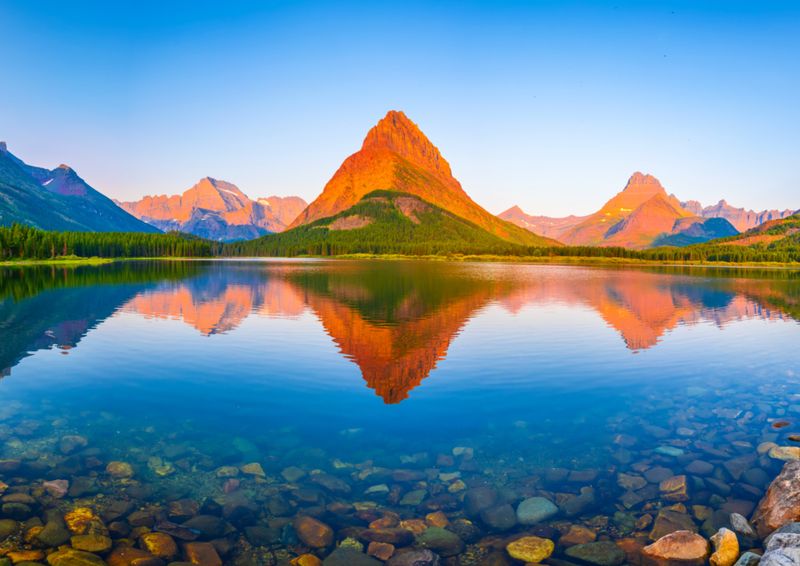
Leave the busiest roadside viewpoints behind, and the mountains begin to feel much larger. Glacier has hundreds of miles of trails, with alpine lakes and steep valleys that reward careful planning and steady walking.
Solitude is not guaranteed on famous routes, especially in summer. Ask rangers about suitable alternatives, check current entry requirements, and reserve overnight permits when needed.
Carry bear spray where recommended, know how to use it, and never approach wildlife for a photograph.
12. Black Canyon of the Gunnison National Park, Colorado: A Gorge That Commands Silence
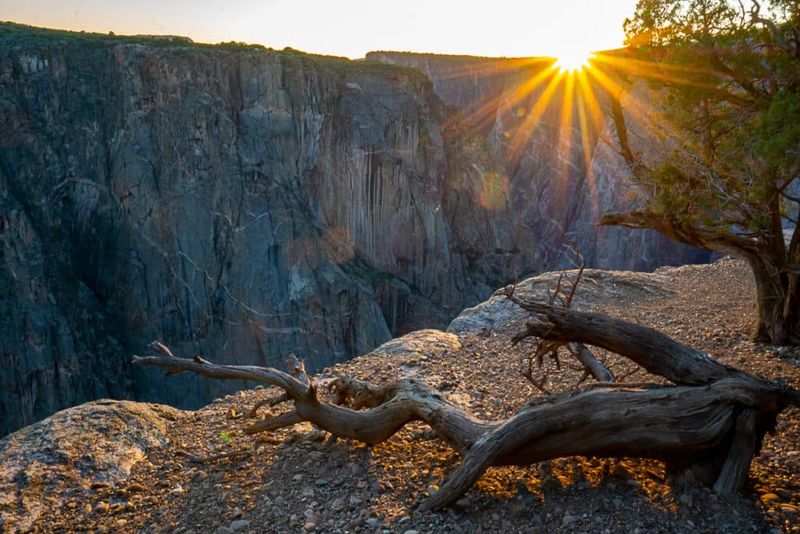
Looking down into this narrow gorge can make you instinctively lower your voice. Dark cliffs plunge toward the Gunnison River, creating views that feel dramatic even from easy overlooks along the rim.
The South Rim provides convenient access, while the North Rim often feels more secluded and has seasonal access limits. Stay behind railings and keep children close near edges.
Routes into the inner canyon are serious wilderness trips, not casual extensions of a scenic stroll.
13. Great Sand Dunes National Park and Preserve, Colorado: Footprints Into Open Space
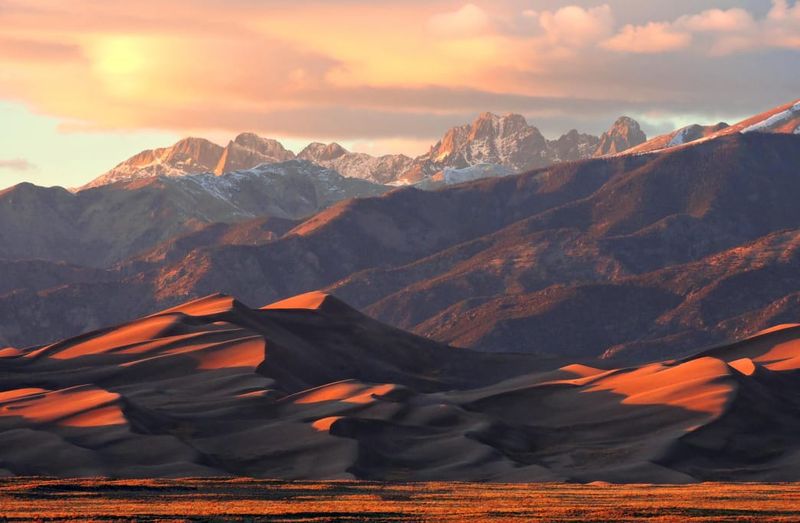
Every ridge reveals another wave of sand beneath the Sangre de Cristo Mountains. North America’s tallest dunes invite wandering, and moving beyond the main access area can bring a welcome sense of open space.
Head out early when the sand is cooler and footprints are fewer. Summer surfaces can burn bare feet, while afternoon storms bring lightning risks.
Carry water, wear closed shoes, and remember that climbing loose sand takes more effort than the distance suggests.
14. Canyonlands National Park, Utah: Choose the Quieter District
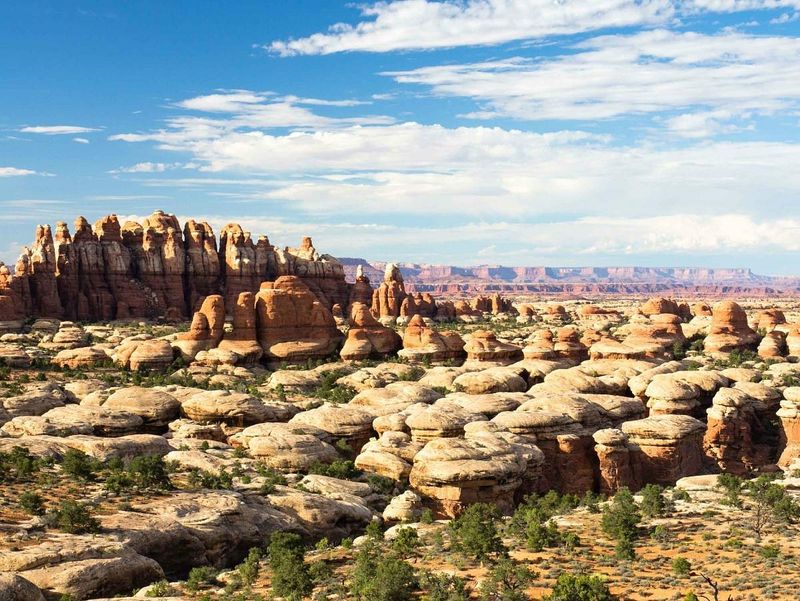
Red rock towers and winding canyons stretch far beyond the familiar overlooks. Canyonlands has separate districts, and choosing the Needles instead of only visiting Island in the Sky can change the whole trip’s rhythm.
Expect longer drives between areas because roads do not connect them directly within the park. Carry water and download maps before leaving reliable service.
Remote routes may need permits, special vehicles, or strong navigation skills, so match your plans to your experience.
15. Badlands National Park, South Dakota: Space Beyond the Overlooks
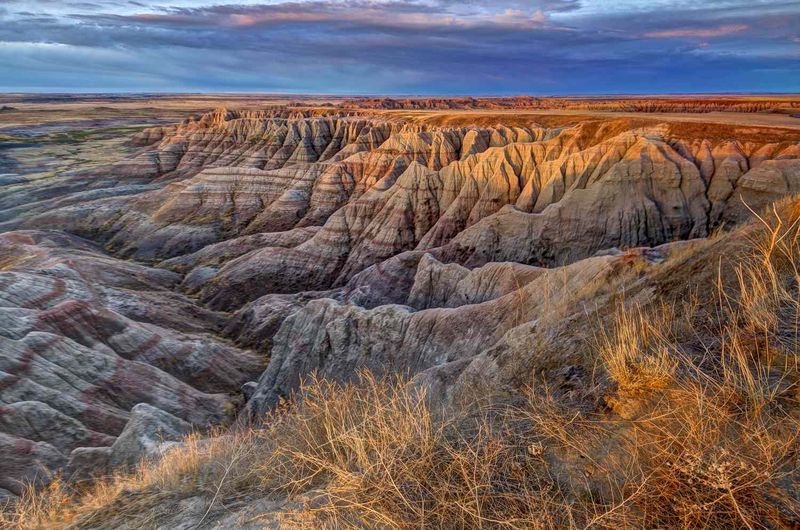
Striped buttes rise from the prairie like the ruins of another planet. Badlands offers dramatic roadside scenery, but quieter moments often come from lingering at sunrise or exploring away from the most popular stops.
Off trail travel is allowed in many areas, though careful planning still matters. Carry a map and water, watch for rattlesnakes, and avoid fragile ground after rain.
Give bison and bighorn sheep ample room, and never let a photograph guide your distance.
16. Dry Tortugas National Park, Florida: A Faraway Blue Escape
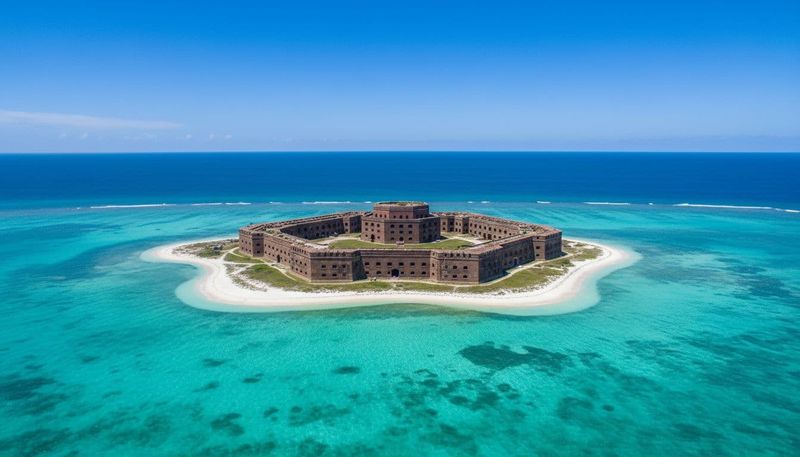
Seventy miles west of Key West, brick walls rise from brilliant blue water. Dry Tortugas blends Fort Jefferson’s history with coral reefs, seabirds, and beaches that feel far removed from mainland traffic.
Most visitors arrive by ferry or seaplane, though private boats also reach the islands. Reserve transportation early and bring essential supplies, since services are limited.
Day trips can feel busy around the fort; camping offers quieter hours after boats leave, with advance planning required.
17. Theodore Roosevelt National Park, North Dakota: Prairie Calm and Wild Views
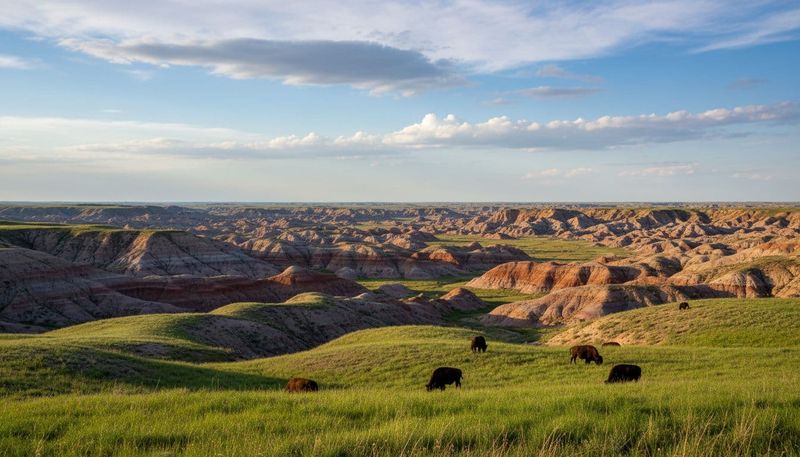
Bison grazing beneath painted badlands make the prairie feel anything but empty. Theodore Roosevelt National Park pairs rolling grasslands with rugged hills, prairie dog towns, and broad skies that encourage a slower kind of sightseeing.
The South Unit is easier to reach from Medora, while the North Unit offers another rewarding escape. Walk a trail rather than relying only on scenic drives.
Keep a safe distance from animals, and bring layers for wind and sudden weather changes.