
Some childhood habits follow us long after we leave home, shaping how we trust, handle stress, and see ourselves. In a dysfunctional family, harmful patterns keep getting in the way of care, safety, or respect.
The clues below can help you notice those patterns, but they are not proof or a diagnosis, and they can have other causes. Understanding your experience can be a first step toward healthier relationships and greater peace.
1. Trust Feels Like a Risk

A kind gesture can feel suspicious when care once came with strings attached. You might hold people at a distance, fear being left, or stay in hurtful relationships because they feel familiar.
Trust does not have to happen all at once. Notice whether someone respects small requests, keeps promises, and accepts your limits over time.
A counselor can help you understand relationship patterns without blaming yourself for the ways you learned to protect your heart.
2. Naming Your Feelings Is Hard

Someone asks how you feel, and your mind goes blank. If emotions were ignored or punished at home, you may have learned to hide them before you could understand them.
Start with simple words like sad, angry, worried, or glad. Pay attention to body clues, such as tight shoulders or a fluttering stomach.
Writing one sentence about your mood each day can build awareness without forcing you to share more than feels comfortable right now.
3. Everyone’s Happiness Becomes Your Job
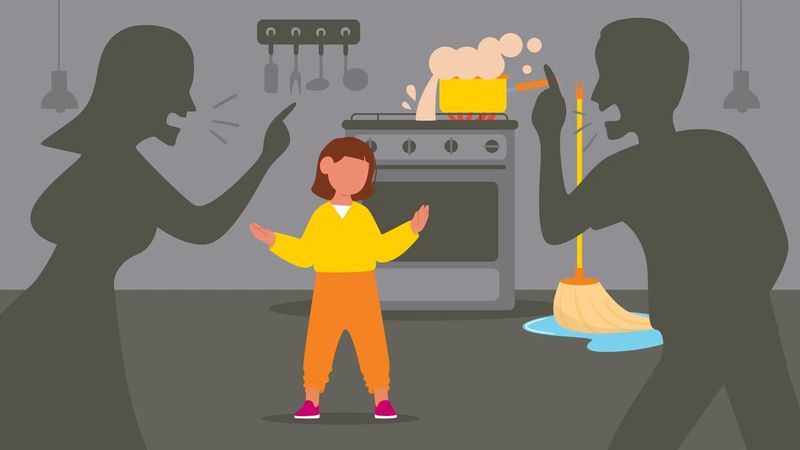
Being the family peacekeeper can become a job you never agreed to take. Perhaps you comforted adults, managed arguments, or cared for siblings before you were ready for that responsibility.
Later, resting or asking for help may bring guilt. Remind yourself that caring about someone is different from managing their feelings.
Before stepping in, ask whether the problem is yours to solve. Shared responsibility leaves room for your needs, too, without making you less loving.
4. Your Inner Critic Sounds Familiar
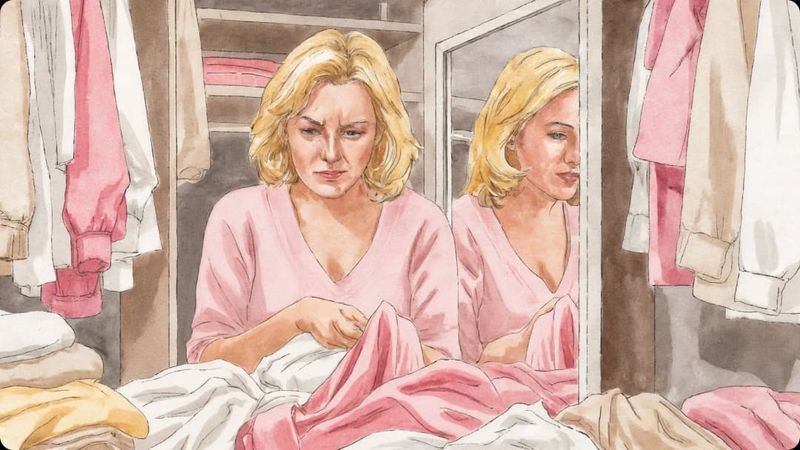
One small mistake turns into a harsh speech inside your head. Repeated criticism in childhood can shape how you speak to yourself, even when the original voices are no longer around.
Try separating a mistake from your worth: missing a deadline does not make you useless. Write down what happened, what you can repair, and what you learned.
Practicing fair, specific self-talk can slowly replace blame with a more balanced view of who you are.
5. You Keep Watching for Trouble

A door shuts loudly, and your whole body tenses. Growing up around unpredictable anger can teach you to track footsteps, facial expressions, and tiny changes in someone’s voice.
That alertness may continue in safer places, leaving you tired and distracted. When there is no immediate danger, notice your surroundings and feel your feet against the floor.
If this watchfulness disrupts daily life, professional support can help you build a stronger sense of safety over time.
6. Keeping the Peace Costs You

Saying yes can happen before you even check your schedule. When disagreement once led to punishment or rejection, pleasing others may have felt like the safest choice available.
But constant agreement can leave you drained, resentful, and unsure what you want. Practice buying time with a simple response: I need to think about that.
Healthy disagreement does not require a fight, and respectful people can hear a no without making you pay for it later.
7. Personal Limits Feel Uncomfortable

Privacy might have been treated as rude, or family rules may have changed without warning. Either experience can make it hard to know where your needs end and someone else’s begin.
A boundary explains what you will do, not how another person must behave. For example, you might leave a conversation if shouting starts.
Choose one small limit, state it clearly, and follow through when safe. Feeling uneasy does not mean your limit is wrong.
8. Worry Rarely Takes a Break

Even a quiet afternoon can come with a sense that something bad is about to happen. An unstable childhood may contribute to lasting worry, muscle tension, poor sleep, or irritability.
These symptoms also have other possible causes, so avoid assuming your family explains everything. Regular meals, movement, and a steady sleep routine may help.
If anxiety keeps interfering with daily tasks or relationships, speak with a qualified health professional about assessment and treatment options available.
9. Good Enough Never Feels Enough

The project is finished, yet you keep checking it for flaws. If praise depended on achievement or mistakes brought shame, perfect work may have seemed like your ticket to acceptance.
High standards become costly when rest feels forbidden and every slip feels personal. Try setting a clear stopping point before starting a task.
Notice effort, learning, and progress alongside results. Your value does not rise and fall with grades, promotions, spotless rooms, or other achievements.
10. Being Heard Feels Unfamiliar

Maybe your childhood looked fine from the outside, but nobody asked about your inner world. Emotional neglect can involve missing comfort, interest, or support, even when food and shelter were provided.
You may now downplay pain or feel surprised when someone listens carefully. Practice taking your own feelings seriously before deciding what to do with them.
Seeking understanding from a trusted friend or therapist is reasonable; having emotional needs does not make you demanding or weak.
11. Loneliness Follows You Into Company

A room full of people does not always bring a sense of belonging. When closeness once felt unsafe or disappointing, keeping your distance may have become a reliable form of protection.
Enjoying time alone is healthy, but unwanted isolation deserves attention. Try one manageable connection, such as a short walk with someone dependable or a regular hobby group.
Build closeness slowly through shared experiences rather than pressuring yourself to reveal your whole story at once.
12. Changes in Plans Feel Threatening

An unexpected schedule change can feel much bigger than a minor inconvenience. After a chaotic childhood, controlling details may offer a sense of safety that was missing at home.
Planning is useful, but rigid rules can strain relationships and increase stress. Start practicing flexibility with something small, like letting a friend choose lunch.
Remind yourself that discomfort is not always danger. You can make room for uncertainty without giving up your needs or good judgment.
13. Escaping Becomes Hard to Stop

Relief can become a trap when a habit starts running your life. Some people use alcohol, gambling, shopping, or other behaviors to escape feelings they never learned to manage safely.
A difficult upbringing can increase risk, but it does not make addiction inevitable. Watch for secrecy, growing costs, lost control, or repeated harm.
If a pattern worries you, reach out to a qualified professional or support group. You deserve help without shame or moral judgment.
14. Your Choices Seem Not to Matter

Why try, if nothing ever changes? That thought can take root when childhood efforts to speak up or seek help were repeatedly ignored.
Feeling powerless is not a character flaw, and being harmed was not your fault. Still, small choices today can help rebuild a sense of control.
Pick one reachable step, such as choosing an activity or requesting support. A therapist can help you separate real limits from old expectations that you remain helpless.
15. Stress Sends You Into Survival Mode

During a tense conversation, you might snap, leave, go blank, or agree just to end it. These reactions are often described as fight, flight, freeze, or fawn.
They can become habits after repeated stress, though no single reaction proves a difficult childhood. Notice your early warning signs, such as a racing heart or clenched jaw.
When safe, pause before responding and return later. Support can help you develop more choices instead of reacting on autopilot.
16. Knowing What You Want Takes Work

Picking a favorite meal can feel strangely difficult when you are used to matching everyone else’s wishes. Family roles and strict expectations may have left little room to explore your own interests.
You do not need a complete life plan to begin finding yourself. Notice what draws your attention, what drains you, and which values matter most.
Try a hobby without needing to be good at it. Preferences grow clearer when you have permission to experiment.
17. Family Visits Bring Back Old Roles

You handle work problems calmly, then feel sixteen again at a family dinner. Familiar voices, jokes, or criticism can pull you toward old habits, such as arguing, shutting down, or seeking approval.
This does not erase the growth you have made elsewhere. Prepare for visits by deciding how long to stay and which topics to avoid.
Arrange a break or exit when needed. Afterward, talk with someone supportive rather than judging yourself for having strong feelings.
18. Shame Keeps Your Story Hidden

Some families teach children to protect the family image at any cost. You may have learned to hide painful events or believe that speaking honestly would make you disloyal.
Shame says something is wrong with you, while a healthier view recognizes that harmful things happened around you. You control when, how, and with whom you share your story.
A trustworthy therapist can offer private support. Healing does not require public disclosure, family agreement, or immediate forgiveness.