
Movies change when someone dares to break the rules. Some directors found new ways to tell stories, while others fought for voices that Hollywood had overlooked.
Their ideas crossed borders, changed movie theaters, and made room for different kinds of heroes. Meet the filmmakers whose bold choices still shape what we watch today.
1. Orson Welles: A Young Rebel Behind the Camera
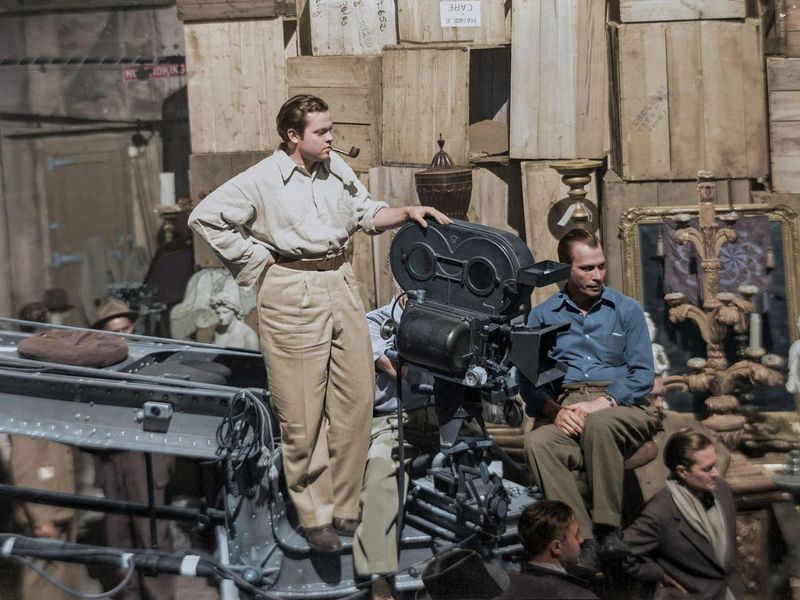
At just 25, a radio star helped turn Hollywood storytelling upside down. Welles directed and starred in Citizen Kane (1941), using unusual camera angles, layered sound, and a story told through different memories.
Working with cinematographer Gregg Toland, he kept nearby and distant details sharp within the same shot. Watch how those images reveal power and loneliness.
His later battles over creative control also exposed the limits studios placed on directors with bold, independent artistic visions.
2. Stanley Kubrick: Curiosity Without Limits
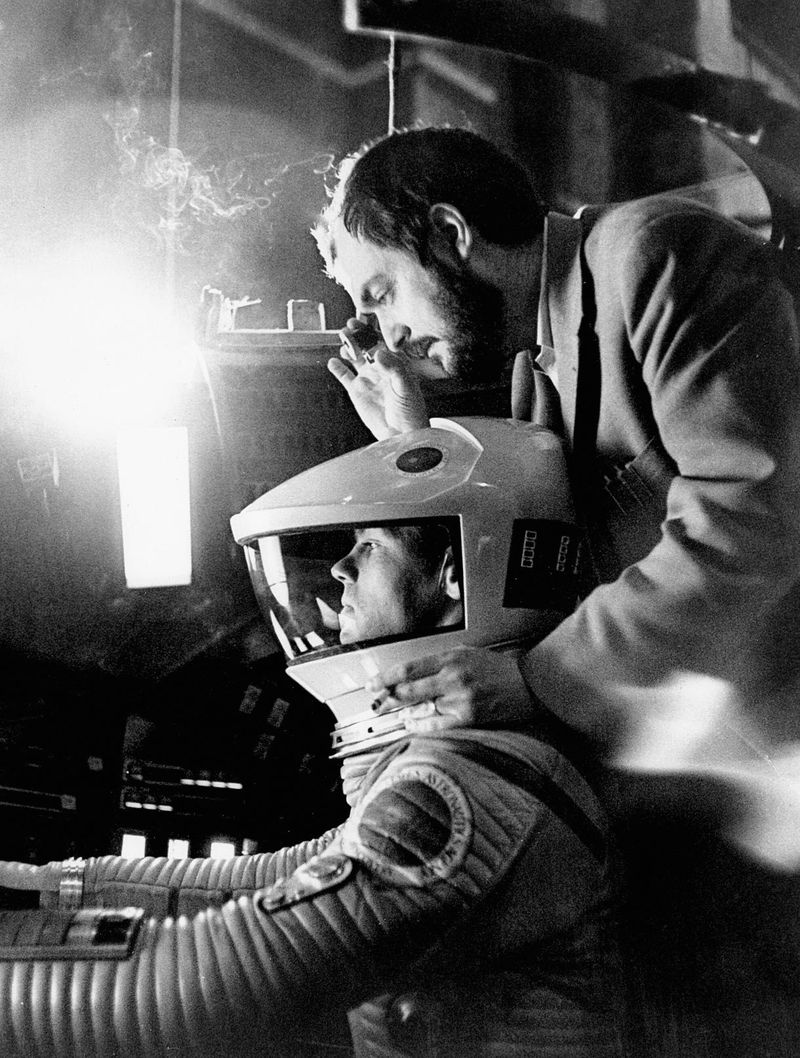
A photographer’s eye helped a largely self taught filmmaker see movies differently. Kubrick moved between war stories, dark comedy, horror, and science fiction without settling into one comfortable lane.
For 2001: A Space Odyssey (1968), he and his collaborators created space scenes that still inspire wonder. Long silences let images carry the meaning.
If the ending leaves you puzzled, that is part of its appeal: movies can invite questions instead of neatly answering every single one.
3. Akira Kurosawa: Action With a Human Heart
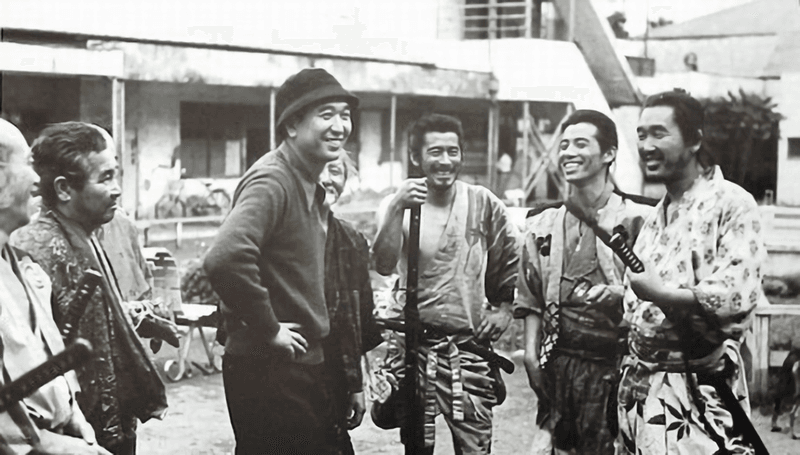
Rain, mud, and desperate choices made his action scenes feel alive. Working in Japan, Kurosawa showed filmmakers around the world how movement and editing could build excitement without losing the people inside the battle.
Seven Samurai (1954) follows warriors hired to defend a village, a setup later adapted into The Magnificent Seven. His influence also reached Star Wars.
Look beyond the sword fights: teamwork, class differences, and sacrifice give the adventure its lasting emotional pull today.
4. Alfred Hitchcock: Making Audiences Hold Their Breath
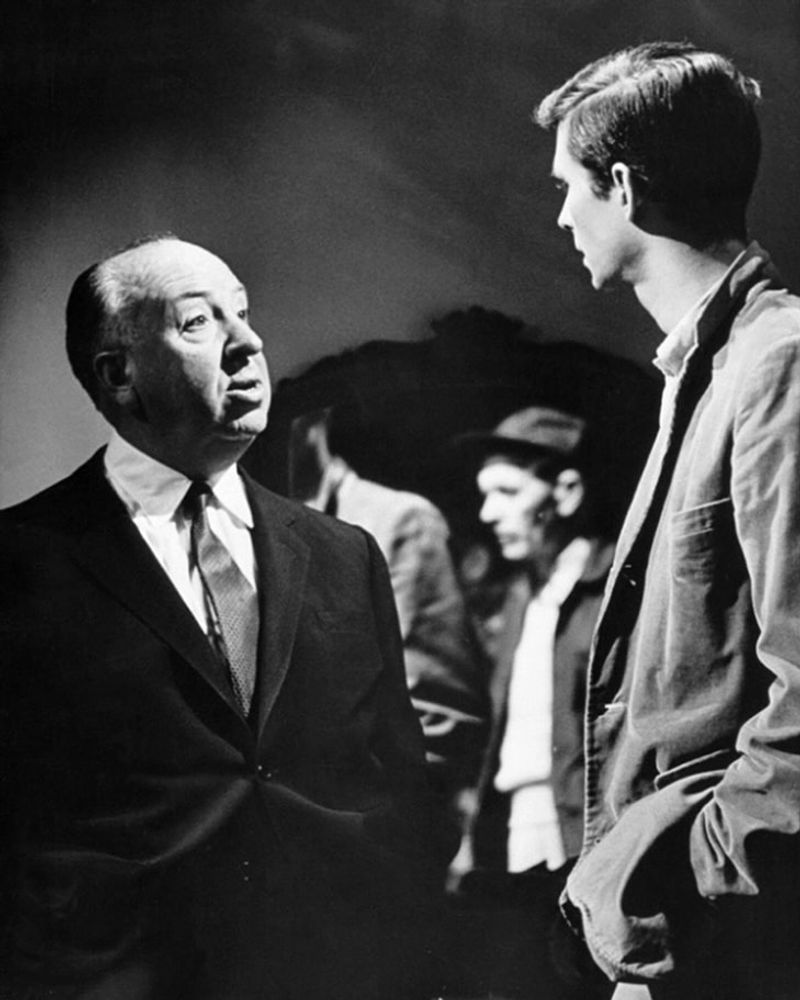
You spot the danger before the character does, and suddenly every second matters. That simple trick helped Hitchcock become a master of suspense, first in Britain and later in Hollywood.
Psycho (1960) shocked viewers through editing, music, and unexpected story turns, while Vertigo (1958) examined obsession. Notice how a glance or camera movement guides your attention.
His lasting lesson is that fear often grows from what audiences expect, rather than what a film actually shows them.
5. Steven Spielberg: Big Adventures, Real Feelings
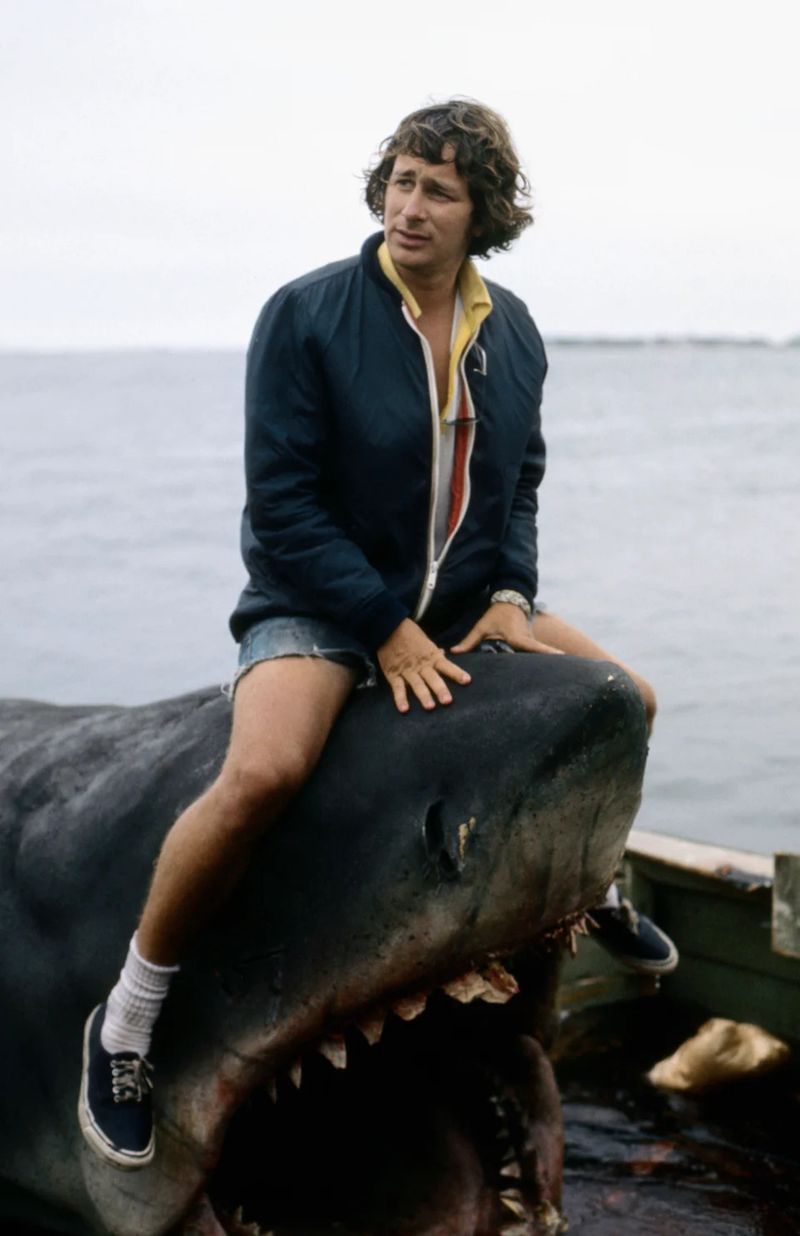
A broken mechanical shark turned a production headache into movie magic. During Jaws (1975), equipment problems encouraged Spielberg to suggest danger rather than constantly show the creature, making the suspense even stronger.
The film helped establish the modern summer blockbuster. Yet his biggest strength often lies in ordinary people facing extraordinary events, as E.T. also shows.
Watch the characters’ reactions alongside the spectacle; their fear, hope, and wonder make huge adventures feel personal to viewers everywhere.
6. George Lucas: Building More Than a Galaxy
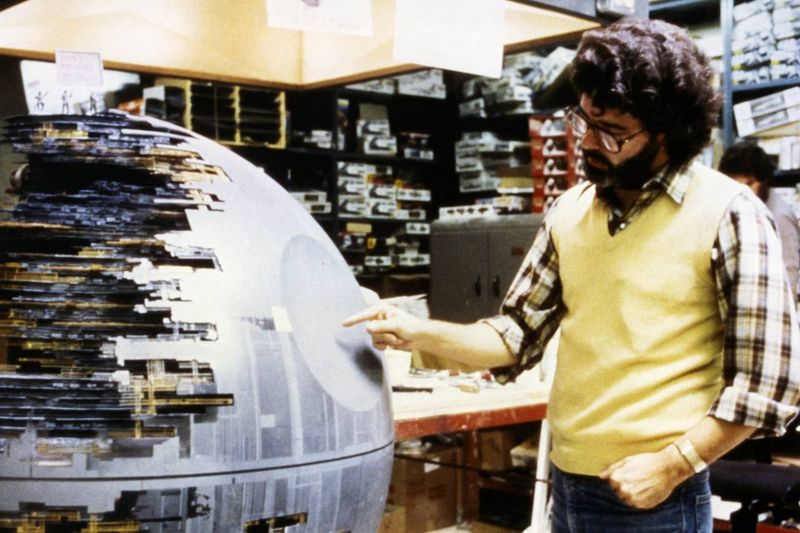
Spaceships were only the beginning of the changes he launched. With Star Wars (1977), Lucas mixed old adventure traditions with fresh effects, helping make science fiction a major force in popular entertainment.
He founded Industrial Light & Magic, whose artists transformed visual effects across Hollywood. His businesses also advanced sound standards and expanded movie merchandising.
Check the credits of later blockbusters: his influence often appears through the technical teams and tools supporting other directors’ imaginative screen worlds.
7. Martin Scorsese: Finding Stories in Restless Streets
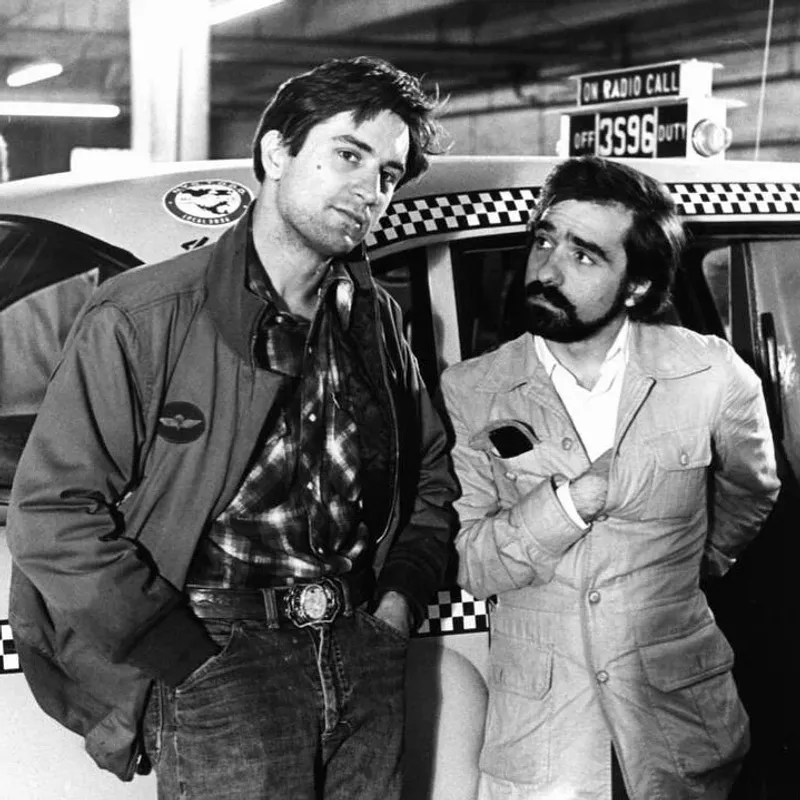
New York streets pulse through his films like an extra character. Scorsese brought sharp energy to American movies with restless camera moves, memorable music, and people caught between ambition, guilt, and violence.
Taxi Driver (1976) examines isolation, while Goodfellas (1990) strips glamour away from criminal life. Both contain disturbing material suited to mature viewers.
Beyond directing, his preservation work protects older films, reminding audiences that cinema’s future also depends on saving its fragile and varied past.
8. Billy Wilder: Sharp Jokes With Something Underneath
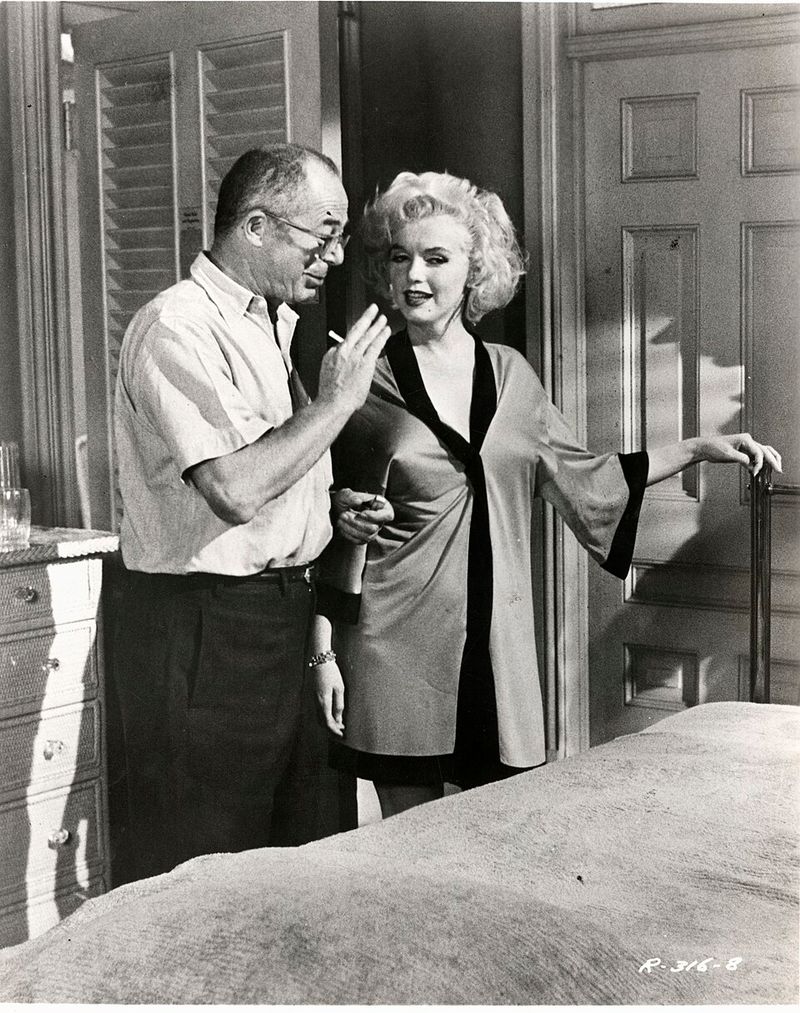
Behind the laughs, someone usually wants something they probably should not have. Wilder used that tension to create comedies and dramas filled with sharp dialogue, flawed people, and surprising turns.
Some Like It Hot (1959) challenged ideas about gender through farce, while Sunset Boulevard (1950) exposed Hollywood’s cruel treatment of fading stars. He did not invent adult comedy, but he helped sharpen its edge.
Listen for jokes that reveal character instead of merely delivering a punchline.
9. Charlie Chaplin: Laughter That Crossed Borders
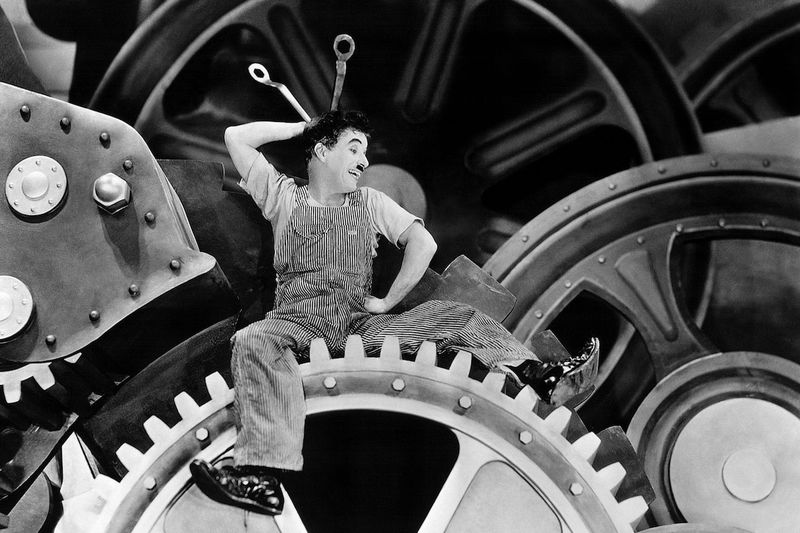
A little cane, oversized shoes, and a stubborn walk could say more than pages of dialogue. Chaplin made his Tramp character recognizable around the world through movement, humor, and surprising tenderness.
In Modern Times (1936), factory work becomes both a comic nightmare and a warning about workers losing their humanity. As a United Artists cofounder, he also sought greater creative independence.
Watch his physical timing to see how carefully built visual jokes can cross language barriers.
10. D.W. Griffith: Technical Influence, Harmful Legacy
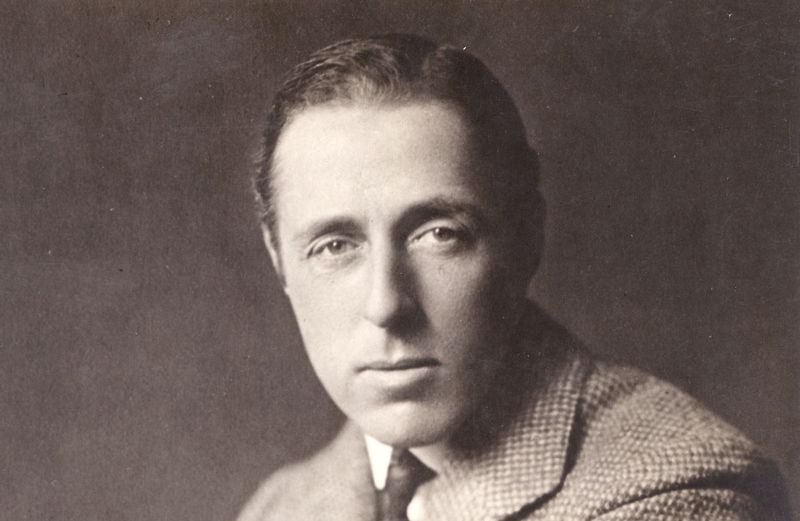
Technical influence does not erase serious harm. Griffith helped develop and popularize storytelling methods such as crosscutting and dramatic closeups, but he did not invent these tools alone.
The Birth of a Nation (1915) used powerful filmmaking to spread racist lies and glorify the Ku Klux Klan. Studying his impact requires naming that damage clearly.
His career offers a crucial lesson: artistic skill can shape public opinion, making ethical judgment just as necessary as technical understanding.
11. James Cameron: Turning Technical Risks Into Spectacle
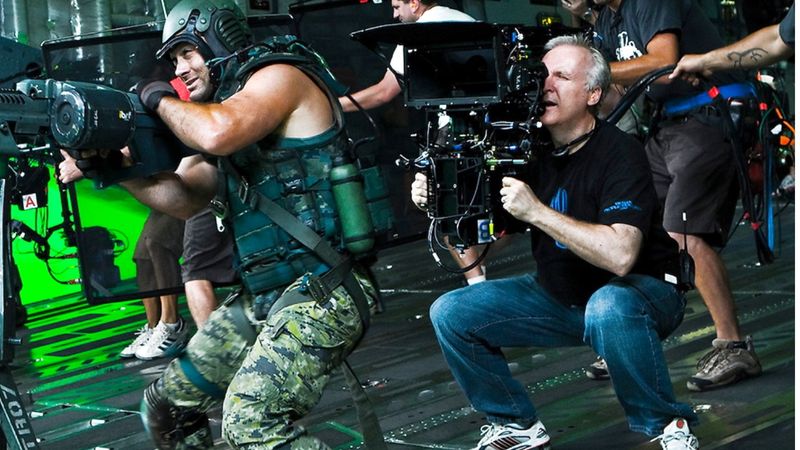
When existing tools fall short, why not help build better ones? Cameron has repeatedly pushed film technology forward while telling large scale stories about survival, love, and clashes over power.
Terminator 2: Judgment Day (1991) advanced digital character effects, and Avatar (2009) expanded performance capture and modern 3D filmmaking. Titanic (1997) paired spectacle with personal stakes.
Follow the emotional thread beneath those technical achievements: impressive images work best when viewers care about the people facing danger.
12. Quentin Tarantino: Scrambling the Story Clock
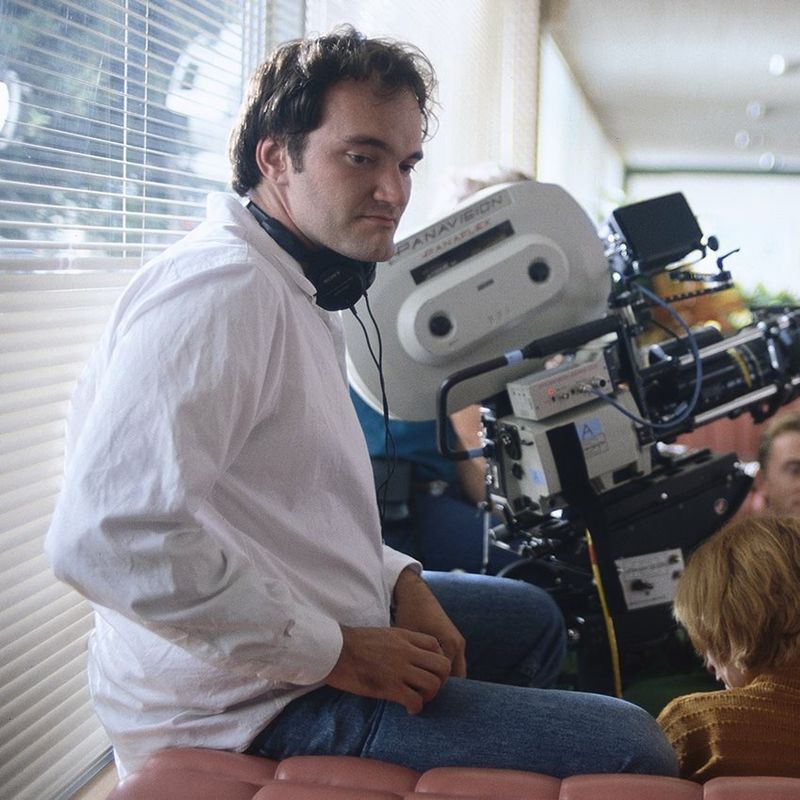
The ending might arrive before the beginning, and somehow the puzzle still clicks. Tarantino drew wide attention with Reservoir Dogs (1992), then made fractured storytelling a mainstream talking point through Pulp Fiction (1994).
His films blend lengthy conversations, movie references, dark humor, and sudden violence. They are aimed at adults, not younger viewers.
For students of storytelling, his influence shows how changing scene order can alter suspense, reveal hidden connections, and make familiar crime plots feel unexpected.
13. Kathryn Bigelow: Breaking a Major Oscar Barrier
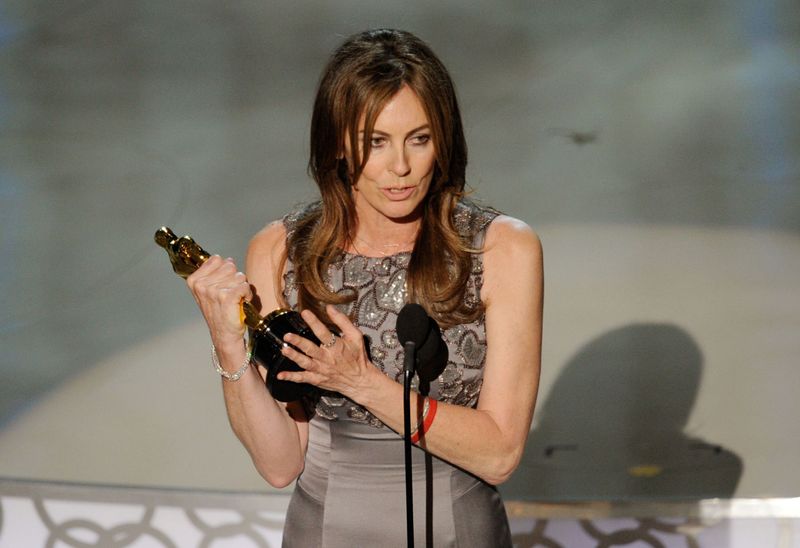
Oscar history changed in 2010 when a woman finally won Best Director. Bigelow earned that honor for The Hurt Locker, breaking a barrier that had stood since the awards began.
Her tense filmmaking puts viewers close to danger, using movement, sound, and careful pacing rather than easy comfort. Earlier work such as Point Break showed her command of action.
Her success challenged narrow assumptions about which stories women could direct and who deserved major industry recognition.
14. Ava DuVernay: Opening Doors for More Voices
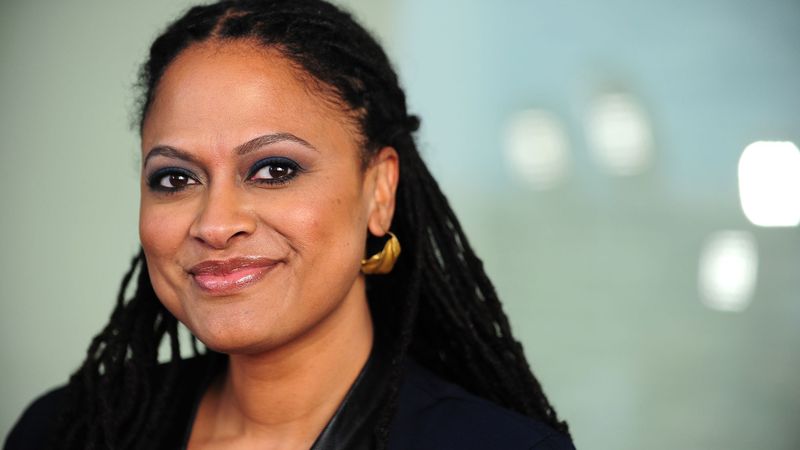
Who gets to tell the story can change what the audience sees. DuVernay brings Black experiences into focus while also working to expand opportunities for other filmmakers through her organization, ARRAY.
Selma (2014) presents civil rights history through both public action and private struggle. Her documentary 13th (2016) examines links between racial injustice and incarceration.
Together, these works invite viewers to question familiar accounts, seek missing perspectives, and recognize how representation shapes our understanding of society.
15. Ingmar Bergman: Giving Inner Questions a Face
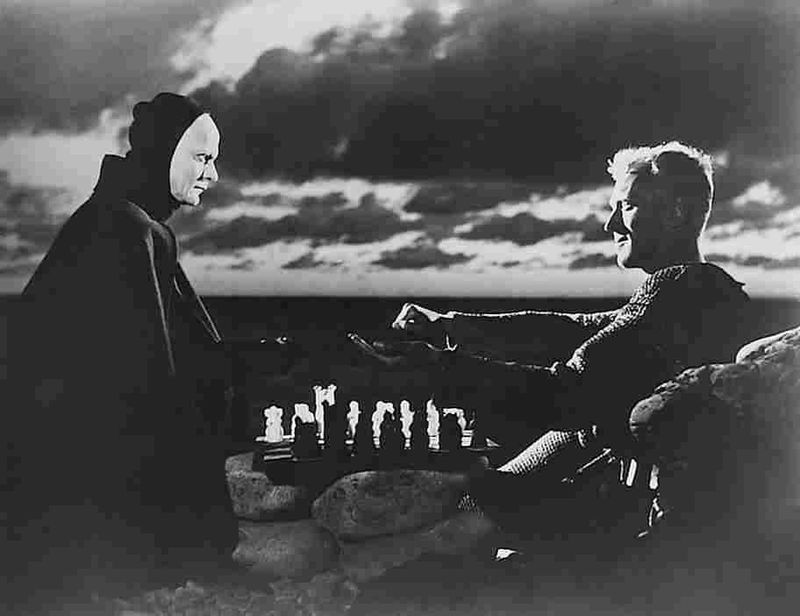
A quiet face can hold as much drama as a battlefield. Working mainly in Sweden, Bergman built films around doubt, family tensions, faith, and the difficult search for connection.
The Seventh Seal (1957) turned a knight’s chess game with Death into an unforgettable image. Persona (1966) pushed identity and film form into stranger territory.
His international success helped strengthen American interest in foreign cinema and encouraged directors to trust silence, closeups, and emotional uncertainty onscreen too.
16. Federico Fellini: Letting Dreams Take the Lead
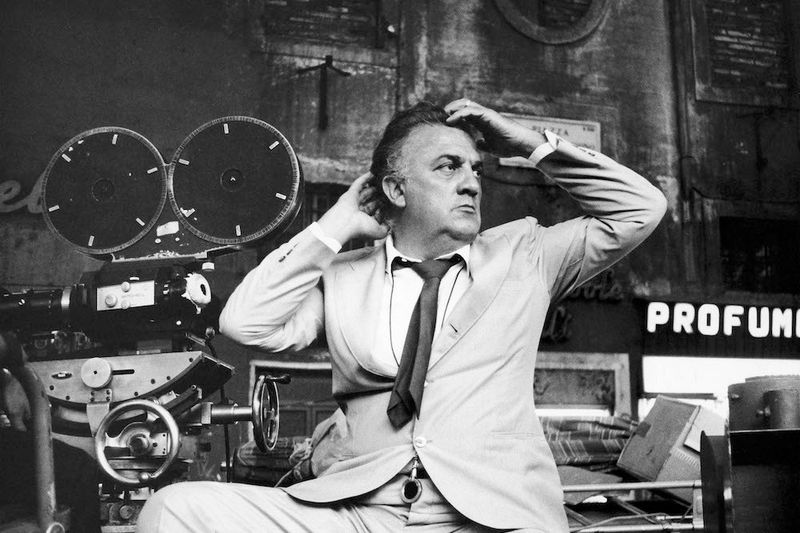
Reality gets wonderfully slippery when memories, fantasies, and circus energy share the screen. Fellini moved beyond straightforward storytelling to build worlds that felt personal, strange, funny, and sometimes deeply lonely.
La Dolce Vita (1960) explored celebrity and empty glamour, while 8½ (1963) followed a director struggling to create. His influence reached Hollywood filmmakers interested in dreams and creative confusion.
Instead of hunting for one clear meaning, notice how each scene makes you feel, then follow that feeling.
17. François Truffaut: Making Cinema Feel Personal
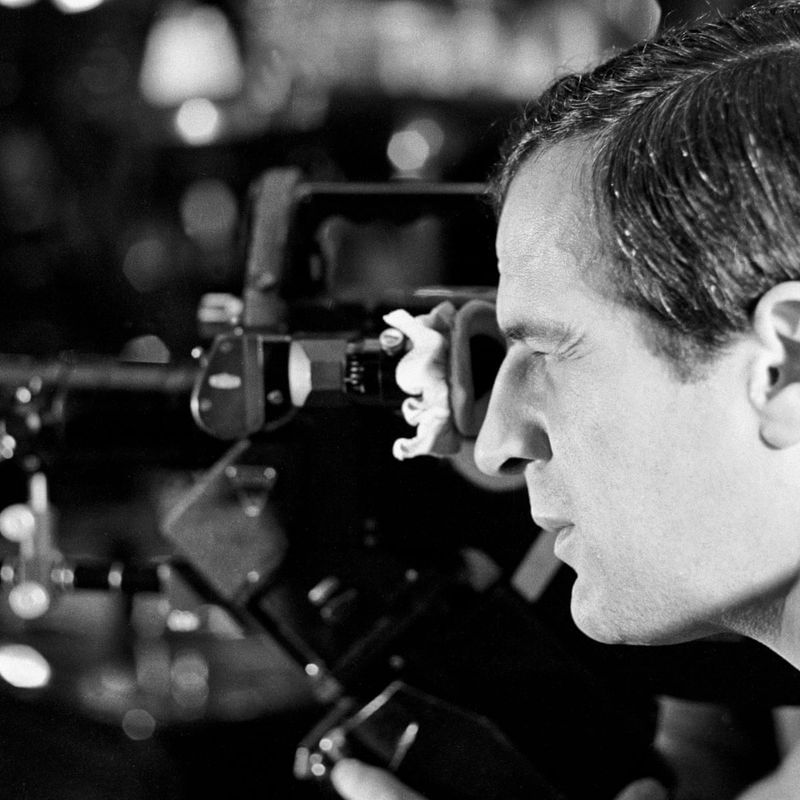
Before making movies, he argued passionately about them as a critic. Truffaut became a leading voice of the French New Wave, which challenged polished studio habits with personal stories and fresh approaches.
The 400 Blows (1959) follows a troubled boy with sympathy rather than easy judgment. Filming on real streets gave it immediacy.
His work encouraged American directors to draw from their own lives, proving that a small, honest story could matter beyond its home country.