
Long before meal planning apps and grocery delivery, cooks around the world built their best dishes from whatever happened to be affordable that week. Markets set the menu, and families got creative with what they could afford.
The result? Some of the most beloved traditional foods on the planet came straight from tight budgets and clever hands.
These 17 dishes prove that great cooking has never been about expensive ingredients.
1. Italian Ribollita – Tuscan Bread and Bean Soup
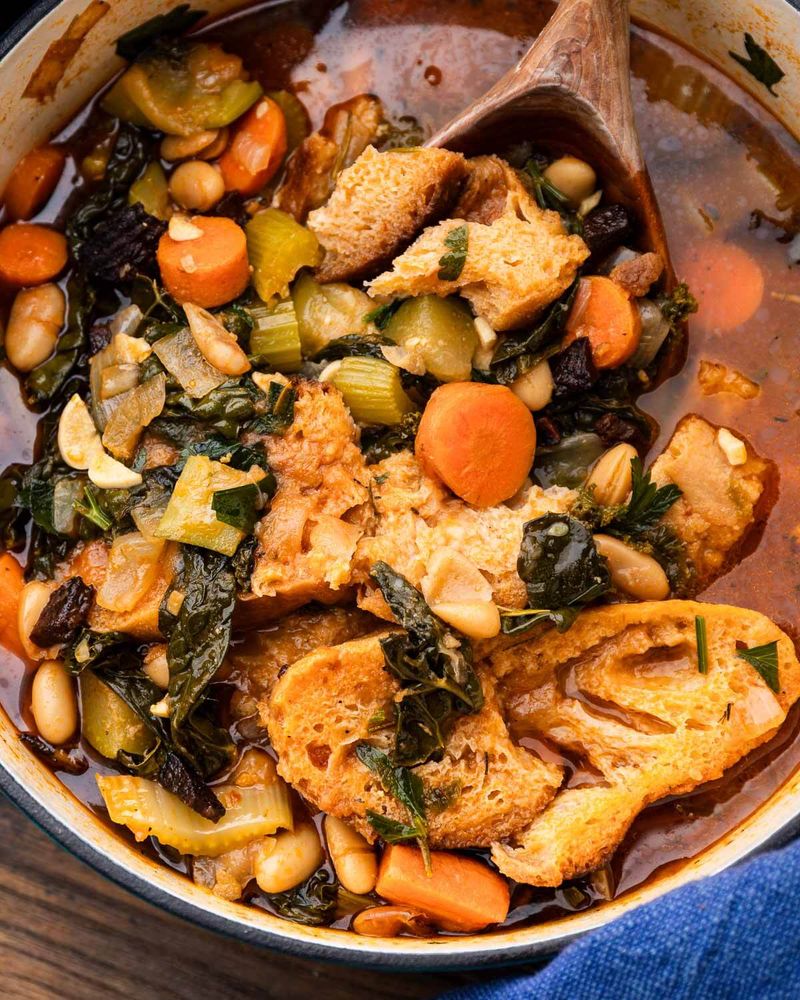
Stale bread was never thrown away in Tuscany. Instead, it became the star of ribollita, a hearty soup that literally means “reboiled.” Peasant cooks tossed leftover minestrone with day-old bread and simmered it again the next day, making it even thicker and more filling.
Cannellini beans, cheap seasonal greens, and whatever vegetables sat in the garden went into the pot. Today, ribollita appears on fancy restaurant menus, but its roots are purely humble and resourceful.
2. Spanish Gazpacho – Cold Tomato Peasant Soup
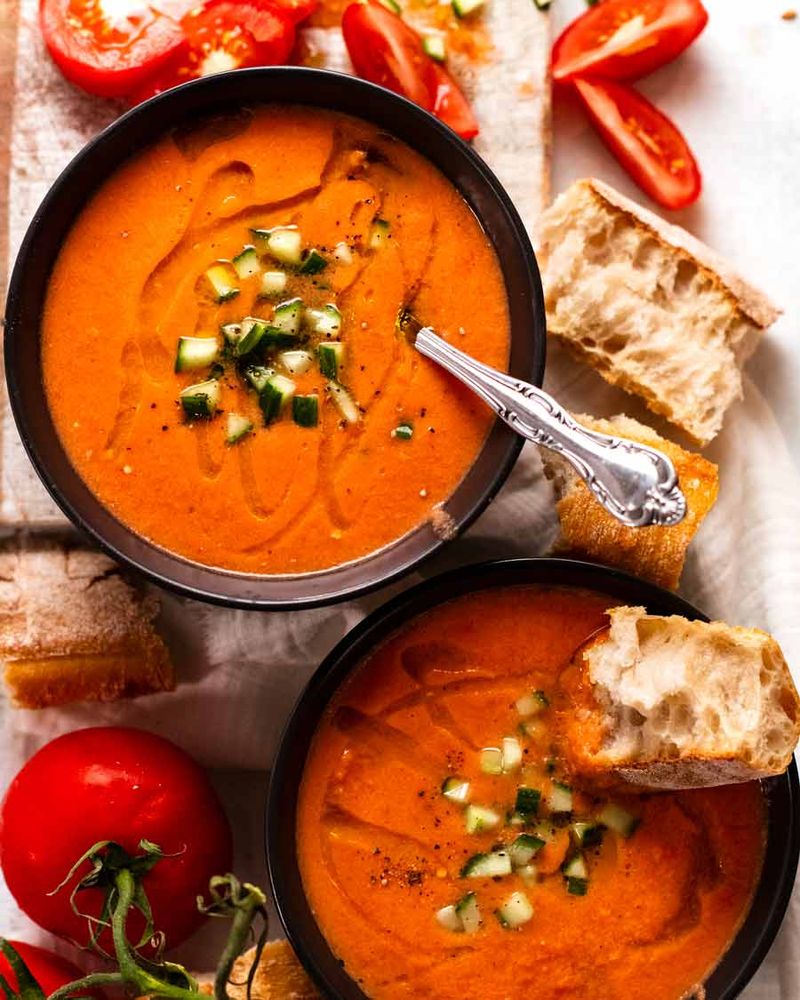
When tomatoes flooded Andalusian markets in summer, they sold for almost nothing. Clever home cooks blended them with stale bread, cucumbers, garlic, and a splash of vinegar to make gazpacho, a cold soup that required zero cooking fuel.
That made it doubly cheap. No fire needed, and the ingredients cost next to nothing.
Gazpacho kept workers cool during brutal harvests and is now one of Spain’s most iconic dishes worldwide.
3. Indian Dal – Spiced Lentil Stew
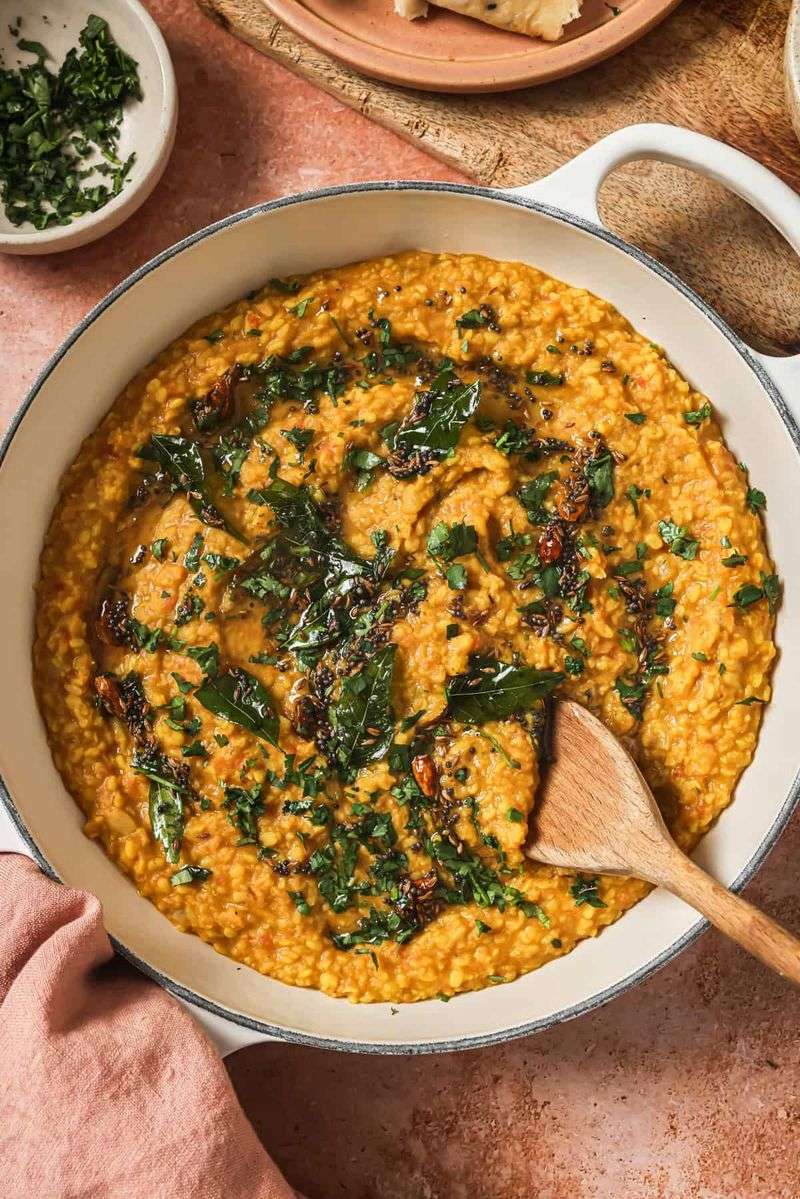
Lentils have kept Indian families fed for thousands of years because they are one of the cheapest proteins on earth. Dal is simply lentils cooked down with spices, and nearly every region of India has its own version based on what grows locally.
A small handful of cumin seeds and dried chilies bloomed in hot oil can transform a plain pot of lentils into something deeply satisfying. Dal proves that bold flavor never requires a big budget.
4. Mexican Frijoles de Olla – Pot Beans
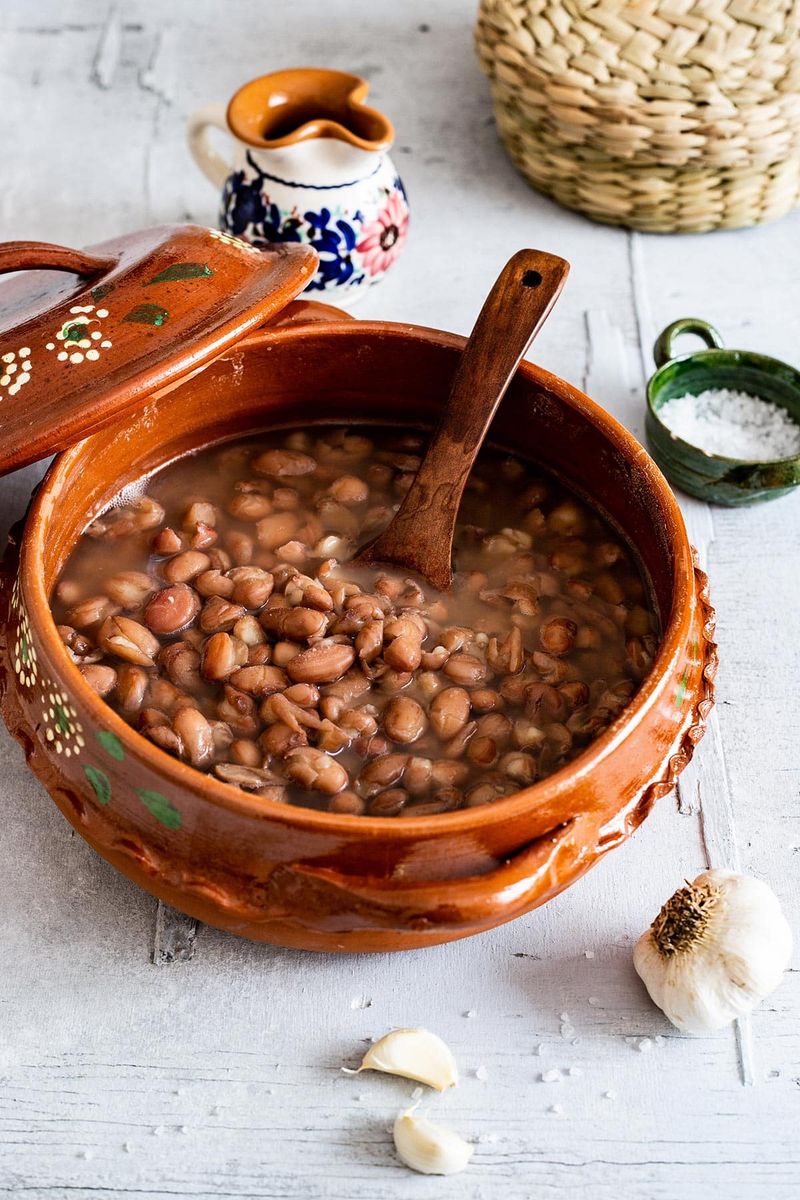
Dried beans cost almost nothing, and in Mexico, a pot of frijoles de olla simmering on the stove all day was simply a fact of daily life. Pinto or black beans slow-cooked with onion, garlic, and a sprig of epazote created a broth so good people drank it like soup.
Market day meant buying a fresh bag of dried beans when prices were low. The pot fed the family for days, stretching every peso as far as it could go.
5. French Soupe au Pistou – Provencal Vegetable Soup
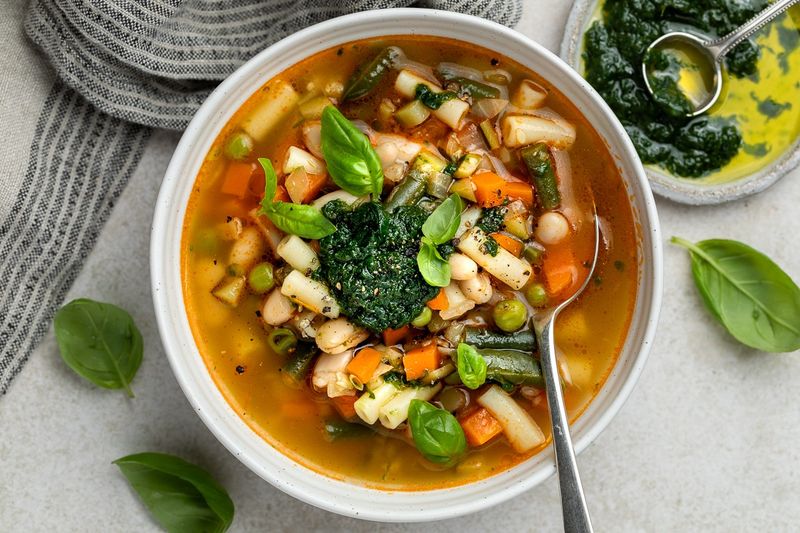
Provence in summer meant markets overflowing with zucchini, green beans, and tomatoes selling for next to nothing. Thrifty French home cooks tossed everything into a pot with white beans and pasta, then stirred in pistou, a paste of fresh basil, garlic, and olive oil, right at the end.
Pistou is basically pesto without pine nuts, keeping costs low. The soup changed week to week based purely on whatever was cheapest at the village market that morning.
6. Japanese Tonjiru – Pork and Root Vegetable Miso Soup
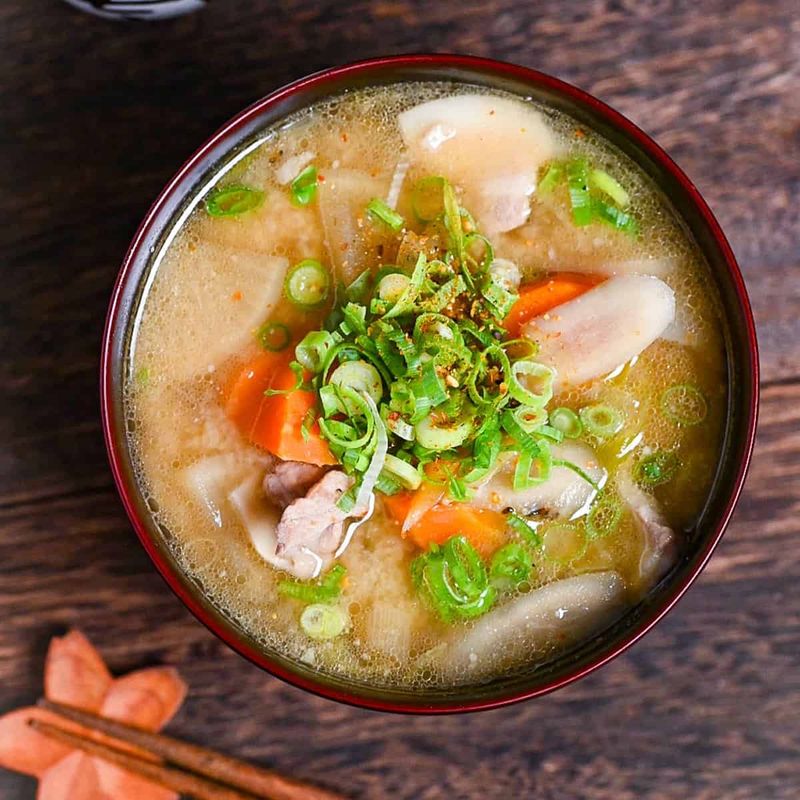
Root vegetables like daikon and burdock were always affordable at Japanese markets, especially in autumn and winter. Tonjiru combines those cheap roots with small amounts of pork and miso paste to create a soup that warms you from the inside out.
Miso itself was a pantry staple that kept for months, making it a reliable budget ingredient. A small amount of pork went a long way, adding rich flavor without raising the cost of the meal much at all.
7. Ethiopian Shiro Wat – Chickpea Flour Stew
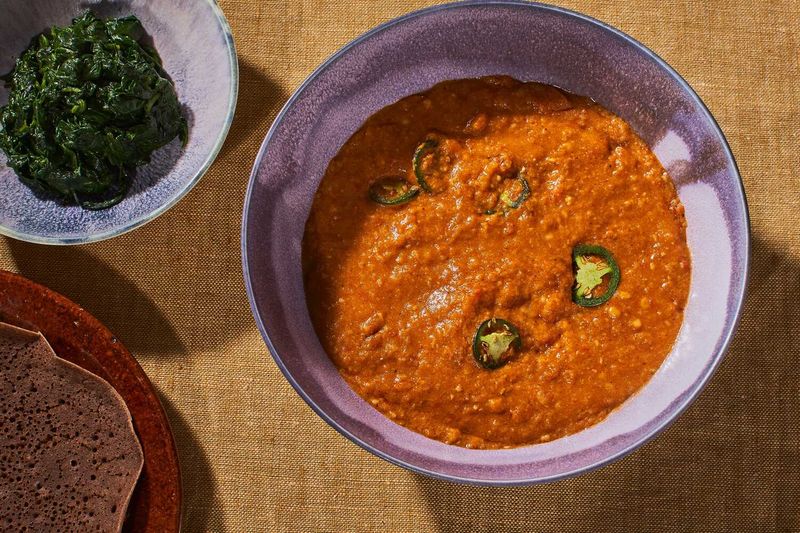
Chickpea flour might sound fancy, but in Ethiopia it has always been one of the most affordable pantry staples around. Shiro wat is made by whisking shiro powder into spiced onion and oil, creating a silky, deeply flavorful stew with almost no expensive ingredients required.
During fasting periods when meat was not eaten, shiro wat fed entire communities. It is quick to make, filling, and endlessly satisfying, which is exactly why it remains a daily staple across the country.
8. Portuguese Caldo Verde – Green Kale Soup
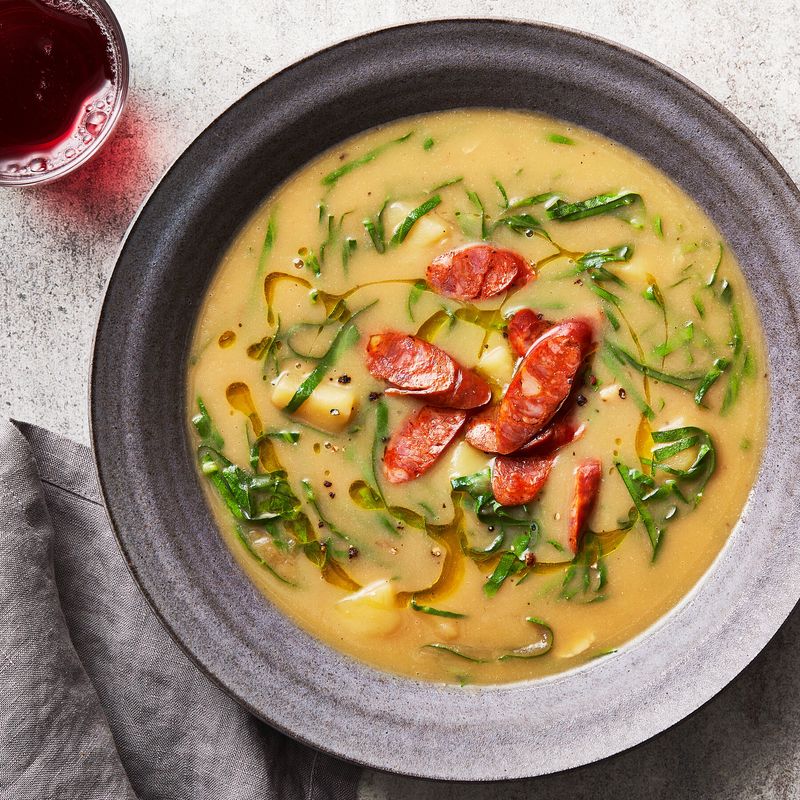
Kale grew abundantly and cheaply across northern Portugal, making it the natural centerpiece of caldo verde. Potatoes thickened the broth for free, and a few slices of chourico sausage added smoky depth without costing much at all.
This soup was so tied to everyday life that it became the unofficial dish of Portugal. You will find it at weddings, festivals, and family dinners alike.
Simple ingredients, cooked with care, turned into something people genuinely look forward to eating.
9. Korean Doenjang Jjigae – Fermented Soybean Paste Stew
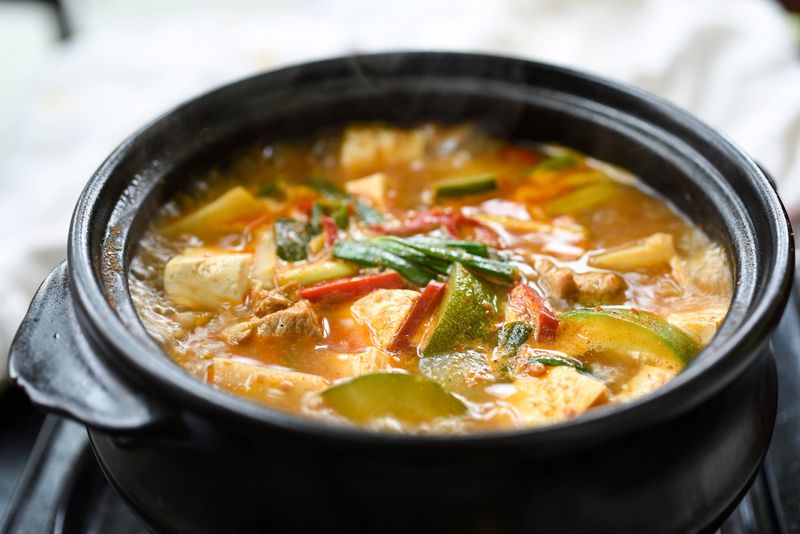
Fermented soybean paste, or doenjang, was a Korean kitchen essential that cost almost nothing and lasted forever. Combined with cheap tofu, seasonal vegetables, and dried anchovies for broth, it created a stew with extraordinary depth of flavor.
Korean grandmothers are famous for their doenjang jjigae, and no two recipes taste exactly alike. The stew changed based on what vegetables were cheap at the market that week, making it endlessly adaptable and always genuinely delicious.
10. Nigerian Egusi Soup – Melon Seed Stew
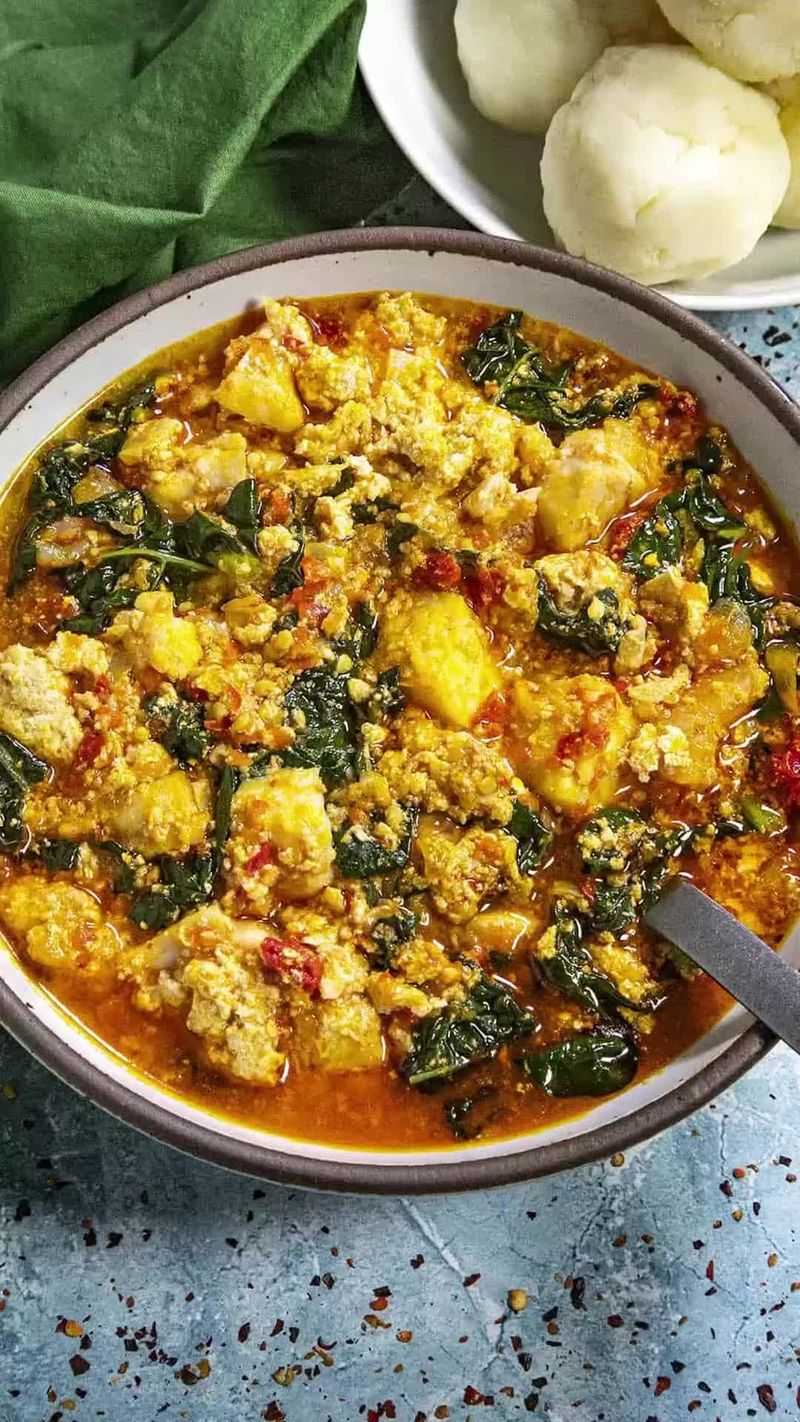
Ground melon seeds, called egusi, were a brilliant solution to feeding large families on very little. They thicken soup naturally and add protein, making them an affordable powerhouse ingredient at West African markets for generations.
Palm oil gave the stew its gorgeous deep color without adding much cost. Leafy greens, dried fish, and whatever affordable meat was available rounded it out.
Egusi soup is eaten across Nigeria and neighboring countries, always anchored by the same budget-friendly logic.
11. Greek Fasolada – White Bean Soup
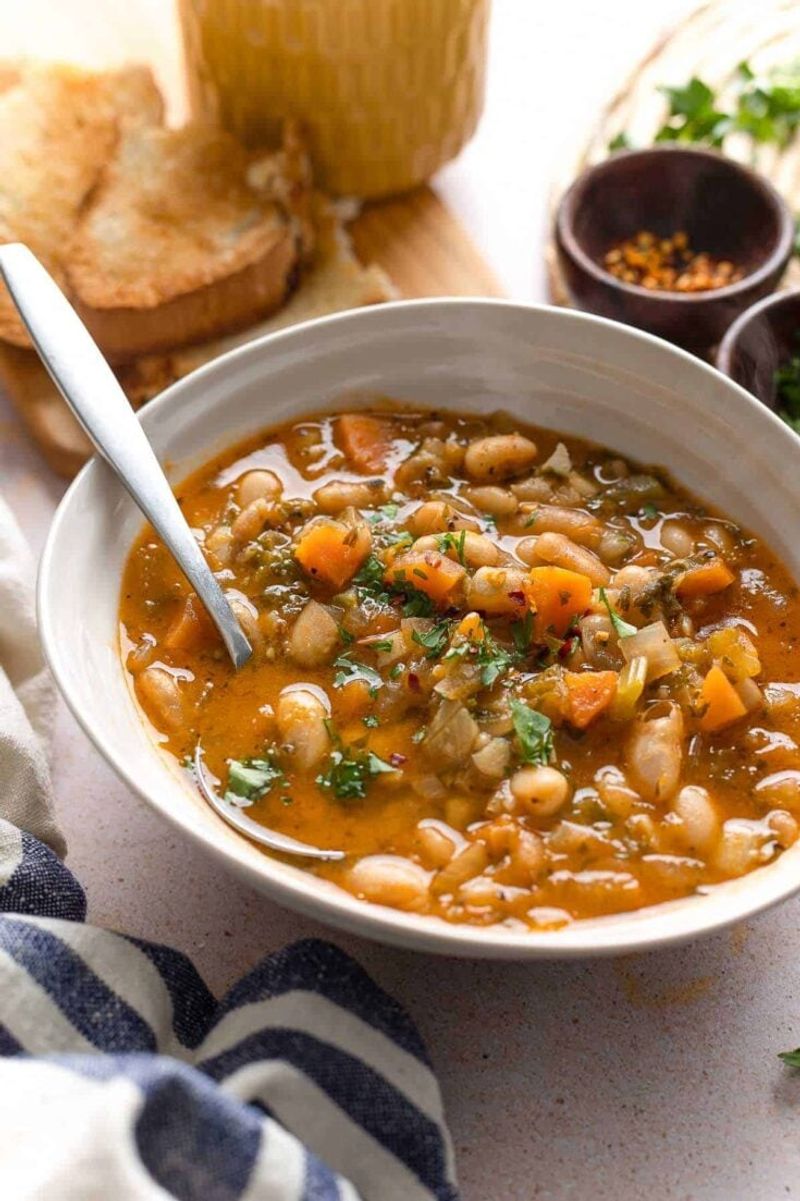
Greeks call fasolada the national dish, and it earned that title because it fed the country through poverty, wars, and hard winters. White beans were cheap, filling, and easy to store, making them a market staple that families always kept in the pantry.
Olive oil, tomatoes, celery, and carrots completed the soup with almost no expense. What makes fasolada special is the generous pour of raw olive oil added at the end, giving it a richness that feels anything but poor.
12. Moroccan Harira – Tomato Lentil and Chickpea Soup
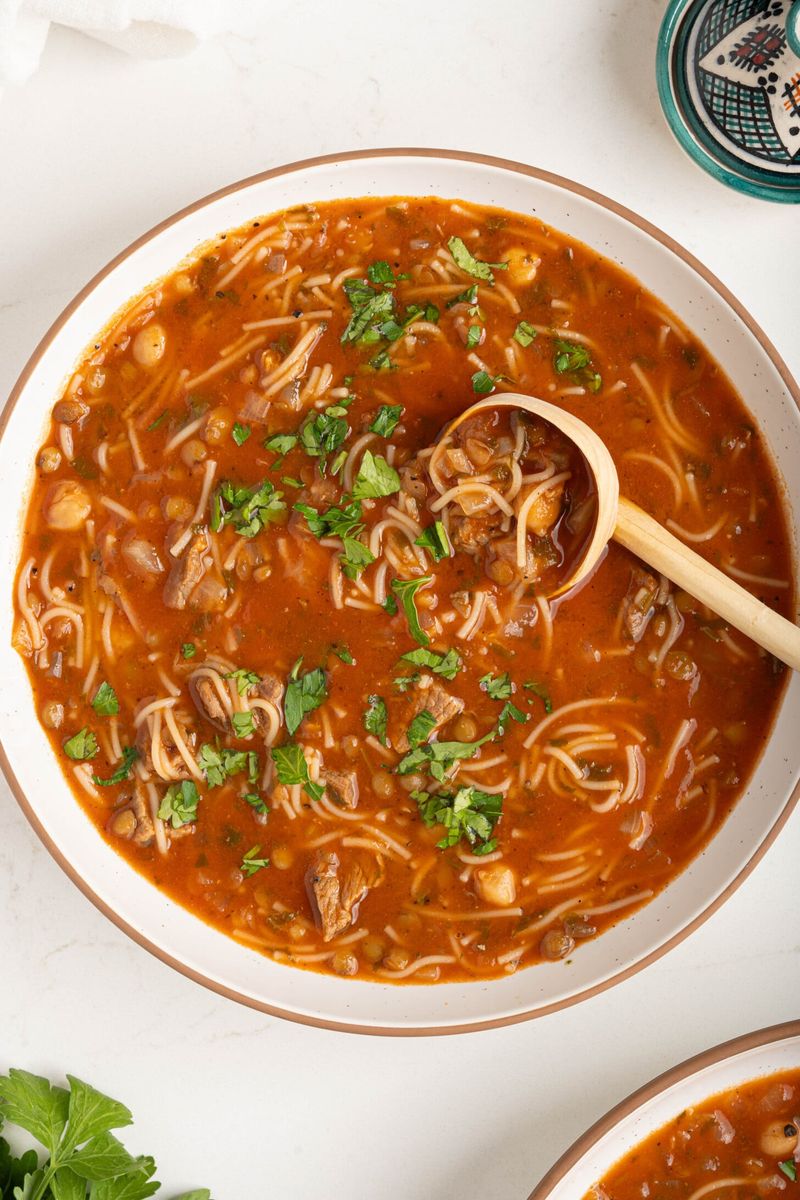
Harira started as a way to use up legumes and tomatoes that were plentiful and cheap at Moroccan souks. Lentils, chickpeas, and broken vermicelli noodles all went into the pot together with warming spices like cumin, turmeric, and cinnamon.
Today harira is famously eaten to break the Ramadan fast each evening, but it was originally an everyday meal for ordinary families. A squeeze of fresh lemon at the end brightens every single bowl beautifully.
13. Chinese Congee – Rice Porridge
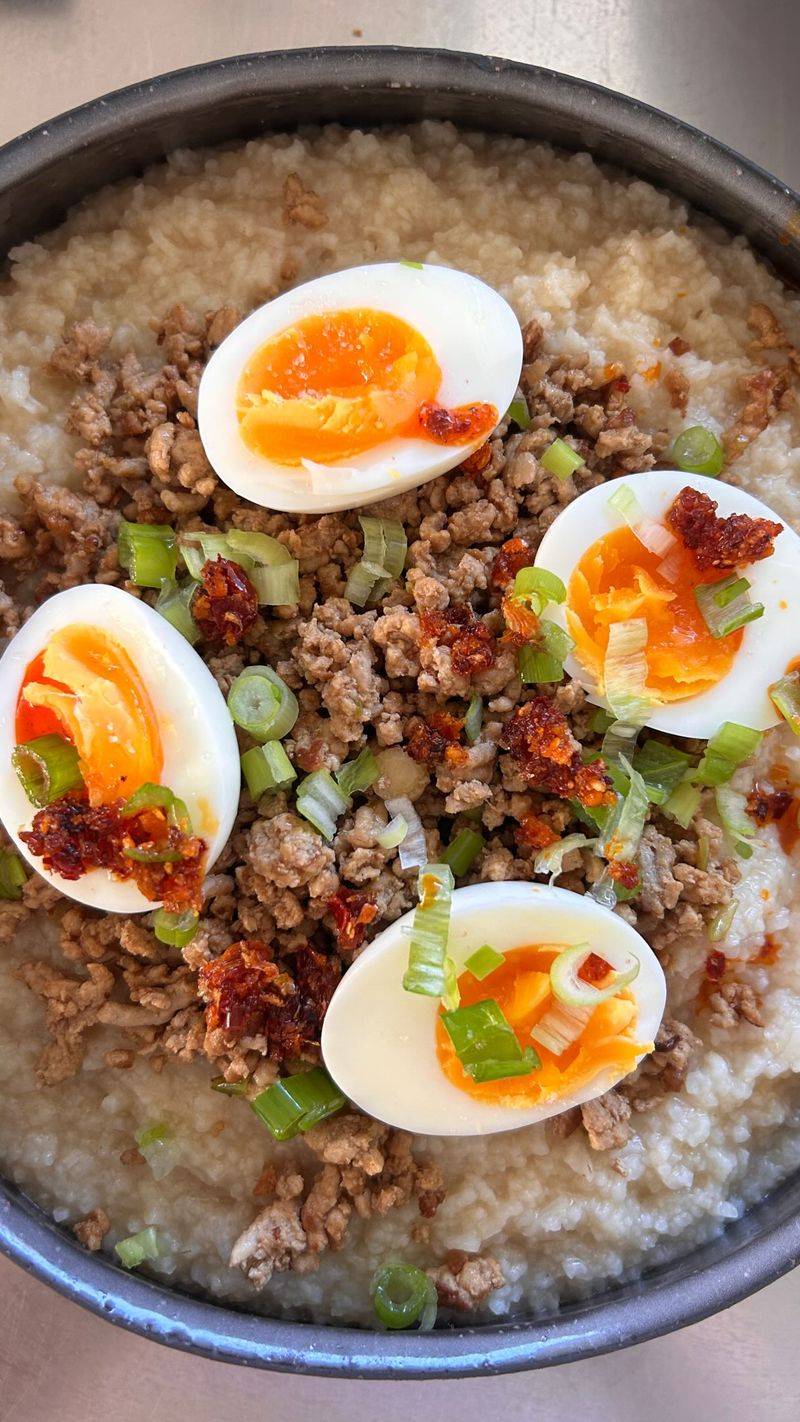
A small amount of rice cooked in a large amount of water stretches a cheap ingredient into a full, satisfying meal. That is the genius of congee, which has fed Chinese families for centuries when rice prices were low and everything else was scarce.
Toppings changed based on whatever was affordable at the market, from salted eggs to pickled vegetables to bits of pork. Congee is endlessly forgiving, deeply comforting, and a masterclass in making very little go very far.
14. Brazilian Feijao Tropeiro – Beans with Manioc Flour
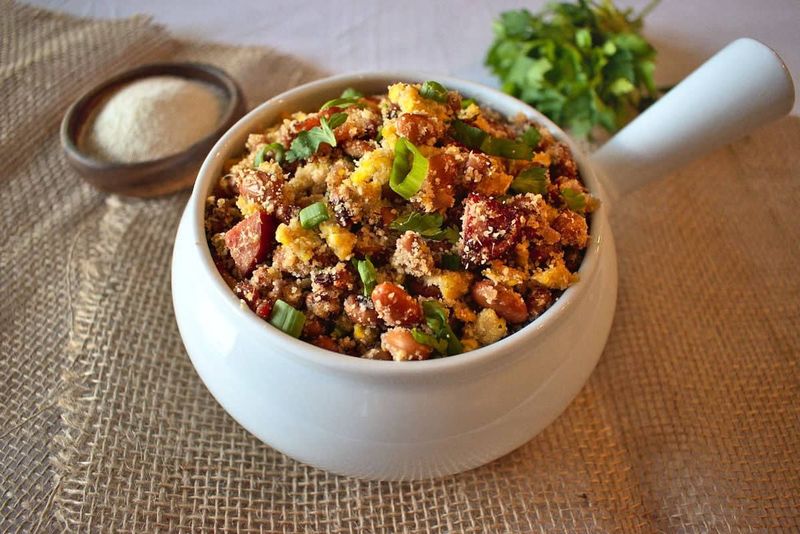
Mule drivers crossing Brazil’s interior in the 1700s needed cheap, filling food that traveled well. Feijao tropeiro was born from that need, combining cooked beans with toasted manioc flour, eggs, and bacon to create a hearty mixture that kept workers going all day.
Manioc flour was incredibly cheap and widely available at every market along the route. The dish became a staple of the Minas Gerais region and remains a beloved comfort food that still feels like a warm hug on a plate.
15. Egyptian Koshari – Rice Lentils and Pasta
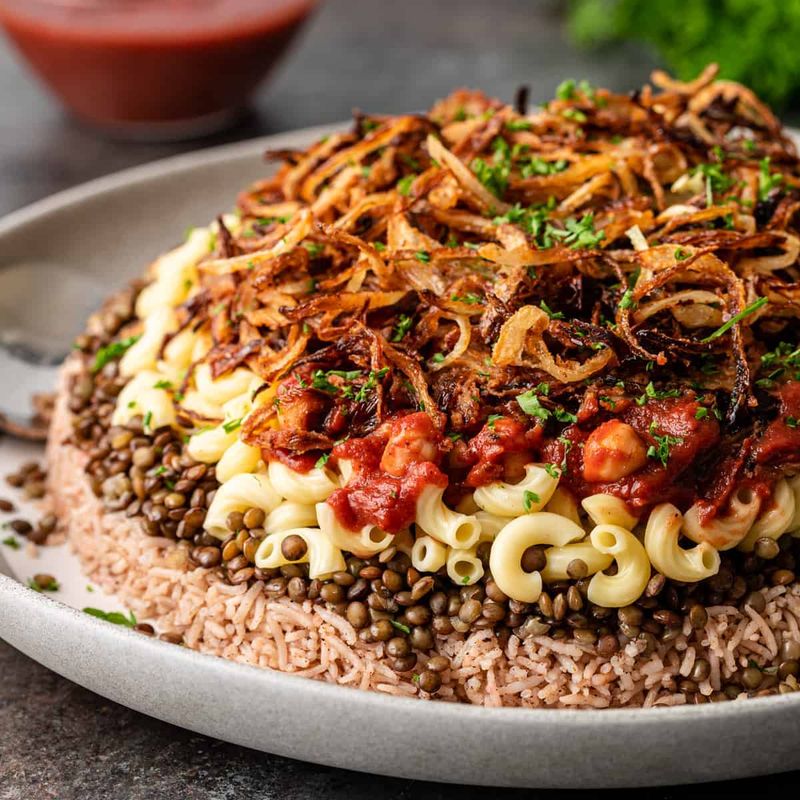
Koshari is Cairo on a plate. It was created by combining whatever starchy leftovers happened to be cheap, rice, lentils, and pasta all in one bowl, then topping it with a tangy tomato sauce and crispy fried onions.
Each ingredient costs almost nothing on its own, but together they create something surprisingly complex and crave-worthy. Street vendors have been selling koshari from carts for over a century, and it remains one of Egypt’s most popular and affordable everyday meals.
16. Irish Colcannon – Mashed Potatoes with Cabbage
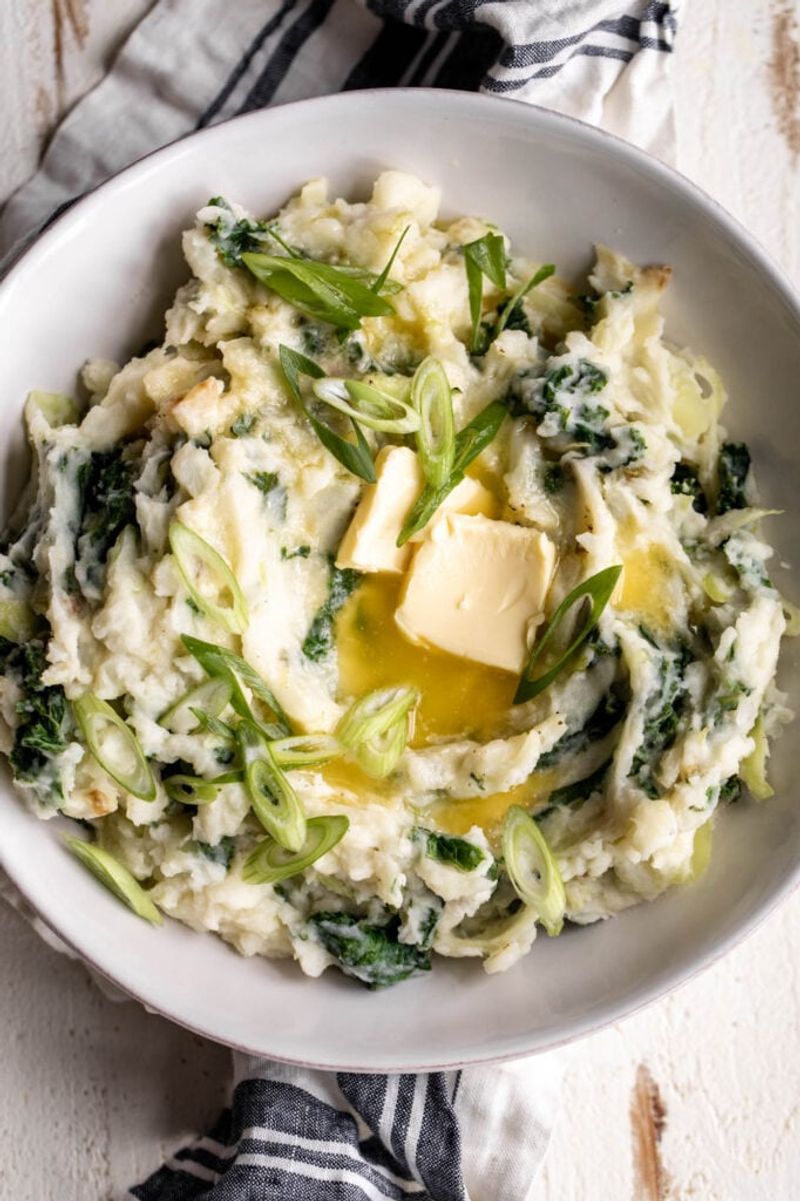
Potatoes and cabbage were the two cheapest vegetables at Irish markets for most of the 18th and 19th centuries, so combining them was just common sense. Colcannon mashes them together with butter and scallions into something far greater than the sum of its parts.
On Halloween, Irish families hid coins inside the colcannon for children to find. That tradition turned a poverty-born dish into a celebration food.
Few things in the world are as comforting as a bowl of buttery colcannon on a cold evening.
17. Peruvian Sopa a la Minuta – Quick Noodle and Beef Soup
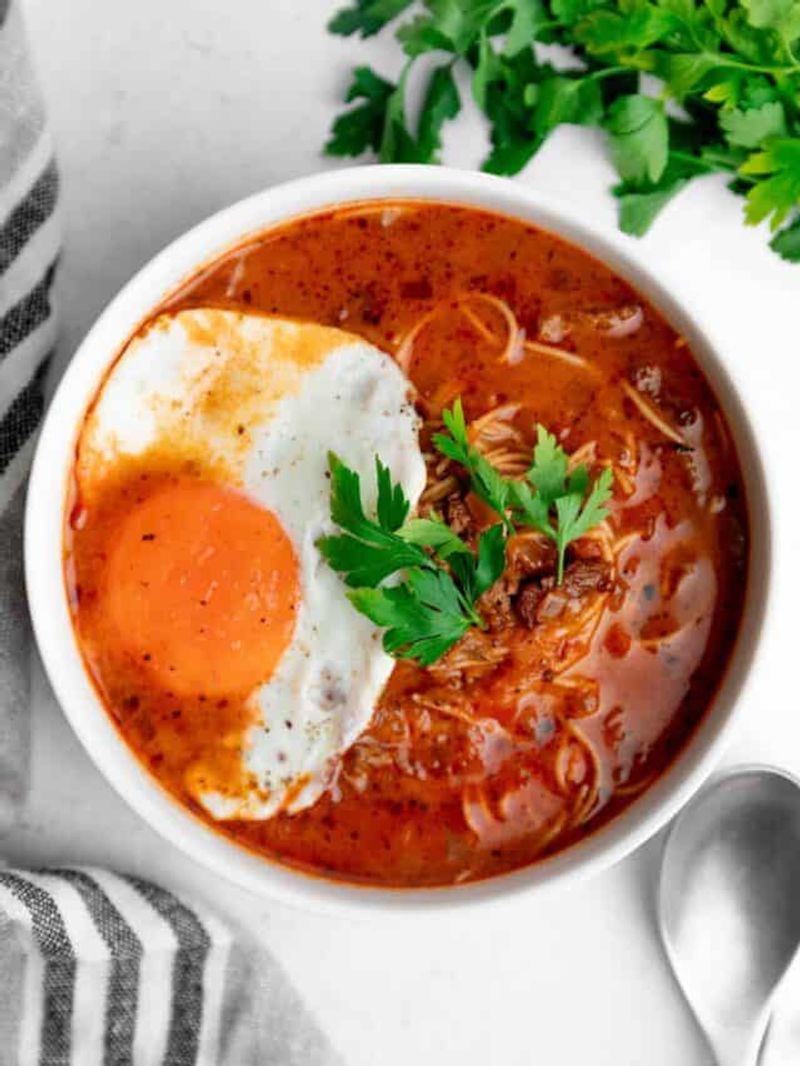
Lima’s working-class neighborhoods needed something fast, hot, and cheap for lunch. Sopa a la minuta, which literally means “soup in a minute,” delivered exactly that.
A small amount of ground beef stretched across a big pot of noodles and tomato-based broth fed a whole table.
The trick was beating an egg directly into the hot soup, which thickened the broth and added protein without extra cost. Market vendors sold the ingredients together as a bundle, making shopping and cooking both quick and easy.