
Some of the best meals in the world cannot be rushed. Around the globe, families still make special dishes that need days of soaking, rising, fermenting, or simmering before they hit the table.
These foods carry history, love, and patience in every bite. Once you learn what goes into them, you might never look at a quick dinner the same way again.
1. Mole Poblano
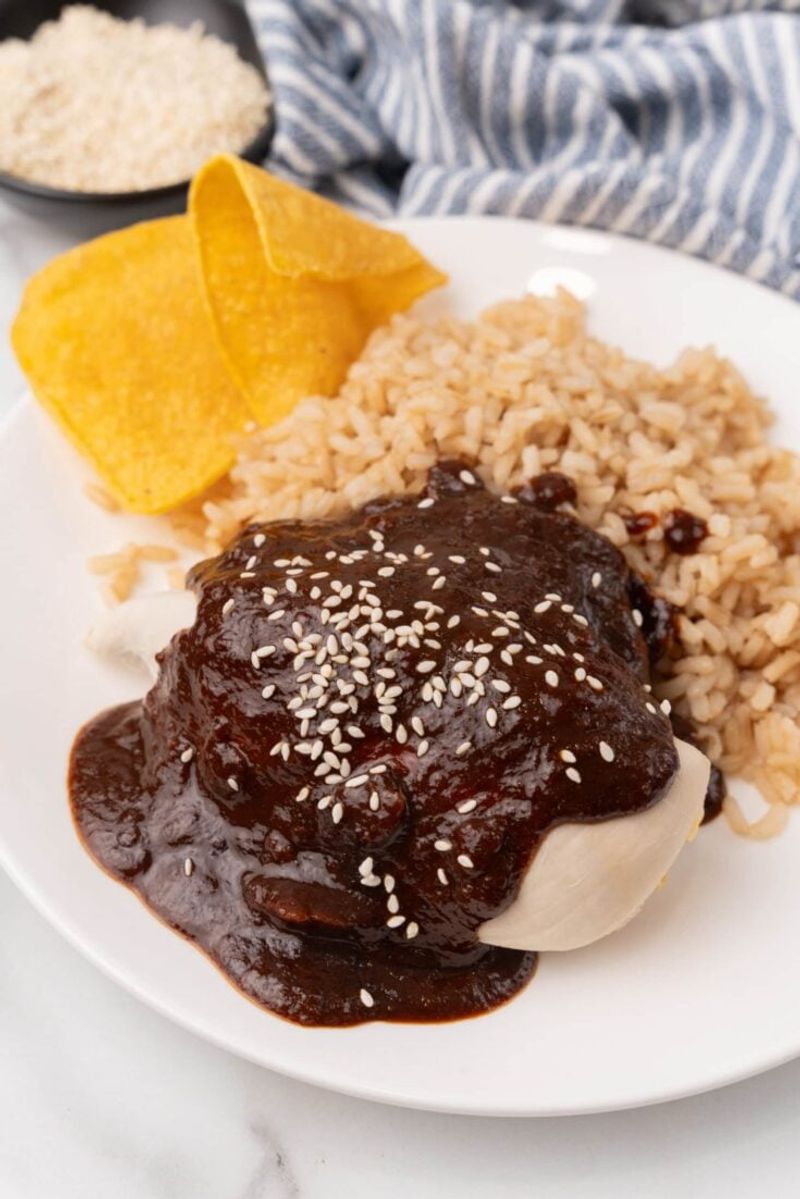
Picture a sauce with more than twenty ingredients, from dried chiles to chocolate. Mole poblano from Puebla, Mexico, is exactly that kind of kitchen project.
Families often spend two or three days toasting, grinding, and simmering everything into one rich, dark sauce. Many cooks say it tastes even better the next day.
Fun fact: legend says nuns invented it to impress a visiting archbishop. Try making a big batch and freezing some for later.
2. Kimchi
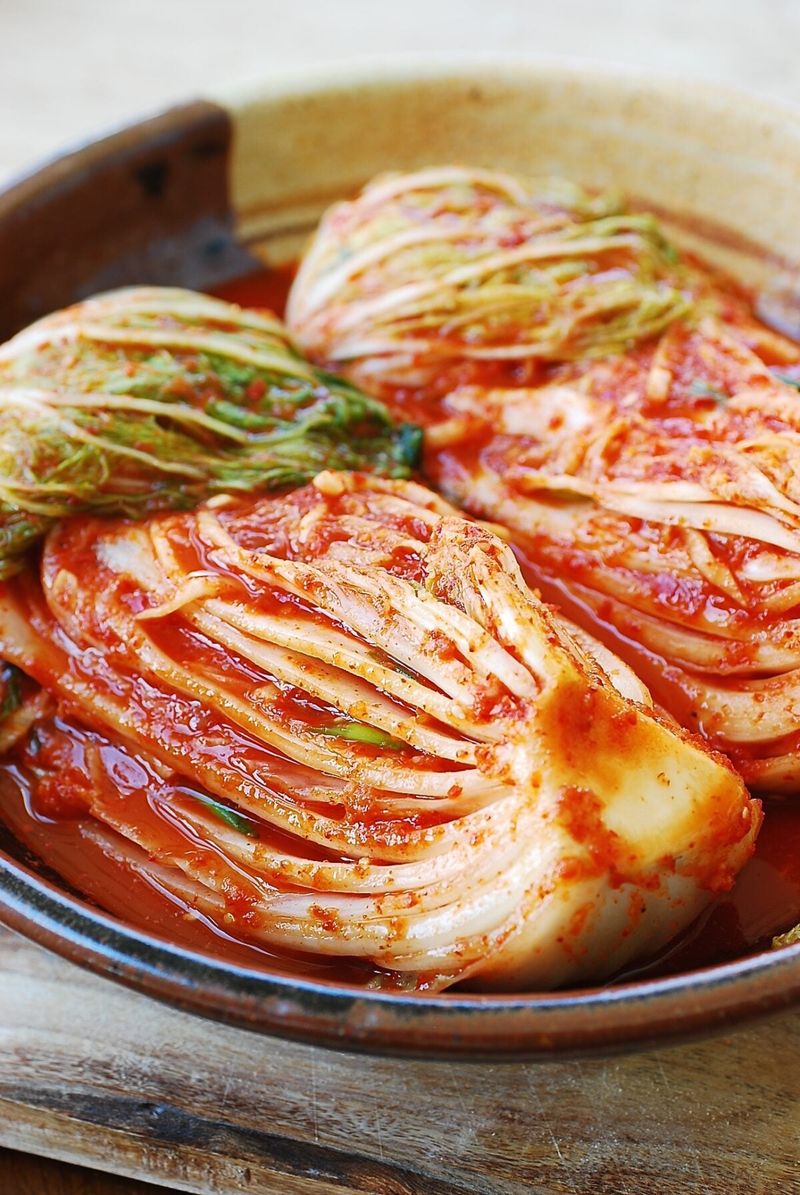
Every autumn in Korea, neighbors gather for kimjang, a huge kimchi-making party. Hundreds of cabbages get salted, rinsed, and rubbed with spicy red paste.
After that, the real magic starts. The kimchi ferments for days or even weeks, growing tangy and bubbly as good bacteria get to work.
Want to try it at home? Start small with one cabbage and taste it each day.
You will notice the flavor changing as it sours.
3. Texas Smoked Brisket
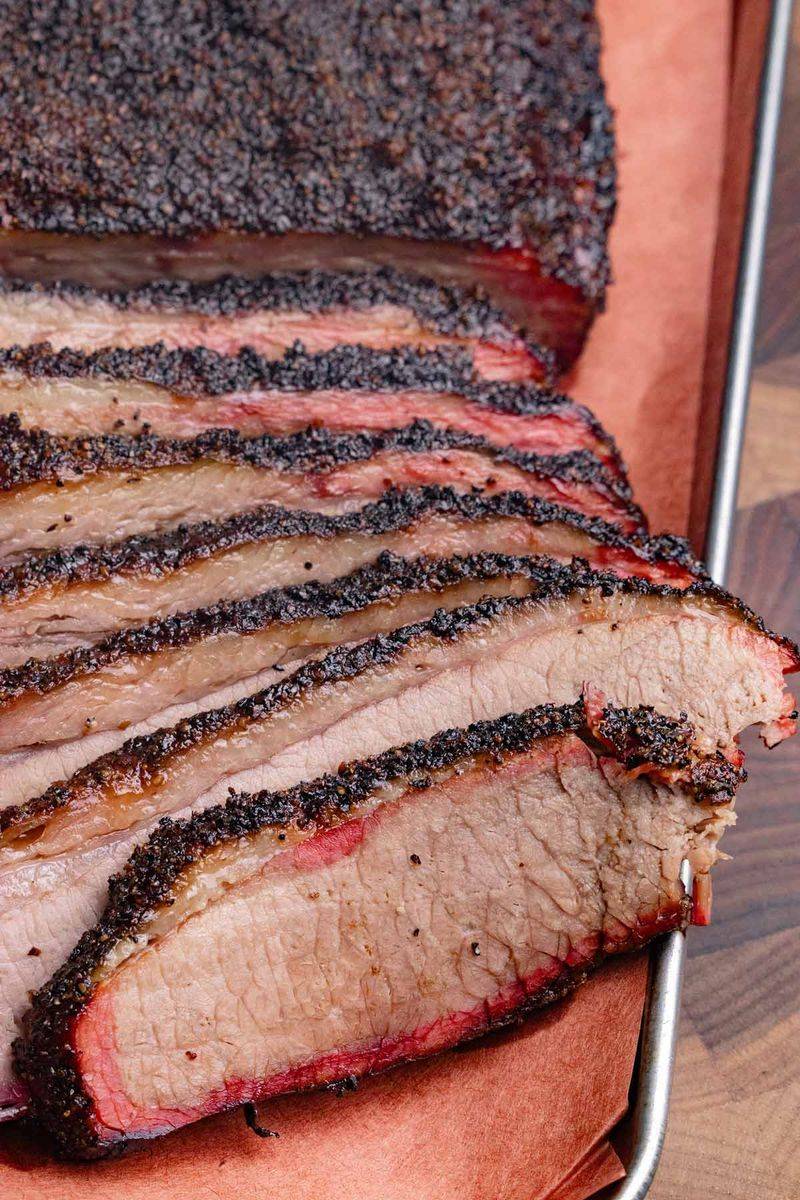
Ask any Texas pitmaster about brisket, and you might hear a long story. Good brisket starts a day early with seasoning, then smokes low and slow for twelve to eighteen hours.
Some cooks stay up all night tending the fire. The reward is tender beef with a crunchy, peppery crust called bark.
Here is a tip: let the cooked meat rest for at least an hour. Cutting too soon dries it out fast.
4. French Cassoulet
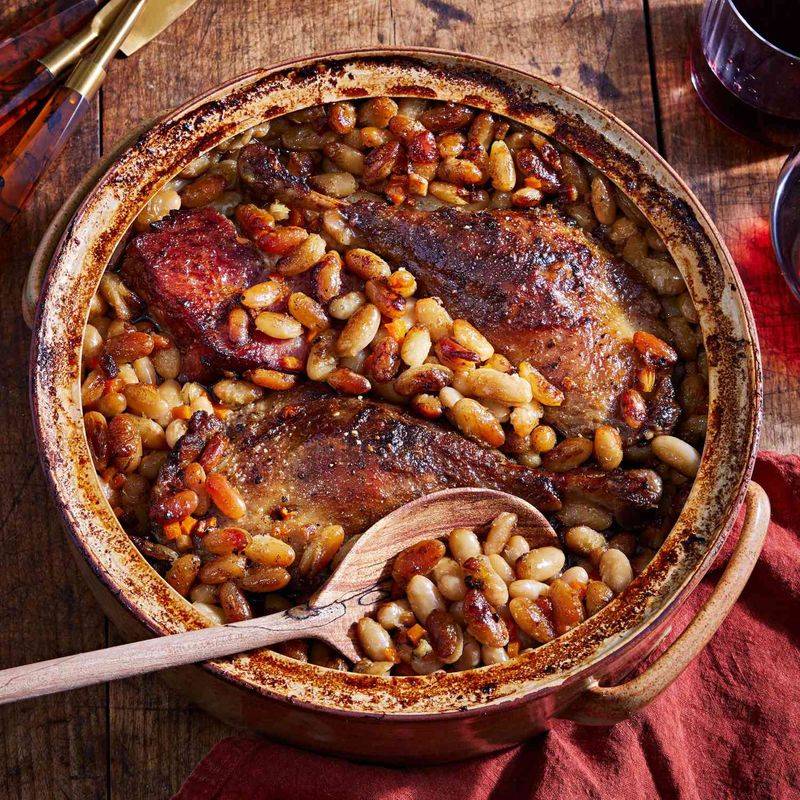
In southwest France, cassoulet is treated almost like a family treasure. This cozy bean stew takes about three days to finish properly.
Day one is for soaking beans and curing duck. Day two brings slow cooking with sausage and pork.
On the final day, it bakes until a golden crust forms on top.
Old cooks say you should break that crust seven times while baking. It sounds odd, but it builds amazing flavor.
5. Sourdough Bread
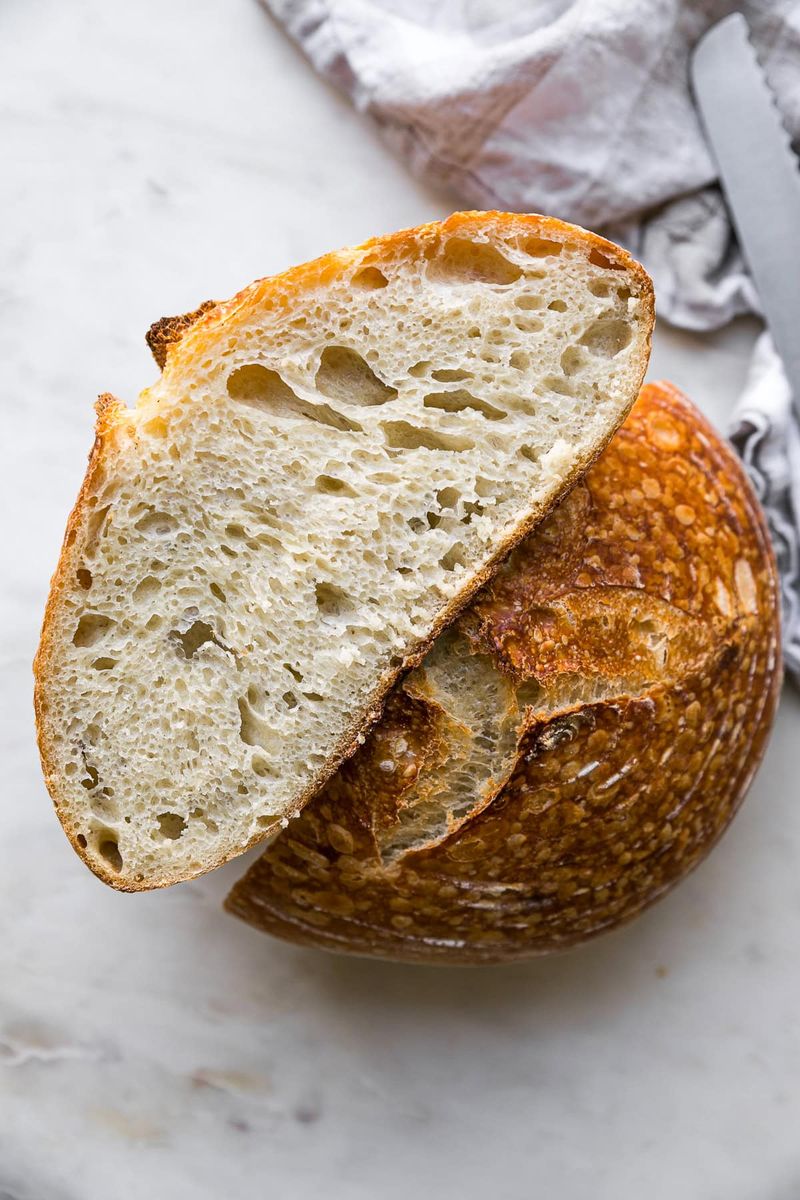
Long before store-bought yeast existed, bakers relied on wild yeast living in flour and water. That bubbly mix, called a starter, is the heart of sourdough.
Making a loaf usually takes two days. You feed the starter, mix the dough, fold it, and let it rest overnight in the fridge.
Some starters are over a hundred years old! Name yours, feed it often, and it can last for generations too.
6. Peking Duck
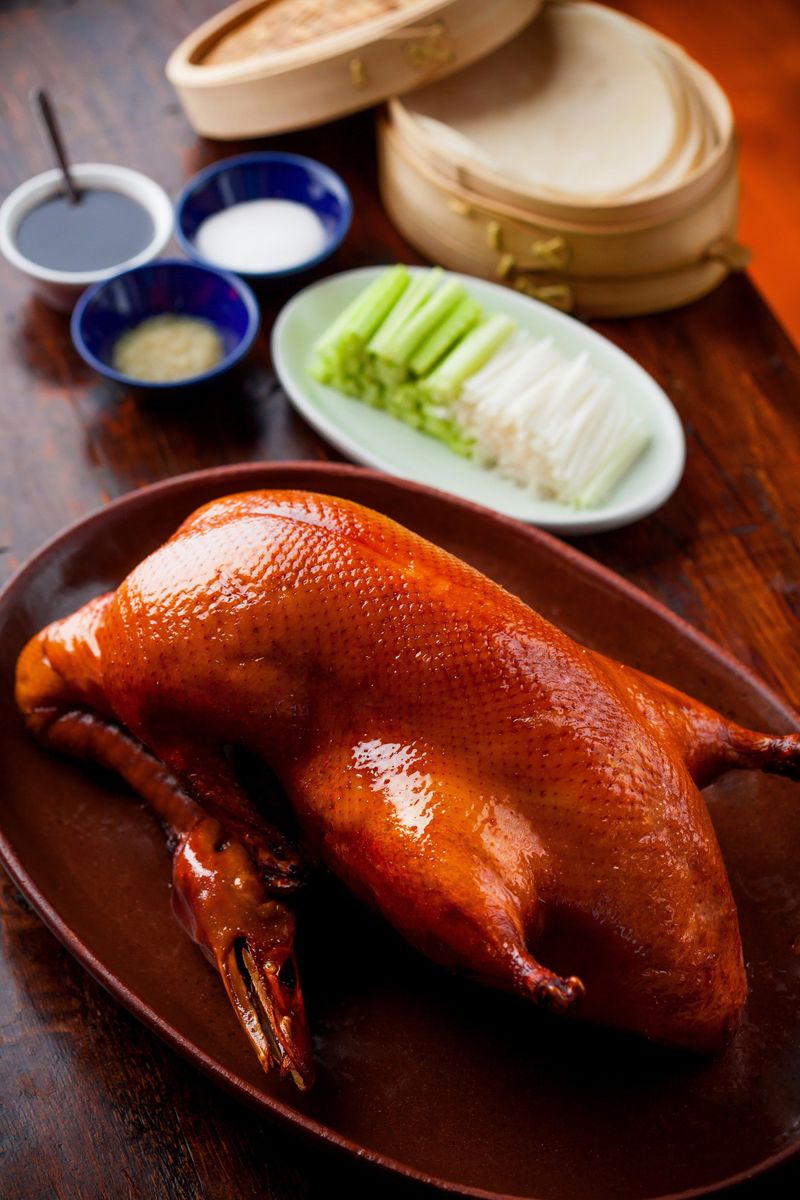
That shiny, crackly skin does not happen by accident. Chefs in Beijing pump air under the duck’s skin, scald it, glaze it, and hang it to dry for a day or more.
Only then does it roast in a special oven until the skin turns deep amber.
Diners wrap thin slices in soft pancakes with scallions and sweet bean sauce. Royal cooks served it to emperors centuries ago, so you are eating like royalty.
7. Japanese Ramen Tonkotsu Broth
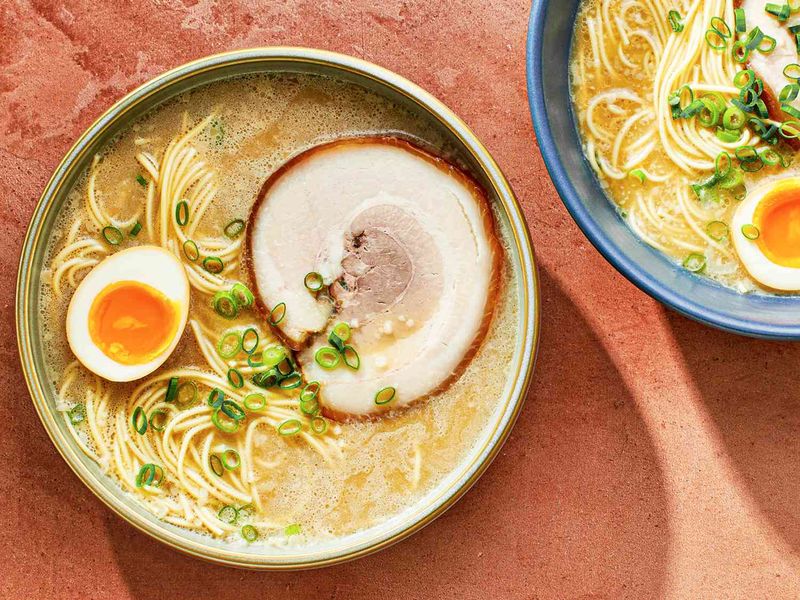
Creamy, milky, and rich, tonkotsu broth looks like it contains dairy. It does not.
That cloudy color comes from pork bones boiled hard for eighteen hours or longer.
Many ramen shops in Fukuoka keep pots going almost nonstop. Add marinated eggs, which soak overnight, plus braised pork belly, and you have a multi-day bowl.
At home, a pressure cooker can shorten the process. Still, nothing quite beats the slow, patient version.
8. Injera
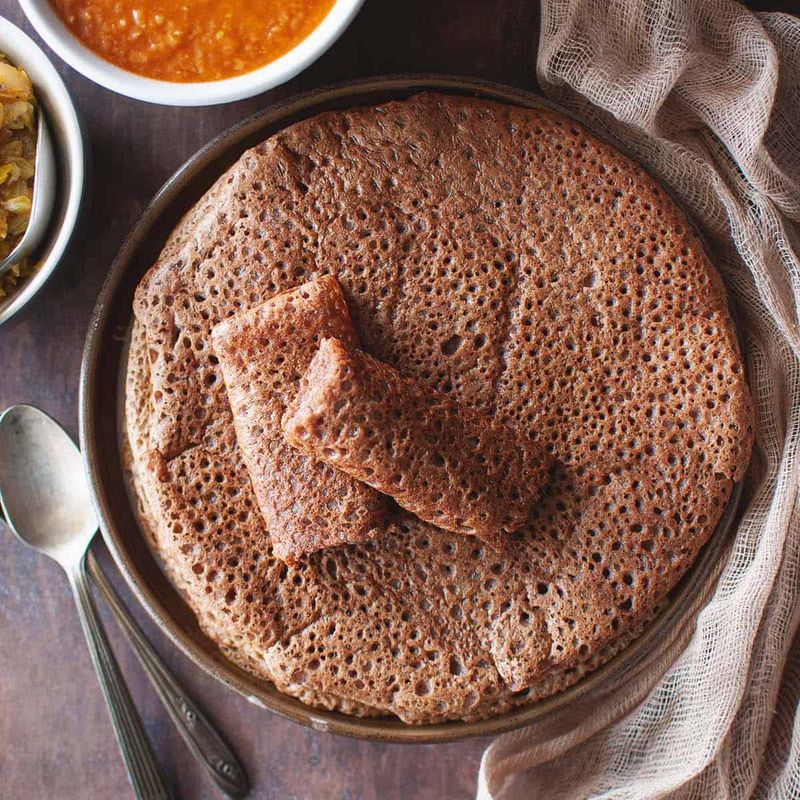
In Ethiopia, the plate is also the food. Injera is a spongy, slightly sour flatbread made from a tiny grain called teff.
The batter ferments for two to four days before cooking. Those bubbles create the little holes that soak up spicy stews so well.
People tear off pieces and scoop food by hand, often sharing from one big platter. Eating together this way is a sign of friendship and trust.
9. Christmas Fruitcake
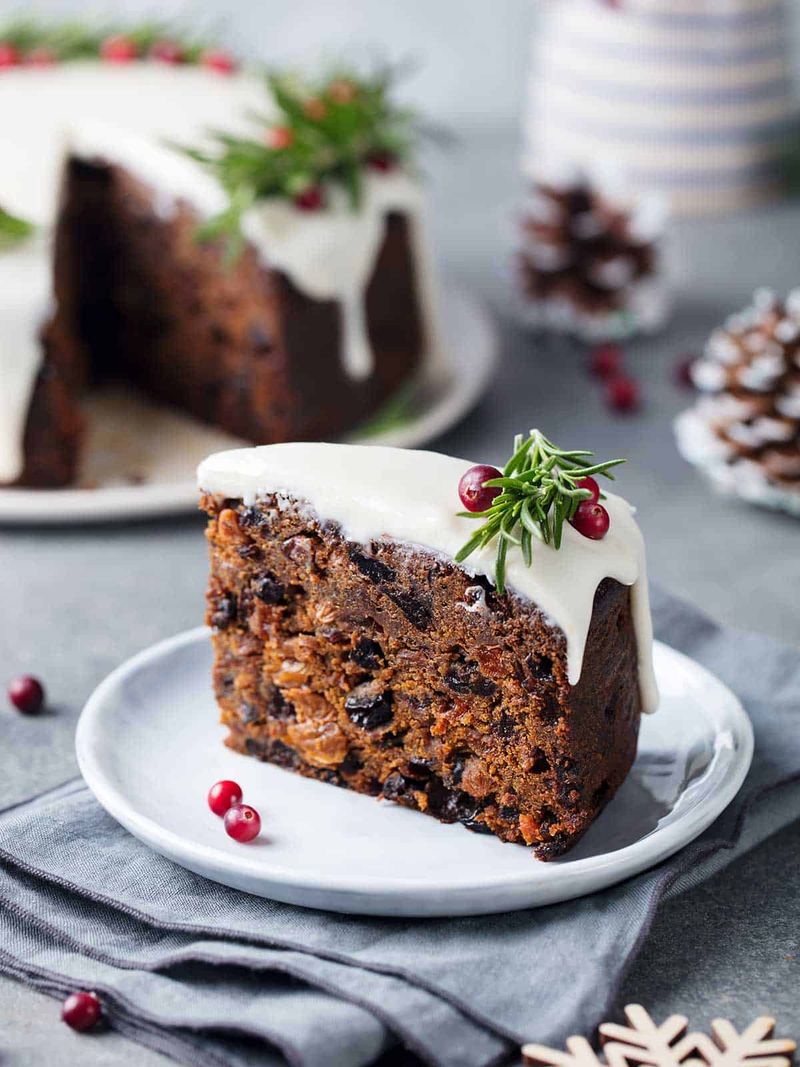
Fruitcake jokes are everywhere, but a real homemade one is a different story. Traditional British bakers start in October or November for a December holiday.
Dried fruit soaks for days first. After baking, the cake gets wrapped and brushed with juice or spirits every week to keep it moist.
By Christmas, the flavors have blended into something deep and spicy. Give it one honest try before joining the jokes.
10. Pho
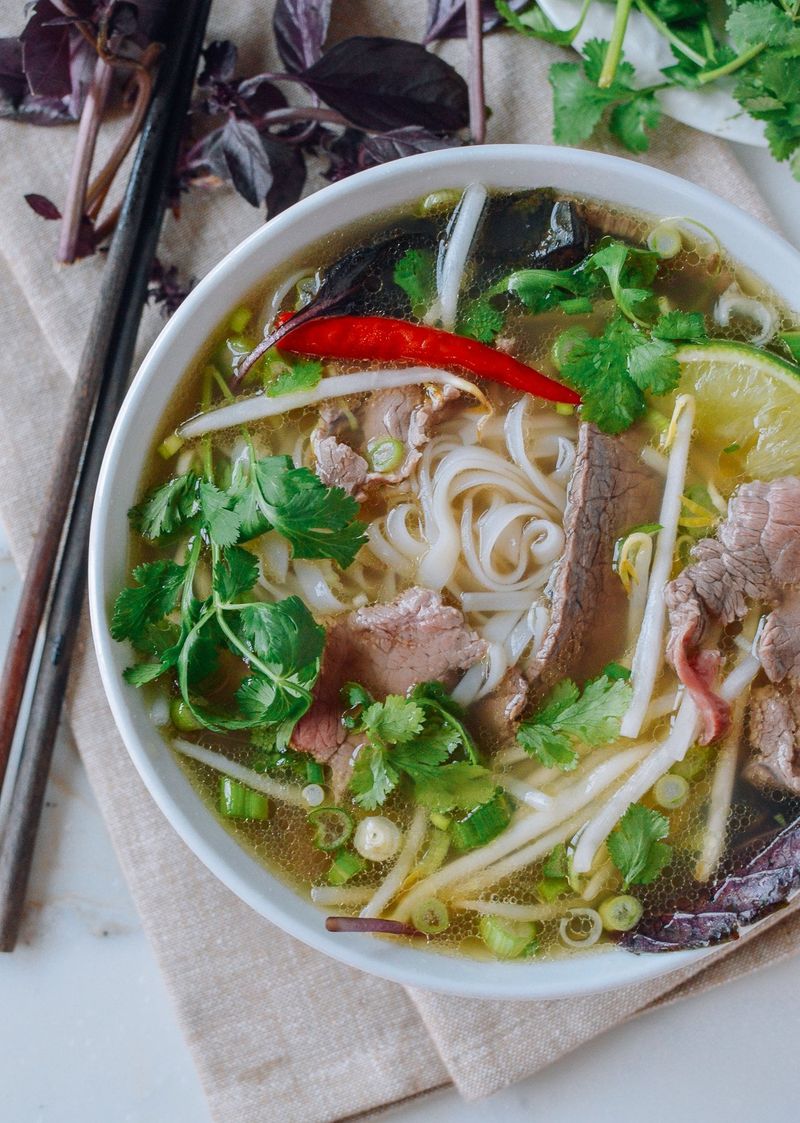
Walk down a Hanoi street at dawn and you will smell it. Pho shops simmer beef bones with charred onion, ginger, star anise, and cinnamon all night long.
A great broth needs at least twelve hours, and many families start the day before. Skimming the pot keeps it crystal clear.
Quick tip: add fresh herbs, lime, and chili at the table. Each person makes the bowl their own.
11. Tamales
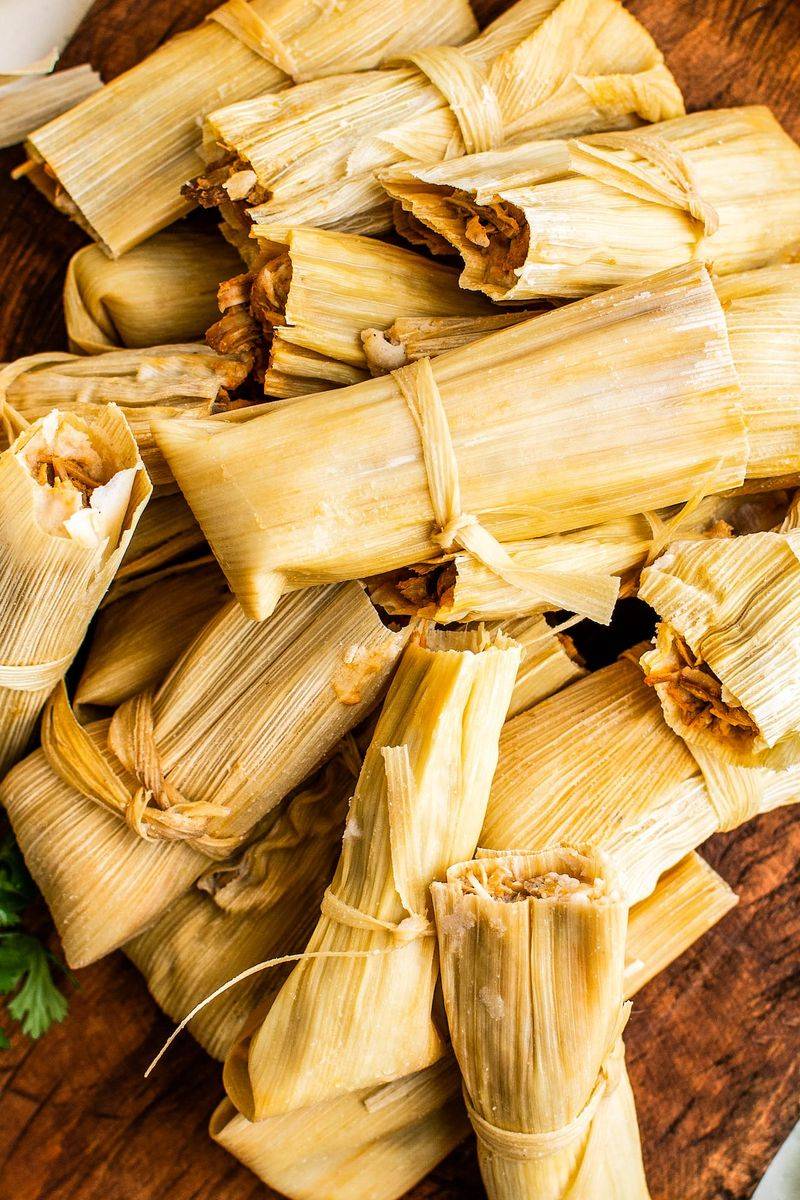
Grandma calls everyone into the kitchen, and the tamalada begins. Making tamales is a team event, especially around Christmas in Mexico and the American Southwest.
The filling often cooks a day ahead. Then comes soaking husks, mixing masa, spreading, filling, folding, and steaming.
Big batches easily take two days.
Because so many hands help, stories and laughter come with the work. Freeze extras, and they reheat beautifully for weeks.
12. Croissants
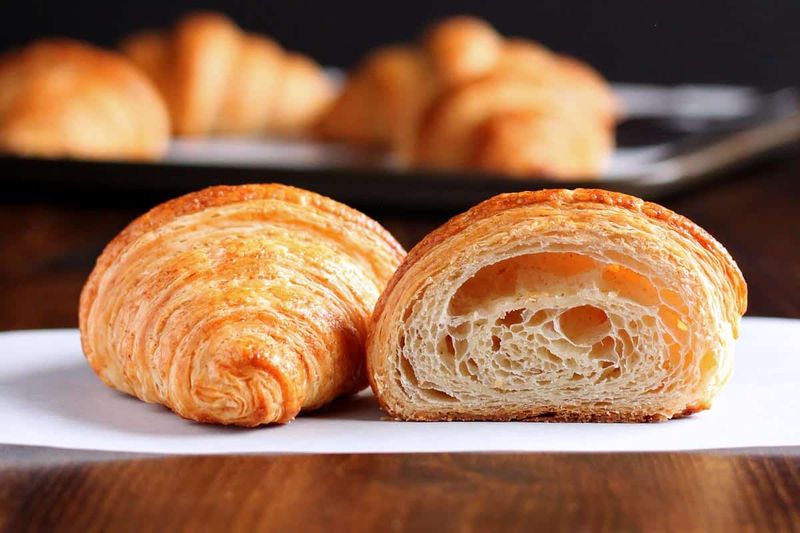
Those flaky layers come from a process called lamination. Bakers fold a slab of cold butter into dough, roll it out, chill it, and repeat several times.
Done right, the dough ends up with dozens of thin buttery layers. The full process usually spans two or three days, including an overnight rest.
Keep everything cold, because warm butter melts and ruins the layers. One bite of a fresh croissant proves the effort pays off.
13. Sauerbraten
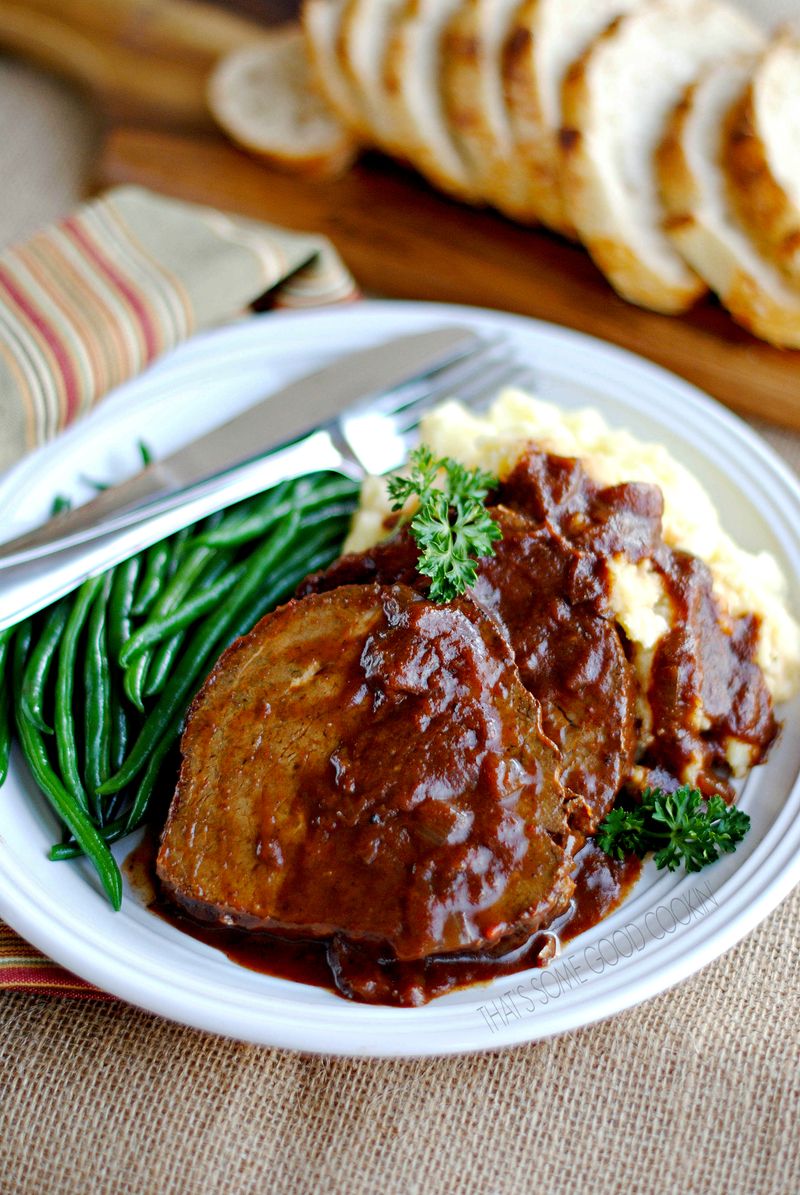
Germany’s famous pot roast begins with a long bath. Beef sits in a marinade of vinegar, wine, onions, and spices for three days up to a full week.
That soak tenderizes tough cuts and adds a tangy kick. Afterward, the meat braises slowly while cooks thicken the gravy, sometimes with crushed gingersnap cookies.
Yes, cookies in gravy! The sweet and sour mix is what makes it special.
Serve with red cabbage and dumplings.
14. Balut-Free Filipino Lechon
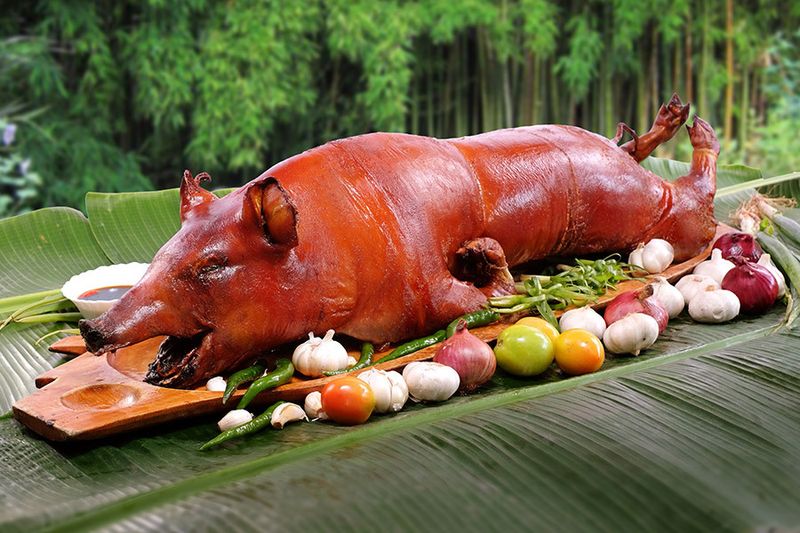
No big Filipino celebration feels complete without lechon. A whole pig is stuffed with lemongrass, garlic, and onions, then roasted over charcoal for hours.
Preparation often starts the day before with cleaning, seasoning, and building the fire pit. Someone has to turn the spit slowly and steadily the whole time.
Cebu claims the tastiest version. Everyone races for the crackly skin first, so grab a piece quickly if you get the chance.
15. Gravlax
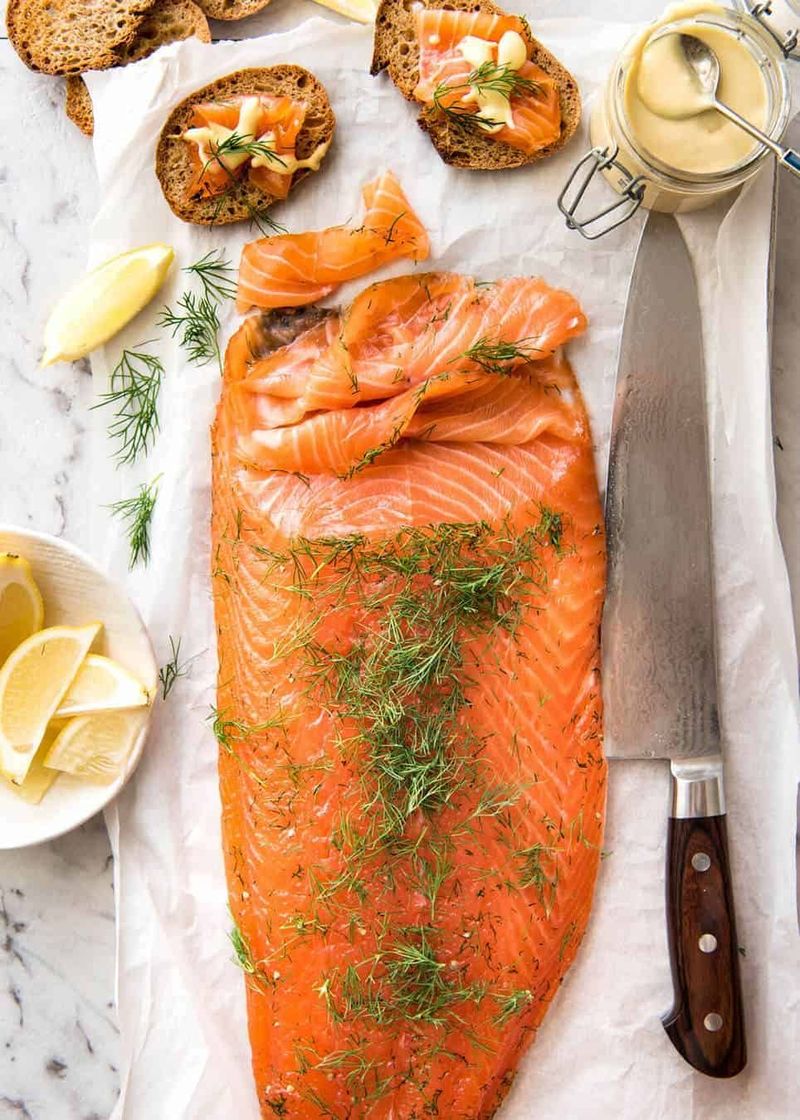
Back in the Middle Ages, Nordic fishermen buried salmon in sand to cure it. The name gravlax even means grave salmon.
Today, no digging is needed. You cover fresh salmon with salt, sugar, and dill, then press it in the fridge for two to three days, flipping it daily.
The result is silky, bright, and perfect on rye bread with sweet mustard sauce. It makes a fancy, easy party snack.
16. Panettone
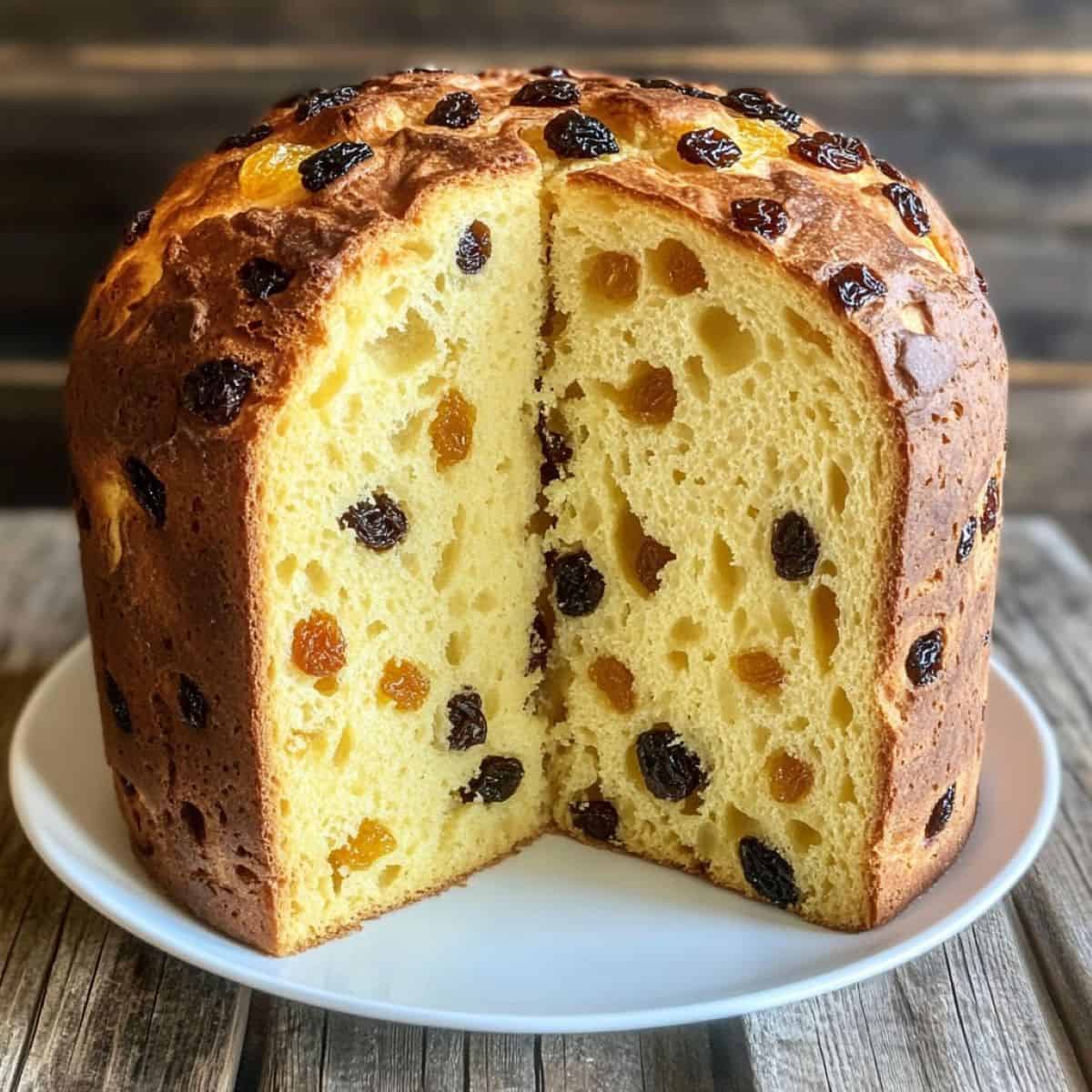
Ever seen bread hanging upside down? Italian bakers flip panettone right out of the oven so its tall, fluffy dome does not collapse.
This Milan holiday treat takes up to three days. A natural starter needs feeding, and the rich dough rises several times before baking.
Candied orange, lemon, and raisins fill every slice. Leftovers make wonderful French toast, so do not toss the last pieces.
17. Bigos Hunter’s Stew
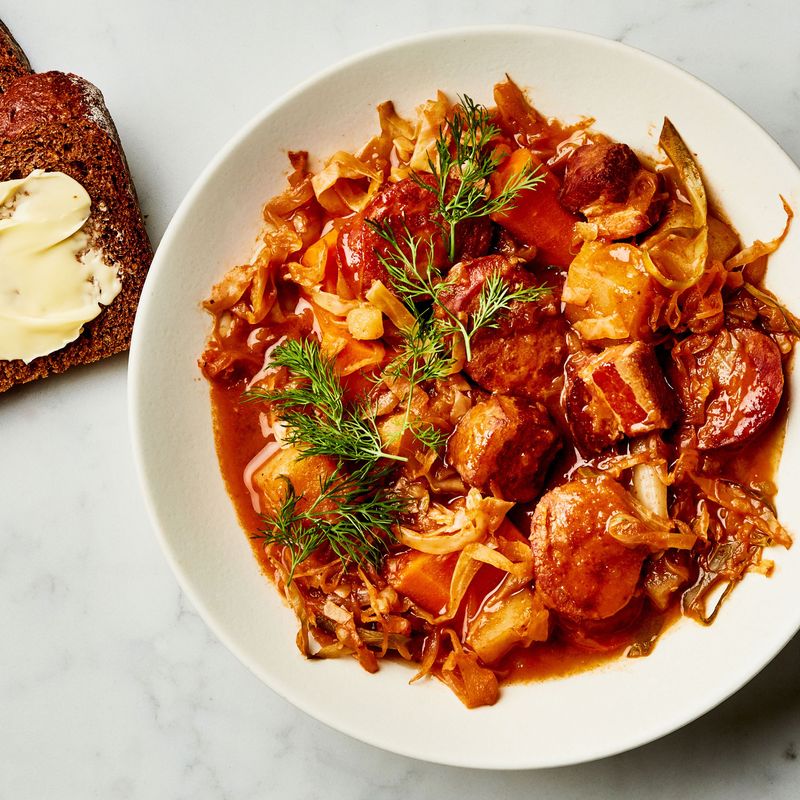
Polish families have a saying about bigos: it gets better every time you reheat it. This hearty stew mixes sauerkraut, cabbage, mushrooms, sausage, and different meats.
Cooks simmer it, cool it, and simmer it again over three to seven days. Each round deepens the smoky, sour flavor.
Hunters once brought it on long winter trips. Make a big pot and enjoy it all week.