
Some movies show us the ending before taking us back to where everything began. Others let a memory, confession, or witness lead the way into the past.
These stories make us look closely at who is talking and what they might leave out. From sweeping romances to tricky mysteries, the films below show how looking backward can pull us forward.
1. Titanic (1997): A Lifetime Behind One Memory

A necklace brings treasure hunters to Rose, but her memories reveal something far more valuable. Now an elderly woman, she recalls boarding the Titanic in 1912 and falling in love with Jack.
Most of the movie stays inside that remembered voyage, giving the disaster a deeply personal center. Watch how the return to older Rose changes the mood: the ship is gone, yet the life she built afterward still carries its mark in every scene.
2. Citizen Kane (1941): One Life, Many Versions
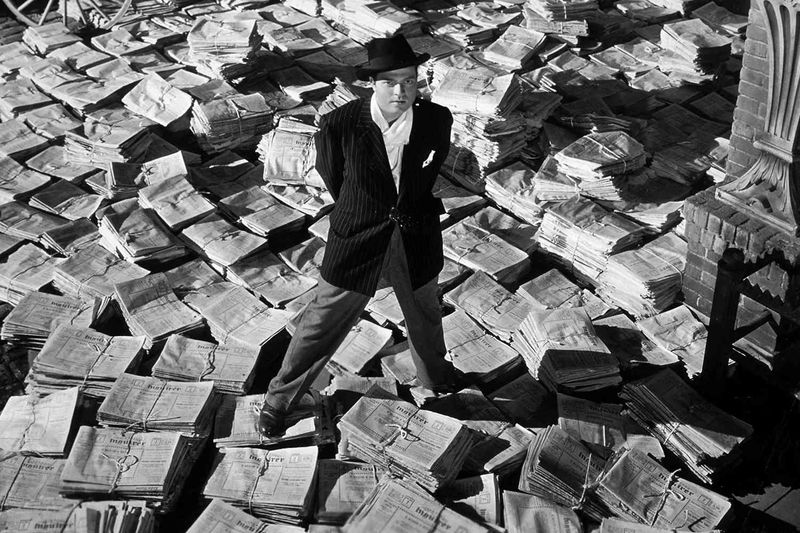
One dying word sends a reporter searching through a powerful man’s past. After Charles Foster Kane dies, interviews with people who knew him open separate windows onto his rise, relationships, and lonely later years.
No single memory explains everything, which makes the structure part of the mystery. Pay attention to how each speaker sees a different Kane.
The film suggests that collecting facts about someone is easier than truly understanding what mattered most to them.
3. Forrest Gump (1994): History From a Bus Bench
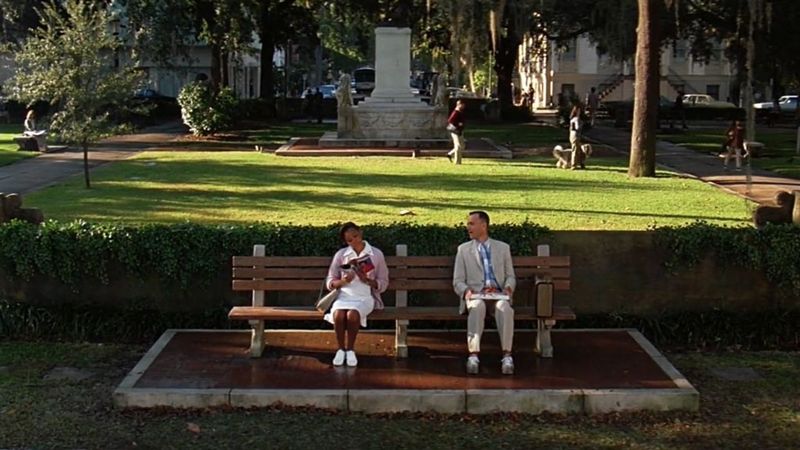
A bus bench becomes the starting point for an extraordinary trip through American history. While strangers come and go, Forrest shares memories of childhood, friendship, war, running, and his lasting love for Jenny.
His plainspoken voice keeps huge events grounded in everyday feelings. Notice when the movie finally catches up with his storytelling present.
That shift reminds us that Forrest is not simply reviewing history; he is still living a story with important choices ahead.
4. Slumdog Millionaire (2008): Every Answer Has a Past
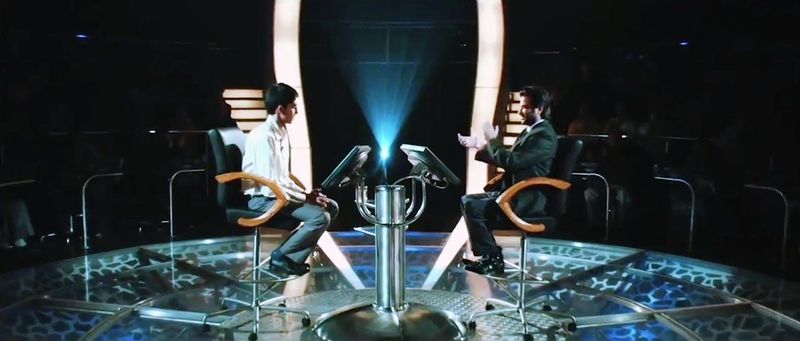
Knowing the right answer can look suspicious when nobody expects you to win. After Jamal Malik succeeds on a television quiz show, police question whether he cheated, and his memories explain the knowledge behind his answers.
Childhood hardships, close escapes, and his bond with Latika turn trivia into something deeply personal. Follow the link between each question and remembered event.
The format gives the flashbacks a clear purpose while steadily building toward the final broadcast.
5. Sunset Boulevard (1950): The Ending Speaks First
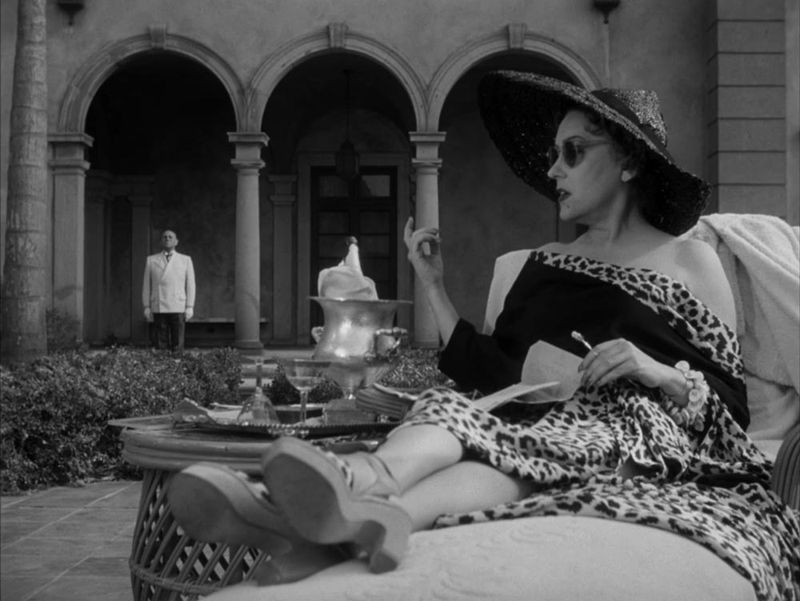
A dead man narrating his own downfall is quite an opening move. Screenwriter Joe Gillis takes us backward from a Hollywood swimming pool to explain his uneasy connection with faded silent film star Norma Desmond.
Knowing where Joe ends up does not drain the suspense; it changes what we fear. Instead of wondering whether trouble will arrive, watch how comfort, money, and pride make leaving harder.
The flashback turns Hollywood glamour into a chilling trap.
6. The Usual Suspects (1995): Trust the Teller?
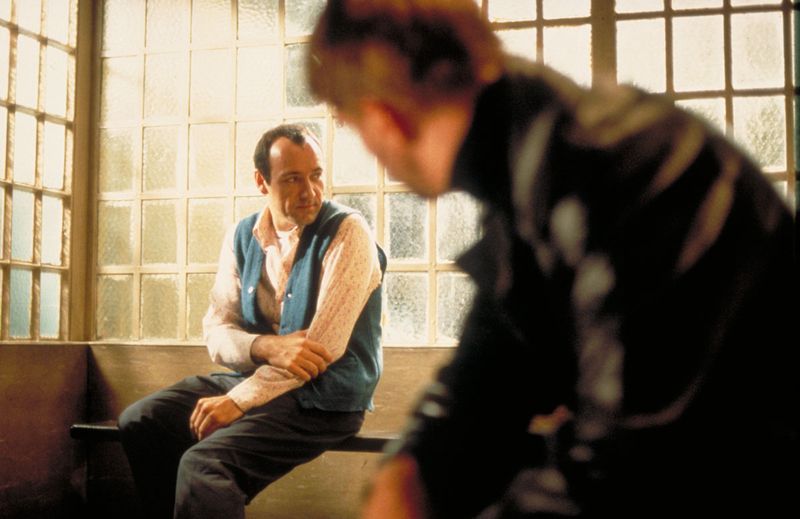
Listen carefully, because a convincing storyteller can steer an entire investigation. During questioning, Verbal Kint describes a group of criminals, a deadly job, and the feared figure known as Keyser Söze.
Much of what viewers see comes through his account, making the flashbacks feel like evidence even when certainty is slippery. Avoid plot summaries before watching, since discovery drives the experience.
Afterward, consider which details came from confirmed events and which depended on trusting Verbal.
7. The Green Mile (1999): A Memory That Never Fades
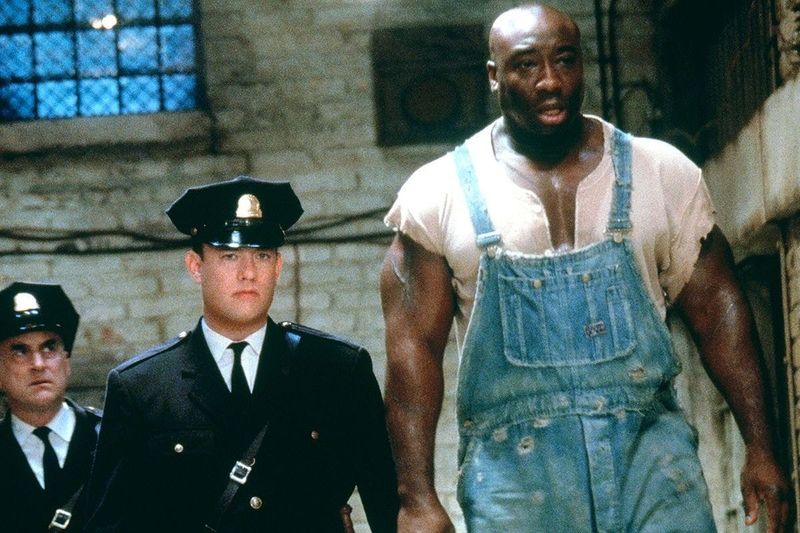
Some memories grow heavier rather than softer with age. Living in a nursing home, Paul Edgecomb recalls his work supervising death row during the 1930s and his meeting with the unusually gifted John Coffey.
The long return to Cold Mountain prison blends harsh realities with moments of wonder and kindness. Expect difficult scenes involving executions and cruelty.
Paul’s older voice gives those events lasting weight, showing how one encounter can reshape an entire lifetime afterward.
8. The Grand Budapest Hotel (2014): Memories Within Memories

Opening this movie feels like finding a story tucked inside another story. A reader, an author, and an older hotel owner form the layers surrounding Zero Moustafa’s memories of serving under concierge Monsieur Gustave.
The main adventure unfolds in a colorful version of 1930s Europe, mixing stolen art, loyalty, and sudden danger. Notice the changing screen shapes between periods.
Those visual shifts help separate the time frames while making the remembered hotel feel especially precious.
9. Rashomon (1950): When Memories Refuse to Agree
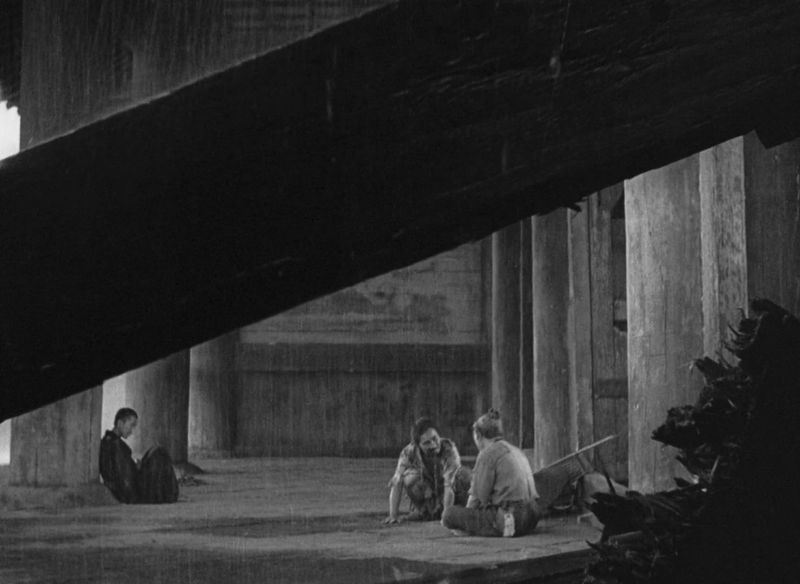
Four accounts of one violent event refuse to fit neatly together. Beneath a ruined gate, men discuss testimony about a samurai’s death and an assault on his wife, with conflicting flashbacks presenting different versions.
Rather than offering memory as a reliable recording, the film explores pride, shame, and self-interest. Compare how each teller describes their own behavior.
The differences are the point, inviting viewers to question why people reshape events when explaining themselves to others.
10. Doctor Zhivago (1965): Love Across a Broken Country
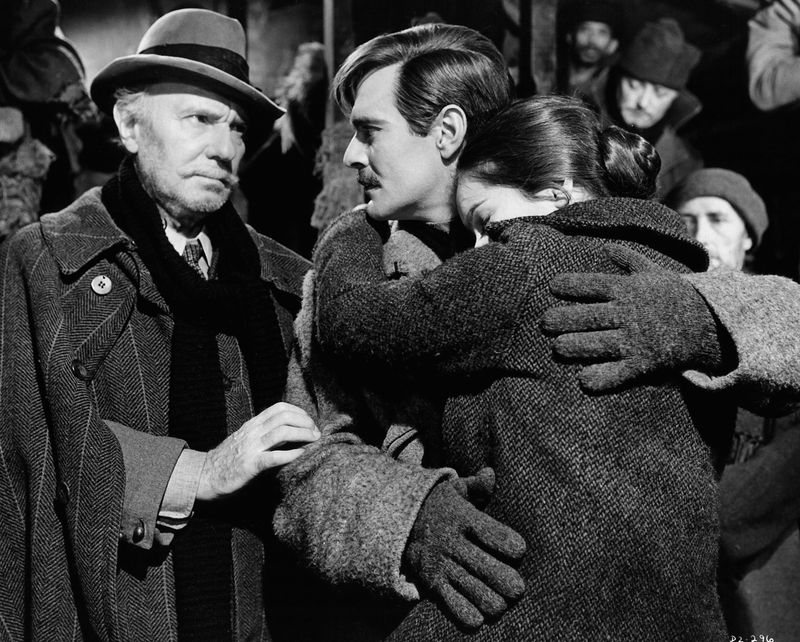
A possible family connection opens the door to a sweeping, troubled past. Yevgraf Zhivago tells a young woman about his half-brother Yuri, a doctor and poet whose life is shaken by revolution and war.
Most of the film follows Yuri’s loves, losses, and struggle to survive as Russia changes around him. Keep track of relationships rather than every political detail.
The framing conversation gives this enormous historical drama an intimate question about family and inheritance.
11. All About Eve (1950): Applause With a Hidden Cost
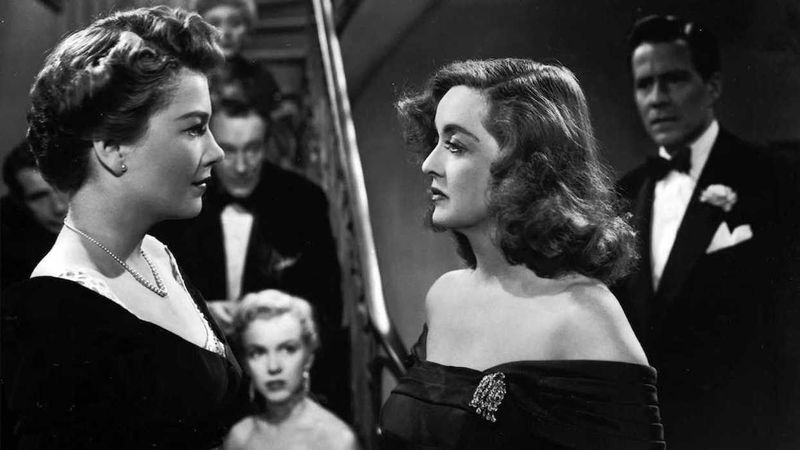
An awards ceremony looks different once you know how the winner reached it. Before Eve Harrington’s triumph can settle, the film moves backward to show her arrival in the world of established stage star Margo Channing.
Admiration slowly gives way to ambition, and several voices help reveal the damage along the way. Watch expressions as closely as speeches.
The flashback structure turns polite compliments into warning signs and makes the opening applause sound increasingly hollow.
12. Double Indemnity (1944): A Confession After Midnight
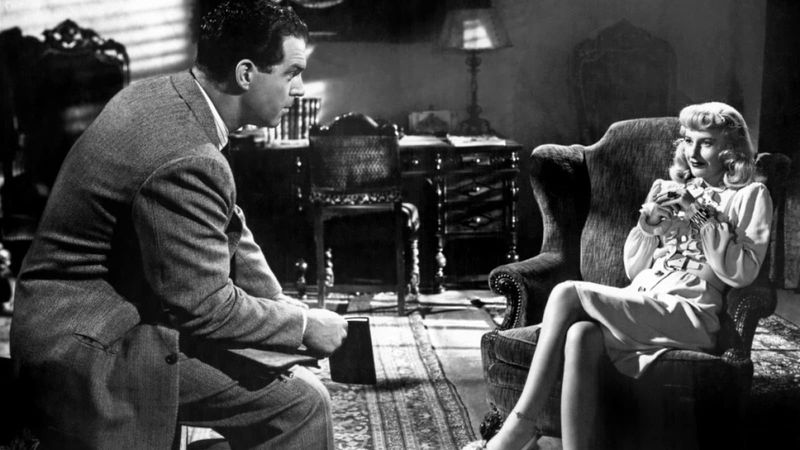
Blood, exhaustion, and a recording machine tell us something has gone terribly wrong. Insurance salesman Walter Neff begins dictating a confession, leading into the long flashback of his involvement with Phyllis Dietrichson and a murder scheme.
The outcome hangs over their early flirtation like a storm cloud. Focus on Walter’s confident explanations and the small mistakes beneath them.
His narration shows how someone can recognize disaster afterward while once mistaking greed and desire for cleverness.
13. Amadeus (1984): Genius Through Jealous Eyes
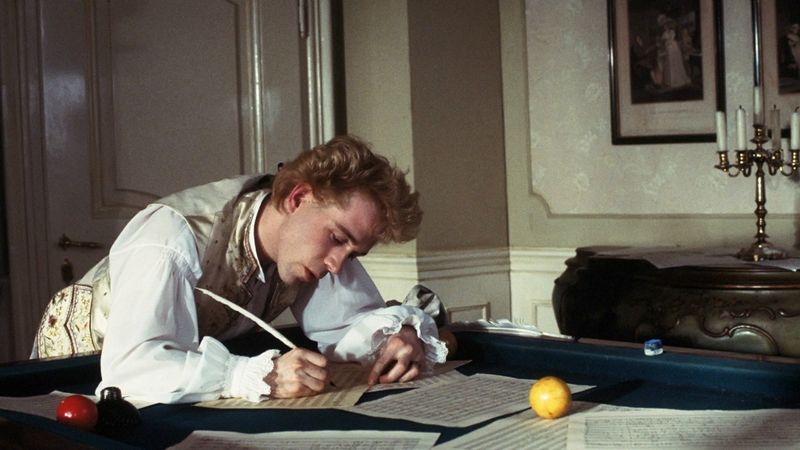
Imagine hearing beauty so clearly that another person’s talent feels unbearable. An elderly Antonio Salieri recounts his relationship with Wolfgang Amadeus Mozart to a priest, turning the past into a bitter, dazzling confession.
The flashbacks contrast Mozart’s playful behavior with the remarkable music Salieri both worships and resents. Treat the rivalry as drama, not a dependable history lesson.
Because Salieri controls the telling, his jealousy colors the portrait and makes admiration almost impossible to separate from anger.
14. The Princess Bride (1987): A Storybook Detour
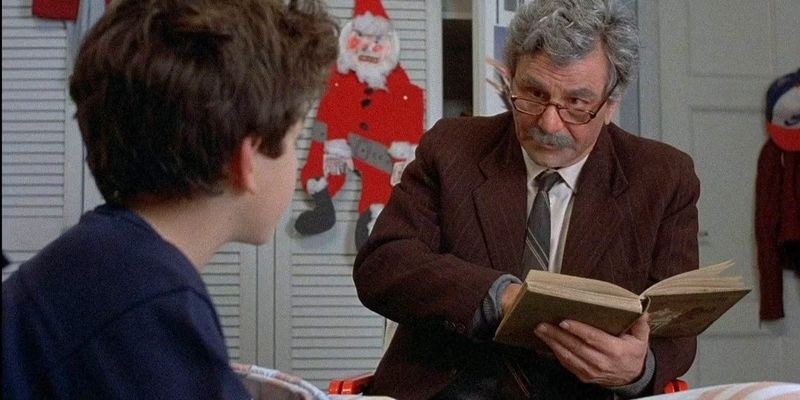
A sick day becomes far more exciting when Grandpa opens a book. The adventure of Buttercup, Westley, sword fights, and unlikely friendships unfolds inside the story he reads to his grandson.
Strictly speaking, this is a framed tale rather than a conventional flashback, since nobody is recalling personal memories. It belongs here as a close storytelling cousin.
The bedroom interruptions shape our response, showing how a listener can move from doubtful boredom to genuine emotional investment.
15. The Social Network (2010): Success Under Questioning
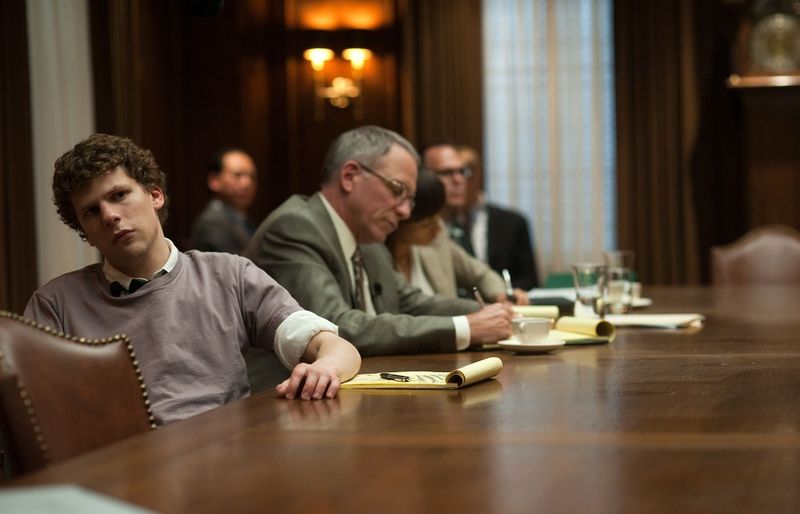
Building a website is only half the story when former friends bring lawyers. Legal depositions frame the rise of Facebook, sending the film back to Harvard dorm rooms, early business decisions, and relationships under pressure.
The competing accounts make success look different depending on who is speaking. Track what each side wants recognized, not just who seems smartest.
Although based on real people, the movie shapes events for drama rather than providing a complete historical record.