
Slow cookers are a kitchen lifesaver, but they come with some sneaky rules most people never learn. Tossing the wrong ingredients into that ceramic pot can ruin your meal, make you sick, or even damage your appliance.
Whether you are a slow cooker newbie or a seasoned pro, some of these mistakes might surprise you. Read on to find out what to keep far away from your Crock-Pot.
1. Frozen Meat
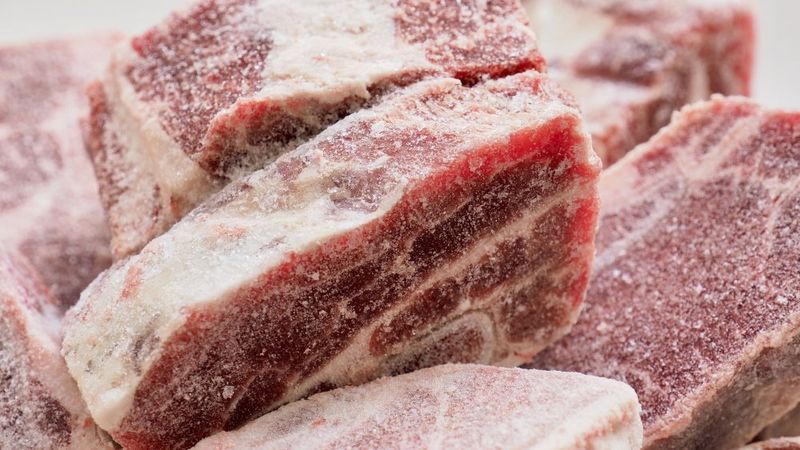
Straight from the freezer into the slow cooker sounds like a time-saving hack, but it is actually a food safety nightmare. Frozen meat takes too long to reach a safe temperature, leaving it in the danger zone where harmful bacteria multiply fast.
Always thaw meat in the fridge overnight before slow cooking. Your stomach will thank you for the extra planning.
2. Seafood and Delicate Fish
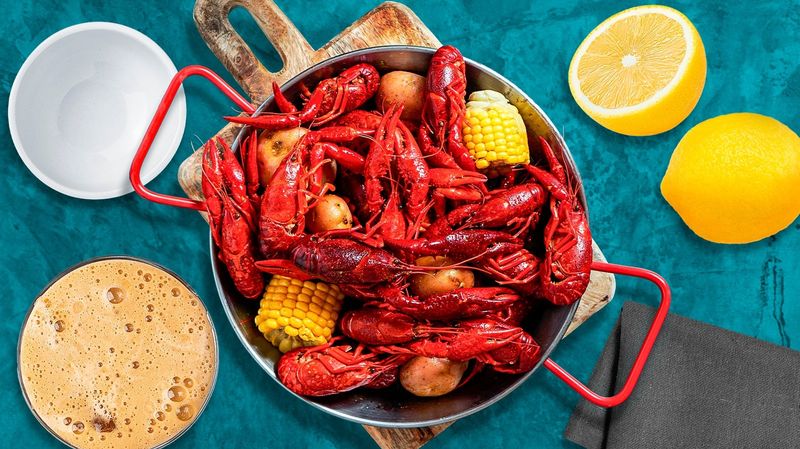
Fish is not built for the long haul. Slow cookers work over hours, and most seafood falls apart, turns rubbery, or becomes a mushy mess well before dinner time arrives.
Shrimp, scallops, and thin fillets need just minutes of heat, not hours. If your recipe calls for seafood, add it during the last 20-30 minutes of cooking to keep it tender and tasty.
3. Dairy Products Added Too Early
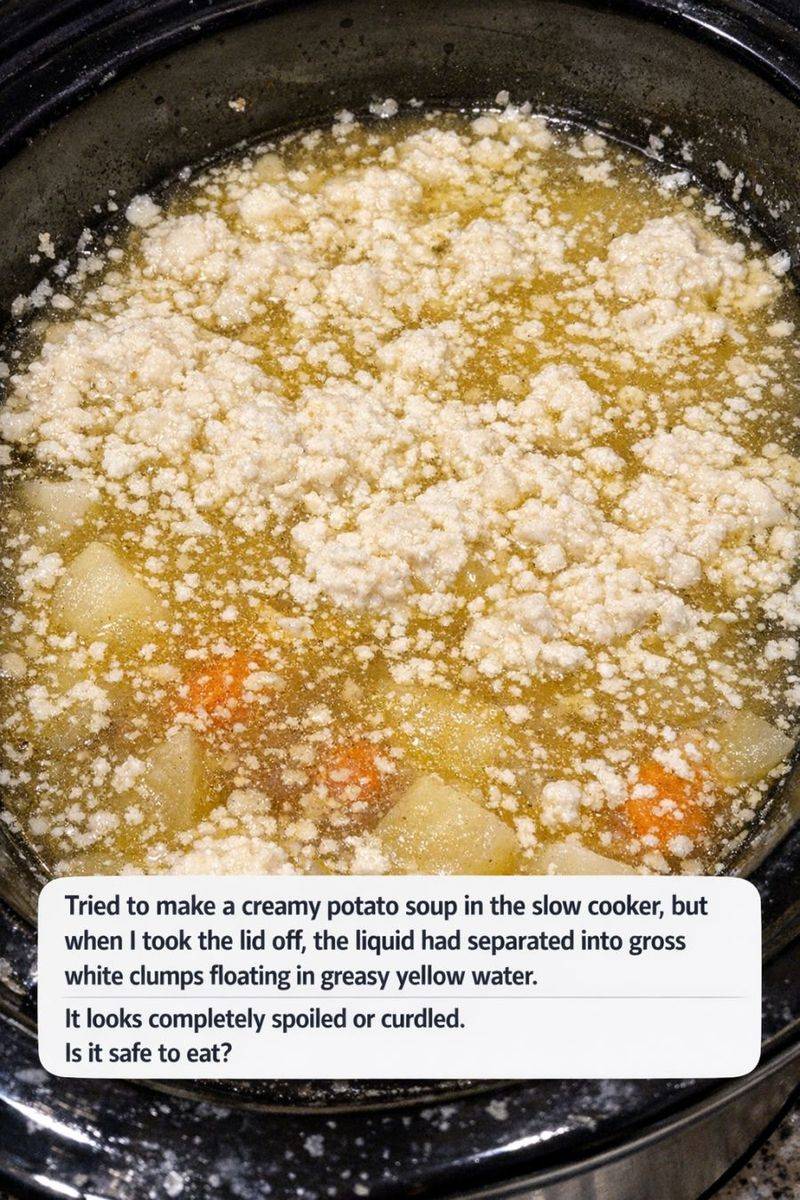
Milk, cream, sour cream, and cheese are tricky players in the slow cooker world. Add them at the start and you will end up with a grainy, curdled mess that looks nothing like the creamy dish you imagined.
The fix is simple: stir dairy in during the last 15-30 minutes of cooking. This keeps sauces smooth, soups silky, and casseroles looking as good as they taste.
4. Too Much Liquid
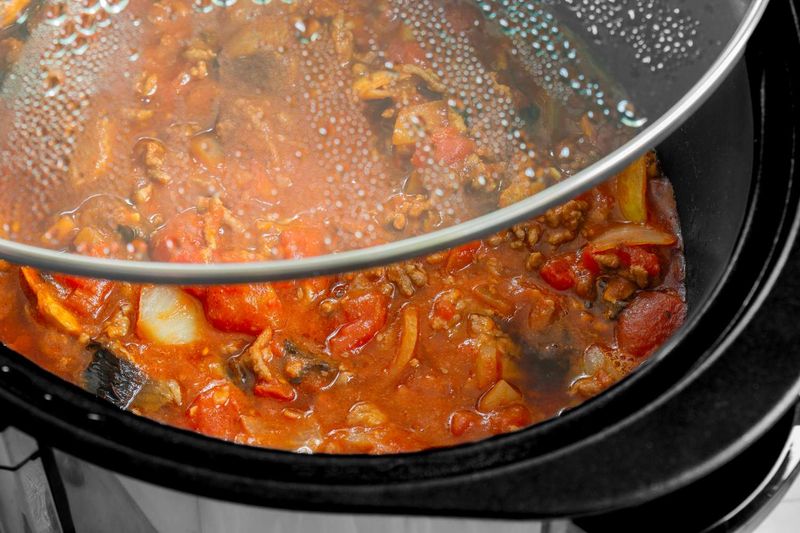
Unlike oven cooking, slow cookers trap steam and barely let any moisture escape. Pouring in the same amount of liquid your stovetop recipe calls for will leave you with a watery, flavorless soup instead of a rich, hearty dish.
Cut liquids by about one-third when adapting a regular recipe for the slow cooker. You can always add more at the end, but you cannot take it back out easily.
5. Lean Boneless Chicken Breasts
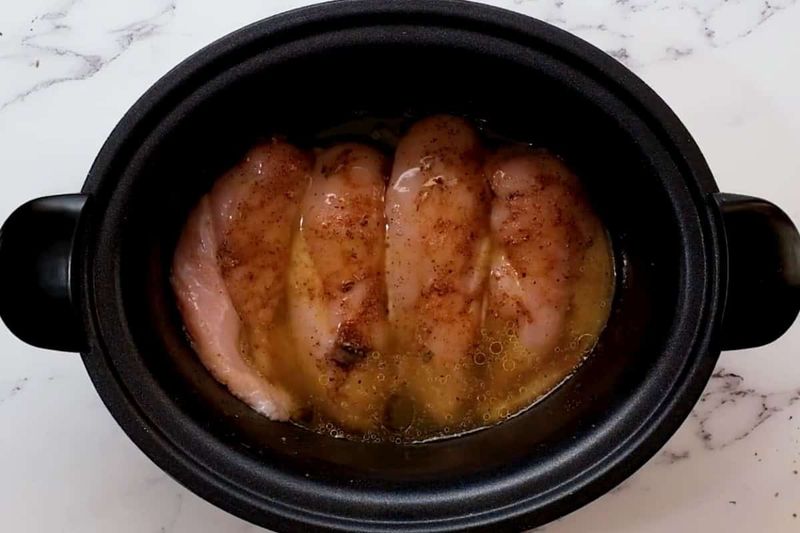
Boneless, skinless chicken breasts are the go-to protein for health-conscious cooks, but they are a poor match for the slow cooker. They dry out fast and turn chalky and stringy after hours of low heat.
Chicken thighs are a far better option because their extra fat keeps them moist through long cooking times. If you must use breasts, keep the cook time short and add plenty of liquid to the pot.
6. Pasta and Rice Added at the Start
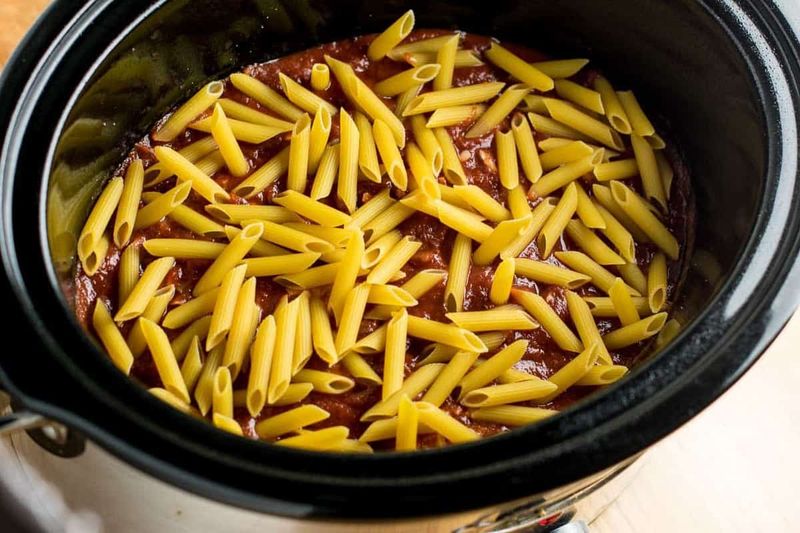
Pasta and rice absorb liquid like sponges and turn to mush when cooked for hours in a slow cooker. What starts as a promising pasta dish can quickly become a starchy, gluey blob nobody wants to eat.
Cook pasta separately on the stovetop and stir it in at the end. For rice, add it during the final 20-30 minutes of cooking and keep an eye on it closely.
7. Delicate Fresh Herbs
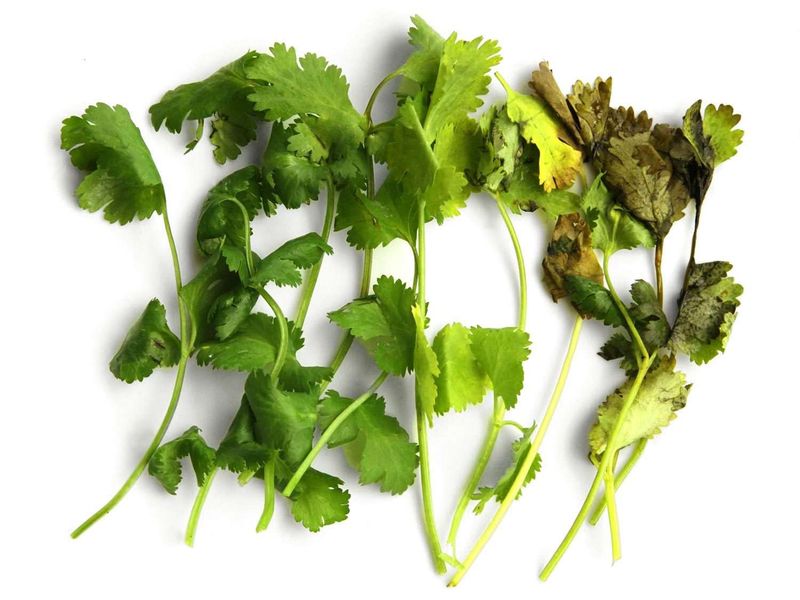
Fresh herbs like basil, parsley, and cilantro are flavor powerhouses, but hours of heat completely destroys them. By the time your slow cooker meal is done, those vibrant green herbs have turned brown, bitter, and nearly tasteless.
Hearty herbs like rosemary and thyme hold up better during long cooking. Save the delicate ones for garnishing right before serving so your dish gets that burst of fresh, bright flavor everyone loves.
8. Wine or Beer Without Cooking Off the Alcohol
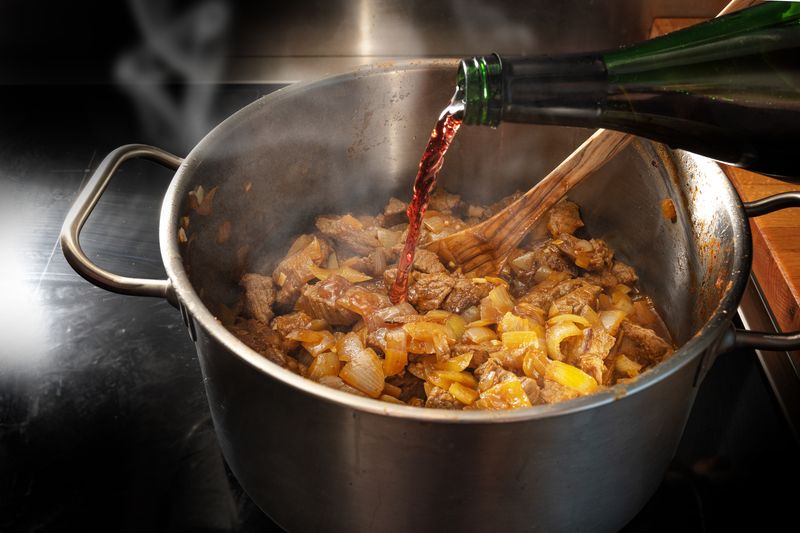
A splash of wine or beer can add amazing depth to a slow cooker recipe, but there is a catch. Unlike stovetop cooking, the slow cooker does not let alcohol fully evaporate, which can leave your dish tasting sharp and boozy.
Reduce wine in a pan on the stove before adding it to the slow cooker. Using a smaller amount than the recipe suggests also helps balance the flavor without overpowering the whole dish.
9. Zucchini and Other Tender Vegetables
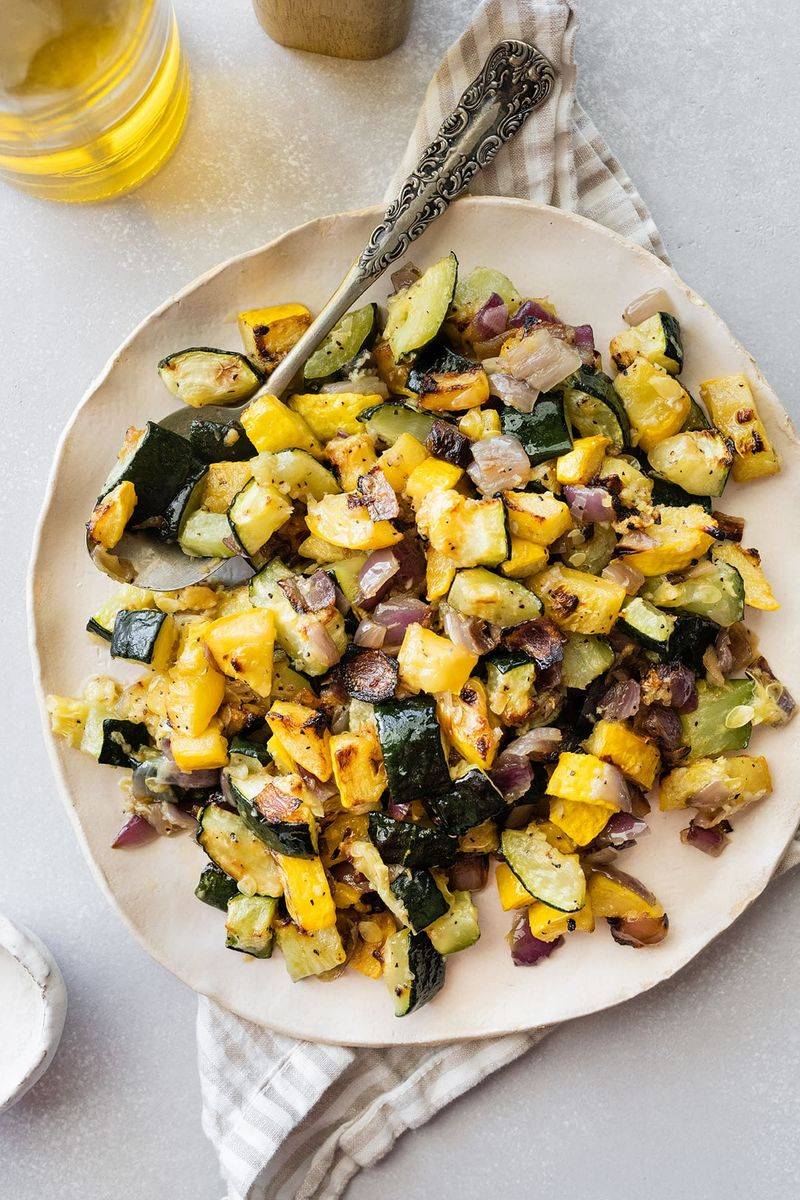
Zucchini, peas, spinach, and other soft vegetables do not need hours of cooking. Toss them in at the beginning and they completely disintegrate, leaving your stew with a sad, mushy texture and a washed-out color.
Add tender veggies during the last 30-45 minutes of cooking so they stay bright and have a little bite to them. Root vegetables like carrots and potatoes, however, can go in right from the start.
10. Raw Ground Meat Without Browning
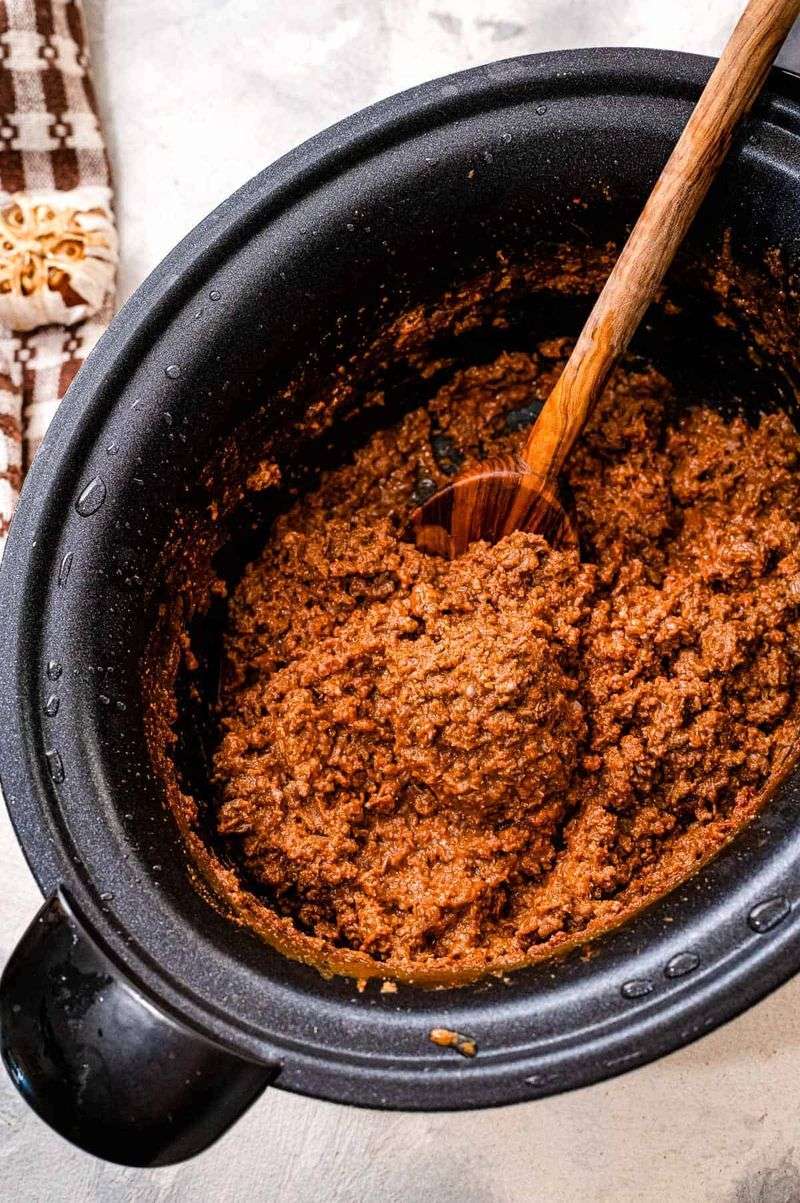
Tossing raw ground beef or pork straight into the slow cooker might seem efficient, but the results are usually disappointing. The meat clumps together, turns gray, and releases a lot of greasy fat that makes your dish look unappetizing.
Browning ground meat in a skillet first takes only a few extra minutes, but it adds a rich, caramelized flavor that the slow cooker simply cannot create on its own. Drain the fat before adding it to the pot.
11. Extra Lean Cuts of Meat
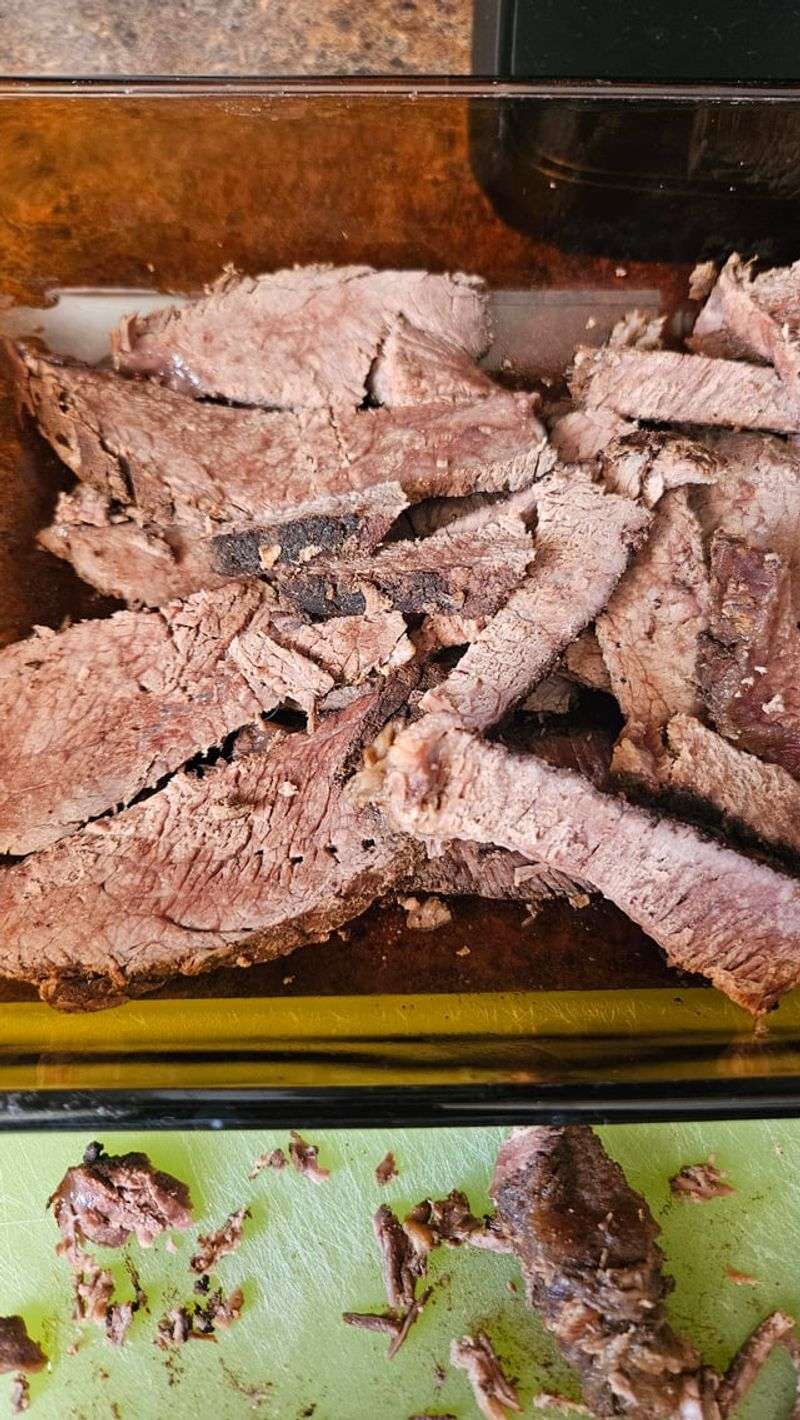
Slow cookers were practically made for tough, fatty cuts like chuck roast or pork shoulder. Those cuts break down beautifully over hours of low heat.
Extra-lean cuts, on the other hand, have no fat to keep them moist and become unpleasantly tough and dry.
When picking meat for the slow cooker, look for cuts with visible marbling. The fat renders slowly and keeps the meat juicy, flavorful, and tender all the way through.
12. Baked Goods Like Bread or Cakes
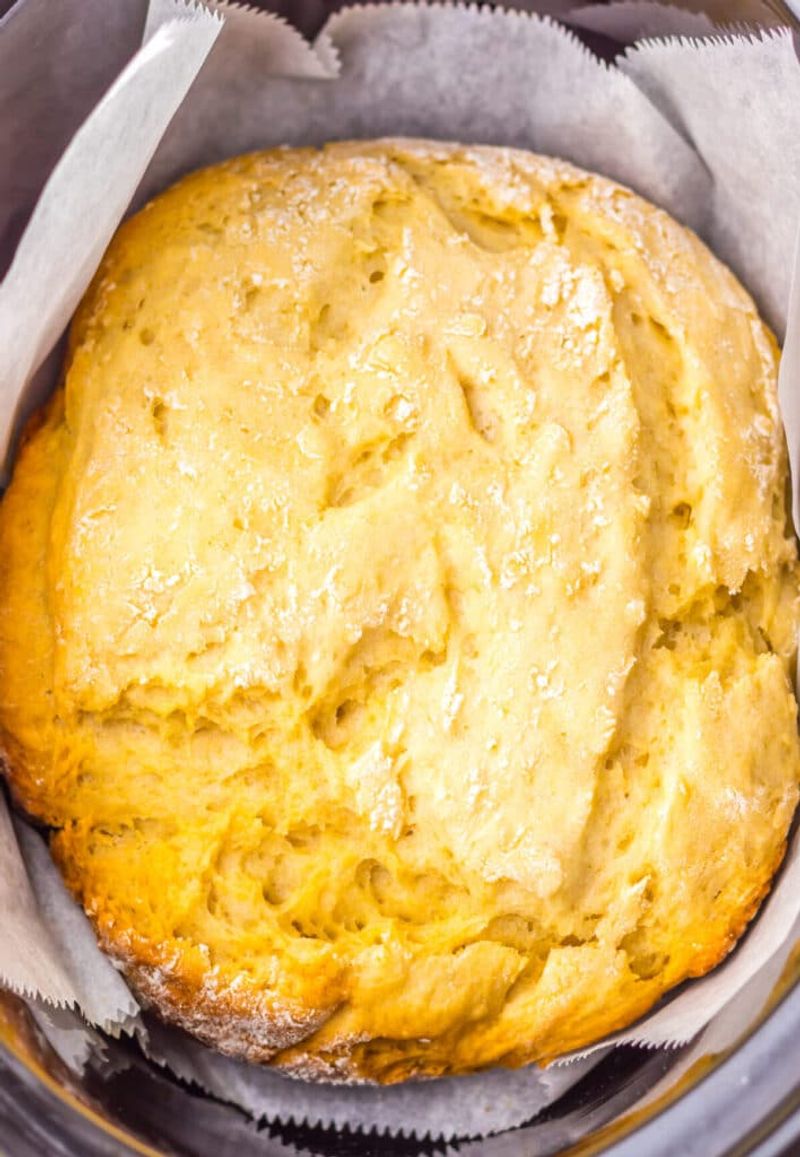
Some recipes claim you can bake bread or cake in a slow cooker, and while it technically works sometimes, the results are often dense, gummy, and pale on top because there is no dry heat to form a proper crust.
The steam trapped inside creates a wet environment that most baked goods simply hate. If you want a properly baked treat, stick with the oven.
Save your slow cooker for soups, stews, and braises where moisture is actually welcome.
13. Boneless Skinless Chicken Thighs Cooked Too Long
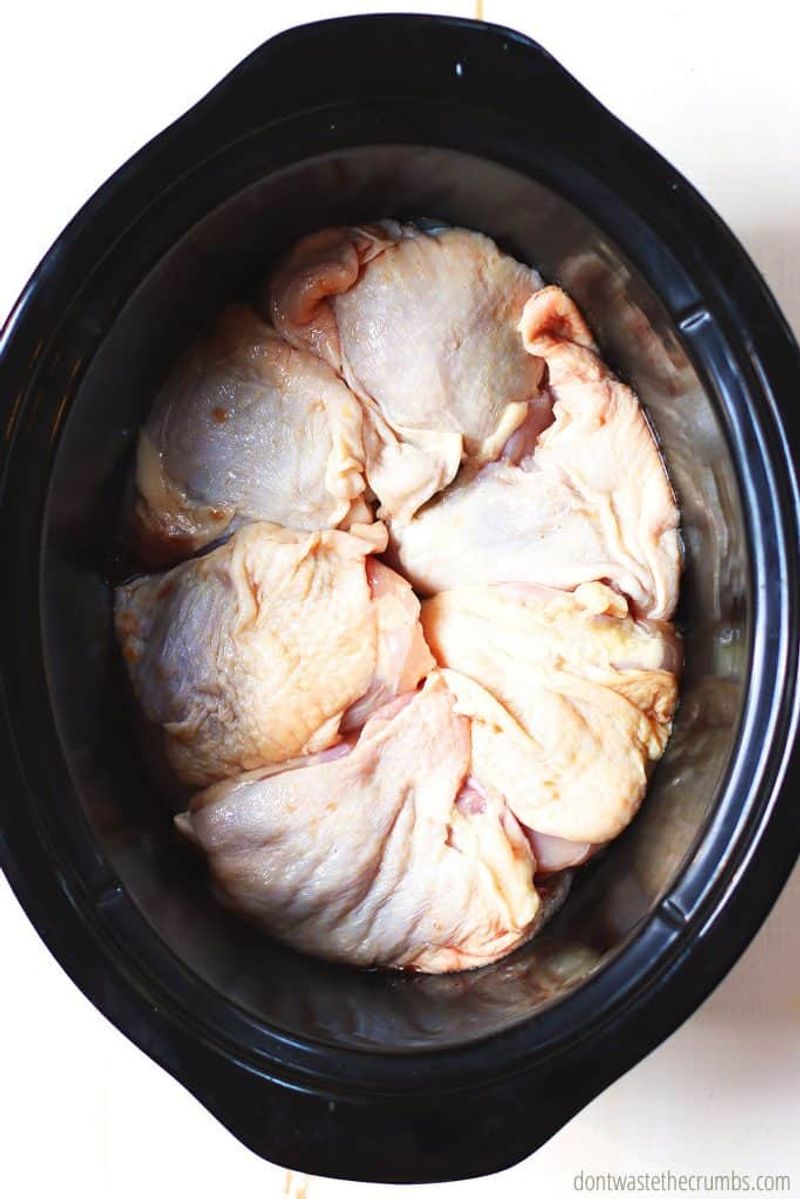
Chicken thighs are more forgiving than breasts in the slow cooker, but even they have limits. Cooking them on high heat for six or more hours pushes them past tender and into dry, stringy territory that no amount of sauce can fix.
Stick to four to six hours on low or two to three hours on high for boneless thighs. Bone-in thighs give you a little more wiggle room because the bone helps retain moisture throughout the cooking process.
14. Canned Beans Added Too Late
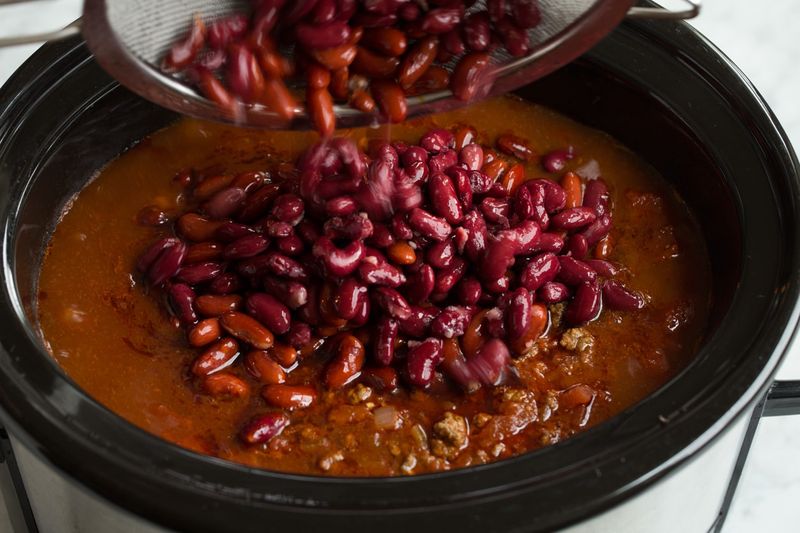
Here is one that trips up a lot of home cooks: adding canned beans at the wrong time. Toss them in too early and they turn to mush; add them too late and they stay cold and underdeveloped in flavor.
Canned beans are already fully cooked, so they just need to warm through. Stir them in during the last 30 minutes of cooking.
If you are using dried beans, soak and pre-cook them before they go into the pot.
15. High-Fat Skin-On Poultry Left On
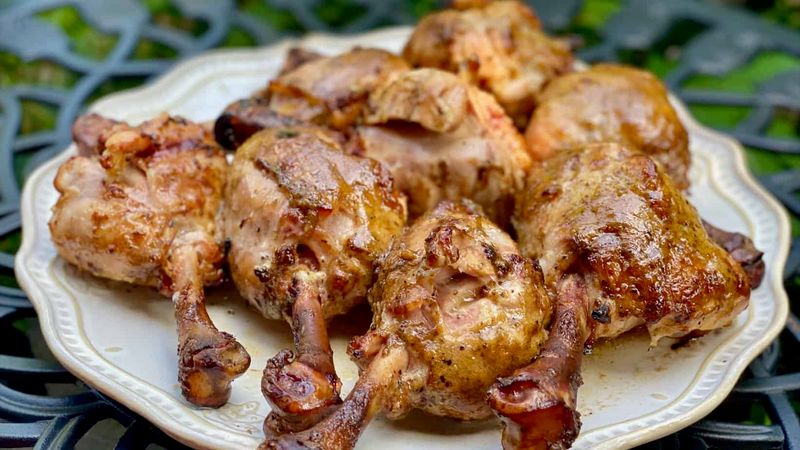
Crispy chicken skin is one of life’s great pleasures, but the slow cooker is its worst enemy. All that trapped moisture turns the skin into a rubbery, flabby layer that no one wants to eat.
It also releases a lot of extra fat into the cooking liquid.
Remove the skin before slow cooking, or broil the chicken in the oven for a few minutes after it finishes cooking. Either approach gives you much better texture and a cleaner-tasting dish overall.
16. Alcohol-Based Extracts Like Vanilla
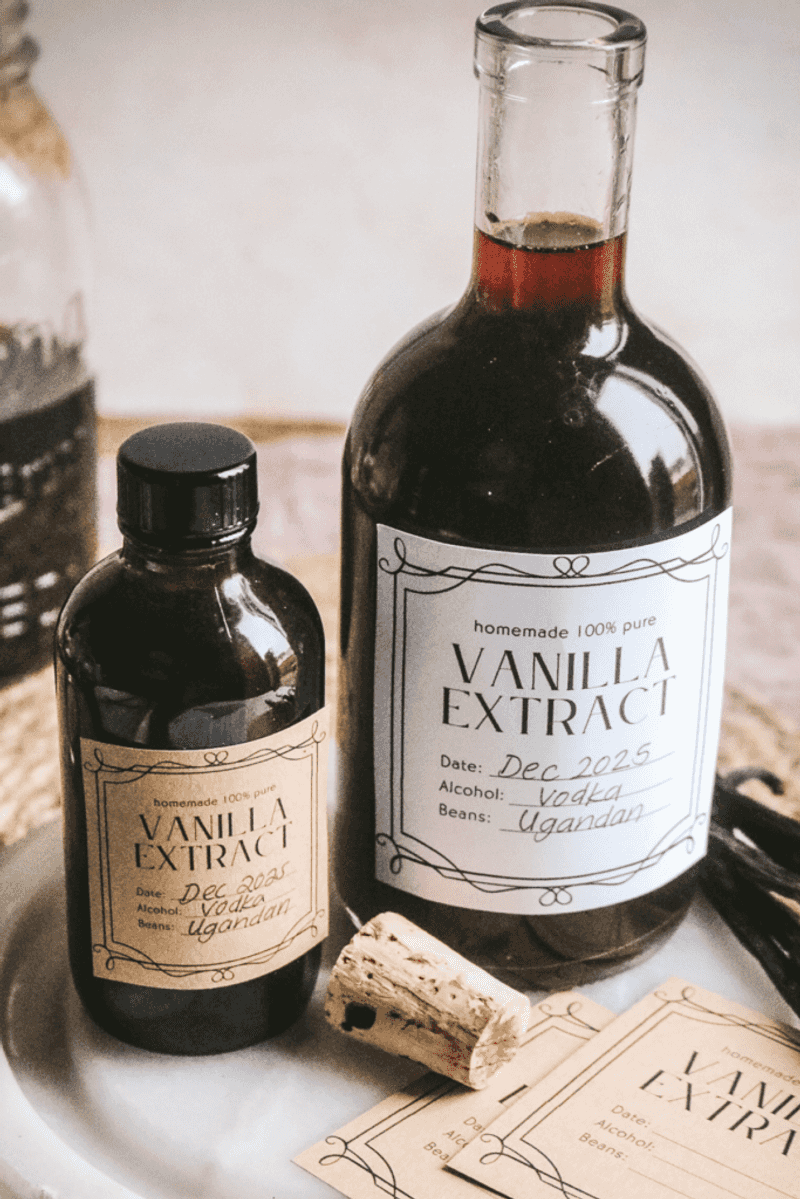
Adding vanilla extract at the start of a long slow cooker recipe seems harmless, but the extended heat causes the alcohol to evaporate while leaving behind a slightly bitter, artificial aftertaste that can throw off the flavor of the entire dish.
For sweet slow cooker recipes, stir in vanilla extract or other alcohol-based flavorings during the last few minutes of cooking. This preserves the warm, sweet aroma and keeps the flavor tasting clean and natural rather than harsh.
17. Leafy Greens Like Spinach or Kale Added at the Start
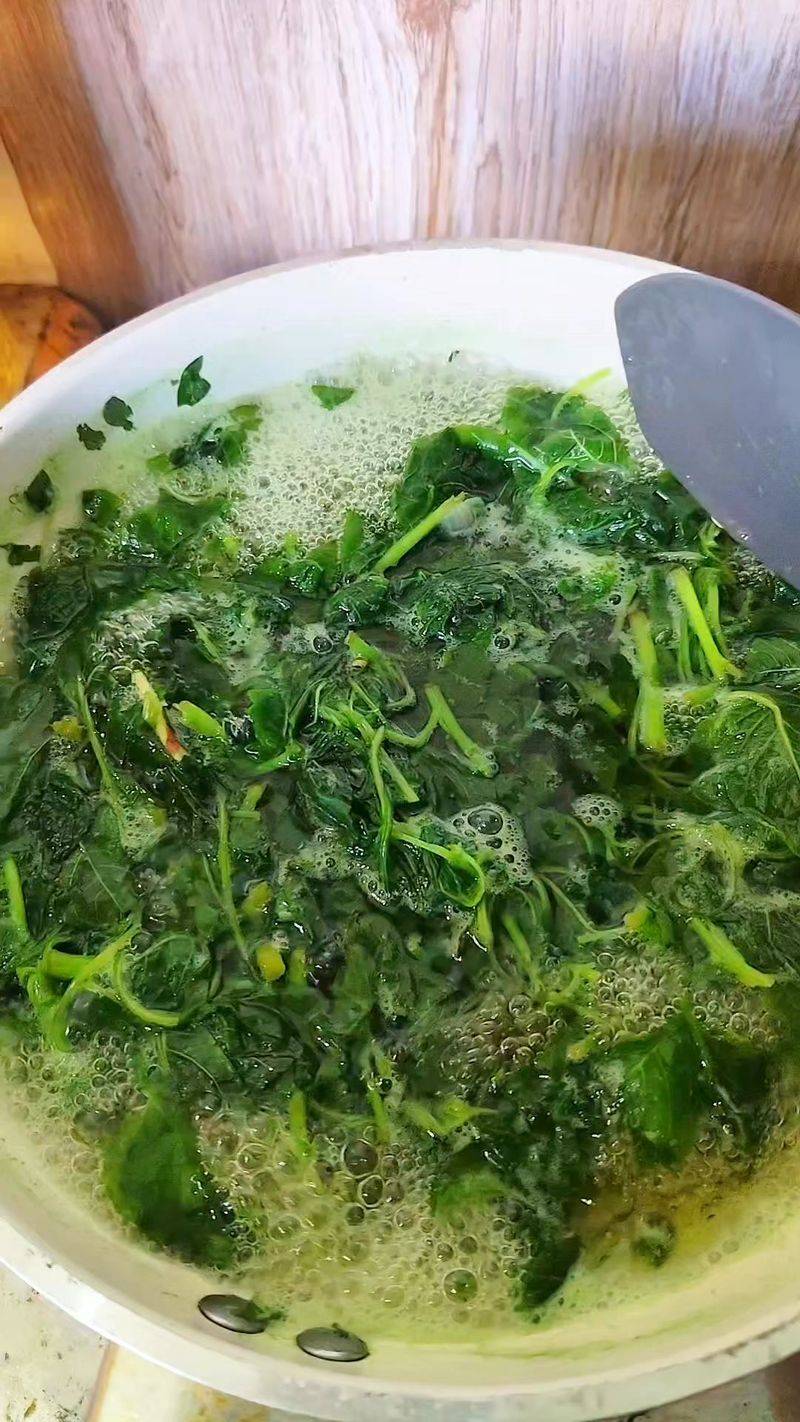
Spinach, kale, and other leafy greens are packed with nutrients, but they cannot survive hours in a slow cooker. They shrink dramatically, turn slimy, and lose most of their color, flavor, and nutritional value long before the meal is ready.
Stir leafy greens in during the very last five to ten minutes of cooking. The residual heat wilts them perfectly without destroying their texture.
This small timing change makes a huge difference in both the look and taste of your finished dish.