
The 1970s were a wild, colorful decade filled with bell-bottoms, disco balls, and some truly unforgettable slang. People back then had their own way of talking that felt fresh, fun, and totally unique to the times.
Many of those words and phrases have since disappeared from everyday conversation, leaving behind only memories and a few laughs. Take a trip back in time as we explore 17 groovy slang terms that were everywhere in the ’70s but have mostly vanished today.
1. Groovy
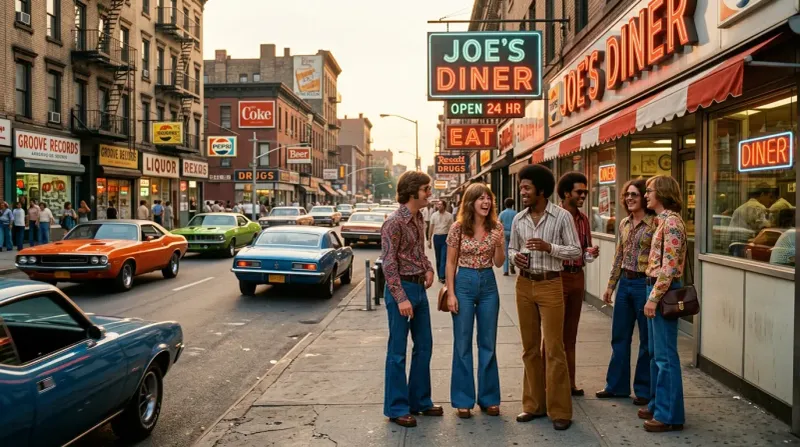
Before “awesome” took over, “groovy” was the ultimate compliment. If something was cool, exciting, or just plain wonderful, it was groovy.
The word captured the free-spirited, laid-back energy of the entire decade.
Rooted in jazz culture from even earlier decades, “groovy” hit its peak during the late 1960s and ’70s. By the 1980s, it had mostly disappeared, surviving only in nostalgic jokes and retro TV shows.
Hearing it today almost always gets a chuckle.
2. Far Out
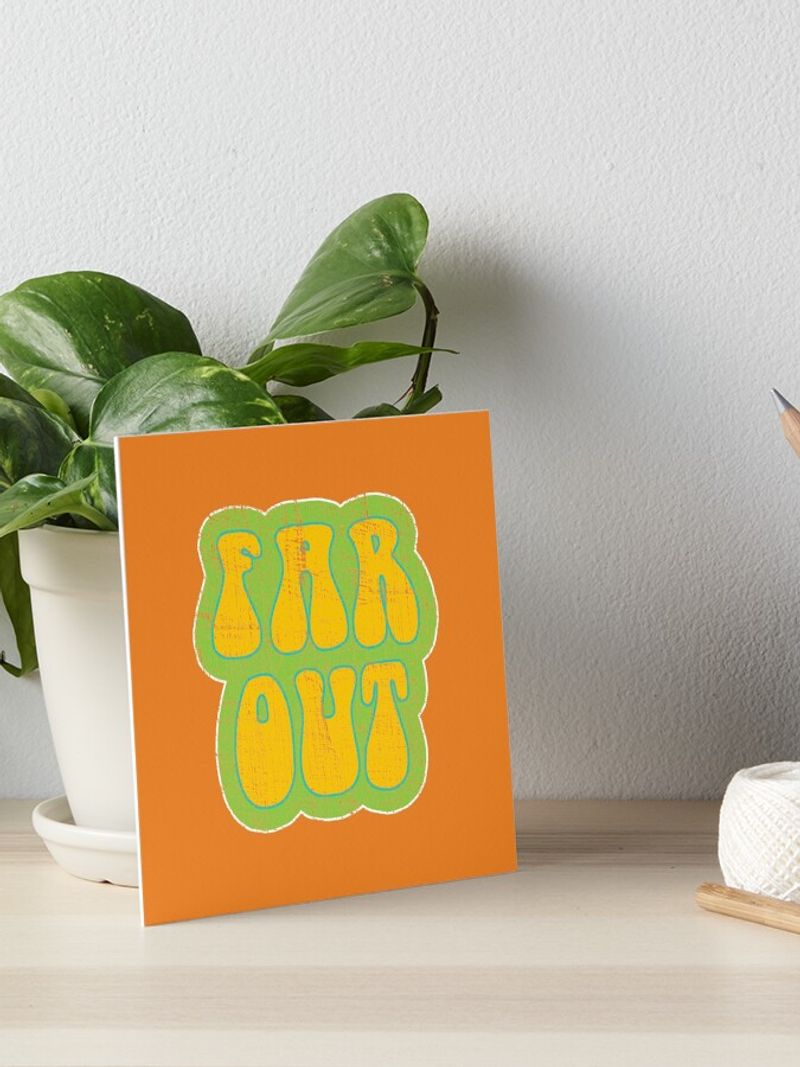
“Far out” was what you said when something truly blew your mind. It went beyond just being cool, it meant something was almost unbelievably amazing or strange in the best possible way.
The phrase grew from the counterculture movement and was closely tied to music, art, and free expression. You might have heard it at a rock concert or after watching a wild sci-fi movie.
Today, saying “far out” sounds more like a punchline than a compliment.
3. Jive Turkey
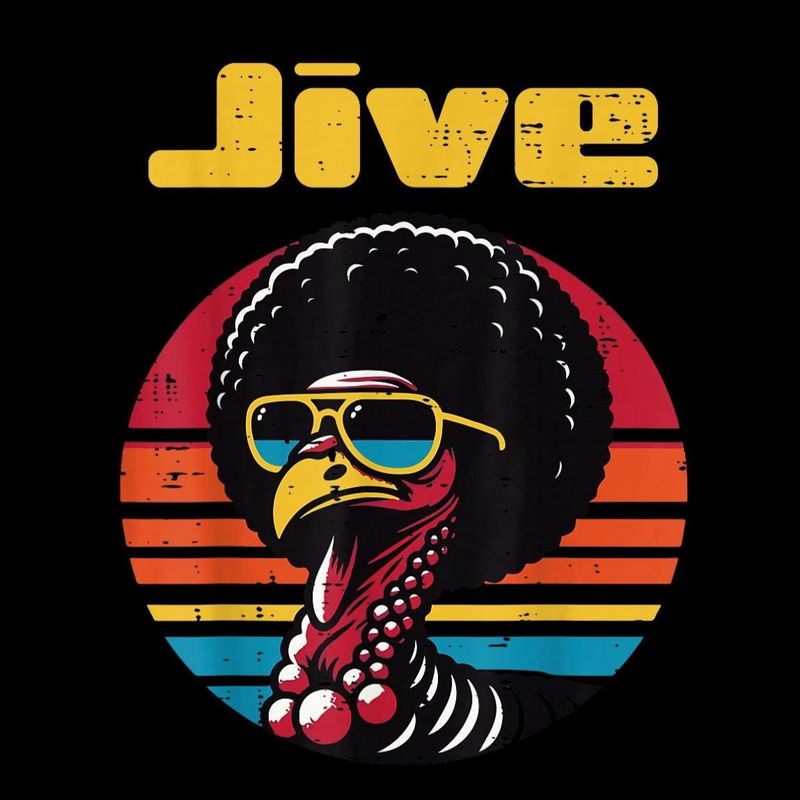
Calling someone a “jive turkey” was a colorful way of saying they were foolish, dishonest, or just plain full of hot air. It had real attitude packed into two simple words.
Popularized largely through blaxploitation films and TV shows of the era, the phrase carried a punchy, street-smart energy. It showed up constantly in comedies and action films throughout the decade.
Nowadays, the phrase mostly pops up in throwback TV references or Halloween costumes celebrating the era.
4. Boogie
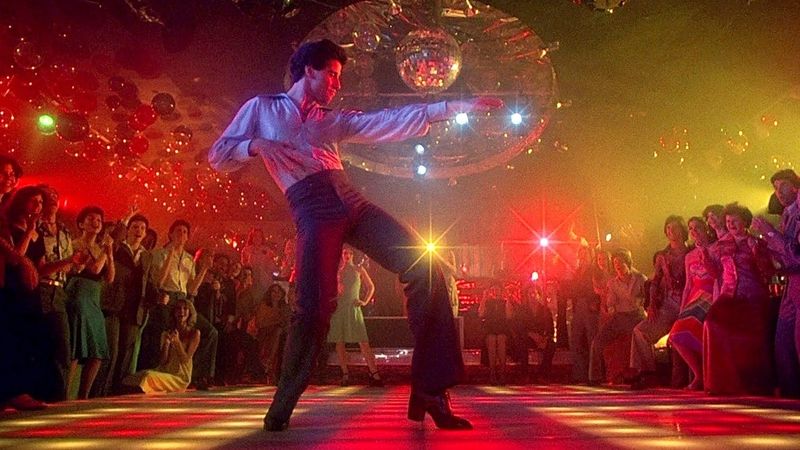
“Boogie” meant hitting the dance floor with everything you had. It was a verb, a noun, and a lifestyle all rolled into one funky word.
If there was music, someone was definitely boogying.
Rooted in rhythm and blues and early rock and roll, the word exploded during the disco era. Phrases like “boogie down” or “let’s boogie” were heard at every party.
While “boogie” still pops up occasionally today, it carries a strong retro flavor that makes people smile.
5. Can You Dig It
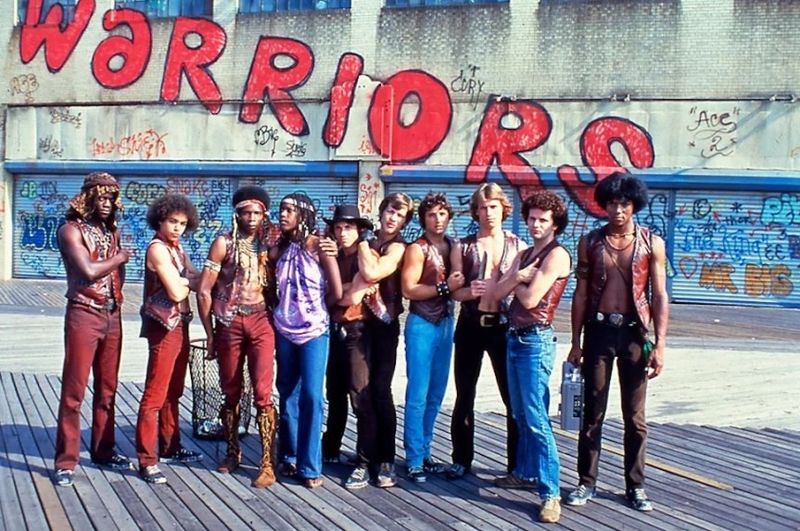
“Can you dig it?” was the decade’s way of asking, “Do you understand what I’m saying?” or “Are you with me on this?” It had a smooth, confident rhythm that matched the era perfectly.
The phrase came from African American vernacular and spread widely through pop culture, movies, and music. It showed up memorably in the 1979 film “The Warriors,” cementing its place in cultural history.
Today, most people only recognize it from classic movies rather than everyday speech.
6. Foxy
Back in the ’70s, calling someone “foxy” was a high-level compliment about their attractiveness and style. It was bold, fun, and carried a confident swagger that matched the decade’s attitude.
The word got a massive boost from artists like Jimi Hendrix and the hit song “Foxy Lady.” It showed up in movies, TV shows, and everyday conversations constantly. While “foxy” occasionally resurfaces in retro-themed content, most younger generations today would probably just say someone is “hot” or “cute.”
7. Bread

Money has always had slang nicknames, and in the ’70s, “bread” was one of the most popular. Saying you needed some bread meant you were short on cash, plain and simple.
The term likely evolved from Cockney rhyming slang, where “bread and honey” meant money. It filtered into American counterculture speech and stuck around through the decade.
These days, people say “cash,” “dough,” or even “paper,” but good old “bread” for money has mostly gone stale.
8. Solid
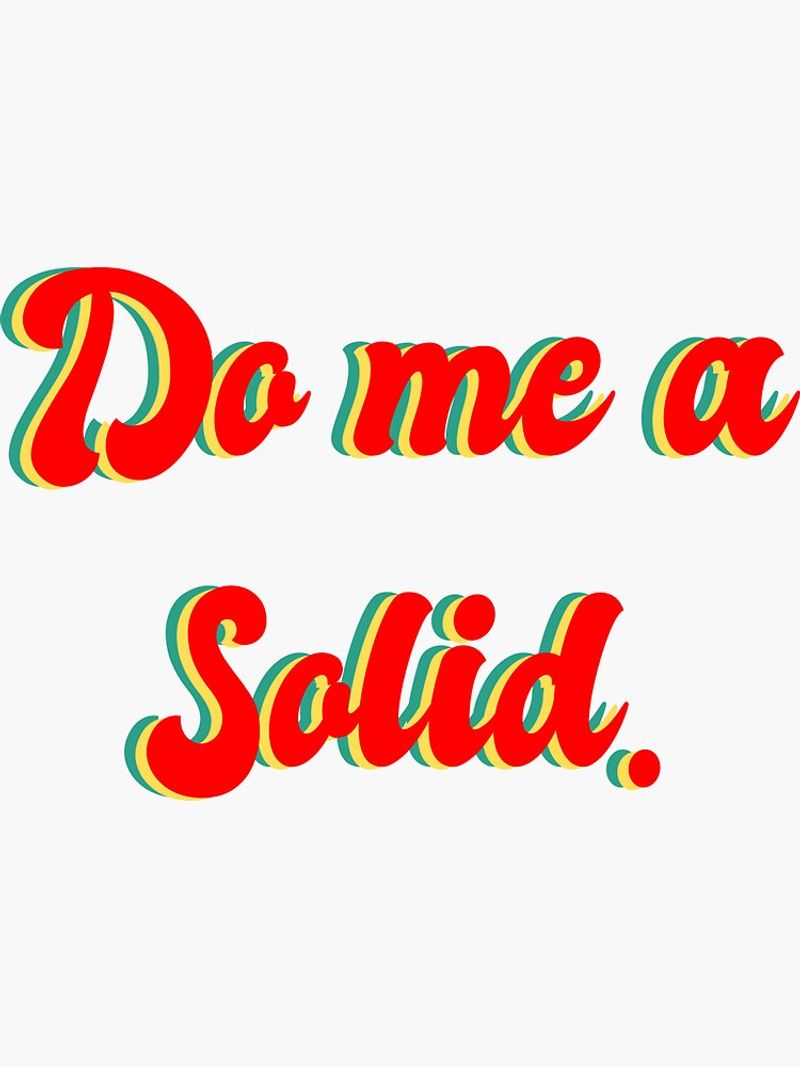
When someone said “solid” in the ’70s, they meant everything was good, agreed upon, or totally reliable. It was the decade’s compact version of giving a thumbs-up to a plan or a person.
Short, punchy, and effortlessly cool, “solid” fit perfectly into the era’s laid-back communication style. You might hear it after sealing a deal or confirming plans with a friend.
Today, people might say “cool” or “sounds good,” but “solid” had a certain unshakeable confidence all its own.
9. Outta Sight
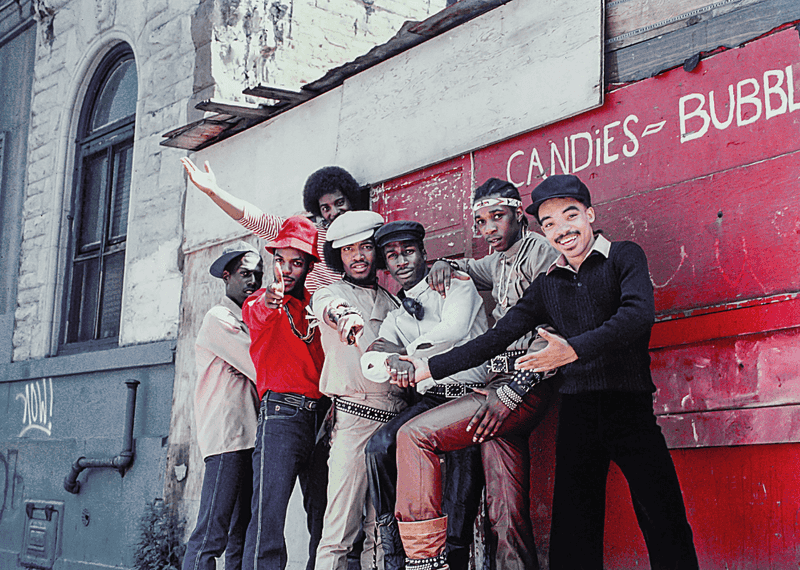
“Outta sight” was pure excitement packed into two words. If something was outta sight, it was so incredibly impressive that it almost defied description.
Think of it as the ’70s version of “mind-blowing.”
The phrase had roots in earlier African American slang before being adopted broadly during the hippie era. It carried an infectious enthusiasm that fit naturally into conversations about music, fashion, or any big moment.
Hearing it today feels like finding a vintage treasure buried in an old yearbook.
10. Rap
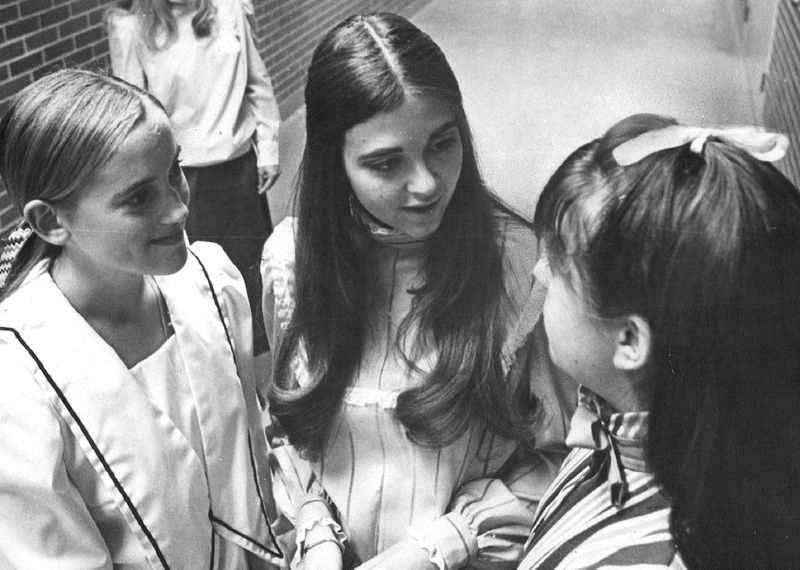
Long before rap became a musical genre, “rap” in the ’70s simply meant having a serious or casual conversation. To rap with someone was to talk openly, honestly, and without pretense.
The term was deeply embedded in African American culture and spread through youth movements and social activism of the era. Community leaders and educators would encourage young people to “rap” about their problems.
The musical meaning eventually took over so completely that the original conversational definition is largely forgotten today.
11. Catch You On The Flip Side
Truckers and CB radio enthusiasts popularized this catchy farewell phrase, which simply meant “see you later” or “talk to you next time.” It had a breezy, road-trip energy that felt uniquely American.
“Flip side” referred to the other side of a vinyl record or a CB radio channel, giving the phrase a fun, pop-culture twist. It spread beyond truckers into mainstream conversation throughout the decade.
Today, a simple “later” or “bye” has replaced this colorful send-off almost entirely.
12. Hang Loose
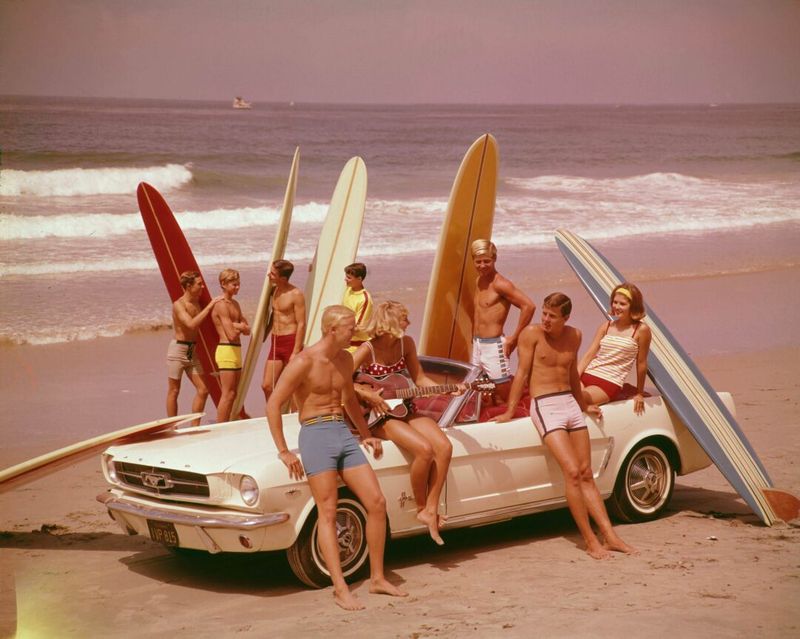
“Hang loose” was the unofficial motto of anyone chasing waves, good vibes, and zero stress. It meant staying relaxed, going with the flow, and not letting anything get under your skin.
Closely tied to surf culture in California and Hawaii, the phrase spread widely as surfing became a mainstream part of American youth culture during the ’70s. The shaka hand gesture often accompanied it.
While surfers still use it occasionally, “hang loose” feels more like a beach souvenir slogan than a living piece of everyday language.
13. Truckin’
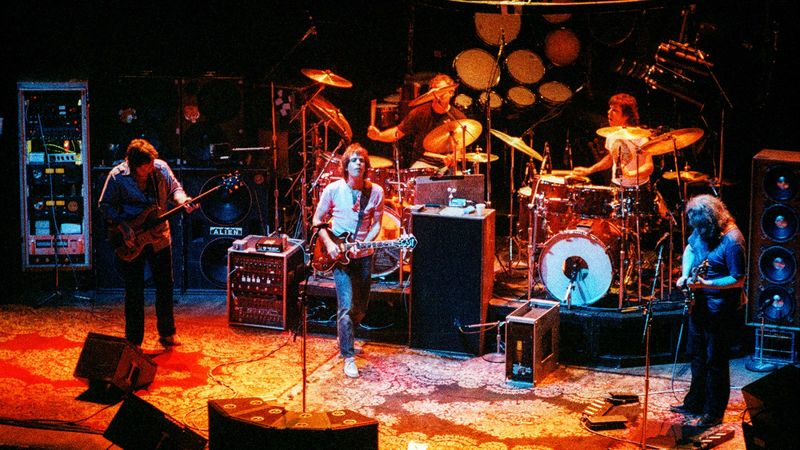
“Truckin'” meant moving along, keeping going, or just getting through life one step at a time. It carried a spirit of resilience and forward momentum without taking things too seriously.
The Grateful Dead immortalized the word with their 1970 song “Truckin’,” which became an anthem for road-tripping, free-living culture. The phrase embodied the era’s love of adventure and simplicity.
While the song remains beloved, the slang itself has mostly retired to the same shelf as tie-dye shirts and eight-track tapes.
14. Burn Rubber
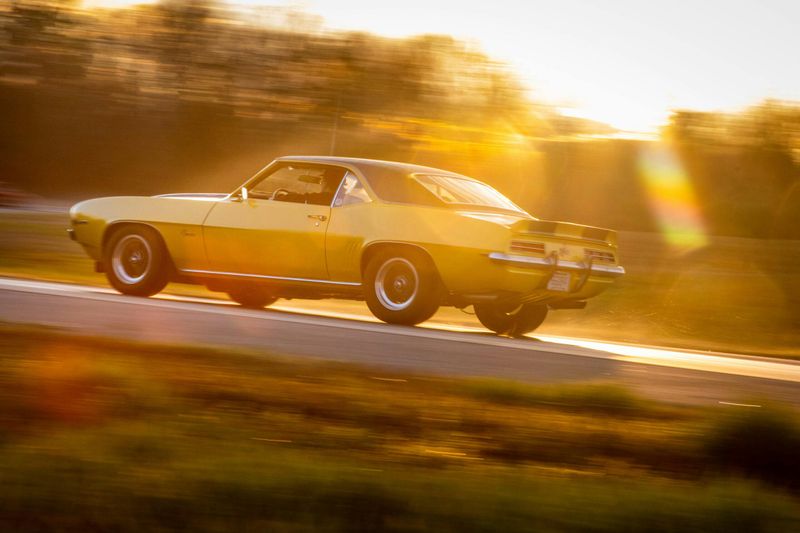
“Burn rubber” meant flooring a car’s accelerator and speeding off fast enough to leave skid marks. It was the ultimate display of cool for anyone obsessed with cars during the decade.
Car culture was huge in the ’70s, with muscle cars dominating the roads and drag racing capturing imaginations everywhere. Phrases like this were currency among gearheads and teenagers alike.
You still hear it occasionally today, but it no longer carries the same electric, rebellious energy it once did in that golden age of American horsepower.
15. Lay It On Me

“Lay it on me” was an open, enthusiastic invitation to share information, news, or an idea. It said, without any fuss, “I’m ready to hear what you’ve got.” The phrase oozed casual confidence.
Common in both casual hangouts and more serious conversations, it reflected the decade’s preference for direct, expressive communication. You might hear it before a big reveal or when asking a friend for advice.
Today, people just say “tell me” or “go ahead,” which honestly lacks the same dramatic flair.
16. Funky
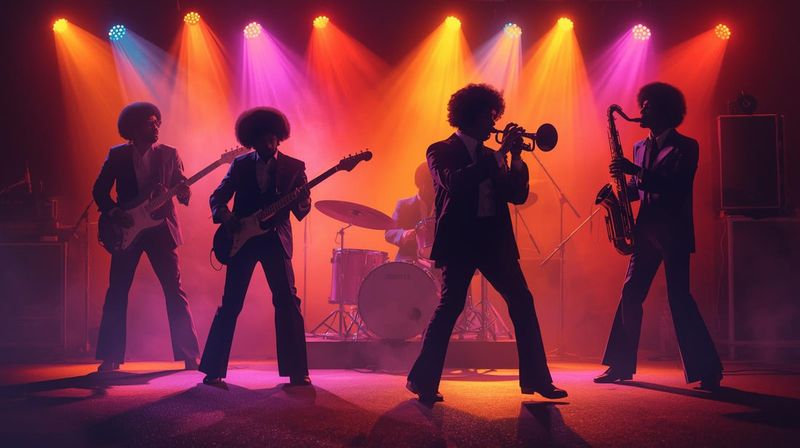
“Funky” started as a music term describing a raw, earthy, rhythmic style rooted in soul and R&B. But by the ’70s, it had expanded to describe anything with an unconventional, edgy, or surprisingly cool vibe.
Artists like James Brown and Parliament-Funkadelic made funkiness a cultural force. Calling someone or something funky was high praise, suggesting originality and soul.
The word has partially survived into modern language, though its meaning has shifted so much that the original ’70s flavor is hard to fully recapture today.
17. What’s Your Bag
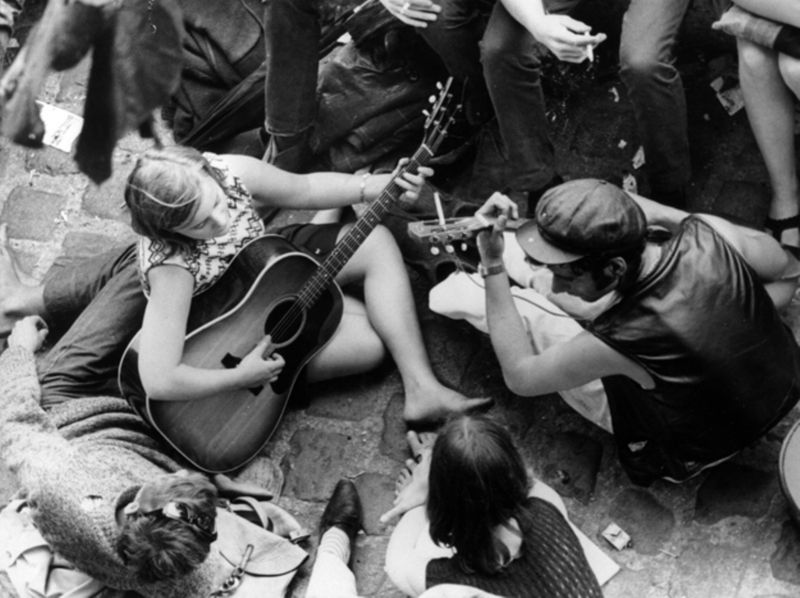
“What’s your bag?” sounds strange today, but back in the ’70s it simply meant “What’s your deal?” or “What are you into?” It was a laid-back way of asking someone about their personality or problem.
Rooted in beatnik slang from the 1950s, the phrase carried over into hippie culture and stayed relevant through much of the ’70s. It could be used curiously or with mild frustration depending on tone.
Modern equivalents like “what’s your vibe” hint at this phrase’s DNA without most people realizing the connection.