
The 1970s were a golden age of radio, packed with catchy hooks, massive stadium tours, and bands that sold millions of records. But not everyone was impressed.
Critics, punk rockers, and serious music fans lined up to slam some of the decade’s biggest names, calling their music too safe, too polished, or just plain manufactured. Here are 17 acts that got a lot of heat despite dominating the airwaves.
1. Bay City Rollers
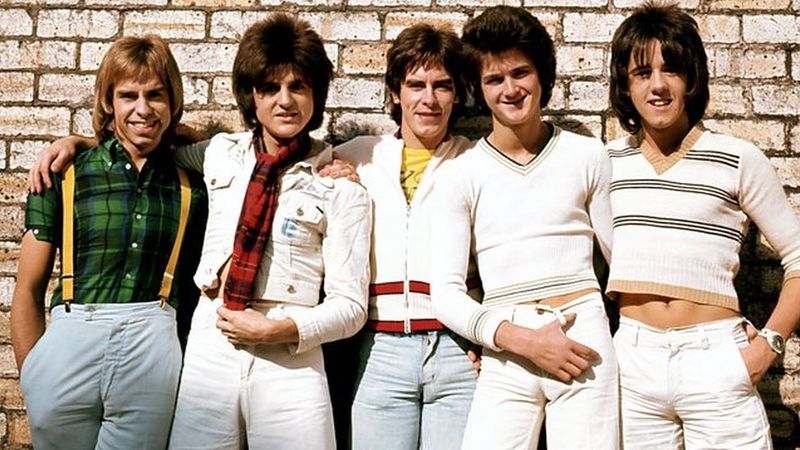
Tartan scarves, synchronized dance moves, and screaming teenage fans everywhere you looked — the Bay City Rollers were a full-blown phenomenon called “Roller Mania.” But critics over the age of 15 were not buying it. They called the Scottish group a manufactured teen pop act with zero artistic depth.
Their coordinated outfits made them easy targets for scathing reviews. Most serious music writers refused to give them a fair listen, dismissing them before the needle even hit the record.
2. Wings
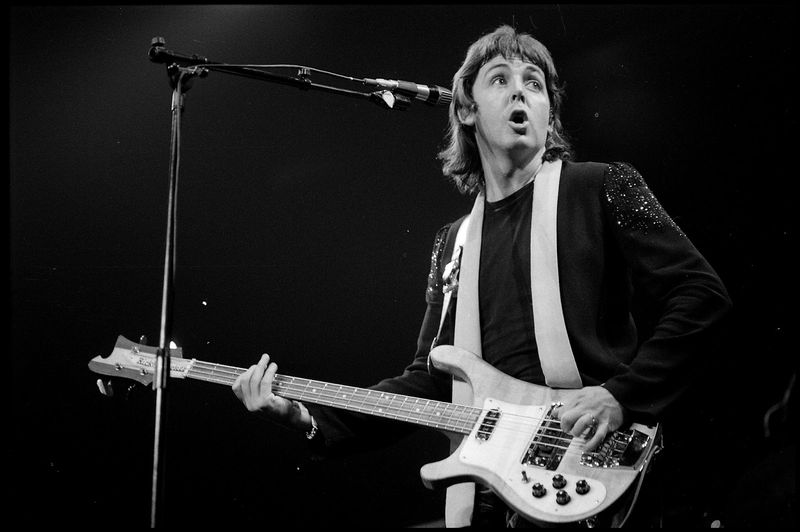
Carrying the weight of The Beatles legacy is no small thing, and Wings felt that pressure every single day. Critics measured every album against Lennon and McCartney’s greatest work, which meant Wings rarely stood a chance of winning anyone over.
Admitting you liked Wings in certain music circles was almost embarrassing.
Commercially, the band was a massive success with hits like “Band on the Run.” But critical respect? That was a much harder trophy to earn for Paul McCartney’s post-Beatles project.
3. Grand Funk Railroad
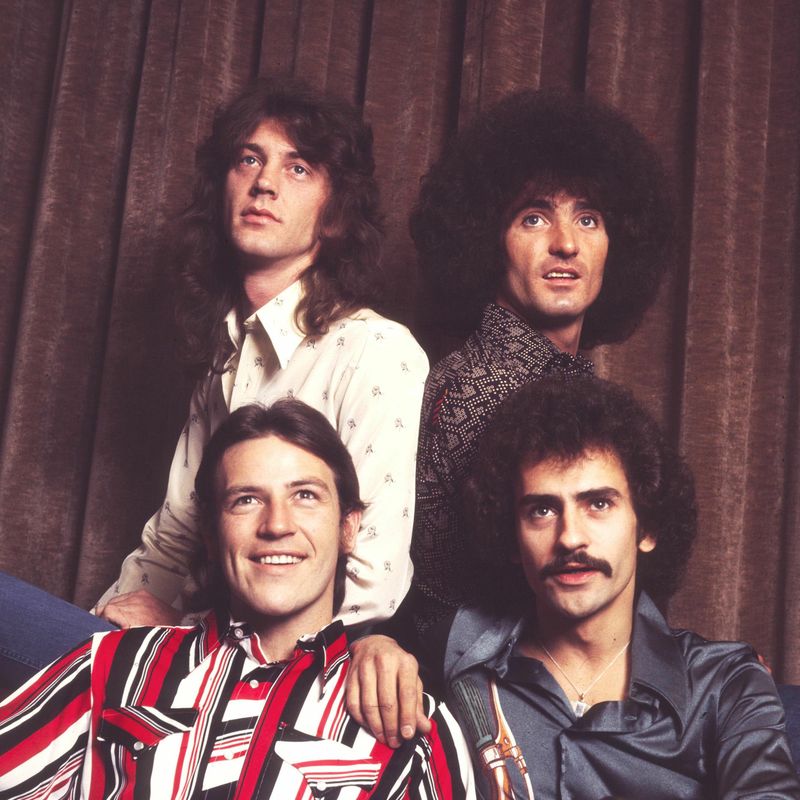
Critics absolutely despised Grand Funk Railroad. Words like “simplistic,” “mindless,” and “all volume, no substance” appeared in review after review.
Yet fans could not get enough, and the band famously sold out Shea Stadium faster than The Beatles ever did — a fact that must have stung the critics deeply.
Their working-class rock energy connected with everyday listeners who were not looking for art-school approval. Grand Funk played loud, proud, and completely unbothered by what the press thought of them.
4. The Partridge Family
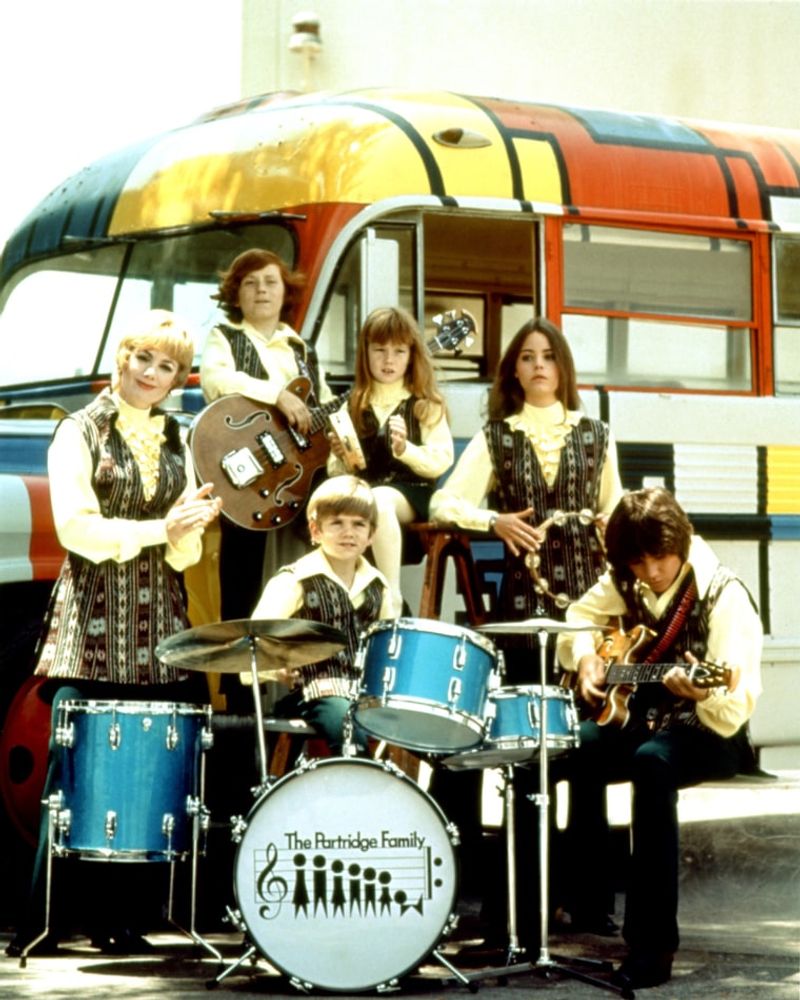
Born from a television set rather than a garage rehearsal space, The Partridge Family sold millions of records and scored top 10 hits. Critics, however, refused to take them seriously.
The uncomfortable truth was that session musicians played on most recordings while the actors smiled and lip-synced on screen.
Rock purists found this unforgivable. No matter how catchy “I Think I Love You” was, the band was seen as a product rather than a genuine musical act worth respecting or reviewing seriously.
5. Captain & Tennille
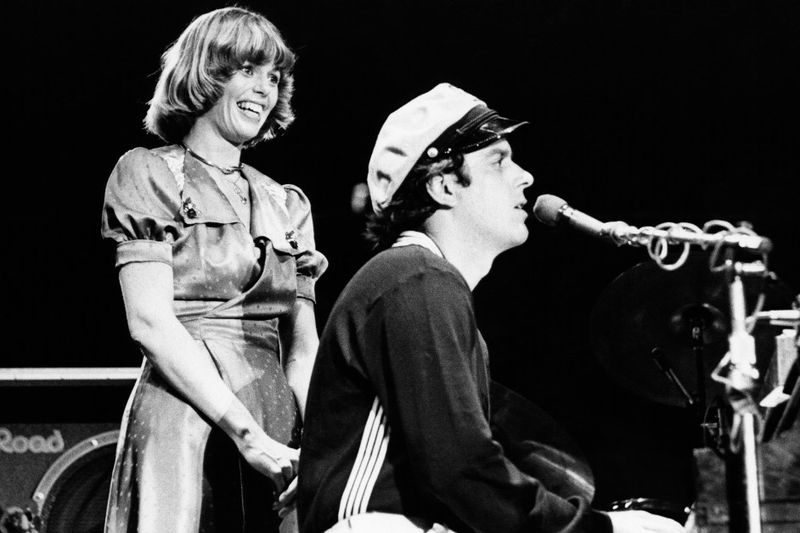
“Muskrat Love” might be one of the most mocked songs in radio history. Captain and Tennille specialized in soft, breezy easy-listening pop that critics compared to elevator music — pleasant enough, but completely forgettable the moment it ended.
Their style represented everything the emerging punk movement was furiously rebelling against.
Still, audiences loved them. “Love Will Keep Us Together” won a Grammy and topped charts. Critics cringed while millions of fans hummed along happily, proving that popularity and critical approval rarely travel together.
6. Bread
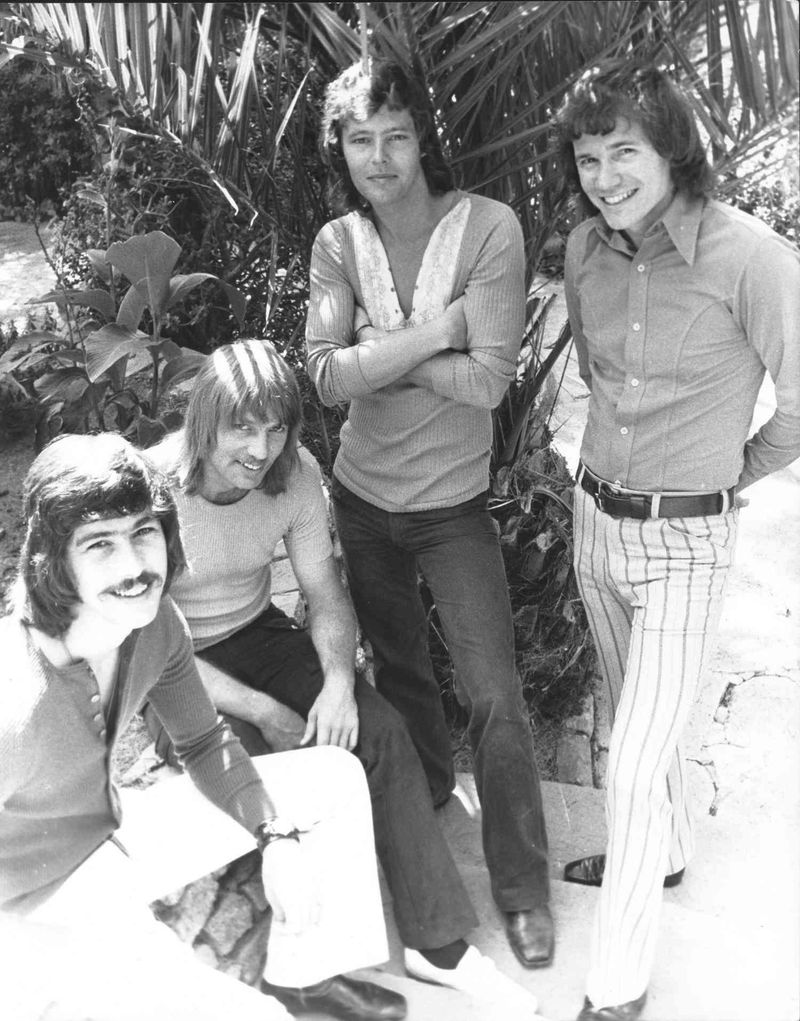
Soft rock had a poster child in the 1970s, and that child was Bread. The band crafted polished, romantic ballads that sold beautifully but earned endless ridicule from rock purists who called them too gentle, too smooth, and too eager to please.
The term “soft rock” itself became almost an insult, with Bread at the center of the joke.
Songs like “Make It with You” were undeniably well-written. But critics treated the band like lightweights who had no business sharing shelf space with harder, edgier acts of the era.
7. Styx
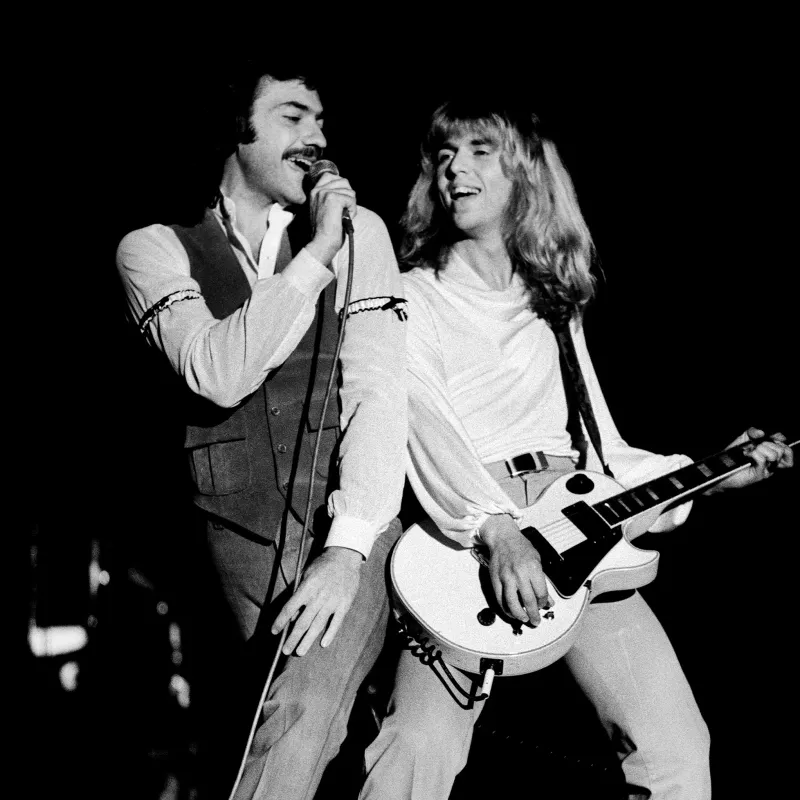
Few bands in the 1970s went bigger than Styx. Rock operas, concept albums, elaborate stage productions, and Dennis DeYoung’s theatrical vocal delivery — critics found it all excessive, corny, and bombastic.
The word “pompous” followed the band through most of the decade like an unwanted backstage pass.
Fans, though, ate it up. Styx built a fiercely loyal following who loved the drama and ambition.
Whether that ambition was genuine artistry or calculated showmanship depended entirely on who you asked at the time.
8. Kansas
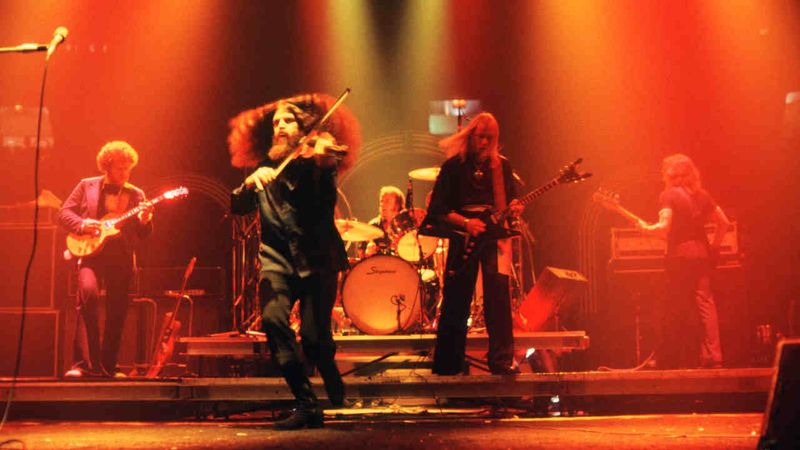
Long instrumental passages, philosophical lyrics, elaborate stage shows — Kansas brought a lot to the table, and critics argued they brought too much. The band was labeled self-indulgent and bombastic, their earnestness seen as cheesy rather than sincere by the hipper corners of the music press.
Then “Dust in the Wind” became a massive hit, and suddenly even casual listeners knew their name. Ironically, that gentle acoustic ballad may have hurt their credibility more than it helped, making them seem soft to their own progressive rock audience.
9. The Osmonds
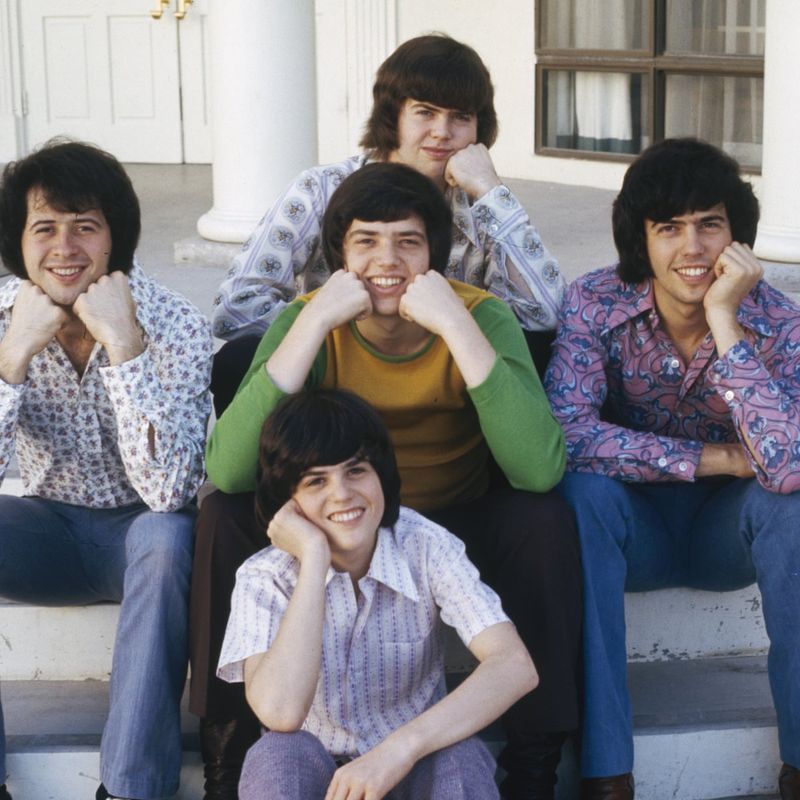
Squeaky clean, wholesome, and always smiling — The Osmonds were practically designed to make rock critics roll their eyes. Their family-friendly image made them easy targets, and serious music fans dismissed them as corporate pop engineered for profit rather than passion.
Artistic risk was simply not part of their brand.
They had genuine vocal talent and real harmonies, but the packaging overshadowed everything. In an era when rebellion was cool, being the “nice family from Utah” was practically a career liability with critics and tastemakers.
10. Bee Gees
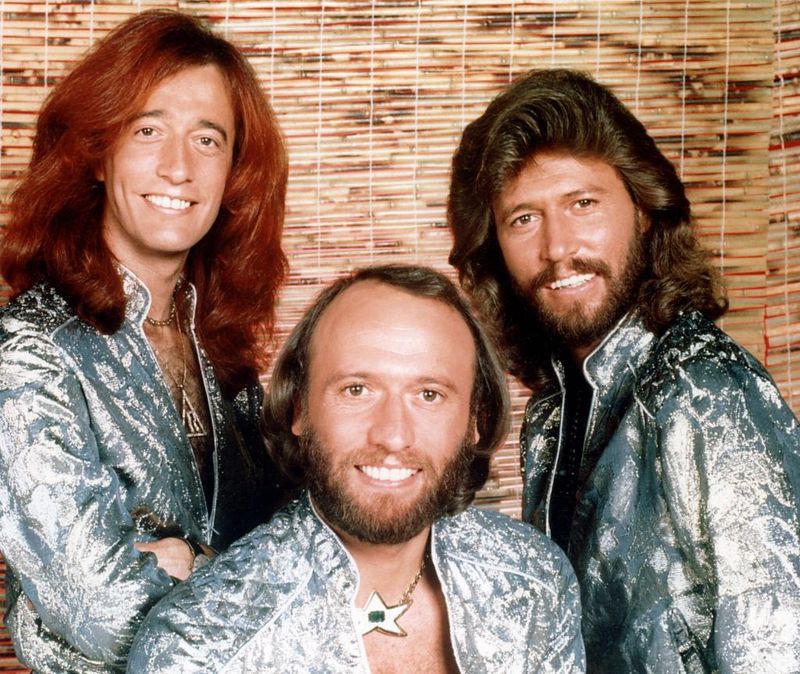
No act absorbed more fury during the disco explosion than the Bee Gees. Their falsetto harmonies and glittery style became the face of a movement that rock fans genuinely despised.
In 1979, a Chicago radio station hosted a rally where disco records — many of them Bee Gees albums — were literally blown up at a baseball stadium.
The backlash was fierce and personal. Yet the Saturday Night Fever soundtrack remains one of the best-selling albums ever made, proving the Bee Gees had the last laugh despite the cultural bonfire around them.
11. KISS
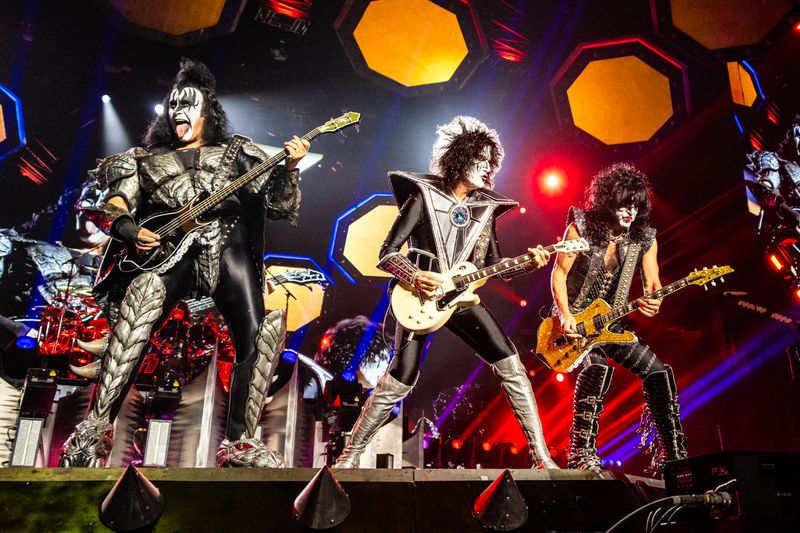
Fire breathing, blood spitting, platform boots, and enough pyrotechnics to launch a small rocket — KISS was a spectacle first and a band second, at least according to their critics. Rock purists argued the elaborate makeup and theatrical chaos were cover for weak songwriting and limited musical ability.
Fans disagreed loudly and loyally. The KISS Army was real and enormous.
But critics spent most of the decade questioning whether the band’s stage show was genuine rock artistry or just a very expensive magic trick designed to distract from average songs.
12. The Eagles
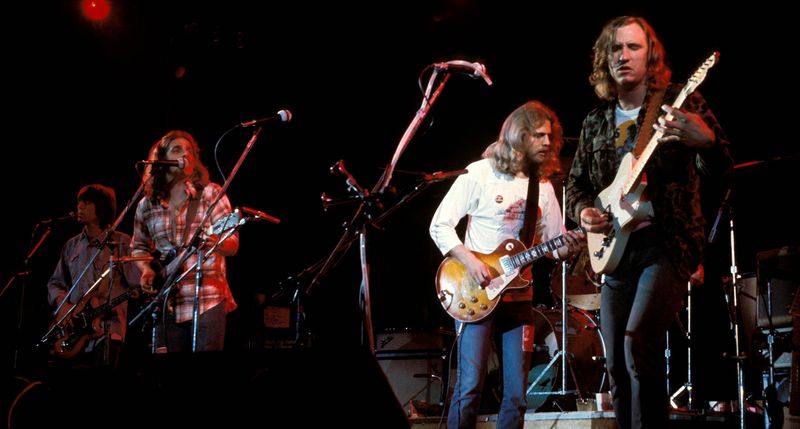
Smooth, polished, and permanently on the radio — The Eagles were inescapable throughout the 1970s. Some fans loved that consistency, but others found it suffocating.
Critics who craved grit and raw energy argued the band’s sound was too comfortable, too manicured, and too safe to feel emotionally honest.
“Hotel California” became so overplayed that it generated its own backlash. The band represented the polished California rock sound perfectly, which was exactly the problem for punk fans and critics who wanted music with dirt under its fingernails.
13. Journey
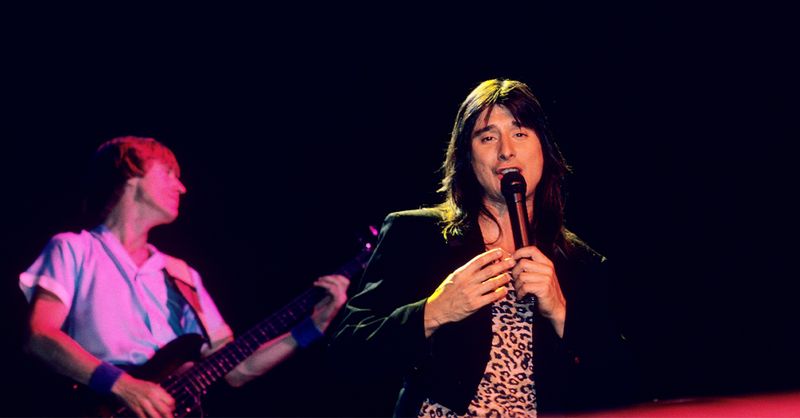
Journey started as a progressive rock band with genuine musical ambitions. Then they found Steve Perry, pivoted to radio-friendly arena rock, and became one of the biggest acts in America.
That pivot infuriated their original fanbase and gave critics plenty of ammunition about selling out.
Soaring ballads like “Don’t Stop Believin'” were called emotionally manipulative and overly theatrical. Every chorus felt engineered for maximum crowd reaction, which was either brilliant pop craftsmanship or shameless commercial calculation, depending on your perspective and how much you valued authenticity over singalongs.
14. Boston
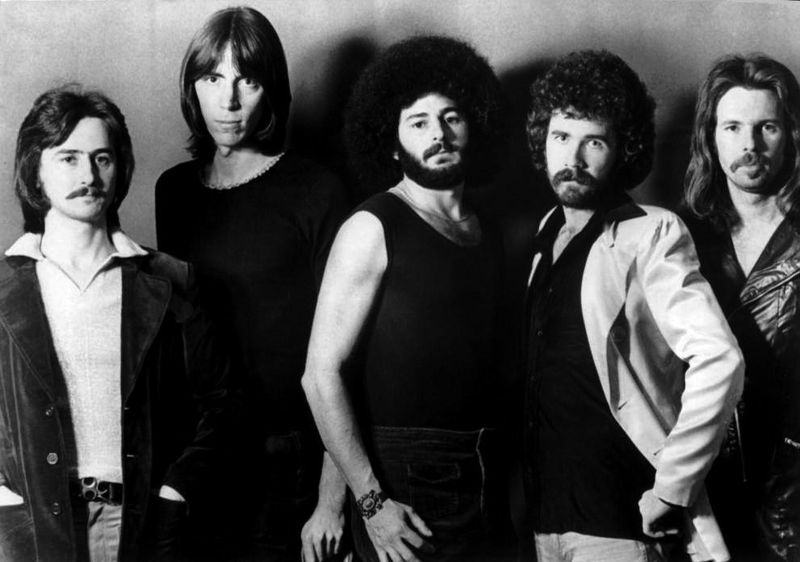
Tom Scholz was a MIT-trained engineer, and it showed in every note Boston ever recorded. Their debut album was so perfectly produced, so sonically immaculate, that critics found it almost unsettling.
Words like “too polished” and “sanded away” appeared constantly in reviews, as if being technically flawless was somehow a flaw.
Rock fans who loved rough edges and happy accidents found nothing to hold onto in Boston’s pristine sound. The irony is that this obsessive perfectionism is exactly why the album still sounds incredible today, decades after its release.
15. Electric Light Orchestra (ELO)
Strings in a rock band? Critics raised eyebrows immediately.
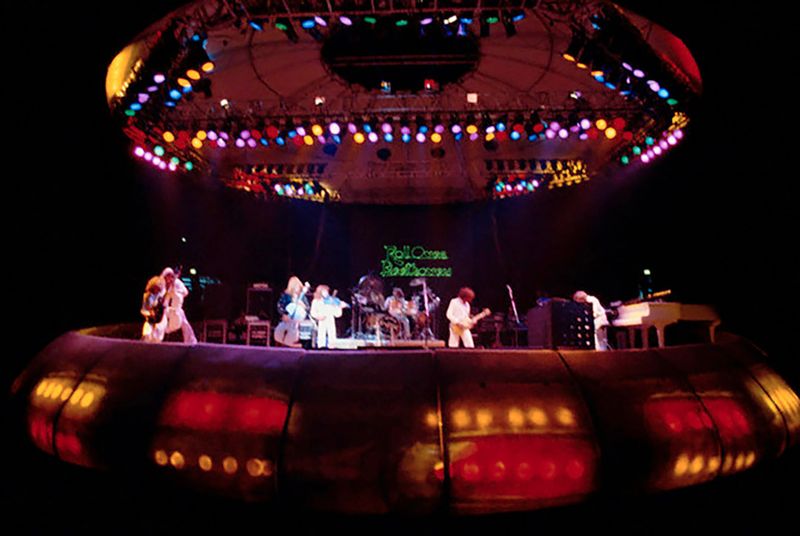
ELO blended orchestral arrangements with hard rock in ways that purists found confusing and overproduced. Jeff Lynne’s elaborate light shows and science-fiction imagery added another layer of excess that reviewers loved to mock throughout the decade.
The criticism missed something important, though. ELO was genuinely inventive, creating a sound nobody else was making.
Their UFO-shaped stage set alone was legendary. Sometimes being called overproduced just means you had bigger ideas than anyone around you was ready for.
16. Foreigner
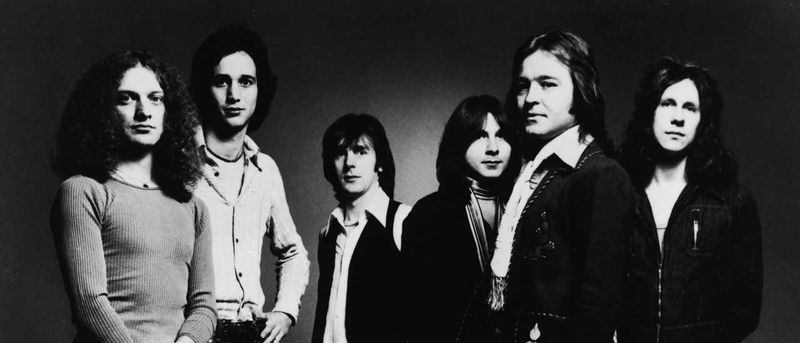
Radio loved Foreigner, and Foreigner loved radio right back. Their clean, hook-driven rock was engineered for maximum airplay, which is exactly what critics held against them.
The phrase “corporate rock” was practically invented for bands like this — technically skilled, commercially savvy, and deliberately inoffensive to the point of feeling soulless.
Millions of fans disagreed with that assessment. But the criticism stuck because Foreigner rarely took risks.
Every album felt like a careful calculation of what would sell, leaving critics wondering if there was anything genuinely personal happening underneath all that polished production.
17. REO Speedwagon
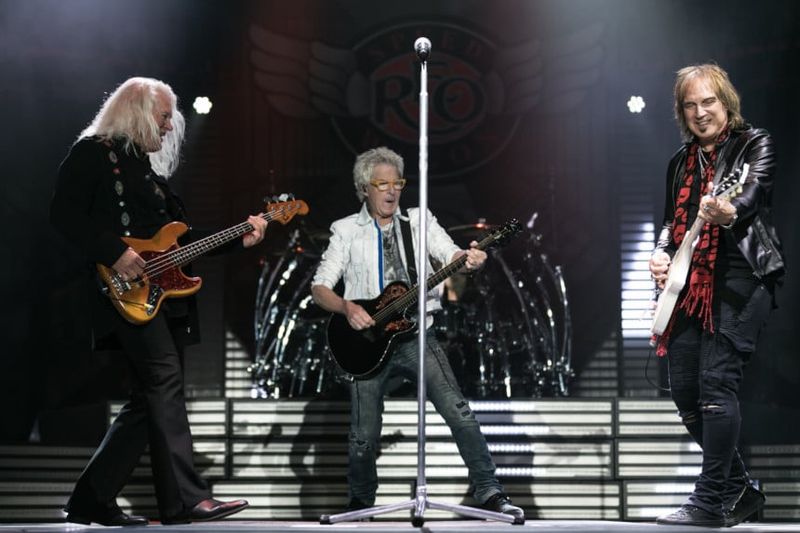
Heartfelt power ballads and heartland rock were REO Speedwagon’s calling card, and critics found both deeply suspicious. The sincerity felt manufactured to them, the emotional swells calculated for maximum radio impact rather than genuine feeling. “Corporate rock’s emotional manipulation” was a phrase that followed the band like a shadow.
Fans, however, connected deeply with songs like “Keep On Loving You.” Sometimes music does not need critical approval to matter to people. REO Speedwagon understood their audience in ways the press never quite could — or wanted to — acknowledge.