
Hollywood casting decisions can spark serious conversations, and some choices have become legendary for all the wrong reasons. From angry fan petitions to public protests, certain roles have divided audiences, critics, and entire communities.
Whether the debate was about race, gender, acting ability, or just a plain mismatch, these casting choices refused to stay quiet. Get ready to look back at some of the most talked-about, argued-over roles ever put on the big screen.
1. Scarlett Johansson as Major Motoko Kusanagi in Ghost in the Shell (2017)
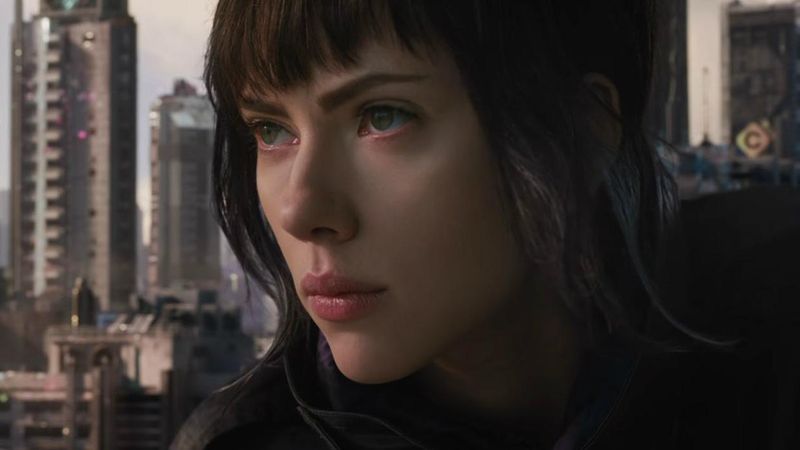
Few casting announcements in recent memory stirred up as much online outrage as this one. Scarlett Johansson was chosen to play Major Motoko Kusanagi, a character from a beloved Japanese manga series.
Critics called it a clear case of whitewashing, and a fan petition demanding a recast gained serious attention.
The controversy highlighted a bigger conversation about Hollywood’s history of sidelining Asian actors in major productions, even when source material clearly calls for them.
2. Scarlett Johansson as Dante Tex Gill in Rub and Tug (2018)
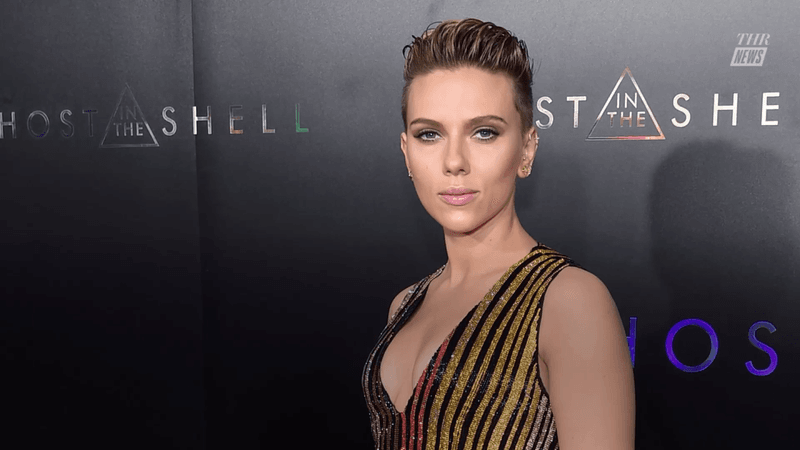
Back-to-back controversies for one actress is rare, but Scarlett Johansson managed it. Her announcement as Dante Gill, a transgender man, in the film Rub and Tug brought an immediate and fierce reaction from LGBTQ+ advocates and performers.
Johansson first pushed back, arguing that actors should be free to play any role. However, public pressure mounted fast, and she eventually withdrew from the project entirely.
The episode became a reference point in debates about authentic representation.
3. Eddie Redmayne as Lili Elbe in The Danish Girl (2015)
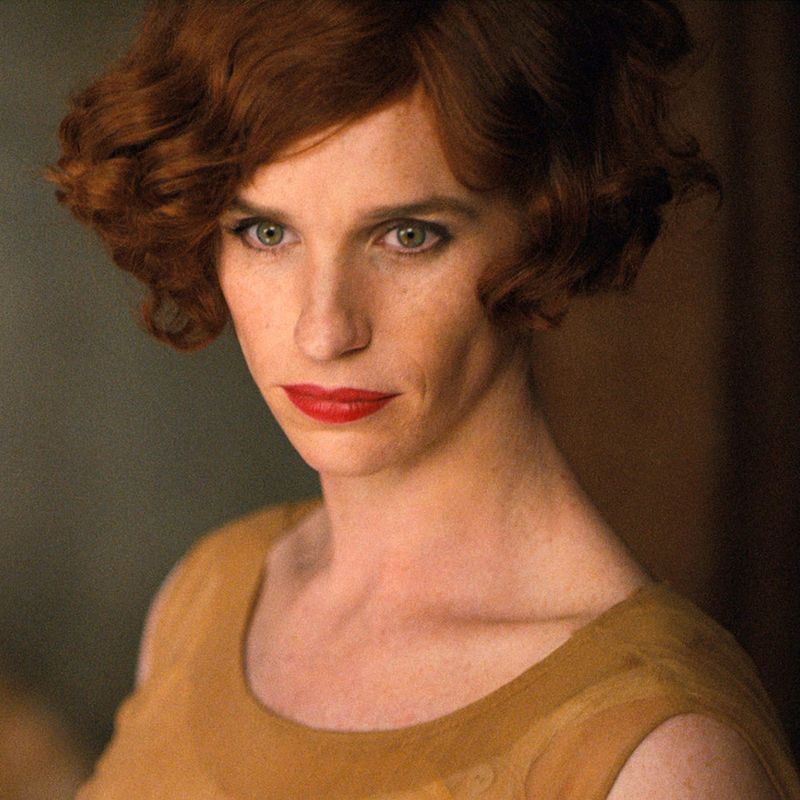
Eddie Redmayne earned an Oscar nomination for his portrayal of Lili Elbe, one of the first known recipients of gender-affirming surgery. Still, many in the transgender community felt the role should have gone to a transgender actress instead.
Critics also pointed to historical inaccuracies in the script and argued the film reinforced harmful stereotypes. Redmayne himself later admitted he would not take the role today, calling it a mistake he deeply reflected on.
4. Vivien Leigh as Scarlett O’Hara in Gone with the Wind (1939)
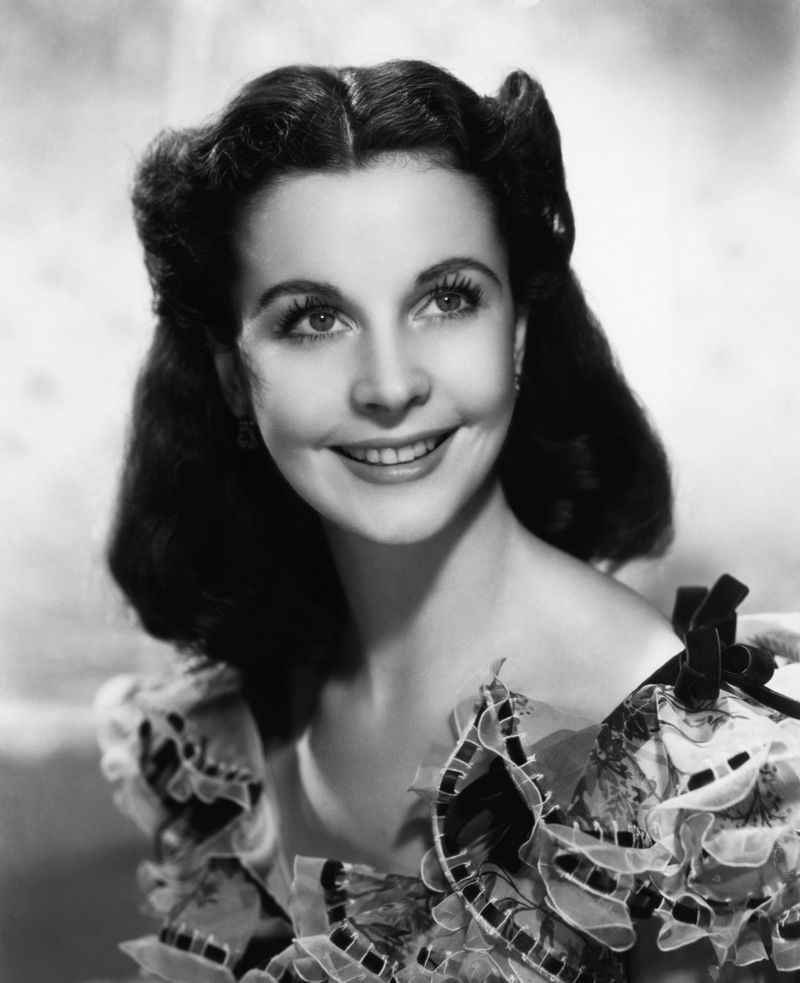
Before the film even released, the casting of British actress Vivien Leigh as the quintessentially Southern Scarlett O’Hara sent shockwaves through the American South. Groups like the United Daughters of the Confederacy were openly outraged, insisting an American actress should have the part.
Producer David O. Selznick had conducted a massive nationwide talent search, which only raised expectations higher.
Leigh’s performance ultimately won over most audiences and earned her an Academy Award, silencing many early critics.
5. Robert Pattinson as Batman in The Batman (2022)
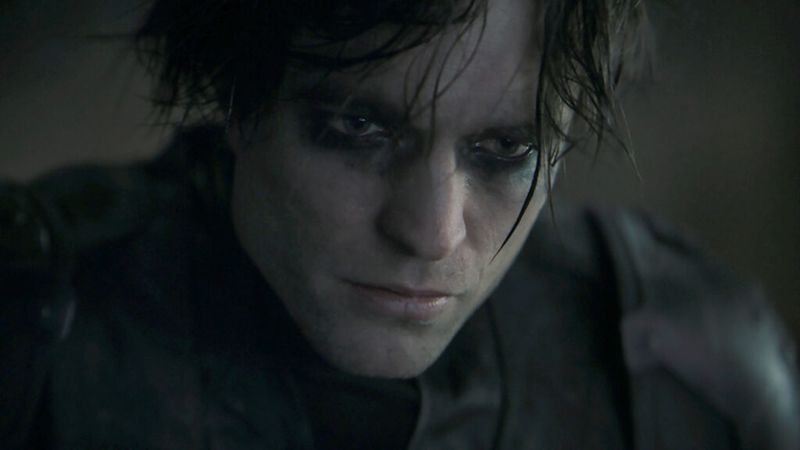
When Robert Pattinson was announced as the new Batman, social media practically erupted. Many fans could not separate him from his sparkling vampire role in the Twilight franchise, and the idea of him as Bruce Wayne felt impossible to accept.
Doubters questioned whether he had the physical presence and dramatic weight the role demanded. After the film dropped, though, most critics and fans changed their tune, praising his brooding, detective-focused take on the Dark Knight as surprisingly fresh.
6. Bryan Cranston as Walter White in Breaking Bad (2008)
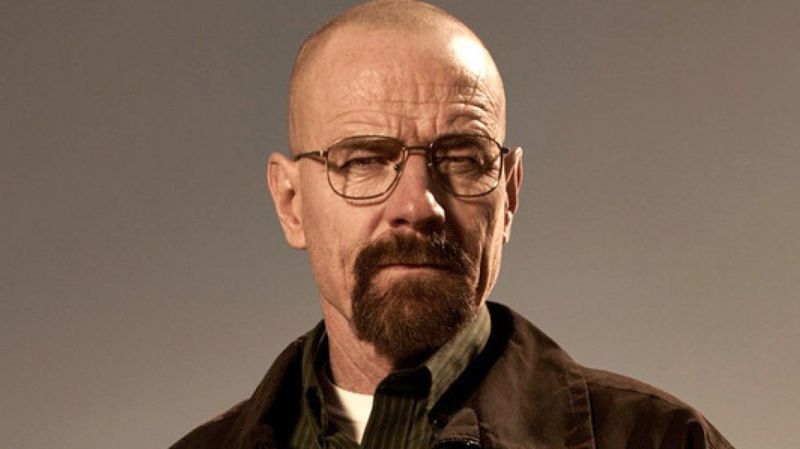
AMC executives were not convinced. Bryan Cranston had spent years playing the bumbling dad Hal on Malcolm in the Middle, a beloved but goofy sitcom.
Trusting him to carry a dark, morally complex drama about a chemistry teacher turned drug lord seemed like a real gamble.
Creator Vince Gilligan fought hard for Cranston, and the bet paid off enormously. Cranston went on to win four Emmy Awards for the role, proving that comedic chops and dramatic depth can absolutely coexist.
7. Robert Downey Jr. as Tony Stark in Iron Man (2008)
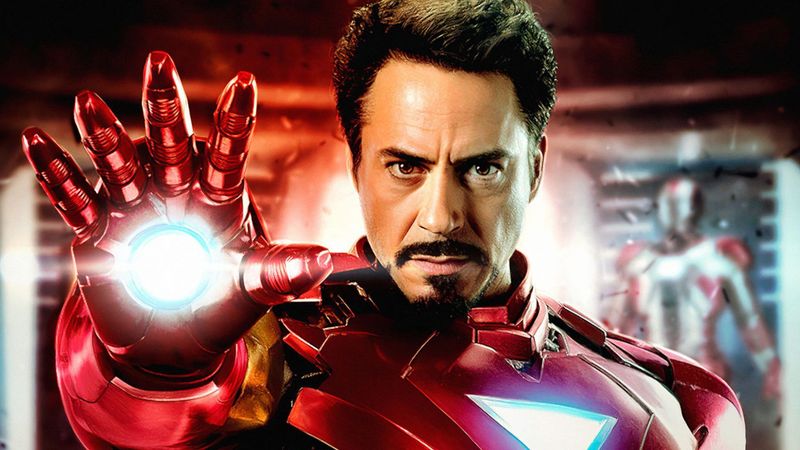
Marvel Studios was not sold on Robert Downey Jr. at first. His well-publicized personal struggles with substance abuse made him a risky choice for the lead role in what would become the cornerstone of the entire Marvel Cinematic Universe.
Director Jon Favreau pushed hard to get him the part, convinced Downey’s real-life charisma and complicated history would make Tony Stark feel authentic. The result was a performance so magnetic that it is now nearly impossible to imagine anyone else in the suit.
8. Tom Cruise as Lestat in Interview with the Vampire (1994)
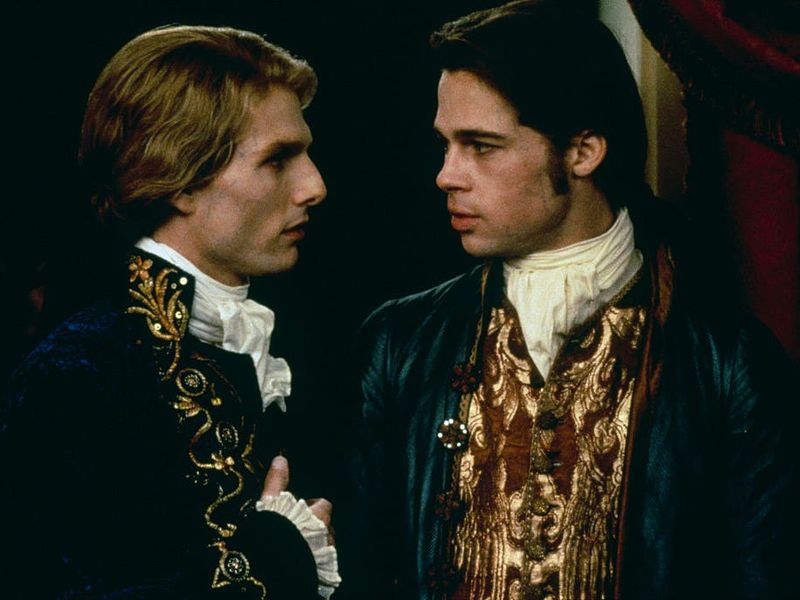
Author Anne Rice was furious. When Tom Cruise was announced as the charming, aristocratic vampire Lestat, Rice publicly declared the casting a disaster, saying Cruise was nothing like the character she had written.
Fans of the book series largely agreed and expressed their frustration loudly.
Something remarkable happened after the film came out. Rice watched the finished product and issued a full public apology, praising Cruise’s performance as a genuine revelation.
It became one of Hollywood’s most memorable casting redemption stories.
9. Michael Keaton as Batman in Batman (1989)
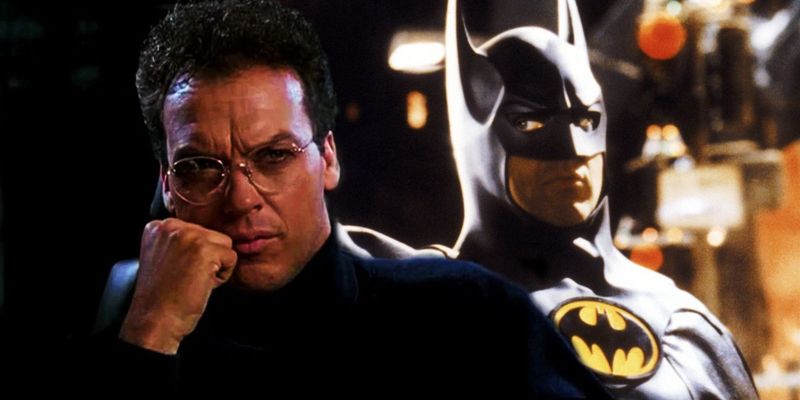
Warner Bros. received roughly 50,000 protest letters. That is not a typo.
Fans were so upset about Michael Keaton being cast as Batman that the studio’s mailroom was overwhelmed with complaints. Keaton was known mainly for comedies like Beetlejuice, and audiences simply could not picture him as the Caped Crusader.
Director Tim Burton stood firm, and the film went on to become a massive box office success. Keaton’s performance is still celebrated today as one of the definitive portrayals of the character.
10. Marlon Brando as Sakini in The Teahouse of the August Moon (1956)
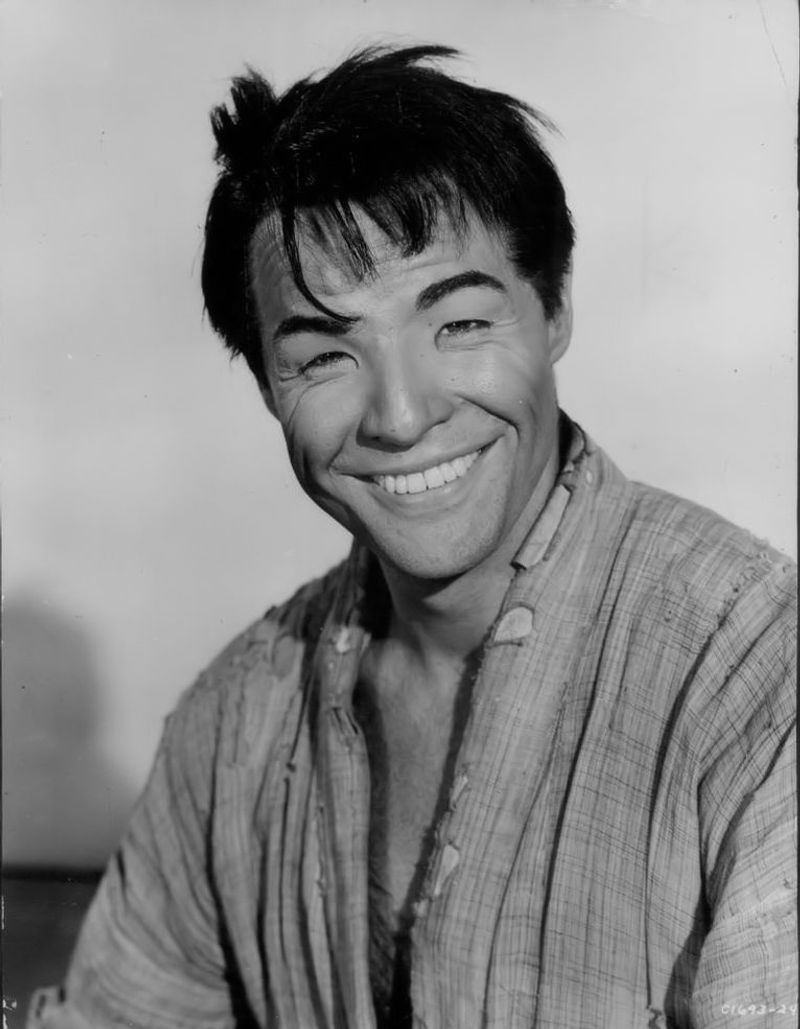
Even legendary actors have casting choices that do not age well. Marlon Brando, already considered one of the greatest performers of his generation, played an Okinawan villager using prosthetic makeup to appear Asian.
By today’s standards, it is a glaring example of inappropriate ethnic casting.
At the time, it raised few mainstream objections, reflecting how different Hollywood norms were in the 1950s. Looking back now, it stands as a sobering reminder of how much the industry has had to reckon with its past.
11. Renee Zellweger as Bridget Jones in Bridget Jones’s Diary (2001)
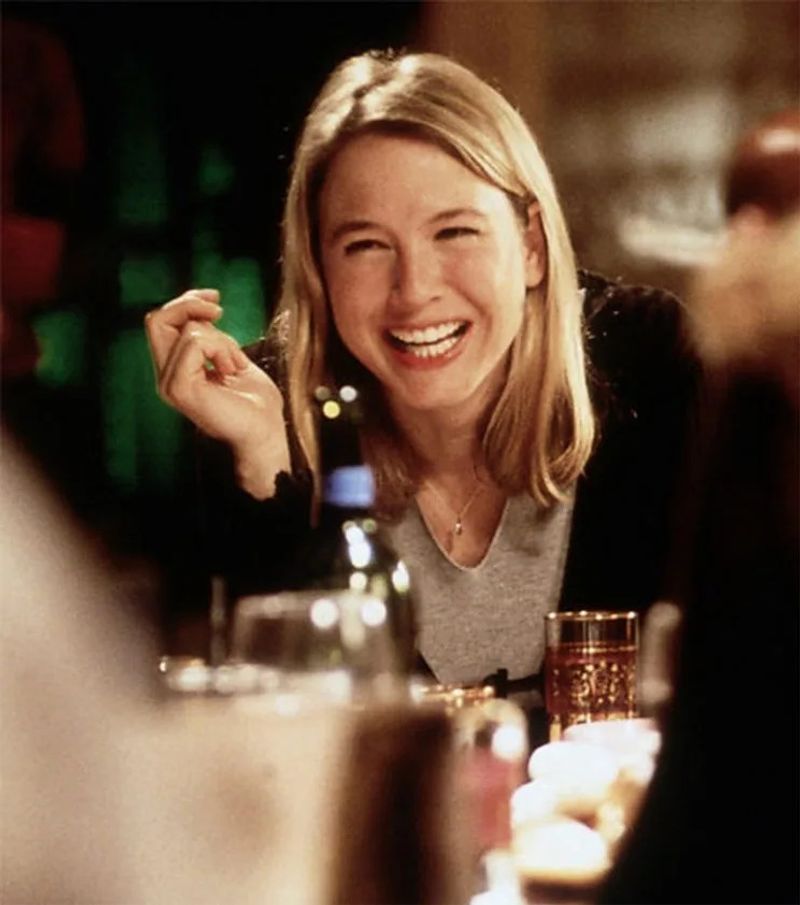
British audiences were not exactly thrilled when they heard an American actress would be playing their beloved literary heroine. Bridget Jones felt deeply, specifically British to readers, and Renee Zellweger’s casting seemed to many like a strange Hollywood choice driven more by star power than cultural fit.
Zellweger committed fully to the role, spending months in London to absorb the culture and nail the accent. Critics eventually praised her performance, and the film became a huge international hit that launched a franchise.
12. Heath Ledger as The Joker in The Dark Knight (2008)
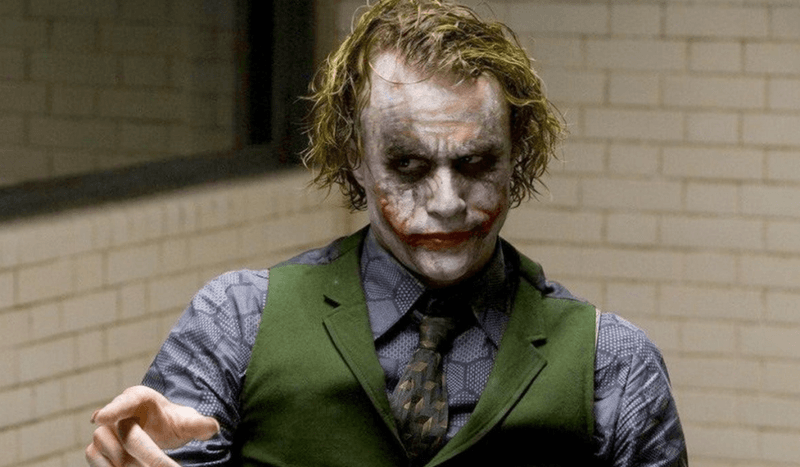
Online forums were not kind when Heath Ledger was announced as the Joker. Many fans saw him primarily as a pretty-boy heartthrob from films like 10 Things I Hate About You, and the idea of him playing one of comics’ most terrifying villains seemed laughable to some.
What followed was one of the most celebrated acting performances in superhero film history. Ledger’s Joker was haunting, unpredictable, and completely unforgettable, earning him a posthumous Academy Award for Best Supporting Actor.
13. John Wayne as Genghis Khan in The Conqueror (1956)
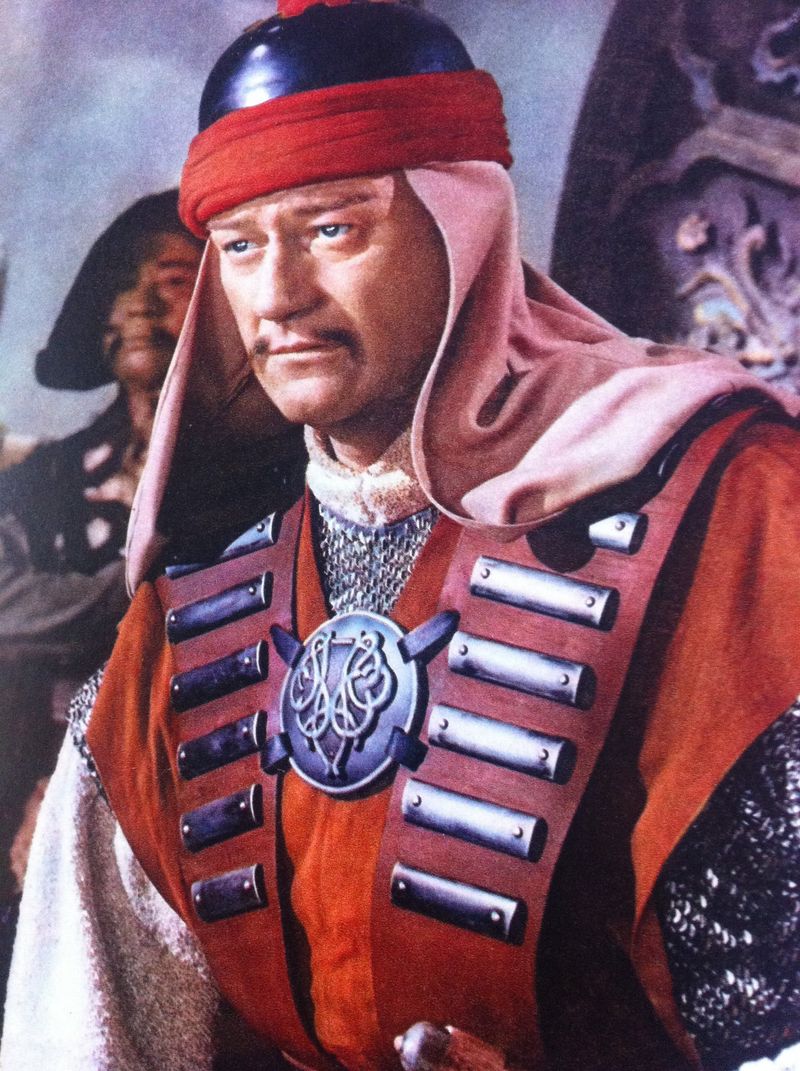
Few casting decisions in Hollywood history have aged as poorly as this one. John Wayne, the all-American cowboy icon, was cast as Genghis Khan, the legendary Mongolian conqueror, complete with taped eyelids and a very strained accent.
Film historians regularly list it among cinema’s most baffling choices.
The film was a critical failure, and its legacy grew even darker when it was revealed that many cast and crew members, including Wayne, later developed cancer possibly linked to filming near a nuclear test site.
14. The Cast of The Last Airbender (2010)
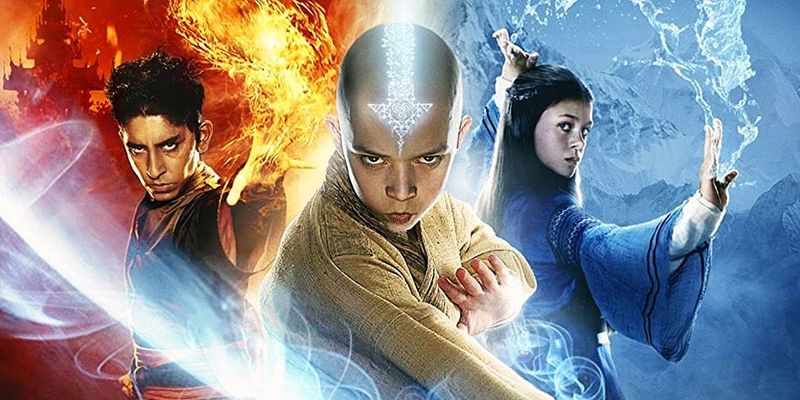
M. Night Shyamalan’s live-action adaptation of Avatar: The Last Airbender faced a firestorm before it even hit theaters.
The animated series featured characters clearly inspired by Asian and Inuit cultures, yet the film cast predominantly white actors in the lead roles. Fans were furious, calling it a textbook case of whitewashing.
The backlash was loud and sustained. The film ultimately bombed with critics and audiences alike, and it remains a cautionary tale about ignoring the cultural identity baked into beloved source material.
15. Russell Crowe as Javert in Les Miserables (2012)
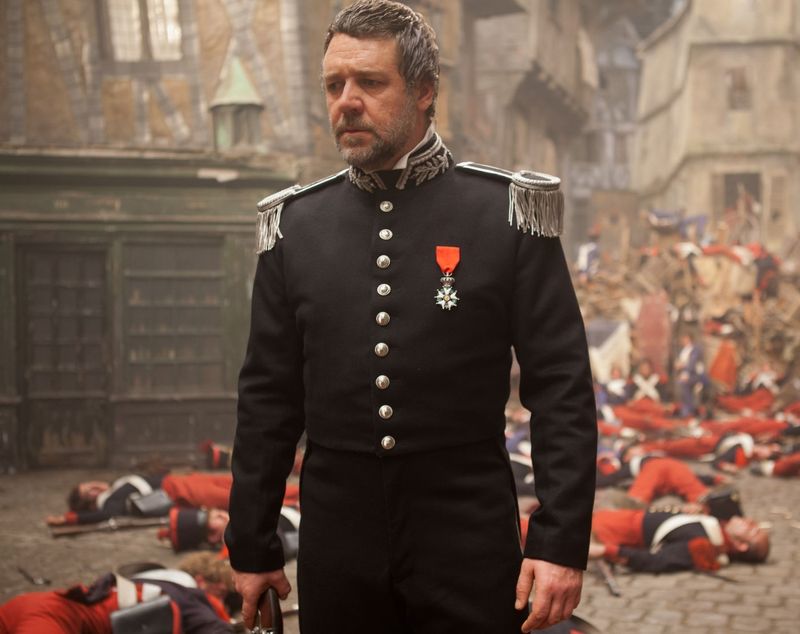
Les Miserables is one of the most demanding musical films ever made, requiring its cast to sing live on set. Russell Crowe, a capable actor with some musical background, took on the role of the relentless Inspector Javert.
Critics, however, were not impressed with his vocal performance.
Many reviewers described his singing as flat and lacking the power the role demands. His casting was widely labeled a head-scratching choice that pulled attention away from an otherwise strong ensemble.
It remains a go-to example in conversations about miscasting in musicals.
16. George Clooney as Batman in Batman and Robin (1997)
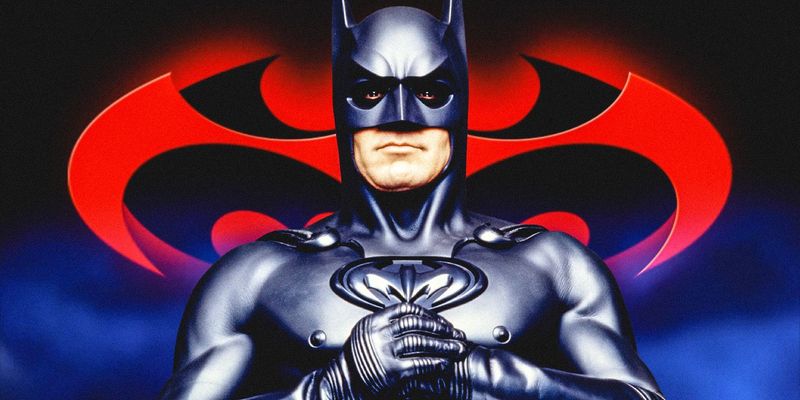
George Clooney himself has joked about this one. His portrayal of Batman in the notoriously campy Batman and Robin is regularly cited as one of the worst superhero casting decisions ever made.
The film’s tone was wildly over-the-top, and Clooney seemed visibly uncomfortable in the role.
The movie nearly killed the entire Batman franchise for years. Clooney has since said he still feels bad about it and even claimed he would refund tickets if he could.
That kind of self-awareness is almost endearing at this point.
17. Chris Pratt as Mario in The Super Mario Bros. Movie (2023)
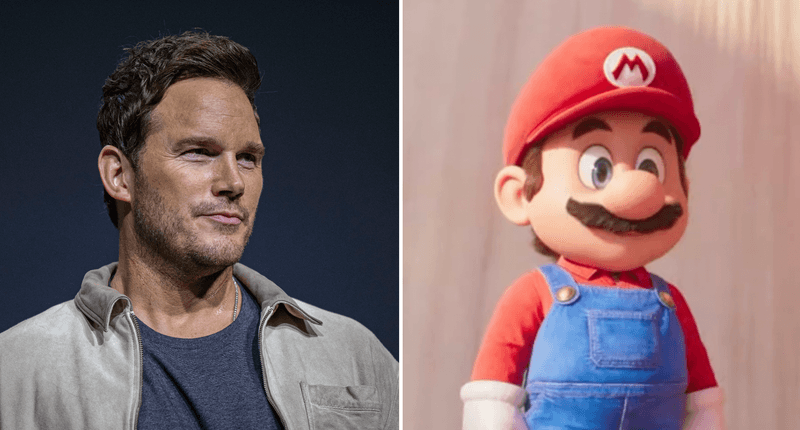
When the voice cast for The Super Mario Bros. Movie was announced, Chris Pratt’s name as Mario raised a lot of eyebrows.
Fans had grown up with Charles Martinet’s iconic, enthusiastic Mario voice, and Pratt’s casting felt like a purely celebrity-driven decision with no real connection to the character.
The film turned out to be a massive box office success, though Pratt’s voice performance remained the most debated element. Some fans shrugged it off, while others still argue a different choice would have felt more authentic to the source material.