
American history is more than a list of presidents, wars, and dates. It is also the story of families, bold ideas, hard choices, and struggles for a fairer life.
A good book can make those stories feel close while helping us understand the country today. From colonial settlements to modern debates, these reads bring different voices and fresh questions to your bookshelf.
1. Errand into the Wilderness by Perry Miller
Long before independence, New England settlers wrestled with questions about faith, duty, and their place in the world. Perry Miller explores those questions through essays about Puritan thought and its lasting influence on American culture.
The writing can feel demanding, so tackle one essay at a time. Keep notes on repeated ideas, especially community and purpose.
Readers curious about the roots of American identity will find plenty to consider, even when Miller’s arguments invite debate.
2. Revivals, Awakenings, and Reform by William G. McLoughlin
A crowded church meeting might seem far removed from national politics, but religious movements have often helped reshape American life. William G.
McLoughlin connects periods of spiritual change with broader shifts in values, institutions, and reform.
Rather than treating faith as a side topic, he places it near the center of social change. Try reading with a simple timeline nearby.
It will help you connect religious developments with familiar events and judge his larger pattern yourself.
3. The Creation of the American Republic, 1776-1787 by Gordon S. Wood
Winning independence left Americans with another challenge: deciding how to govern themselves. Gordon S.
Wood follows the political ideas and debates that shaped the new republic between the Declaration of Independence and the Constitutional Convention.
Expect careful arguments rather than a quick adventure story. Read slowly, and track how words such as liberty and representation change meaning.
Pairing chapters with the Constitution can make the stakes clearer and reveal how uncertain the nation’s beginnings really were.
4. How to Hide an Empire by Daniel Immerwahr
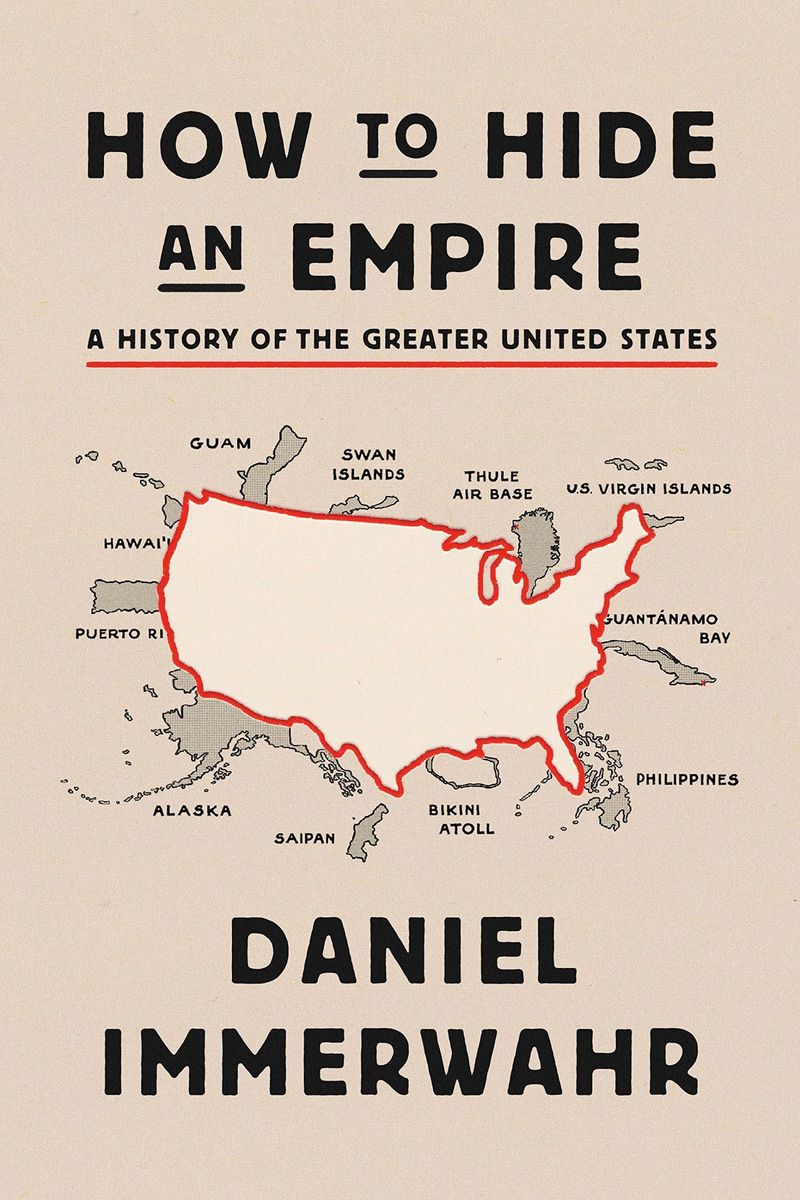
Look beyond the familiar outline of fifty states, and a much larger American story appears. Daniel Immerwahr examines territories, overseas expansion, military bases, and the people often left outside standard accounts of United States history.
Maps are especially useful companions here. Locate each place as you read, then ask whose experiences disappear when history stays within mainland borders.
The lively storytelling makes a complex subject approachable while raising difficult questions about citizenship, power, belonging, and empire.
5. The New Jim Crow by Michelle Alexander
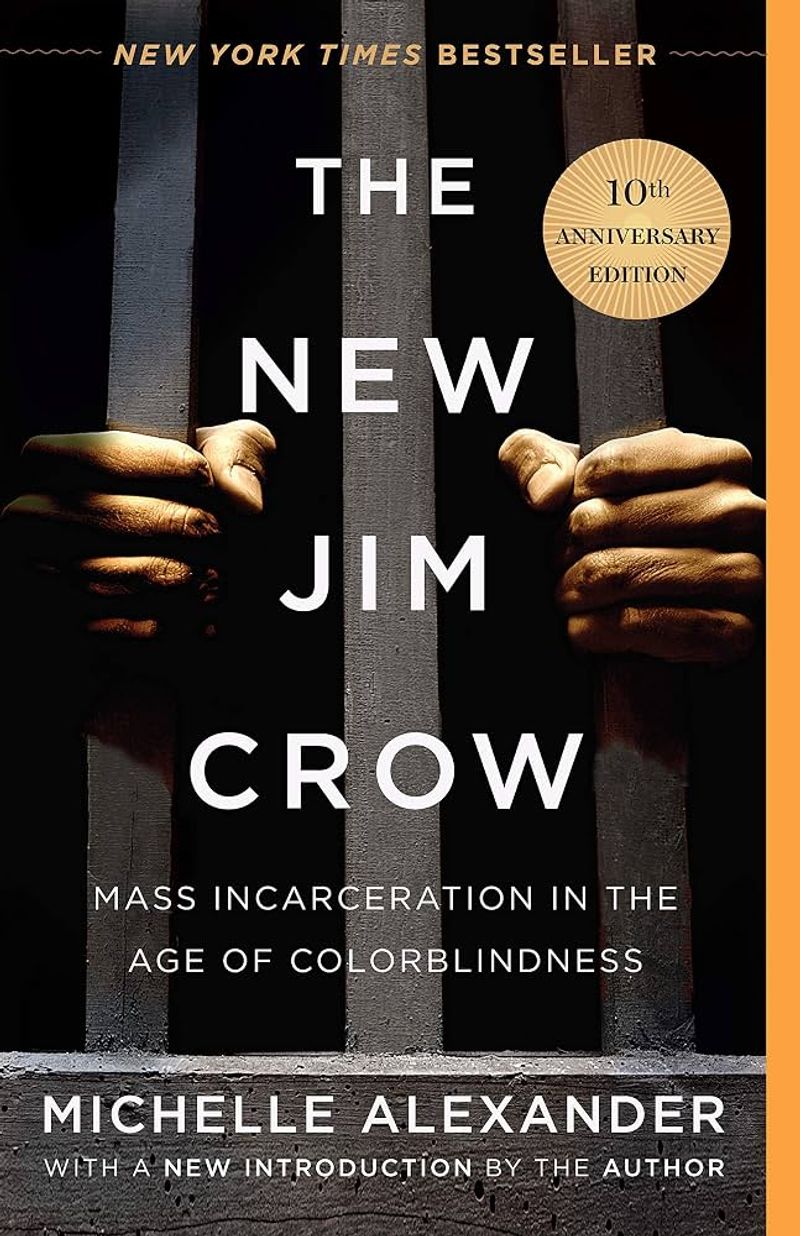
A prison sentence can shape someone’s life long after release. Michelle Alexander argues that mass incarceration, especially through the war on drugs, has created a system of racial control with lasting effects on Black communities.
Her discussion connects policing and sentencing to voting, housing, and employment. Keep track of the laws and court decisions she mentions.
Because policy changes over time, compare the book’s arguments with current research rather than treating every example as today’s picture.
6. Evil Geniuses by Kurt Andersen
Who writes the rules of the economy, and who benefits from them? Kurt Andersen offers a forceful answer, arguing that business leaders and wealthy interests helped reshape American politics and economics over roughly half a century.
His tone is sharp, and his viewpoint is clear. Read with a pencil handy to separate documented events from interpretation.
Comparing his account with other economic histories can turn a provocative book into a useful starting point for informed discussion.
7. The Great Bridge by David McCullough
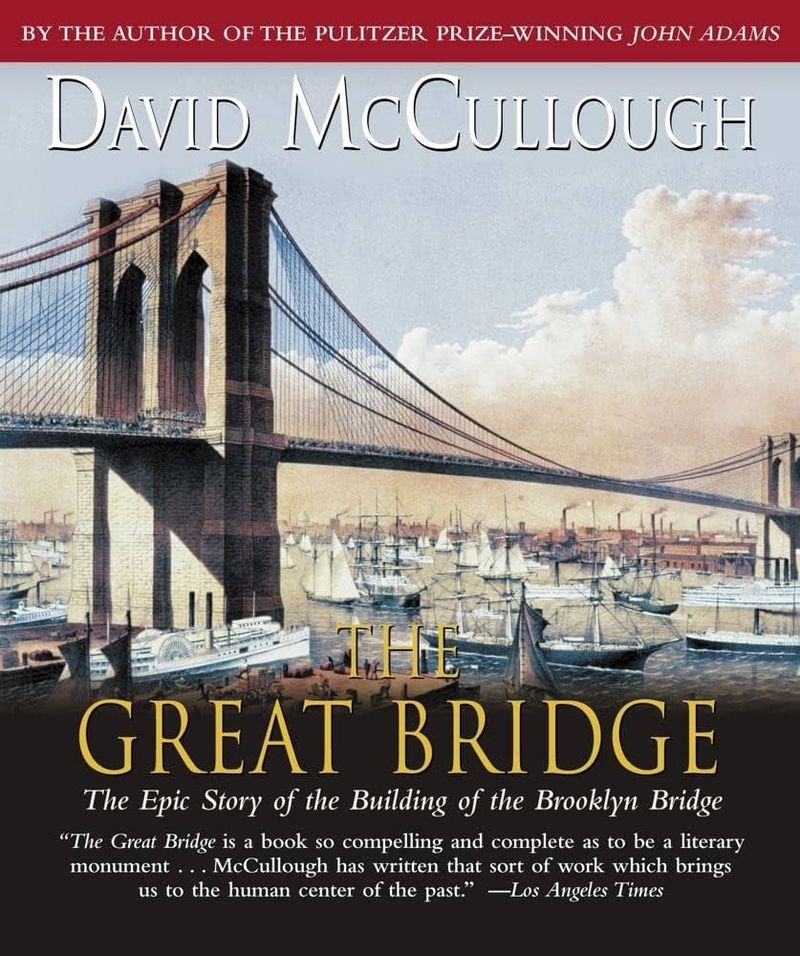
Stone towers and steel cables become surprisingly human in David McCullough’s account of the Brooklyn Bridge. Engineers, workers, politicians, and the Roebling family all play parts in a project filled with danger and determination.
Follow the construction with photographs or diagrams nearby, especially when the engineering gets technical. Emily Warren Roebling’s contributions deserve particular attention.
Beyond the famous landmark, the book reveals how ambition, labor, money, and public trust helped shape a rapidly growing American city.
8. Race and Reunion by David W. Blight
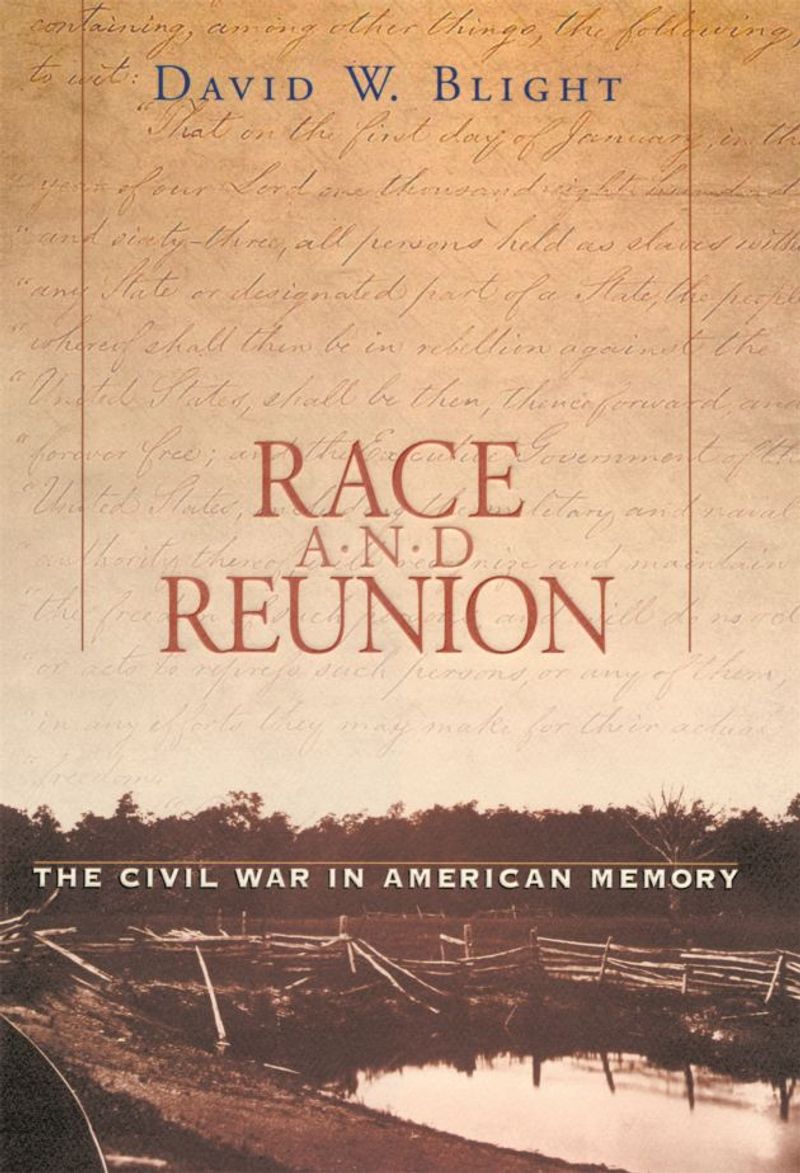
The fighting ended, but the struggle over the Civil War’s meaning continued. David W.
Blight examines how Americans remembered the conflict and how national reunion often pushed Black freedom and racial justice into the background.
Pay attention to speeches, veterans’ gatherings, and public memorials. They show how selective memory can become accepted history.
After reading, look closely at a local monument or textbook passage and consider which experiences it highlights, which it leaves out, and why.
9. Stamped from the Beginning by Ibram X. Kendi
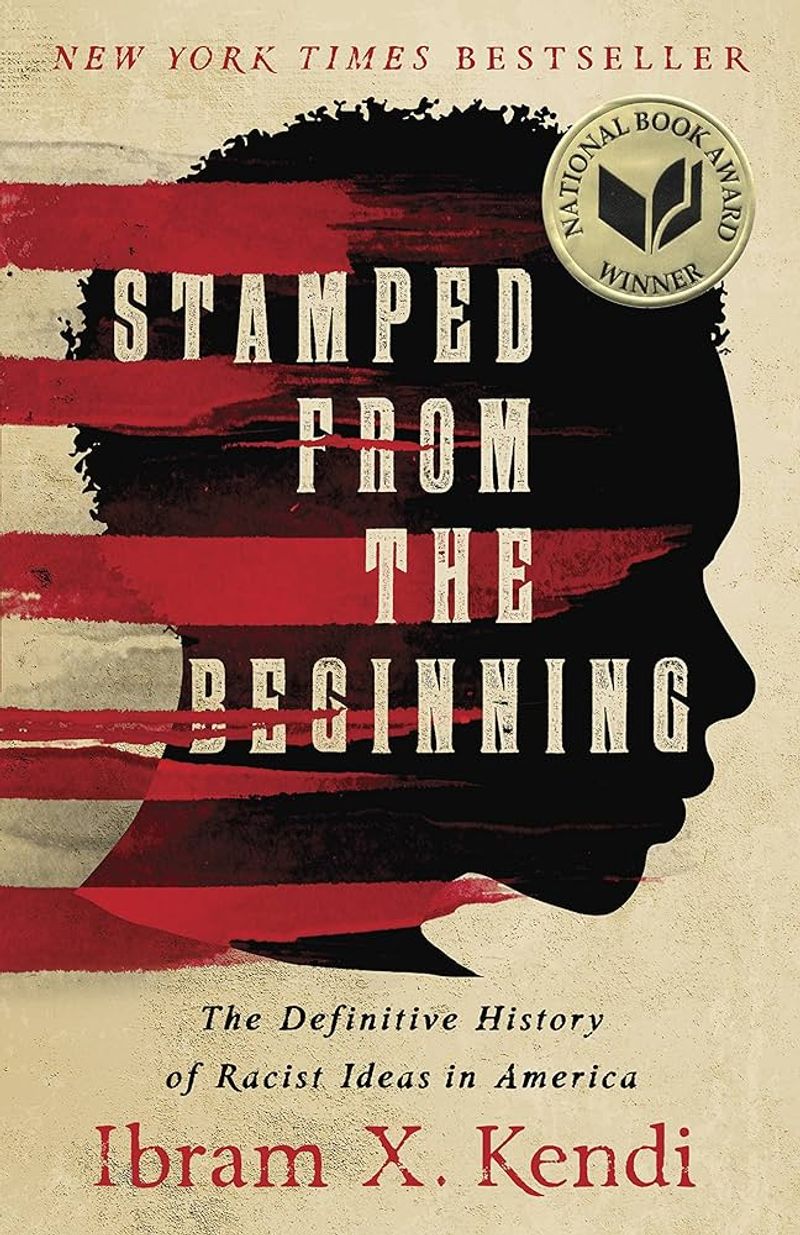
Ideas about race have histories, and those histories carry real consequences. Ibram X.
Kendi traces the development of racist ideas in America through five major figures, connecting personal beliefs with laws, institutions, and struggles for power.
The scope is wide, so reading in stages helps. Note how Kendi defines his key terms before weighing his examples.
For a productive book club conversation, choose one period and compare its arguments with another historian’s treatment of the same events.
10. How the Word Is Passed by Clint Smith
A guided tour can reveal history, but it can also hide it. Clint Smith visits places connected to slavery and listens closely to how guides, visitors, and communities explain the past.
His reporting blends personal reflection with historical research, making difficult subjects feel immediate without becoming abstract. Consider reading before visiting a museum, plantation, or memorial.
You may find yourself asking better questions about the stories being told and the people missing from them during your visit.
11. All That She Carried by Tiya Miles
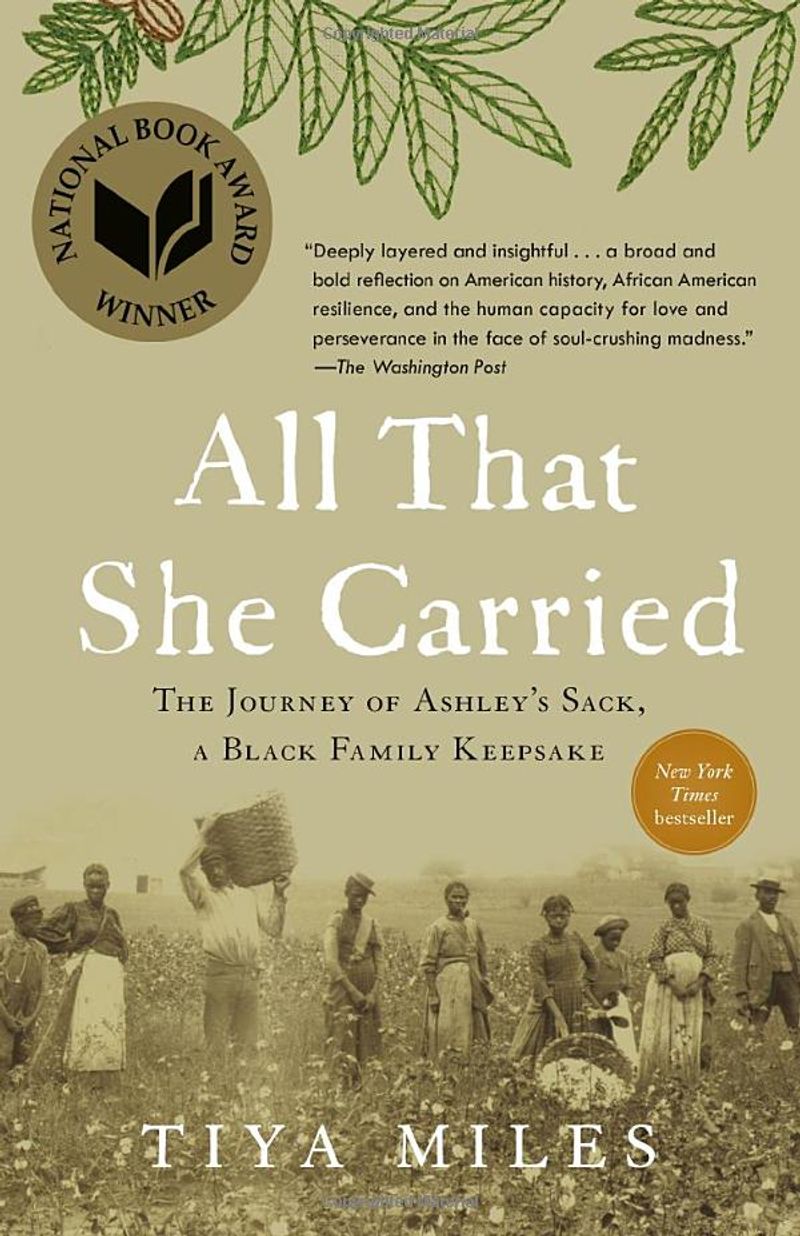
One cloth sack holds a family’s story of love, separation, and survival. Tiya Miles follows Ashley’s sack, a keepsake connected to an enslaved mother and daughter, to explore Black women’s lives across generations.
Where written records are limited, Miles carefully uses broader historical evidence and explains the gaps. Notice those distinctions as you read.
The book also offers a meaningful prompt for your own family: ask what ordinary objects preserve memories that official documents might never capture.
12. American Crucible by Gary Gerstle
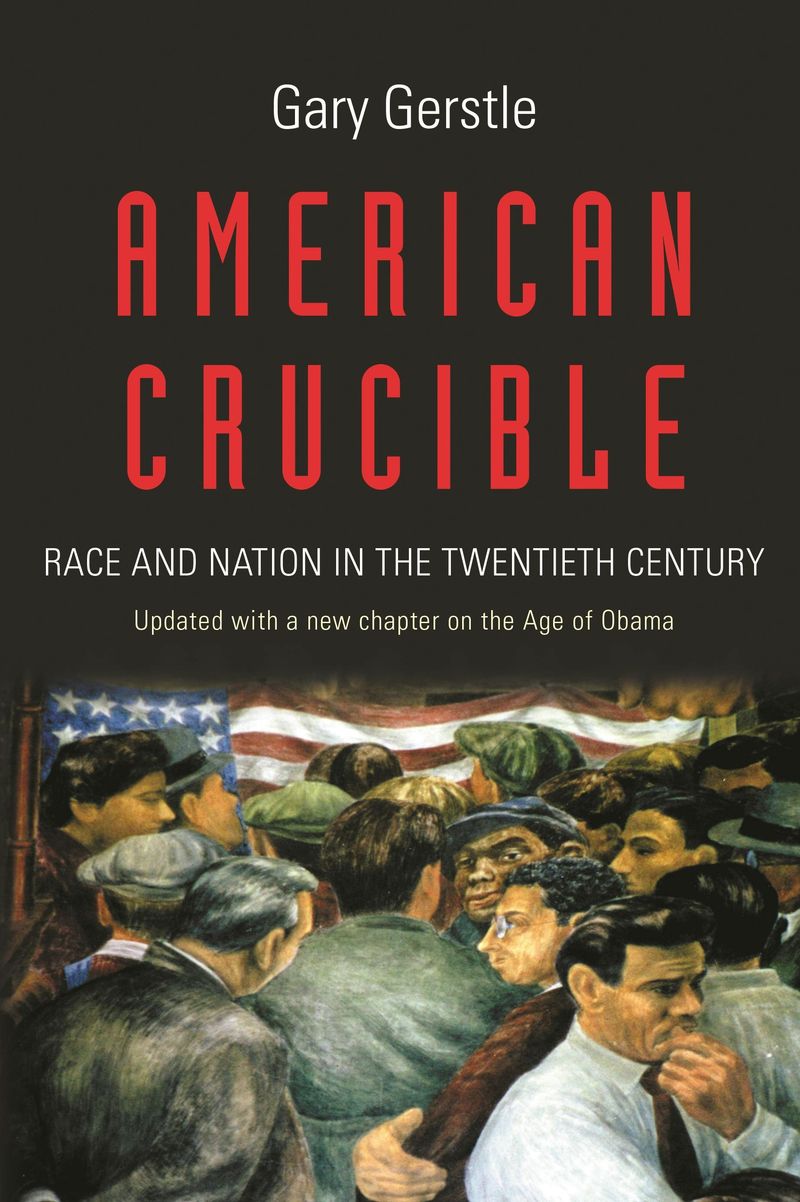
Belonging has never meant the same thing to every American. Gary Gerstle explores the tension between a nation built around shared democratic ideals and one that has repeatedly drawn boundaries based on race.
His focus on the twentieth century connects immigration, war, politics, and national identity. Make a list of moments when those competing visions clash.
That simple exercise helps organize a broad argument and offers context for present debates without assuming the past and present are identical.
13. Founding Brothers by Joseph J. Ellis
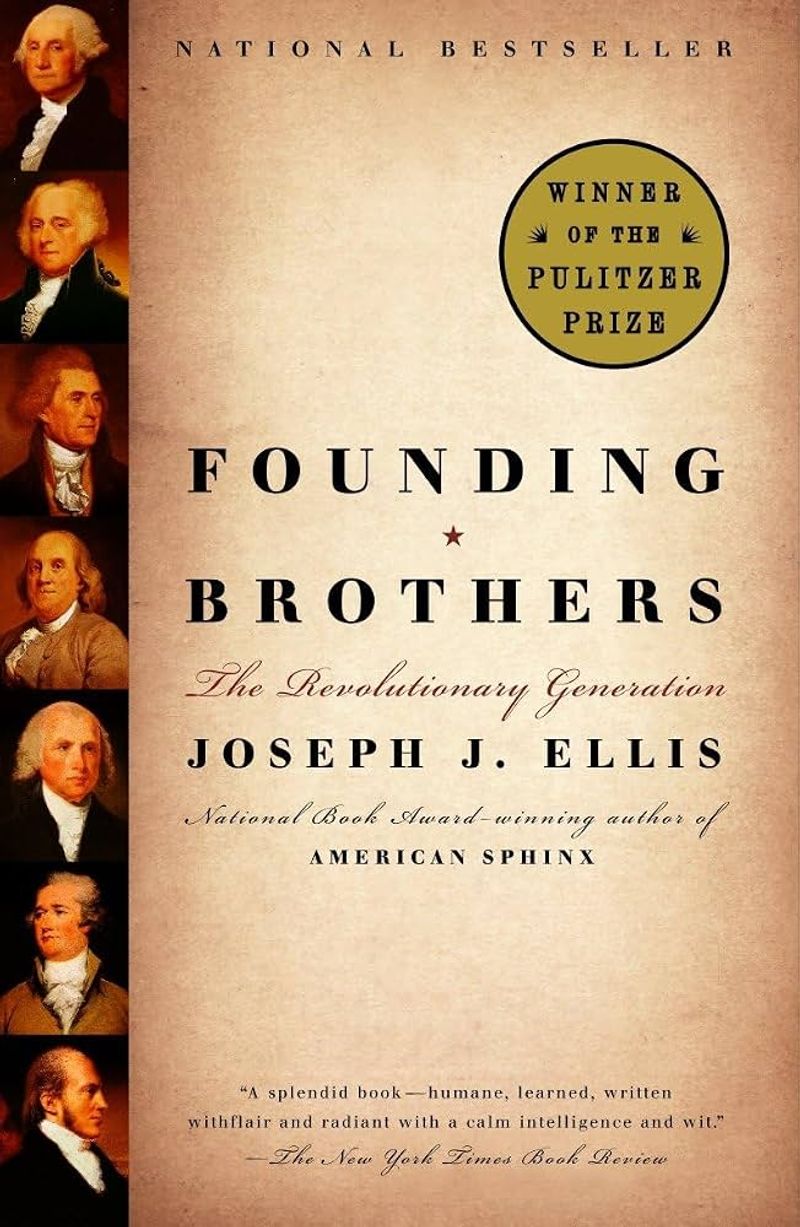
Friendship, rivalry, pride, and compromise all helped shape the early republic. Joseph J.
Ellis uses six episodes to examine relationships among leading founders, showing how personal choices carried enormous political weight.
The focused chapters make a manageable entry point for readers wary of a sweeping national history. Start with an episode that interests you, then connect it to the others.
Remember that these famous leaders represent only part of the story, not everyone who built the country.
14. Love and Hate in Jamestown by David A. Price

Forget the tidy version of Jamestown found in popular romances. David A.
Price describes a fragile settlement marked by hunger, conflict, poor decisions, and uneasy relations between English colonists and the Powhatan peoples.
Drawing on early records, he examines John Smith, Pocahontas, and the colony’s struggle to survive. Keep an eye on whose words survive in those sources.
Pairing this account with Indigenous perspectives can help balance a story often told mainly through English voices and assumptions.
15. A People’s History of the United States by Howard Zinn
Workers, protesters, and people pushed aside by powerful institutions take center stage here. Howard Zinn retells American history with special attention to conflict, inequality, and resistance rather than national leaders alone.
The result has influenced generations of readers, but its strong viewpoint also draws criticism. Treat it as an argument to examine, not a complete account to memorize.
Compare a chapter with another broad history and notice how the choice of evidence changes the story being told.
16. Four Hundred Souls edited by Ibram X. Kendi and Keisha N. Blain
Many voices can reveal what a single narrator misses. Edited by Ibram X.
Kendi and Keisha N. Blain, this collection brings together essays and poetry to explore four centuries of African American history.
Short sections make it easy to read a little each day, though the subjects often deserve reflection. Follow the book in order to watch events connect, or choose a period for deeper study.
The changing voices offer fresh angles without requiring one long, uninterrupted reading session.
17. The Promise of a Nation from the Smithsonian
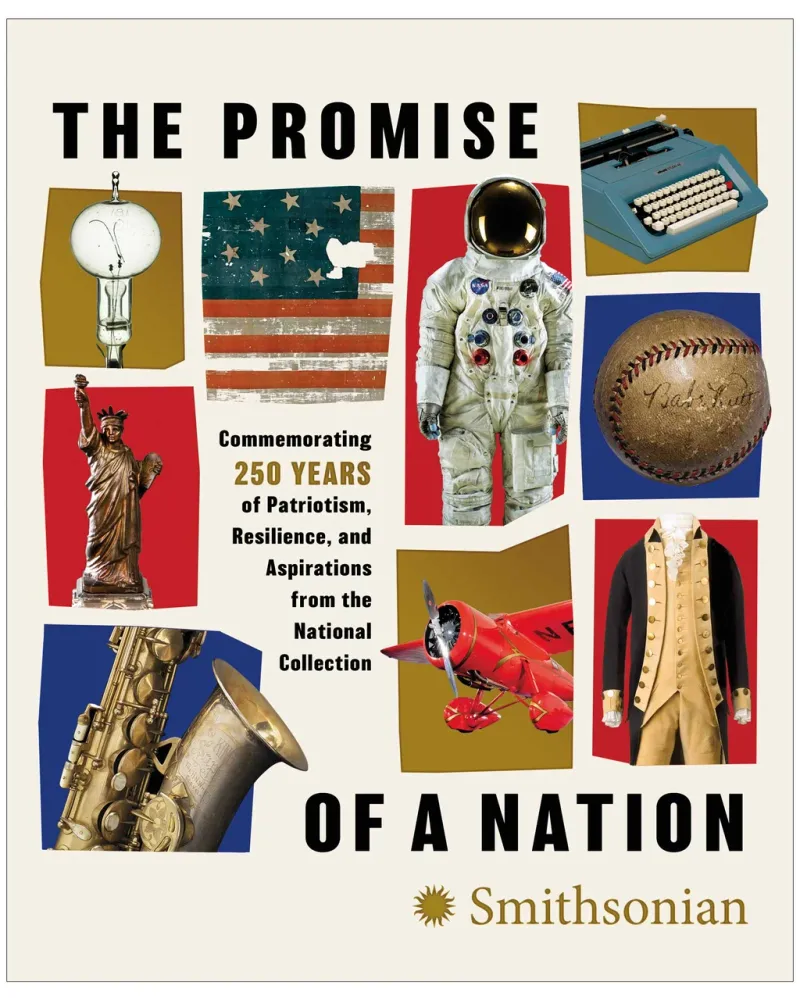
Sometimes an everyday object makes the past easier to grasp than a page of dates. The Smithsonian’s collection offers a material approach to American history, connecting national milestones with things people made, used, treasured, and preserved.
For this commemorative title, check the publisher’s listing for the exact edition, release details, and contents before buying. Use the objects as starting points for questions: who owned them, what changed around them, and whose stories still need more space on museum shelves?