
Most people think Italian food means pizza and spaghetti, but that is only a tiny slice of the story. Every region in Italy has its own special dishes, shaped by local farms, seas, mountains, and family traditions.
Many of these meals rarely show up on restaurant menus outside Italy. Get ready to meet some tasty foods that could become your new favorites.
1. Pizzoccheri from Lombardy
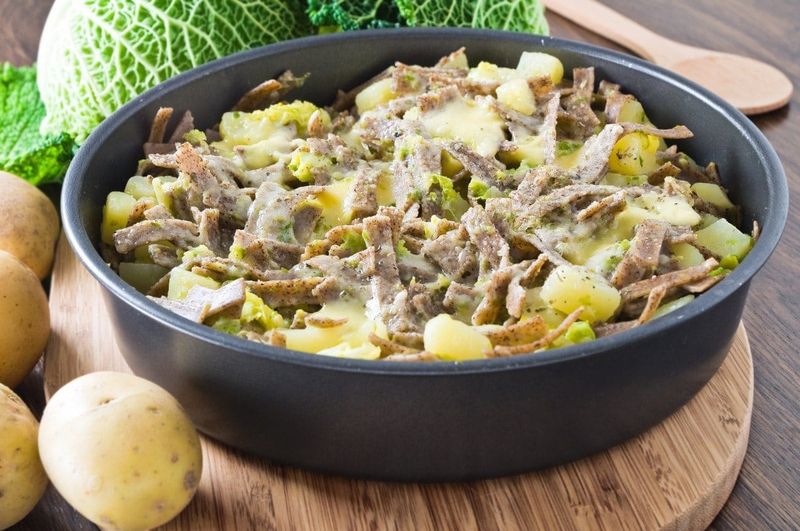
Picture a snowy mountain village where hungry farmers needed a meal that could keep them warm all day. Pizzoccheri was the answer.
These short, flat noodles are made from buckwheat flour, giving them a nutty, earthy flavor.
Cooks toss them with potatoes, cabbage or chard, garlic, butter, and melted Valtellina Casera cheese. The result is cozy and filling.
Try it on a cold night when you want something hearty that feels like a warm hug.
2. Vincisgrassi from Le Marche
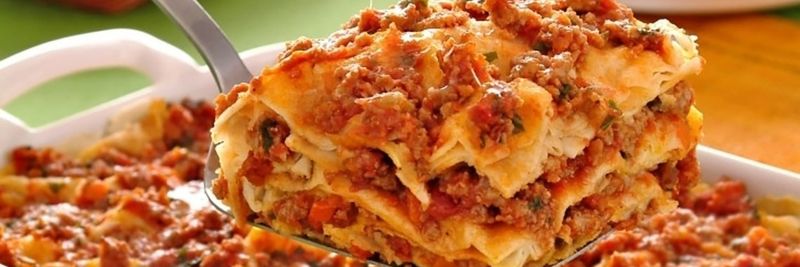
Lasagna has a lesser-known cousin, and it might be even richer. Vincisgrassi comes from the Marche region on Italy’s eastern coast.
Layers of thin pasta are stacked with a meaty ragù that often includes chicken livers, plus creamy béchamel sauce. Some families add a splash of local wine or a hint of truffle.
Fun fact: legend says the dish was named after an Austrian general named Windisch-Graetz. Locals usually save it for Sundays and holidays.
3. Testaroli, Italy’s Oldest Pasta
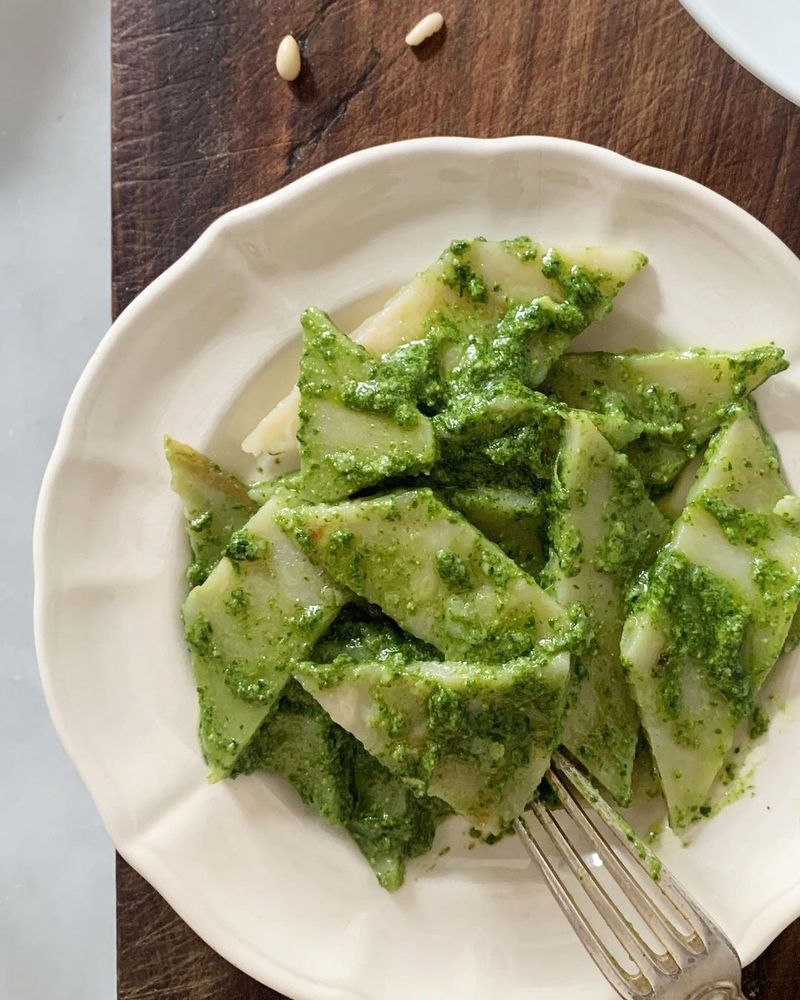
Some food historians call testaroli the oldest pasta in Italy. It comes from Lunigiana, a hilly area between Tuscany and Liguria.
Batter is cooked on a hot cast-iron pan called a testo, making a thin pancake. That pancake is cut into diamonds, quickly dipped in boiling water, then coated with basil pesto and cheese.
The texture is soft and spongy, a bit like a crepe. If you love pesto, put this one high on your list.
4. Frico, the Crispy Cheese Pancake
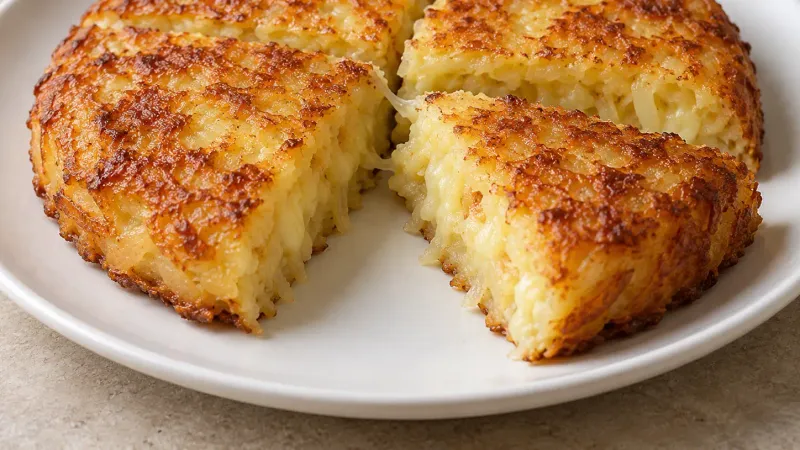
Cheese lovers, meet your new best friend. Frico comes from Friuli Venezia Giulia, up in Italy’s northeast corner.
Montasio cheese is melted with potatoes and onions in a pan until the bottom turns golden and crunchy. Flip it, and you get a crispy outside with a gooey middle.
Mountain workers once made it to use up cheese rinds. Today, families serve it with polenta.
Making it at home is easy, just be patient and let the crust form.
5. Culurgiones from Sardinia
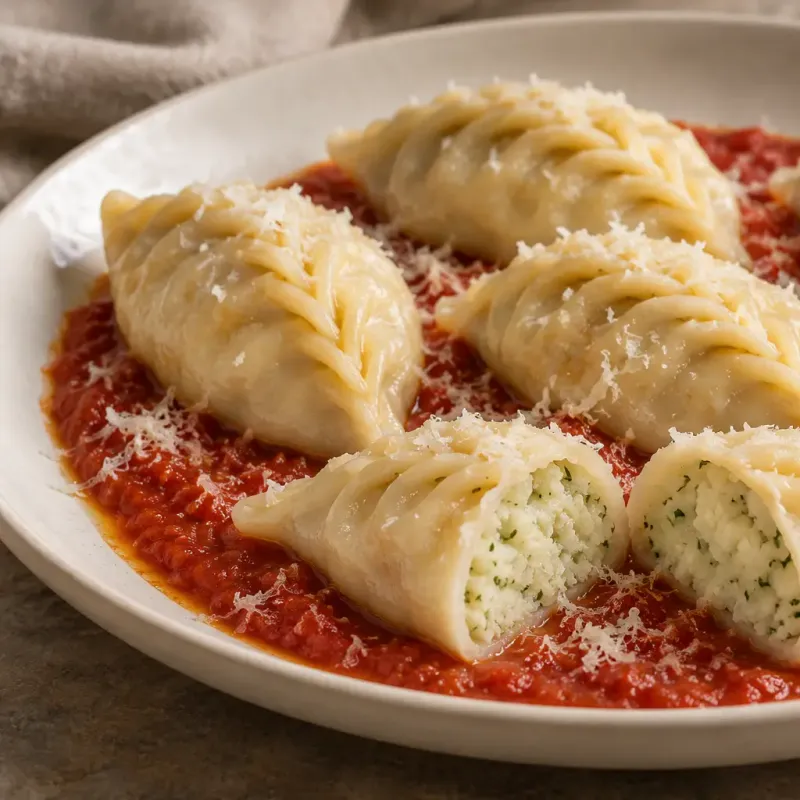
Ever seen a dumpling that looks like a tiny braid of wheat? Sardinian grandmothers pinch culurgiones closed with a special folding pattern that takes real practice.
Inside, you will find mashed potatoes, sharp pecorino cheese, and fresh mint. That mint gives every bite a bright, cool surprise.
They are usually served with simple tomato sauce. Long ago, they were made to celebrate the harvest and were thought to bring good luck.
Watching someone shape them is pure magic.
6. Cjarsons, Sweet and Savory Pockets
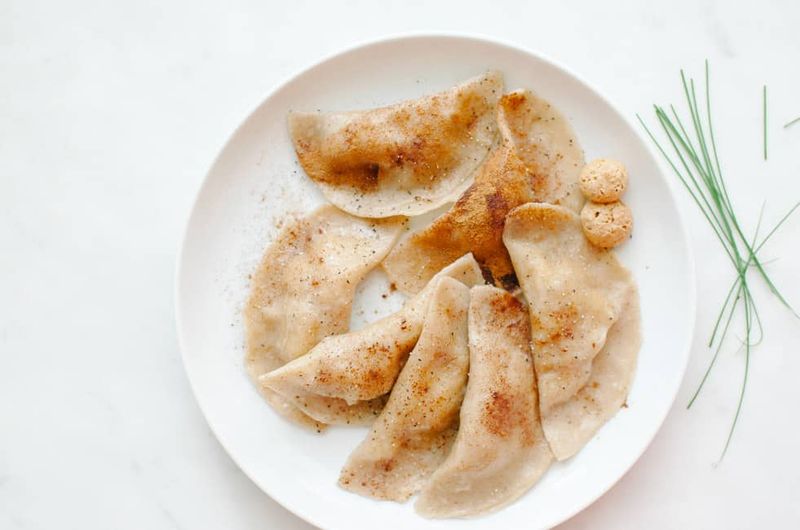
Raisins, chocolate, herbs, and cinnamon inside ravioli? It sounds strange, but in the Carnia mountains, it makes perfect sense.
Cjarsons are filled pasta pockets with a mix of sweet and savory flavors. Recipes change from village to village, and some families guard theirs like treasure.
Many date back to traveling spice sellers who brought exotic ingredients home.
They are finished with melted butter and smoked ricotta. Every bite tastes a little different, which keeps things exciting.
7. Bagna Càuda, Piedmont’s Warm Dip
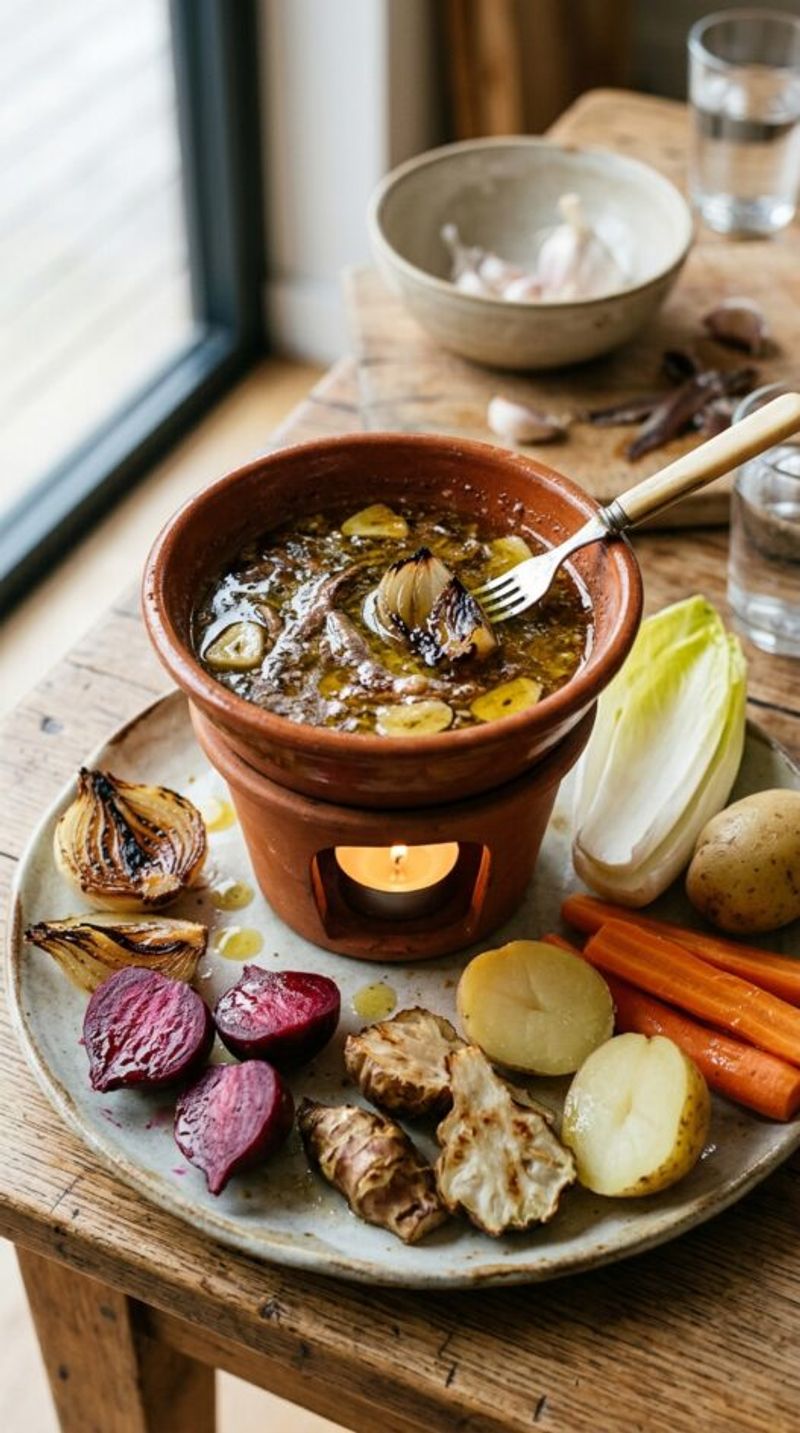
Think of it as Italy’s answer to fondue, but bolder. Bagna càuda means hot bath in the Piedmont dialect.
Garlic, anchovies, and olive oil simmer together into a warm, savory sauce. A small flame keeps it bubbling in the center of the table.
Everyone dips raw and cooked veggies like peppers, cardoons, and carrots.
It is a fall tradition, often shared with friends after the grape harvest. Warning: you will smell like garlic afterward, and that is okay.
8. Canederli from Trentino
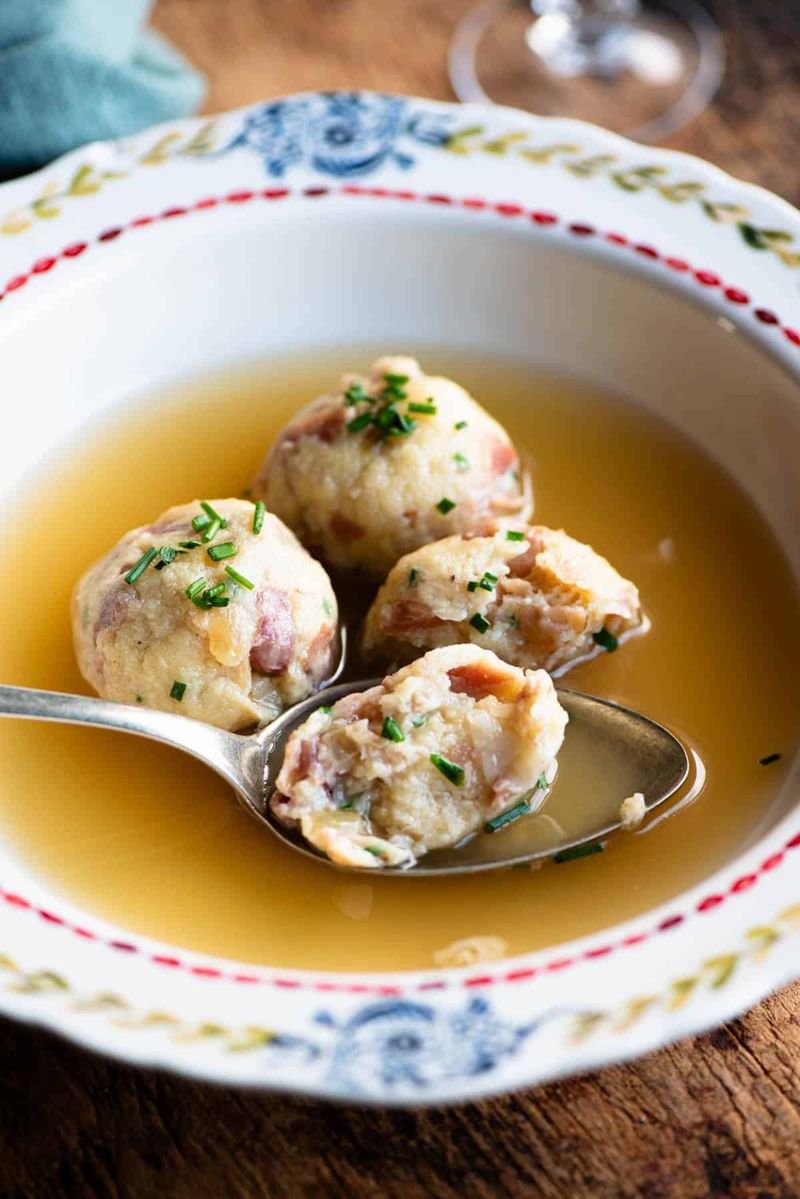
Stale bread rarely goes to waste in the Dolomites. Instead, it becomes canederli, big round dumplings that feel right at home in the mountains.
Cooks soak old bread in milk, then mix in eggs, speck, cheese, or spinach. The dough is rolled into balls and cooked in broth or served with melted butter.
Thanks to Austrian neighbors, they are similar to German knödel. They are a smart, tasty lesson in not throwing food away.
9. Cecina, Tuscany’s Chickpea Flatbread
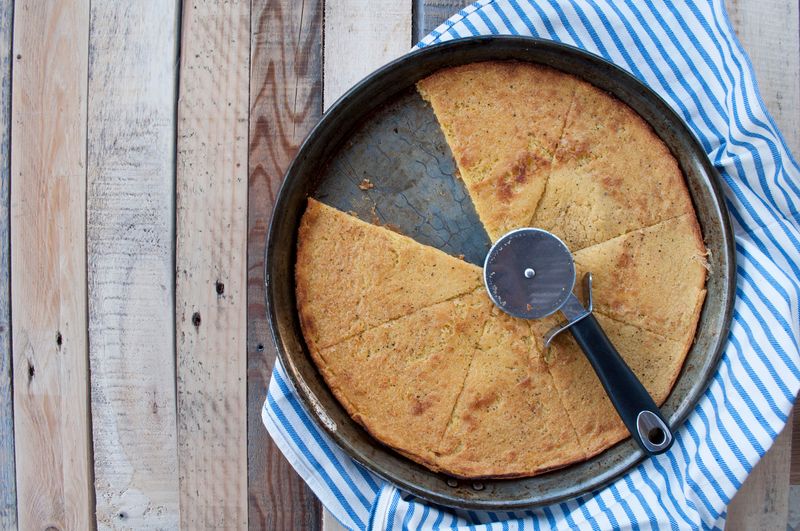
Walk past a bakery in Livorno and you might smell something toasty and irresistible. That is cecina, a thin flatbread made from chickpea flour, water, olive oil, and salt.
It bakes in a very hot oven until the edges crisp up. Locals sprinkle it with black pepper and sometimes stuff it inside a roll.
Bonus: it is naturally gluten-free and super cheap to make. You can easily bake it at home in a cast-iron pan.
10. Pasta con le Sarde from Sicily
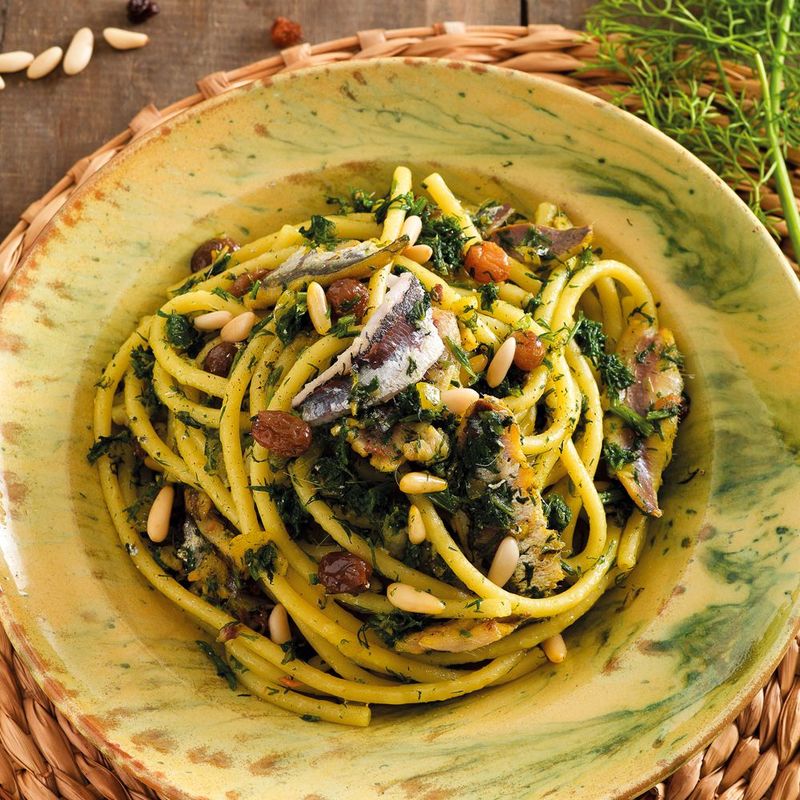
Sardines, wild fennel, raisins, pine nuts, and saffron all in one bowl? Welcome to Palermo.
This pasta tells the story of Sicily’s history. Arab traders brought ingredients like saffron and raisins centuries ago, and locals blended them with fish from the sea.
Toasted breadcrumbs go on top instead of cheese, adding crunch. The mix of salty, sweet, and herby flavors is unlike any pasta you have tried.
Give it a chance even if fish makes you nervous.
11. Panissa from Vercelli
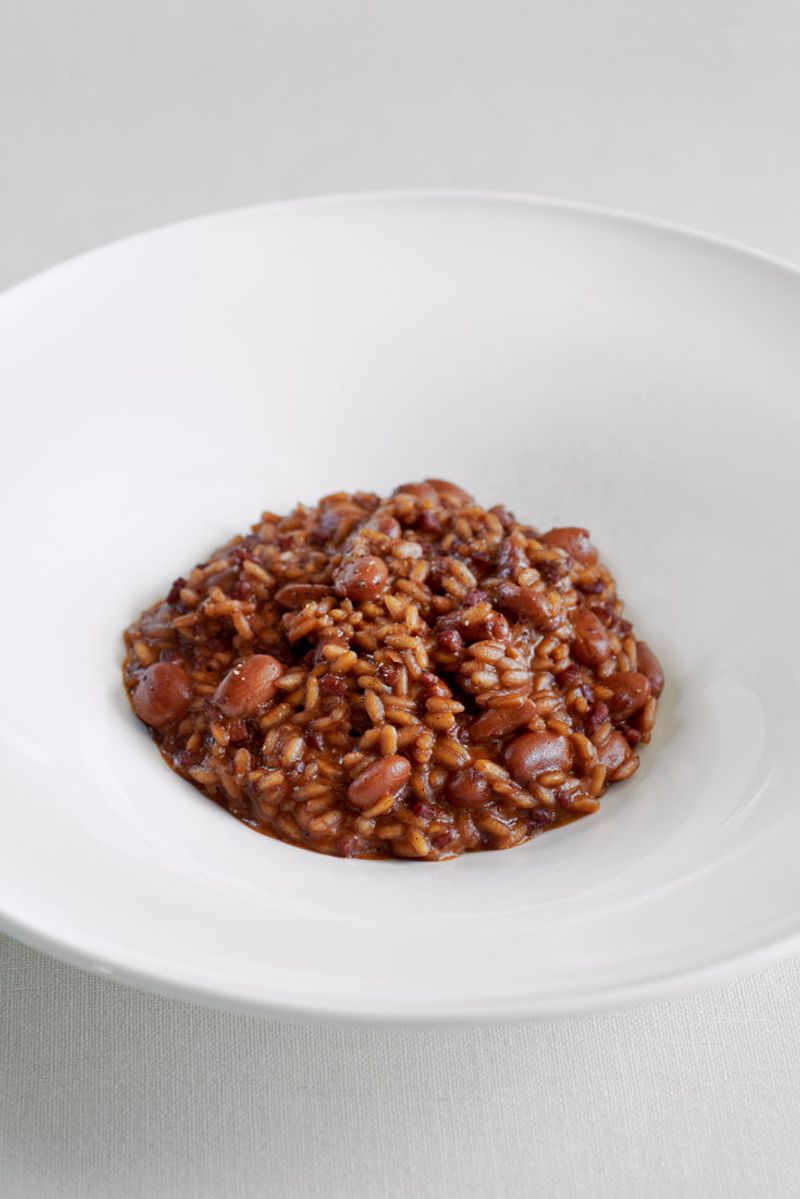
Europe grows tons of rice in the flat fields around Vercelli. So it is no surprise that the area has its own special risotto.
Panissa combines rice with borlotti beans, red wine, and a soft local salami called salam d’la duja, which is kept in fat inside clay pots.
The flavor is deep, meaty, and warming. Farm workers ate it after long days in the rice paddies, and it still feels like honest comfort food today.
12. Arrosticini from Abruzzo
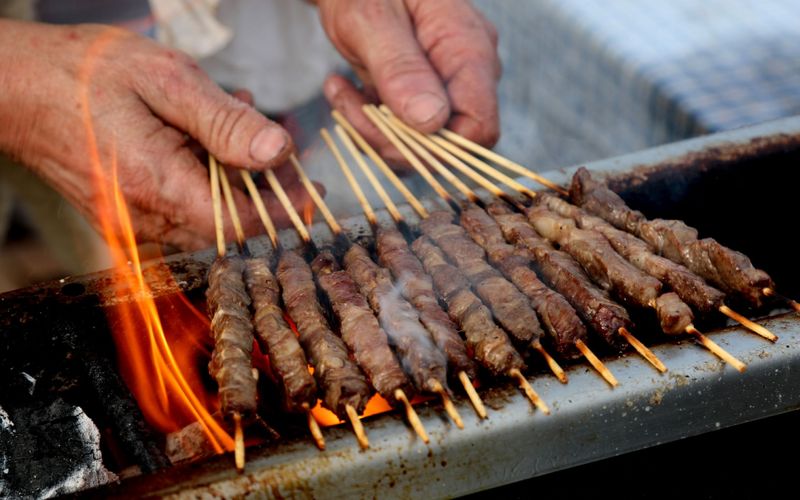
Shepherds in Abruzzo needed a quick meal while watching their flocks. Their solution was brilliant and simple.
Arrosticini are tiny cubes of mutton or lamb threaded on thin wooden skewers. They cook over a long, narrow charcoal grill called a fornacella, with just salt for seasoning.
Locals order them by the dozen and eat them straight off the stick with bread and olive oil. Hosting a backyard barbecue?
These skewers would be a fun twist.
13. Cialledda from Puglia
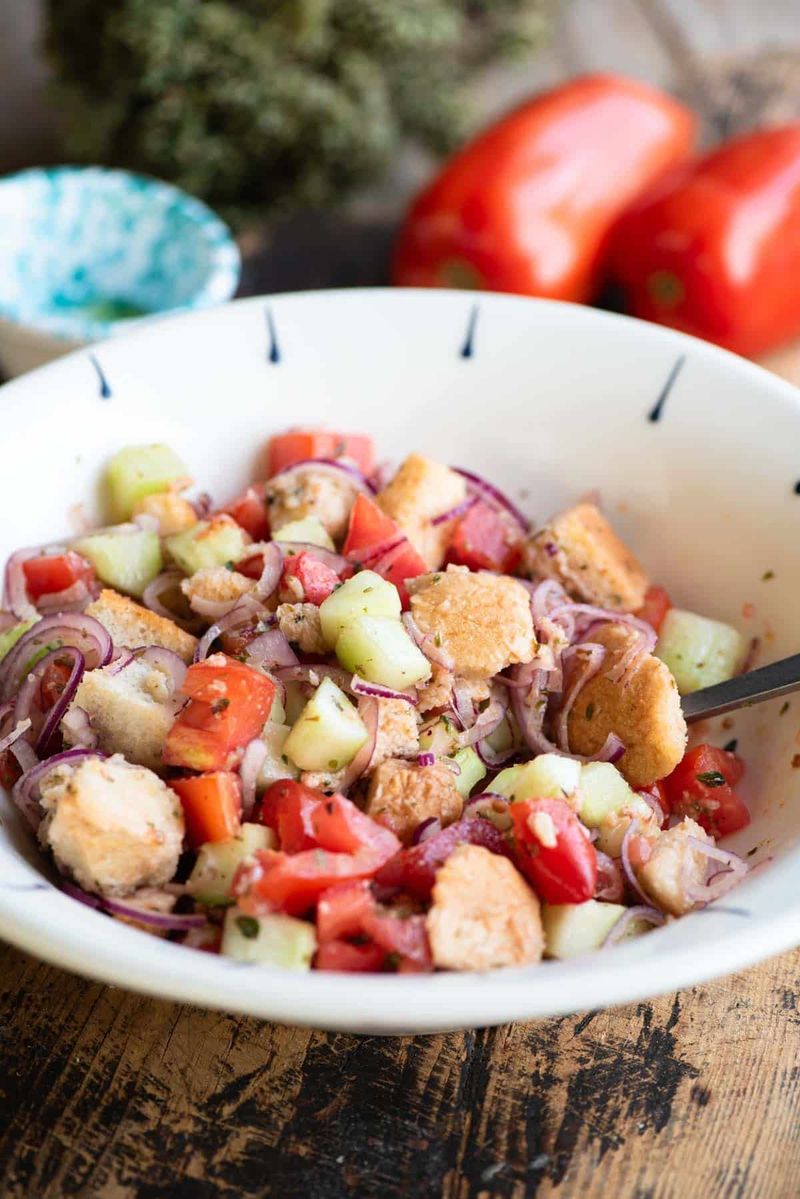
On a scorching summer day in Puglia, nobody wants to turn on the stove. Cialledda saves the day.
Day-old bread is softened with a little water, then tossed with juicy tomatoes, cucumbers, red onion, oregano, and plenty of olive oil. The bread soaks up every drop of flavor.
Farmers carried these ingredients into the fields for lunch. It is a lot like Tuscan panzanella, but locals will happily tell you theirs came first.
14. Piadina from Romagna
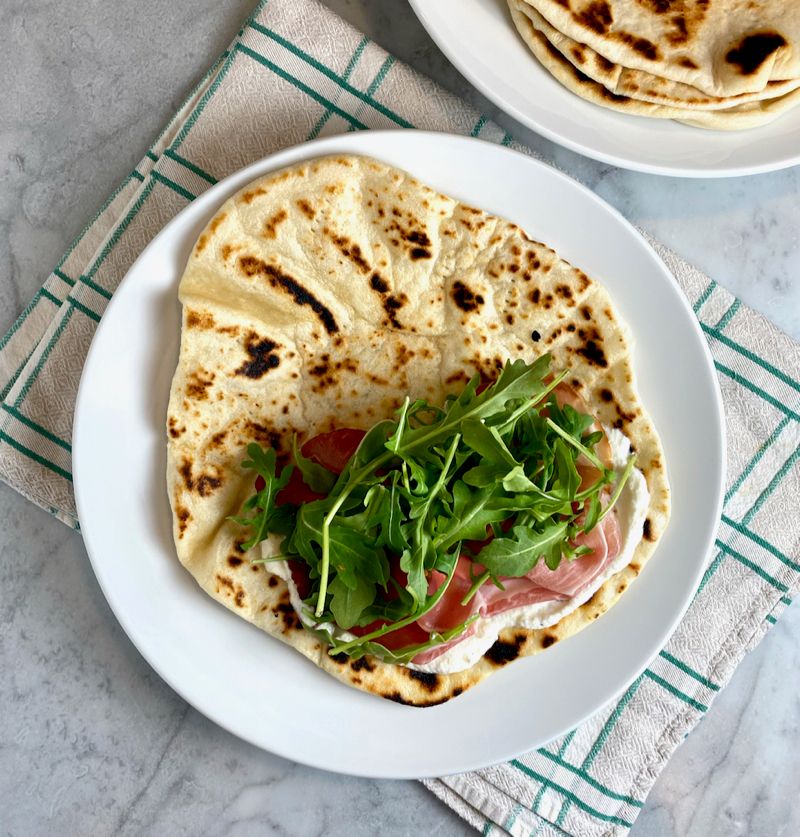
Along the beaches of Rimini, little kiosks called piadinerie serve one star item. Piadina is a thin flatbread cooked on a hot griddle.
Fillings are endless. A classic choice is prosciutto, soft squacquerone cheese, and peppery arugula.
Some people even add Nutella for dessert.
Outside Italy, it is still surprisingly rare. The good news is the dough uses only flour, lard or oil, salt, and water, so it is a great weekend cooking project.
15. Fregola with Clams
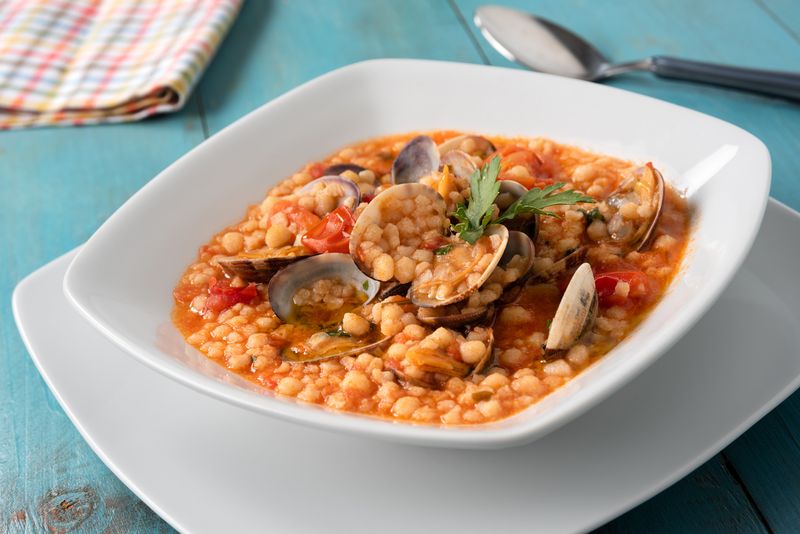
Tiny toasted pasta pearls might look like couscous, but fregola has its own personality. Sardinians roll semolina into little balls, then toast them in the oven for a nutty taste.
Near the coast, cooks simmer fregola with fresh clams, garlic, parsley, and a bit of tomato. The pasta drinks up the briny broth like a sponge.
It is somewhere between a soup and a risotto. Grab a spoon and enjoy every salty, seaside bite.
16. Torta Pasqualina from Liguria
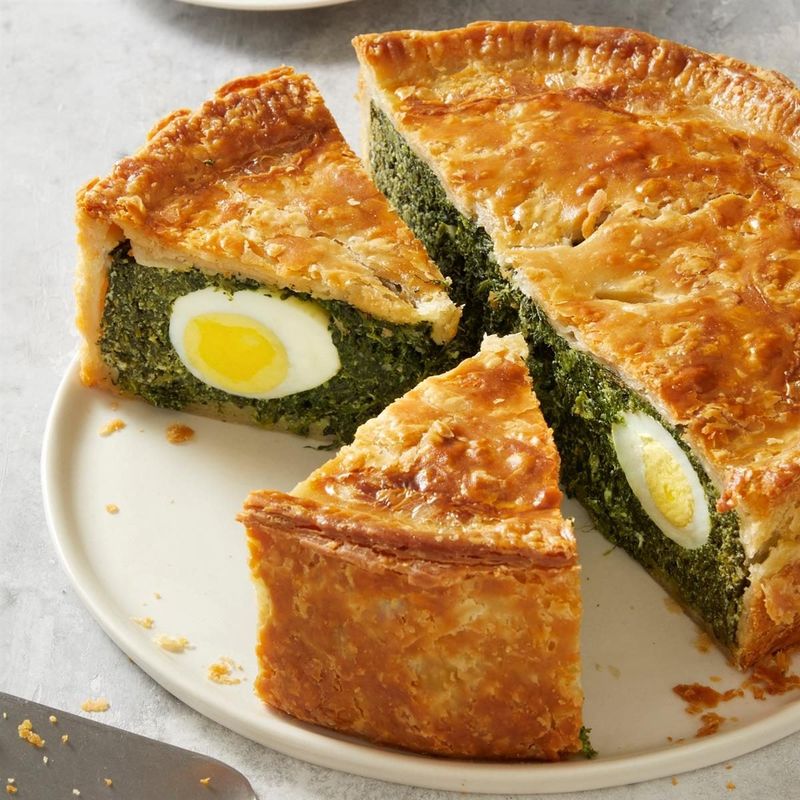
Cut into this pie and you will find a lovely surprise. Whole eggs are tucked into the filling, so each slice shows a pretty circle of yolk.
Torta pasqualina is a Genoese Easter tradition. It is stuffed with Swiss chard, ricotta, and Parmigiano, then wrapped in many thin layers of pastry.
Old recipes called for 33 layers, one for each year of Jesus’s life.
Serve it warm or cold. It makes an amazing picnic food.
17. Sebadas, Sardinia’s Honey Dessert
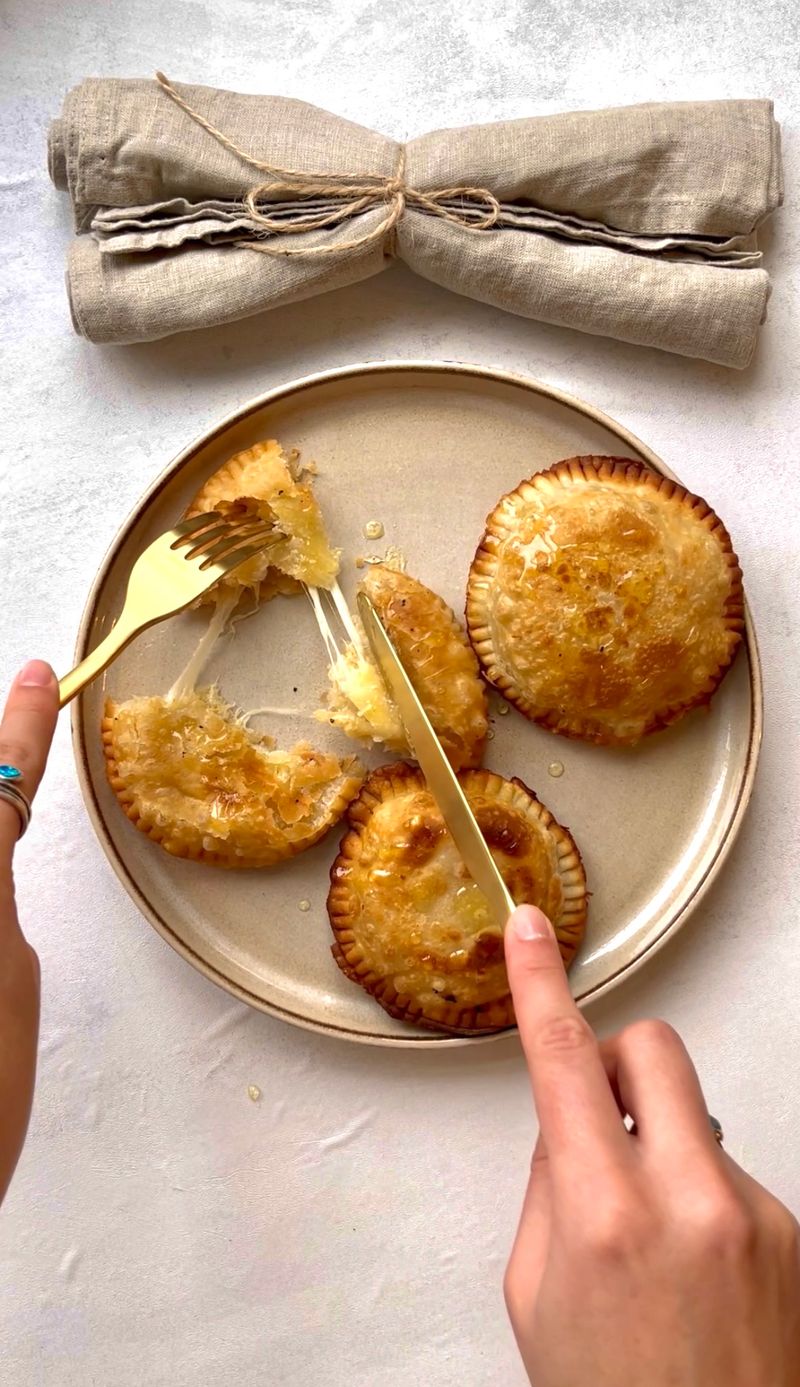
Save room for dessert, because this one is wild. Sebadas are large fried pastries filled with fresh, slightly sour cheese and a touch of lemon zest.
Once they come out of the hot oil, cooks pour honey over the top. In Sardinia, they often use bitter strawberry tree honey for a grown-up flavor.
Crispy, melty, sweet, and tangy all at once, it is a treat you will remember. Eat them warm for the gooiest experience.