
Some of music’s biggest bands started with names that sound nothing like the ones we know today. Before the hit songs and huge crowds, they were testing ideas, playing small shows, and figuring out who they wanted to be.
Their old names reveal funny accidents, school memories, and fresh starts. A few belonged to earlier groups that helped shape the famous bands that followed.
1. Coldplay: From Pectoralz to Starfish
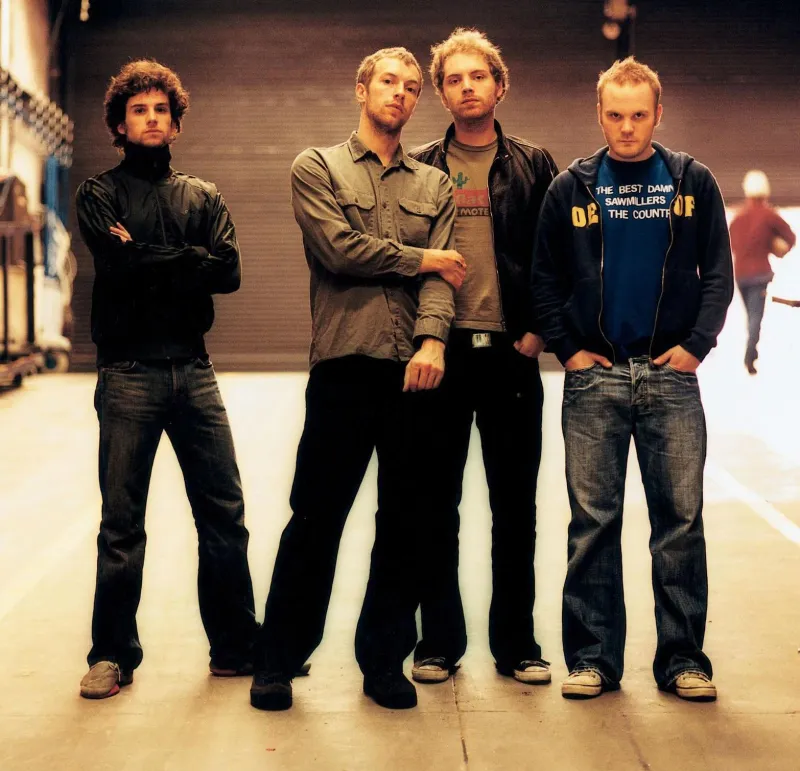
Imagine buying a concert ticket to see Pectoralz instead of Coldplay. That was one early name used during the group’s beginnings, before Starfish became another stop on the road to fame.
The musicians came together while studying in London during the 1990s. They eventually adopted Coldplay, a name passed along by a friend who no longer wanted it for his own band.
Even stadium stars sometimes need help finding the right words for a poster.
2. Black Sabbath: The Polka Tulk Blues Band
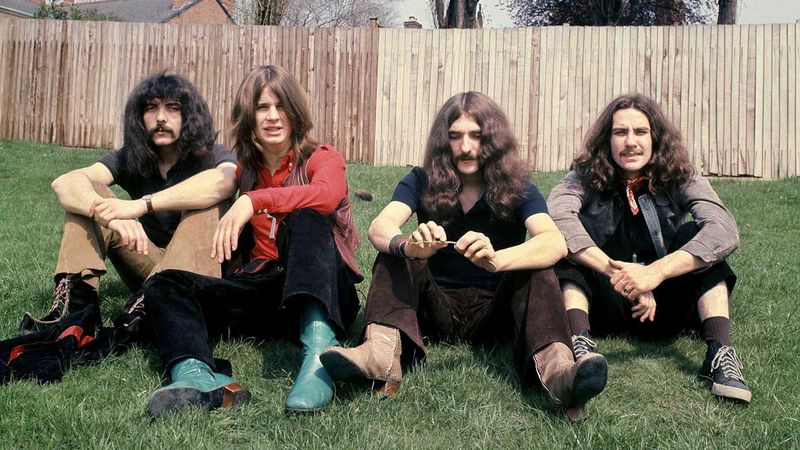
Heavy metal history has a surprisingly silly starting point: the Polka Tulk Blues Band. Before their dark riffs became famous, Ozzy Osbourne and his bandmates played blues and tried out that unusual label.
They later shortened their name to Earth, but another English group already used it. Black Sabbath solved the mix-up and matched their growing interest in frightening sounds.
Their final choice also shared its name with a horror film starring actor Boris Karloff.
3. Led Zeppelin: A Brief Flight as the New Yardbirds
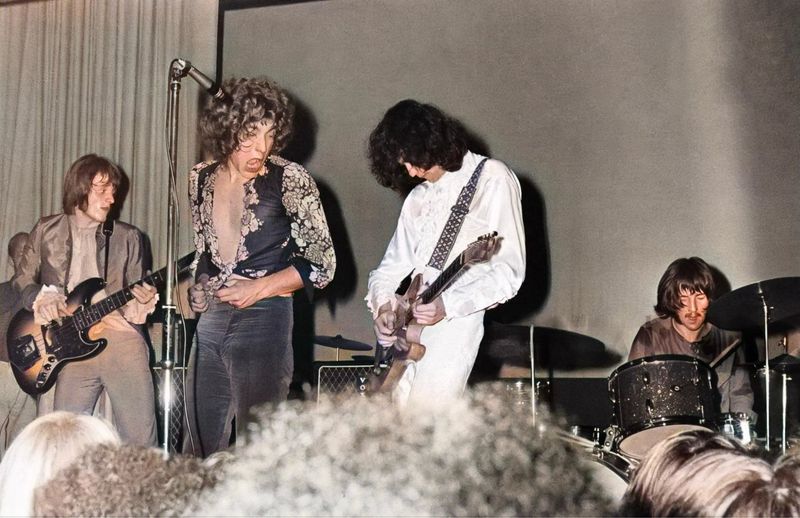
A few booked concerts helped launch one of rock’s biggest names. After the Yardbirds broke apart, guitarist Jimmy Page assembled a new lineup to fulfill shows, performing briefly as the New Yardbirds.
That lineup became Led Zeppelin in 1968. The famous name grew from a joke about a musical project going down like a lead balloon, often linked to the Who’s Keith Moon.
Dropping the letter a helped readers pronounce Led correctly, rather than leed.
4. Van Halen: Mammoth Before the Family Name
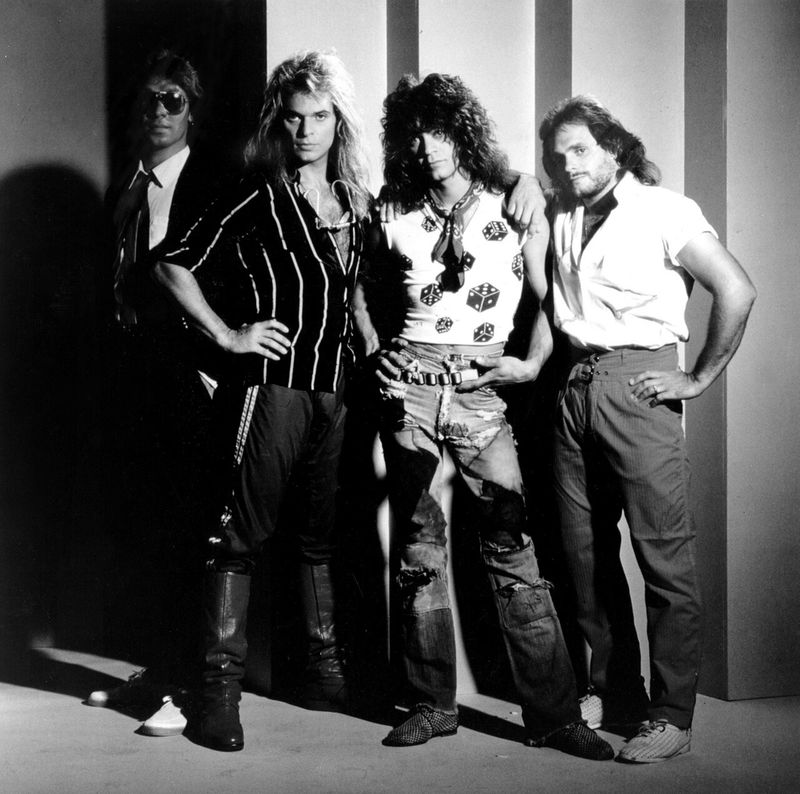
Mammoth sounds ready for a loud guitar solo, and it nearly became the name fans shouted forever. Eddie and Alex Van Halen used it during their early years playing around Pasadena, California.
Another band already had that name, so a replacement was needed. David Lee Roth favored the brothers’ surname, which sounded strong and stood out.
By 1974, Van Halen had its lasting identity. Earlier family projects should not be confused with the finished lineup.
5. Blur: Seymour Gets a Record-Label Makeover
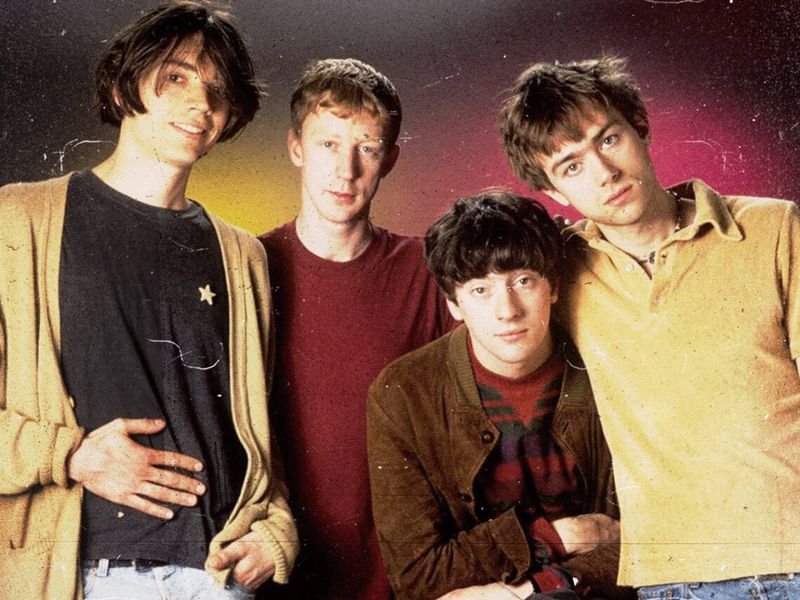
A book title helped inspire Seymour, the name Blur used before becoming Britpop favorites. The choice came from J.
D. Salinger’s Seymour: An Introduction, giving their early identity a rather bookish feel.
Food Records liked the music but disliked the name. Before signing, the group chose Blur from a list of alternatives.
That short word proved easier to remember and print. For anyone naming a creative project, their story shows how outside feedback can help.
6. Green Day: Sweet Children Grow Louder
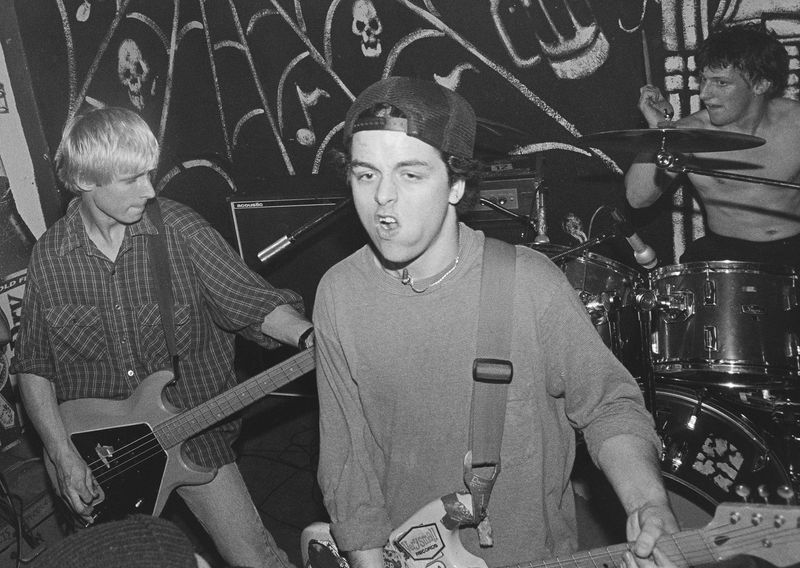
Sweet Children hardly sounds like a band known for blasting punk songs through huge speakers. Yet Billie Joe Armstrong and Mike Dirnt used that name when they started playing together as teenagers.
In 1989, they switched to Green Day, partly to avoid confusion with another local act, Sweet Baby. The new name came from slang connected with marijuana.
Their early Sweet Children recordings offer a useful listening stop for fans curious about the group’s beginnings.
7. Lynyrd Skynyrd: My Backyard Meets School Rules
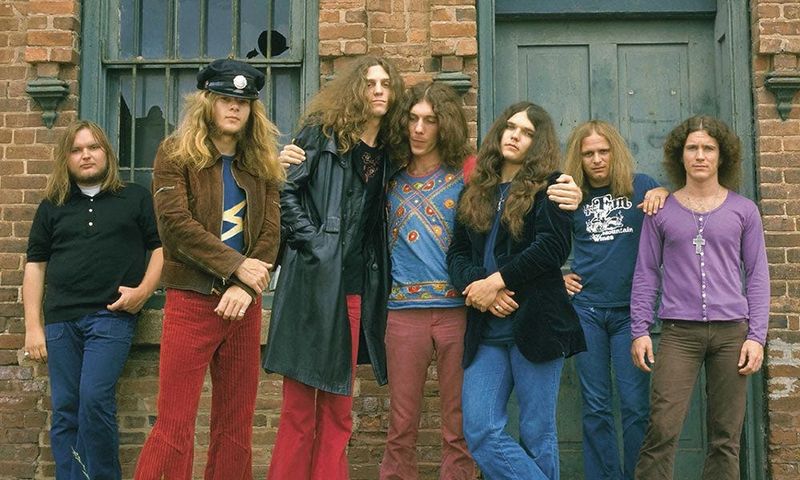
School rules helped inspire a name that would become famous far beyond Jacksonville, Florida. Before that happened, the young musicians tried names including My Backyard, the Noble Five, and the One Percent.
Lynyrd Skynyrd eventually emerged as a playful twist on Leonard Skinner, a gym teacher remembered for enforcing rules against long hair. The unusual spelling made the tribute unmistakably their own.
Behind the southern rock legend sits a very relatable story about teenage rebellion.
8. The Cure: Making Easy Cure Less Easy
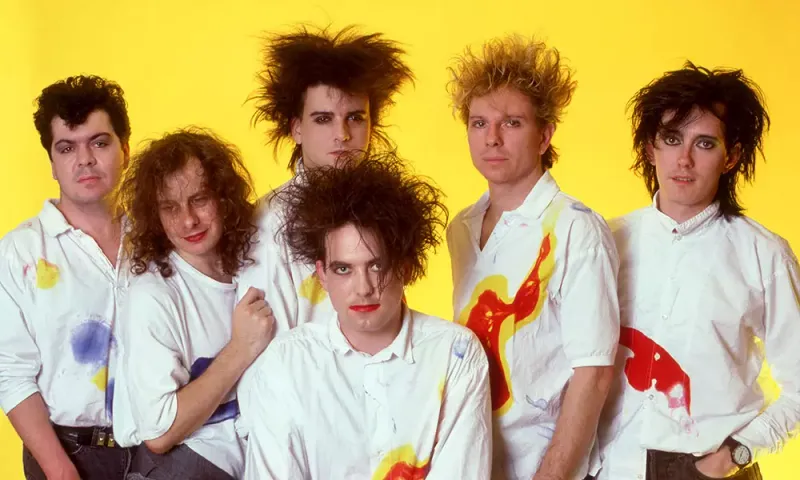
Sometimes removing one word changes the whole mood. Robert Smith’s early musical path included school groups such as Obelisk and Malice before Easy Cure became the direct stepping stone to the Cure.
Smith disliked the longer name and shortened it in 1978. The simpler version felt less cheerful and left more room for the band’s changing sound.
Those earlier groups also had shifting members, so their history is better understood as a developing musical family.
9. Oasis: The Rain Finds a Sunnier Name
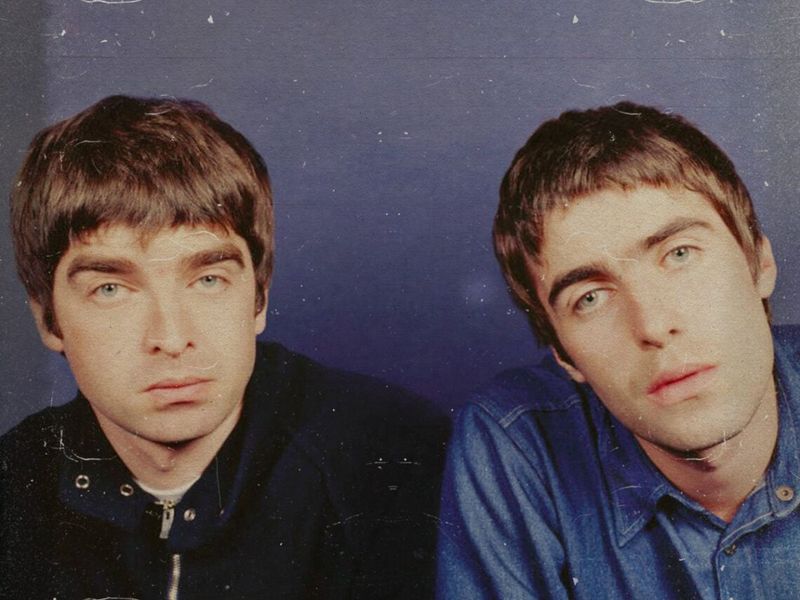
A concert poster supplied the spark for a famous Manchester band’s identity. Before Liam Gallagher joined, the group that became Oasis was called the Rain, a much quieter name than its future reputation.
Liam suggested Oasis after seeing the Oasis Leisure Centre in Swindon listed on an Inspiral Carpets poster. Noel Gallagher joined afterward, helping shape their familiar sound.
Inspiration did not require a grand plan here, just somebody noticing an interesting word nearby first.
10. Beastie Boys: Roots in the Young Aborigines
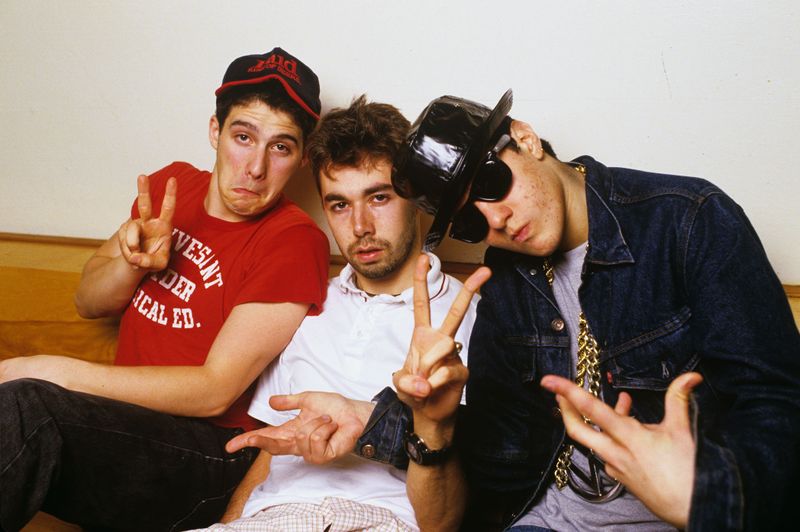
Before the rhymes, there were scrappy New York rehearsals and a group called the Young Aborigines. That earlier act included future Beastie Boys members Michael Diamond and Kate Schellenbach, but it was not the famous trio.
Beastie Boys took shape in 1981 as a hardcore punk band. Adam Yauch joined that new chapter, while Adam Horovitz arrived later.
Following these lineup changes explains why the earlier name belongs to their roots rather than a simple rebranding.
11. Pink Floyd: Tea Set Before Psychedelic Fame
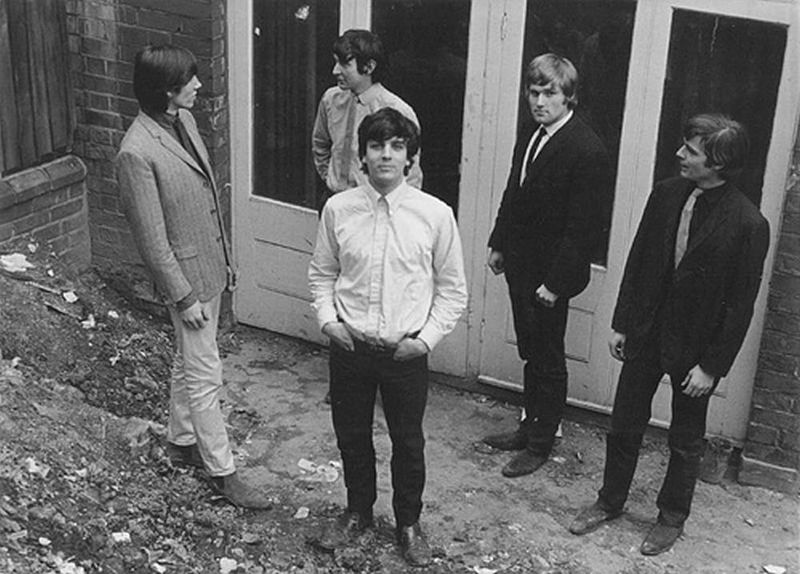
Tea Set sounds more suited to a kitchen cupboard than a psychedelic stage. It was nevertheless among the names used during Pink Floyd’s beginnings, alongside earlier choices connected with their changing student lineup.
Syd Barrett combined the first names of blues musicians Pink Anderson and Floyd Council to create the lasting replacement. The contrast is wonderful: a very British everyday object gave way to a tribute to American blues.
Even futuristic music can have roots.
12. Nirvana: Pen Cap Chew Almost Made the Cut
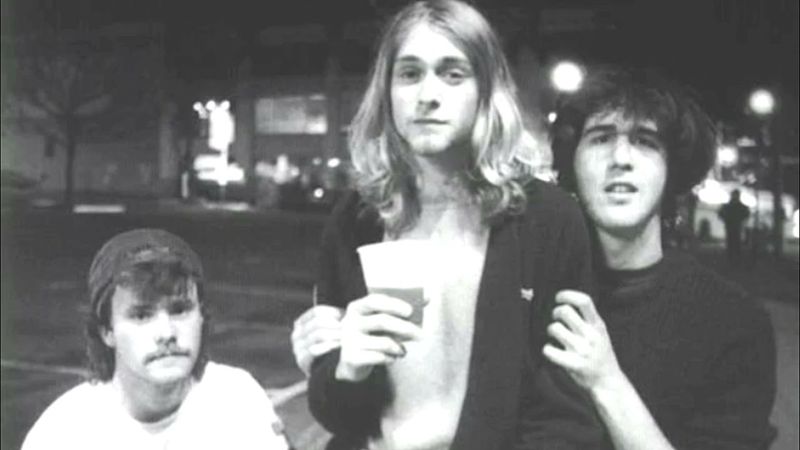
Pen Cap Chew has the restless energy of somebody stuck in class. It was among the names connected with Nirvana’s early days, along with Skid Row, before Kurt Cobain settled on something calmer.
He wanted a name that sounded beautiful rather than aggressive. One common mix-up needs clearing up: Fecal Matter was Cobain’s separate earlier project, not simply Nirvana under another label.
Keeping those histories apart helps fans trace how his songwriting and musical partnerships developed.
13. Pearl Jam: A Basketball Player on the Bill
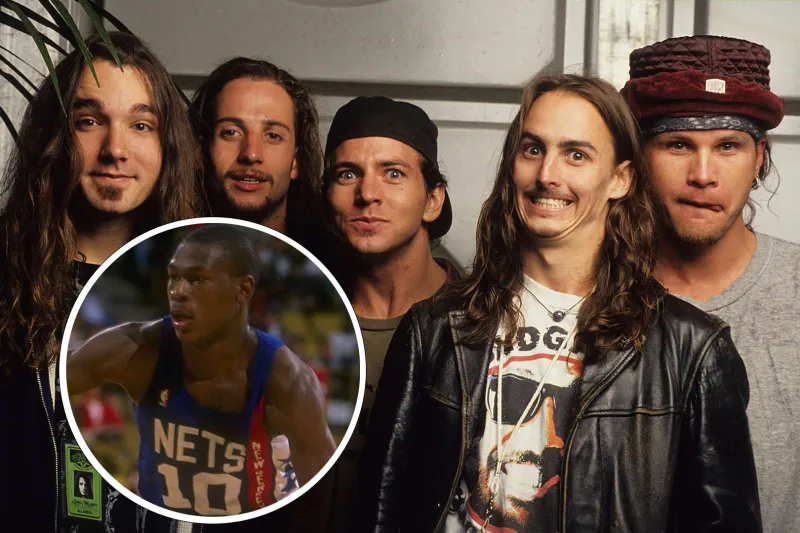
Basketball fans might have recognized Pearl Jam’s first name before music fans did. The Seattle group initially performed as Mookie Blaylock, borrowing the name of an active NBA player they admired.
They changed it before releasing their debut album, avoiding problems that could come with using someone else’s name. The sports connection survived, though: Ten refers to Blaylock’s jersey number.
That small detail turns an album title into a lasting reminder of the band’s earliest identity.
14. Kiss: Wicked Lester Before the Makeup
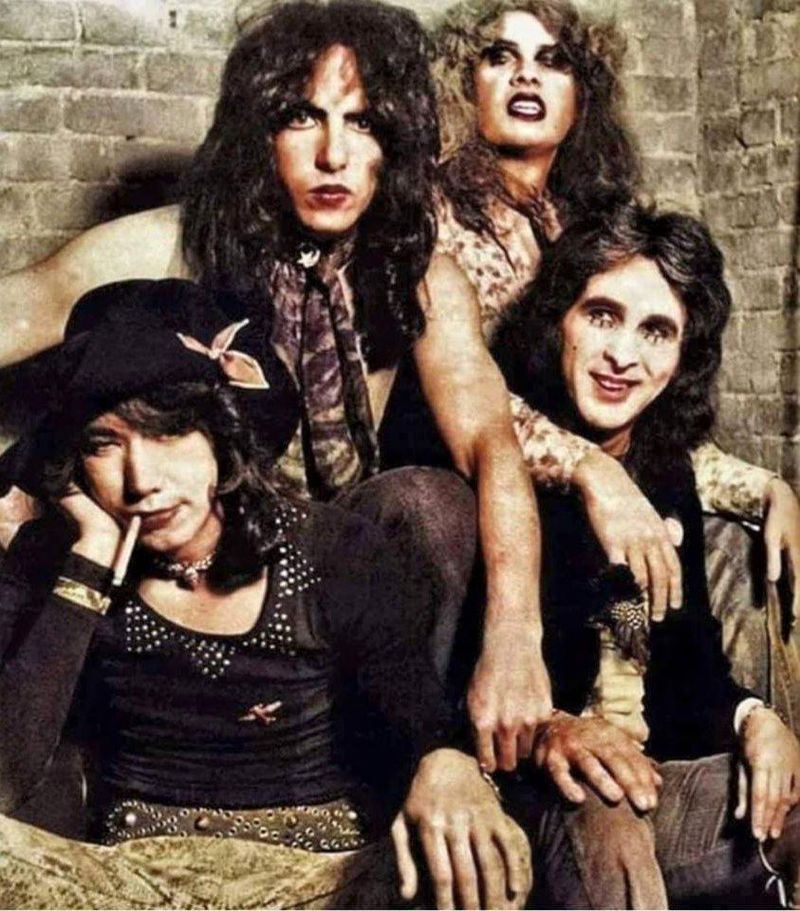
Forget the face paint for a moment. Before Kiss existed, Gene Simmons and Paul Stanley played together in Wicked Lester, a New York band with a broader rock sound and a different lineup.
The pair left that project and built something new with Peter Criss and Ace Frehley. Calling Wicked Lester merely an old Kiss name skips that important break.
Their story shows how a fresh group, clearer musical direction, and bold image can work together.
15. Red Hot Chili Peppers: Tony Flow’s Mouthful
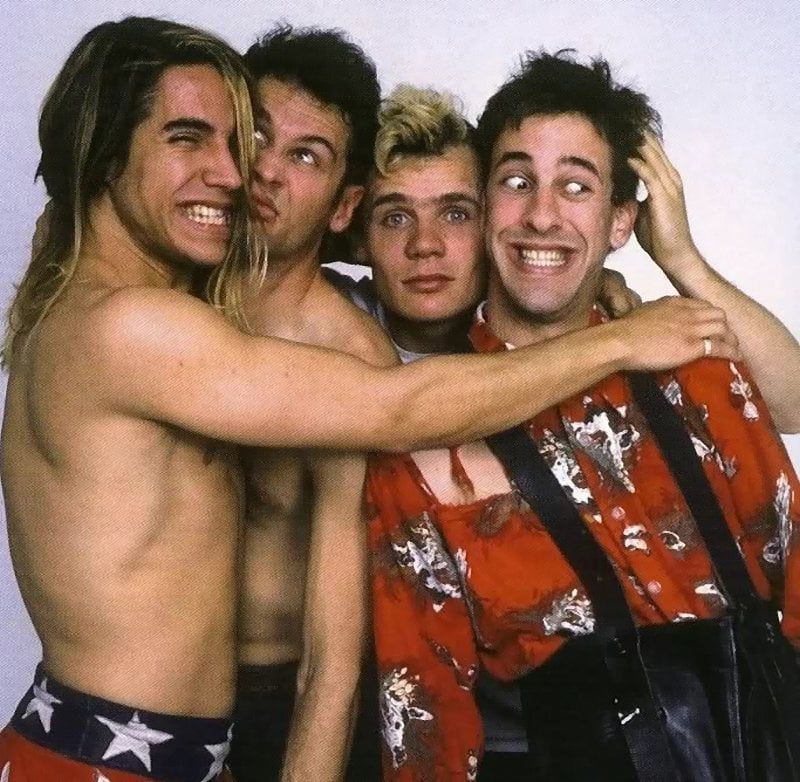
Try fitting Tony Flow and the Miraculously Majestic Masters of Mayhem onto a tiny concert flyer. That gloriously oversized name belonged to the musicians who became the Red Hot Chili Peppers in Los Angeles.
Anthony Kiedis, Flea, Hillel Slovak, and Jack Irons first performed together under it in 1983. Their lively mix of funk and punk quickly became more than a casual experiment.
A shorter name followed, while the wild spirit of that first title remained.