
Most people order the same few fish every time, like salmon, tuna, or cod. But the ocean, rivers, and lakes are full of tasty fish that rarely show up on dinner plates.
Trying new kinds can save you money, help protect overfished species, and make mealtime more exciting. Get ready to meet some fish that might just become your new favorites.
1. Arctic Char
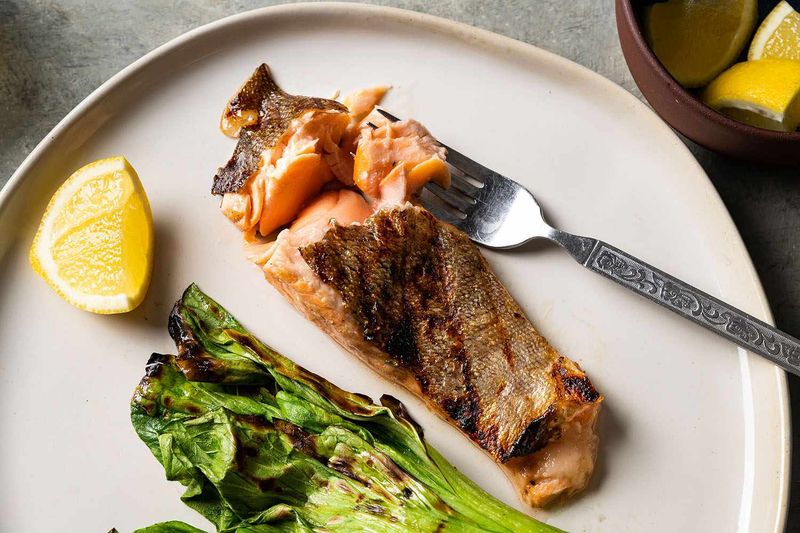
Picture a fish that sits right between salmon and trout in flavor. Arctic char lives in icy northern waters and has bright pink flesh that looks stunning on a plate.
Its taste is milder than salmon, with a buttery texture that even picky eaters enjoy. Most char sold in stores is farm-raised in clean, eco-friendly systems.
Try it pan-seared with the skin on. Cook it skin side down until crispy, then flip for one minute.
2. Black Cod (Sablefish)
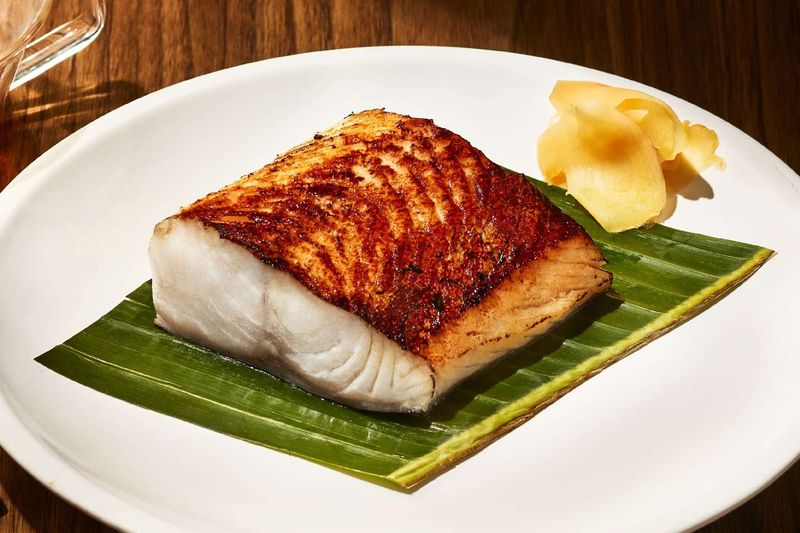
Chefs sometimes call sablefish butterfish, and one bite explains why. The meat is so rich and silky it practically melts on your tongue.
Fun fact: black cod is not actually a cod at all. It lives deep in the North Pacific and is packed with healthy omega-3 fats.
The most famous way to cook it is with a sweet miso glaze. Let it soak overnight, then broil until the top turns golden and bubbly.
3. Branzino
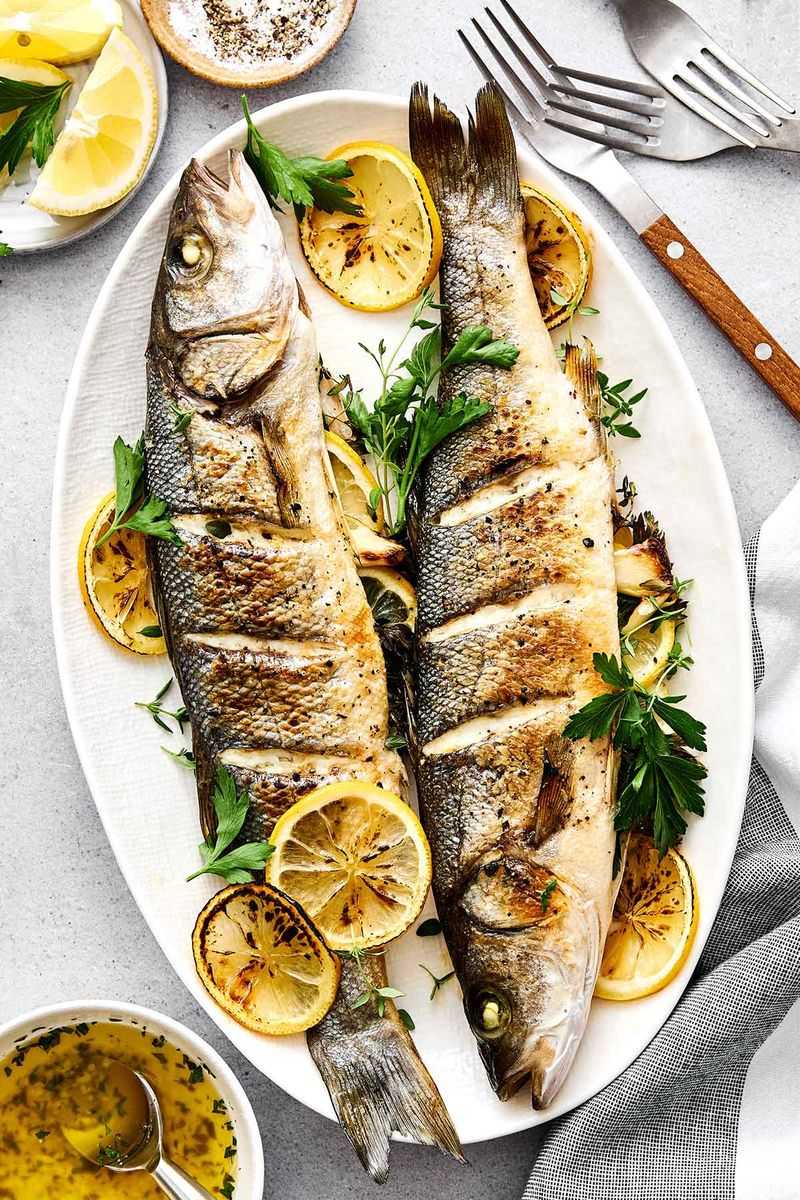
Walk into almost any seaside restaurant in Italy and you will likely spot whole branzino roasting over a fire. This European sea bass is a Mediterranean classic.
Its white meat is flaky, light, and slightly sweet. Cooking it whole might sound scary, but it is surprisingly easy.
Stuff the belly with lemon slices, garlic, and fresh herbs. Rub with olive oil and salt, then roast at high heat for about twenty minutes.
4. Lionfish
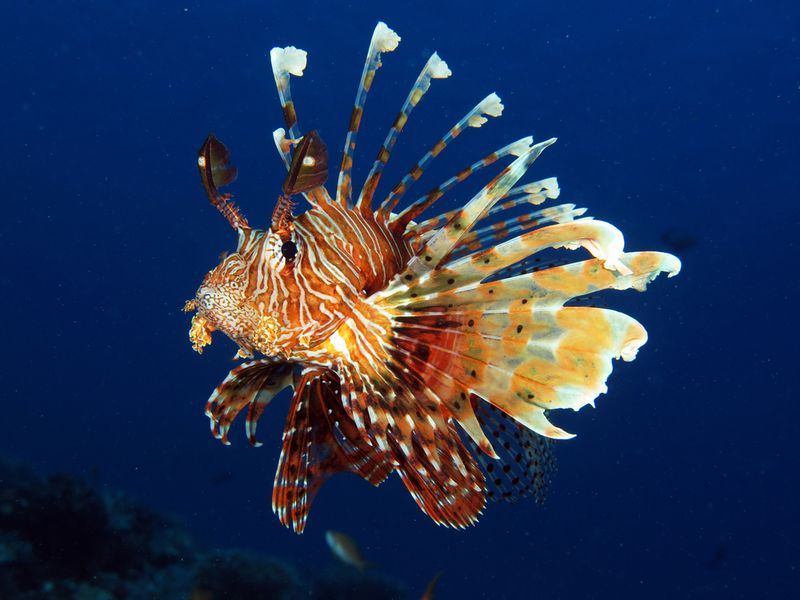
Eating this fish actually helps save coral reefs. Lionfish are invaders in the Caribbean and Atlantic, gobbling up native fish with no natural predators to stop them.
Divers now hunt them, and restaurants have jumped on board. Once the venomous spines are removed by a pro, the fish is totally safe to eat.
The meat is white, firm, and delicate, similar to snapper. Lionfish tacos with lime and slaw are a crowd favorite in Florida.
5. Wahoo
Clocking speeds near 60 miles per hour, wahoo ranks among the fastest fish in the sea. Fishermen in Hawaii call it ono, which means delicious.
They are not wrong.
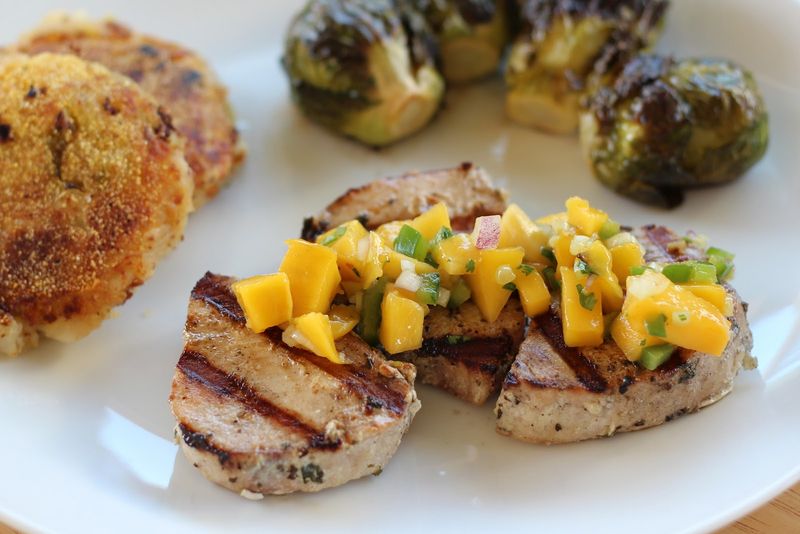
Wahoo has firm, white meat with a clean, mild flavor. Since it is very lean, it can dry out if you overcook it.
Grill thick steaks for just a few minutes per side. A bright mango or pineapple salsa makes the perfect tropical topping.
6. Barramundi
Australians have loved barramundi for thousands of years. The name comes from an Aboriginal word meaning large-scaled river fish.
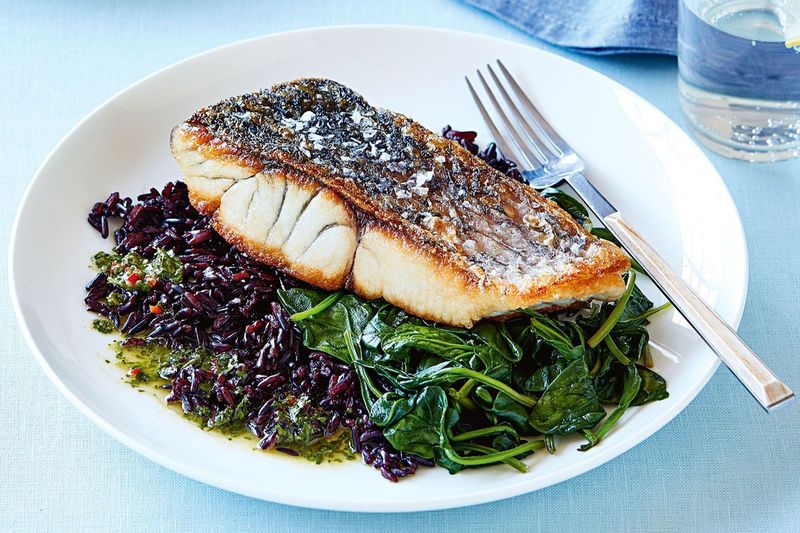
Here is why it is worth a try: barramundi has a gentle, sweet taste with no fishy smell. It is also one of the most sustainable farmed fish you can buy.
The skin gets wonderfully crispy in a hot pan. Serve it with roasted veggies or rice for an easy weeknight dinner your whole family will like.
7. Opah
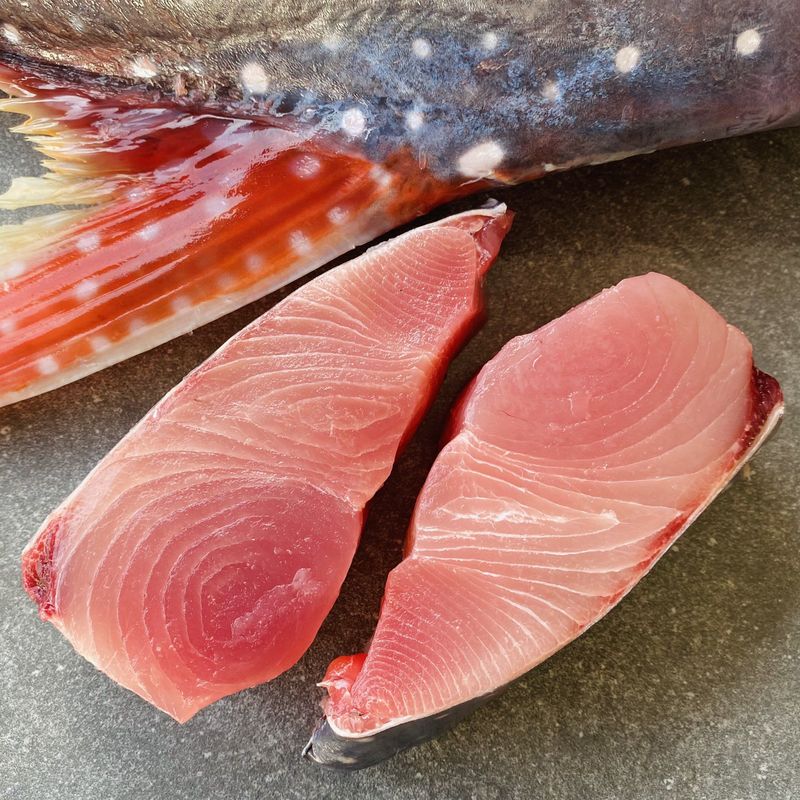
Shaped like a giant shiny dinner plate with bright red fins, opah looks like something out of a cartoon. Scientists discovered it is the only fully warm-blooded fish.
Even cooler, one opah has several types of meat. Some parts look like tuna, some like salmon, and some like beef.
Hawaiian chefs serve it raw in poke or seared quickly. Ask your fish counter for a loin piece if you spot it in stores.
8. Pompano
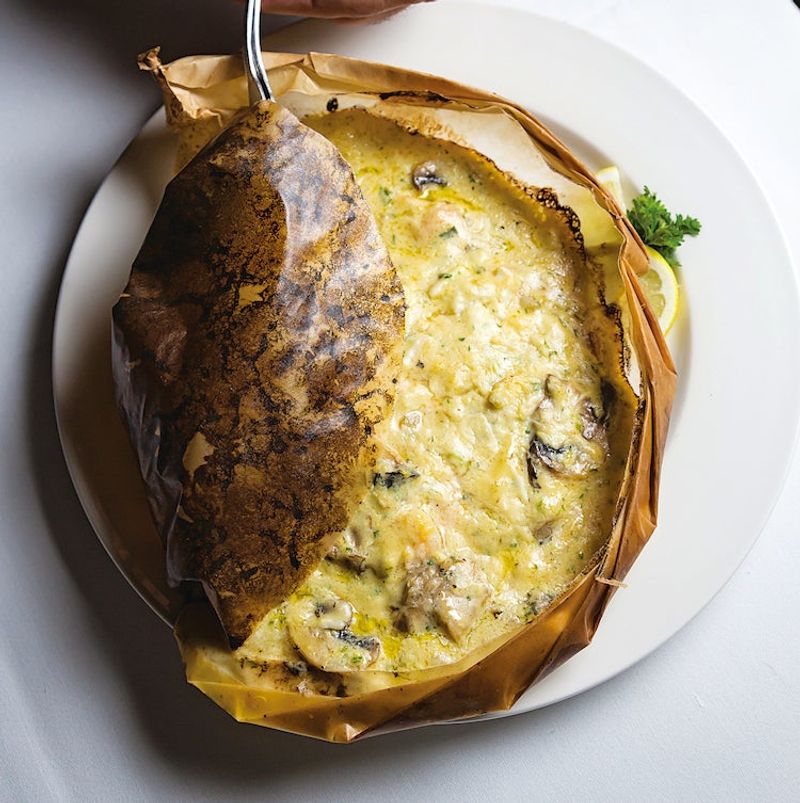
Back in the 1800s, New Orleans made pompano famous with a fancy dish cooked inside a paper bag. Today it is still a Southern treasure.
Pompano is small, silvery, and rich with a sweet, mild flavor. Its fat keeps the meat moist, so it is hard to mess up.
Try baking it in parchment paper with butter, lemon, and herbs. The steam cooks everything gently, and opening the packet at the table feels like unwrapping a present.
9. Mackerel
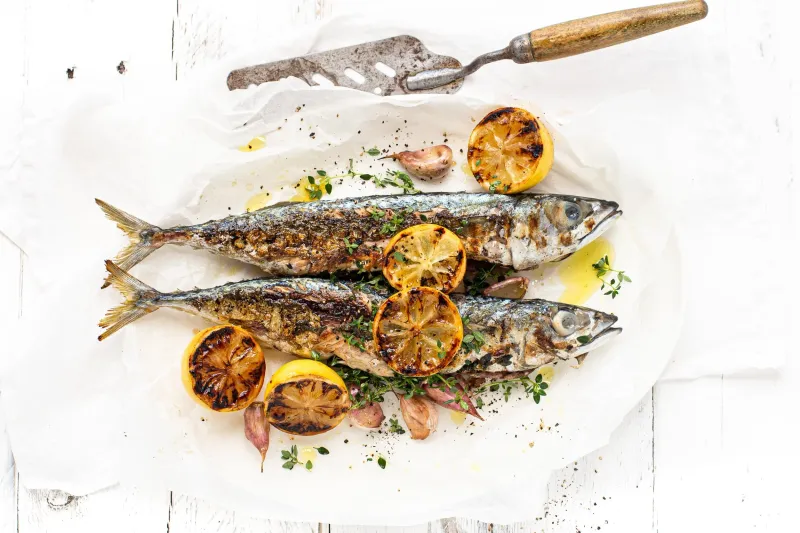
Do not let its bold reputation scare you away. Fresh mackerel tastes nothing like the strong canned stuff many people remember.
Loaded with omega-3s, it ranks among the healthiest fish around. It is also cheap and plentiful, which makes it great for budget-friendly meals.
Japanese cooks often grill it with salt, while in Britain it is smoked. A squeeze of lemon or a splash of vinegar balances its richness nicely.
Freshness matters most here.
10. Hake
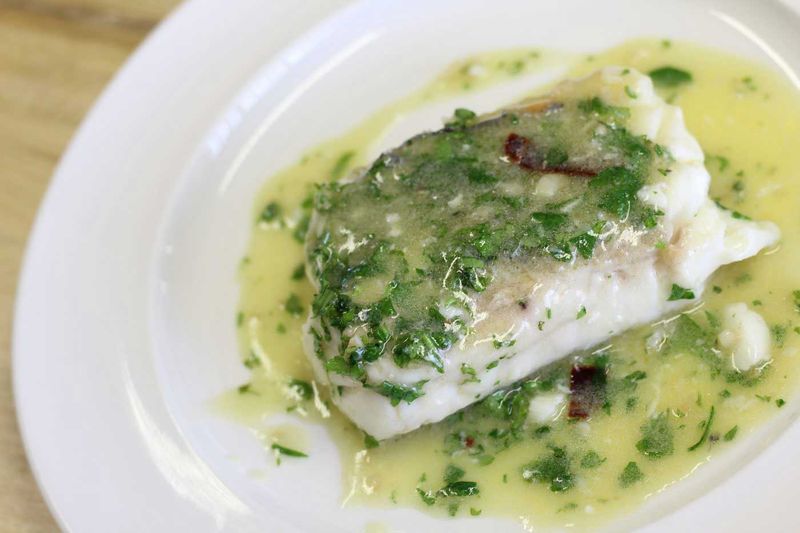
Spain eats more hake than almost any country on Earth, and Spanish families serve it at holidays and everyday dinners alike.
Think of hake as cod’s softer, cheaper cousin. It has tender white flakes and a gentle taste that works in almost any recipe.
Use it for homemade fish and chips, fish tacos, or a simple bake with tomatoes and olives. Since it is so delicate, handle the fillets gently when flipping them.
11. Cobia
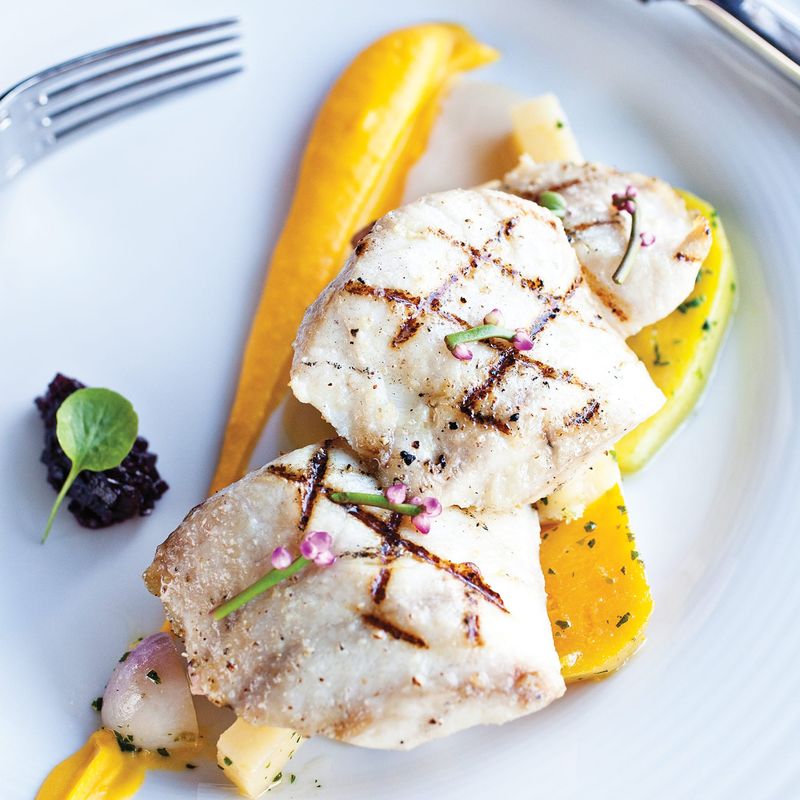
Ask a fishing captain about cobia and watch their eyes light up. These powerful fish fight hard on the line and taste incredible on the plate.
The meat is firm, buttery, and holds together beautifully. Because of that, it is a top pick for grilling and kabobs.
Cut it into chunks, add peppers and onions to skewers, and brush with garlic butter. Cobia stays juicy even if you leave it on the grill a bit long.
12. Sardines
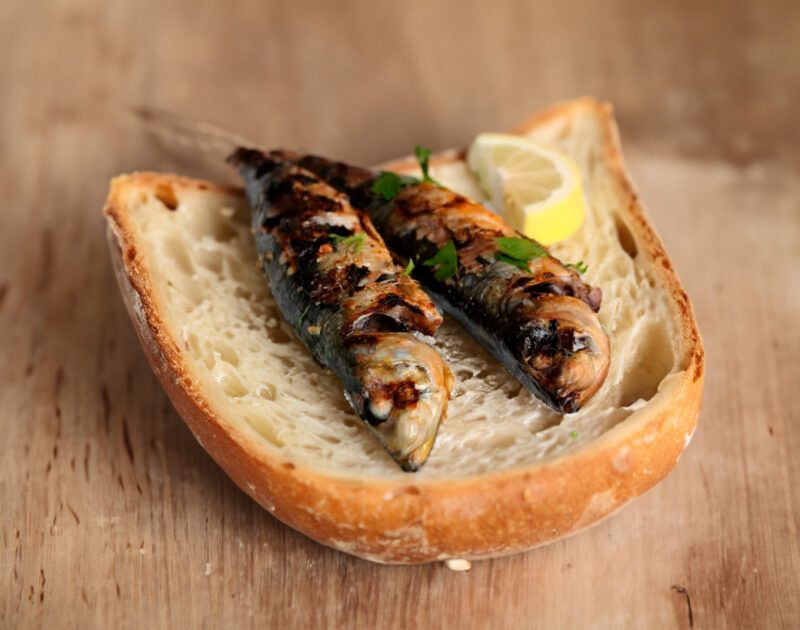
Every June, the streets of Lisbon fill with smoke from thousands of grills cooking fresh sardines. It is a giant party, and these little fish are the stars.
Fresh sardines are tender, rich, and full of calcium, especially if you eat the soft bones. Canned ones are handy too.
Grill them whole and serve on crusty bread. For a quick snack, mash canned sardines with lemon and pepper, then spread on toast.
13. Porgy (Scup)
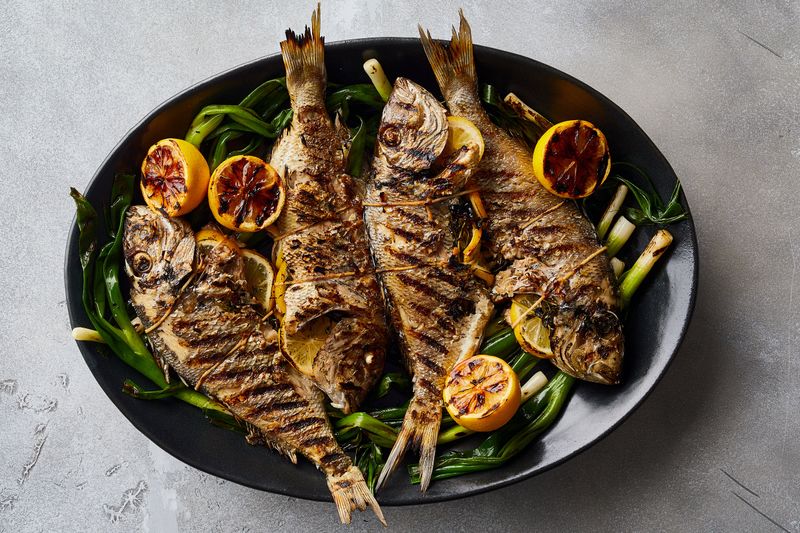
Long overlooked by fancy restaurants, porgy is finally getting the love it deserves. Anglers along the East Coast catch it easily from piers and boats.
Sometimes called scup, porgy is a small, sweet fish with flaky white meat. It is affordable and very sustainable.
Fry it whole for crispy edges and juicy insides. The bones are big and easy to pick around, so kids can enjoy it too with a little help from grown-ups.
14. Walleye
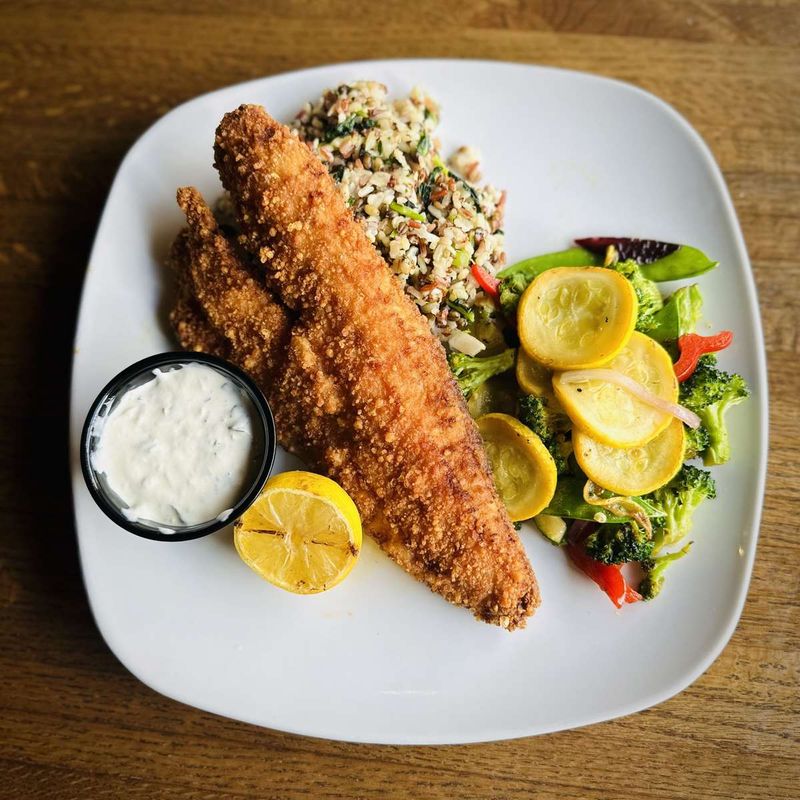
Minnesota loves walleye so much that it is the official state fish. Some towns even have giant walleye statues!
Caught in cold northern lakes, walleye has sweet, delicate fillets with almost no fishy taste. Midwestern families often fry it fresh at lake cabins after a day on the water.
Coat fillets in seasoned breadcrumbs and pan-fry until golden. Serve with tartar sauce and a side of wild rice for a true northwoods meal.
15. Monkfish
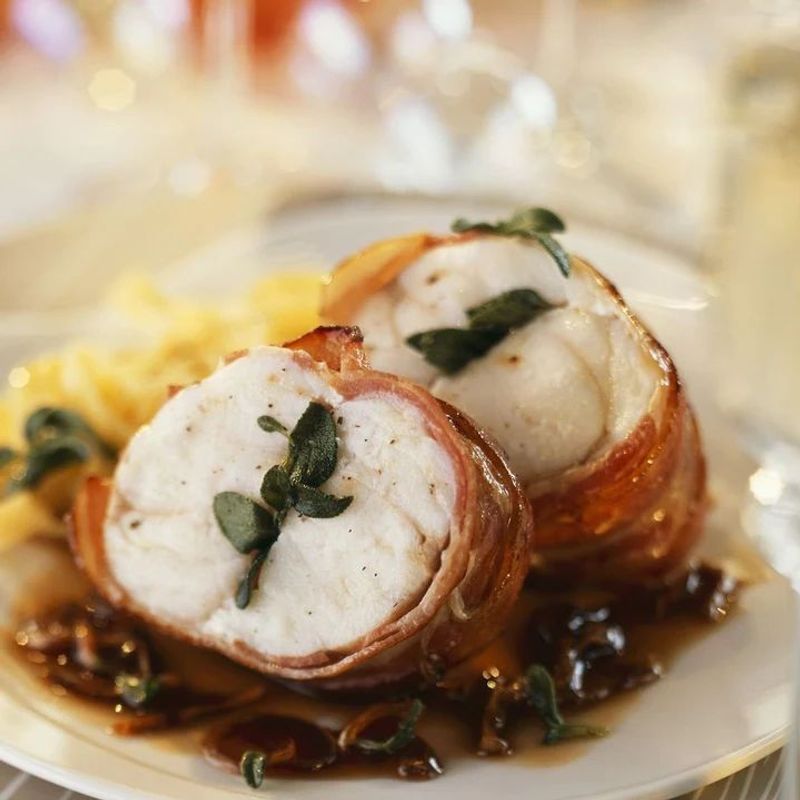
Ugly on the outside, delicious on the inside. Monkfish has a huge mouth full of sharp teeth and looks like a deep-sea monster.
Yet its tail meat is so sweet and firm that people call it the poor man’s lobster. It does not flake apart, so it stays in chunky pieces.
Try wrapping medallions in bacon and roasting them. Monkfish also shines in stews, soaking up rich flavors from tomatoes and garlic.
16. Tilefish
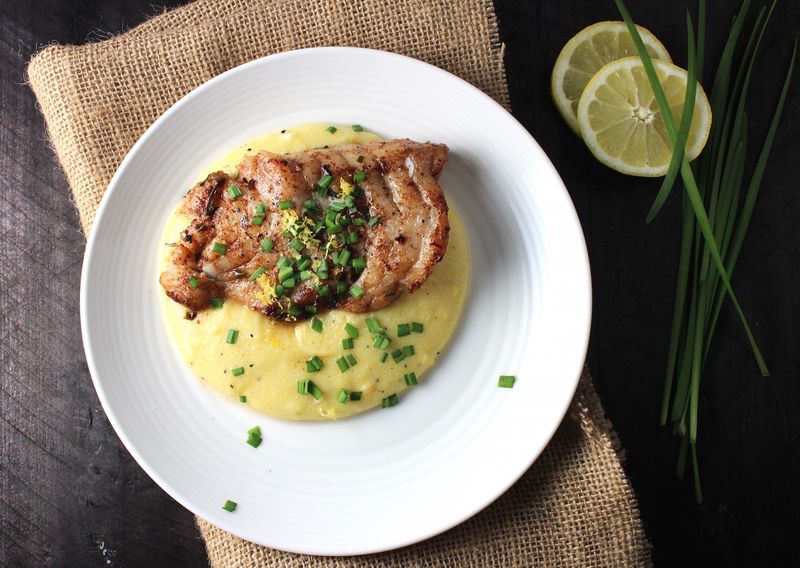
Golden tilefish is a looker, covered in yellow spots and a blue-green shimmer. It lives in burrows on the ocean floor and munches on crabs and shrimp.
All that shellfish gives its meat a sweet, almost lobster-like taste. The texture is firm but tender.
Since the flavor is so lovely, keep cooking simple. Broil it with butter and paprika, or poach it gently in white wine.
Fresh tilefish rarely needs fancy sauces.
17. Rockfish
Head to the Pacific coast, and you will find dozens of rockfish types, from bright orange to deep red. Many live over 100 years!
Fishermen sometimes sell it as Pacific snapper. The white meat is lean, mild, and flakes nicely, making it super versatile.
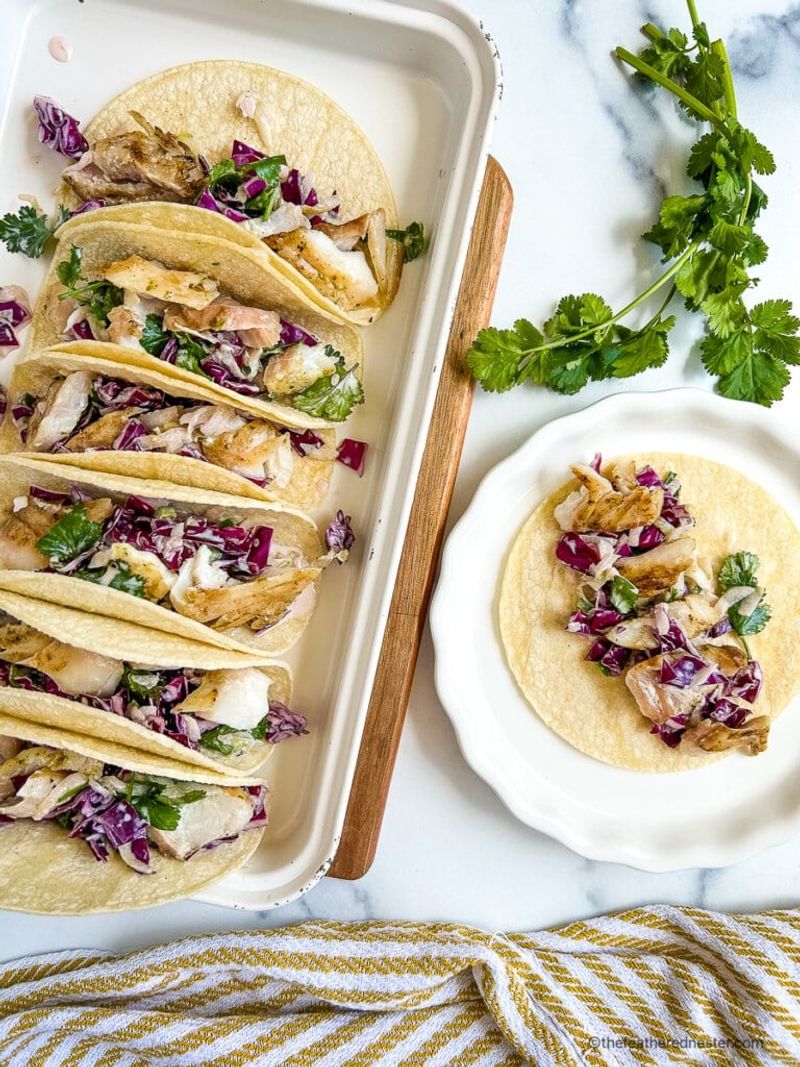
Rockfish makes amazing fish tacos. Season with chili powder and cumin, sear quickly, and pile into tortillas with cabbage and a creamy lime sauce.
Dinner in twenty minutes.