
Turn on a classic pop station, and you can still hear the power of the 1960s girl groups. Their rich harmonies, bold voices, and catchy songs changed how pop and soul music sounded.
Behind the matching outfits were singers who brought real feeling to stories about love, heartbreak, and growing up. From Motown stars to studio heroes, these groups helped build a sound that keeps winning new fans.
1. The Supremes: Motown’s Crowning Stars
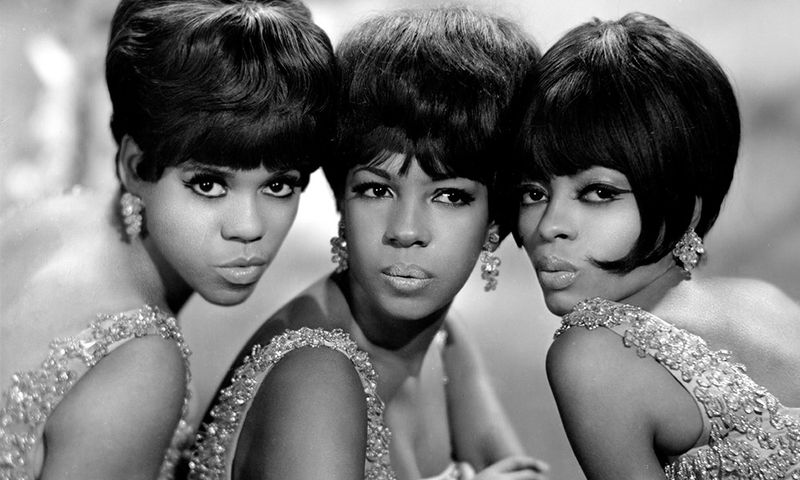
Twelve number one singles between 1964 and 1969 tell only part of their story. Diana Ross, Mary Wilson, and Florence Ballard helped make Motown a household name, pairing polished harmonies with a glamorous stage presence.
Start with ‘Where Did Our Love Go’ and ‘You Can’t Hurry Love.’ Hear how the steady beat leaves room for each vocal line. Their success helped open mainstream radio and television to more Black performers across America.
2. The Shirelles: Honest Songs About Growing Up
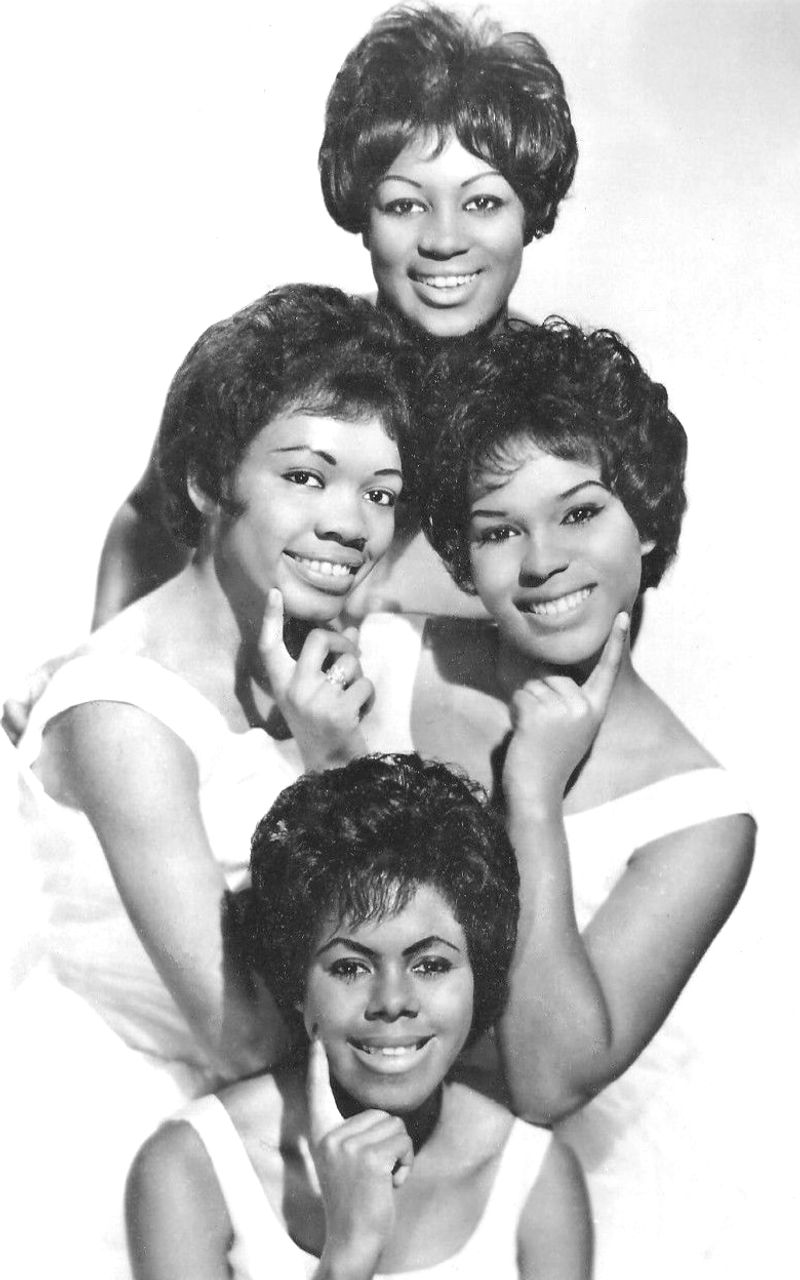
A simple question about tomorrow became a turning point in pop history. In January 1961, ‘Will You Love Me Tomorrow’ made these New Jersey singers the first Black girl group to top the Billboard Hot 100.
Shirley Owens and her bandmates mixed sweet harmonies with feelings that sounded real. Follow that breakthrough with ‘Soldier Boy’ and ‘Dedicated to the One I Love’ to hear how tenderness could carry just as much power.
3. The Ronettes: Big Hair, Bigger Sound
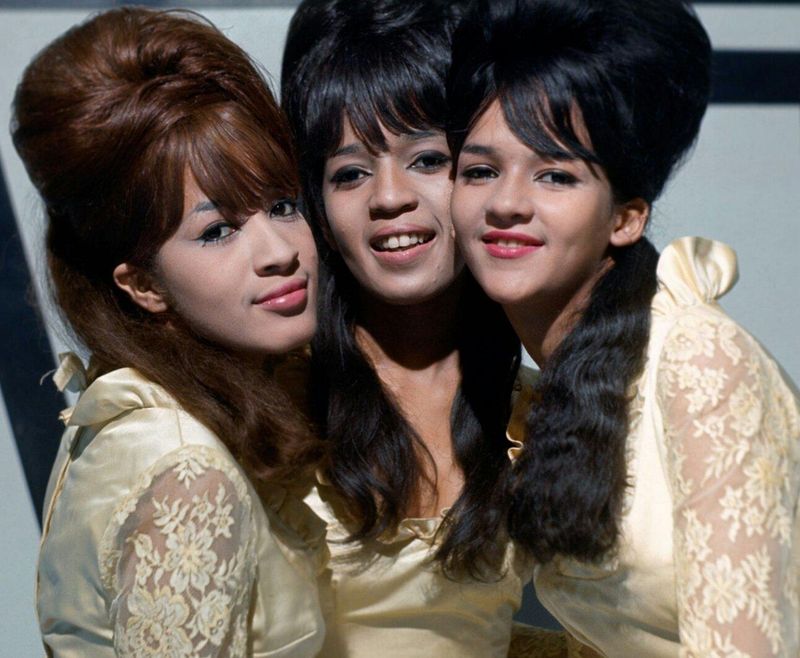
Those opening drums on ‘Be My Baby’ can grab you before anyone sings. Released in 1963, the record paired Ronnie Bennett’s striking voice with Phil Spector’s Wall of Sound, a production style built from layers of instruments.
Beehive hair and bold eyeliner made the trio instantly recognizable. Yet the singing remains the real draw.
Compare ‘Baby, I Love You’ with ‘Walking in the Rain’ for two different shades of longing and hope.
4. Martha and the Vandellas: An Invitation to Dance
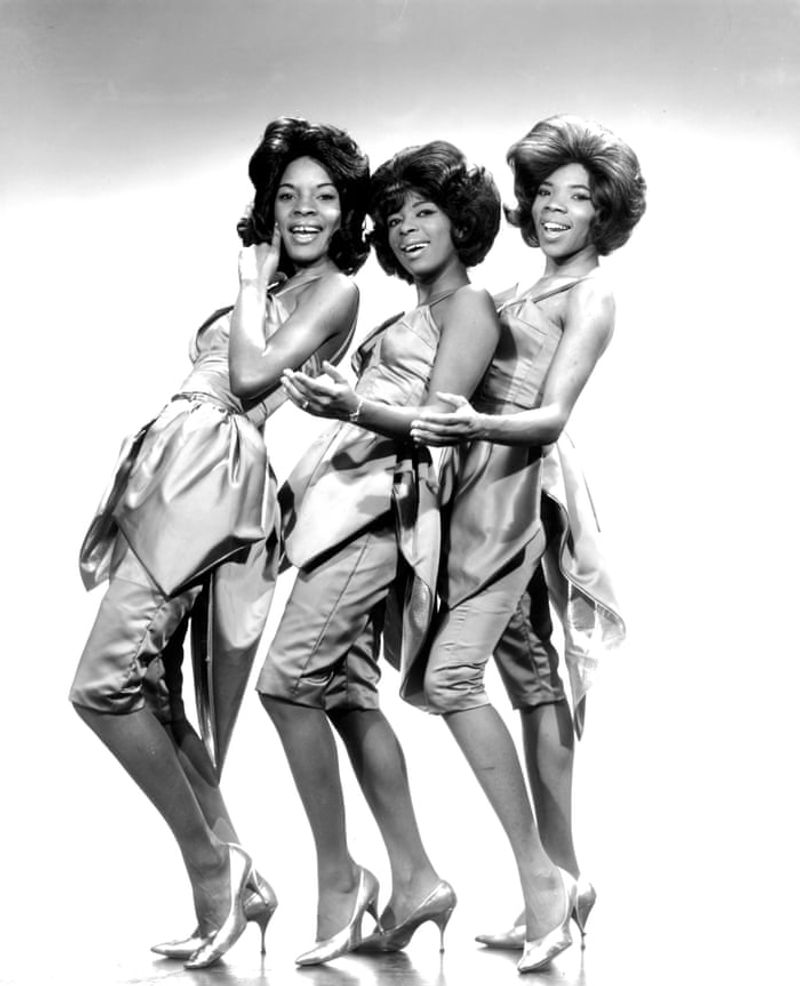
Some records practically pull you out of your chair. Martha Reeves brought a strong, gospel rooted voice to Motown, while the Vandellas answered with harmonies that kept the excitement rising.
‘Dancing in the Street’ turned a party invitation into a lasting image of people coming together. Play it beside ‘Heat Wave’ and ‘Nowhere to Run’ to catch their punchy rhythms.
Their music showed that pop polish and raw feeling could share one stage.
5. The Marvelettes: A Letter That Changed Motown
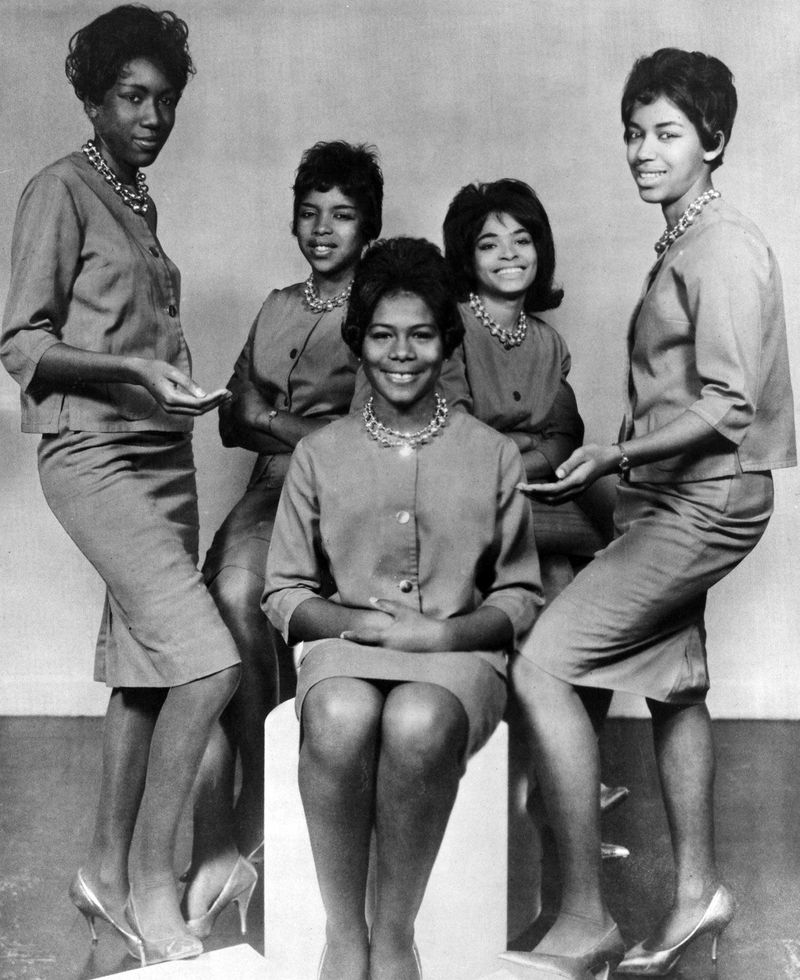
Waiting for the mail never sounded so urgent. ‘Please Mr. Postman’ reached number one in December 1961, giving Motown its first chart topper and putting these young Michigan singers in the spotlight.
Gladys Horton delivered the lead with a mix of worry and determination. Later songs, including ‘Don’t Mess with Bill’ and ‘The Hunter Gets Captured by the Game,’ showed a smoother side.
Their records trace Motown’s growth from youthful excitement toward richer storytelling.
6. The Crystals: Pop Drama in Full Color
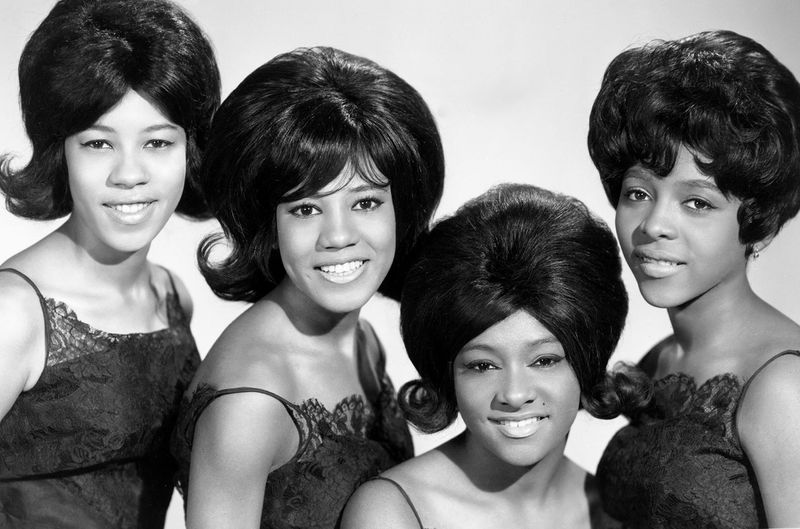
Handclaps, ringing instruments, and a rush of excitement made their records feel enormous. ‘Da Doo Ron Ron’ and ‘Then He Kissed Me’ turned everyday crushes into thrilling pop scenes.
The group’s history also reveals how confusing record credits could be. Their 1962 number one, ‘He’s a Rebel,’ was actually sung by Darlene Love and the Blossoms.
Knowing that detail helps listeners separate the famous name on the label from the voices inside the studio.
7. The Chiffons: Hooks You Remember Instantly
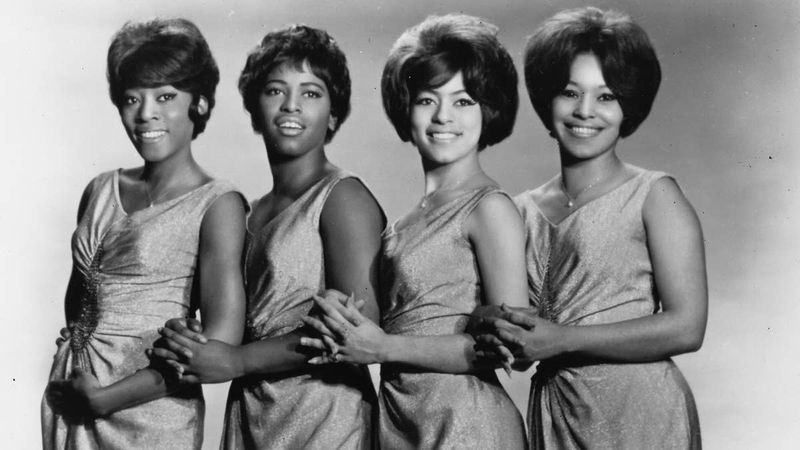
‘Doo lang, doo lang’ was enough to make a lasting impression. The Bronx group’s ‘He’s So Fine’ reached number one in 1963, proving that a short vocal hook could become a song’s calling card.
Judy Craig’s lead and the group’s bright harmonies gave their singles a friendly spark. Try ‘One Fine Day’ for its lively piano opening, then ‘Sweet Talkin’ Guy’ for a sharper attitude.
Catchy did not have to mean plain or predictable.
8. The Shangri-Las: Teenage Stories With an Edge
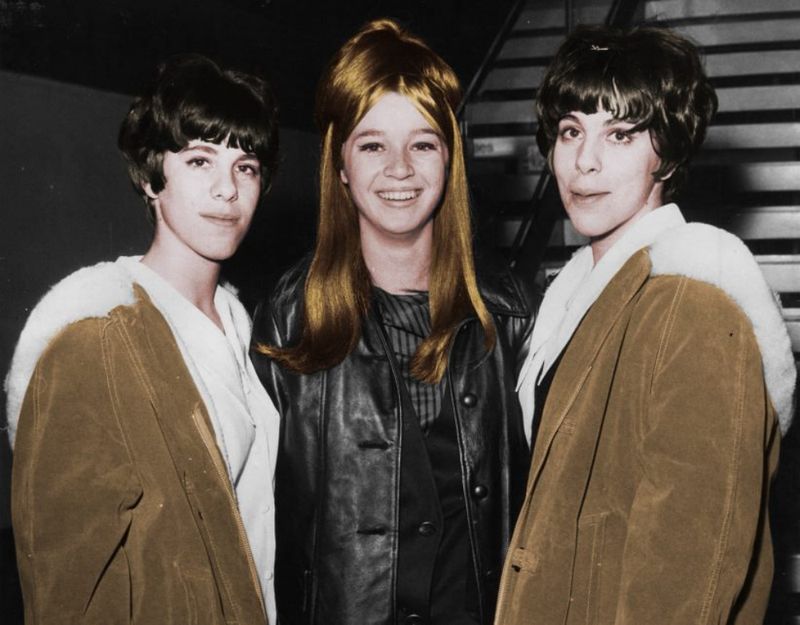
A motorcycle roar could become part of a pop song in their world. ‘Leader of the Pack’ reached number one in 1964, mixing spoken lines, sound effects, and a tragic story.
Mary Weiss’s direct delivery made the drama feel personal rather than distant. Producer Shadow Morton helped shape their striking recordings.
For a quieter but equally haunting mood, hear ‘Remember (Walking in the Sand).’ Their songs made room for fear, grief, and teenage rebellion.
9. The Dixie Cups: New Orleans Comes Through
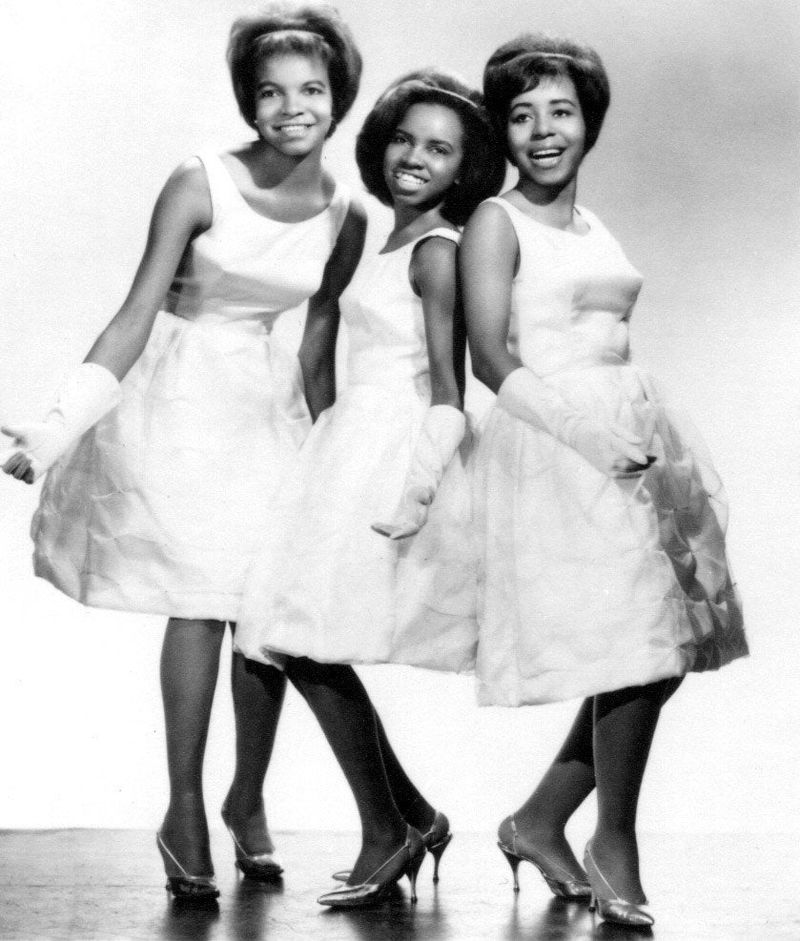
Wedding bells brought this New Orleans trio to national attention. ‘Chapel of Love’ topped the charts in 1964, carried by cheerful harmonies that still turn up on wedding playlists.
Barbara Ann Hawkins, Rosa Lee Hawkins, and Joan Marie Johnson also brought local tradition into pop. Their recording of ‘Iko Iko’ drew on a song tied to New Orleans culture.
Notice its spare percussion and playful back and forth vocals, a different pleasure from grand orchestral productions.
10. The Angels: Pop With a Cheeky Warning
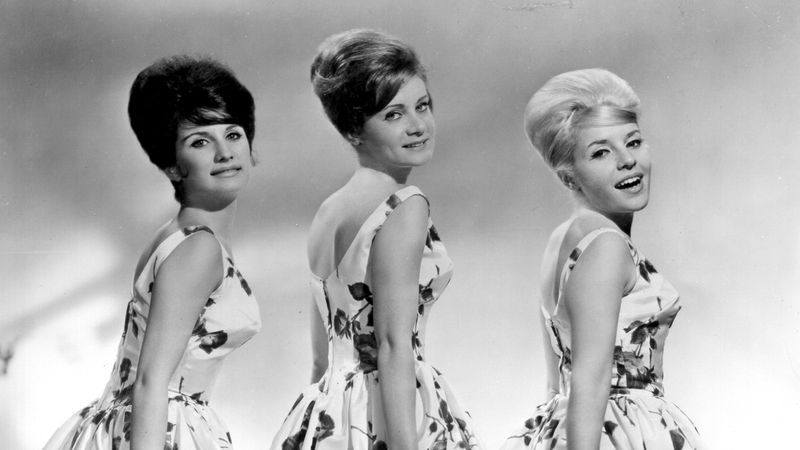
Few pop songs deliver a warning with such a grin. ‘My Boyfriend’s Back’ reached number one in 1963, turning a tale about unwanted attention into a bold, memorable singalong.
Peggy Santiglia sang lead alongside sisters Barbara and Phyllis Allbut. The spoken opening and answering vocals give the record the feel of friends telling a story together.
Listen for the confidence beneath the humor: their delivery makes the singer sound firmly in charge of events.
11. The Cookies: The Voices Behind Familiar Songs
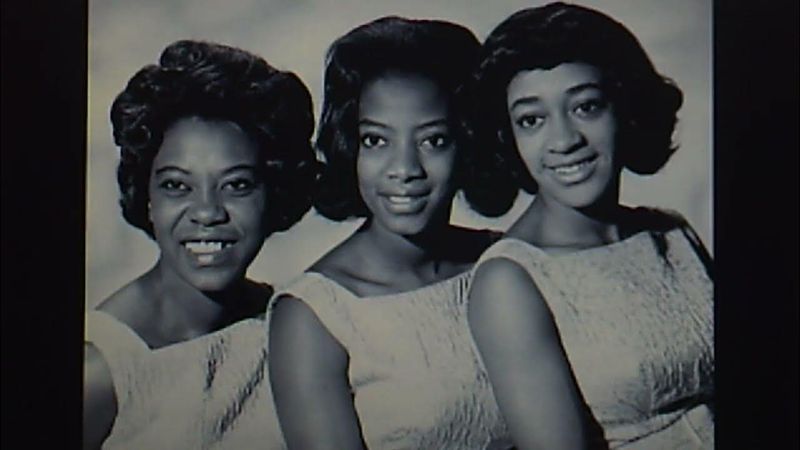
You may know their music even without recognizing their name. ‘Chains,’ a hit for the Cookies in 1962, soon reached another audience when the Beatles recorded it for their debut album.
The group also scored with ‘Don’t Say Nothin’ Bad (About My Baby).’ Beyond their own singles, they worked as backing singers, helping shape other artists’ records. Comparing their ‘Chains’ with the Beatles’ version offers an easy way to hear how arrangements change a song.
12. The Blossoms: Studio Stars Beyond the Label
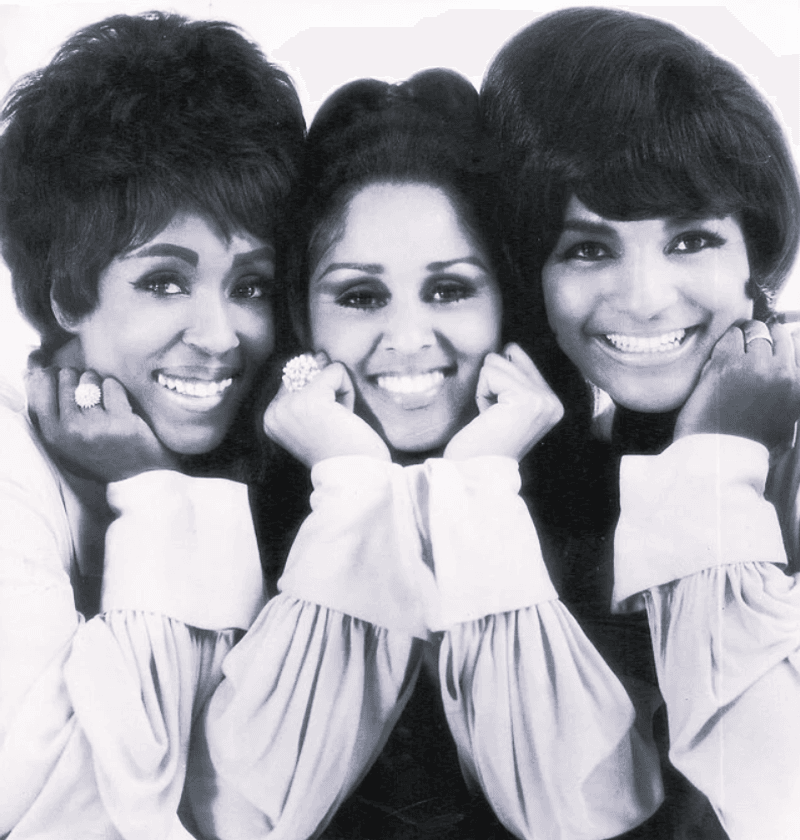
Sometimes the singers who make a hit do not get their names on its label. Darlene Love sang the lead on ‘He’s a Rebel,’ with the Blossoms, but the record appeared under the Crystals’ name.
Love, Fanita James, and Jean King became a celebrated lineup of this busy Los Angeles group. Their studio work shows why backing vocals matter.
Hear how supporting voices answer a lead singer, build tension, and make a chorus feel complete.
13. The Exciters: A Fierce Voice Out Front
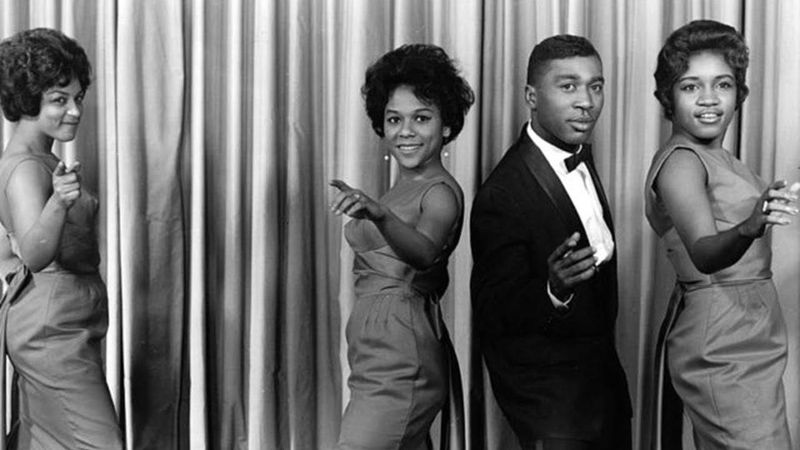
Brenda Reid did not sound shy about anything on ‘Tell Him.’ Her forceful lead helped the record reach the American top five in early 1963, bringing a rougher edge to polished pop.
Although often included in girl group histories, the Exciters’ hit lineup also featured male member Herb Rooney. That detail makes the category less tidy, but more interesting.
Focus on Reid’s sharp phrasing and the answering voices to hear their mix of urgency and control.
14. The Velvelettes: Motown’s Overlooked Rhythm Makers
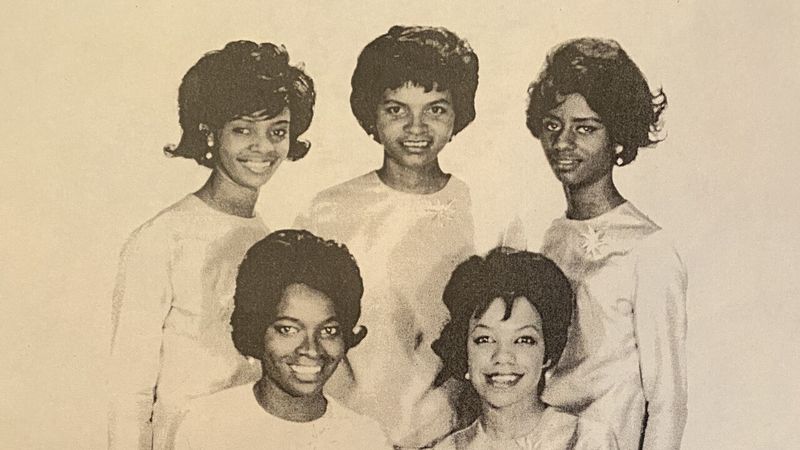
Not every great Motown record came from its biggest stars. ‘Needle in a Haystack’ gave the Velvelettes a memorable hit in 1964, driven by quick rhythms and Cal Gill’s lively lead.
The Michigan group’s ‘He Was Really Sayin’ Somethin” adds another reason to explore beyond familiar names. Their tight vocal parts fit neatly around the beat without crowding it.
Put both tracks on a playlist beside the Supremes to discover another shade of the label’s sound.
15. The Paris Sisters: Soft Voices, Lasting Impact
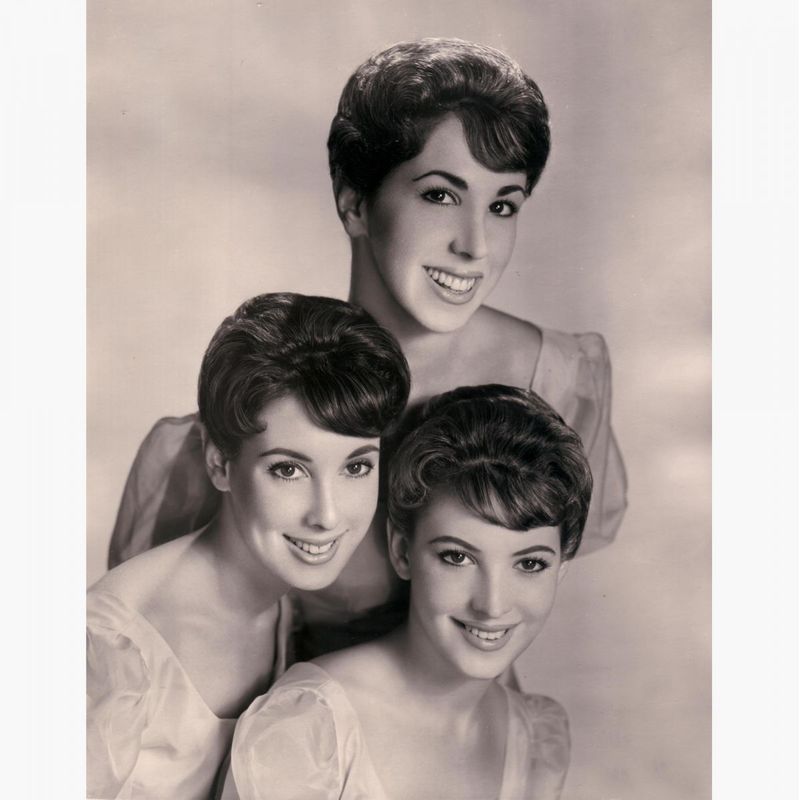
A whisper could hold its own against the decade’s loudest choruses. On ‘I Love How You Love Me,’ Priscilla Paris sang with a hushed warmth that helped the sisters reach the top five in 1961.
Alb eth, Sherrell, and Priscilla came from San Francisco, offering a softer path through the girl group sound. Produced by Phil Spector, their breakthrough favors closeness over force.
Play it after an upbeat track and notice how the slower pace changes the mood.