
Moving away from home means nobody is cooking dinner for you anymore. Takeout gets expensive fast, and instant noodles can only take you so far.
Learning a few simple kitchen skills can save you money, keep you healthy, and even make you popular with your roommates. The good news is that none of these tricks are hard, and you can start practicing them tonight.
1. Holding a Knife the Right Way
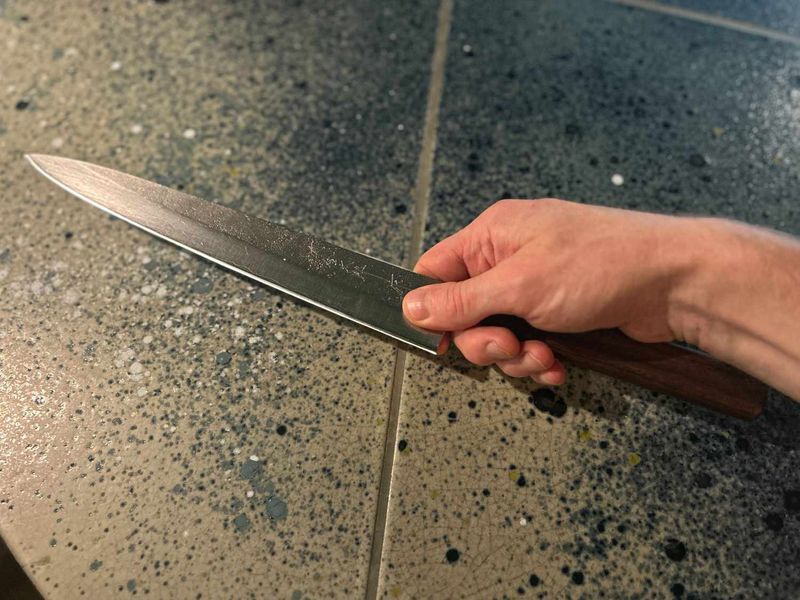
Picture a chef on TV chopping onions in a blur. That speed starts with a safe grip, not magic.
Pinch the blade just above the handle with your thumb and pointer finger, then wrap your other fingers around the handle. Curl the fingertips of your other hand into a claw so your knuckles guide the knife.
Practice slowly with soft veggies like zucchini. Speed will come naturally, and your fingers will thank you for years.
2. Cooking Fluffy Rice Every Time
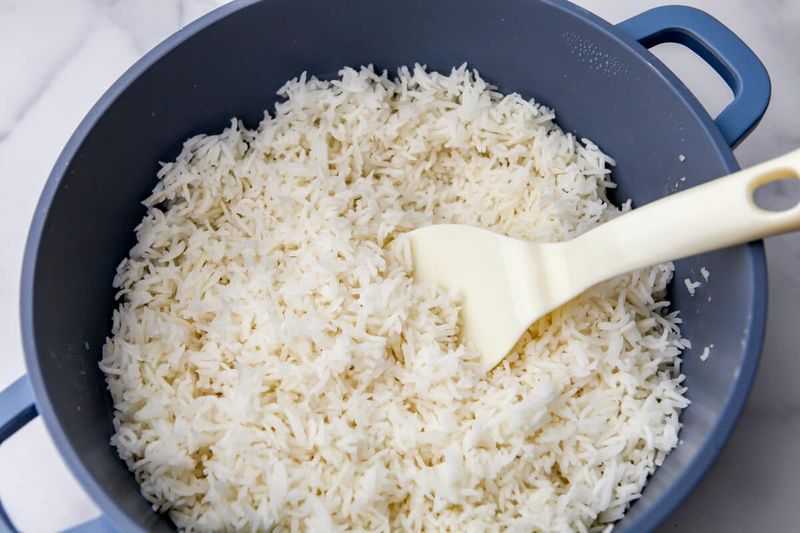
Rice feeds more than half the people on Earth, so it makes sense to master it. Luckily, the basic method is simple.
Rinse one cup of rice until the water runs mostly clear. Add it to a pot with about one and a half cups of water and a pinch of salt.
Bring it to a boil, cover, and turn the heat to low for 15 minutes. Then leave the lid on and rest it for five more.
3. Scrambling, Frying, and Boiling Eggs
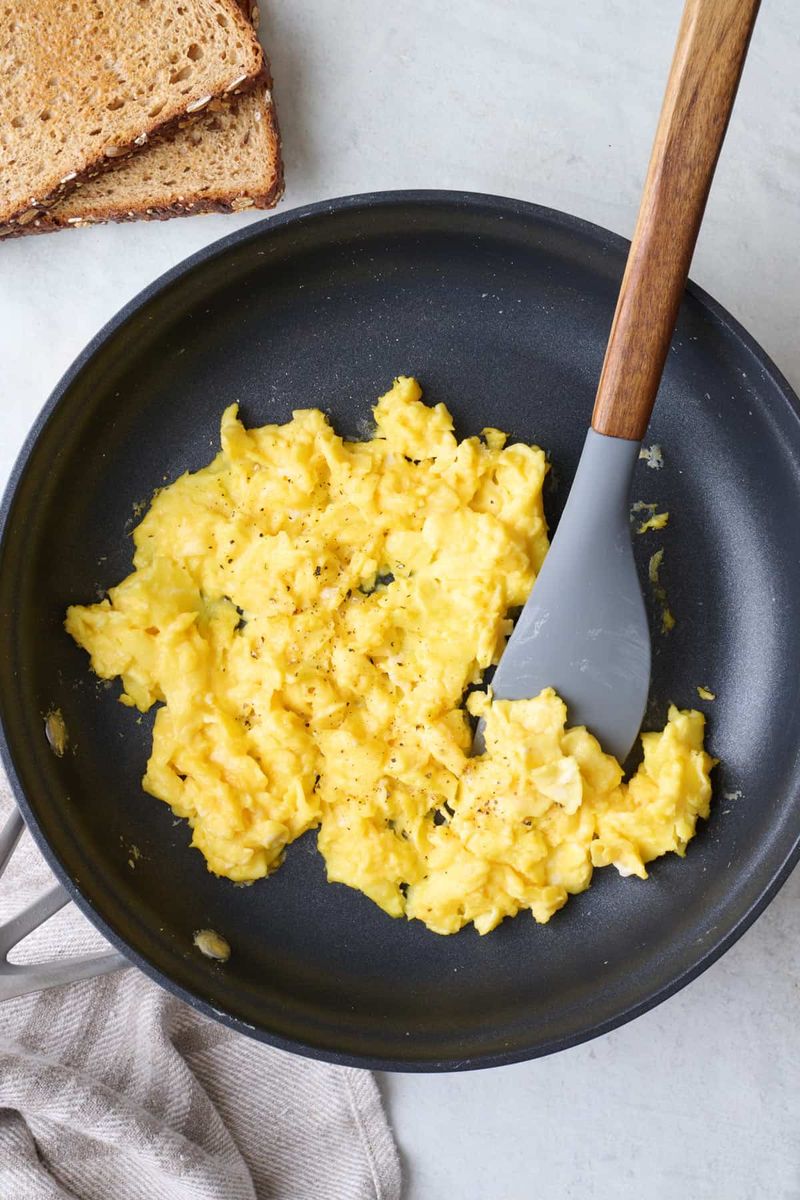
Eggs are cheap, fast, and packed with protein. Honestly, they might be the best friend a hungry student ever had.
For creamy scrambled eggs, cook them over low heat and stir often. A fried egg needs a hot pan with a little butter.
Boiled eggs take about nine minutes for a firm yolk.
Fun fact: an old legend says the 100 folds in a chef’s hat stand for 100 ways to cook an egg.
4. Planning Meals for the Week
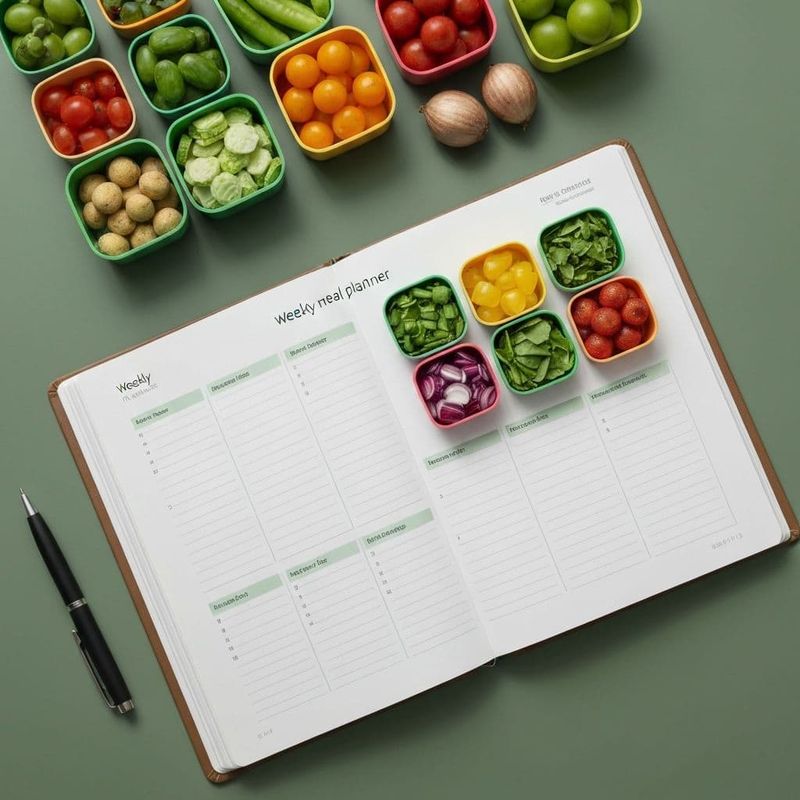
Ever stared into the fridge at 9 p.m. with zero ideas? A meal plan fixes that feeling.
Spend ten minutes on Sunday picking four or five dinners for the week. Choose meals that share ingredients, like using one bag of spinach in pasta, omelets, and smoothies.
You will waste less food and make fewer late-night snack runs. Your wallet stays fuller, and weeknights feel way less stressful.
5. Shopping Smart on a Budget

Grocery stores are designed to make you spend more. Snacks sit at eye level for a reason!
Stick to your list and glance at the top and bottom shelves, where cheaper store brands often hide. Check the unit price on the label to see what you really pay per gram.
Buying frozen veggies and bulk oats or pasta also stretches your money. Small swaps like these can save a surprising amount each month.
6. Batch Cooking and Meal Prep
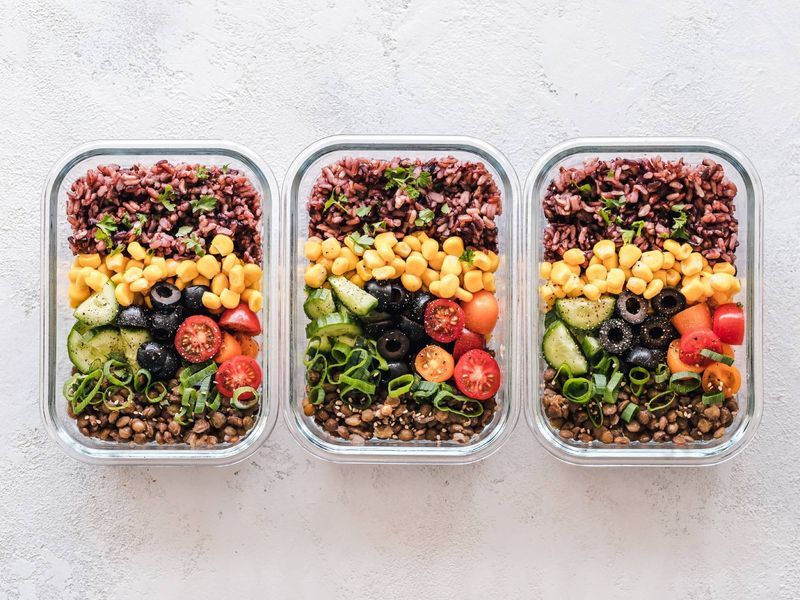
Future you will be so grateful. Cooking one big batch on the weekend means healthy lunches are ready when classes get crazy.
Make a large pot of chili, curry, or pasta sauce. Split it into containers and keep some in the fridge for three or four days.
Freeze the rest for busy weeks. During exam season, pulling a homemade meal out of the freezer feels like a gift from your past self.
7. Storing Leftovers Safely
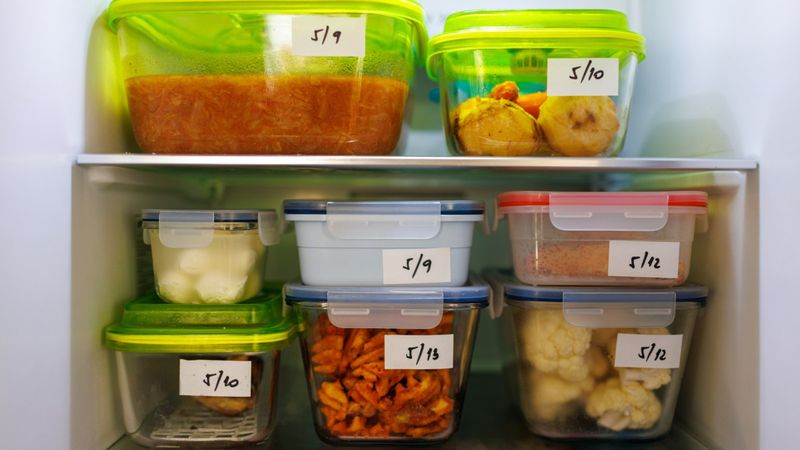
Food poisoning during finals week? No thanks.
Knowing how to store leftovers keeps your stomach happy.
Get cooked food into the fridge within two hours. Use sealed containers and stick on a label with the date using tape and a marker.
Most leftovers are good for three to four days. When reheating, make sure food is steaming hot all the way through.
If something smells odd, toss it without a second thought.
8. Making a Simple Pasta Sauce
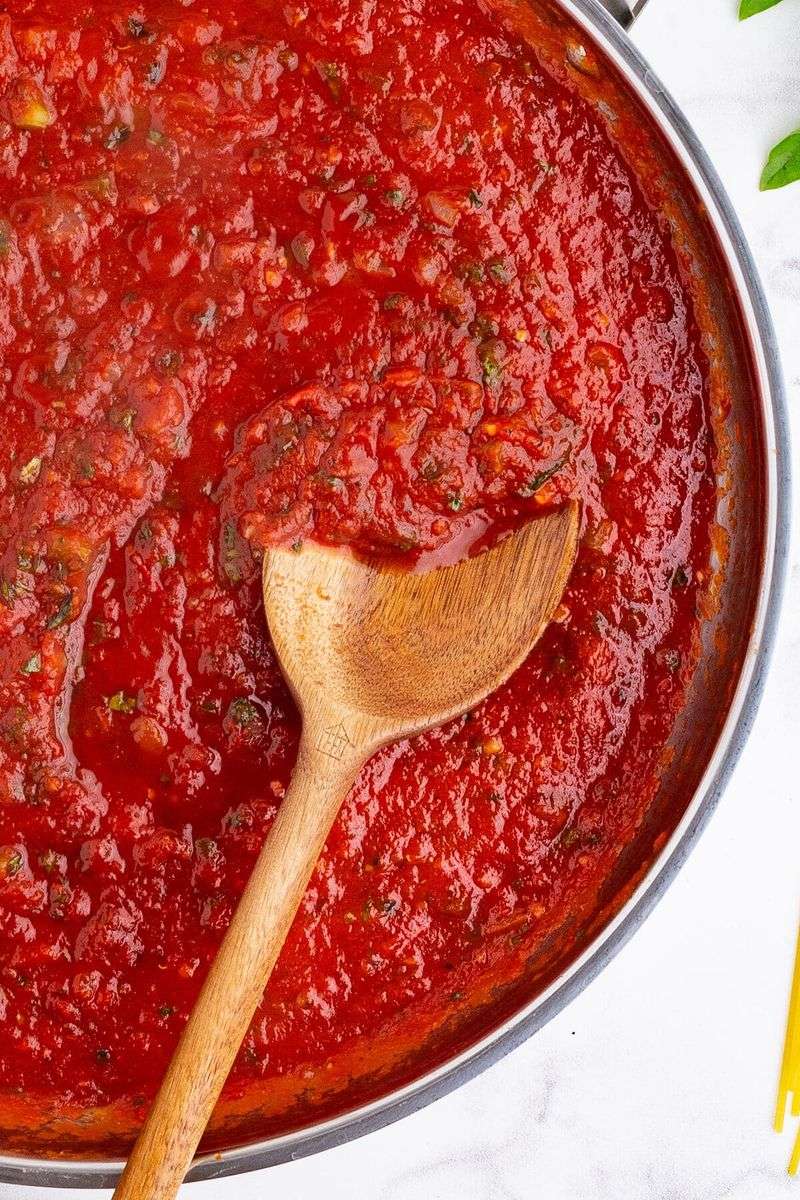
Jarred sauce is fine, but homemade tastes like a real Italian kitchen. It costs less too.
Warm some olive oil, then add chopped garlic for about a minute. Pour in a can of crushed tomatoes, a pinch of salt, and some dried oregano or basil.
Let it bubble gently for 15 minutes. Toss it with pasta and a splash of the starchy pasta water.
Your roommates will suddenly want to be your best friend.
9. Seasoning Food with Confidence
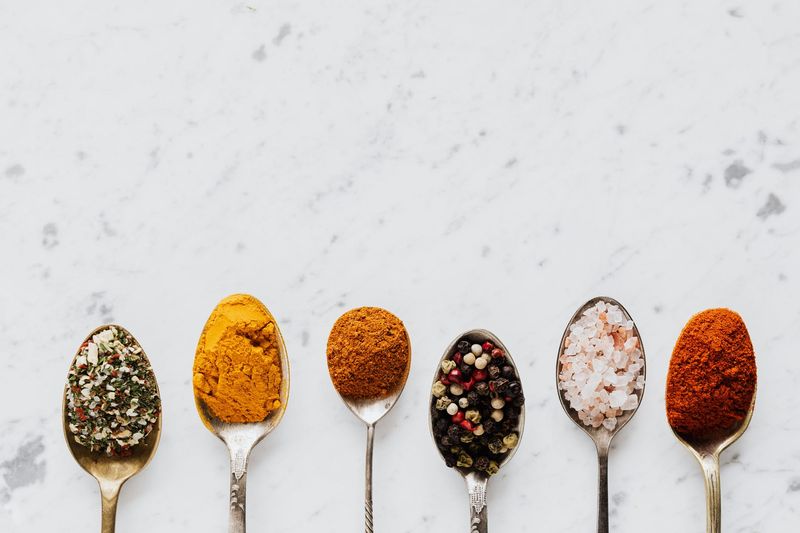
Bland food is usually just missing salt. That tiny pinch wakes up flavors you did not know were there.
Taste as you cook and add seasoning a little at a time. A squeeze of lemon or a splash of vinegar can brighten a heavy dish.
Start a small spice collection with garlic powder, paprika, cumin, and chili flakes. With just those few jars, plain chicken or beans can taste totally different each night.
10. Roasting Vegetables in the Oven
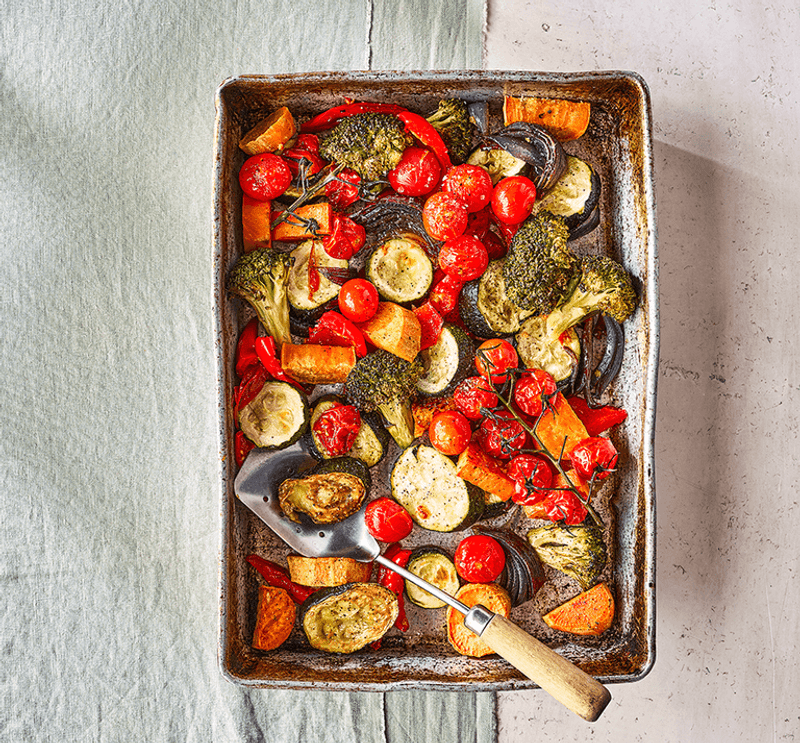
Hate vegetables? You might just hate boiled ones.
Roasting turns them sweet, crispy, and seriously addictive.
Chop veggies like broccoli, carrots, or potatoes into similar sizes. Toss them with oil, salt, and pepper, then spread them out on a tray so they are not crowded.
Bake at about 220 degrees Celsius for 20 to 30 minutes, flipping once. The browned edges come from natural sugars caramelizing, which is basically science you can eat.
11. Cooking Chicken All the Way Through
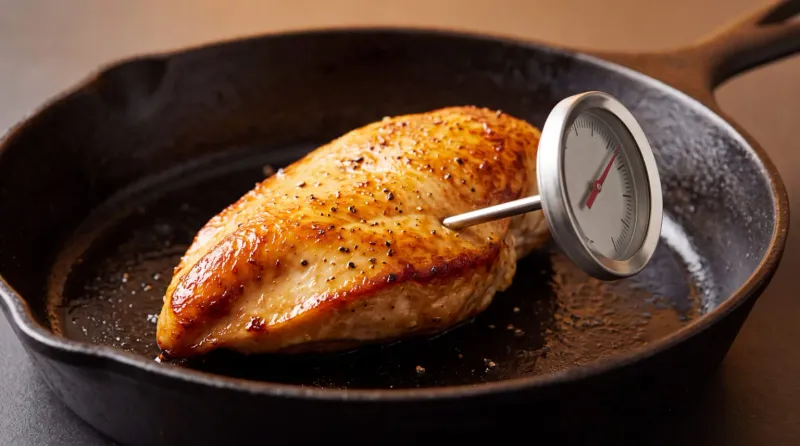
Nobody wants to guess when it comes to chicken. Undercooked poultry can make you really sick, so this skill matters.
The safest move is a cheap meat thermometer. Chicken is done when the thickest part reaches 74 degrees Celsius, or 165 Fahrenheit.
No thermometer? Cut into the thickest spot and look for clear juices with no pink.
Letting the meat rest for five minutes afterward keeps it juicy instead of dry.
12. Turning Leftovers into New Meals
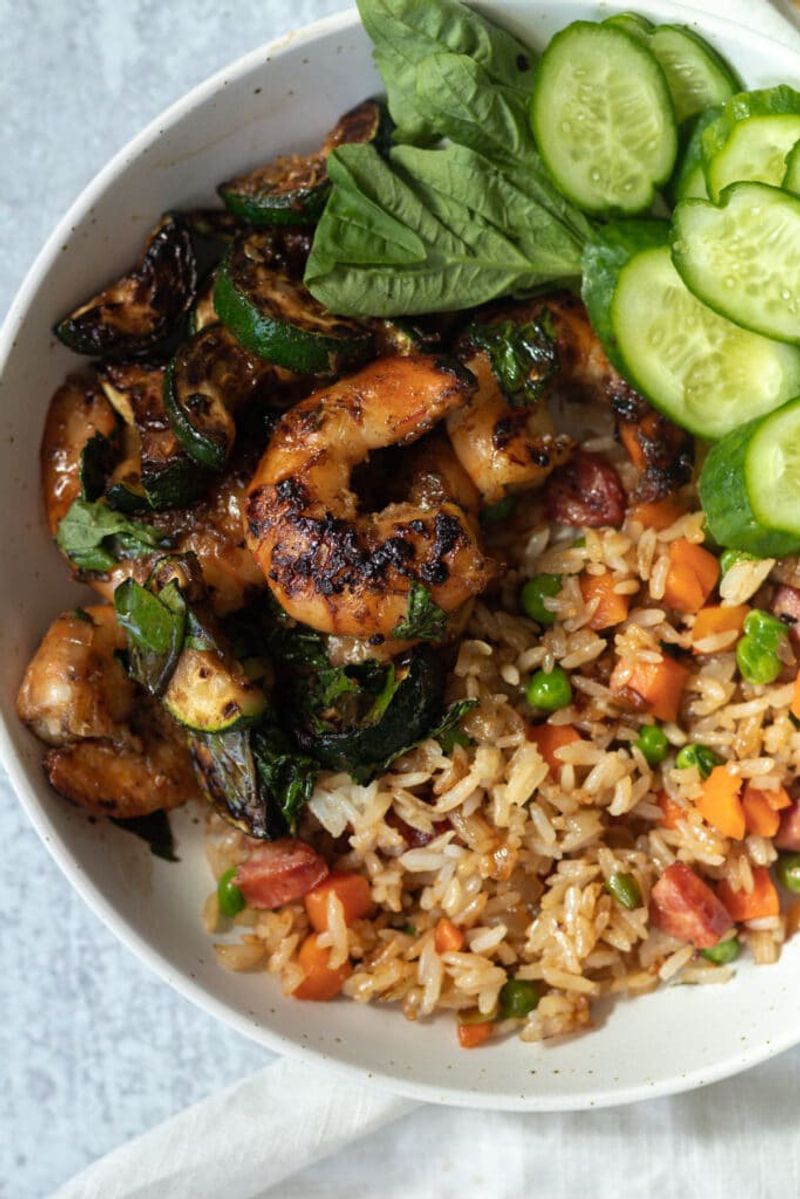
Grandmas everywhere have known this trick forever. Yesterday’s dinner can become today’s brand new lunch.
Leftover rice makes amazing fried rice because it is drier and crisps up nicely. Extra roasted veggies can go into wraps, omelets, or soups.
Old bread turns into croutons or French toast.
Think of your fridge like a puzzle. Mixing pieces together saves money, cuts waste, and sometimes creates your new favorite dish by accident.
13. Cleaning as You Go
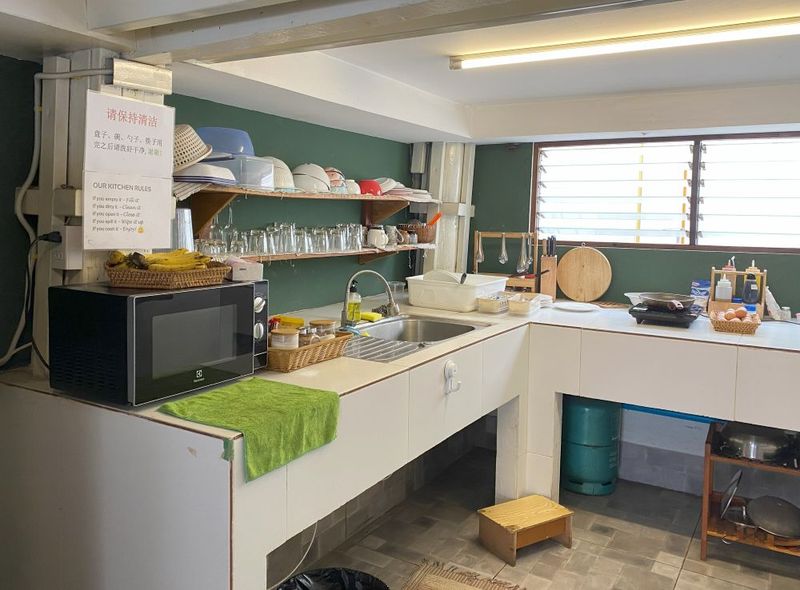
Shared kitchens can start roommate wars fast. A sink full of crusty pans is usually the spark.
While something simmers, wash a bowl or wipe the counter. Fill the sink with hot soapy water before you start so dishes can soak right away.
By the time you sit down to eat, most of the mess is already gone. It feels great, and your flatmates will notice and appreciate it.
14. Reading and Following a Recipe
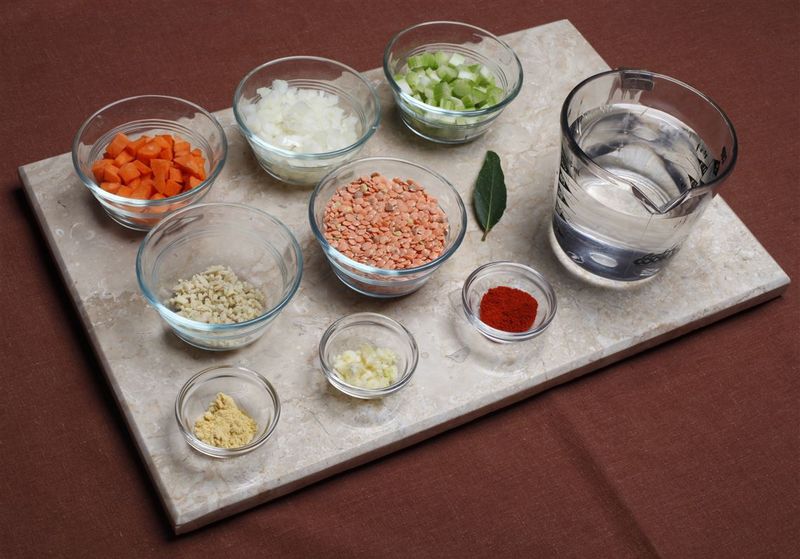
Here is a classic mistake: starting to cook, then realizing halfway through you have no butter. Ouch.
Read the whole recipe before turning on the stove. Gather and measure everything first, a habit chefs call mise en place, which is French for putting in place.
Learn common terms like simmer, dice, and fold. Once recipes stop feeling like a foreign language, you can try almost any dish you find online.
15. Making a Quick Stir-Fry

Ten minutes, one pan, endless options. A stir-fry might be the ultimate weeknight hero.
Get your pan really hot and add a little oil. Cook the protein first, like tofu, chicken, or shrimp, then set it aside.
Toss in veggies and keep them moving.
Add everything back with a splash of soy sauce, garlic, and a little honey. Serve over rice or noodles, and dinner is done before your show starts.
16. Baking Something Simple

Few things win friends faster than warm cookies. Seriously, knock on a dorm door holding a plate and see what happens.
Baking is more exact than cooking, so measure carefully. Start with easy recipes like banana bread, muffins, or chocolate chip cookies.
Fun fact: the chocolate chip cookie was invented in the 1930s at the Toll House Inn in Massachusetts. A batch of your own is perfect for study nights.
17. Cooking Big Pots of Soup
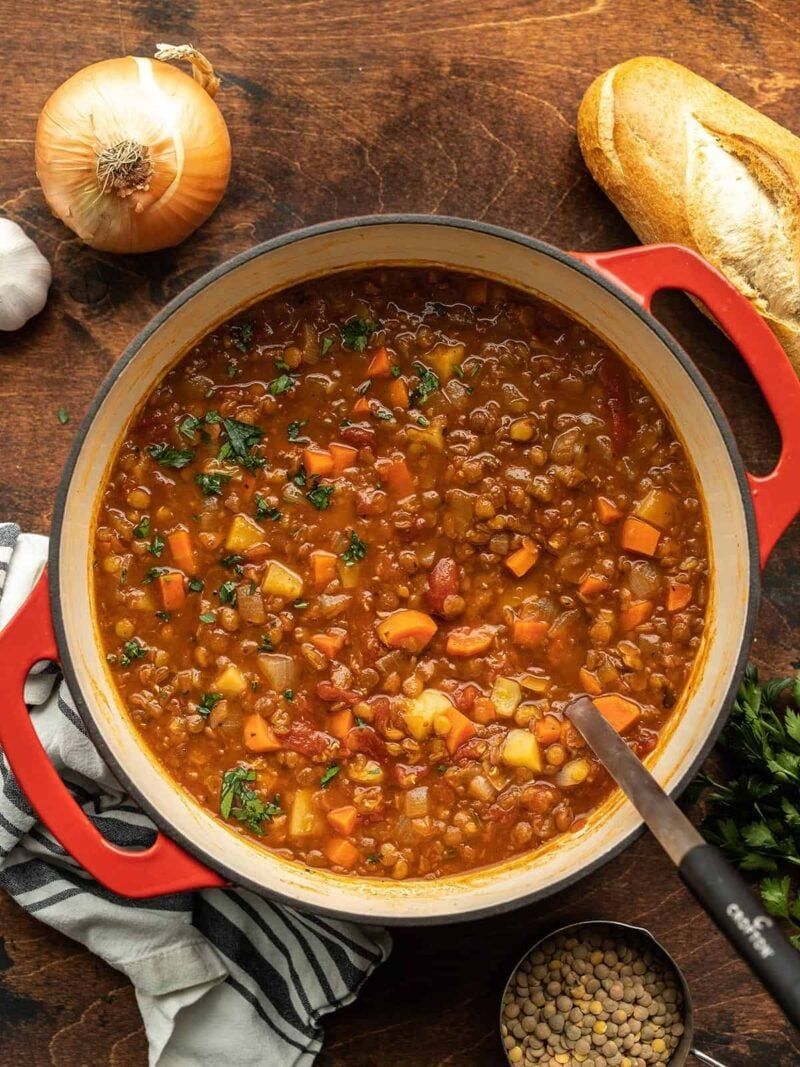
Cold, rainy evening and a cough coming on? A big bowl of homemade soup is like a warm hug.
Start by softening onion, carrot, and celery in oil. Add broth, a can of lentils or beans, and any veggies hiding in your fridge.
Simmer for about 30 minutes.
One pot can feed you for days and freezes well. It is cheap, healthy, and almost impossible to mess up.