
Some horror movie deaths stick with you long after the credits roll. Whether it’s a shocking twist, a gut-wrenching moment, or a scene so creative it becomes legendary, certain departures completely change how we watch horror films.
These moments redefined the genre, broke the rules, and reminded audiences that nobody is truly safe. Get ready to revisit some of the most unforgettable exits in horror history.
1. Marion Crane in Psycho
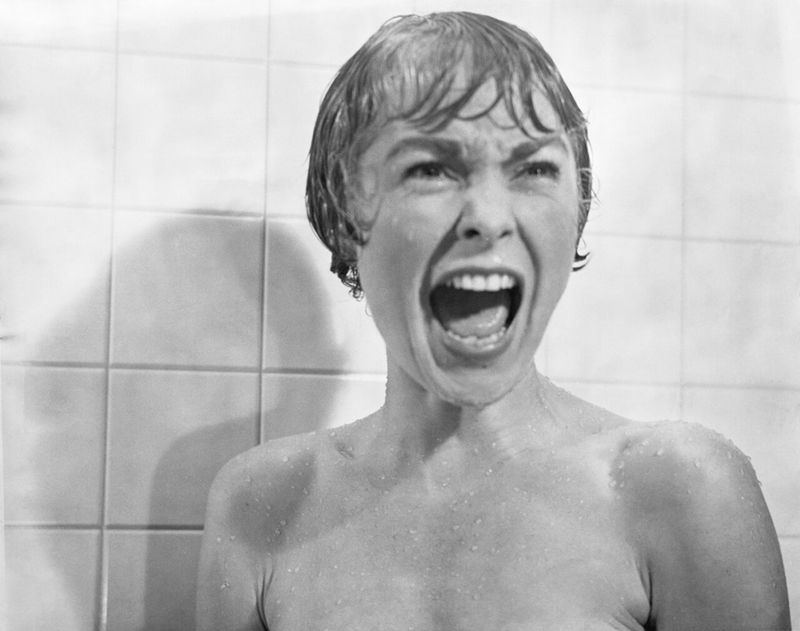
Nobody expected the supposed main character to vanish barely a third into the movie. When Janet Leigh’s Marion Crane met her end in that infamous shower scene in Alfred Hitchcock’s Psycho, audiences were completely blindsided.
Up until that moment, movie rules said the lead character survived.
Hitchcock shattered that assumption permanently. The rapid editing, Bernard Herrmann’s shrieking strings, and the shocking abruptness of Marion’s death created a template that horror filmmakers still borrow from today.
2. Kane in Alien
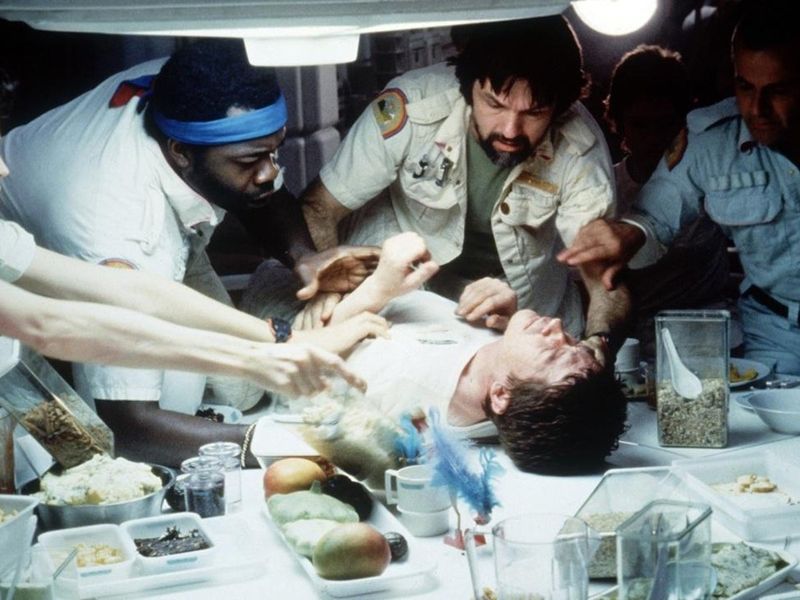
Breakfast has never felt so dangerous. John Hurt’s Kane seemed to be recovering just fine after his mysterious encounter on the alien planet, right up until something very small and very alive burst through his ribcage at the dinner table.
The chestburster scene in Ridley Scott’s Alien genuinely horrified cast members who were kept partially in the dark about what would happen. That raw, unscripted shock translated perfectly onto screen and permanently redefined sci-fi horror.
3. Casey Becker in Scream
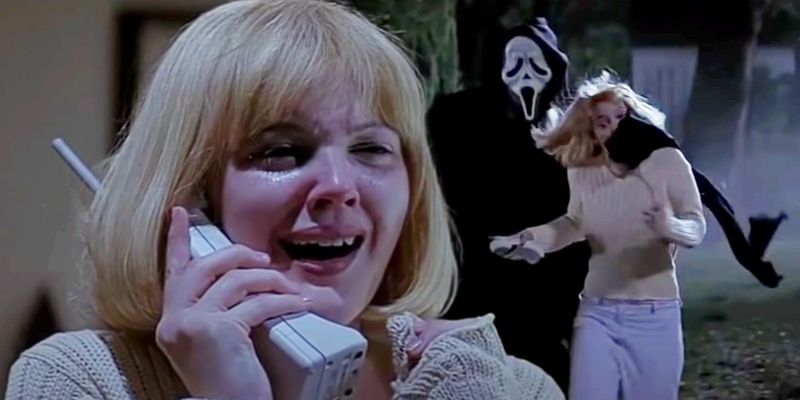
Wes Craven pulled off one of cinema’s greatest bait-and-switch moves by casting Drew Barrymore, one of the biggest stars of the 1990s, as the opening victim in Scream. Audiences fully expected her to be the film’s hero.
She wasn’t.
Casey Becker’s brutal phone-call killing spree redefined what horror audiences could trust. Suddenly, a famous face on the poster meant absolutely nothing.
Craven used our own assumptions against us, and it worked brilliantly.
4. Charlie Graham in Hereditary
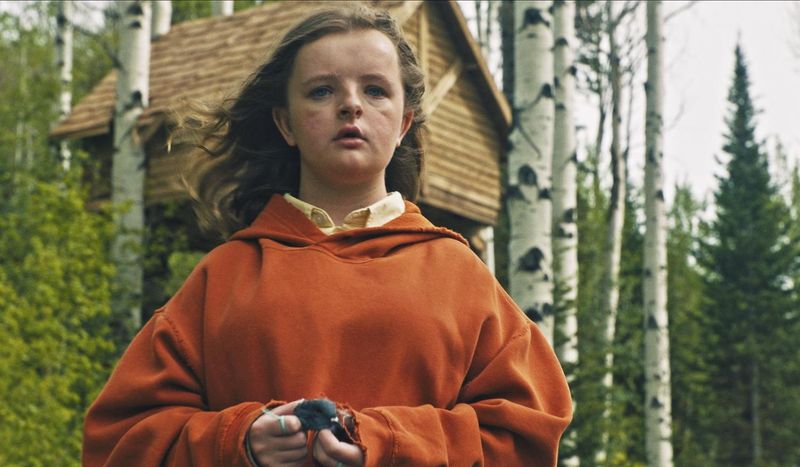
Ari Aster’s Hereditary spends its first act making young Charlie Graham feel like the emotional center of the story. Then, without warning, she’s gone in one of the most sudden and disturbing moments modern horror has ever produced.
The silence that follows is almost worse than the act itself. Her brother’s inability to look back, the slow drive home, and the morning reveal created a uniquely traumatic sequence that left theater audiences absolutely stunned and speechless.
5. Ben in Night of the Living Dead
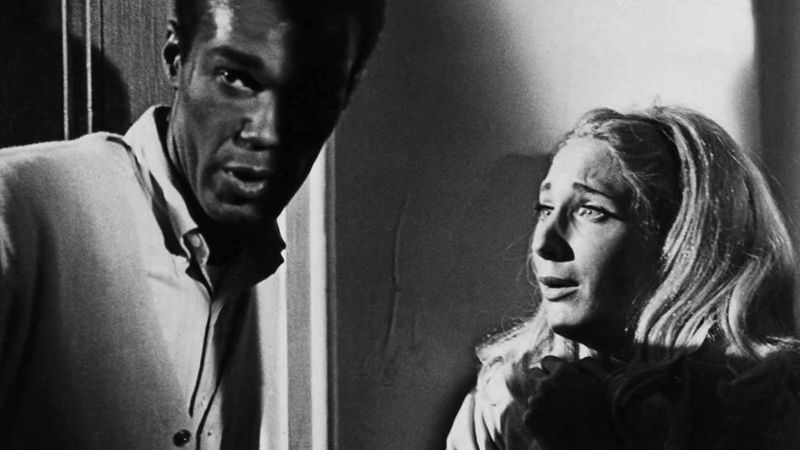
Surviving an entire zombie siege only to be shot by the people who were supposed to save you is a cruel twist. George Romero’s Night of the Living Dead ends with Ben, the film’s resourceful and rational hero, being mistaken for a zombie and killed by a human rescue posse.
Released in 1968, the death of a Black protagonist at the hands of a white mob carried enormous social weight. It remains one of horror cinema’s most painfully resonant and politically charged endings.
6. Glen Lantz in A Nightmare on Elm Street
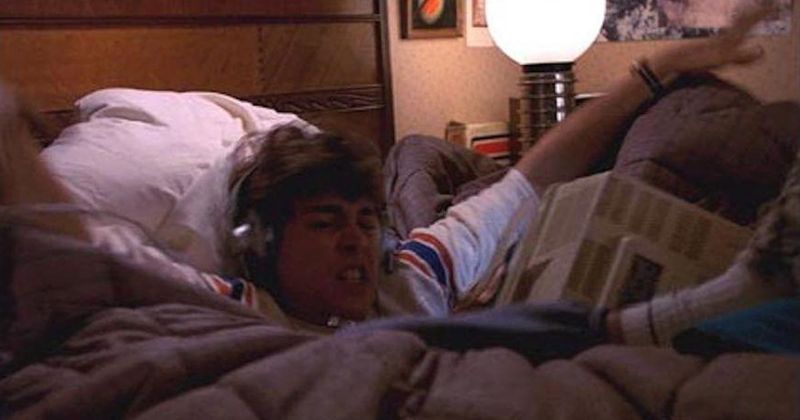
Freddy Krueger has pulled off plenty of creative kills, but Glen Lantz’s departure in the original A Nightmare on Elm Street stands apart for sheer theatrical spectacle. Johnny Depp, in his very first film role, gets swallowed by his own bed and expelled as a massive geyser of blood.
The scene required over 500 gallons of fake blood and was filmed with the set literally built upside down. It remains one of horror’s most inventively staged and visually outrageous kills ever.
7. Quint in Jaws
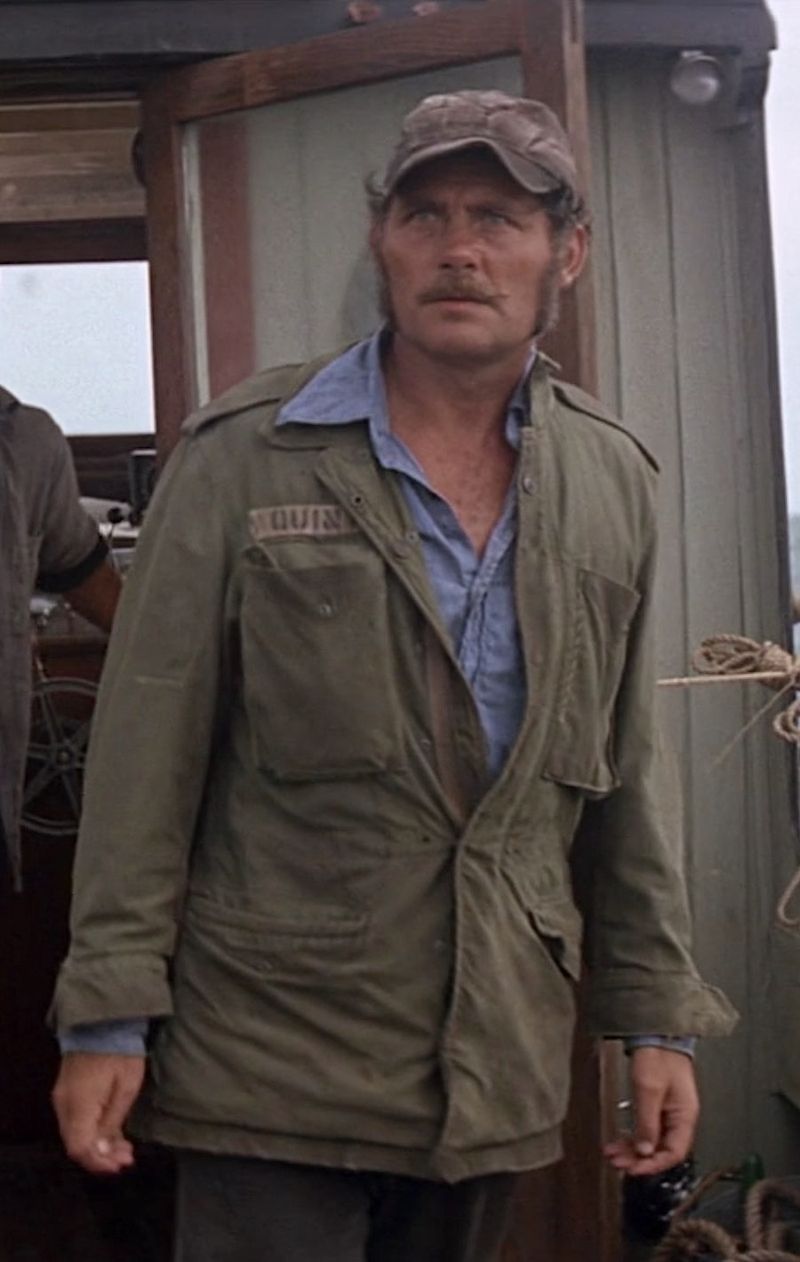
Robert Shaw’s Quint is one of cinema’s greatest characters, gruff and fearless, a shark hunter who has seen things most people couldn’t imagine. His USS Indianapolis monologue alone cements his legend.
That’s what makes watching him get devoured so brutally effective.
Spielberg frames Quint’s death as almost operatic, the old sailor swallowed by the very ocean he spent his life mastering. It’s terrifying, earned, and genuinely heartbreaking all at once, a rare combination in horror cinema.
8. Pam in The Texas Chainsaw Massacre
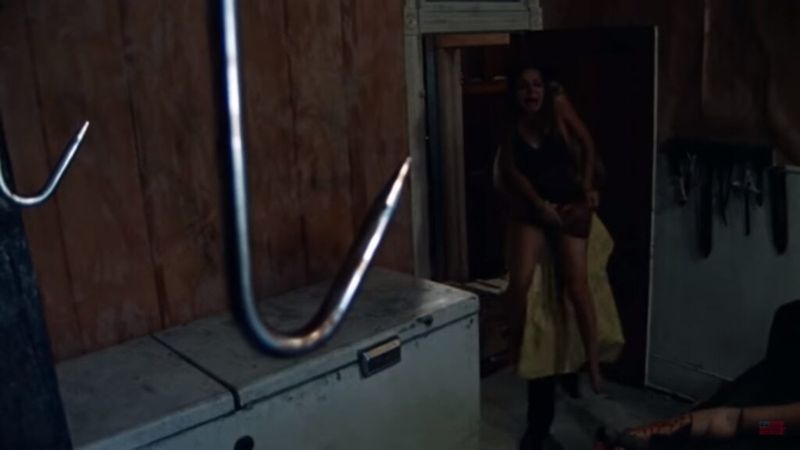
Tobe Hooper’s The Texas Chainsaw Massacre announced itself as something truly different the moment Pam was snatched by Leatherface and hung alive on a meat hook in his gruesome basement. Nothing in mainstream horror had prepared audiences for that level of visceral, matter-of-fact brutality.
What makes it even more disturbing is how quickly it happens. There’s no buildup, no dramatic music swell.
One moment she’s running, the next she’s on a hook, screaming. The casualness of it is what truly horrifies.
9. Nancy Thompson in A Nightmare on Elm Street 3
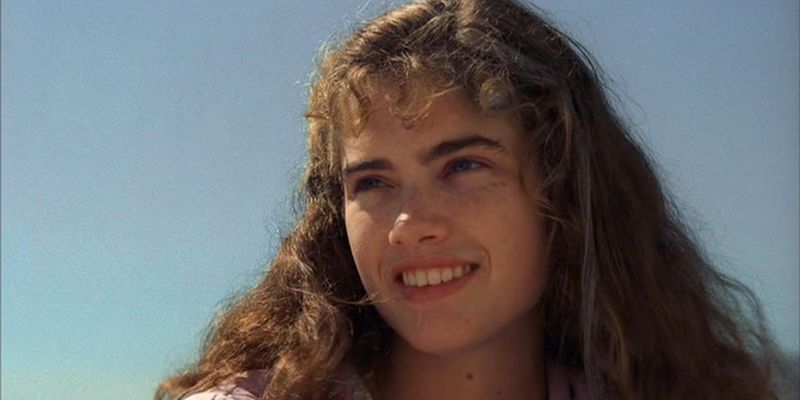
Killing off a beloved final girl is always a risk, but A Nightmare on Elm Street 3: Dream Warriors went there anyway. Nancy Thompson, the resourceful heroine who first defeated Freddy Krueger, returns as a mentor figure only to be destroyed by Freddy exploiting her own compassion.
Fans felt genuinely betrayed in the best way possible. Her death reminded audiences that no past victory guarantees future safety.
Freddy doesn’t play fair, and Nancy’s heartbreaking end proved that rule completely.
10. Terry Chaney in Final Destination
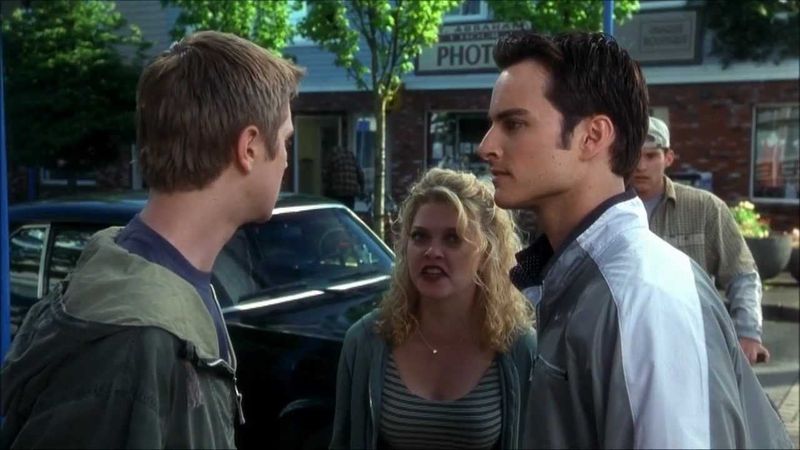
Final Destination built its entire premise around elaborate, Rube Goldberg-style death sequences. So when Terry Chaney simply steps off a curb and gets obliterated by a speeding bus mid-sentence, it hits like a freight train precisely because it’s so mundane and random.
No warning, no dramatic setup, no escape attempt. Just gone.
That moment perfectly captured what made the whole film so unsettling: death doesn’t always announce itself. Sometimes it arrives between words, without ceremony or logic.
11. Tatum Riley in Scream
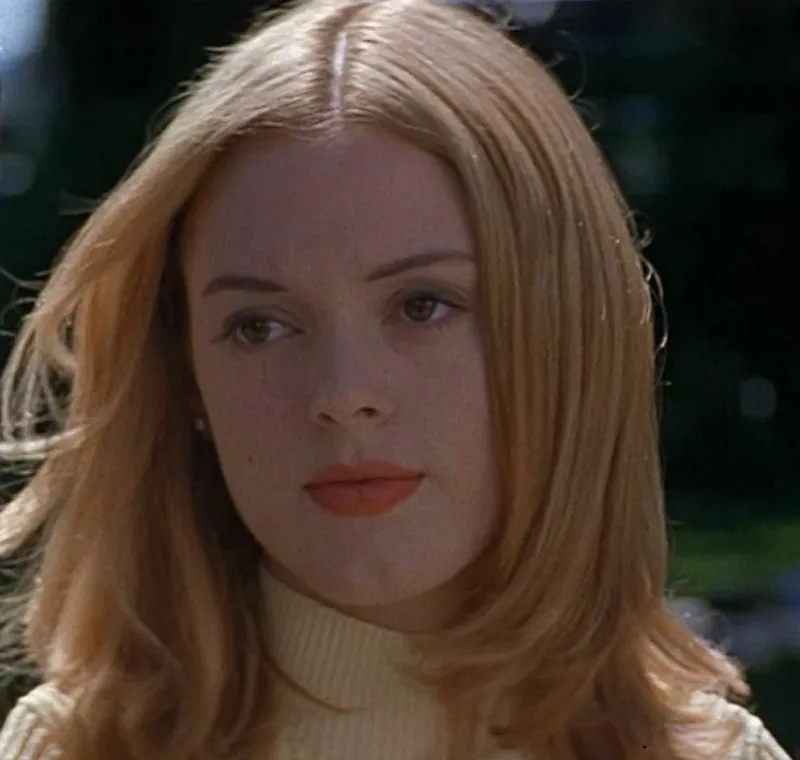
There’s something almost darkly comedic about Tatum Riley’s exit from Scream, which makes it weirdly unforgettable. Trying to escape Ghostface through the tiny cat flap of a garage door, she gets lifted and crushed when the door activates.
It’s creative, absurd, and genuinely shocking.
Rose McGowan’s Tatum was funny, confident, and completely likable, which made losing her sting. The garage door mechanism as murder weapon is such an unexpected choice that it’s become one of the franchise’s most discussed and referenced moments.
12. Paul Allen in American Psycho
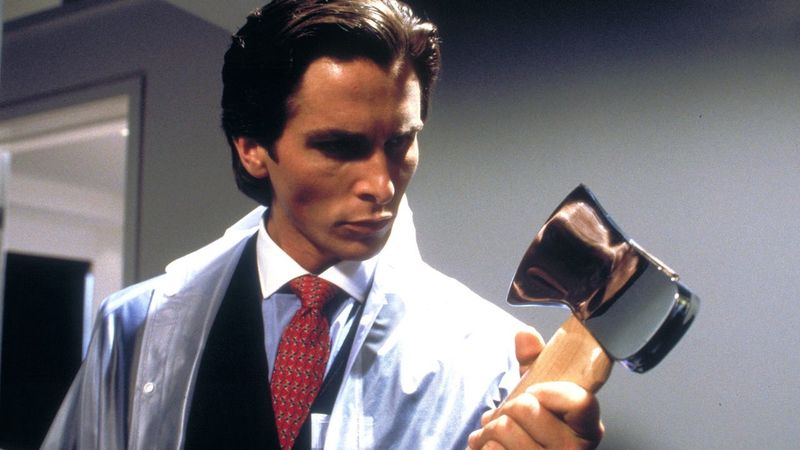
Patrick Bateman’s murder of Paul Allen is horror filtered through satire, and it’s one of cinema’s most memorably deranged sequences. The meticulous setup, the business card comparison, the raincoat, and Huey Lewis and the News playing in the background all combine into something genuinely unsettling.
Christian Bale’s cheerful monologue about the song while preparing to commit violence captures the film’s sharp critique of 1980s yuppie culture perfectly. It’s stylish, darkly funny, and deeply disturbing all simultaneously, a rare tonal achievement.
13. Sleeping Bag Kill in Friday the 13th Part VII
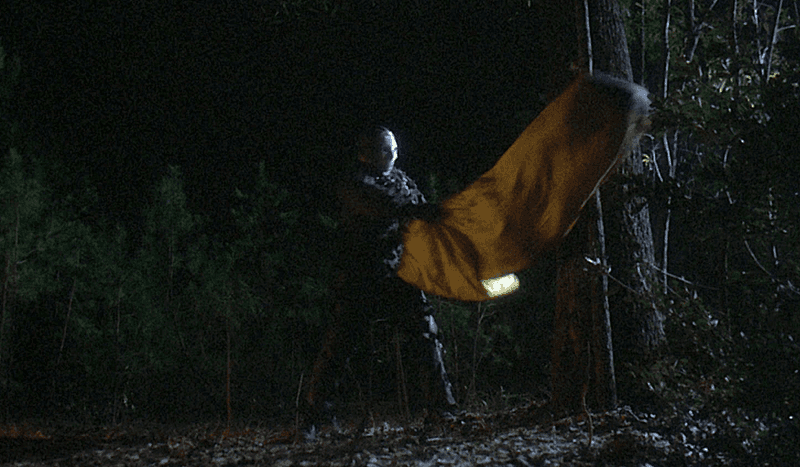
Jason Voorhees has dispatched countless campers over the years, but swinging a person inside a sleeping bag into a tree trunk stands as his most memorably campy achievement. Friday the 13th Part VII: The New Blood gave fans exactly what they wanted: Jason being wildly, absurdly creative.
The kill has been replicated, parodied, and referenced endlessly because it perfectly captures the franchise’s gleeful ridiculousness. It’s not meant to be subtle.
It’s Jason at his most Jason, and audiences have loved it for decades.
14. Olga in Suspiria 2018
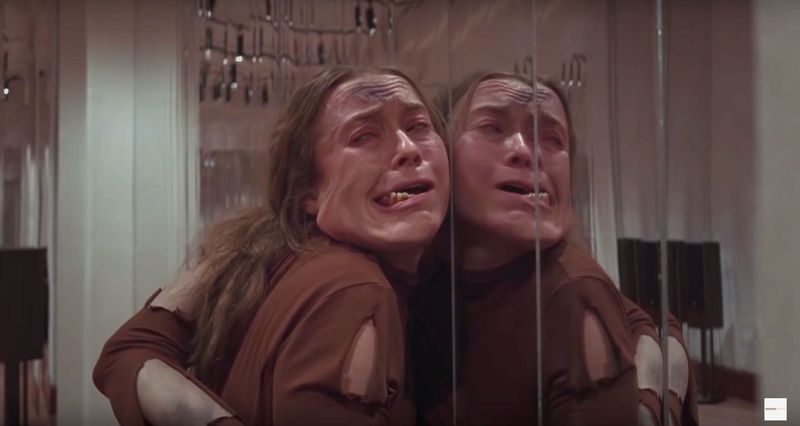
Luca Guadagnino’s Suspiria remake announced its intentions early and brutally. While Susie dances in one studio, Olga is trapped in another, her body twisting and folding against her will in sync with every movement.
It’s body horror at its most controlled and artistically intentional.
The parallel editing between the beauty of the performance and the horror of what it causes is genuinely nauseating in the most impressive way. Olga’s fate sets the tone for everything that follows, warning viewers that this film has no mercy.
15. Franklin Hardesty in The Texas Chainsaw Massacre
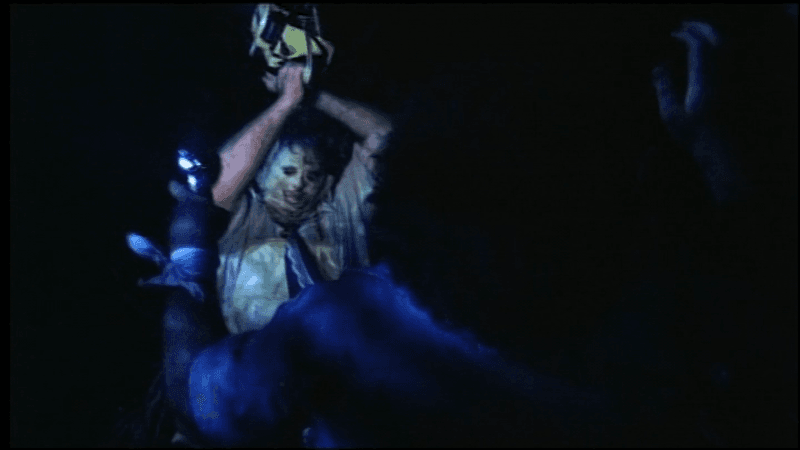
Audiences have a complicated relationship with Franklin Hardesty. He spends most of The Texas Chainsaw Massacre being loud, whiny, and genuinely exhausting, so when Leatherface finally catches up with him in a dark field, the reaction in theaters was reportedly more relief than horror.
That audience response says something fascinating about how horror manipulates empathy. Franklin’s death works because viewers were conditioned to be annoyed by him.
His exit is fast, brutal, and oddly cathartic, which makes it stick in memory.
16. Adrian Griffin in The Invisible Man 2020
Most horror films end with the monster defeated but the victim still shaken. The Invisible Man does something far more satisfying.
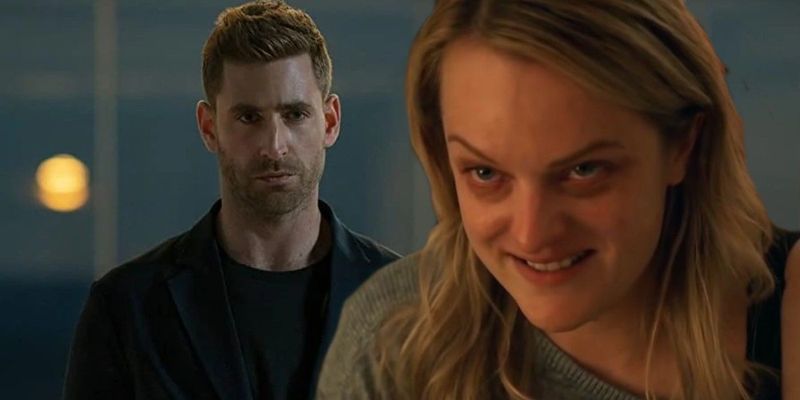
Cecilia Kass, after enduring prolonged abuse and gaslighting, engineers Adrian Griffin’s death using his own invisibility technology, turning his weapon against him completely.
Elisabeth Moss plays the final scene with an icy calm that feels completely earned. It’s one of the most cathartic villain exits in recent horror memory, a moment where the audience cheers instead of shudders, and that shift feels genuinely powerful.
17. Allie in Terrifier 2
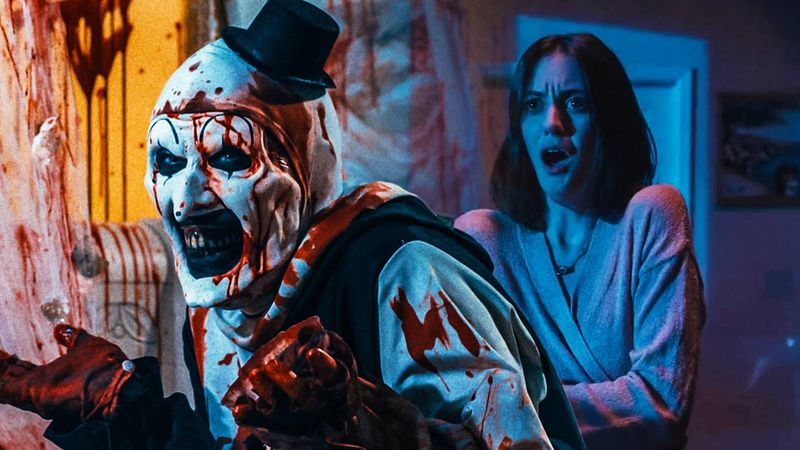
Damien Leone’s Terrifier 2 pushed the limits of what mainstream horror audiences would sit through, and Allie’s bedroom scene became the film’s most talked-about and controversial sequence for exactly that reason. Reports of people fainting and walking out of screenings spread across social media rapidly.
The extended, unflinching brutality was clearly intentional, designed to test endurance rather than simply frighten. Love it or hate it, Allie’s departure sparked a genuine conversation about the boundaries of horror cinema, which is exactly what provocative art is supposed to do.