
Gene Hackman could make a tough cop, a lonely spy, or a selfish father feel like someone you might meet. His best roles mixed strength with flaws, giving audiences plenty to cheer for and question.
Across crime stories, comedies, and family dramas, he rarely played things safe. These performances trace the big breaks, bold choices, and surprising turns that shaped his remarkable film career.
1. Bonnie and Clyde (1967): A Breakthrough as Buck Barrow
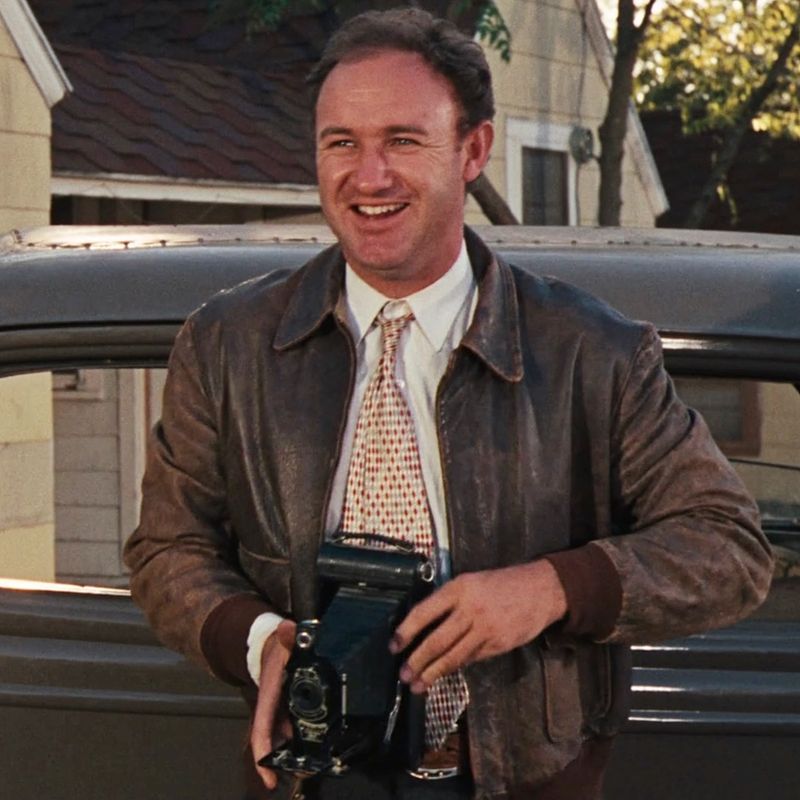
A loud laugh can announce a star before a big speech ever does. As Buck Barrow, Clyde’s older brother, Hackman brings swagger and rough humor to a gang heading toward disaster.
His energy makes Buck feel like family, not background decoration.
The performance earned his first Oscar nomination, for supporting actor, and became his major breakthrough. Watch how quickly his cheerful confidence turns fragile when the danger stops feeling like a game for the gang.
2. I Never Sang for My Father (1970): Family Pain Without Easy Answers
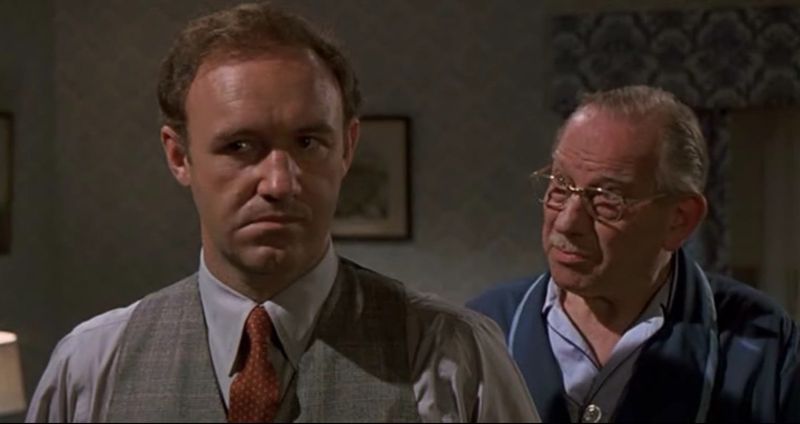
Family arguments rarely have clear winners, and Hackman understands that here. Playing Gene Garrison, a son struggling with his aging father, he shows how love and resentment can share the same space.
Small pauses carry as much weight as angry words.
His second supporting actor Oscar nomination confirmed that his earlier success was no accident. Alongside Melvyn Douglas and Estelle Parsons, he makes a painful family story feel personal rather than neatly packaged for viewers.
3. The French Connection (1971): Popeye Doyle Takes Over
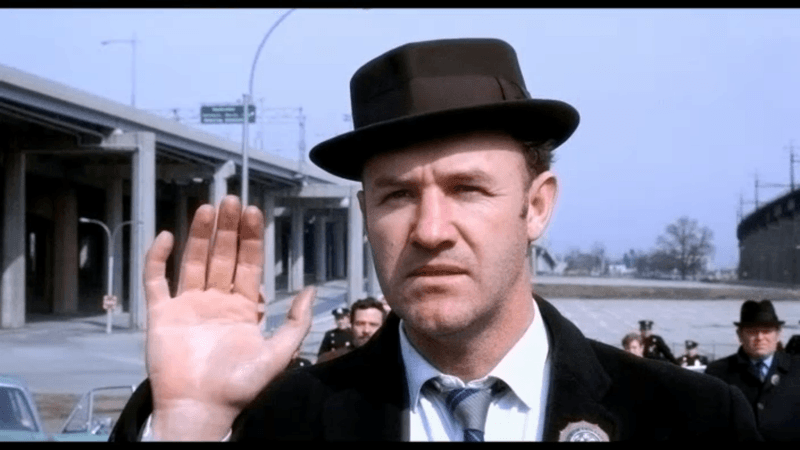
Forget the polished movie detective. Jimmy ‘Popeye’ Doyle is rude, stubborn, and willing to push far past comfortable limits.
Hackman gives him such fierce drive that even ordinary conversations seem ready to explode.
The role won Hackman his first Oscar, for best actor, while the film won best picture. Beyond the famous car chase, notice his restless movements and suspicious stare.
They make Doyle compelling without asking us to approve of his choices or methods.
4. The Poseidon Adventure (1972): Leading Through Disaster
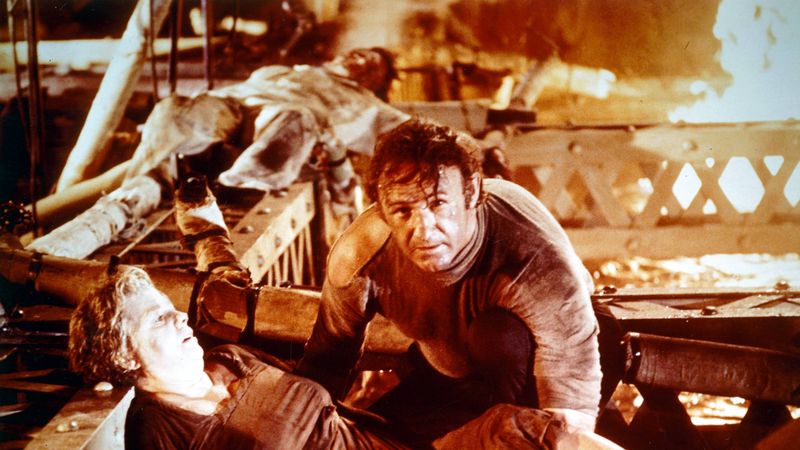
When an ocean liner flips upside down, calm manners will not get everyone home. Reverend Frank Scott answers the crisis with grit, anger, and a fierce belief in action.
Hackman makes his leadership feel earned through effort, not speeches alone.
This popular disaster movie proved he could anchor a large cast and a major crowd pleaser. His clashes with frightened passengers give the spectacle human stakes, especially when certainty becomes harder to hold onto afterward.
5. Scarecrow (1973): A Rough Friendship on the Road
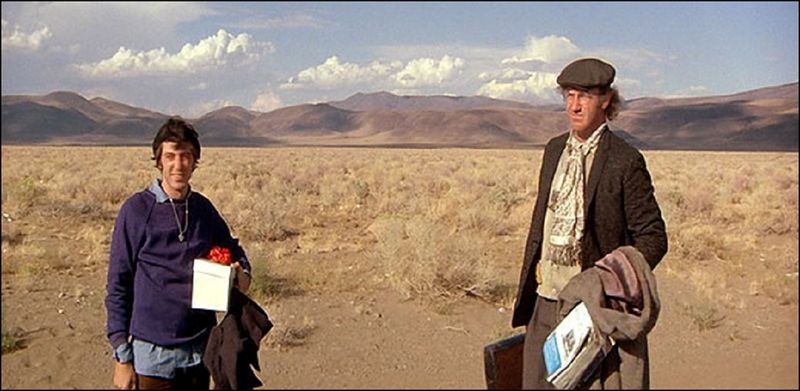
Beneath Max Millan’s grumbling exterior sits a man who needs connection more than he admits. Paired with Al Pacino’s wandering Lion, Hackman turns a road movie into an uneasy friendship between two outsiders carrying very different wounds.
Released after his rise to stardom, Scarecrow showed his interest in smaller, less predictable stories. Pay attention to the changing space between the men.
Their body language reveals growing trust before either can comfortably put it into words.
6. The Conversation (1974): Harry Caul’s Quiet Fear
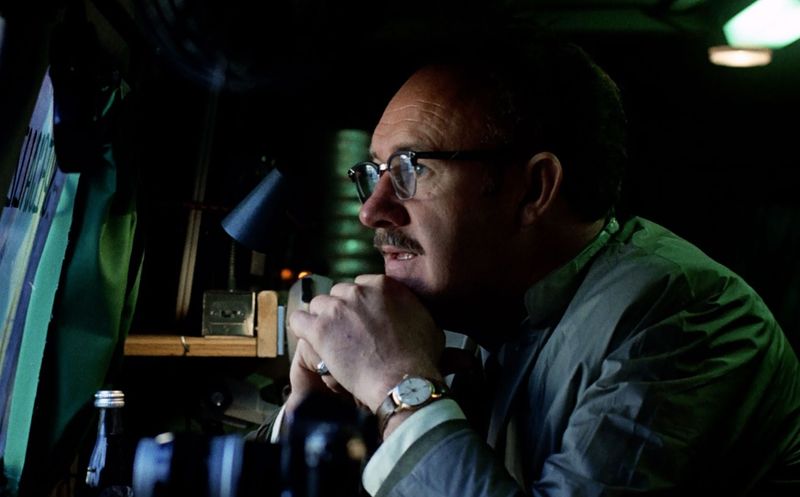
Silence becomes unsettling when the man listening cannot trust what he hears. Harry Caul, a surveillance expert, hides behind careful routines and a plain raincoat.
Hackman strips away his familiar forcefulness, replacing it with worry, shame, and guarded loneliness.
Directed by Francis Ford Coppola, this thriller revealed a quieter side of his range. Listen to his hesitant speech and watch his closed posture.
Both suggest someone skilled at observing others but frightened of being understood himself.
7. Young Frankenstein (1974): A Hermit Steals the Laughs
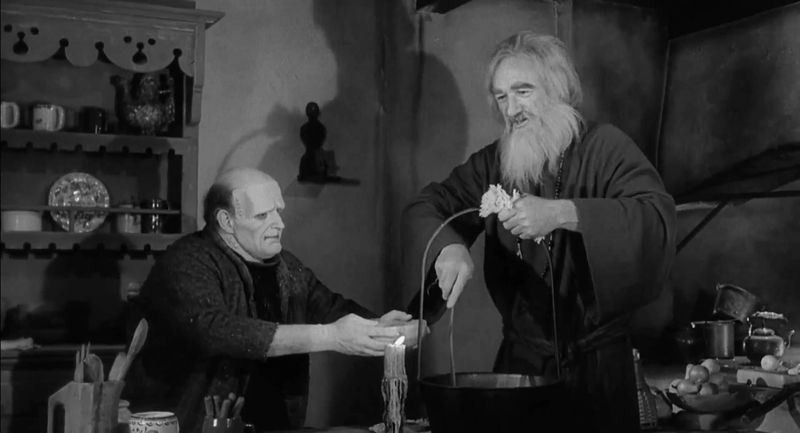
Soup, cigars, and kindness become a recipe for disaster in one wonderfully silly visit. As the blind hermit, Hackman welcomes Frankenstein’s monster with warm intentions and terrible results.
The joke works because he plays the hospitality so sincerely.
His brief appearance in Mel Brooks’ comedy offered a delightful surprise from an actor known for serious drama. Rather than chasing laughs with exaggerated mugging, he trusts timing and complete commitment.
That restraint makes the chaos even funnier.
8. Night Moves (1975): A Detective Who Misses the Signs
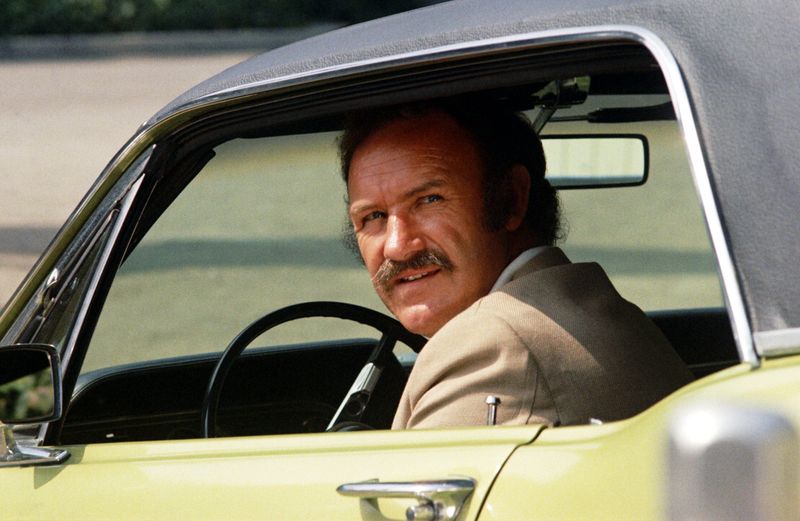
Solving other people’s problems is easier than facing your own. Harry Moseby works as a private detective, yet his personal life exposes blind spots that no investigation can neatly fix.
Hackman lets tired humor and wounded pride sit beneath his professional manner.
Reunited with Bonnie and Clyde director Arthur Penn, he helped create a darker variation on the screen detective. Follow what Harry overlooks, not just what he discovers.
His limits give the mystery its sting.
9. Superman: The Movie (1978): Lex Luthor’s Wicked Charm
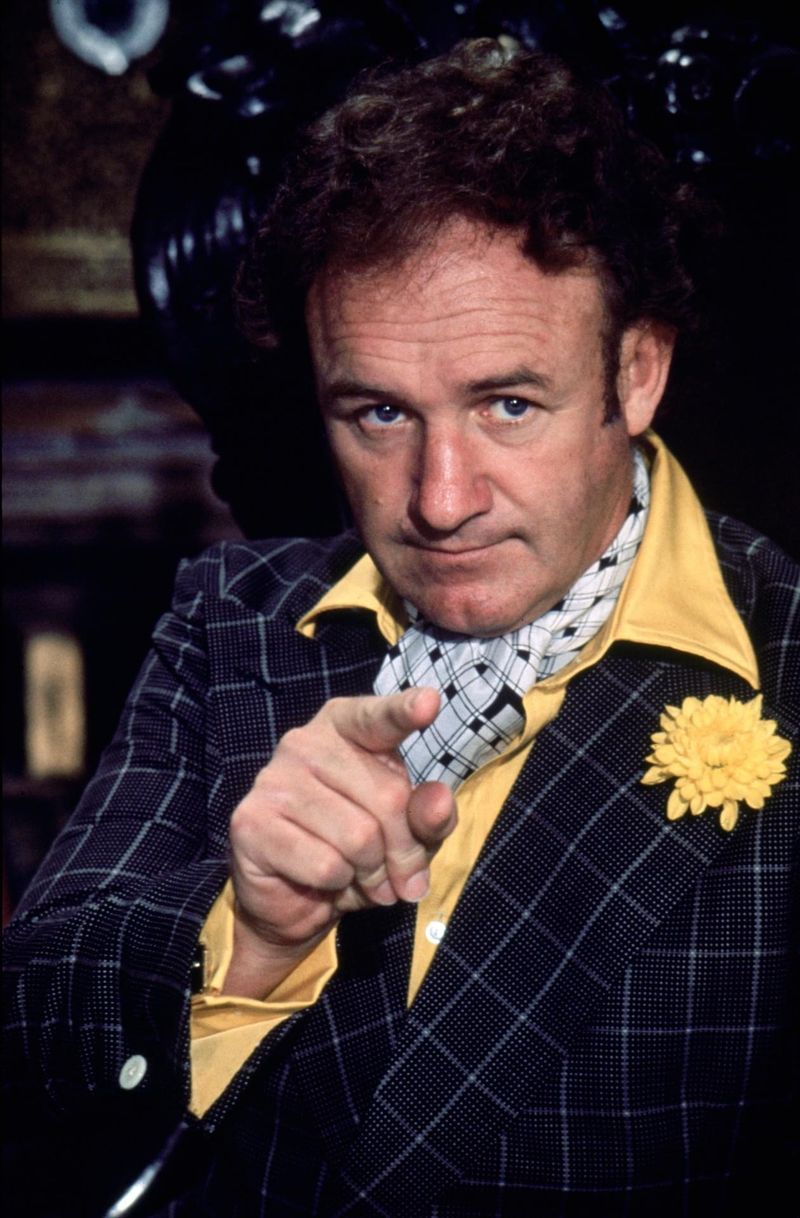
World domination apparently leaves plenty of time for jokes. Hackman’s Lex Luthor treats his criminal plans like proof that everyone else is hopelessly slow.
His relaxed confidence makes the villain entertaining without erasing the deadly stakes behind his scheme.
Superman introduced Hackman to another huge audience and gave him room to play with comic arrogance. Against Christopher Reeve’s earnest hero, he supplies a sly contrast.
Watch how his casual delivery turns insults into miniature comedy routines.
10. Reds (1981): Making a Small Role Count
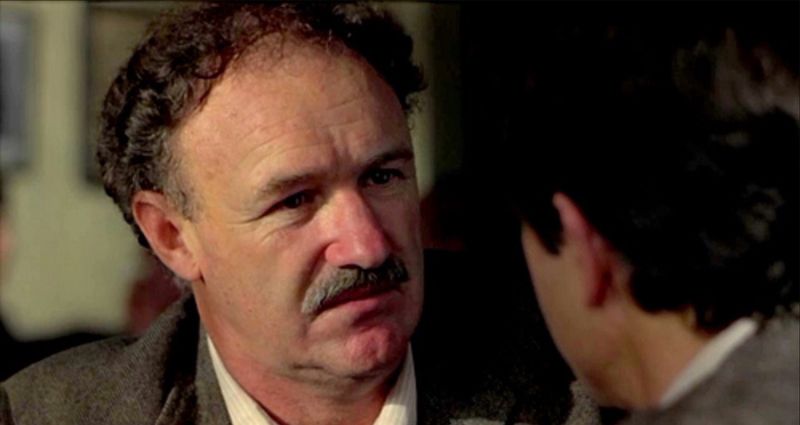
Screen time is not the same thing as screen presence. Playing editor Pete Van Wherry, Hackman brings a sharp, practical edge to Warren Beatty’s sweeping story of politics, journalism, and revolution.
Even a limited appearance benefits from his grounded authority.
Coming after a brief break from film acting, Reds marked a return rather than another starring showcase. It also highlights a useful viewing habit: notice supporting players.
A convincing small role can help an epic breathe.
11. Under Fire (1983): Journalism Under Pressure
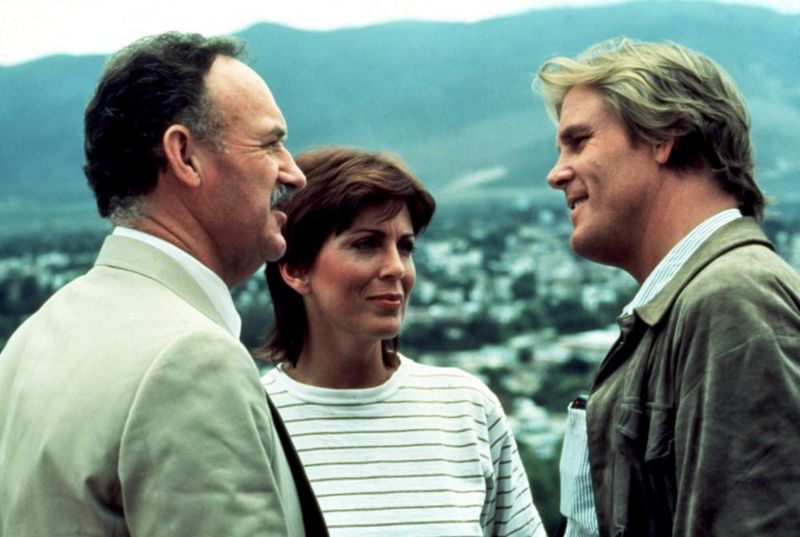
A reporter’s career plans can look very different when violence moves closer. As journalist Alex Grazier, Hackman adds weariness and ambition to a story set during Nicaragua’s revolution.
His presence helps make the danger feel human rather than distant.
Working alongside Nick Nolte and Joanna Cassidy, he strengthens the film’s questions about truth, loyalty, and responsibility. The role fits a recurring thread in his career: capable adults discovering that experience cannot protect them from every consequence.
12. Hoosiers (1986): A Coach Earns His Team
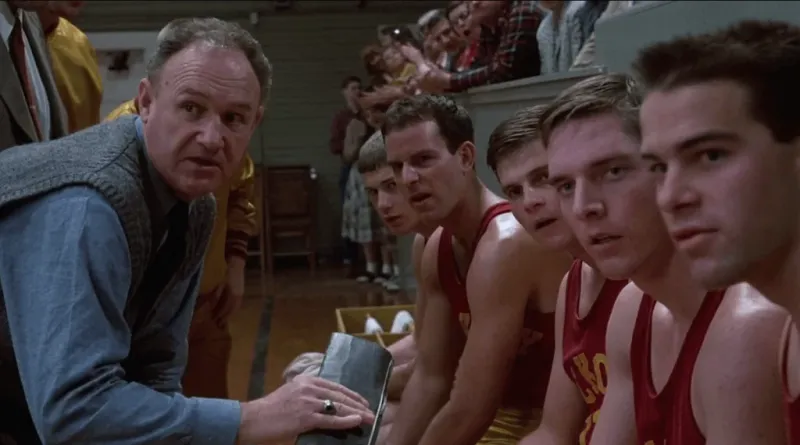
Winning trust proves harder than drawing up a winning play. Norman Dale arrives in a small Indiana town with firm rules and a troubled past.
Hackman gives the basketball coach enough stubbornness to cause friction and enough heart to earn affection.
Hoosiers became one of his most beloved films because the inspiration grows from difficult relationships. Watch how his tone changes as he learns to listen.
Leadership becomes less about control and more about shared belief.
13. Mississippi Burning (1988): Charm With a Hard Edge
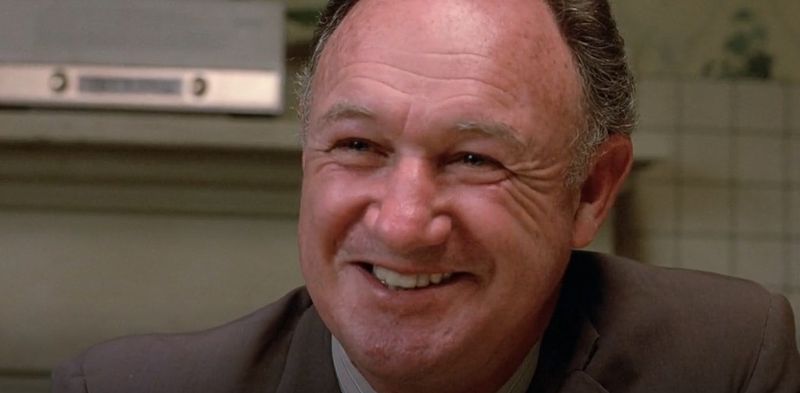
A friendly smile can hide a fierce warning. FBI agent Rupert Anderson understands the Southern town he is investigating, and Hackman uses that familiarity to make every conversation feel charged.
Easy charm can suddenly give way to frightening pressure.
The performance earned a best actor Oscar nomination. However, the film’s fictionalized treatment of civil rights history deserves scrutiny, especially its focus on federal agents.
Appreciate Hackman’s craft while remembering that compelling drama is not complete history.
14. Unforgiven (1992): Little Bill’s Dangerous Certainty
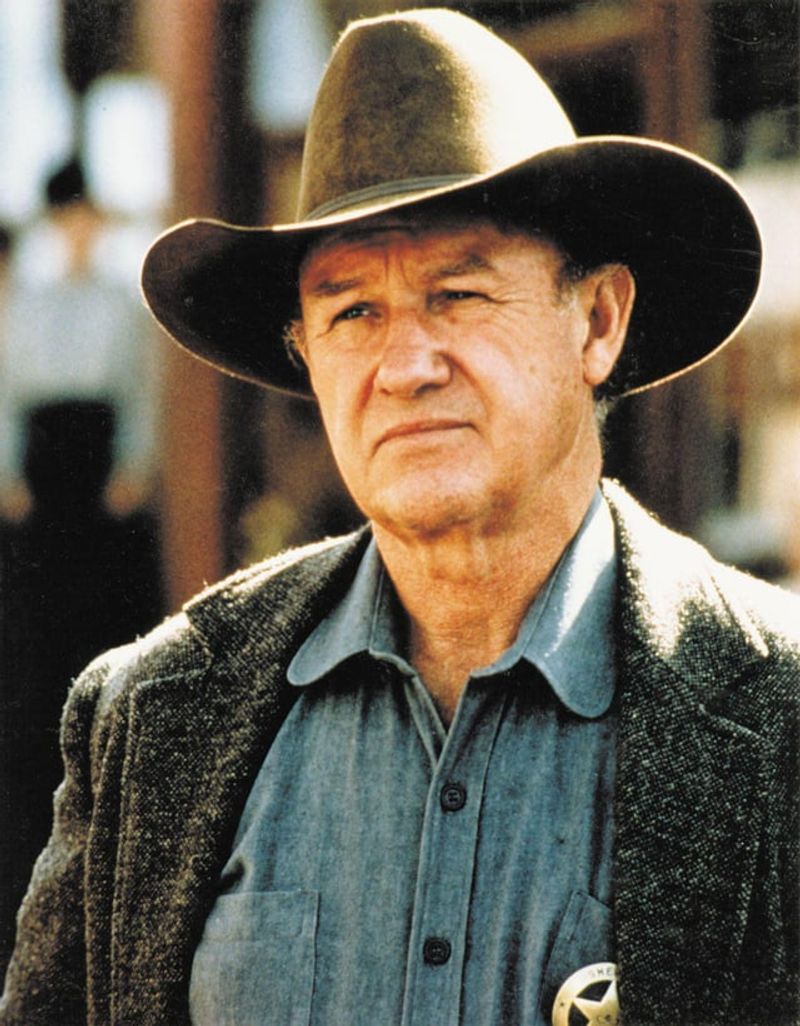
Few villains seem so sure they are keeping the peace. Sheriff Little Bill Daggett can discuss ordinary matters with ease, then deliver shocking cruelty.
Hackman makes that switch terrifying because Bill sees little conflict between his authority and his violence.
Clint Eastwood’s Western brought Hackman his second Oscar, for supporting actor. The performance challenges the comforting idea that a badge guarantees decency.
Notice his confidence: the danger comes from a man convinced he is completely justified.
15. The Firm (1993): Avery Tolar’s Compromised World
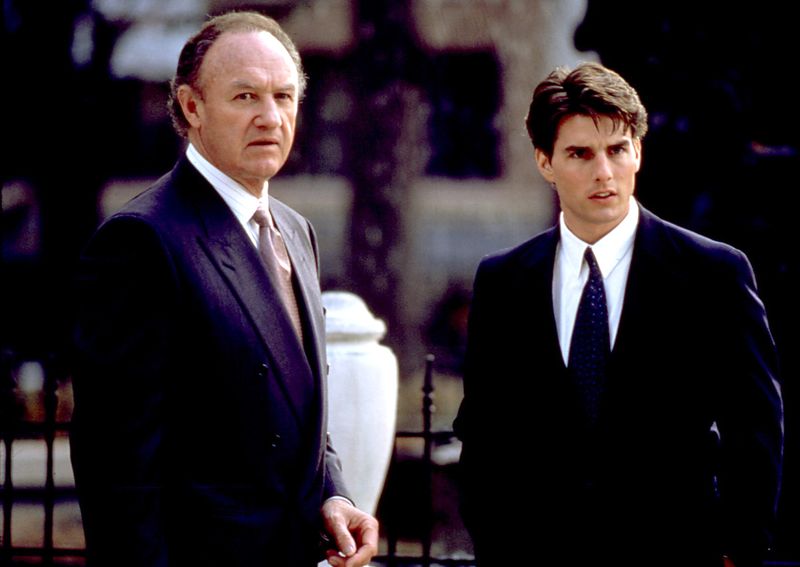
Expensive suits cannot cover every moral stain. Avery Tolar introduces a young lawyer to a world of money, influence, and hidden traps.
Hackman gives the older attorney an unsettling mix of polish, appetite, and flashes of genuine feeling.
Opposite Tom Cruise, he adds depth to a role that could have been merely another obstacle. His performance strengthens the thriller by keeping Avery difficult to judge.
Watch for moments when professional confidence slips and personal regret surfaces.
16. Crimson Tide (1995): Command Becomes a Battle
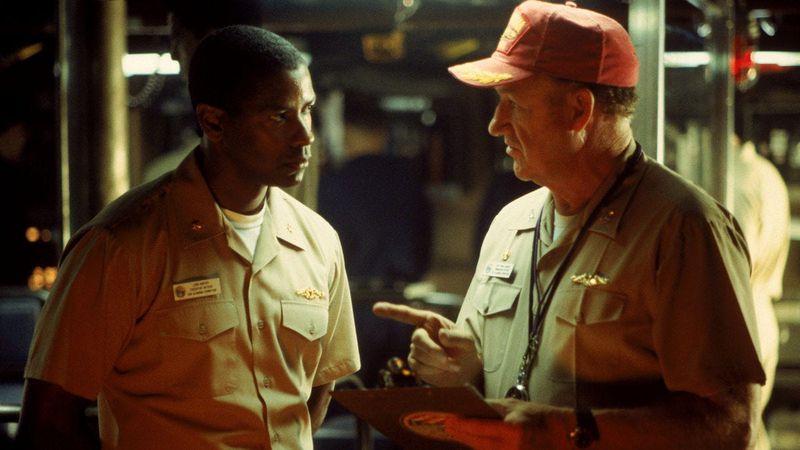
Inside a submarine, a disagreement can feel bigger than the ocean. Captain Frank Ramsey trusts experience, discipline, and his own judgment.
When his executive officer challenges him, Hackman turns command into a tense contest over who should be obeyed.
His clash with Denzel Washington gives the thriller its engine. Neither actor needs constant action to raise the pressure.
Listen to the clipped orders and loaded pauses. They show how pride can complicate decisions with enormous consequences.
17. The Royal Tenenbaums (2001): A Flawed Father’s Late Return
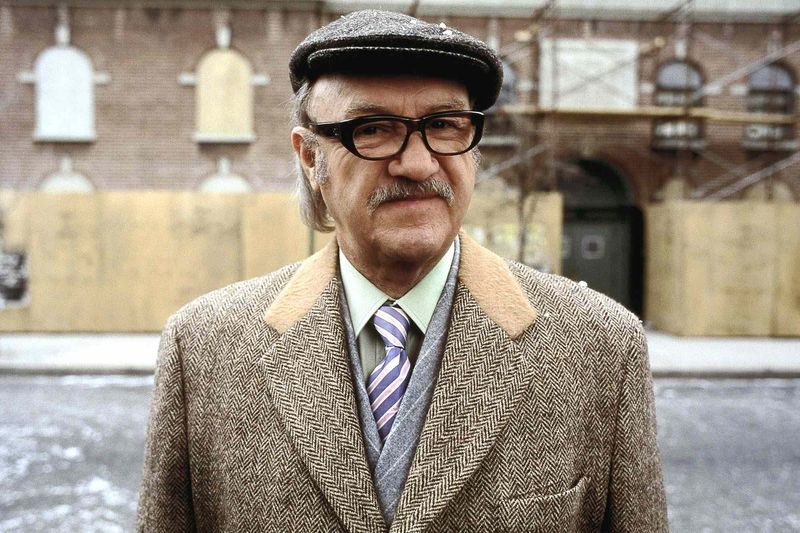
Being charming does not make someone a good father. Royal Tenenbaum returns to his wounded family armed with jokes, schemes, and a talent for avoiding blame.
Hackman somehow makes this selfish man funny, frustrating, and capable of surprising tenderness.
The role won him a Golden Globe for best actor in a musical or comedy, not an Oscar nomination. As a late career highlight, it gathers many of his strengths: sharp timing, bruised pride, and emotional honesty.